
Rascunho — ainda não traduzido.
Tour pela Fábrica de Chá Halpewatte no Sri Lanka
The World of Ceylon Tea: From Plantations to Your Cup
Halpewatte Tea Factory Tour: A Journey Through History, Numbers, and Tradition
Ceylon tea is more than just a drink – it’s a part of Sri Lanka’s rich history and culture. During our visit to the Halpewatte Tea Factory, we explored the tea plantations and learned about the delicate art of tea plucking. While we took the plantation tour, the factory also offers a full tour where you can see the entire process, from plucking to grading and packing. A highlight of the experience is the tea-tasting session, where you can sample different varieties and discover your favorites. Before leaving, you can even purchase freshly packaged tea from the factory’s shop to take a piece of Sri Lanka’s tea heritage home with you. Whether it’s diving into history, experiencing the traditions, or tasting the flavors, the Halpewatte Tea Plantation tour showcases everything that makes Ceylon tea truly special. No Sri Lanka itinerary is complete without a stop in tea country. Whether it’s the serene beauty of the plantations or the hands-on experience of tea tasting, this visit is a flavorful dive into the island’s identity.
Table of Contents
Halpewatte Tea Factory Tour: Essential Information
If you’re short on time but still want to know the essentials, this section covers all the key details about the Uva Halpewatte Tea Factory. From its location and history to tour options and booking information, here’s everything you need to plan your visit quickly and easily.
- Location: 1,230 meters above sea level, 6 km from Ella, Uva region.
- History: Established in 1940, now the largest tea producer in Uva.
- Activities: Factory tours, plantation walks, tea plucking, and masterclasses.
- Tour Times: Daily from 8:00 a.m. to 4:30 p.m.
- Prices: Factory/Plantation Tour – $10 USD; Masterclass – $30 USD; Traditional Attire Rental - $6 USD.
- Booking: Call +94 572228530 or WhatsApp +94 776328161, or visit their website.
- Specialty: Fresh, unblended tea directly from their plantations.
For more information please get in touch with the official tourism board at:
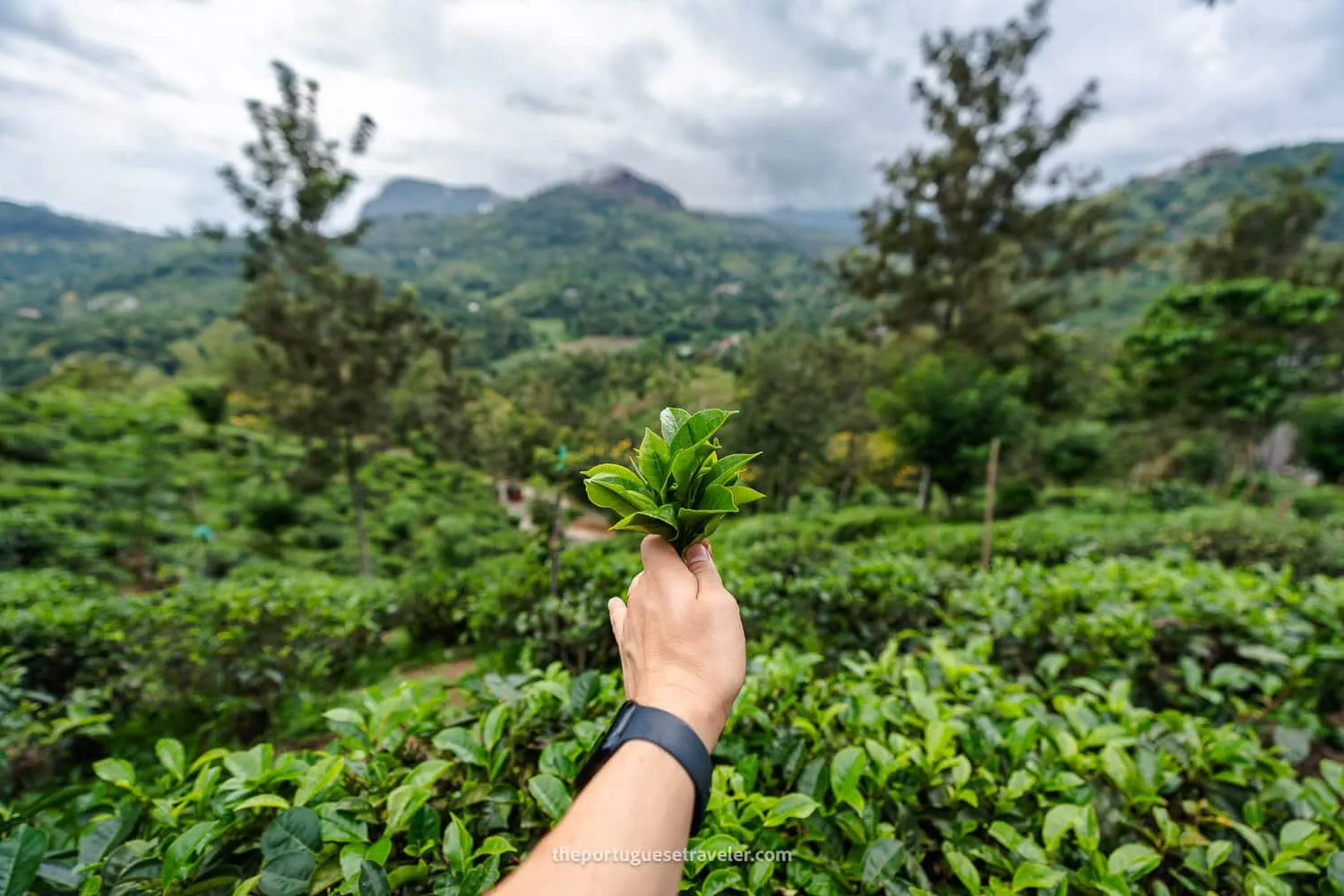
The Halpe Tea Plantation
The History of Ceylon Tea: From Colonial Roots to Global Fame
Tea has a long and fascinating history, initially consumed for its medicinal properties before becoming the beloved beverage it is today. The journey of tea, from an ancient herbal remedy to one of the world’s most sought-after drinks, set the stage for the success of Ceylon tea, an iconic product of Sri Lanka. Tea was introduced to Sri Lanka in the 19th century. Before the 1860s, coffee was the dominant crop, but in 1869, a fungus wiped out the plantations, leading estate owners to diversify. In 1867, James Taylor planted tea at the Loolecondera estate in Kandy, marking the beginning of commercial tea cultivation in Sri Lanka. During British rule, the focus shifted from coffee to tea. In 1872, Taylor established the first tea factory, and by 1873, Sri Lanka made its first international tea sale to London. By 1899, the area cultivated with tea reached 400,000 acres. A key figure in the global success of Ceylon tea was Sir Thomas Lipton. A Scottish entrepreneur, Lipton recognized its potential and revolutionized its marketing. By purchasing tea estates in Sri Lanka and eliminating middlemen, he made high-quality tea affordable worldwide. His slogan, “Direct from the tea garden to the teapot,” helped establish Lipton Tea as a household name. By the 20th century, Ceylon tea became renowned for its robust flavor, gaining global recognition. The first public auction took place in 1883, and by 1893, one million tea packets were sold at the Chicago World’s Fair. In the 1960s, Sri Lanka became the world’s largest tea exporter. Innovations like instant tea (1963) and the International Tea Convention (1966) further propelled the industry. Today, Sri Lanka remains one of the largest tea producers, focusing on quality, sustainability, and innovation. In 2024, over 300 million kilograms of tea were exported, with Ceylon tea accounting for 12-15% of the global market. Celebrated for its rich history and exceptional quality, Ceylon tea continues to be enjoyed worldwide.
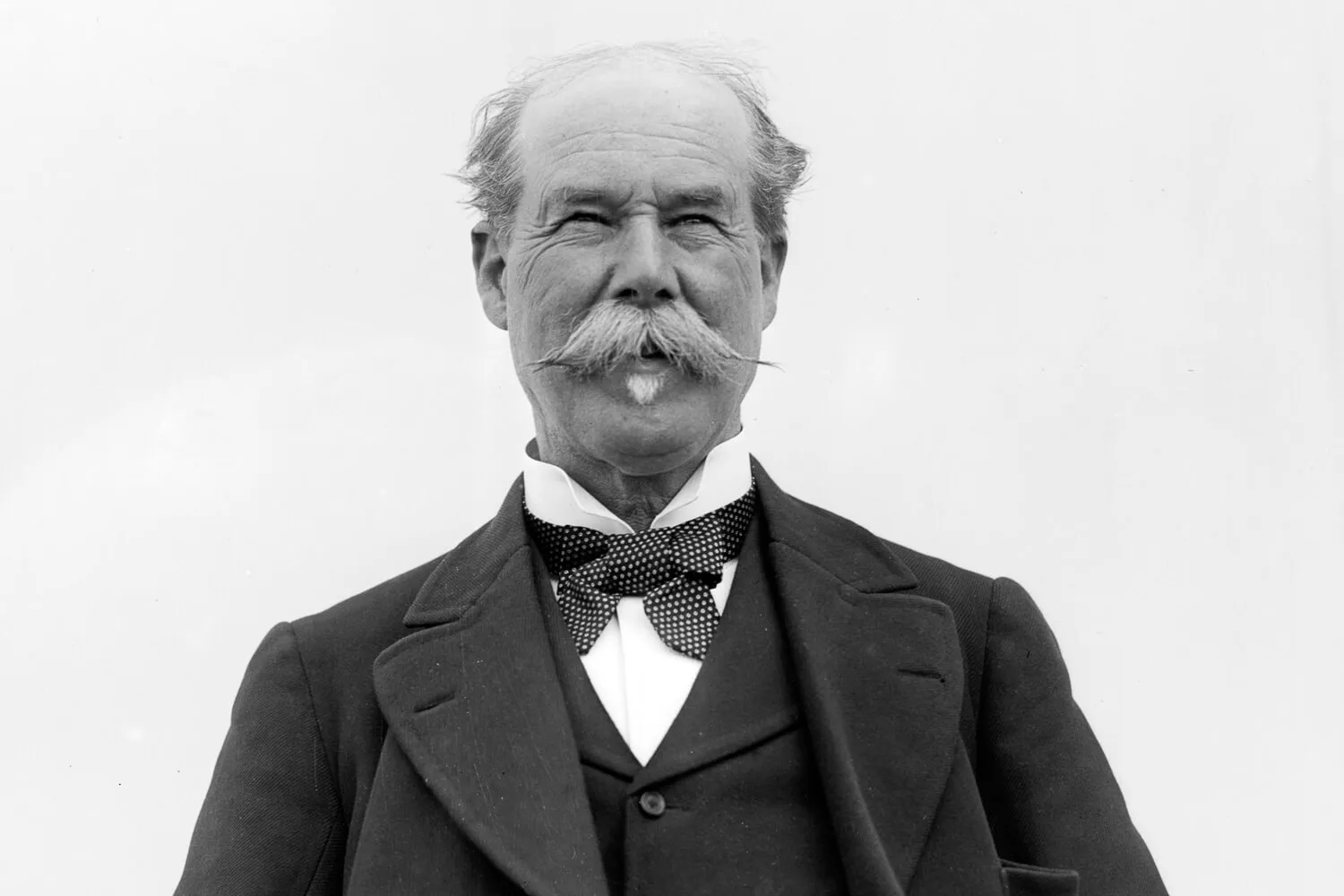
Thomas Lipton’s Portrait [1]
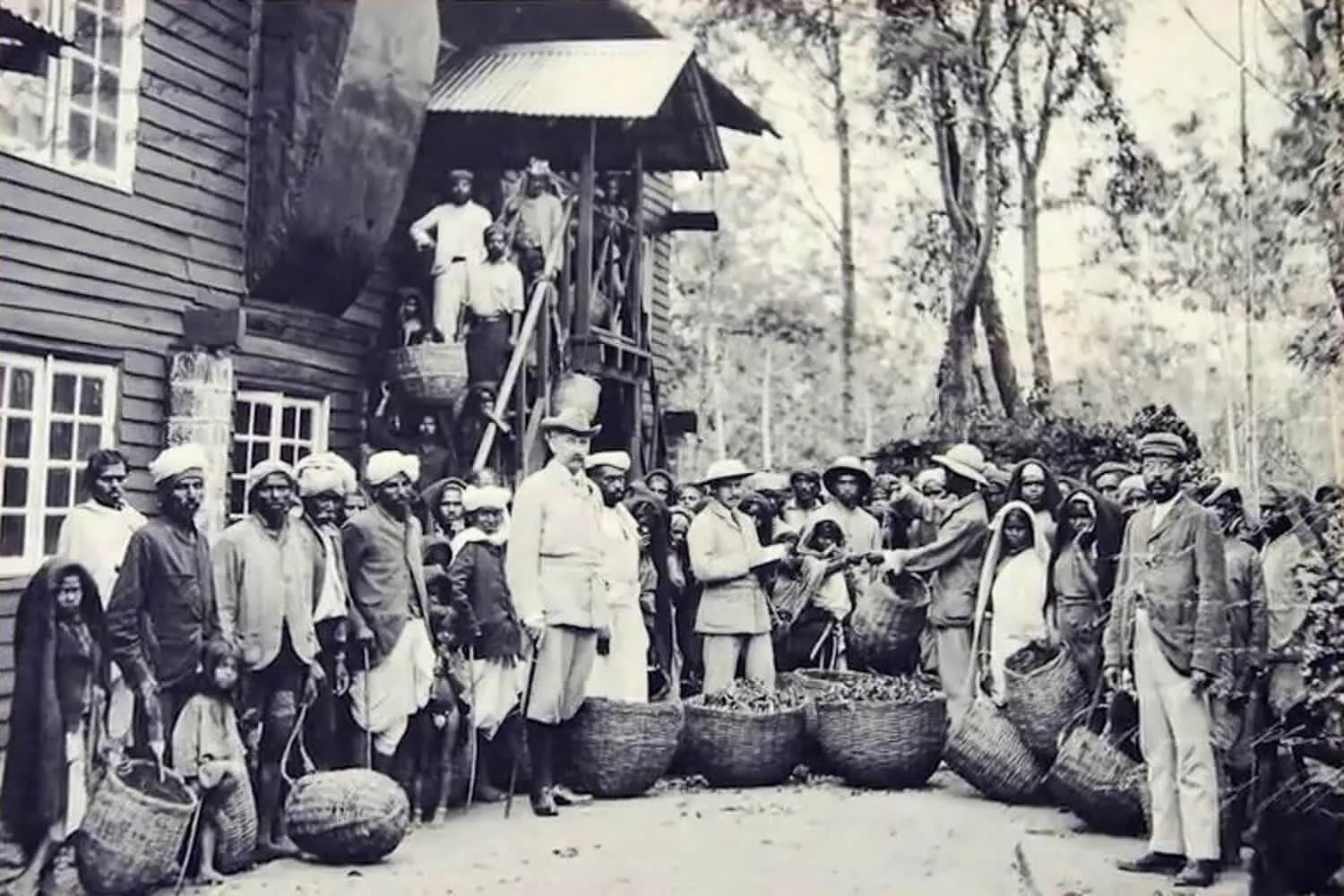
Ceylon Tea Factory Photo [2]
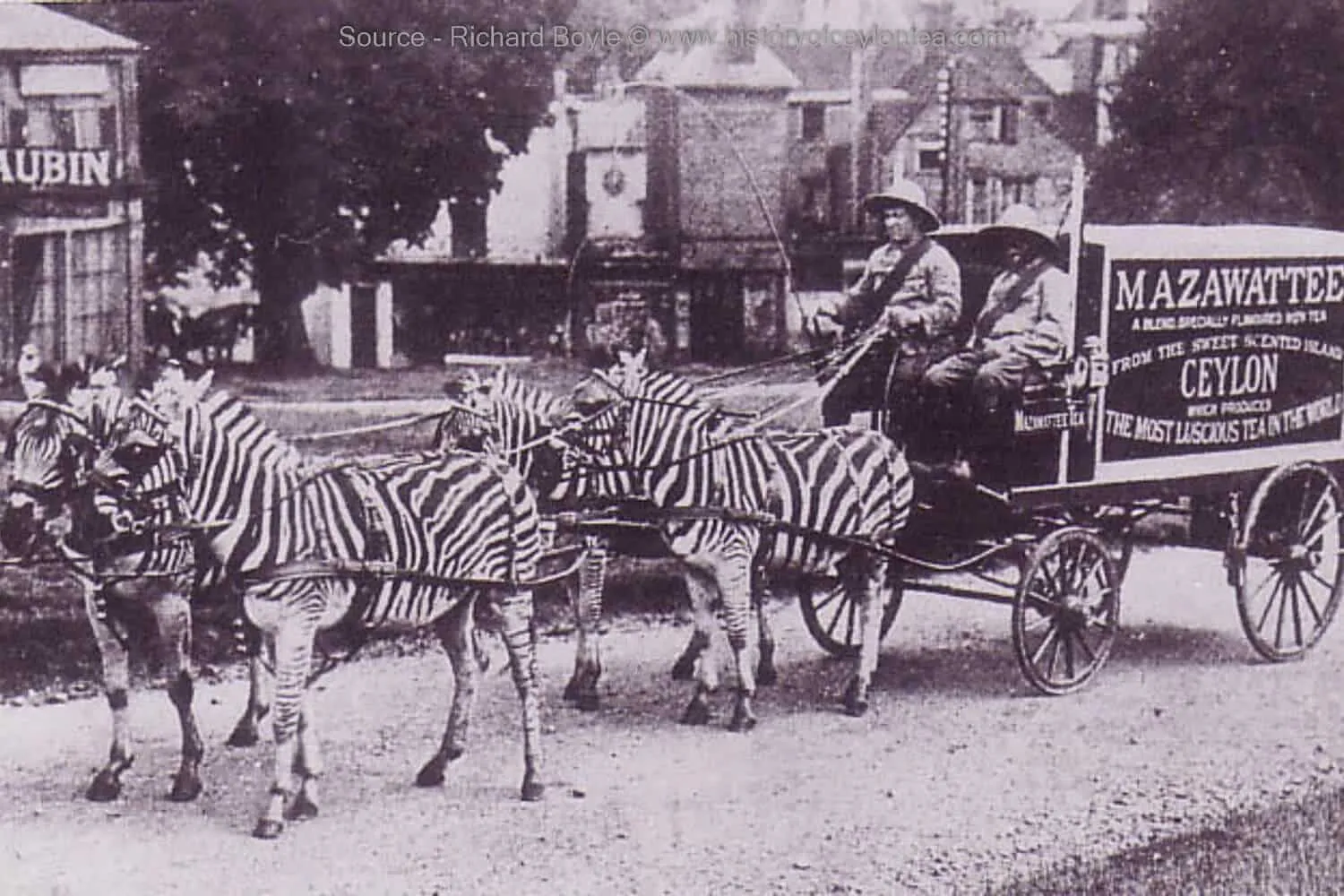
Ceylon Tea Transport w/ Zebras [3]
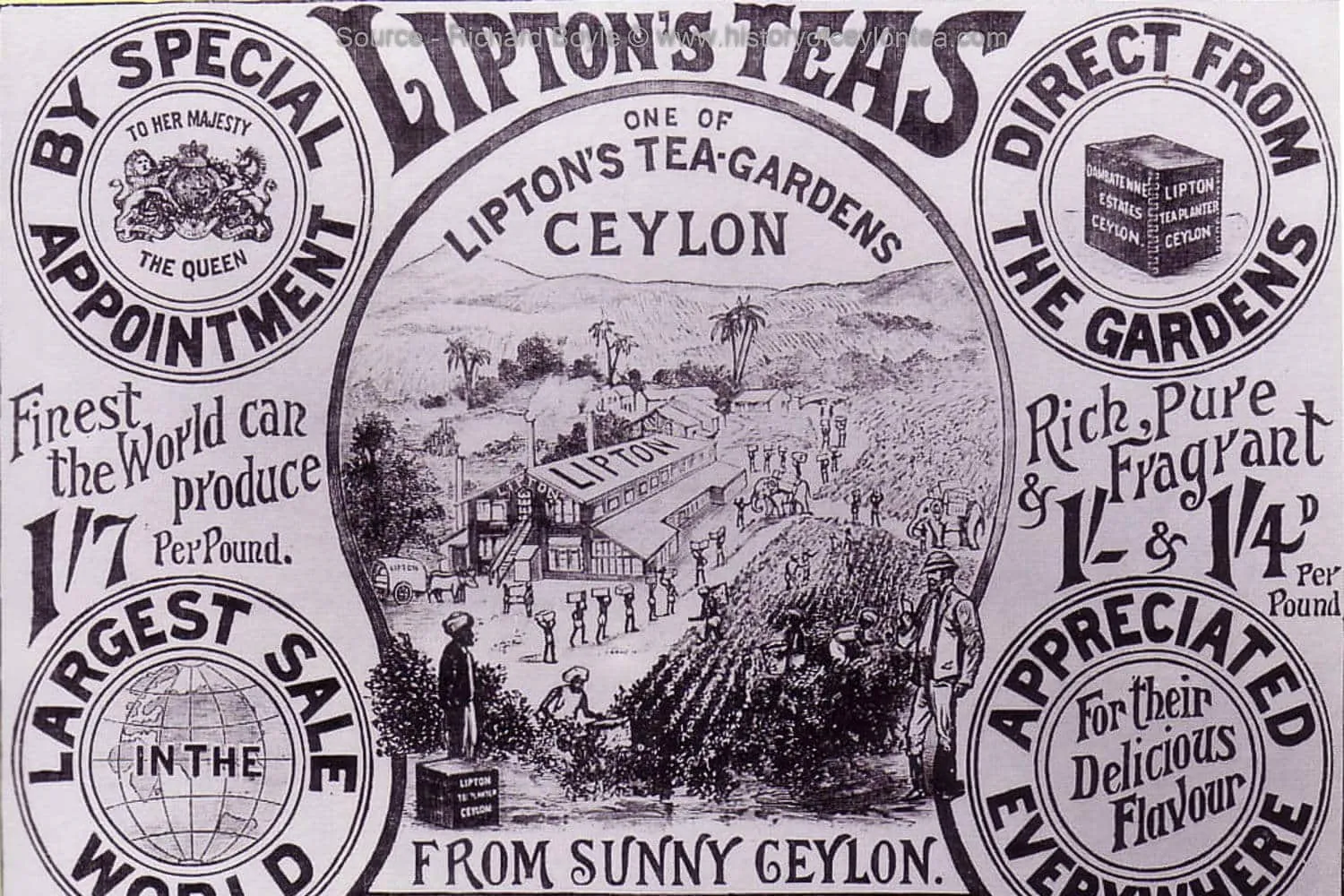
Lipton Tea’s Advertising Pamphlet [4]
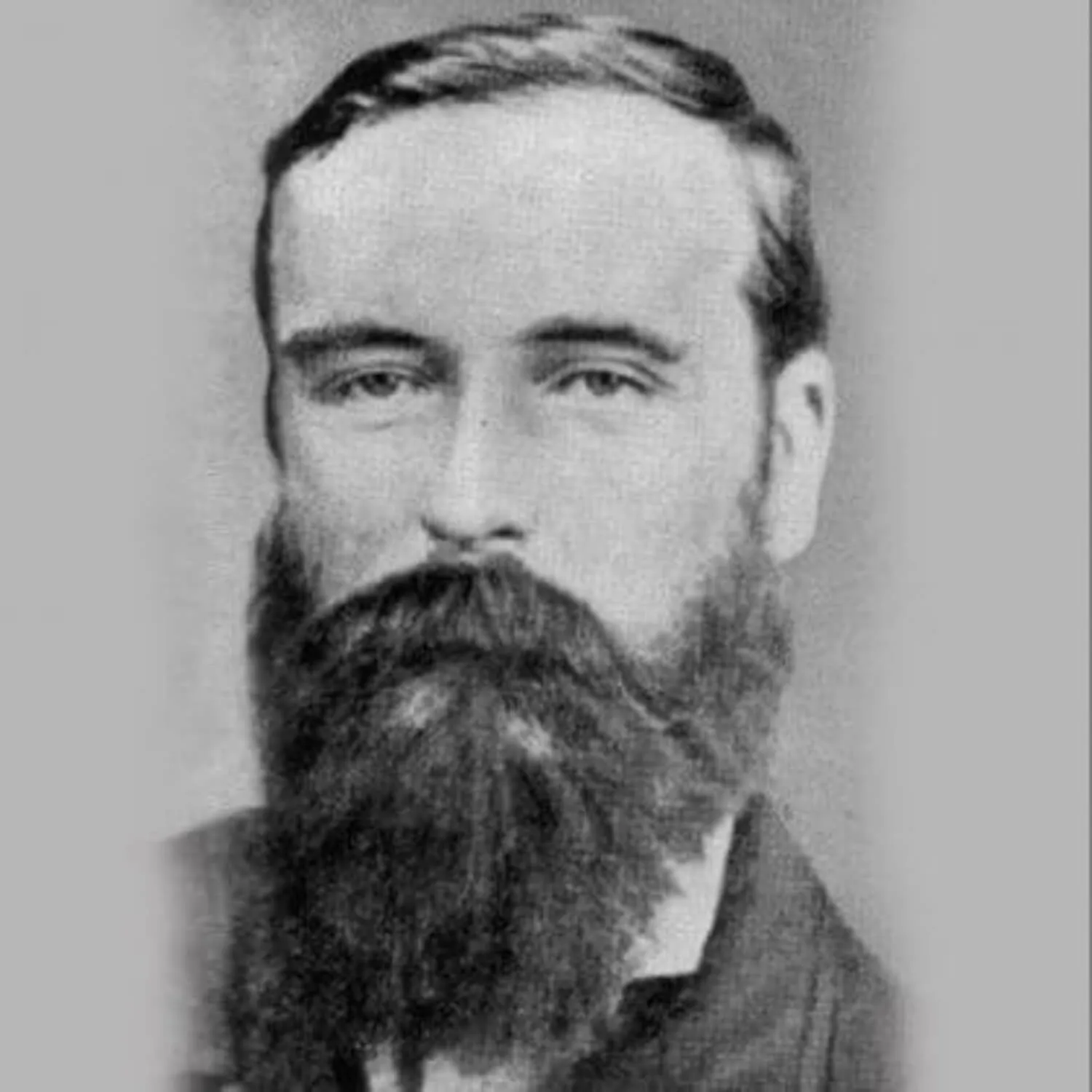
James Taylor’s Portrait [5]
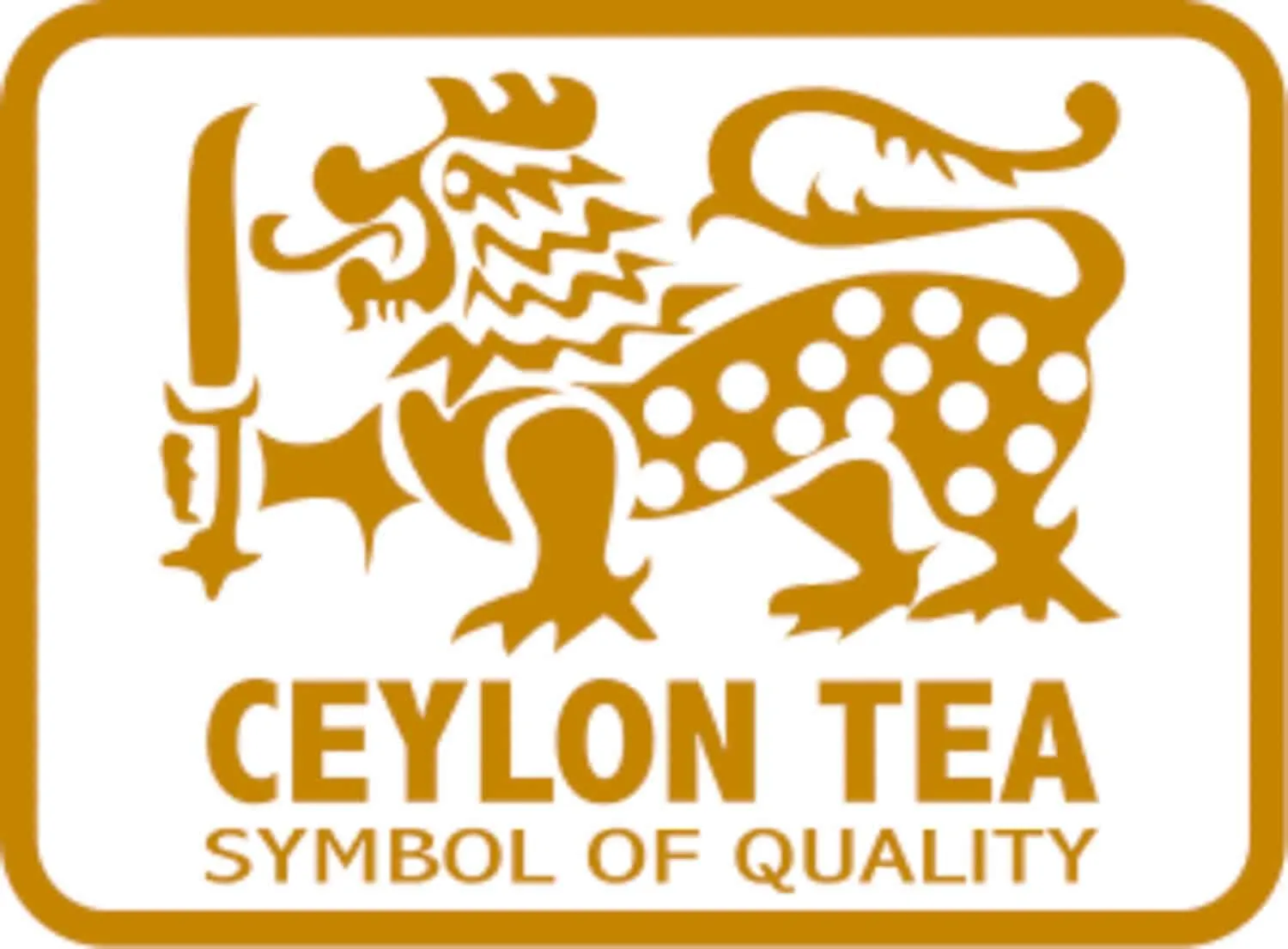
Lion Logo of Pure Ceylon Tea [6]
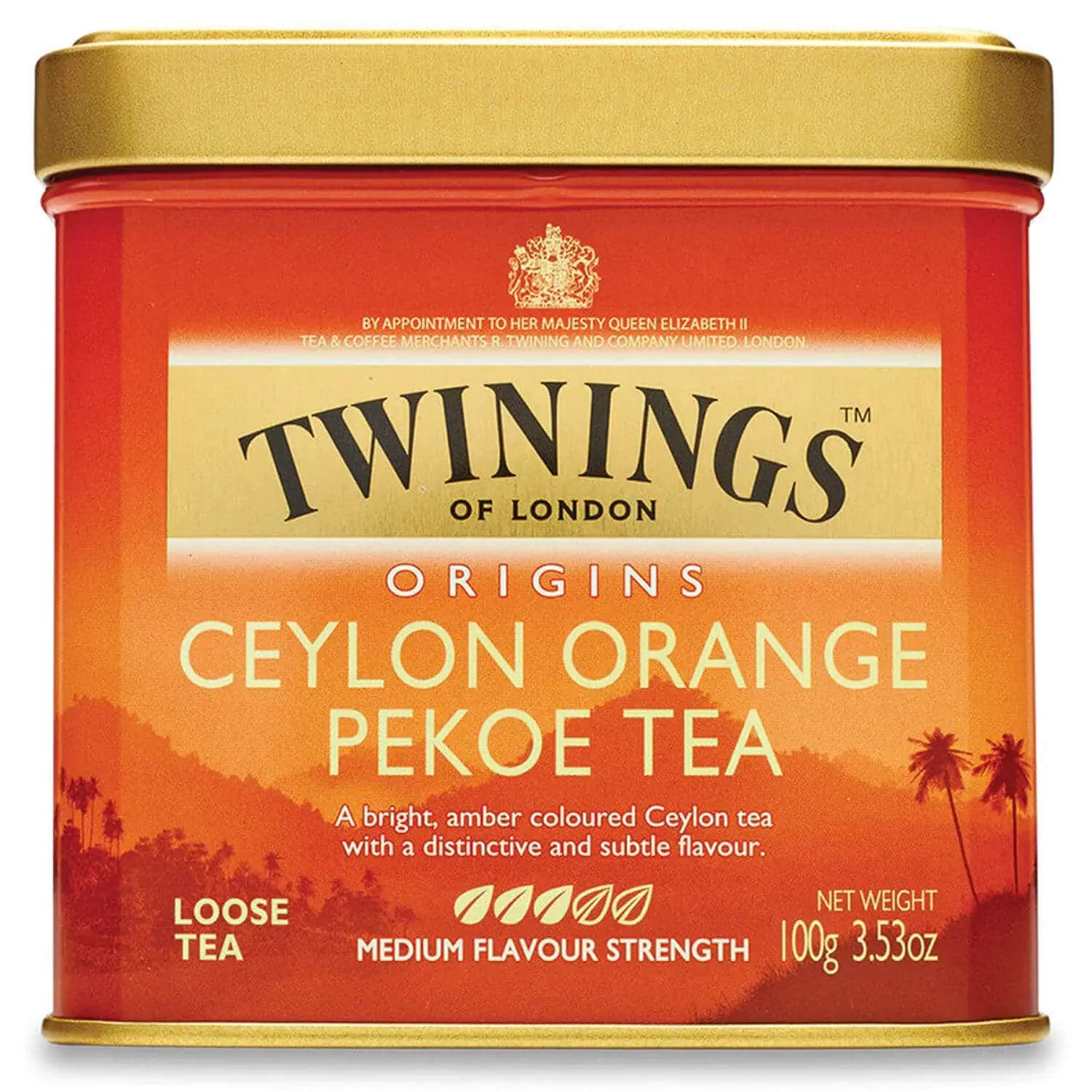
Ceylon Orange Pekoe Tea from Twinings [7]
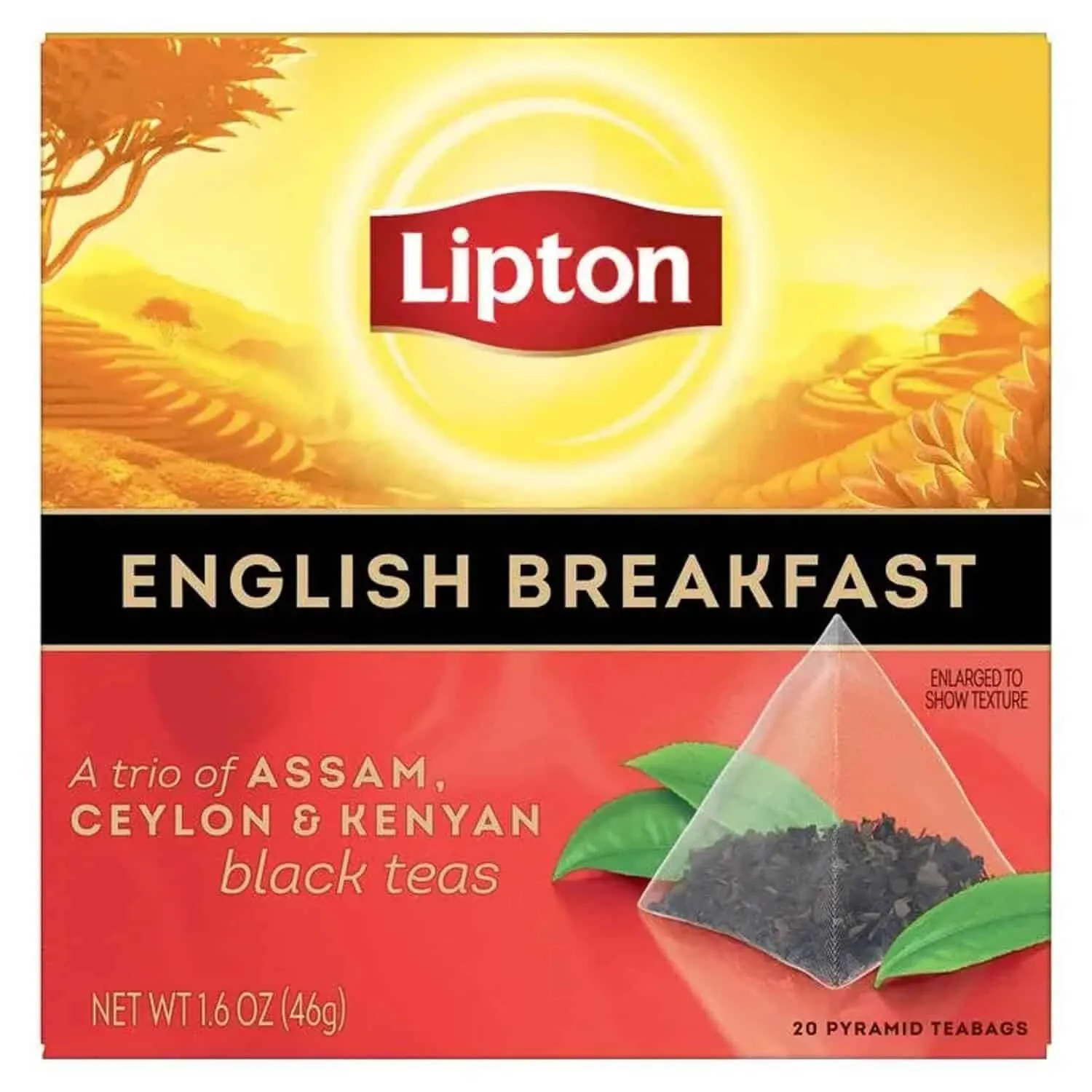
English Breakfast Ceylon Tea from Lipton [8]
Historical Images Source: [1] Thomas Lipton - https://en.wikipedia.org/wiki/Thomas\_Lipton [2] Ceylon Tea Factory Photo - https://www.pureceylontea.com/story/ [3] Ceylon Tea Transport w/ Zebras - https://www.historyofceylontea.com/media-archive/a-collection-of-historic-photos-sketches—309 [4] Lipton Tea’s Advertising Pamphlet - https://www.historyofceylontea.com/media-archive/a-collection-of-historic-photos-sketches—309 [5] James Taylor’s Portrait - https://en.wikipedia.org/wiki/James\_Taylor\_ (tea_planter) [6] Lion Logo of pure Ceylon tea - https://en.wikipedia.org/wiki/Ceylon\_tea [7] Ceylon Orange Pekoe Tea from Twinings - https://twinings.co.uk/products/ceylon-orange-pekoe-loose-tea-caddy-international-blend-100g [8] English Breakfast Ceylon Tea from Lipton - https://www.lipton.com/us/en/our-teas/english-breakfast-black-tea-20-pyramid-tea-bags/
What Makes Ceylon Tea Special? Flavor, Climate, and Craftsmanship
Ceylon tea, renowned for its unique flavor and craftsmanship, stands out globally thanks to the ideal climatic conditions and skilled hands behind its production. Sri Lanka’s diverse topography creates the perfect environment for growing tea, with regions ranging from high-altitude cool climates to lowland warmth, resulting in a wide array of tea flavors. The flavor of Ceylon tea varies based on the elevation where it is grown. High-grown teas, such as those from Nuwara Eliya, have a light, delicate flavor with a golden hue. Mid-grown teas from regions like Kandy are more robust, offering a bright infusion with a coppery tint. In contrast, low-grown teas from areas like Galle and Matara are known for their stronger, richer flavor and a burgundy brown liquor. Uva, another prominent tea-growing region, is celebrated for its signature aromatic, full-bodied teas. The region’s microclimate, with dry winds and cooler temperatures, imparts a distinctive floral sweetness, often with a tangy finish, making Uva tea highly prized for its complexity and balance. The craftsmanship of Ceylon tea is unparalleled, with each leaf plucked by hand. Women skillfully harvest the tender two leaves and a bud, ensuring only the best leaves make it to the factory. This meticulous hand-picking process ensures that the flavor and aroma of the tea remain intact, unlike in mechanical methods where the leaves might be damaged. After picking, the leaves undergo careful processing—withered, rolled, oxidized, and dried to preserve their unique characteristics. This craftsmanship is especially evident in Uva, with growers carefully adjusting processing techniques to enhance the signature flavors unique to the region. Ceylon tea is predominantly known for its black tea, which is loved for its rich, full-bodied flavor and aromatic strength. It’s a versatile tea, used in blends like Earl Grey or enjoyed independently. For those seeking something lighter, Ceylon green tea offers a nutty, malty flavor, while the rare and delicate white tea, or ‘silver tips,’ provides a subtle, honeyed infusion with a gentle sweetness. The dedication to quality, the ideal climate, and the traditional craftsmanship make Ceylon tea a cherished beverage around the world.
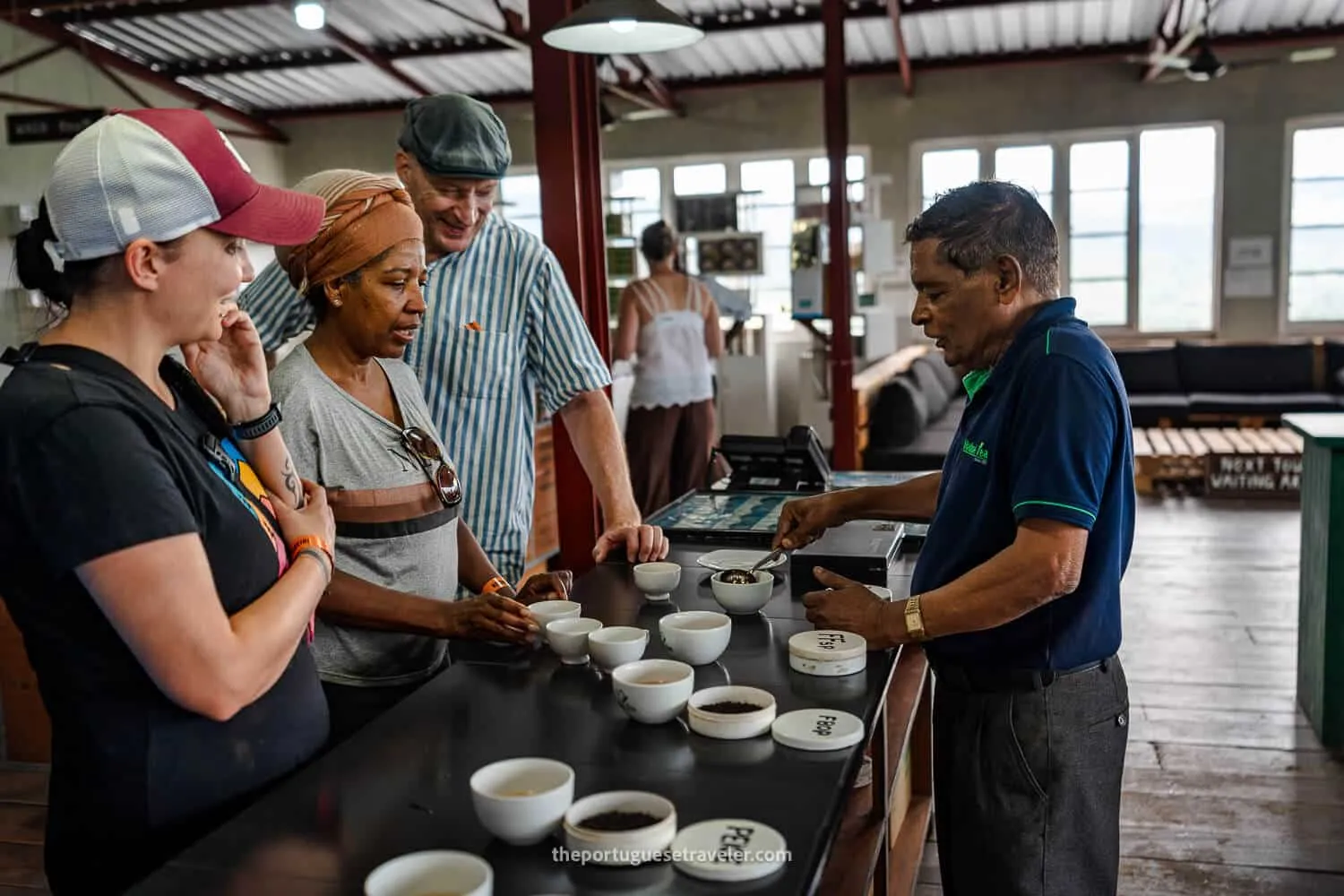
The Ceylon Tea Tasting Experience at the Halpewatte Tea Factory
The Numbers Behind Ceylon Tea: Exports, Varieties, and Global Impact
Ceylon tea is one of the world’s largest exported teas, with Sri Lanka exporting over 300 million kilograms annually, representing around 12-15% of the global tea market. It is enjoyed in over 150 countries, making it a key player in the global tea industry. Ceylon tea stands out for its varieties, with regions like Nuwara Eliya, Dimbula, Kandy, and Uva offering distinct flavors - from delicate and fruity to robust and malty. These regional differences ensure there is a Ceylon tea for every taste. The tea industry is a major contributor to Sri Lanka’s economy, providing employment to over 1 million people and significantly boosting foreign exchange earnings. Sri Lanka’s focus on sustainability and innovation in tea production has also solidified Ceylon tea’s global reputation for quality. The Lion logo symbolizes the authenticity and superior quality of Ceylon tea, reinforcing its status as one of the finest teas globally.
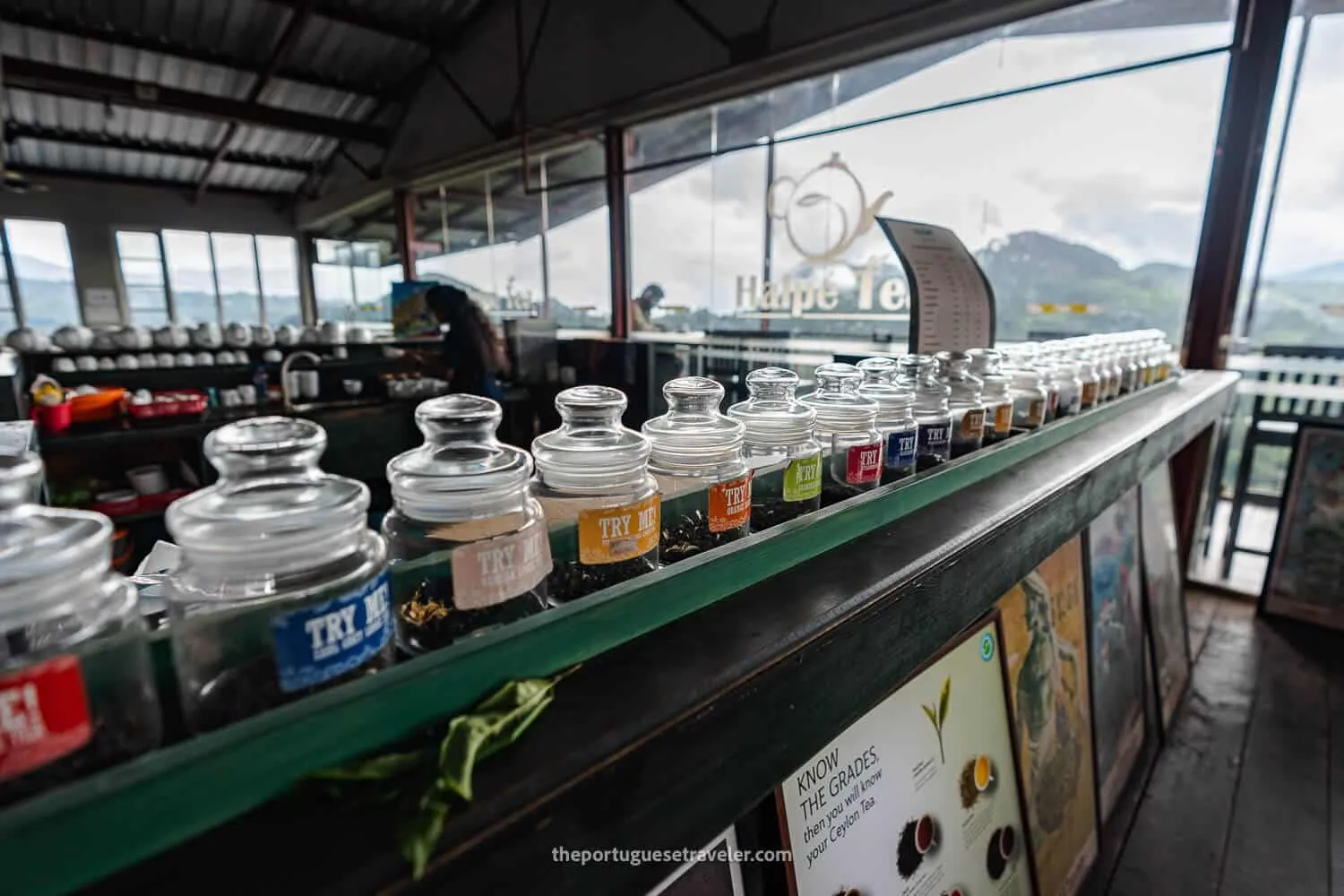
Ceylon Tea Varieties at the Halpewatte Factory
What Types of Ceylon Tea Are There? Black, Green, White, and Beyond
Ceylon tea offers a variety of flavors and qualities, thanks to Sri Lanka’s ideal climate, meticulous craftsmanship, and careful selection of tea leaves. The three main types - Black, Green, and White tea - each have unique characteristics and production methods, influenced by how the leaves are plucked from the tea bush.
- Ceylon Black Tea is the most famous and widely enjoyed variety. Its production involves full oxidation, giving it a bold flavor and rich aroma. The plucking standard for black tea often includes a bud and two to three leaves, contributing to its robust taste and full-bodied character. High-grown black teas have a light, honey-like profile, while low-grown varieties are known for their deep, burgundy hues and stronger flavor.
- Ceylon Green Tea retains more natural antioxidants due to minimal processing, making it a popular choice among health-conscious tea lovers. It offers a malty, nutty flavor with a distinctive freshness. Green tea is usually made from one bud and two leaves, balancing the tender notes of the bud with the fuller flavors of the leaves. It is primarily grown in mid- and high-elevation estates, which enhance its refined character.
- Ceylon White Tea, also called “Silver Tips,” is the least processed and the rarest type of tea. Its delicate, sweet flavor with subtle honey and pine notes makes it a luxury choice cherished worldwide. White tea is crafted from the youngest part of the tea plant—a single unopened bud or a bud with just one leaf—harvested with extreme care to preserve its subtle, natural sweetness.
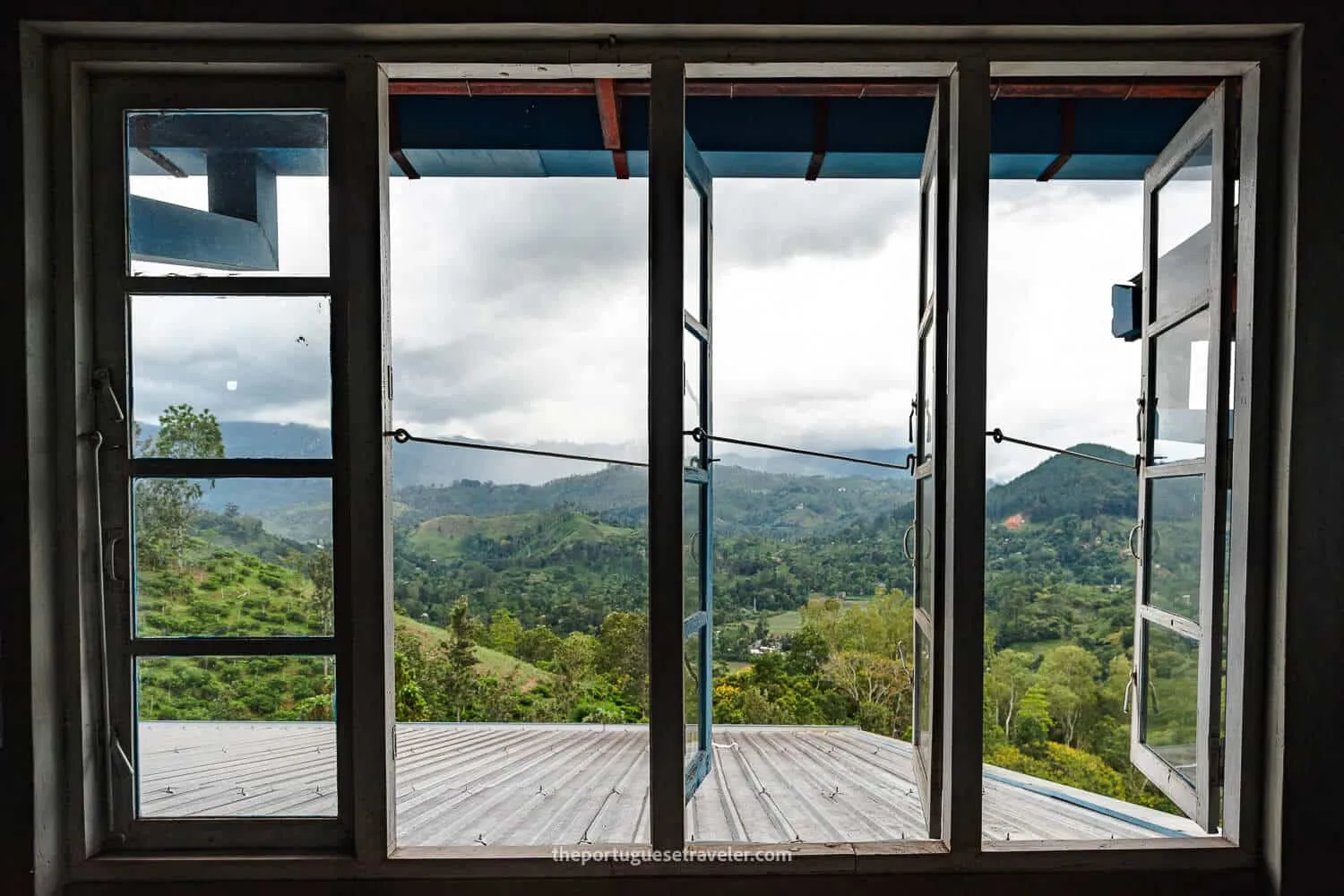
The view from the factory to the Ceylon Tea plantations
Understanding the Tea Grading System: What Do the Letters Mean?
The grading system for Ceylon tea is based on the size and appearance of the processed tea leaves, not on quality or flavor. It categorizes teas into whole leaf, broken leaf, and dust grades, each suitable for different types of tea and brewing preferences. For example, whole leaf grades like Orange Pekoe (OP) are often used in delicate teas, while broken leaf grades like BOPF are favored for strong black teas, such as English Breakfast. Dust grades, on the other hand, are used for bold, full-bodied teas, ideal for tea bags or commercial brewing. White tea, like Silver Tips, uses tender buds that are minimally processed to preserve their light, delicate flavors. Green tea is typically crafted from mid-grown or high-grown leaves, retaining a fuller, nutty profile. Black tea can range across the grading spectrum, with BOP and BOPF being the most common for strong blends like English Breakfast and OP grades preferred for aromatic options like Earl Grey.
Strongest Teas (Full Body and Bold Flavor)
-
- Dust 1 – Fine, granular particles with maximum strength and body. Ideal for commercial brewing and strong blends.
- PF1 (Pekoe Fanning 1) – Small CTC (Crush, Tear, Curl) leaves with a robust flavor, often used in tea bags.
- BOPF (Broken Orange Pekoe Fanning) – Small leaves offering a rich, full-bodied taste with bright liquor, perfect for bold teas.
- BOP (Broken Orange Pekoe) – Medium-sized, neat leaves with a strong, full-bodied flavor and bright color.
English Breakfast is traditionally made with BOPF or BOP, offering its characteristic strength and boldness. Earl Grey often uses BOP or higher grades like OP as a base, infused with bergamot for its signature aroma.
Medium Strength Teas (Balanced Flavor and Aroma)
-
- FBOPF1 (Flowery Broken Orange Pekoe Fanning 1) – Larger leaves with fewer tips, resulting in a mild, sweet flavor.
- FBOPF (Flowery Broken Orange Pekoe Fanning) – Smaller leaves with tips, offering a bright liquor and a soft, balanced flavor.
- FBOP (Flowery Broken Orange Pekoe) – Coarse, broken leaves with a fair amount of tips, producing a bright infusion and gentle flavor.
- BOP1 (Broken Orange Pekoe 1) – Medium-length, wiry leaves with a mild, malty flavor.
Ceylon Green Tea, rich in antioxidants, often uses leaves from mid-grown or high-grown estates and has a fuller, nutty flavor compared to other green teas worldwide.
Lightest Teas (Delicate Flavor and Aroma)
-
- OP (Orange Pekoe) – Long, wiry leaves that brew a light, pale liquor with a delicate fragrance.
- OP1 (Orange Pekoe 1) – Delicate, long leaves with a refined taste and subtle flavor.
- Pekoe – Shorter, slightly twisted leaves with a balanced sweetness and bitterness.
- OPA (Orange Pekoe A) – Bold, long leaves with a mild flavor and light liquor.
- Silver Tips (Ceylon White Tea) – The lightest and least processed tea, made from velvety buds that brew a golden, honey-like infusion. Renowned for its delicate, sweet flavor, Ceylon White Tea is highly prized for its health benefits and exclusivity.
Ceylon White Tea stands apart as the lightest and most luxurious option, ideal for those seeking a mild, soothing tea experience.
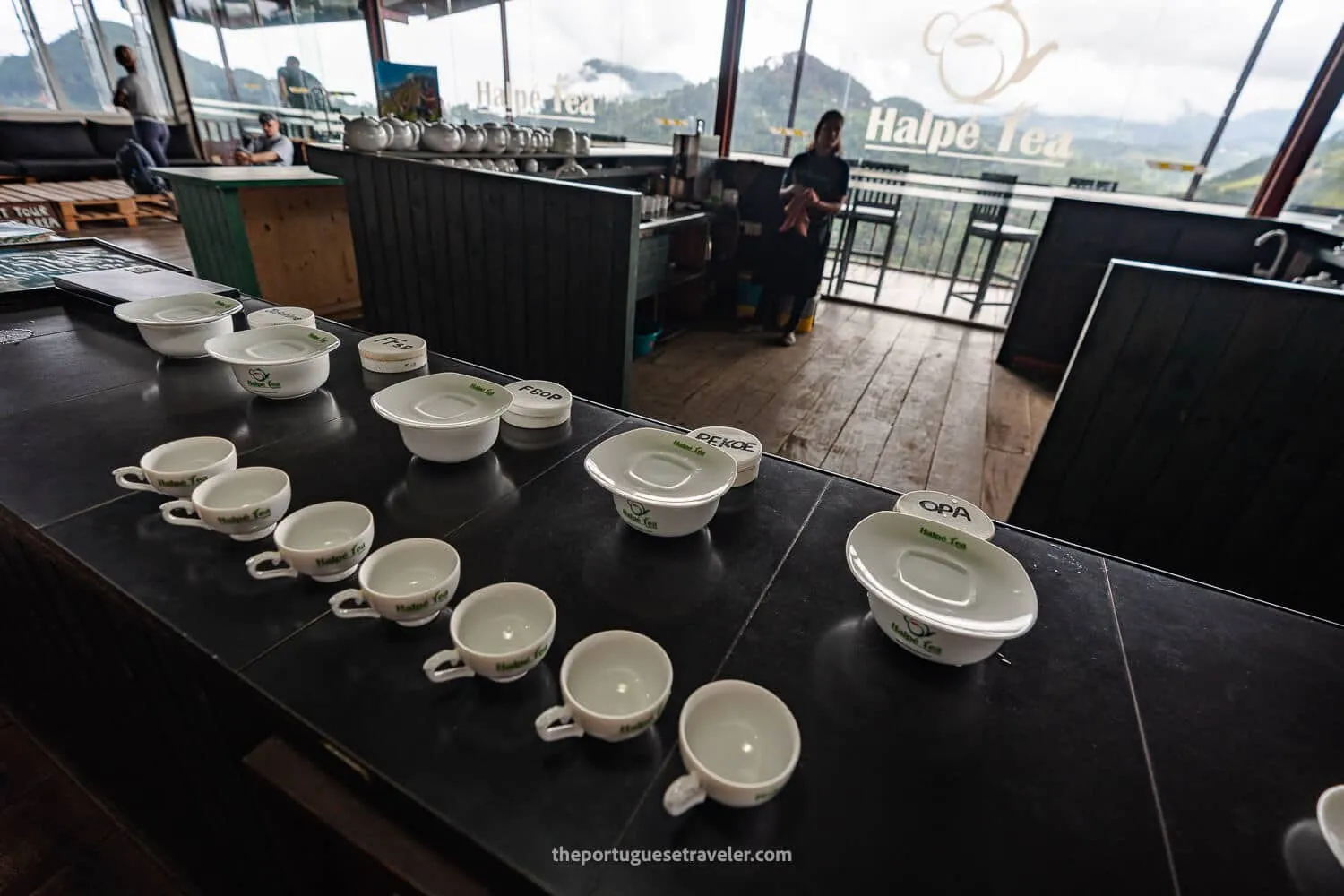
The Black Tea Tasting - Tea Grading Experience
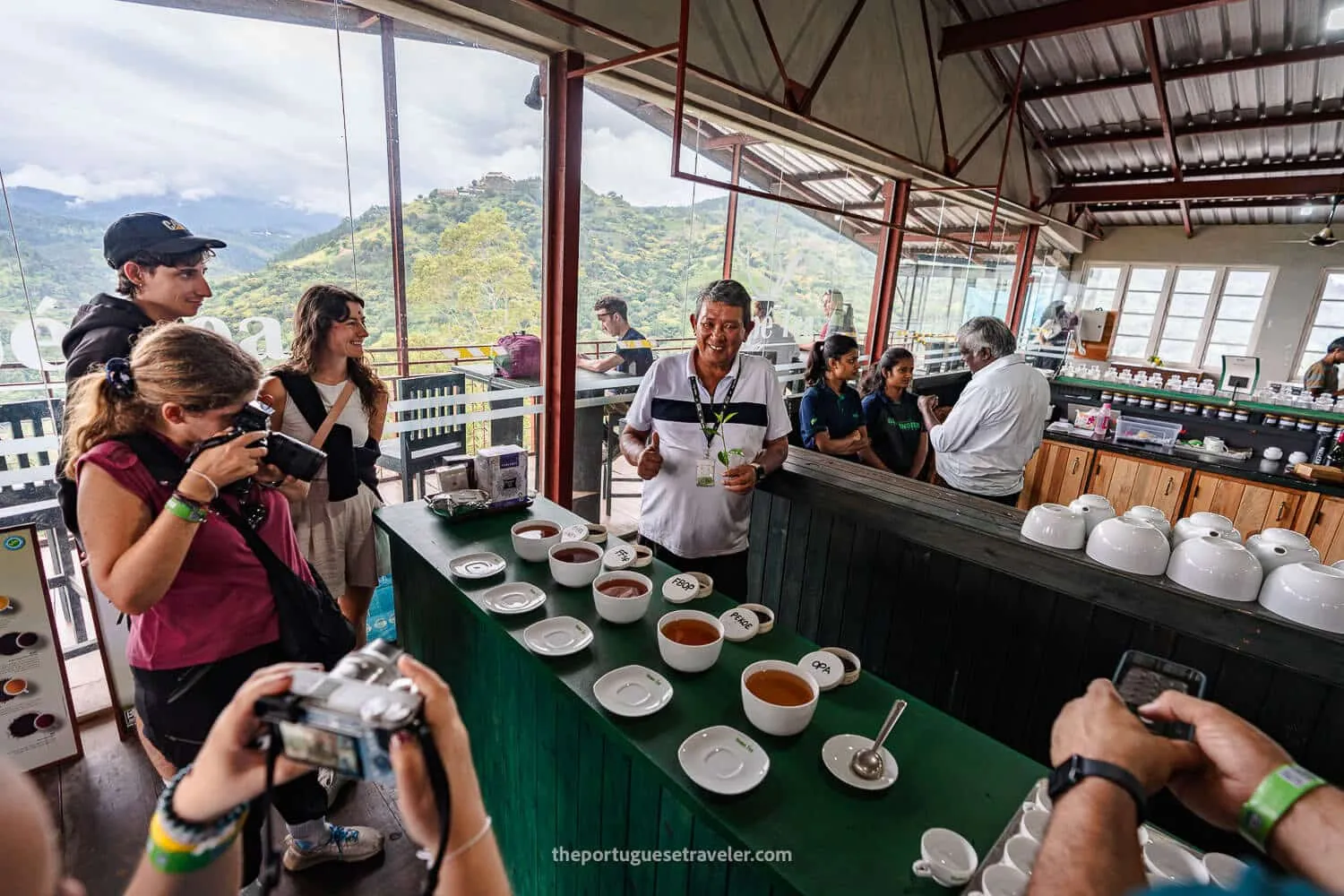
The Ceylon Tea Grading System
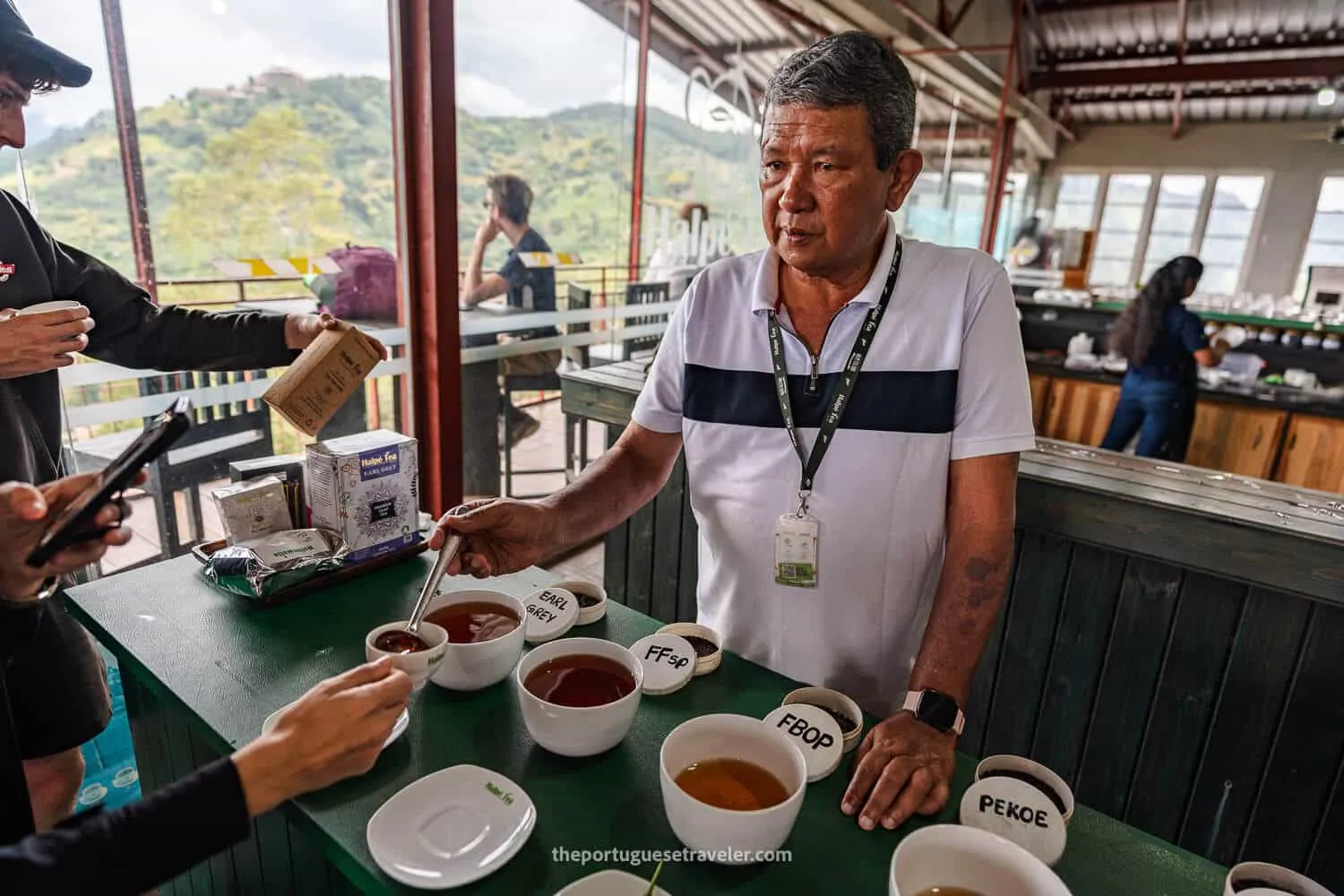
Tea tasting of the tea
What Are the Health Benefits of Ceylon Tea?
Ceylon tea is celebrated worldwide for its distinct flavor, high antioxidant levels, and exceptional quality. Produced in the lush landscapes of Sri Lanka, Ceylon tea stands apart from other teas thanks to the island’s ideal climate, rich soil, and meticulous production methods. Its reputation as one of the best teas in the world is further solidified by the variety it offers - Ceylon Black, Green, and White tea - each with unique flavors and remarkable health benefits.
Health Benefits of Ceylon Black Tea
Ceylon Black Tea is the most famous type, known for its bold flavor and citrus overtones. It contains less caffeine than coffee, making it a healthier alternative while still providing a boost in mental alertness. The antioxidants, such as theaflavins and thearubigins, present in black tea help fight free radicals, reducing the risk of cancer and DNA damage. Regular consumption of black tea can:
- Heart and Cancer Prevention: Decrease the risk of heart disease by lowering cholesterol levels and improving blood vessel function. Reduce the likelihood of strokes and high blood pressure.
- Immune Support: Boost the immune system, helping fight viruses like influenza.
- Stress Reduction: Lower stress levels, providing a calming effect on the body and mind.
Health Benefits of Ceylon Green Tea
Ceylon Green Tea is renowned for its strong, leafy flavor and darker color compared to other green teas. It’s packed with antioxidants, particularly catechins, which contribute to its health-boosting properties. Some key benefits include:
- Weight Management: Green tea increases metabolism, aiding in fat burning.
- Bone Health: It helps reduce osteoporosis by enhancing bone strength.
- Oral Health: Catechins combat bacteria and viruses, reducing the risk of dental cavities, gum disease, and bad breath.
- Brain Protection: Green tea supports cognitive function, reducing the risk of Alzheimer’s and Parkinson’s disease.
- Heart and Cancer Prevention: Catechins improve blood vessel health, reduce the risk of blood clots, and inhibit cell mutations, lowering the likelihood of cancer and heart disease.
Health Benefits of Ceylon White Tea
Ceylon White Tea, also known as “Silver Tips,” is the least processed and most delicate tea, with a naturally sweet flavor. It has the highest antioxidant levels and the lowest caffeine content, making it the healthiest of all Ceylon teas. The benefits of white tea include:
- Stress Reduction: The amino acid Theanine calms nerves and reduces anxiety.
- Enhanced Fat Burning: Polyphenols improve metabolism and reduce fat accumulation.
- Stronger Bones: White tea supports bone health and reduces bone loss.
- Diabetes Prevention: It helps lower blood sugar levels and reduces the risk of diabetes.
- Immune Support: Its antibacterial and antiviral properties protect against infections.
Why Choose Ceylon Tea?
From aiding weight management to boosting immunity and reducing stress, Ceylon tea offers a range of health benefits across its varieties. Whether you prefer the robust flavor of Black Tea, the rich nutrients of Green Tea, or the delicate sweetness of White Tea, incorporating Ceylon tea into your daily routine is a simple way to support your health. So, next time you reach for a cup of coffee, consider substituting it with a delicious cup of Ceylon tea and enjoy its remarkable benefits! For more info on the health benefits of Ceylon Tea check Halpewatte Tea Factory website.
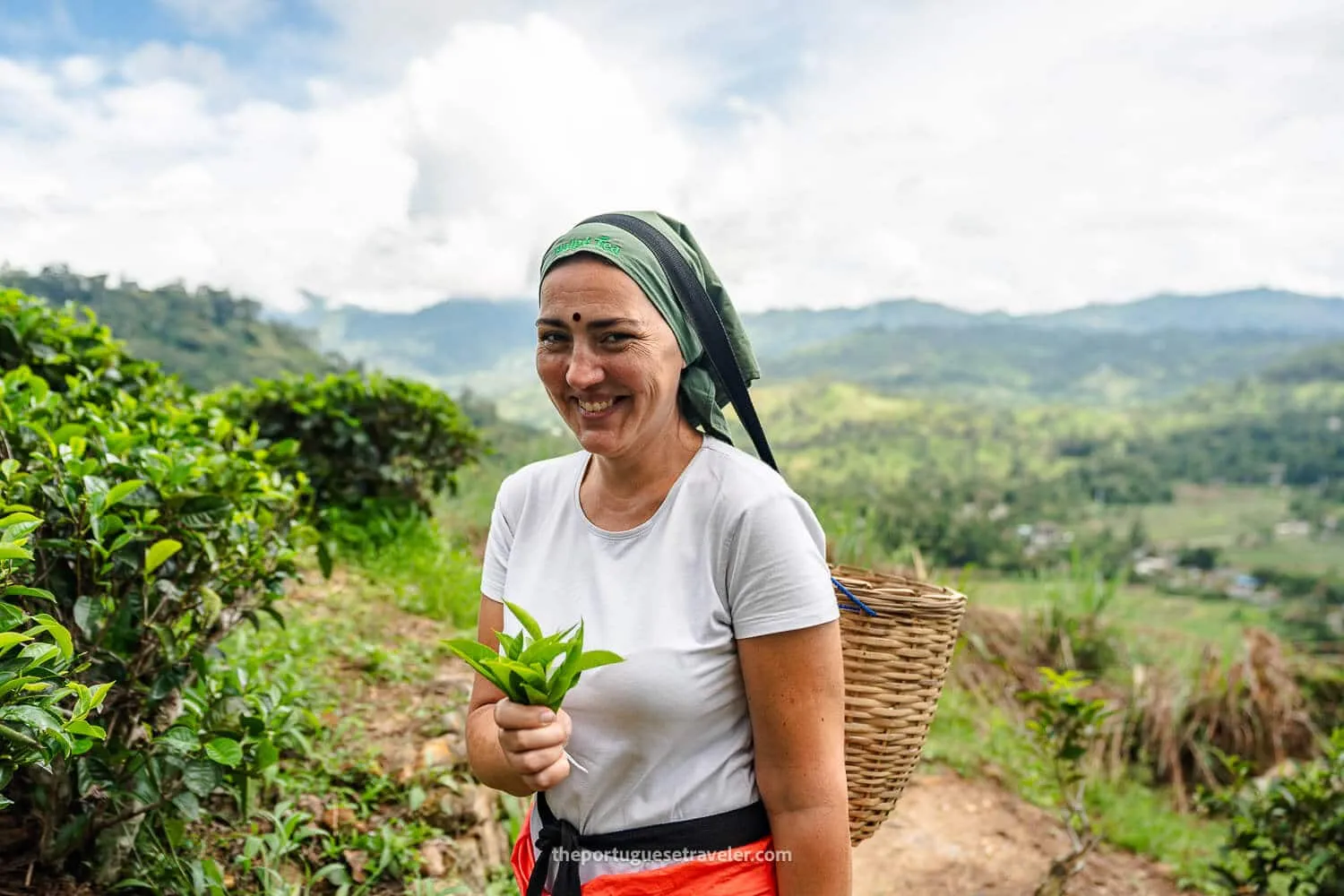
Sónia at the Ceylon Tea Plantation Tour
Where is Tea Grown in Sri Lanka?
Ceylon tea’s distinctive flavors and qualities are shaped not only by the production process but also by the regions in which it is grown. Each region in Sri Lanka offers unique characteristics influenced by its specific climate, elevation, and soil composition. Central Province:
- Nuwara Eliya: Known as the “Champagne of Ceylon Tea,” this region produces tea at an elevation of 6,200 feet. The cool temperatures and high altitude result in slow-growing bushes with small leaves that develop refined qualities. The leaves take on an orange hue after withering and produce a greenish-yellow infusion with a pale, delicate liquor and subtle floral notes.
- Kandy: Producing mid-grown teas, Kandy offers a range of flavors and strengths depending on the elevation. Lower elevations yield larger leaves with strong flavors, while higher elevations produce milder, more delicate teas. The bright infusions with coppery tones are best harvested in the cool, dry first quarter of the year.
Uva Province: Teas from the Uva region, grown at elevations of 3,000 to 5,000 feet, are known for their distinctive flavors and are often used in blends. Estates in Bandarawela, Badulla, and Haputale produce teas with a blackened appearance after withering, thanks to the unique weather conditions. Uva teas offer a wide variety of flavors and aromas, making them popular worldwide. The region also produces significant amounts of green tea. Southern Province: The Southern region is famous for its low-grown teas, cultivated at elevations below 2,000 feet. The warm, dry climate and fertile soil contribute to rapid bush growth, producing long, black leaves ideal for rolling. The resulting teas have a strong malty flavor, distinctive aromas, and a deep burgundy hue, making them a favorite for black tea. Sabaragamuwa Province: This region’s teas show slight variations from those of the Southern Province, thanks to its broader range of altitudes and climatic conditions. The bushes grow quickly, with long, black leaves well-suited for rolling. The tea produces a dark yellow-brown liquor with a hint of red, lighter during the dry season. The aroma has notes of sweet caramel, and the flavor is moderately strong. Each of these regions contributes to the remarkable diversity of Ceylon tea, with flavor profiles ranging from delicate and floral to robust and malty.
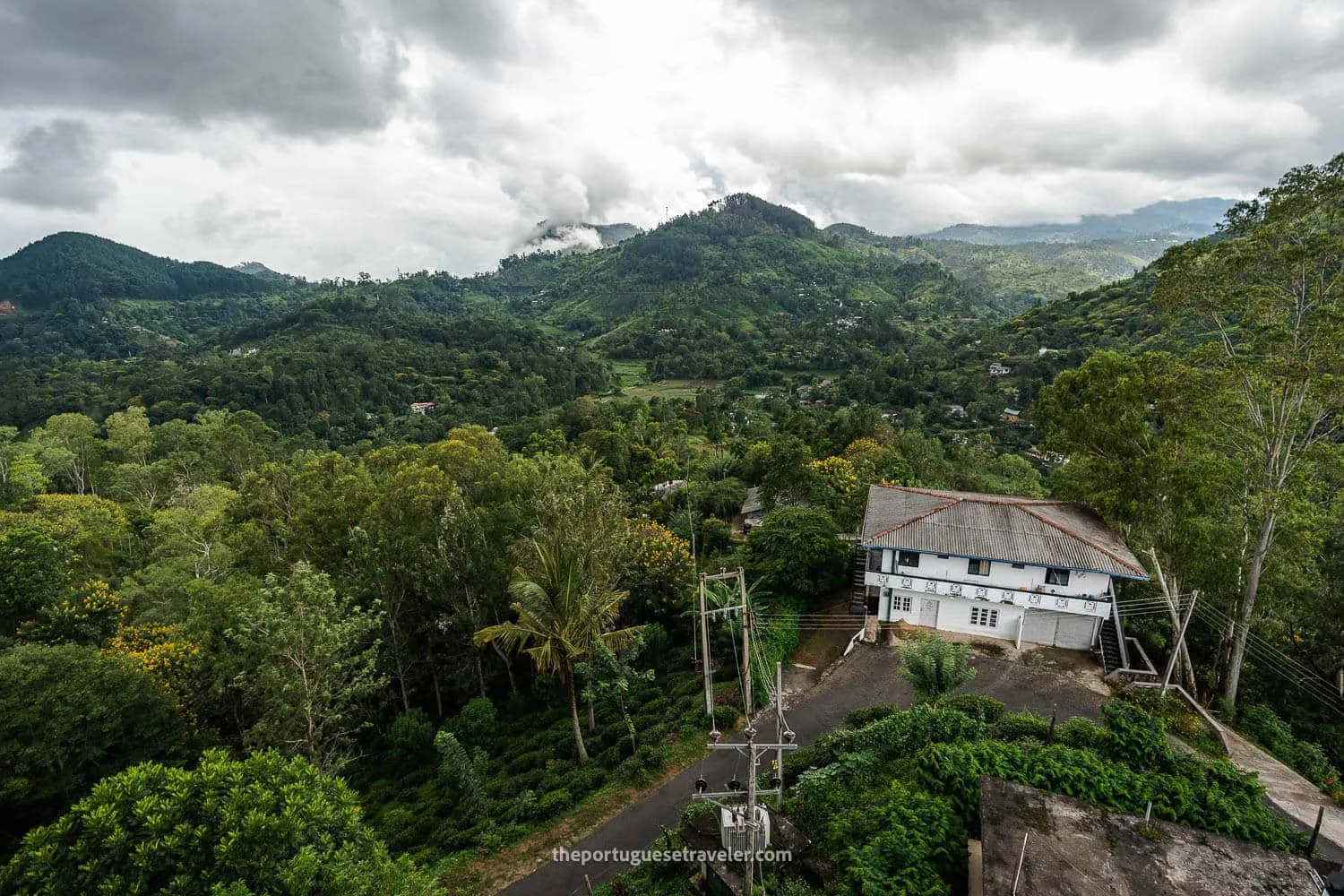
The landscape around the Ceylon Tea factory
Why Visit a Tea Plantation in Sri Lanka?
Visiting a tea plantation in Sri Lanka offers a truly immersive experience where you can not only learn about the tea-making process but also actively participate in it. One of the most exciting activities is the chance to pluck tea leaves yourself. With a traditional basket placed on your head, just like the local workers, you can stroll through the lush tea fields and pick fresh, tender leaves directly from the bushes. This hands-on experience provides a deeper understanding of the care and effort that goes into every batch of Ceylon tea. During your visit, you’ll have the opportunity to tour the plantation and see how the tea leaves are processed. From the moment the leaves are plucked, they are carefully processed into different types of tea, and you can observe the machines that transform them into the fine products that Sri Lanka is famous for. Additionally, you can take part in a tea-tasting session, where you’ll be guided through a selection of black, green, and white teas, each with its distinct flavor, influenced by the plantation’s location. Many plantations also offer the chance to purchase premium, fresh tea directly from the source, giving you a unique souvenir to remember your visit. In short, a trip to a Sri Lankan tea plantation combines a blend of education, adventure, and local culture, all while allowing you to experience firsthand the art of tea plucking and production.
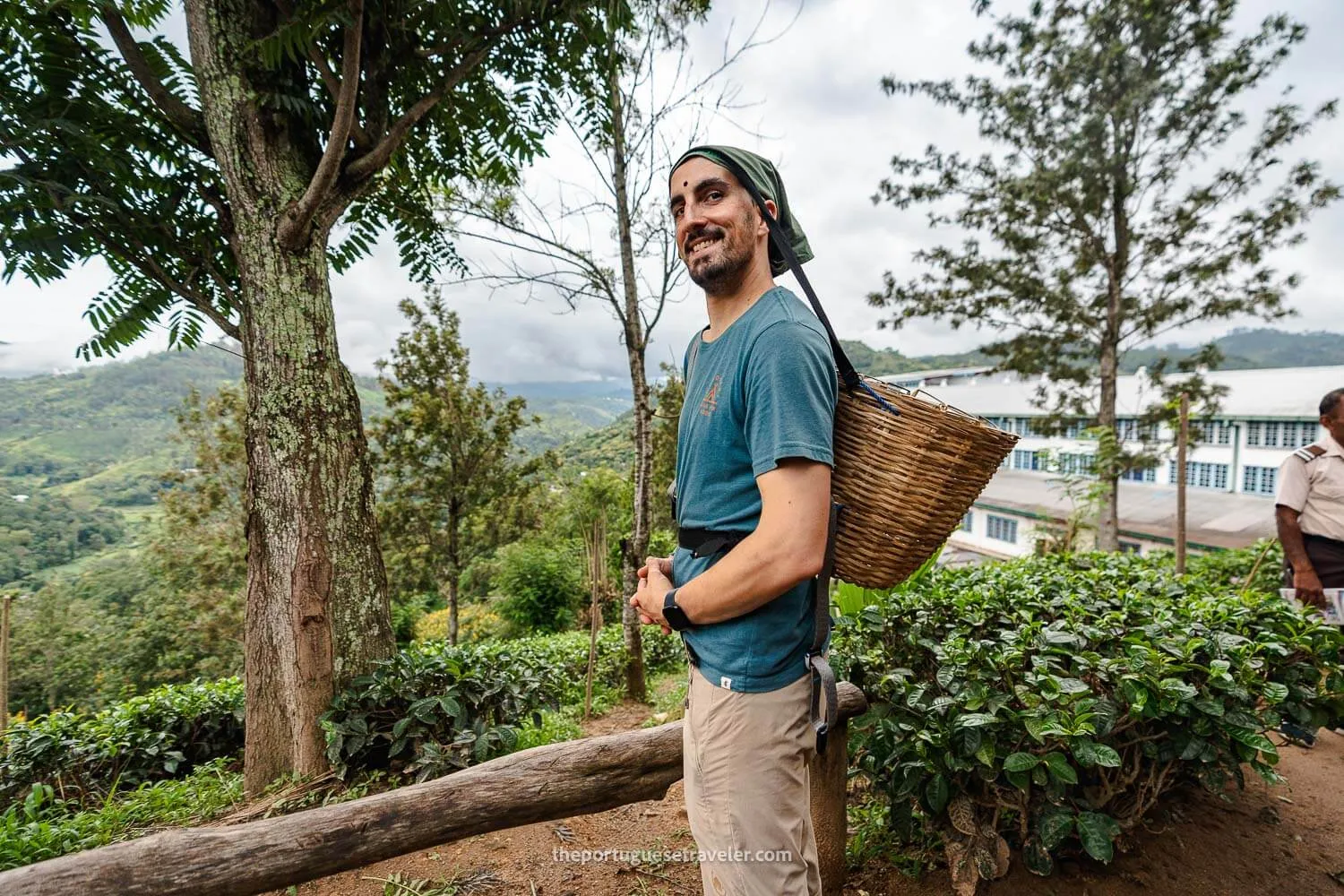
Me at the Halpewatte Tea Factory Tour
When is the Best Time to Visit Tea Plantations in Sri Lanka?
The best time to visit tea plantations in Sri Lanka depends on the specific region you’re visiting, as each area has its own Quality Season for tea production.
- In the Western Highlands, which includes areas like Nuwara Eliya, the prime season for tea production runs from January to March. During this time, the tea is of the highest quality, and you can experience the plantations at their most vibrant.
- For the Eastern Highlands, the Quality Season begins at the end of July and lasts until early September. This is another great time to visit, as the tea leaves are harvested at their peak.
- In the low country, the conditions are consistent year-round, meaning there is no distinct harvest season. Tea production remains steady, and visitors can enjoy tea at any time.
For the most immersive experience, plan your visit around these harvest seasons to see tea plucking in action and witness the fresh leaves being processed.
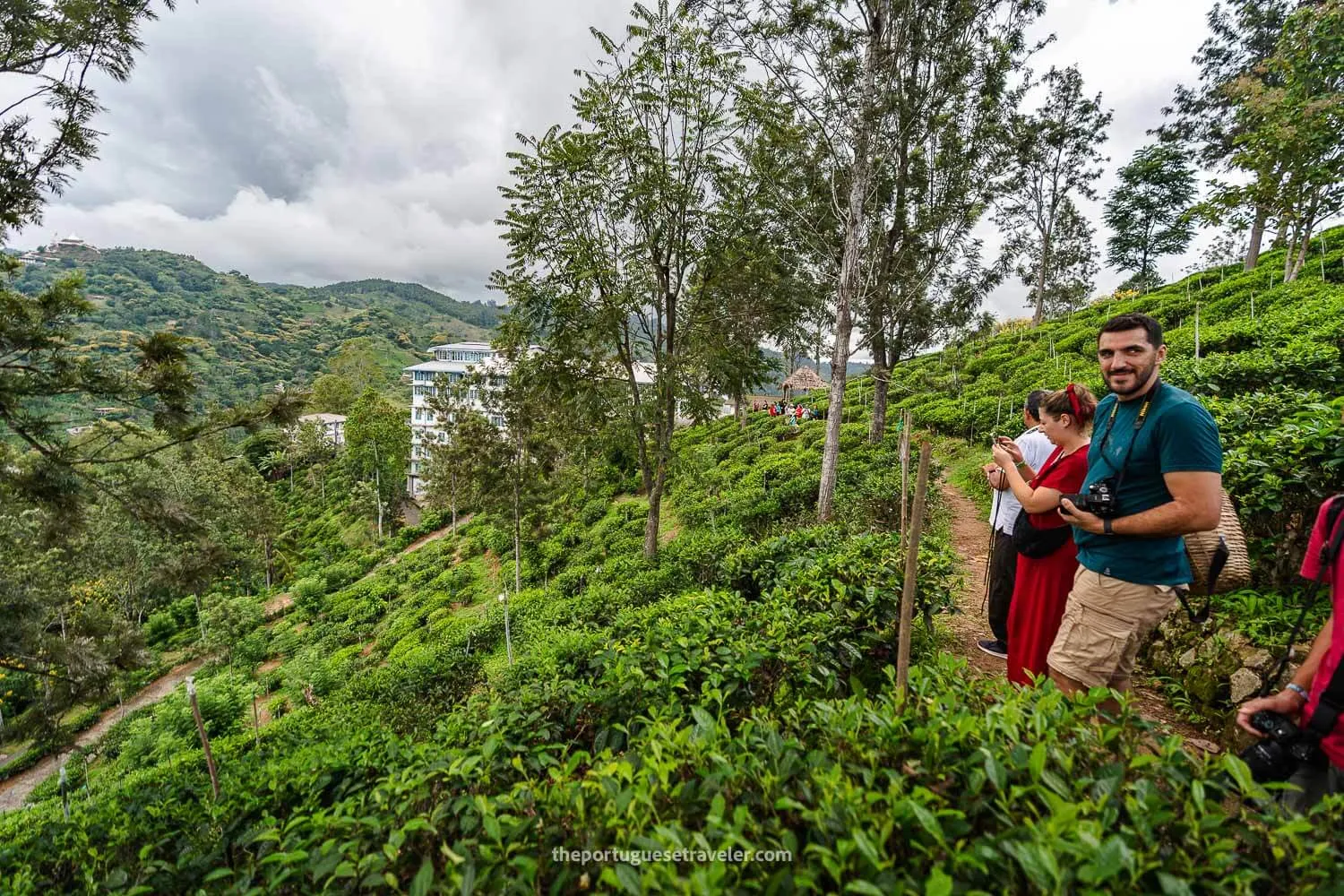
The group enjoying the Plantation Tour
How is Tea Processed in the Factory?
At Halpewatte Tea Factory, the journey from shrub to cup involves seven main stages to process the tea leaves into the high-quality Ceylon tea we enjoy. Each stage plays a vital role in ensuring the distinct flavors, strength, and quality of the tea that is exported worldwide.
- Plucking: The process begins with the careful plucking of tea leaves. Skilled workers, primarily women, pluck two leaves and a bud, which is the industry standard for high-quality tea. The leaves are harvested at regular intervals of 5 to 8 days and are collected in baskets. To maintain freshness, the leaves are transported to the factory multiple times a day.
- Withering: Upon arrival at the factory, the leaves are weighed and spread on troughs. During withering, conditioned air circulates between the leaves, reducing surface moisture and breaking down the tea juices chemically. This process takes between 10 to 14 hours, softening the leaves and making them more pliable for the next stages of processing.
- Rolling: In this phase, the leaves are twisted to rupture their cell walls, releasing essential juices that contribute to the tea’s flavor. This is done using rolling machines designed to apply pressure while twisting the leaves. The process takes 20 to 30 minutes. Afterward, the leaves are separated into rolled and unrolled sections, with the unrolled ones being returned to the rollers for further twisting, and the rolled leaves moving on to the fermentation stage.
- Fermentation: Fermentation is crucial for developing the tea’s color, strength, and flavor. The rolled leaves undergo oxidation in climate-controlled rooms, where the temperature and humidity are carefully monitored. The enzymes in the leaves interact with oxygen, causing the color of the leaves to change from green to a coppery brown. The degree of fermentation is monitored through the color and aroma of the leaves, ensuring they are properly oxidized.
- Drying: Once fermentation is complete, the leaves are dried to stop the fermentation process and remove excess moisture. The tea is passed through dryers, where the temperature gradually increases, starting at around 50°C (120°F) and finishing at 93-105°C (200-220°F). The moisture content is reduced to about 2% to 3%, and the tea takes on a rich, coppery brown color, ready for the final stages of processing.
- Grading (Sifting): After drying, the tea undergoes grading, where it is sifted based on size and shape. Specialized grading and cleaning machines, equipped with trays of different mesh sizes, separate the various grades of tea. Stalks and fibers are removed during this process, ensuring that only the finest tea remains. The tea is then stored in airtight bins or boxes to preserve its quality.
- Packing and Dispatching: Finally, the tea is packed for sale. Tea’s hygroscopic nature makes it prone to absorbing moisture, so it is carefully packed to maintain quality. Once sufficient quantities are collected, the tea is packed into plywood tea chests or multi-walled aluminum craft paper-lined sacks. It is then dispatched to tea auctions or for direct export to tea lovers around the world, ensuring the perfect cup of Ceylon tea reaches every destination.
Through these carefully controlled stages, Halpewatte Tea Factory ensures that the leaves maintain their fresh, high-quality flavor, producing Ceylon tea that tea lovers around the world enjoy in their cup.
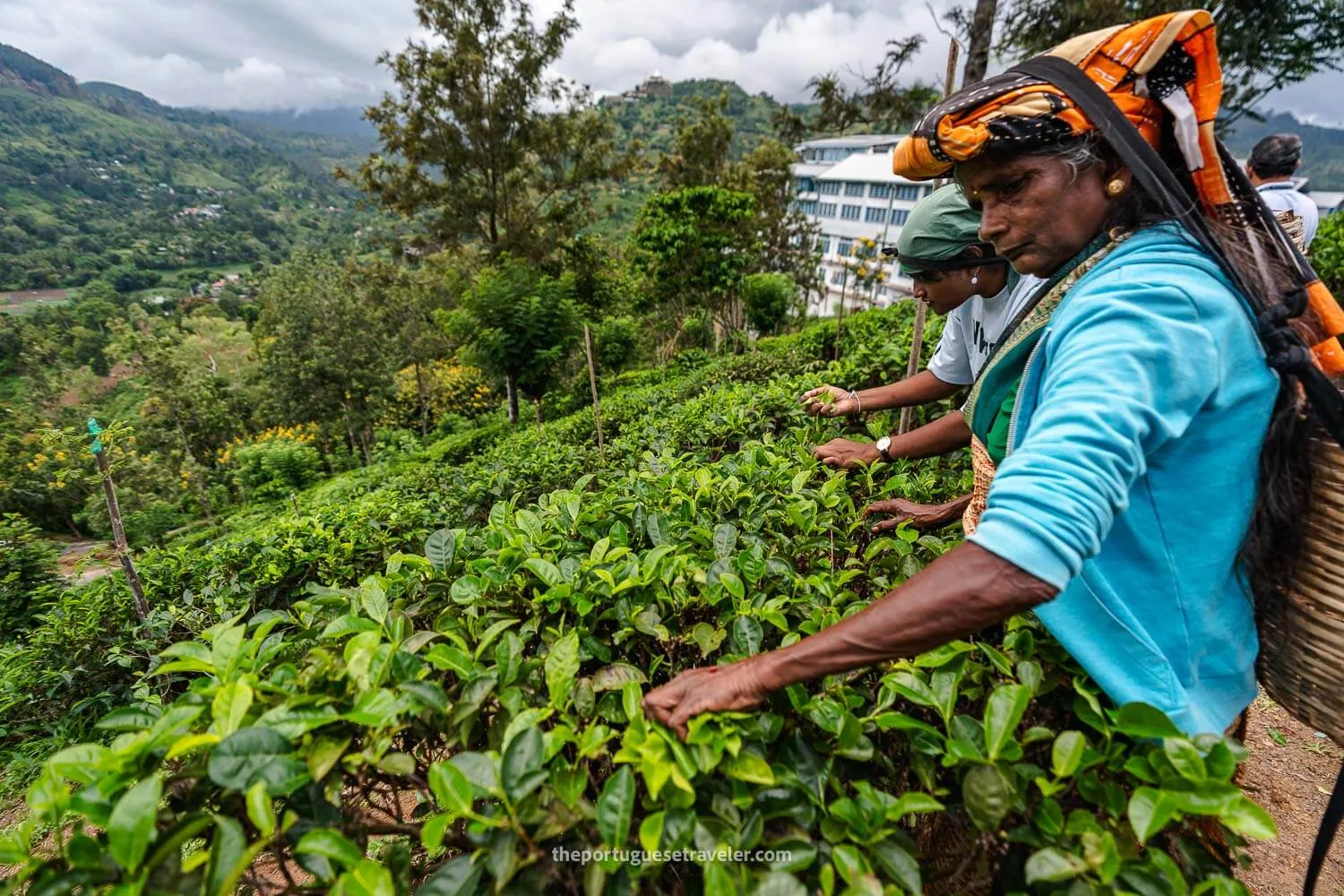
The tea-plucking technique by our local guide at the Tea Factory
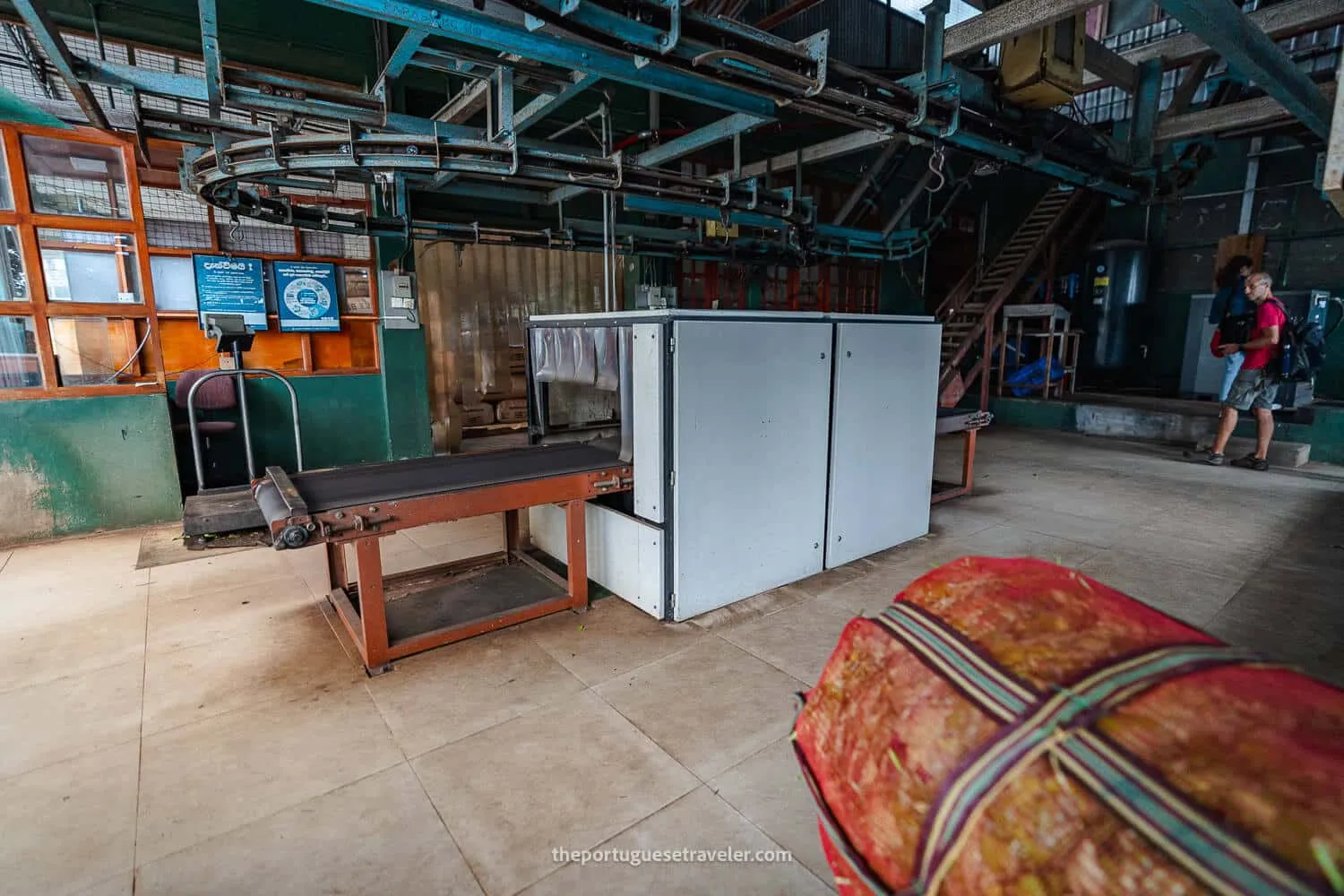
The entrance room where the tea leaves are weighed and processed
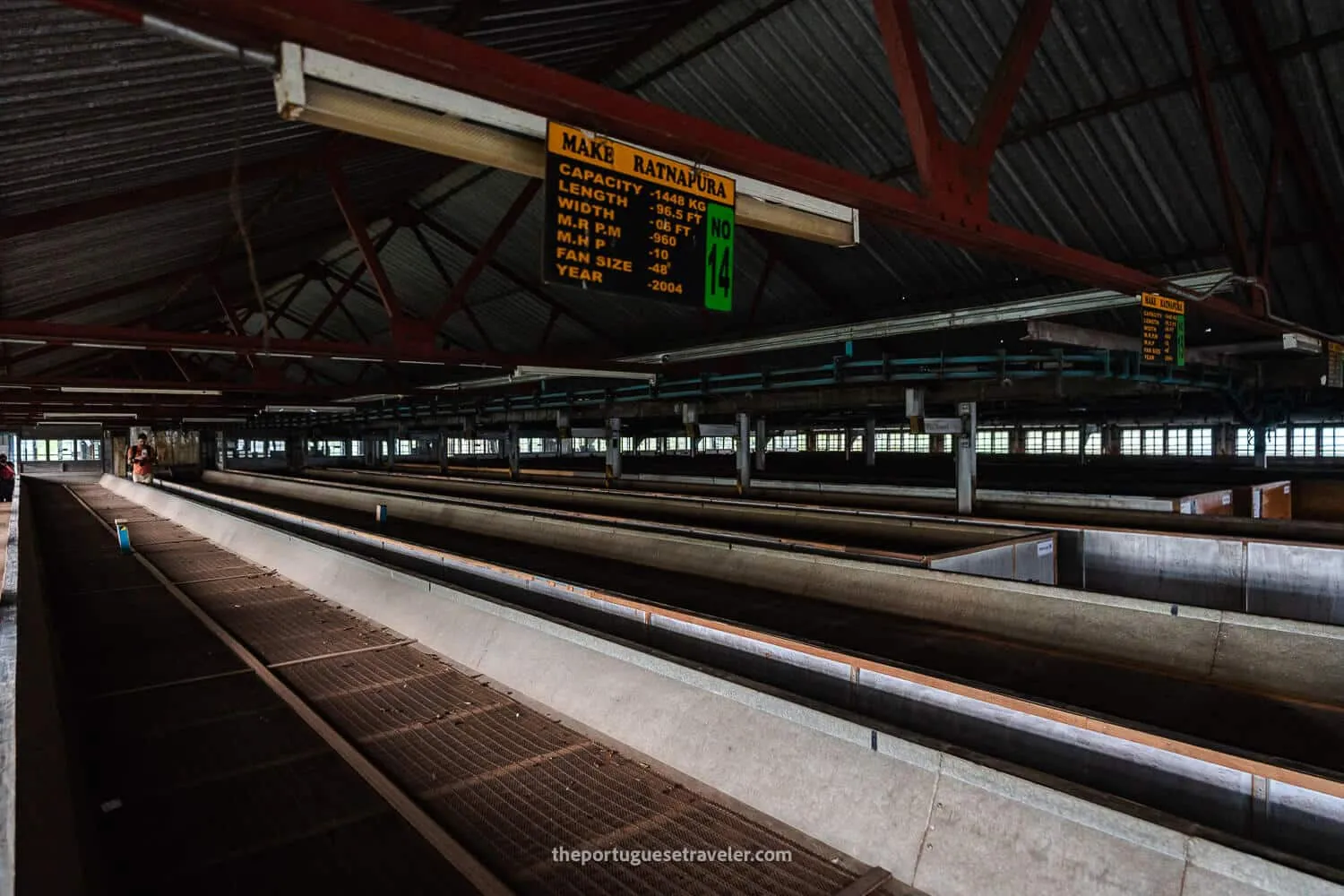
The withering troughs
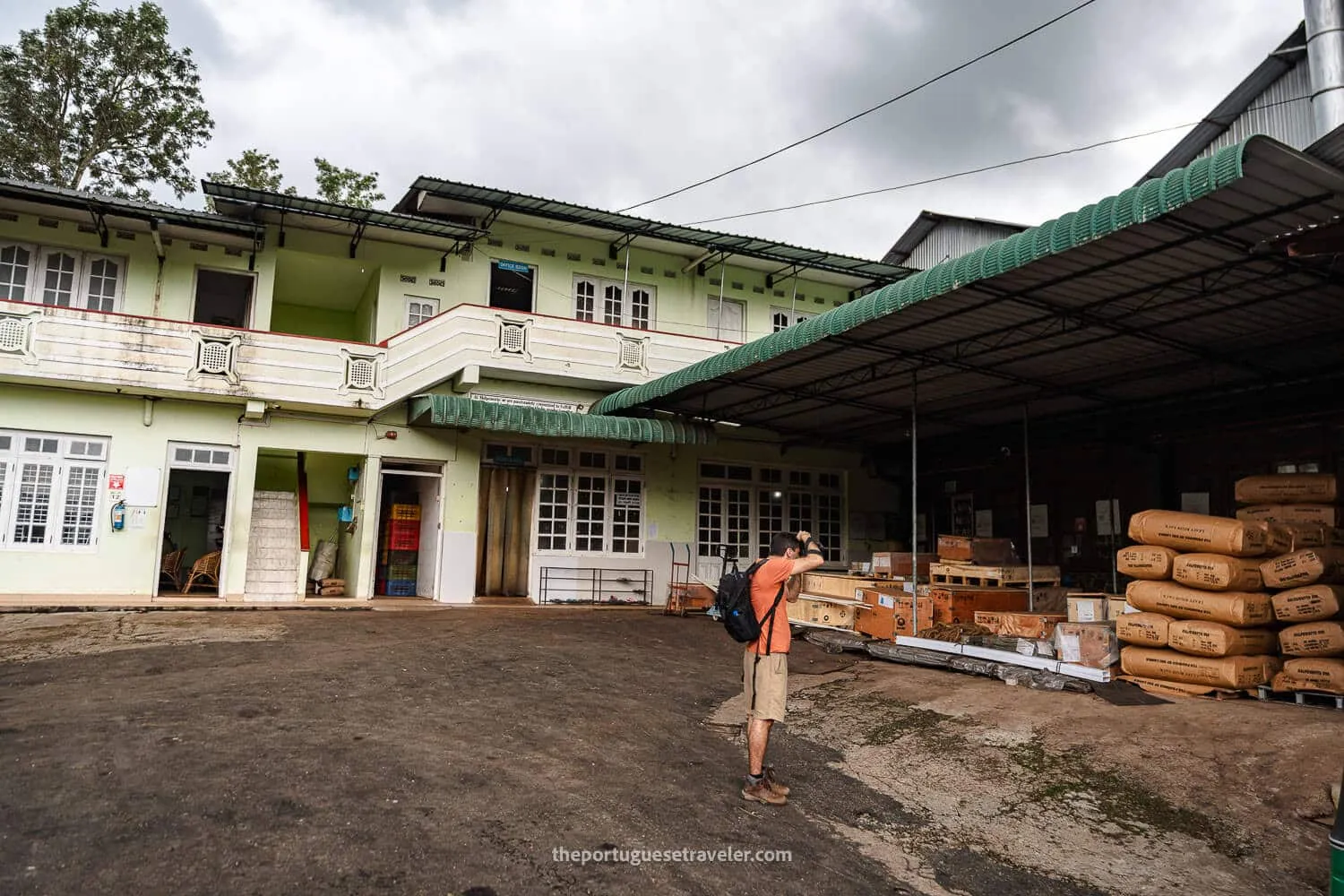
The entrance of the factory with the tea ready to be dispatched
What Happens on a Ceylon Tea Factory Tour?
On a tea factory tour at the Uva Halpewatte Tea Factory, you’ll dive into the entire journey of Ceylon tea production. Located at 1,230 meters above sea level in the scenic Uva region, the factory offers a fascinating experience showcasing the tea manufacturing process.
- Factory Tour: A knowledgeable guide will take you through the modern tea manufacturing process, showing you the journey of the tea leaves from harvest to packaging. You’ll learn about each step of production at one of Sri Lanka’s largest tea producers.
- Plantation Tour: For a more hands-on experience, the plantation tour takes you through lush, green tea fields. You can also try tea plucking yourself, learning the traditional methods of harvesting tea leaves, while enjoying beautiful panoramic views perfect for photos.
- Tea Tasting: Enjoy a tea-tasting session, where you can sample a variety of fresh, high-quality Ceylon teas and appreciate the different flavors and aromas.
- Tea Shop: After the tour, visit the factory-fresh tea shop, where you can purchase the freshly produced tea you just tasted.
Additional Experiences
- Handmade Tea Masterclass: If you’re looking for a deeper tea experience, the Handmade Tea Masterclass allows you to pluck your tea leaves, craft your signature tea blend, and learn about the tea manufacturing process. You’ll even get to take home your custom blend.
Tour Prices and Timings
- Factory Tour: 10$ USD
- Plantation Tour: 10$ USD
- Handmade Tea Masterclass: 30$ USD
- Tour Time Slots: From 8:00 a.m. to 4:30 p.m. (Plantation Tour and Factory Tour), the Handmade Tea Masterclass has four specific time slots throughout the day.
During the tours, you’ll be provided with a scarf and a tea-plucking basket for an authentic experience.
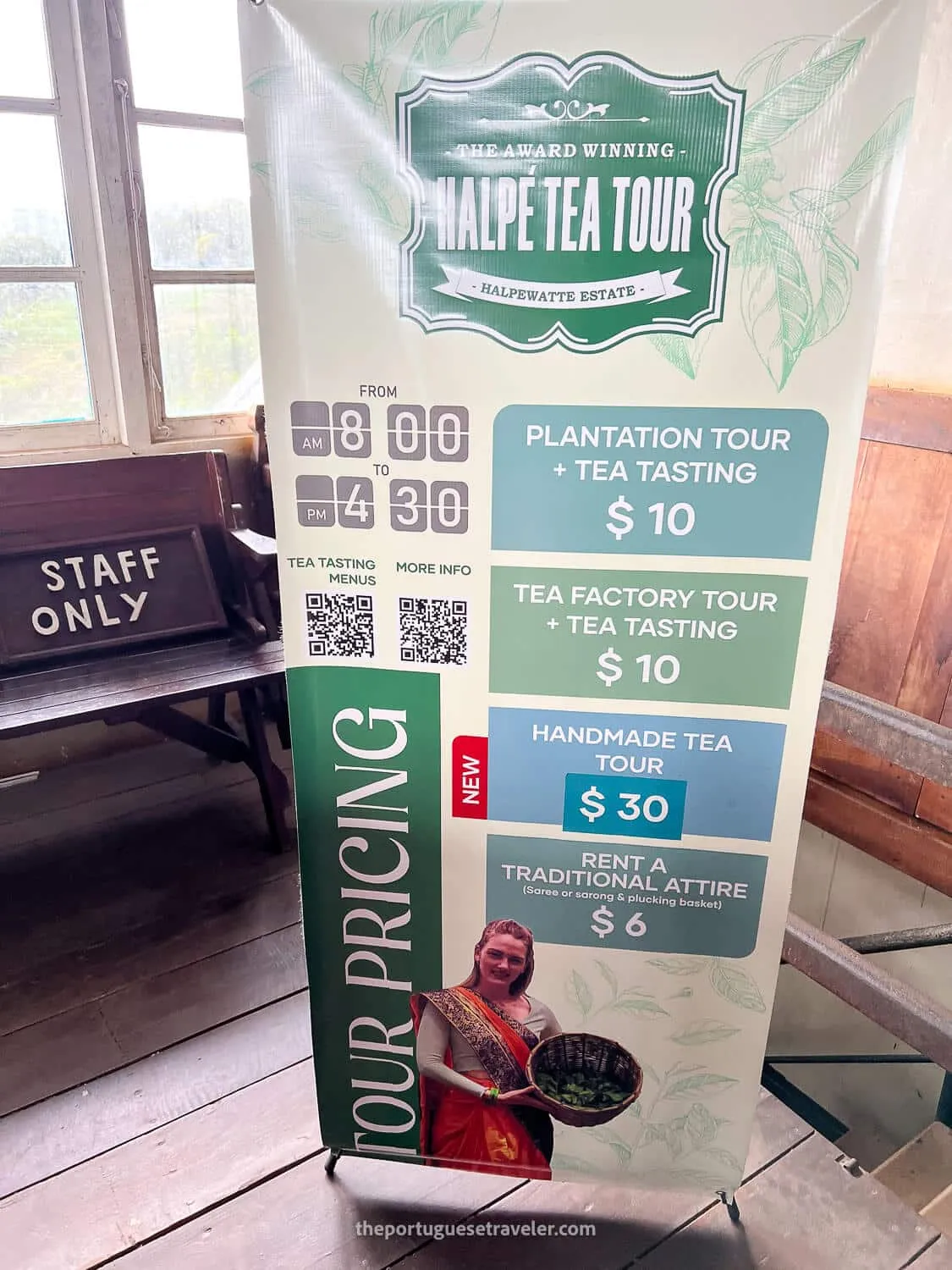
The Tour Prices at the Ceylon Tea Halpewatte Factory
Is Halpewatte Ceylon Tea Factory Suitable for Families?
Absolutely, the Halpewatte Tea Factory is very suitable for families. The factory offers a range of engaging activities that can be enjoyed by all ages, making it an ideal destination for a family outing. Families can explore the lush green tea plantations and learn about the tea-growing process with a guided tea-plucking tour, where even younger visitors can try their hand at plucking tea leaves using traditional baskets. The factory tour provides an interactive experience with a step-by-step guide to the tea manufacturing process, offering educational insights in a fun and easy-to-understand way for kids and adults alike. The tea-tasting sessions are another family-friendly feature, allowing everyone to sample a variety of Ceylon tea flavors, and the factory-fresh tea shop provides an opportunity to purchase tea as souvenirs. The surrounding landscape offers beautiful spots for family photos, making it an excellent location for memories. Additionally, the factory offers amenities like scarves and tea-plucking baskets, which add a fun, hands-on element for children and adults. With time slots that run from 8:00 a.m. to 4:30 p.m., you can plan the visit at your convenience, making it easy for families to enjoy a full day of activities.
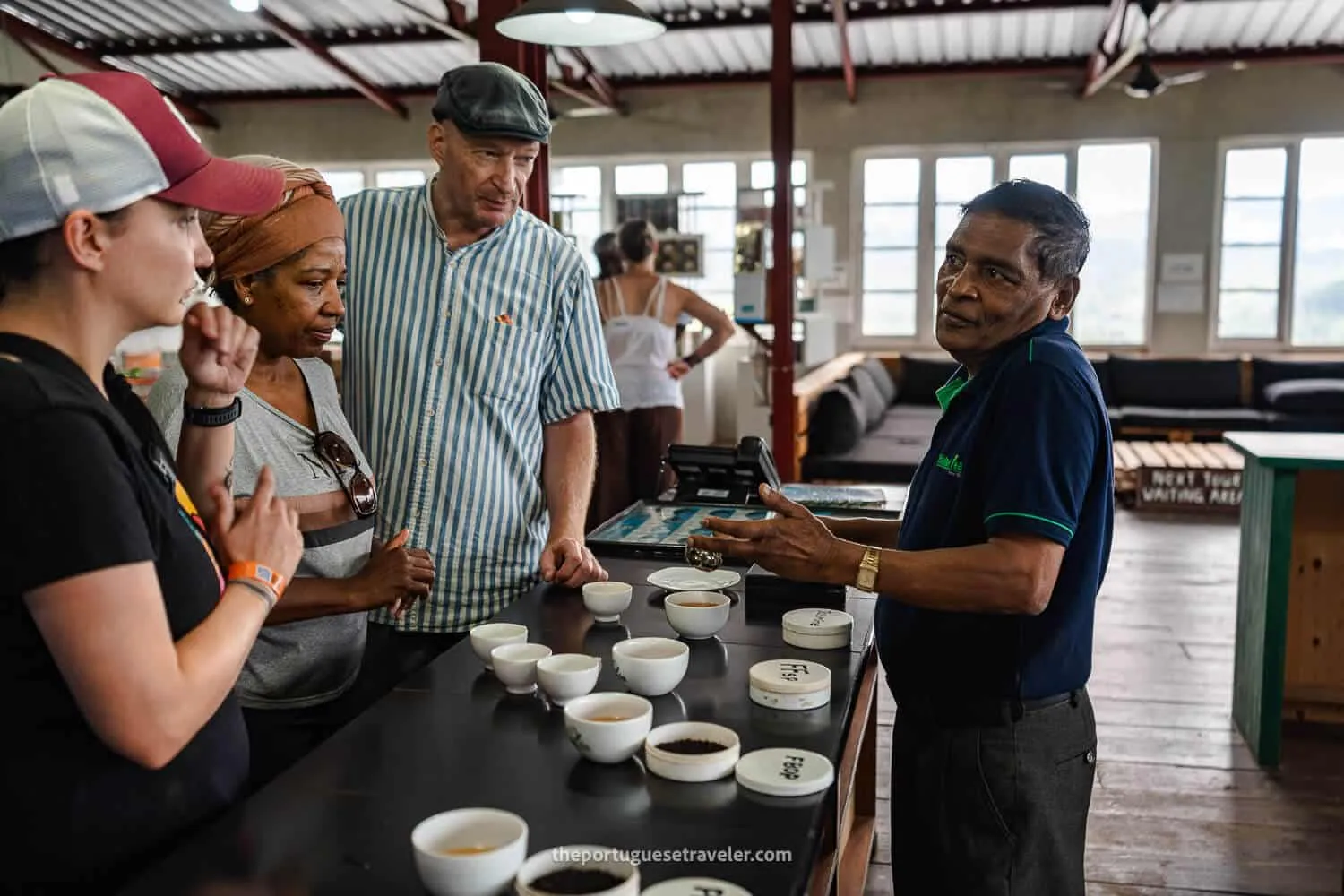
A family at the Tea-Tasting experience
What Clothing Should I Bring for a Plantation and Factory Tour?
Although touring the Halpewatte Halpe Tea Factory is a fascinating and enriching experience, being well-prepared will ensure you get the most out of your visit. From exploring the lush tea plantations to observing the intricate processes inside the factory, having the right essentials can make your tour even more enjoyable. Here’s what you should keep in mind to bring: Essentials:
- Breathable T-shirt (Tech or Merino)
- Waterproof Jacket (lightweight, for possible rain)
- Puffer Jacket (for the cooler early mornings)
- Shorts or Pants (depending on weather)
- Hiking Shoes (comfortable, sturdy footwear)
- Backpack (small daypack, around 20-30 liters)
- Sunglasses (UV protection)
- Cap (or a beanie if it’s cold)
- Hiking Socks (preferably merino wool for comfort)
- Sunscreen (minimum SPF 50)
- Water and Snacks (to stay hydrated and energized)
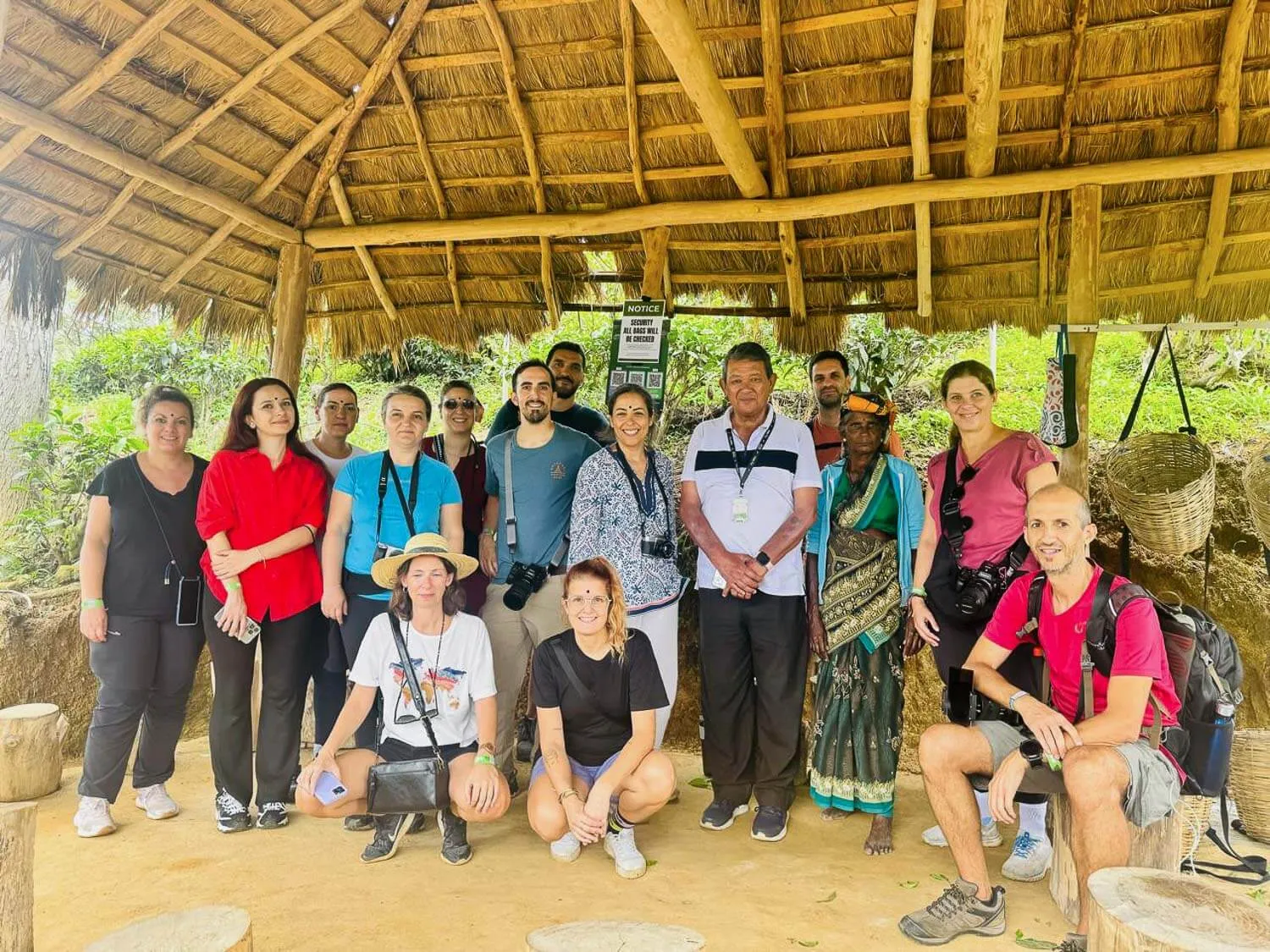
The group at the Halpewatte Ceylon Tea Factory
Can You Fly Drones in the Ceylon Tea Factory?
In Sri Lanka, drone usage is regulated by the Civil Aviation Authority of Sri Lanka (CAASL), and it’s important to follow their guidelines when flying near the Halpewatte Tea Factory. While we didn’t have any problem during our visit, we made sure to have the necessary permits, and it paid off with some truly breathtaking shots of the tea plantations. Here are some key regulations to keep in mind:
- Drones must not exceed 100 feet (30 meters) above ground level.
- Operators must maintain a visual line of sight with their drone.
- Drones are prohibited near airports, military zones, and no-fly zones.
- Flying drones at night requires prior authorization.
- Insurance is mandatory for drones in certain weight categories.
At the Halpewatte Halpe Tea Factory, the lush green landscapes and rolling hills create a beautiful backdrop for stunning photography. Ricardo was the one who captured some incredible aerial shots with a drone, showcasing the expansive tea plantations from above. As for me, I focused on taking detailed ground-level photos with my camera to highlight the intricate details of the factory and surrounding tea fields. If you’re planning to take aerial shots, it’s a good idea to check the latest drone regulations with the CAASL and ensure you have the necessary permits. By staying informed and prepared, you’ll be able to make the most of your photography experience while visiting the tea plantations and factory in Sri Lanka.
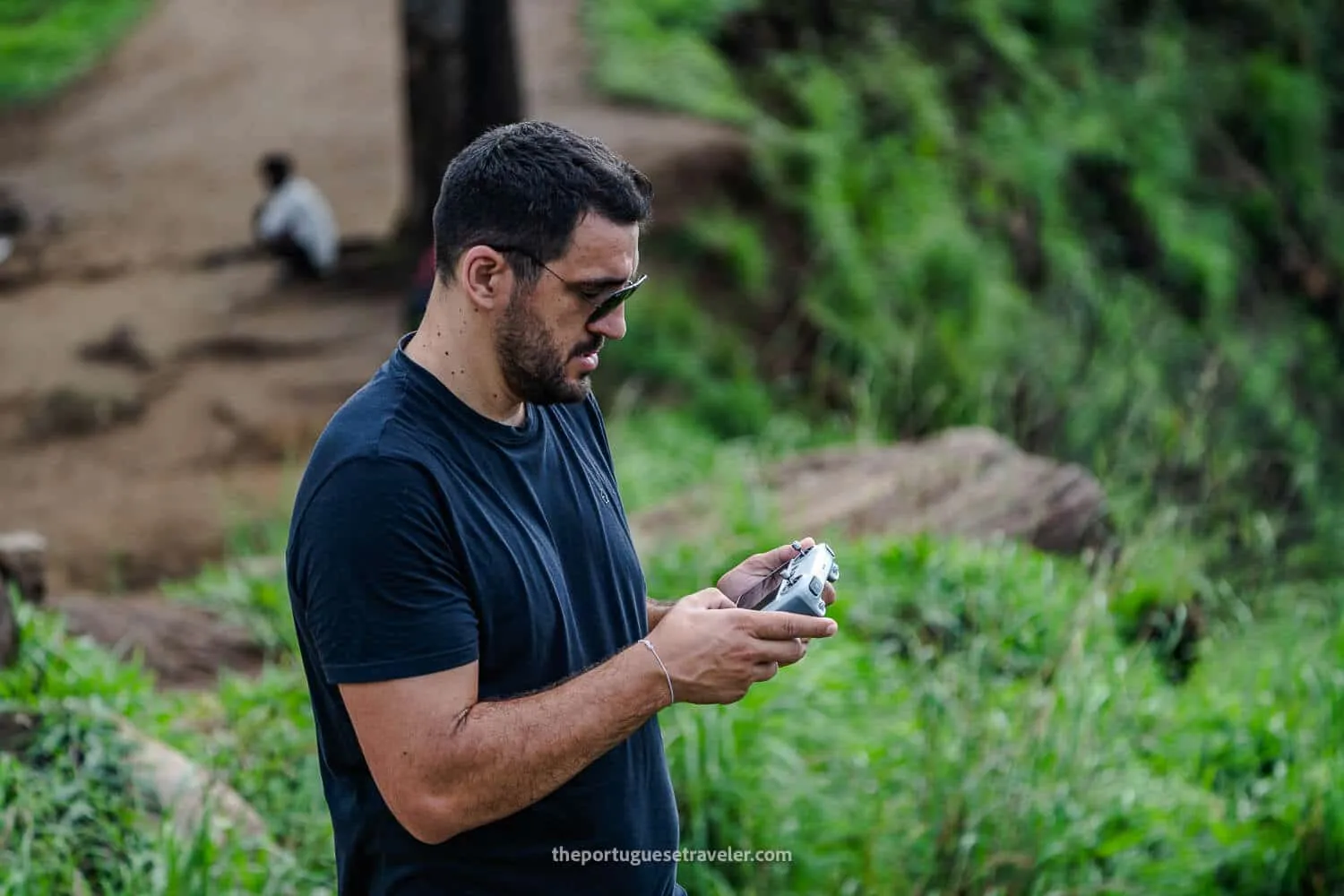
Ricardo flying his Mavic Mini 4 Pro
How to Get to the Halpewatte Ceylon Tea Factory?
To get to the Halpewatte Tea Factory from Ella, you have a few transportation options: Private Car/Taxi:
- Time: 20 to 30 minutes
- Details: This is the most convenient and comfortable option. A private car or taxi will take you directly to Halpewatte Tea Factory, offering flexibility and scenic views along the way. It’s perfect if you’re looking for comfort and speed. If you’re traveling with a group or have a lot of luggage, this is the best choice.
Tuk Tuk:
- Time: 30 minutes
- Details: A tuk-tuk ride offers a more adventurous experience, allowing you to enjoy the landscape up close. Though it may take slightly longer than a car, it’s a great way to immerse yourself in the local environment. It’s perfect for solo travelers or those looking for an authentic, local experience.
Public Bus:
- Time: 40 minutes to 1 hour
- Details: You can take a local bus from Ella to Uva Halpewatte, though it may require some coordination and possible transfers. It’s the most economical option but may involve waiting, and comfort can vary. This is not as convenient as a taxi or tuk tuk and is better suited for those on a tight budget.
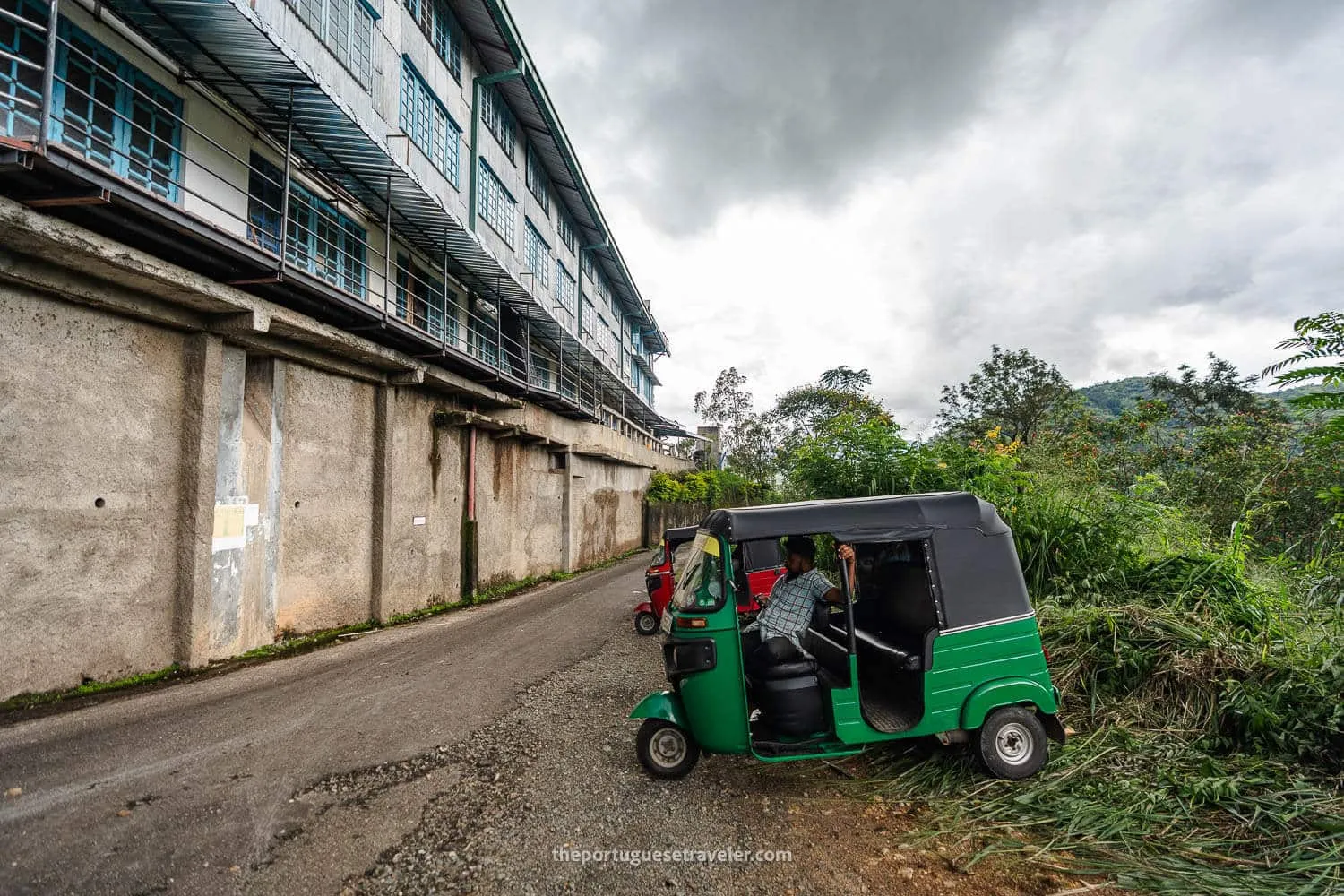
A tuktuk at the Halpewatte Tea Factory
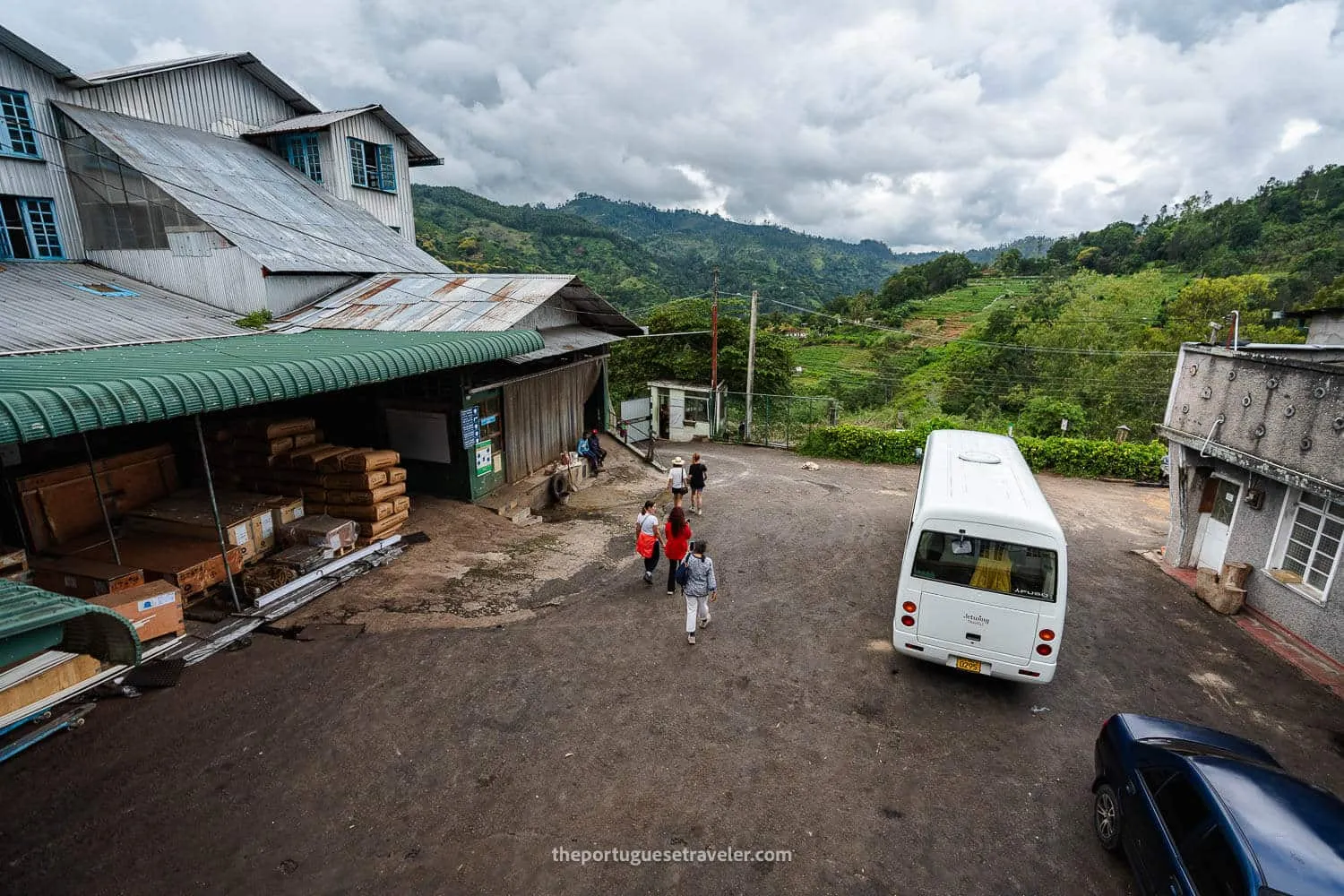
Our private shuttle at the entrance of the Ceylon Tea Halpewatte Factory
How to Travel from Colombo to Ella?
If you’re traveling from Colombo to Ella, there are several options to consider, each with its own set of pros and cons. Here’s a breakdown of the available transportation options and estimated travel times: Private Car/Taxi:
- Time: 5 to 6 hours
- Details: This is the most comfortable and convenient option, offering flexibility and a direct route to Ella. If you’re traveling with a group or have a lot of luggage, it’s definitely the best choice. A tuktuk ride is also possible for a more adventurous journey, but it will take longer and may not be as comfortable.
- Time: 6 to 7 hours
- Details: Buses from Pettah Bus Terminal in Colombo to Ella are an affordable option. However, be prepared for possible delays and crowded conditions. It’s definitely a more budget-friendly choice, but comfort and timeliness may vary.
- Time: 6 to 7 hours
- Details: Taking the train from Colombo to Ella is one of the most scenic routes you can take in Sri Lanka. The Kandy to Ella train ride offers stunning views of lush green landscapes and is often considered one of the most beautiful train journeys in the world. Note that you may need to change trains at Kandy or Nanu Oya depending on your schedule. (Check schedules here)
- Time: 5 to 6 hours
- Details: If you’re on a guided tour, transportation is often included, and you’ll enjoy a hassle-free ride to Ella. This is a great option if you prefer to sit back and relax while someone else handles the logistics.
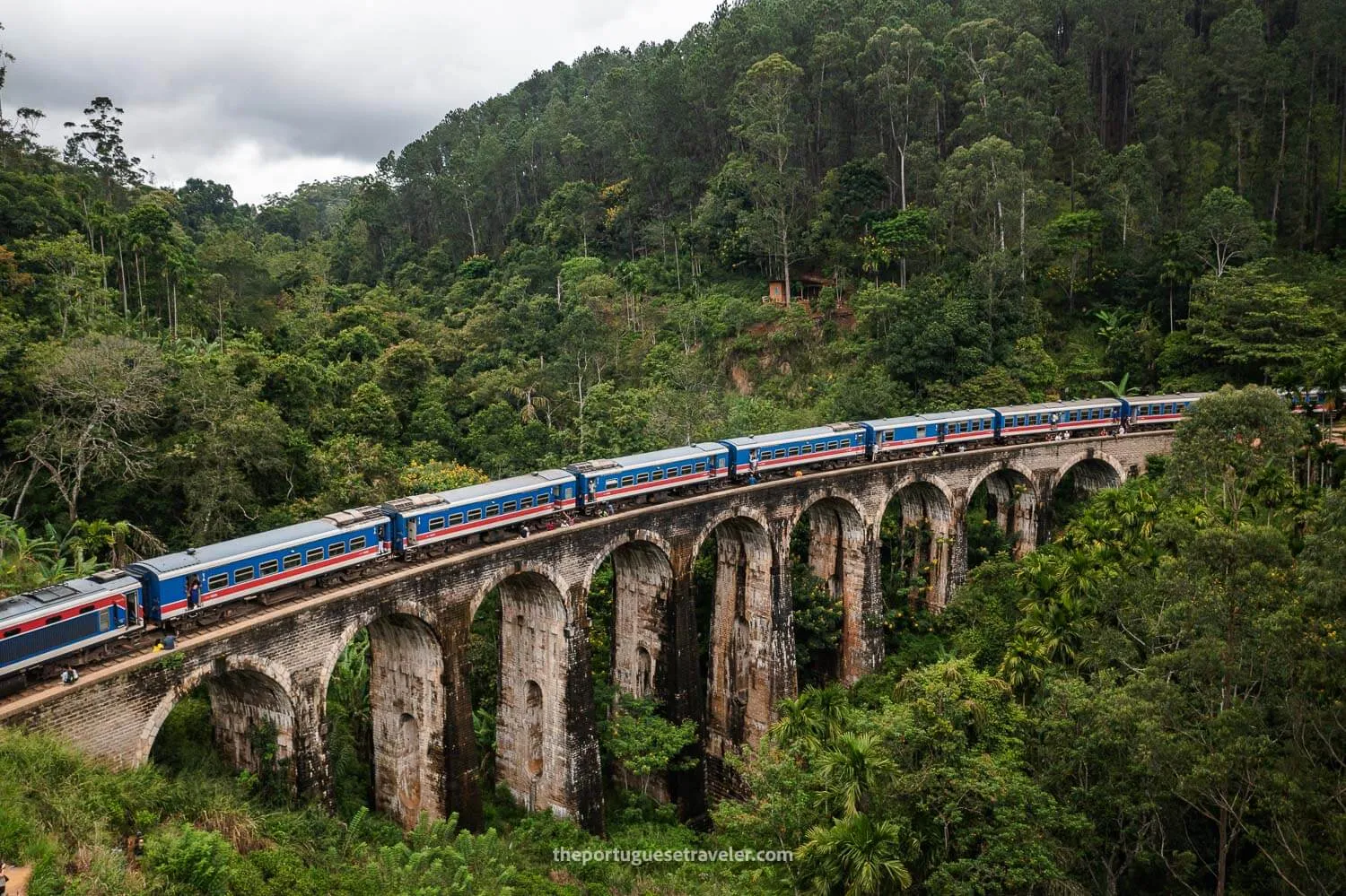
The perfect perspective of the train at the Nine Arches Bridge
Where to Stay Near the Halpewatte Ceylon Tea Factory?
Ella’s central location means you’ll be just a short drive away from the Halpewatte Tea Factory, making it easy to visit the tea plantation at any time and fully soak in its natural beauty. Whether you’re after a bit of luxury or looking to experience local hospitality, you’ll find the perfect place to unwind after a day exploring the tea factory and nearby attractions. Luxury:
- 98 Acres Resort & Spa – Set within a stunning tea estate, close to Nine Arch Bridge and Little Adam’s Peak. Offers a luxurious experience with an outdoor pool, and beautifully designed rooms.
- EKHO Ella - Located near top attractions like the Nine Arches Bridge and Little Adam’s Peak, EKHO Ella offers breathtaking views of the Ella Gap. The boutique hotel features 14 stylish rooms, including Junior Suites with private Jacuzzis, blending comfort and luxury for a perfect hill-country retreat.
Boutique:
- Arawe Retreat – A peaceful, newly renovated 150-year-old nature cottage. Perfect for couples, surrounded by nature with stunning views of rice paddies.
- Tea Cabins – A boutique spot with lovely rooms, a garden, and a pool, located a short walk from the Nine Arch Bridge and Ella Spice Garden.
Mid-range:
- Green Nature Paradise Ella – Located near Nine Arch Bridge, it has great views and is an ideal spot for cycling. Offers a delicious breakfast and great service.
- The Black Stone – A quirky guesthouse with unique decor, a roof terrace, and easy access to nearby attractions like Nine Arch Bridge and Little Adam’s Peak.
Budget:
- Eagle View Villa – A budget-friendly romantic retreat with stunning views and delicious breakfast, about 25 minutes from Ella Town Center.
- Ella Mount View Guest Inn – Close to Nine Arch Bridge, this cozy inn features scenic views, free WiFi, and on-site dining. Guests can rent bikes, enjoy the peaceful garden, and explore nearby attractions.
Hostels:
- Wild Bee Hostel – A friendly hostel near Ella’s high street, offering a great vibe and vegetarian breakfast with a fantastic view of the mountains.
- Down Town Hostel Ella – A budget-friendly option with organized activities, close to the railway tracks and attractions like Ella Rock.
For more accommodation options across Sri Lanka, check out my articles on The 20 Best Hotels in Sri Lanka, The 10 Best Luxury Hotels in Sri Lanka, and The 10 Best Hostels in Sri Lanka.
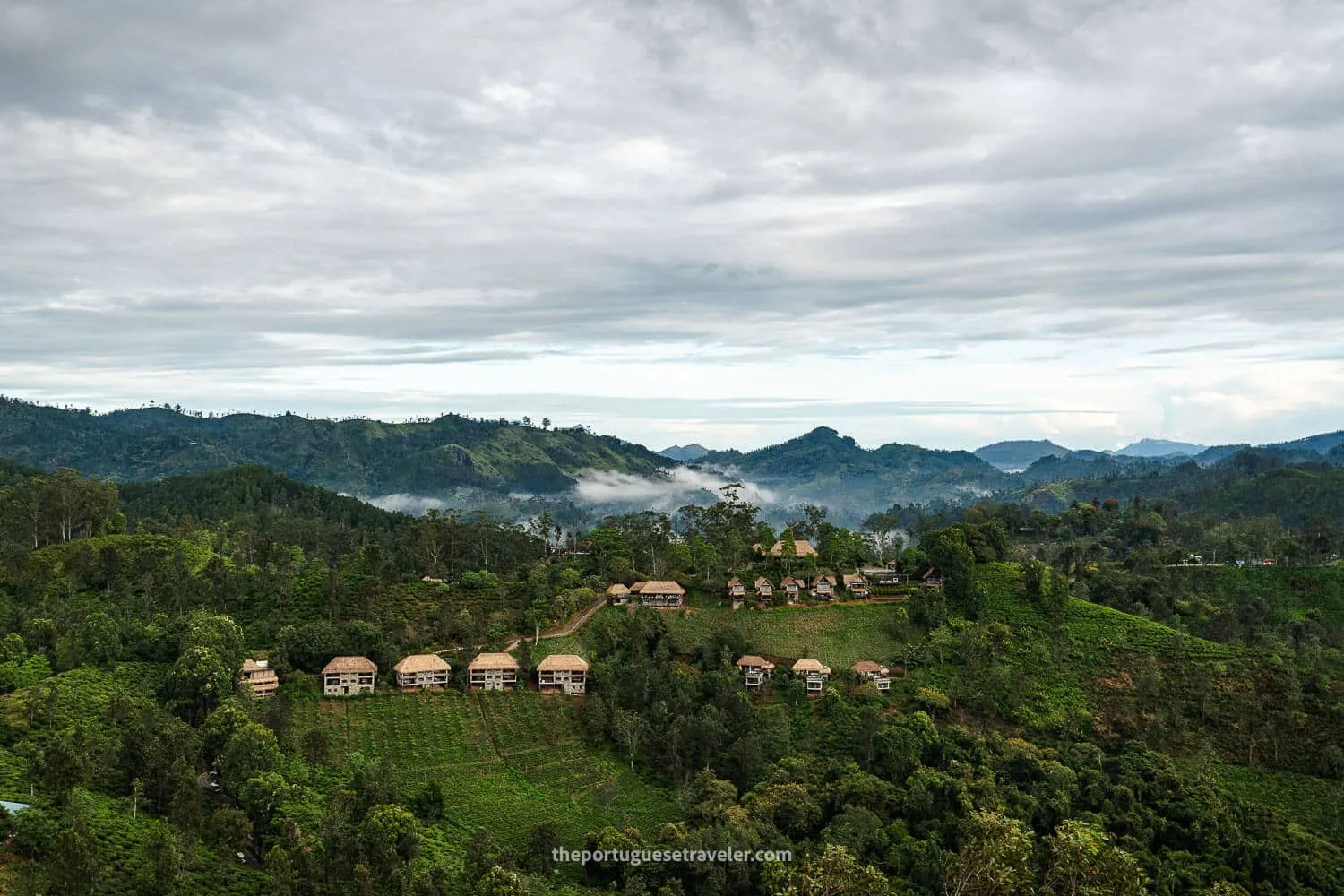
The 98 Acres Resort & Spa in Ella, Sri Lanka
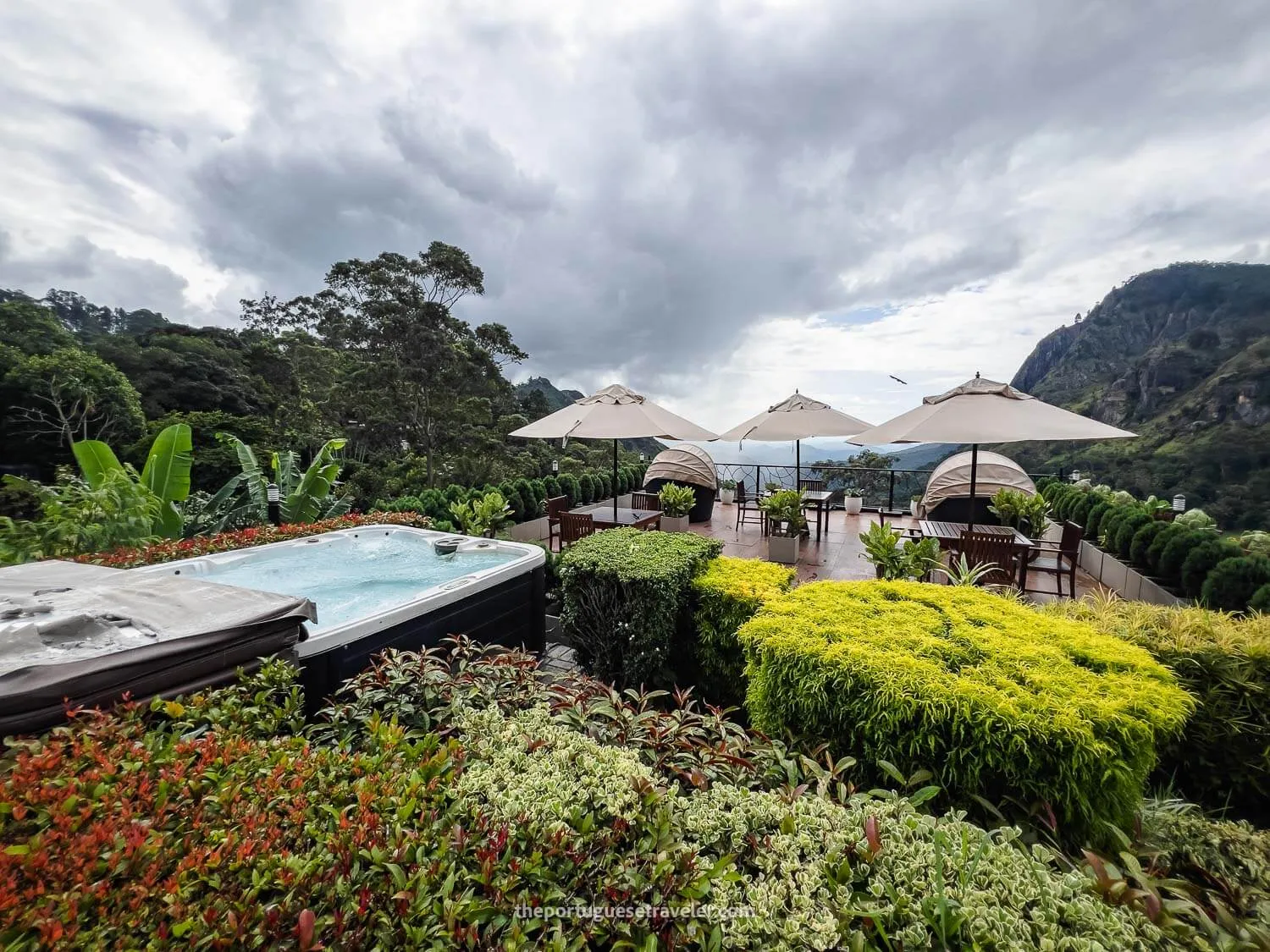
The EKHO Ella Hotel
Where to Eat and Drink Near the Halpewatte Ceylon Tea Factory?
If you’re looking for somewhere to eat near the Halpewatte Tea Factory, my advice is to head into Ella—it’s the best place for great food. For a mix of local and international dishes, you can’t go wrong with Cafe Chill. It’s right in the center of town and perfect for breakfast, lunch, or dinner with a menu that has something for everyone. If you’re in the mood for authentic Sri Lankan flavors, I recommend checking out Matey Hut. It’s a small, laid-back spot just off the main street, and their roti and kotu are fantastic. For something lighter and healthier, try Rainbow Inn for smoothie bowls and vegan salads. And if you’re craving pizza, MozzarElla by Nero Kitchen is a must-visit. Don’t forget to keep an eye out for local vendors as you explore—they sell refreshing drinks, snacks, and other treats, which are great for a quick pick-me-up!
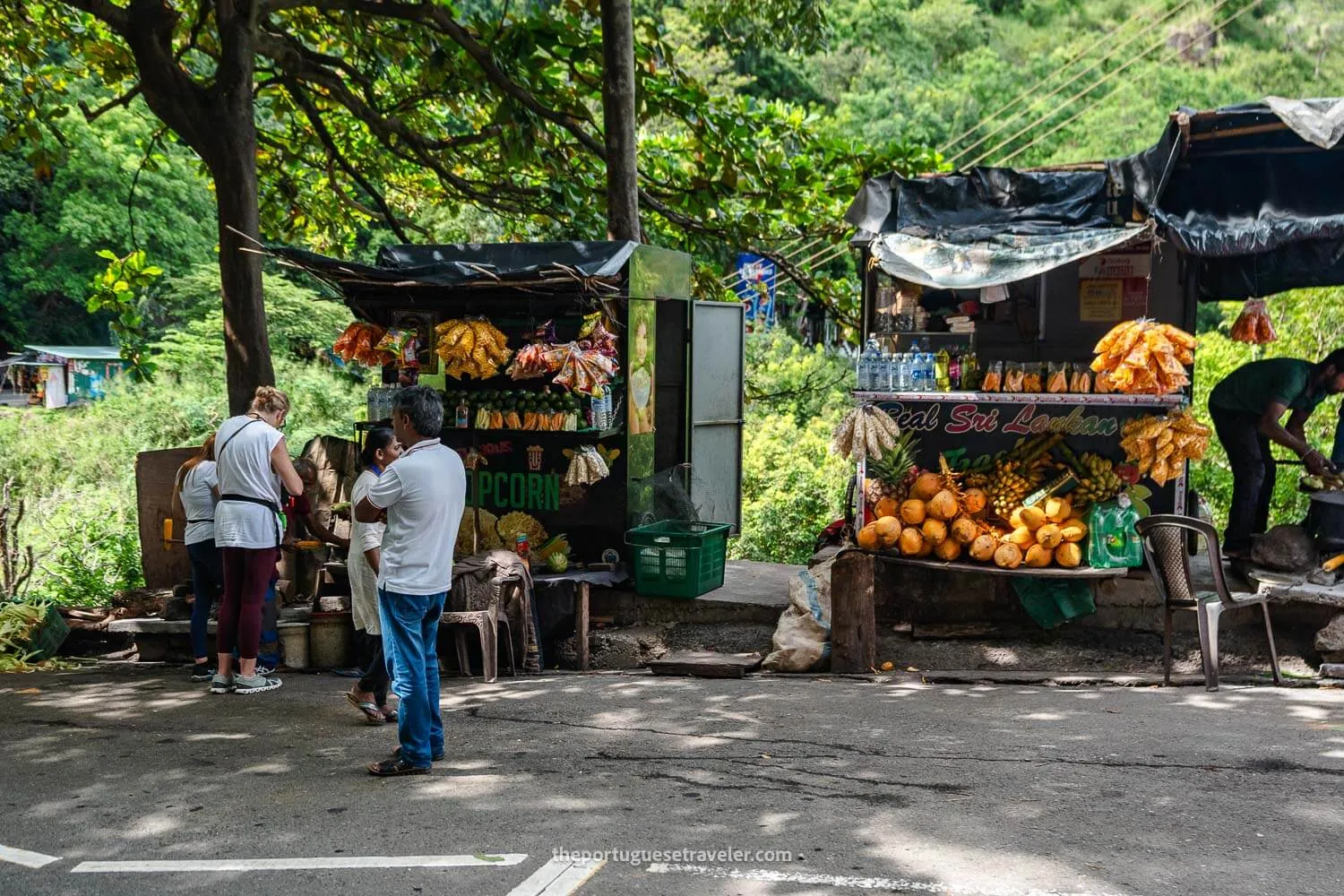
A snacks, and a fruits vendor near the Ravana Waterfall
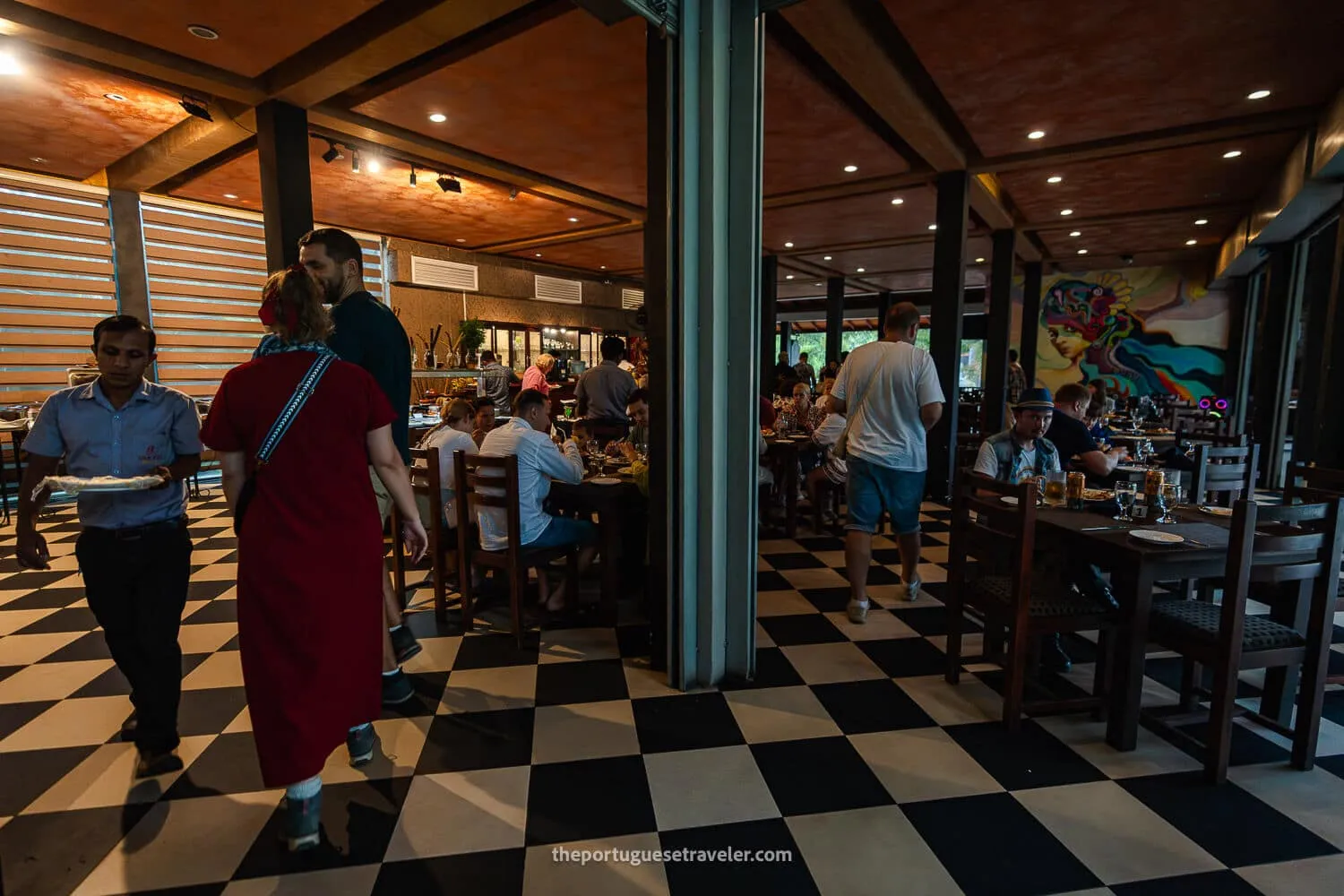
The Oak Ray Ella Gap Hotel’s Restaurant
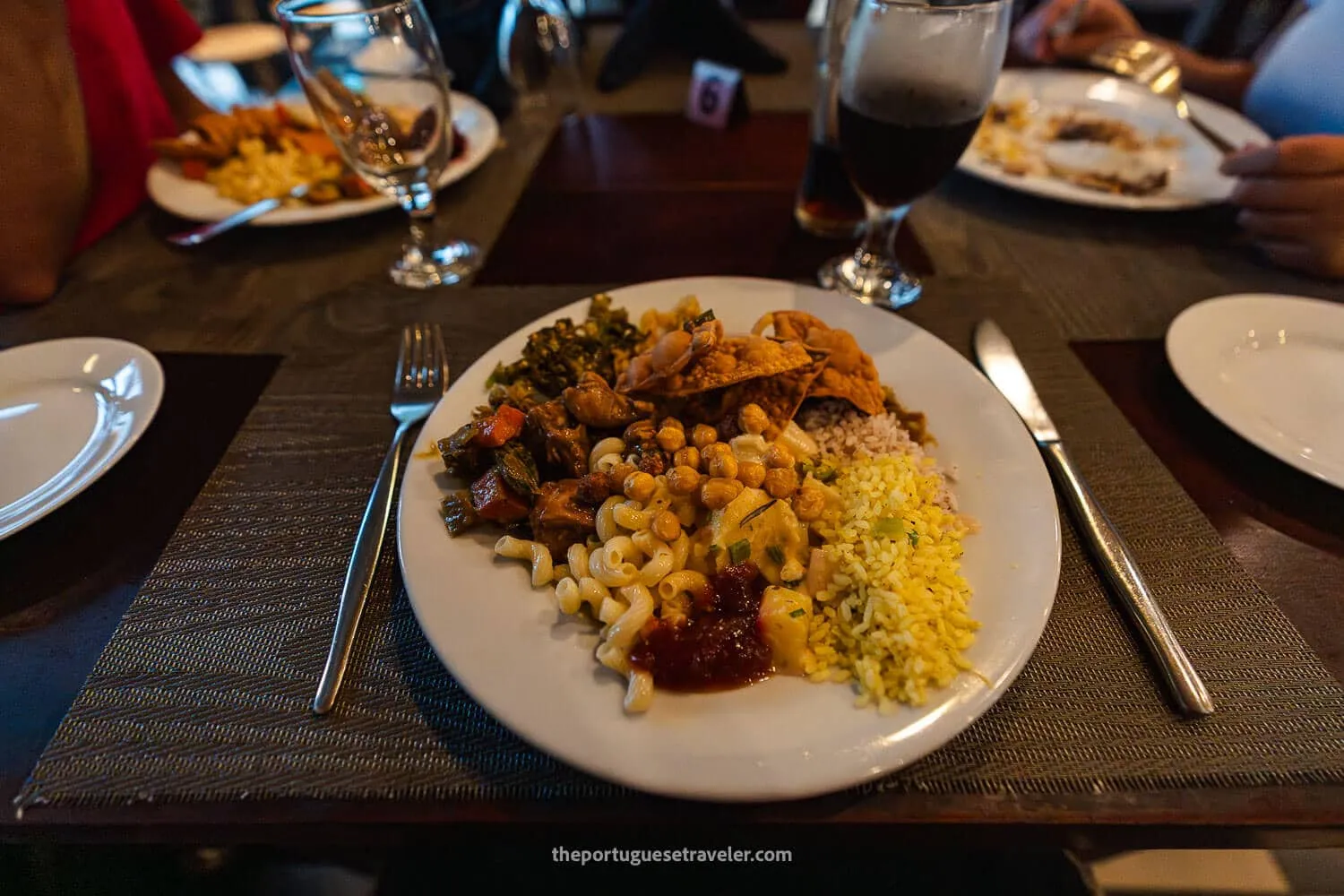
A sample of the local food buffet they had at the restaurant
Best Things To Do near the Halpewatte Ceylon Tea Factory
If you’re looking for the best things to do near the Halpe Tea Factory, there’s plenty to explore in the surrounding area. A visit to the Ravana Falls is a must. The falls offer a stunning natural setting where you can relax by the water or take a refreshing dip. The nearby Ravana Cave adds a touch of mystery, making it a perfect spot for both exploration and photography. For hiking enthusiasts, the trails around the area offer great options. Little Adam’s Peak is a relatively easy hike with fantastic views, while Ella Rock offers a more challenging trek with panoramic vistas of the region. For a cultural experience, visit the tranquil Mahamevnawa Buddhist Monastery, where you can enjoy a peaceful retreat amidst nature. Thrill-seekers can try the Flying Ravana Zipline, offering a unique and exhilarating perspective of the landscape. Lastly, don’t miss the iconic Nine Arches Bridge, a landmark that provides a glimpse into Sri Lanka’s colonial history and beautiful photo opportunities. Whether you’re after adventure, culture, or simply a serene escape, there’s plenty to do near the Halpe Tea Plantation.
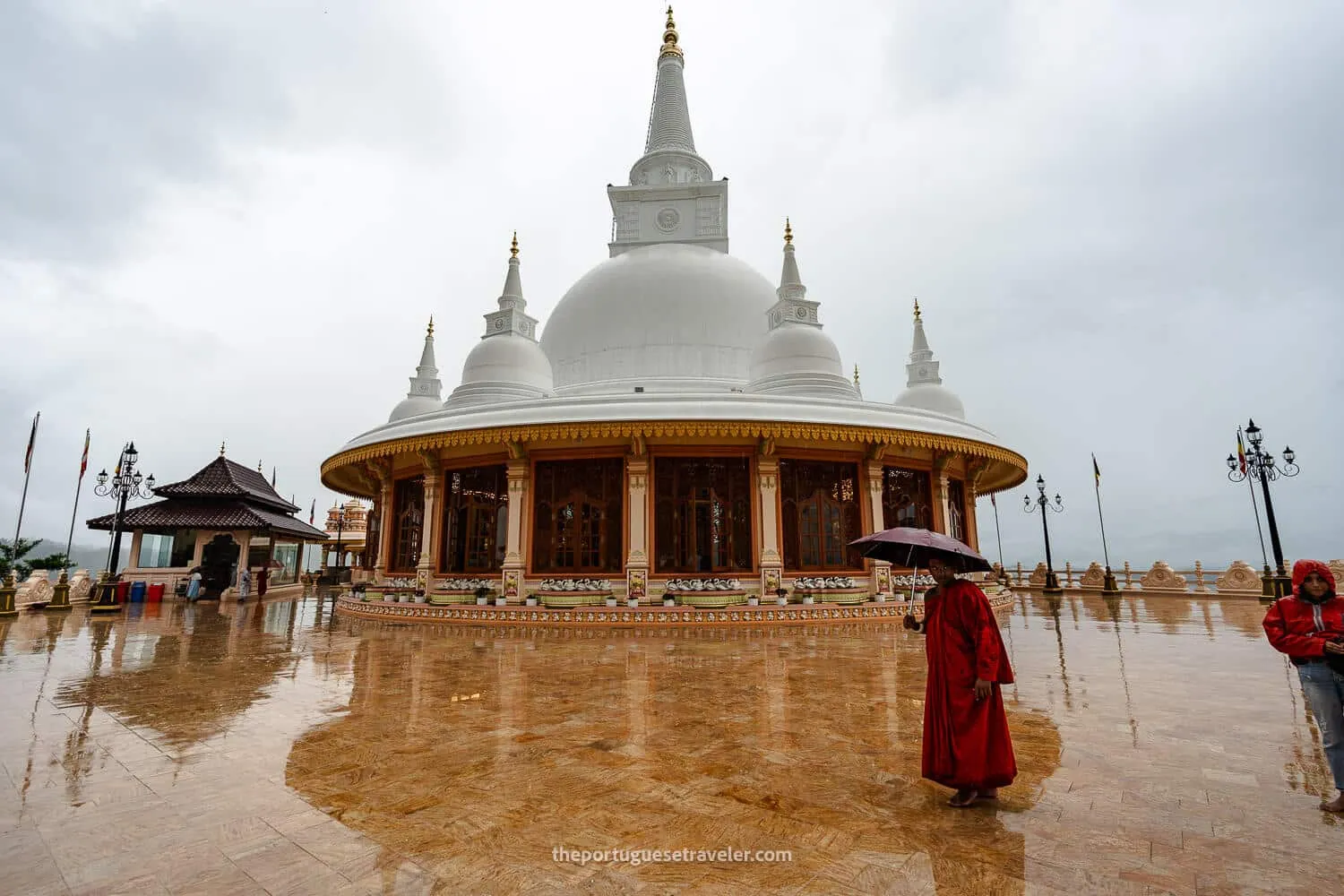
The Mahamevnawa Buddhist Monastery in Bandarawela, Ella
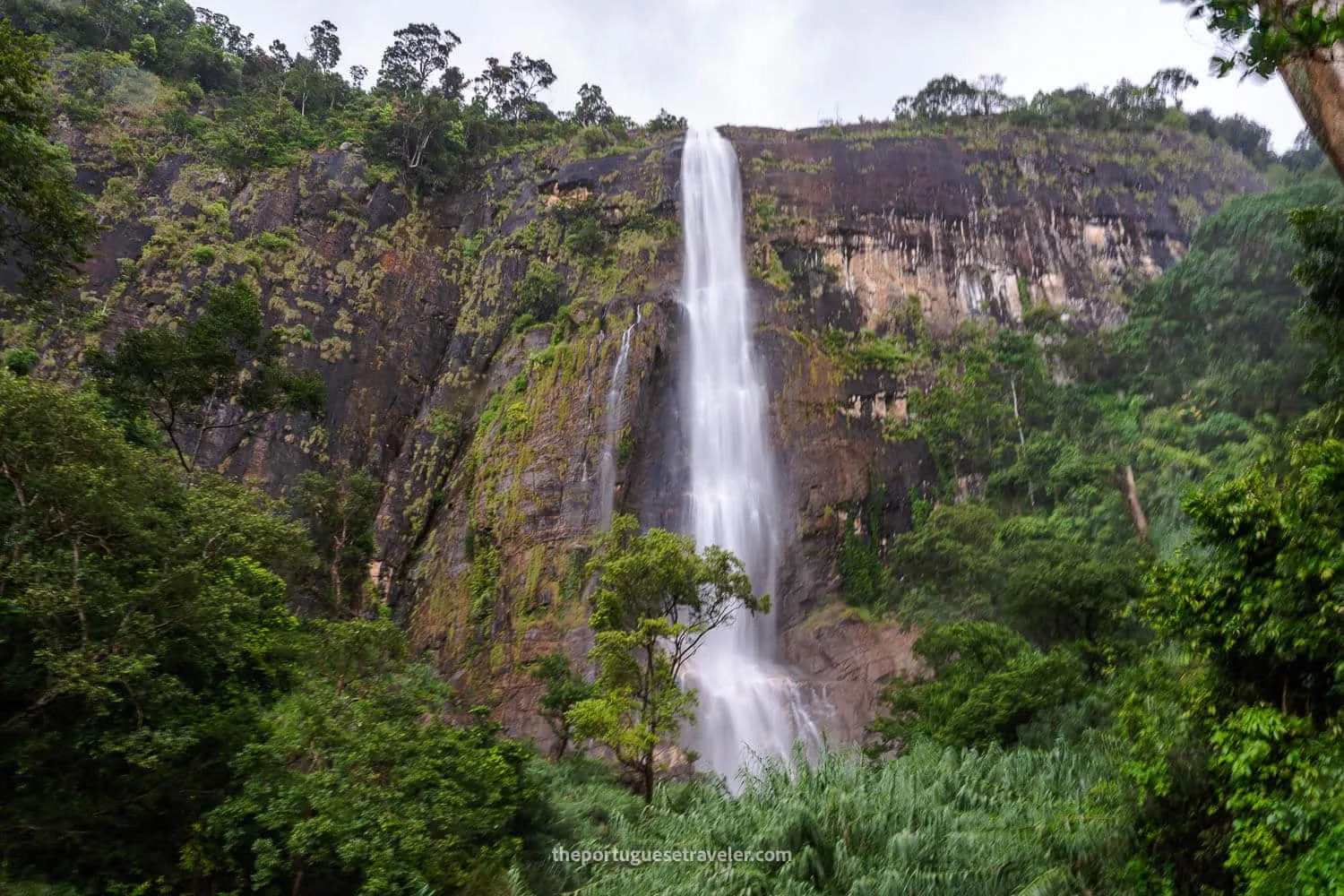
The Diyaluma Falls Waterfall next to Ella, Sri Lanka
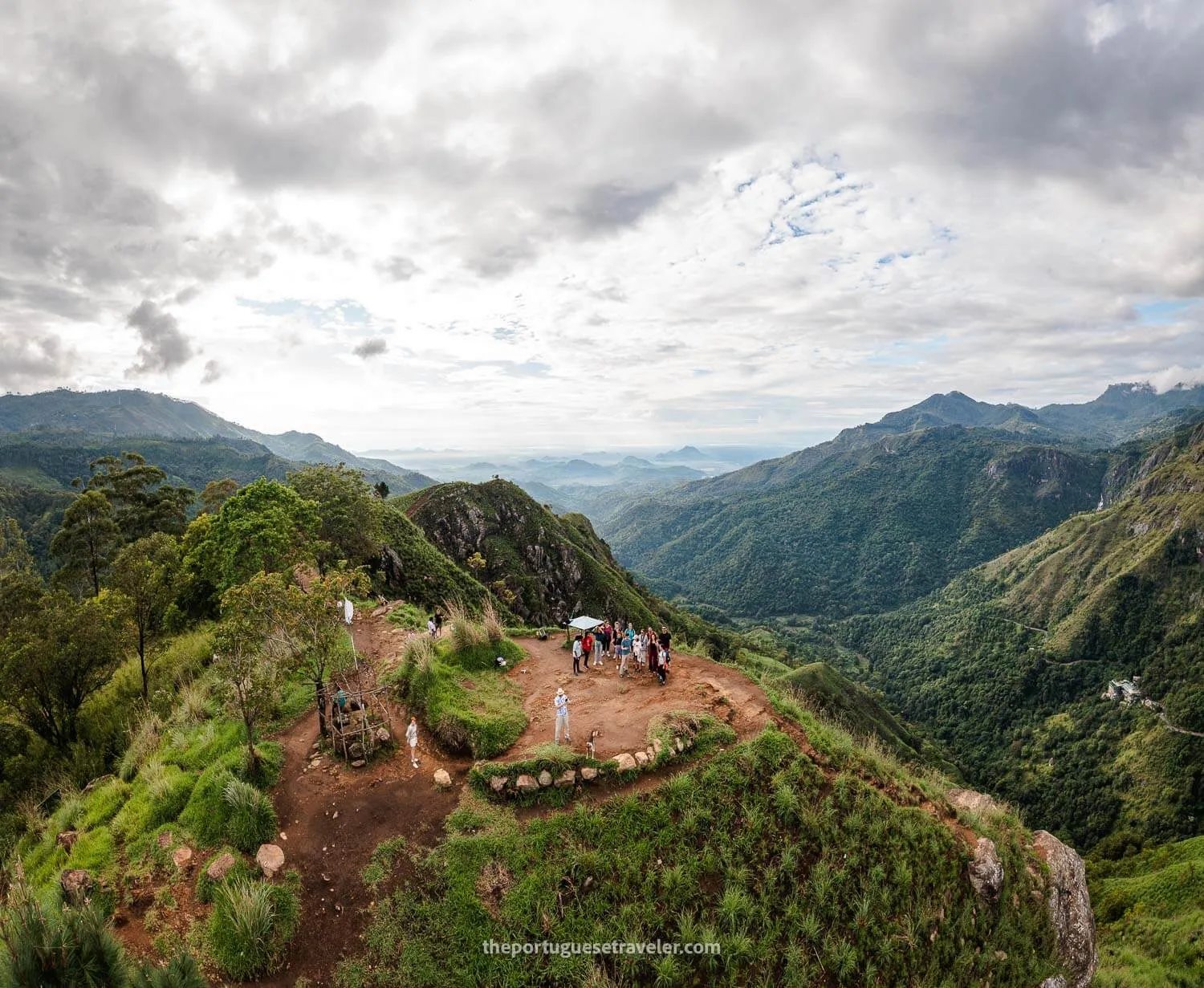
The main viewpoint of the Little Adam’s Peak hike
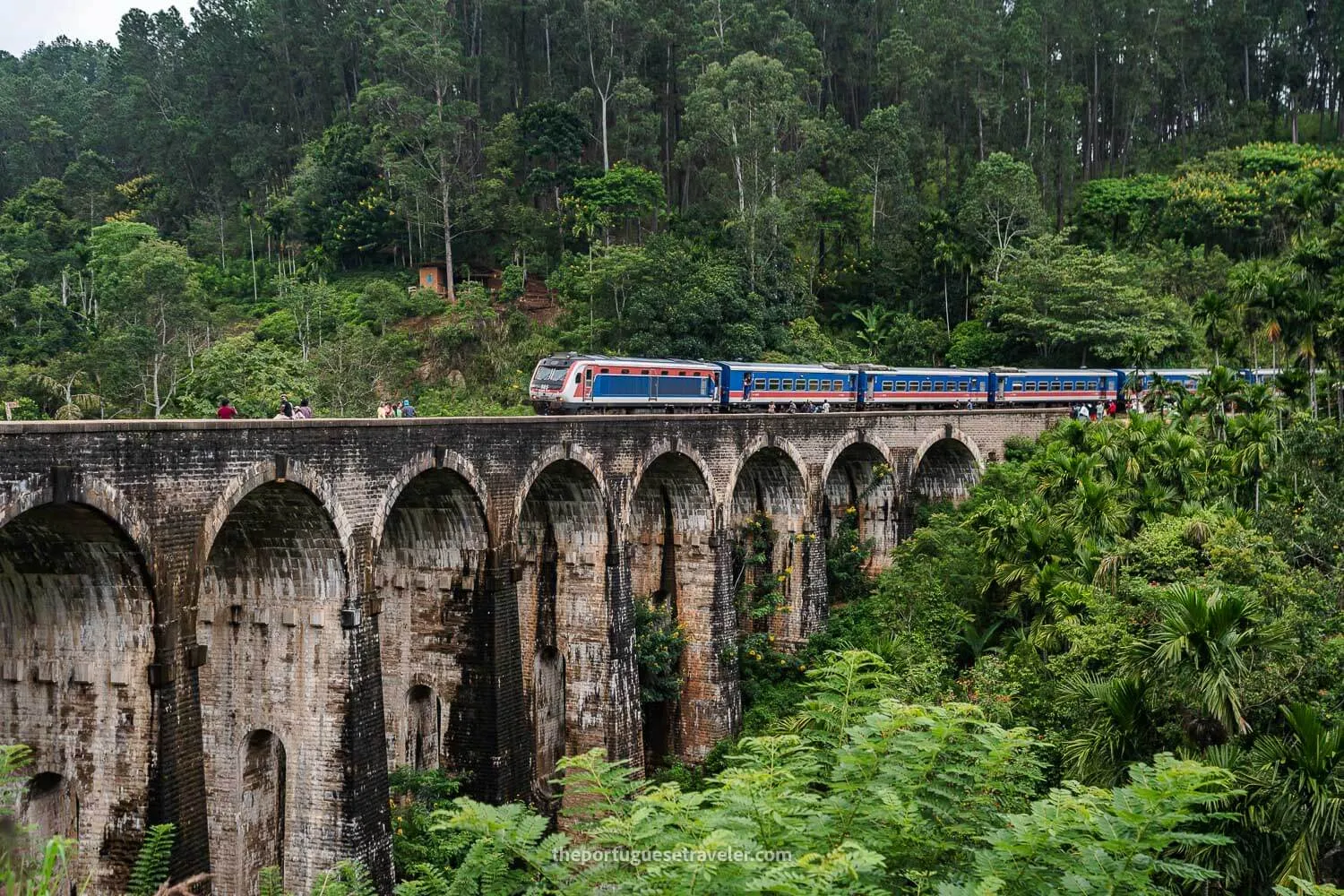
The arrival of the train
Best Tours in Ella, Sri Lanka
If you’re planning to visit Ella, Sri Lanka, and are looking to explore its natural beauty and culture, several highly-rated tours offer a variety of unforgettable experiences:
- Ravana Falls, Diyaluma Falls, Little Adam’s Peak and Nine Arches Bridge Tour Ideal for photography lovers and nature enthusiasts, these stunning waterfalls are must-sees for breathtaking views and great photo ops.
- Join a Traditional Sri Lankan Cooking Class Dive into the local culture with an interactive cooking experience and learn how to prepare delicious Sri Lankan dishes.
- Take the Scenic Train Ride from Kandy to Ella Experience one of the world’s most beautiful train journeys, offering panoramic views of rolling hills, tea plantations, and waterfalls.
- Safari Adventure in Yala National Park Spot leopards, elephants, and other wildlife on a thrilling safari, perfect for animal lovers and adventure seekers.
- All-Inclusive Day Trip If you’re short on time, an all-inclusive day trip covering multiple landmarks in and around Ella is a great way to explore the best of the region in a single tour.
My Experience at the Halpewatte Halpe Ceylon Tea Factory
We started our visit to the Halpewatte Tea Factory around noon, after a sunrise hike to Little Adam’s Peak and a stop at the Ravana Cave and Temple. We arrived by shuttle and were guided inside the main warehouse. There were quite a few tourists there, and tuk-tuks lined up outside, so it’s definitely a popular activity in the Ella area.
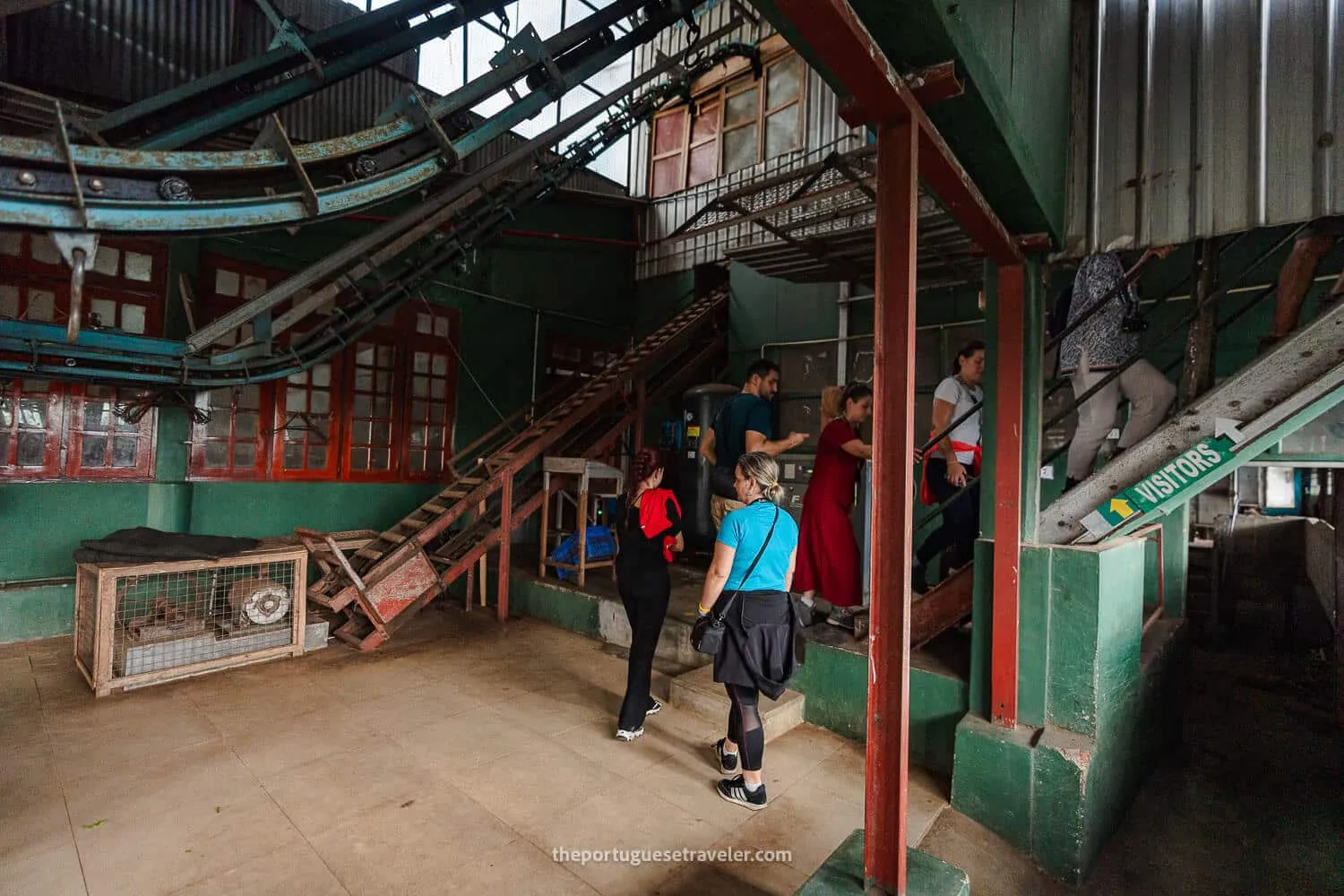
The bloggers at the entrance of the Tea Factory
Exploring Tea Processing and Plucking
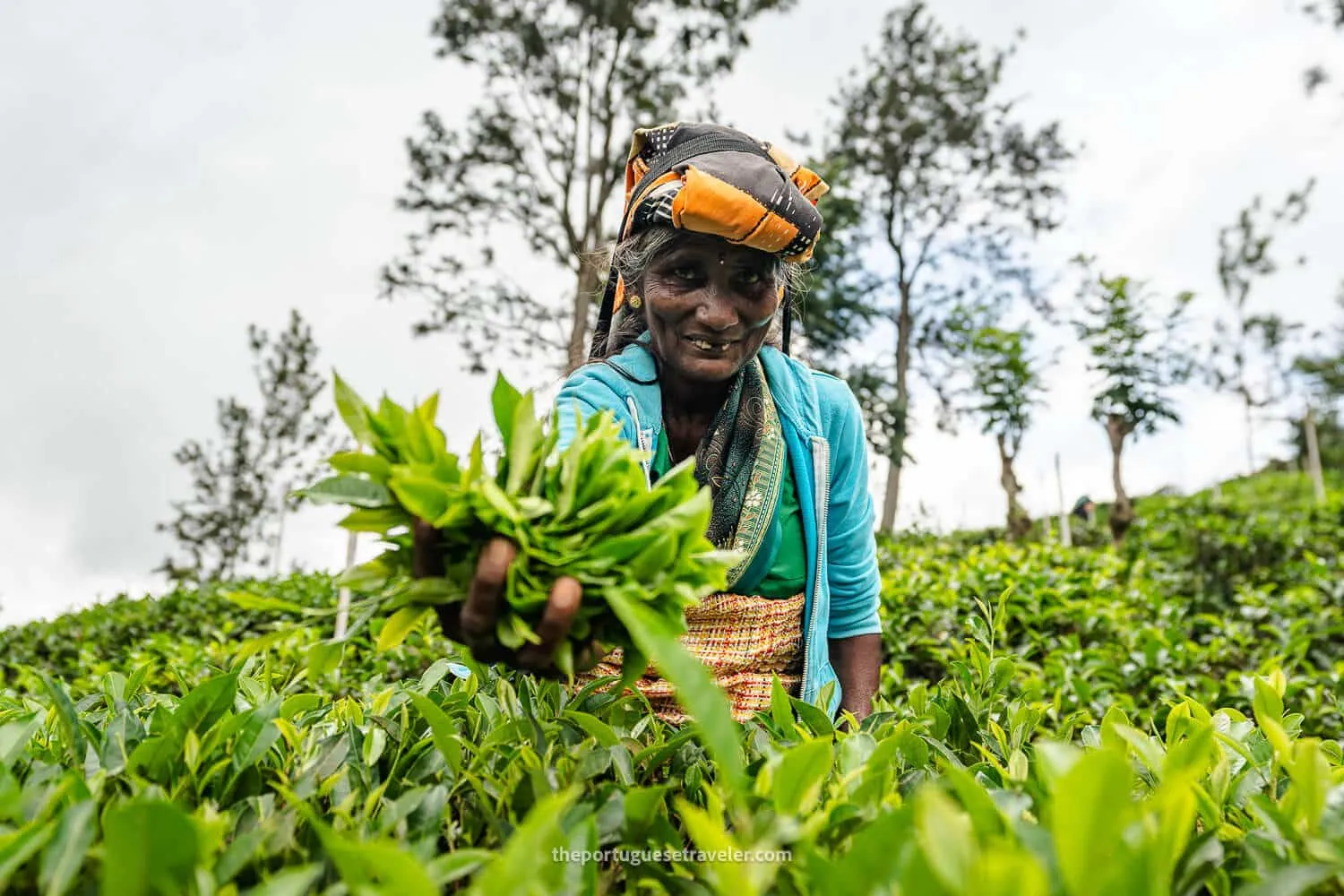
We walked into the factory, where workers were busy weighing their tea leaves, and made our way upstairs to the withering troughs, where the leaves are laid out to wilt. Unfortunately, it was a quiet day, so the troughs were empty. The space was huge, with rows and rows of troughs just waiting to be filled. Next, we headed to the top of the building, where the tourism board ladies had set up a tour with the tea factory team. Afterward, we made our way back down to the plantation, where our guide Sallay explained to us the tea-plucking, and selection process. He was really passionate about his work, and his excellent English made everything much easier to understand. Then, a female worker from the plantation showed us how to pluck tea leaves. She gave us scarves to tie around our heads and baskets to wear on our backs. She even added a little red dot on our foreheads to help us blend in with the locals. As we tried plucking the leaves and tossing them into the baskets, we quickly realized how tricky the process was. It’s not as simple as it seems! The worker made it look easy, leaving us feeling a little less skilled in comparison!
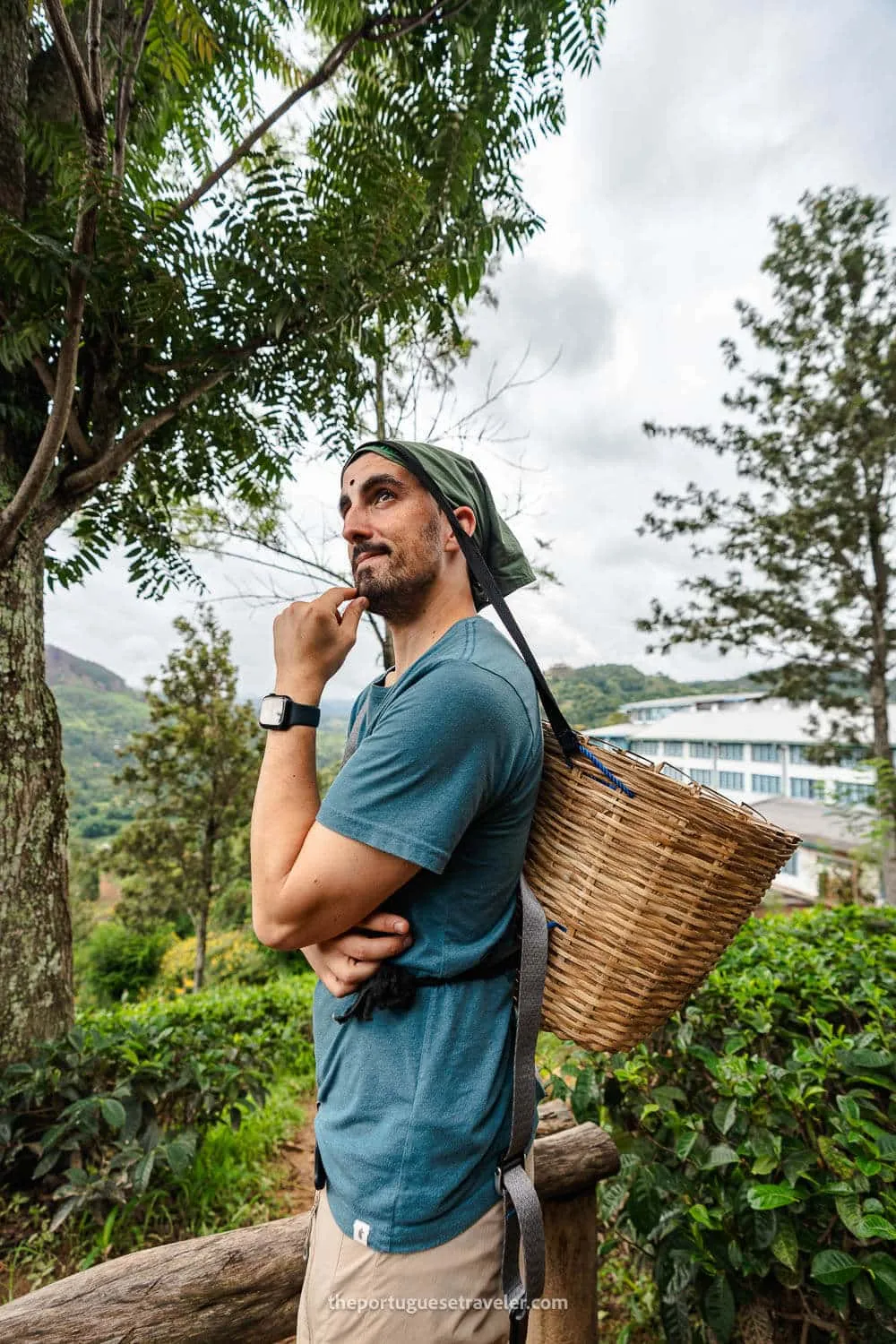
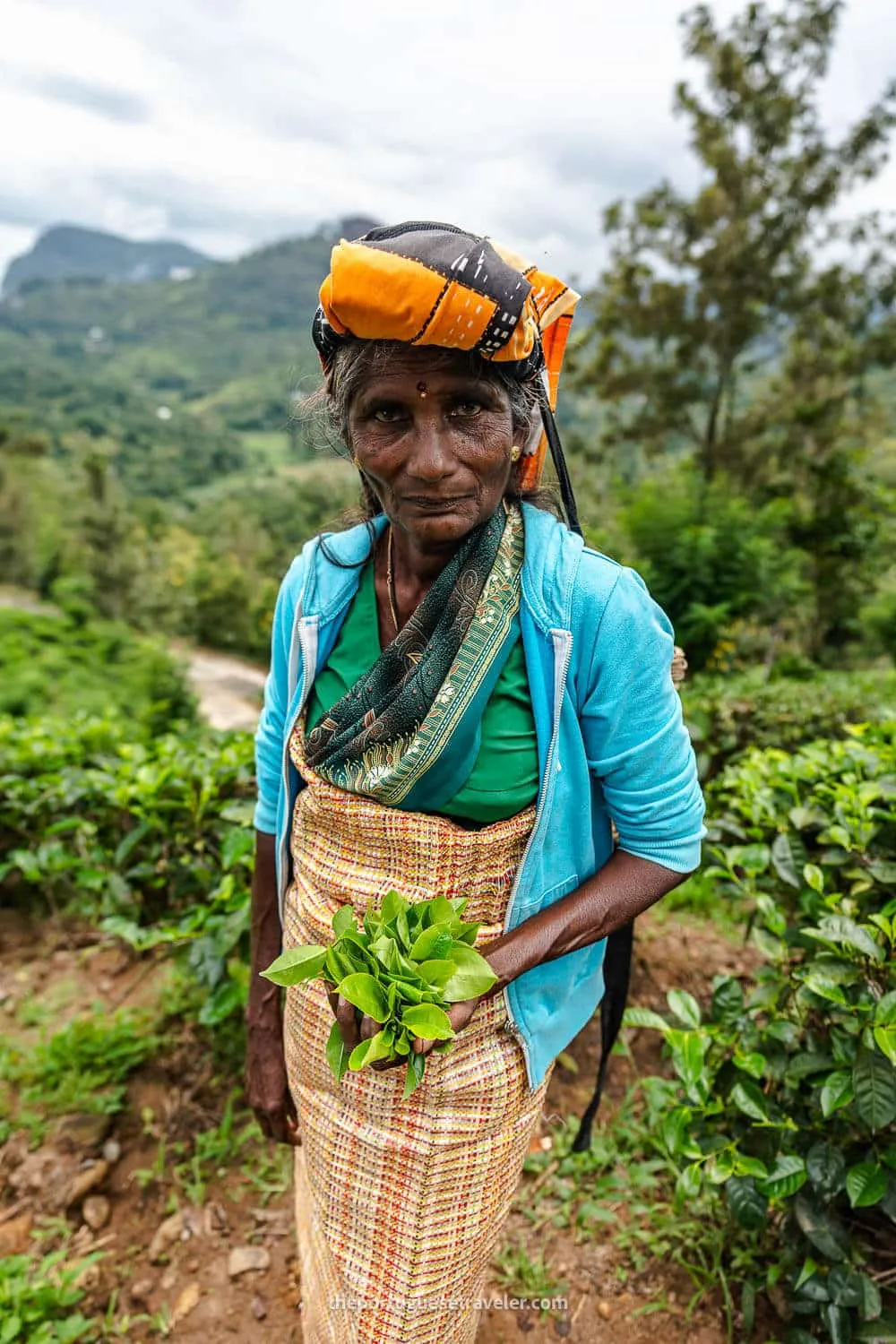
An Halpewatte Ceylon Tea Worker
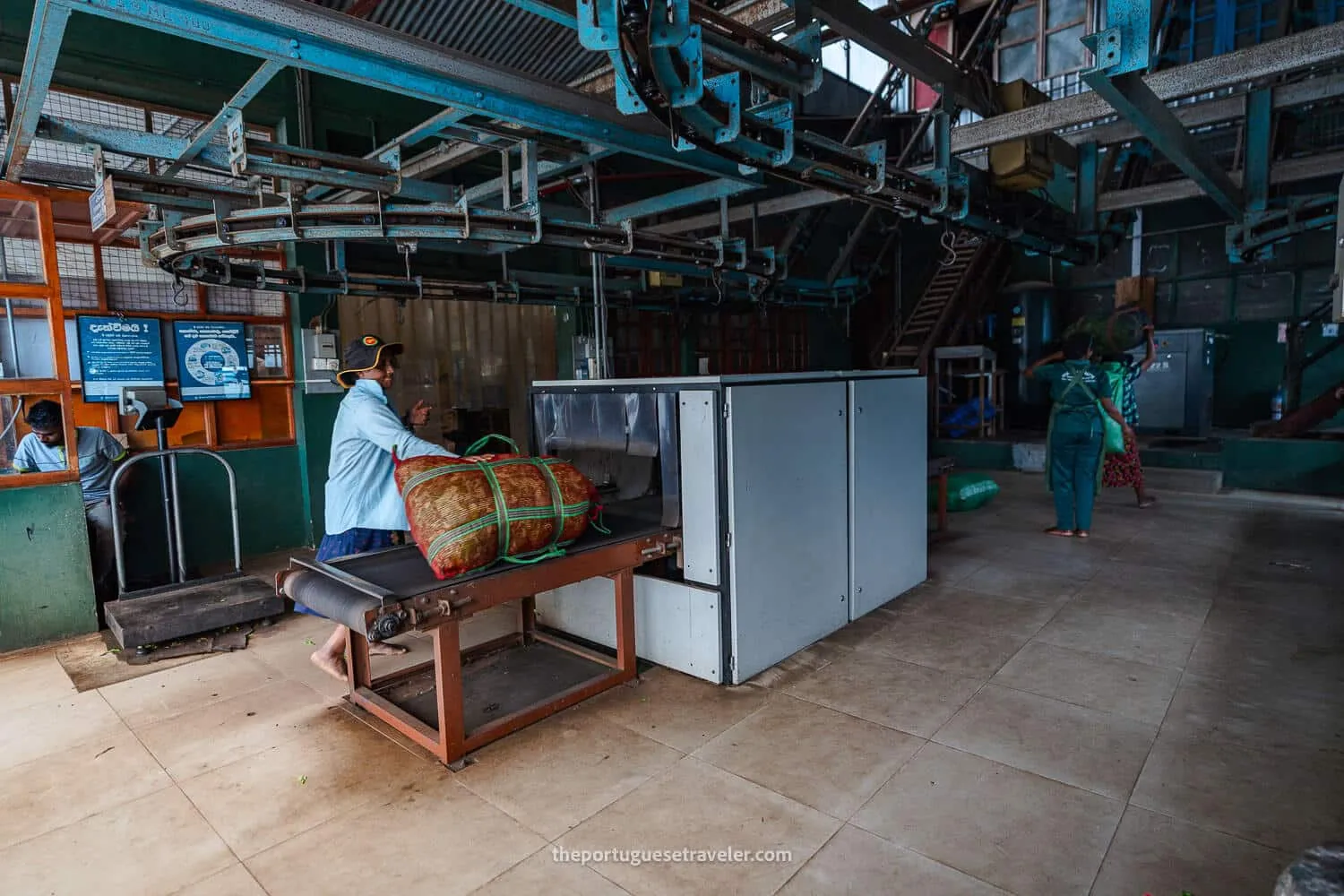
The workers of the factory weighing the tea leaves
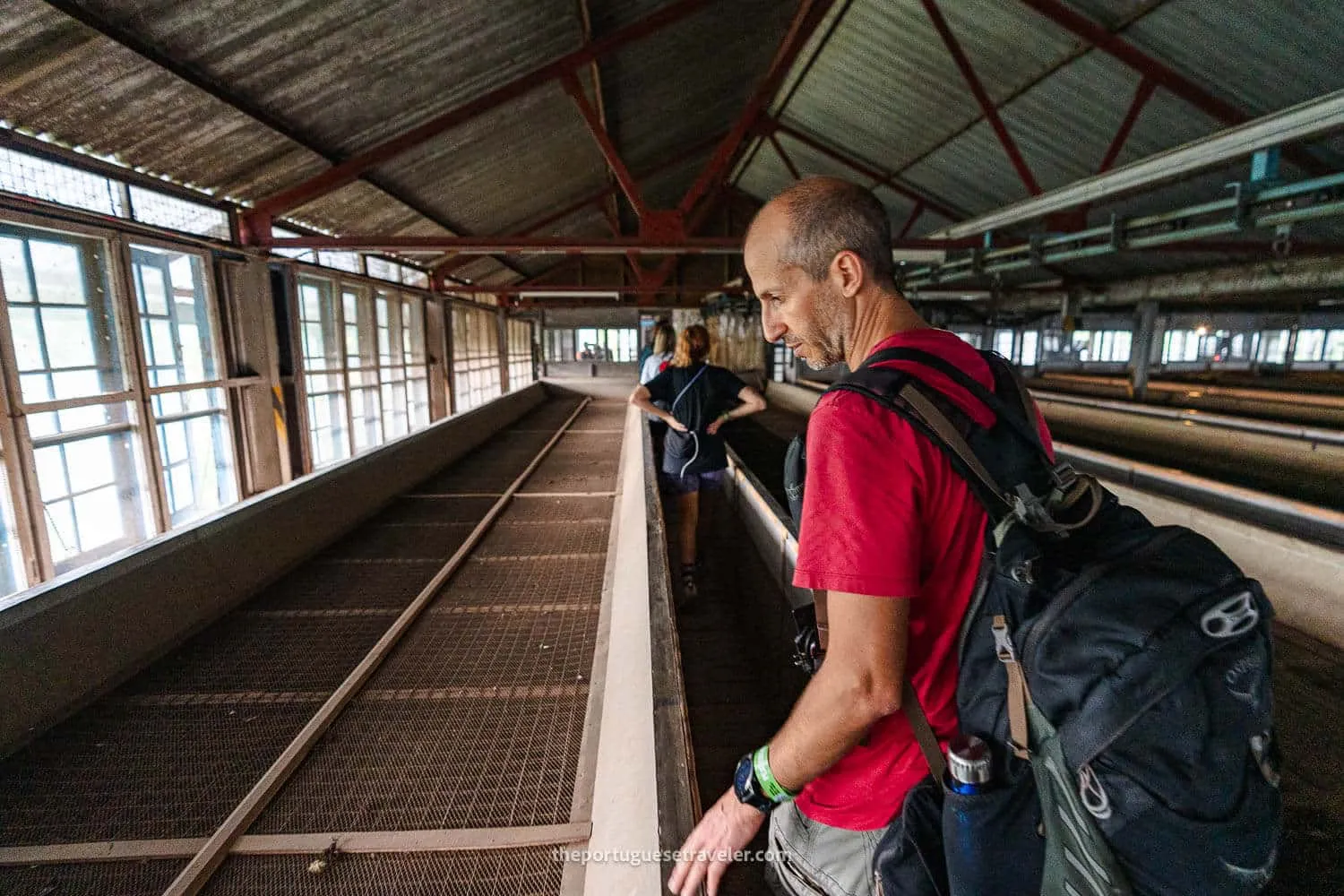
Jorge at the withering troughs
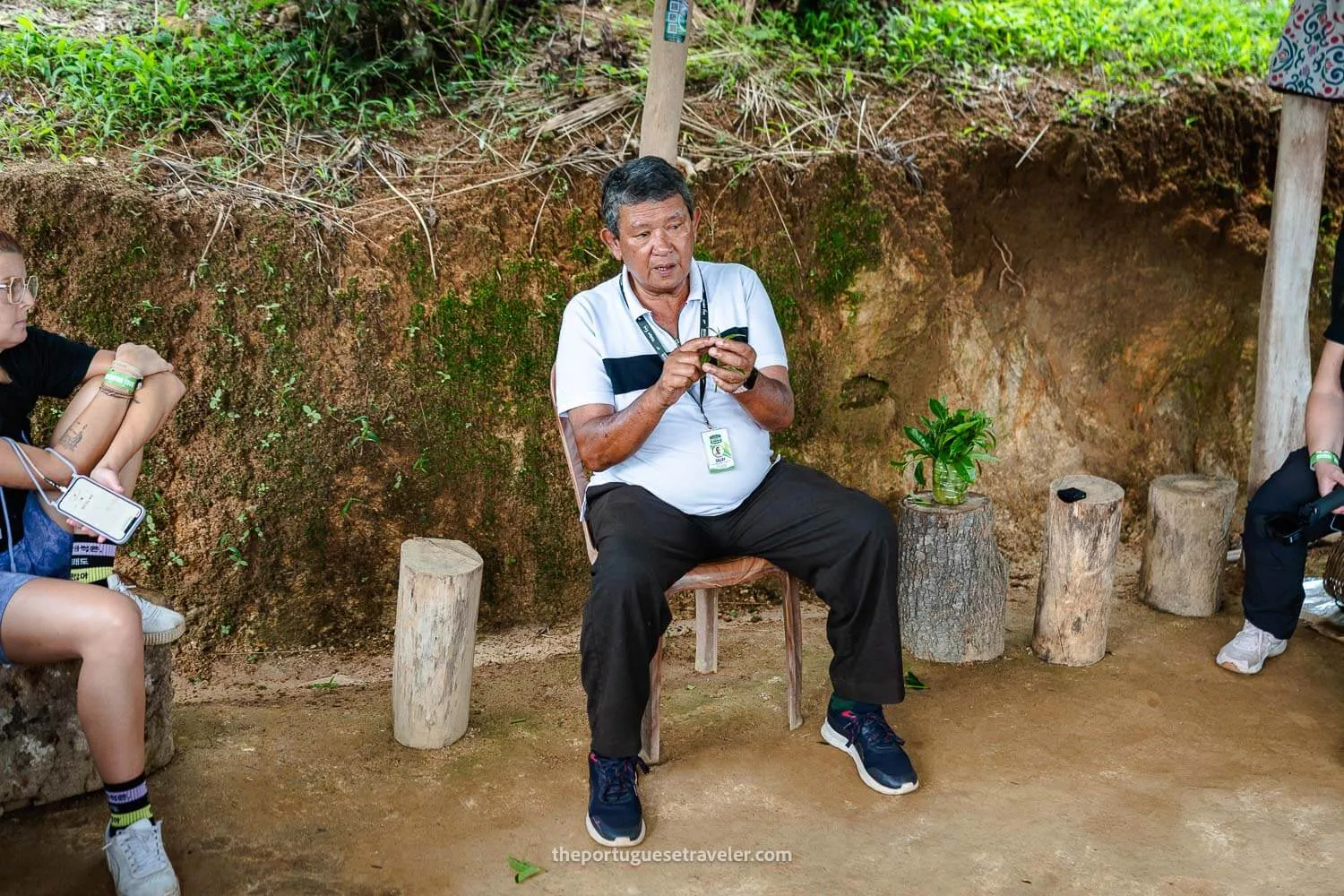
Our guide Sallay explaining us the tea leaves selection leaf by leaf
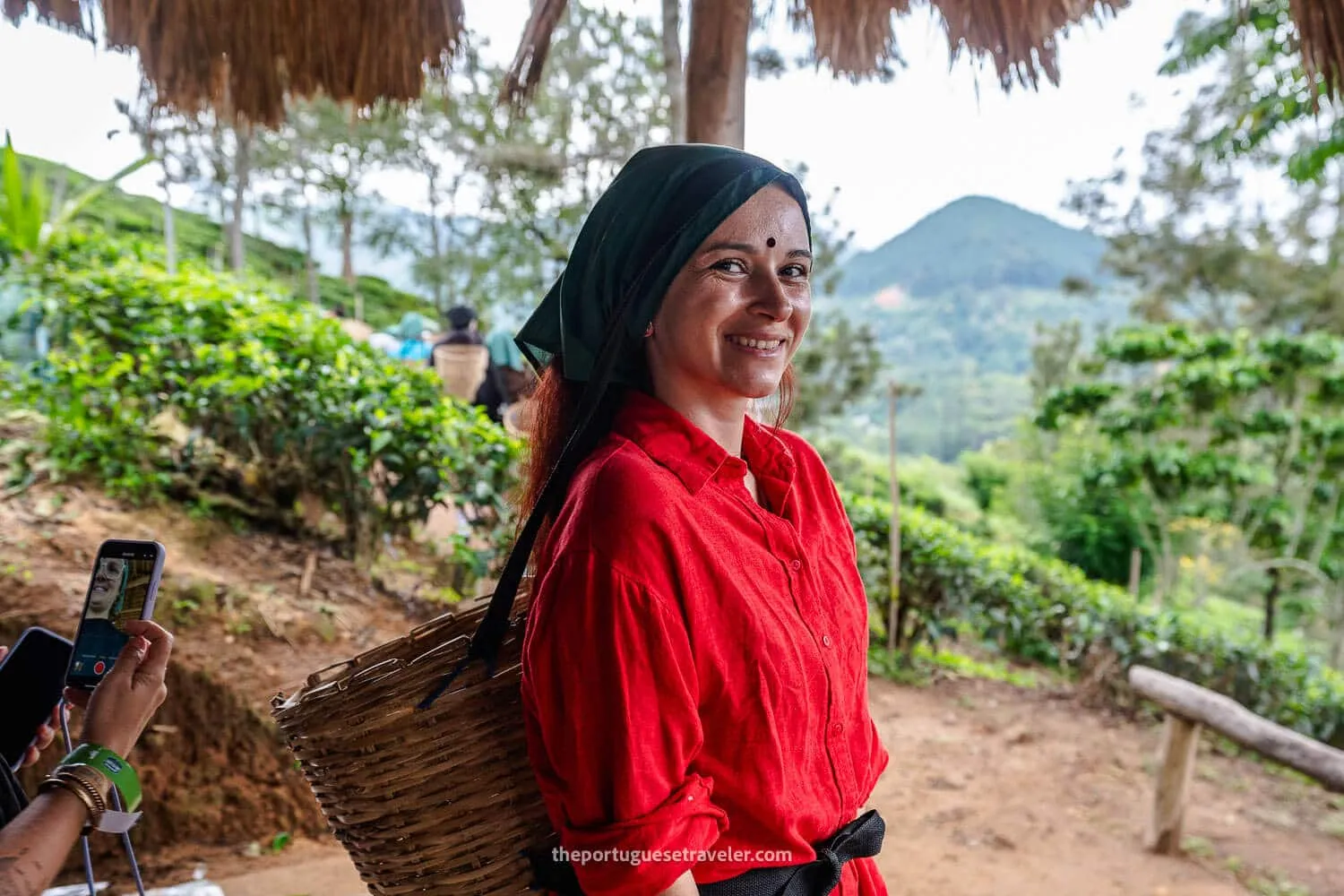
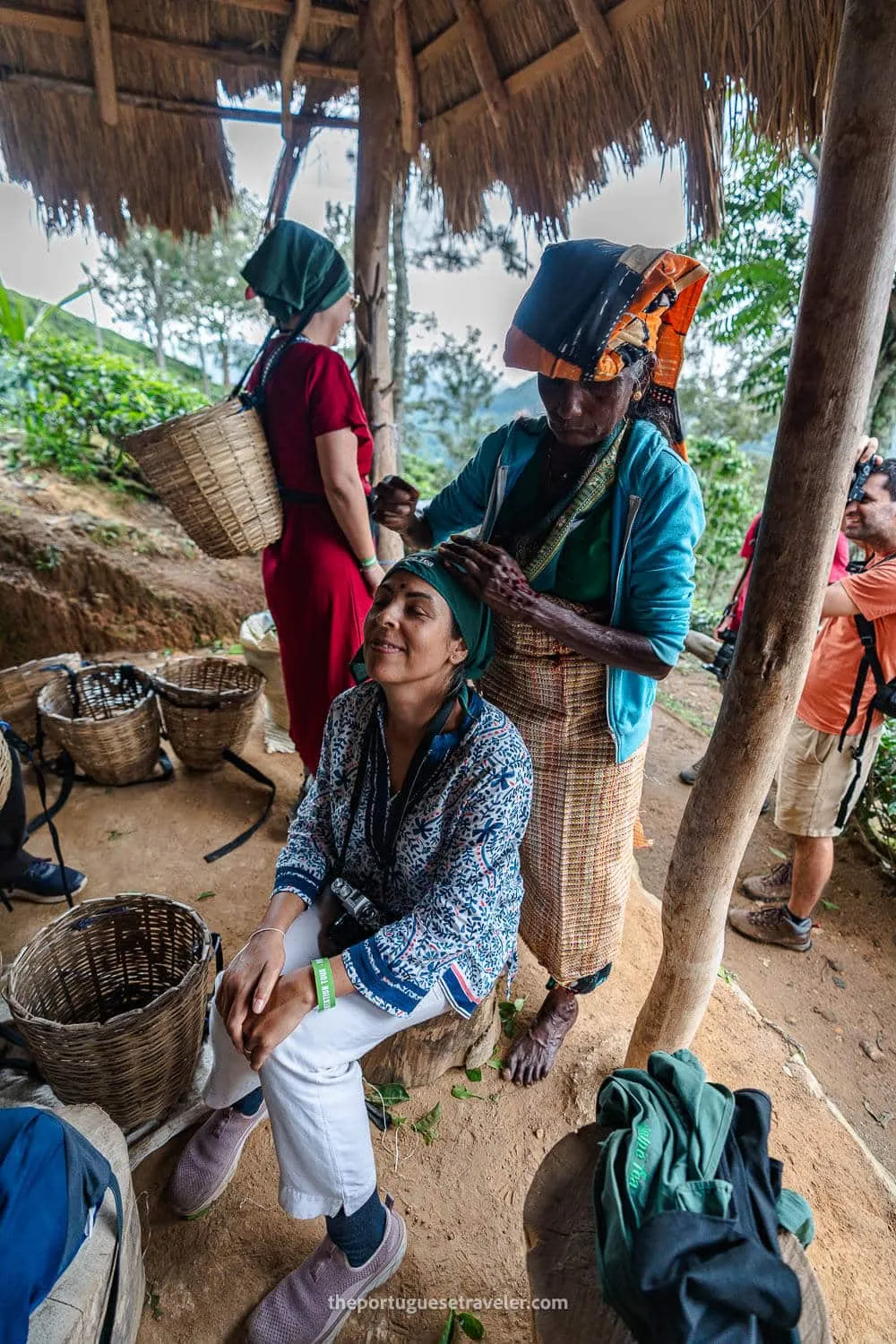
Ruthia being dressed for the job
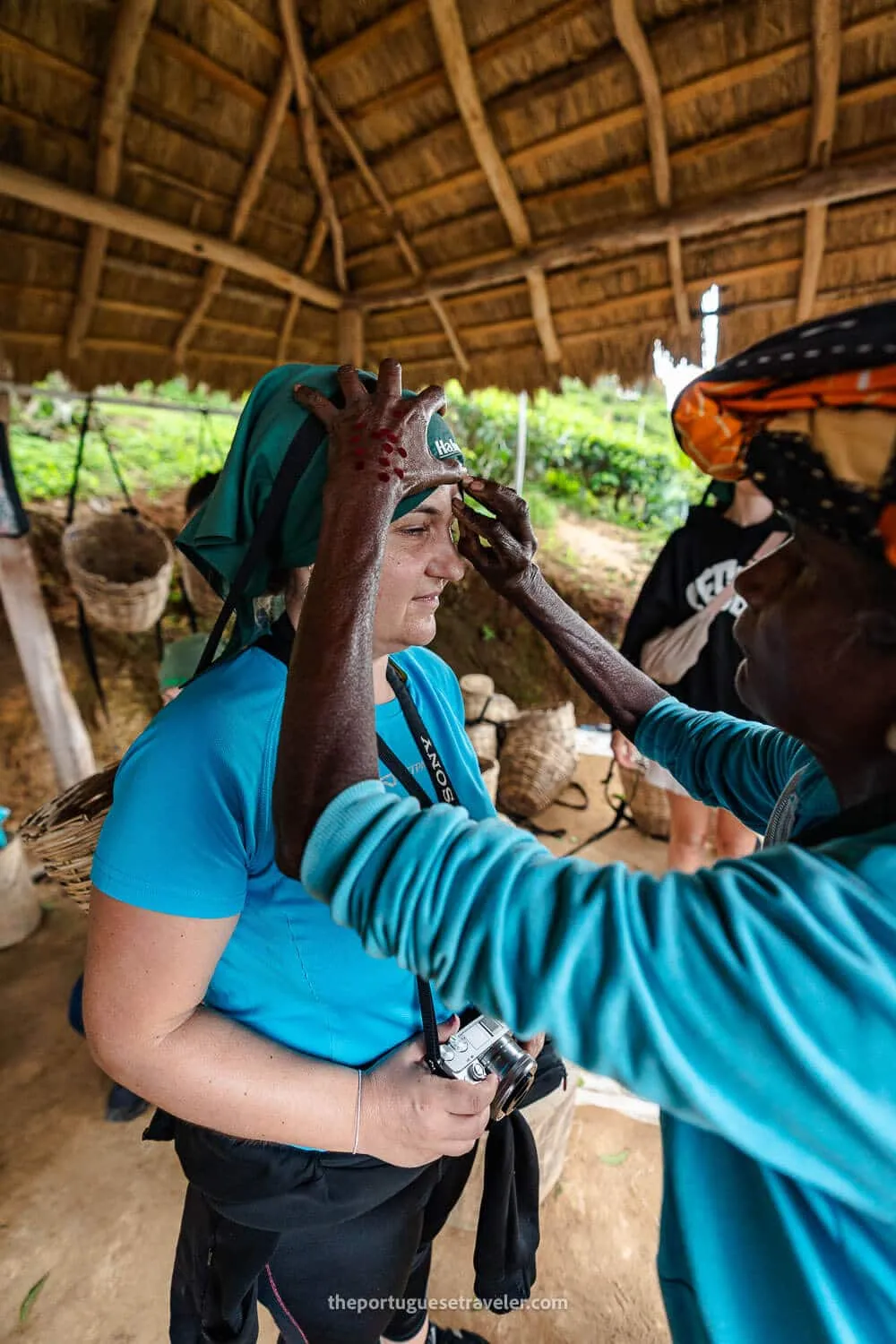
Mónica being set up for the task
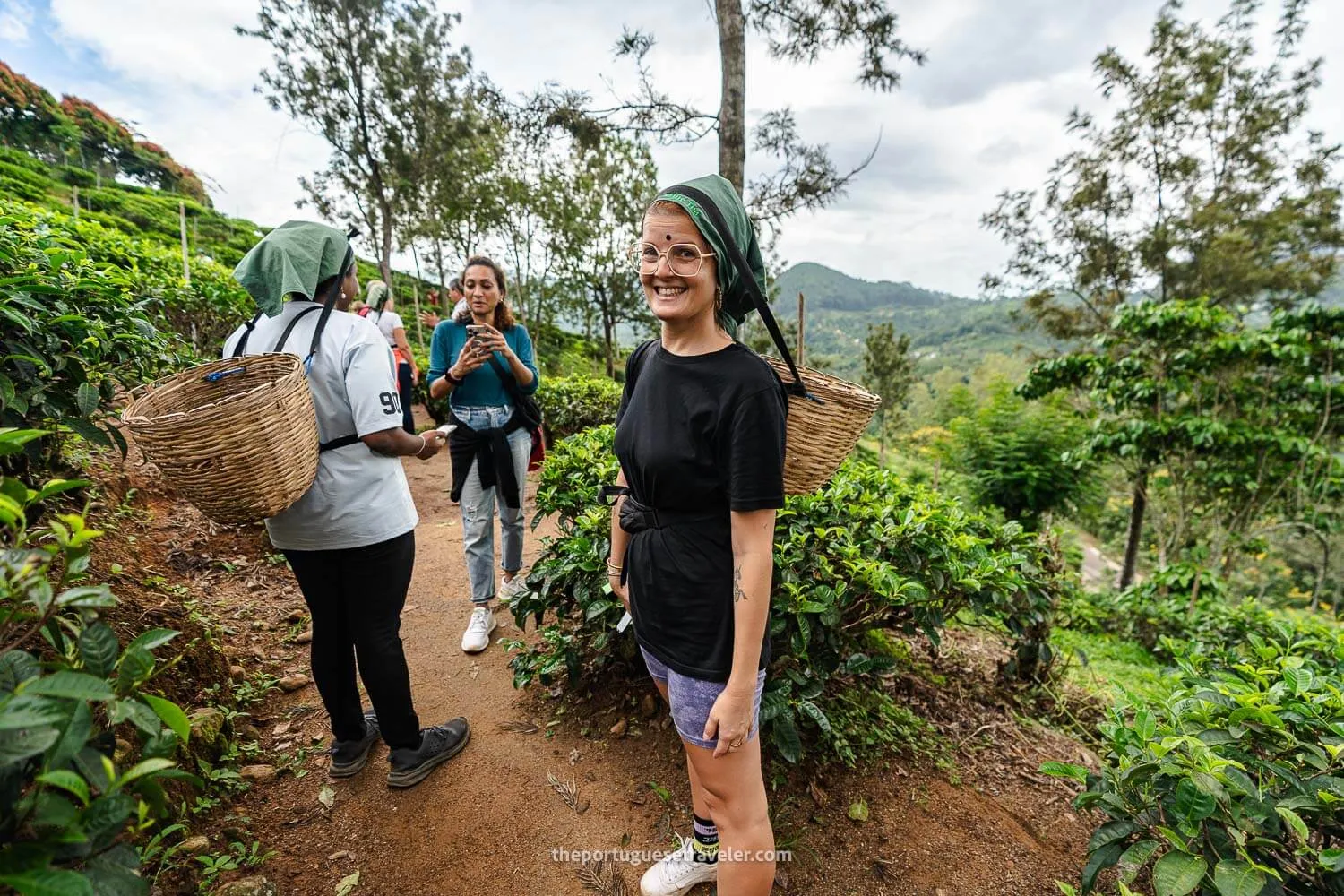
Ligia before picking up her leaves
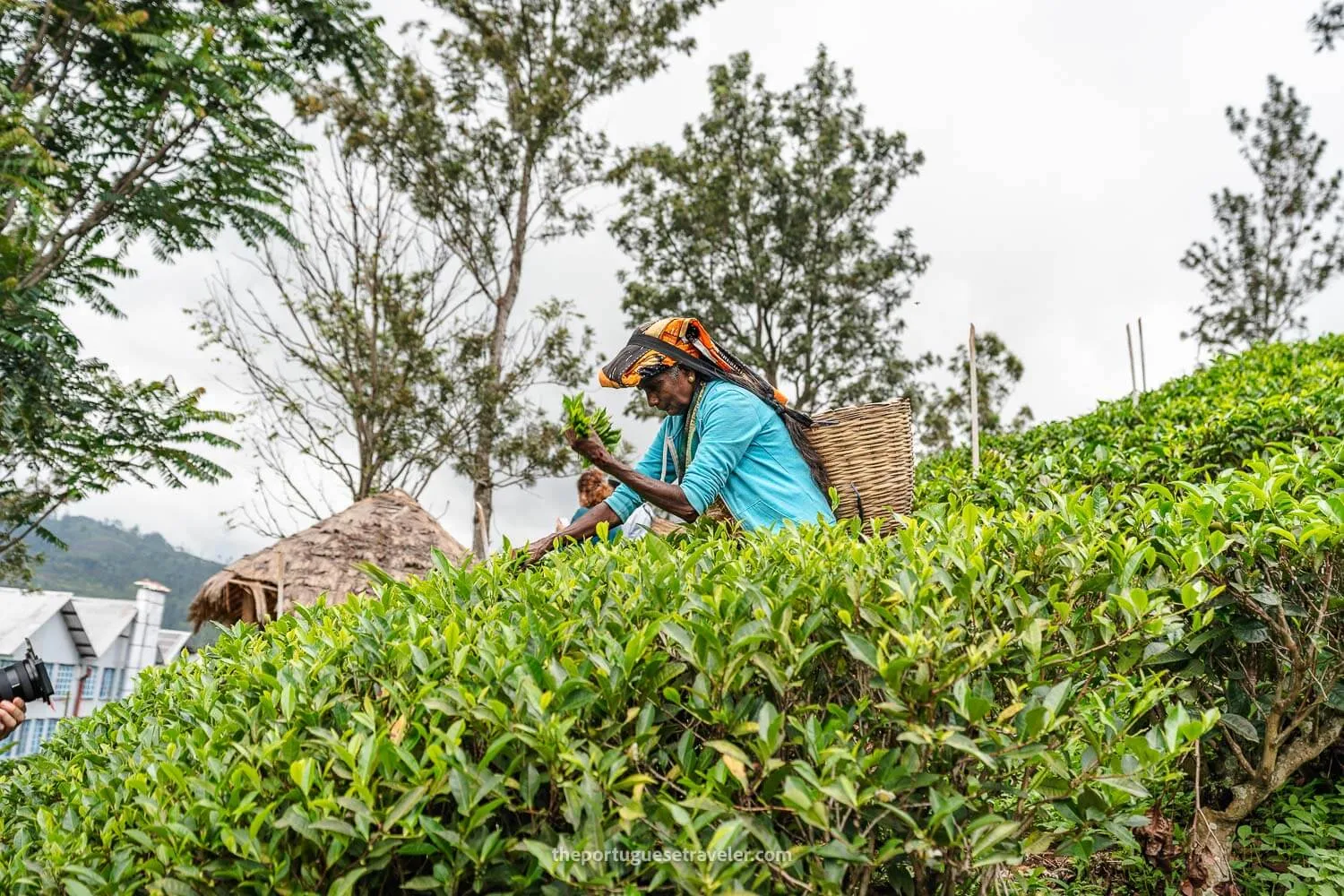
A worker plucking up tea leaves at the Ceylon Tea Halpewatte Factory
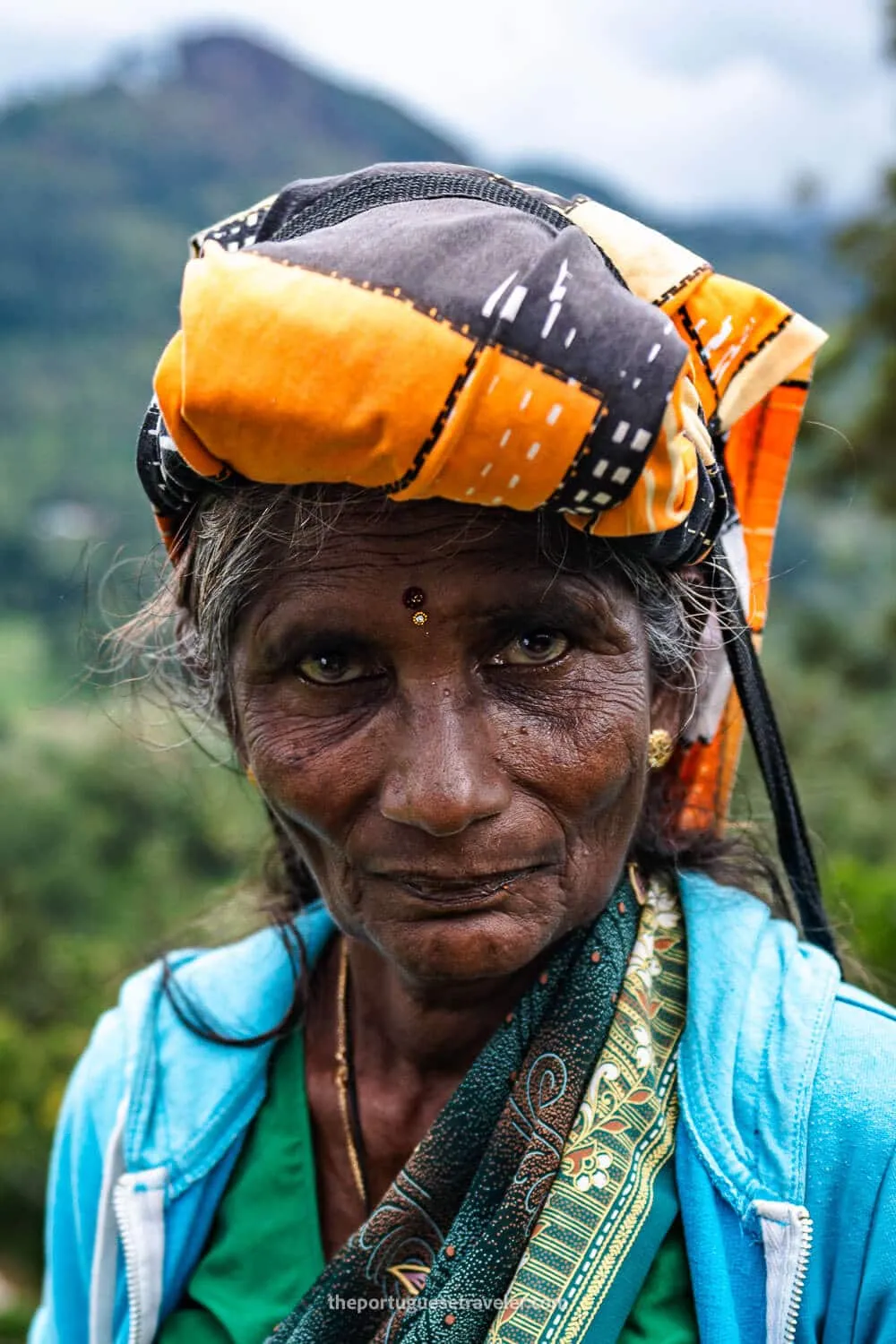
A Local Ceylon Tea Factory Worker
Tea Tasting and Souvenir Shopping
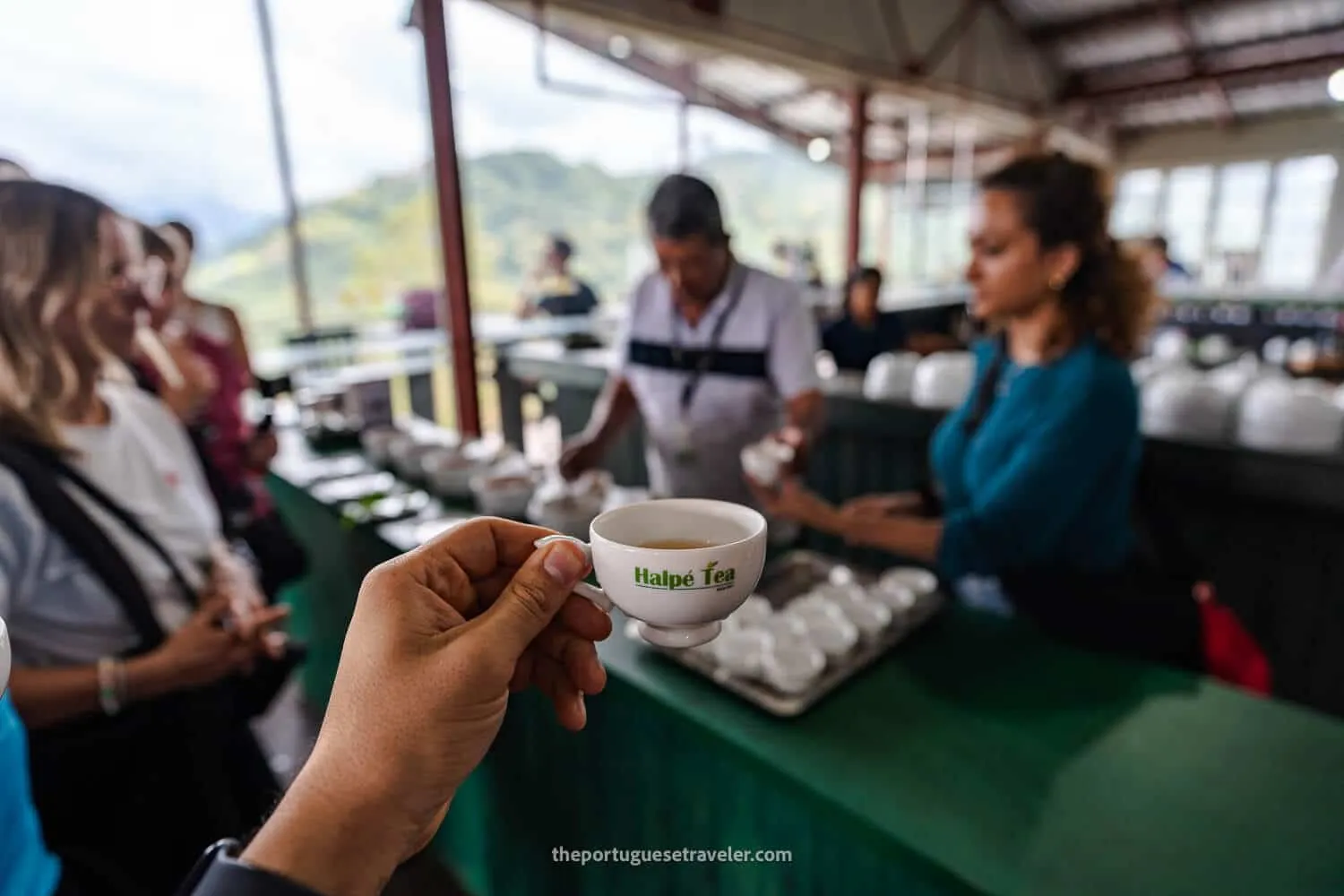
After a while, we handed back our half-full baskets and returned the scarves and dots to the workers. We then went inside the factory with our guide and made our way to the top floor for a tea-tasting session. Our guide Sallay explained how the tea is graded, and we had the chance to sample all the varieties and pick our favorites. I was torn between Pekoe and BOP, but I wasn’t too keen on the dark black tea—those medium-strength ones were just right, not too bitter. The OPA, the lightest tea, didn’t quite hit the mark for me, as it was a bit too subtle. After the tasting, we bought some tea to take home as souvenirs. I picked up OPA, Pekoe, and BOP to gift to others. When I gave it to friends and family, everyone loved it! I tried the Pekoe and OPA myself, and both were delicious. The Pekoe even had a lovely hint of cinnamon, which made it extra special.
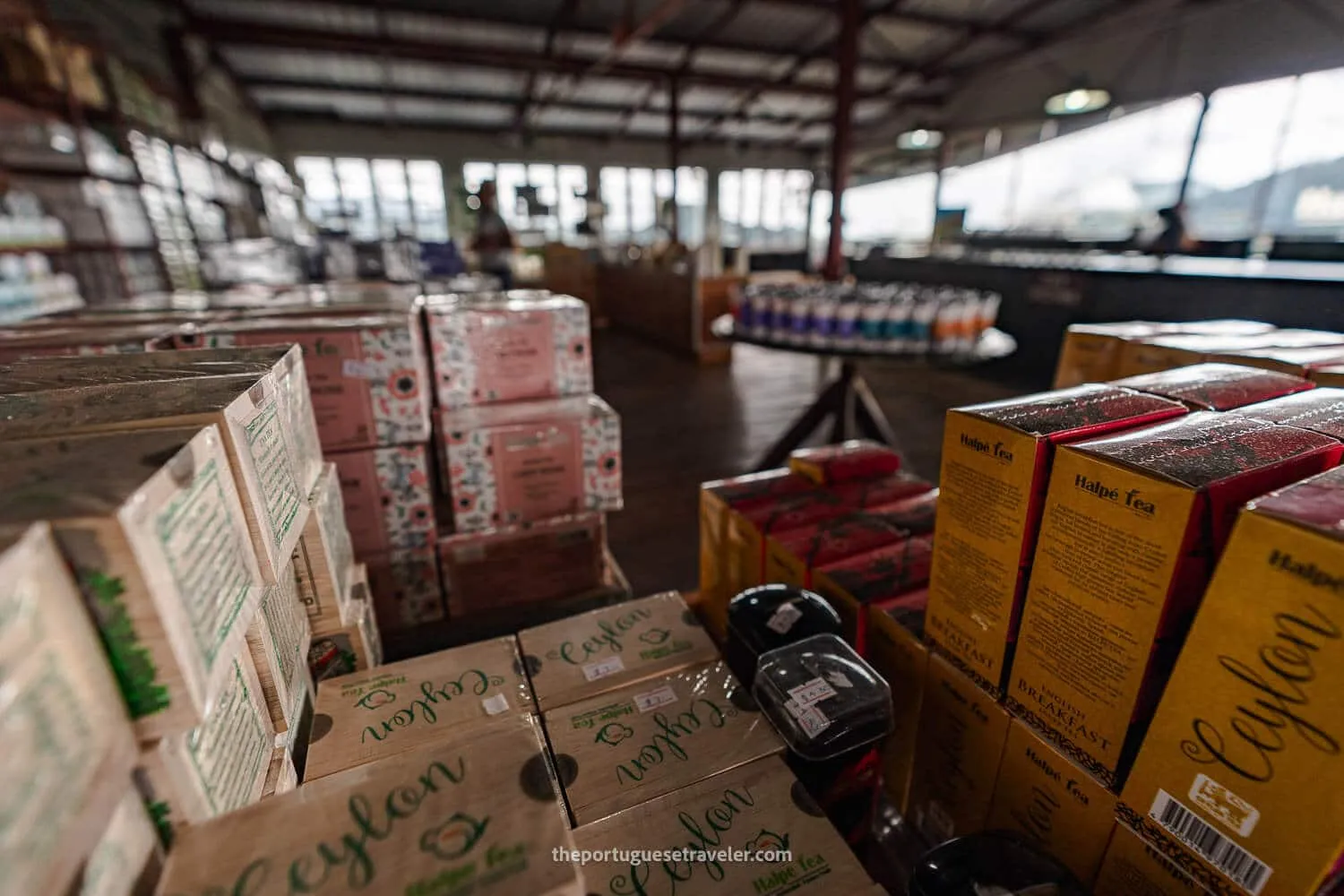
The Tea Shop at the end of the tour
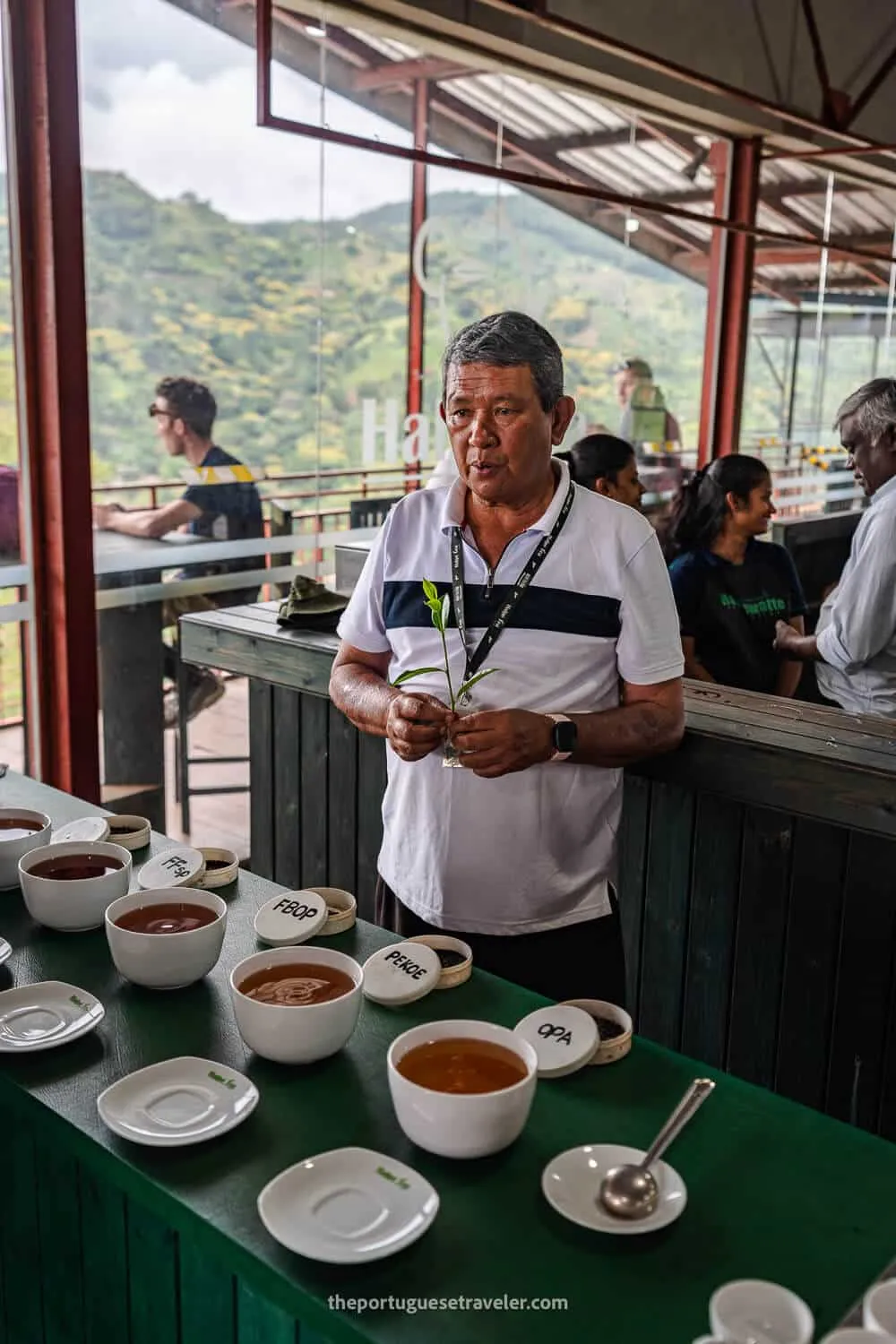
The tea-tasting experience
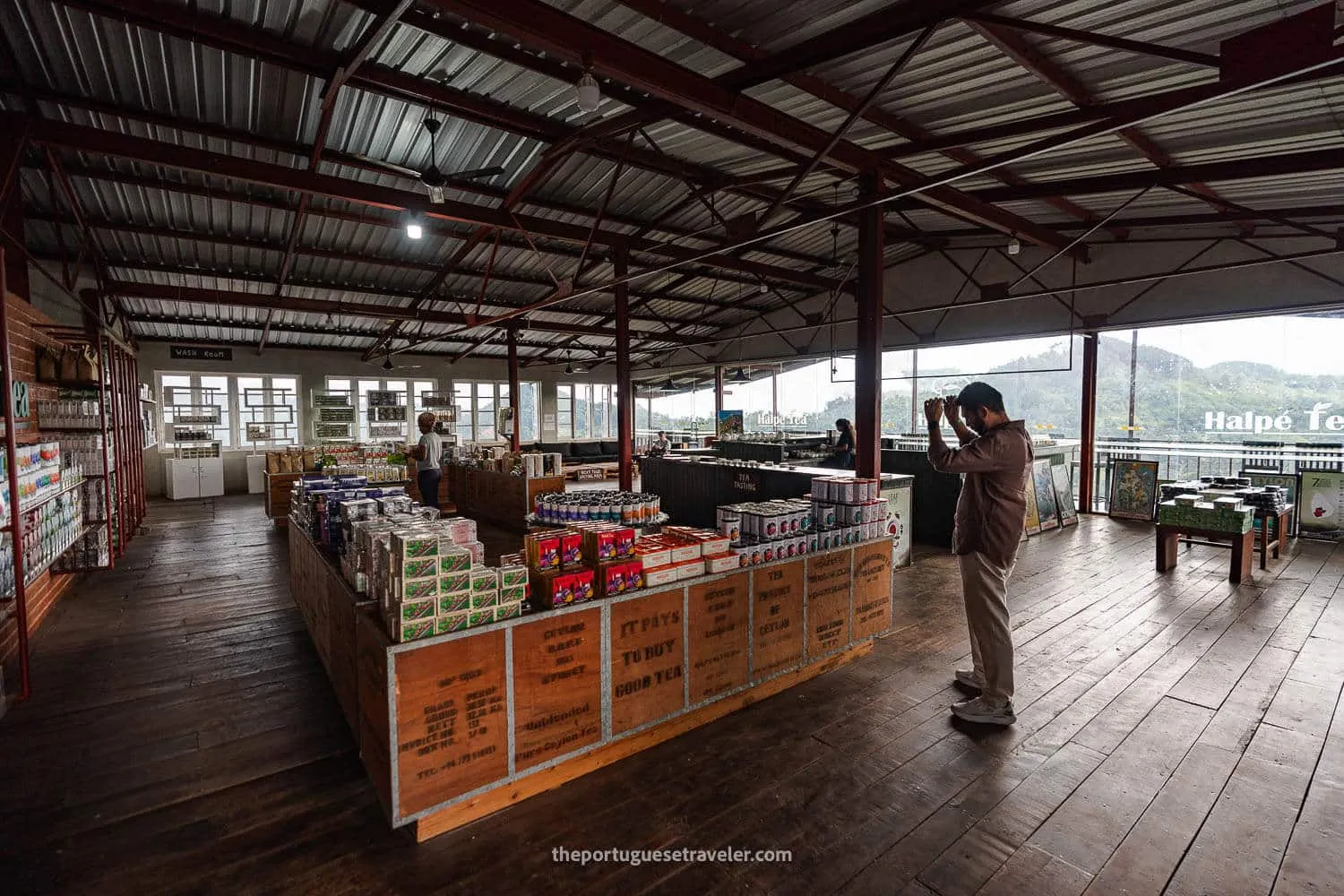
The Tea Shop at the Halpewatte Ceylon Tea Factory
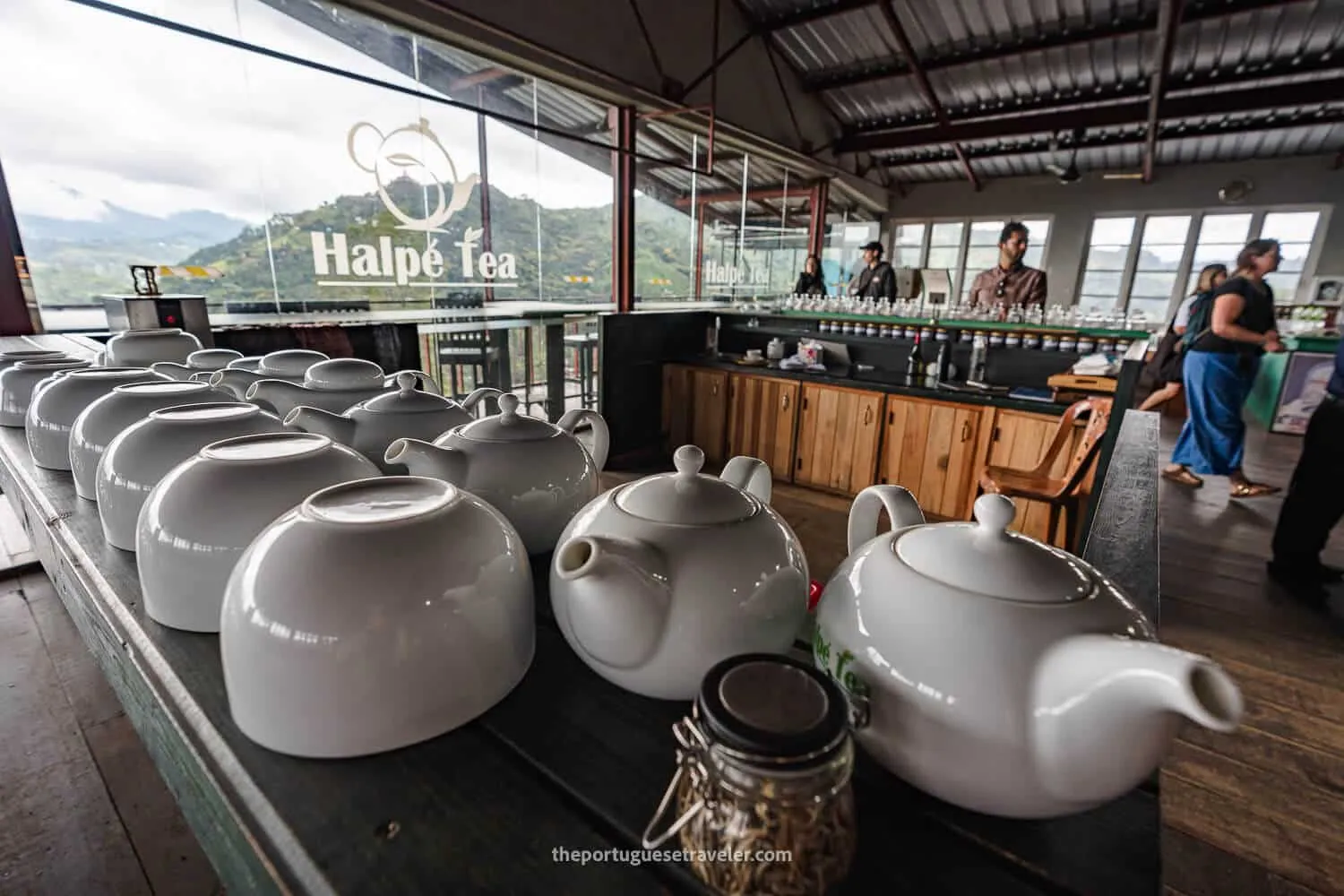
The tea pots before the tea-tasting experience
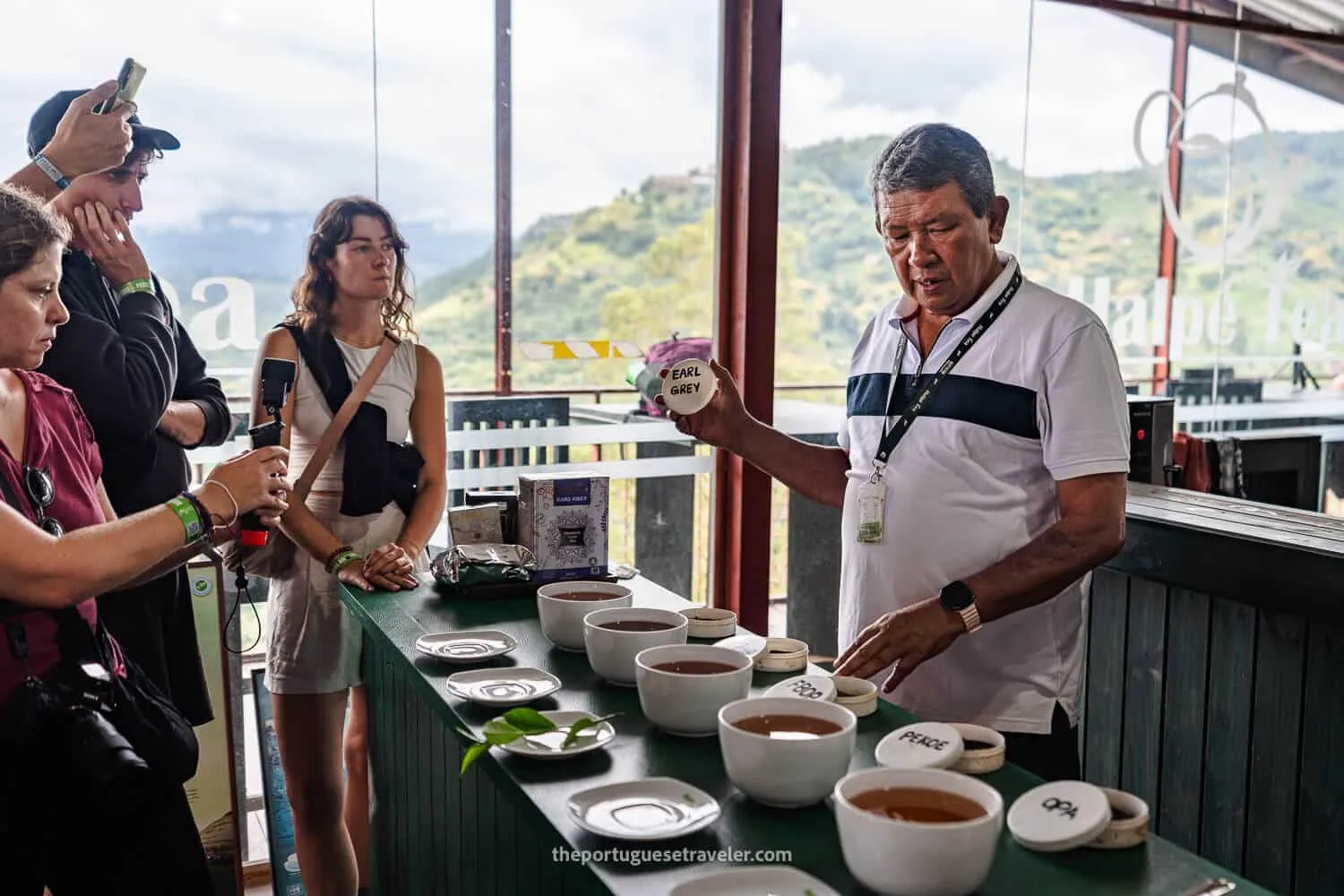
The Tea Tasting Experience with Sallay at the Halpewatte Factory
Afterward, we hopped back on the shuttle for lunch before heading to the Mahamevnawa Buddhist Monastery. What a full day! Ella really has so much to offer.
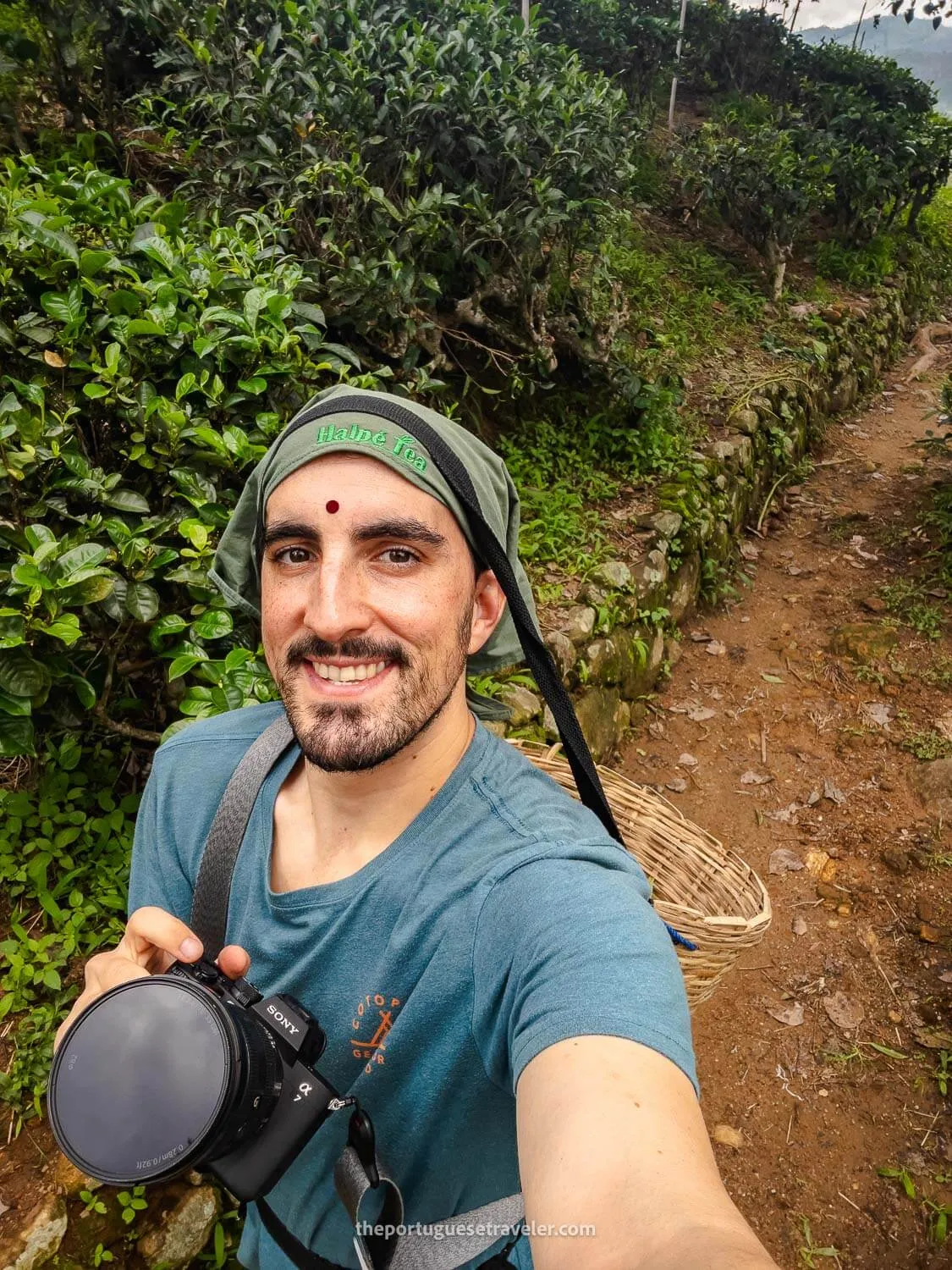
Me with my Sony companion at the Halpewatte Ceylon Tea Factory
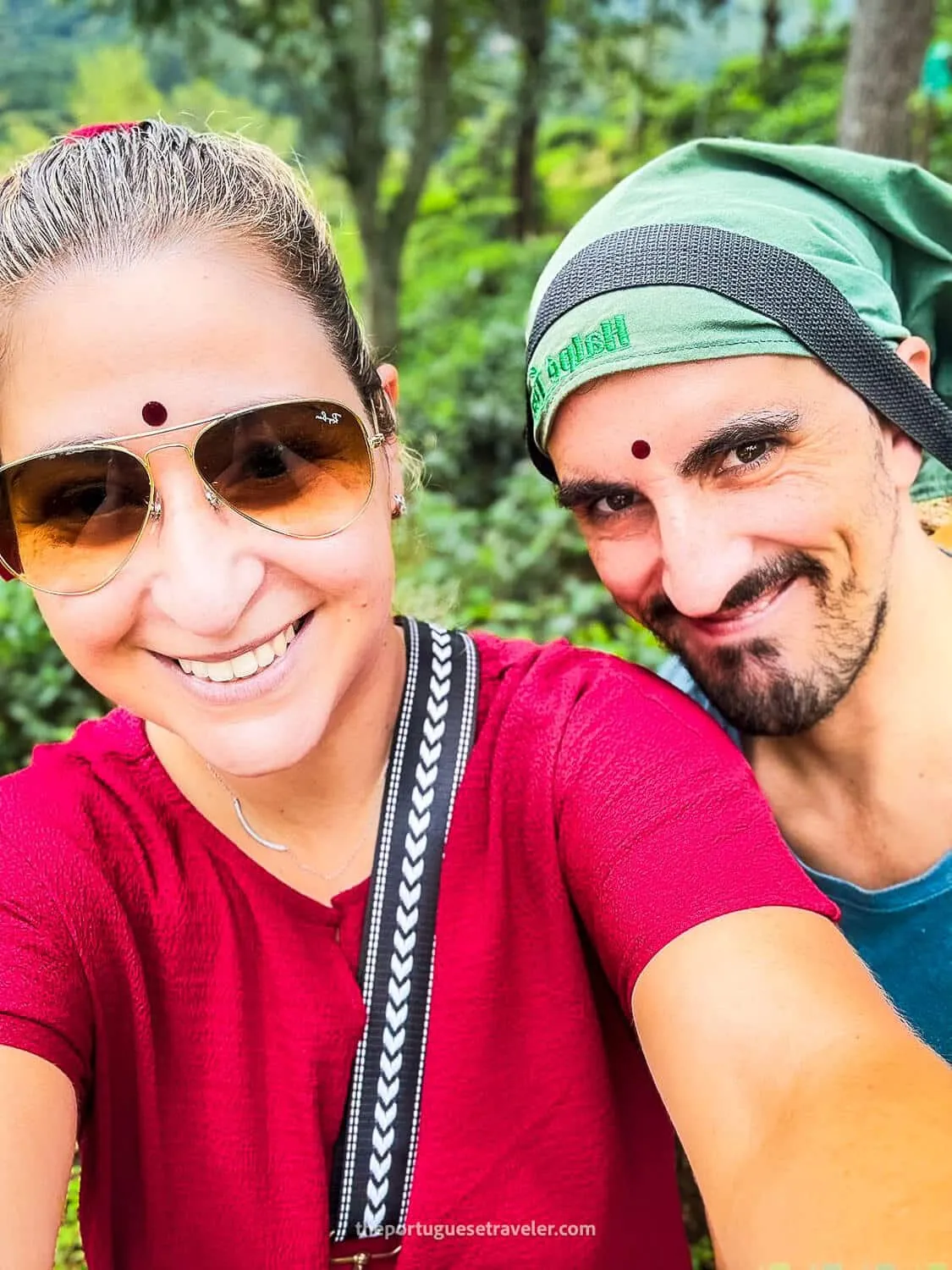
Me and Ana at the Tea Factory