
Rascunho — ainda não traduzido.
Parque Nacional de Yala: Safáris e Templos Antigos
Yala National Park: Jungle Safaris & Ancient Temples
A Journey Through Ancient Shrines, Roaming Wildlife, and Hidden Coastal Wonders
The Yala National Park region is a landscape shaped by time, where ancient shrines stand hidden in the jungle and wildlife moves freely across open plains. It’s a place where the past lingers - not just in temples carved into rock but in the rhythms of daily life. A visit here isn’t only about tracking leopards on a safari. It’s about stepping into places like Sithulpawwa Rock Temple, perched high above the jungle, or following the rituals of Kataragama, where devotion fills the air. Even at the edge of the land, Kirinda Beach offers a quiet contrast to the wild interiors just beyond. There’s a feeling here that’s hard to put into words - something both untamed and deeply rooted. A Sri Lanka itinerary is only complete if you pay a visit to Yala National Park, not only for the thrill of spotting leopards on safari but for the deeper cultural moments.
Table of Contents
Yala National Park: Essential Information
If you’re short on time but still want the key details, this section covers everything you need to know before visiting Yala National Park:
- Location: Southeastern Sri Lanka, spanning the Hambantota and Monaragala districts. The main entrance (Palatupana) is about 20 km from Tissamaharama.
- Size & Landscape: Covering nearly 1,000 square kilometers, Yala consists of dense forests, open grasslands, wetlands, and a rugged coastline along the Indian Ocean.
- Wildlife Highlights: Known for its high leopard density, Yala is also home to elephants, sloth bears, crocodiles, spotted deer, peacocks, and over 200 bird species.
- Safari Experience: Safaris typically last 3–4 hours and are conducted in open jeeps with licensed guides. The best wildlife sightings happen early in the morning or late in the afternoon when animals are most active.
- Cultural & Historical Sites:
- Sithulpawwa Rock Temple: An ancient Buddhist monastery perched on a rock, offering panoramic views and insight into centuries-old meditation practices.
- Kataragama Maha Devale: One of Sri Lanka’s most sacred pilgrimage sites, dedicated to the Hindu god Skanda (Murugan) and revered by Buddhists, Hindus, and Muslims.
- Tissamaharama Raja Maha Vihara: A historic Buddhist temple in Tissamaharama, once a major monastic center in the region. Other Nearby Attractions:
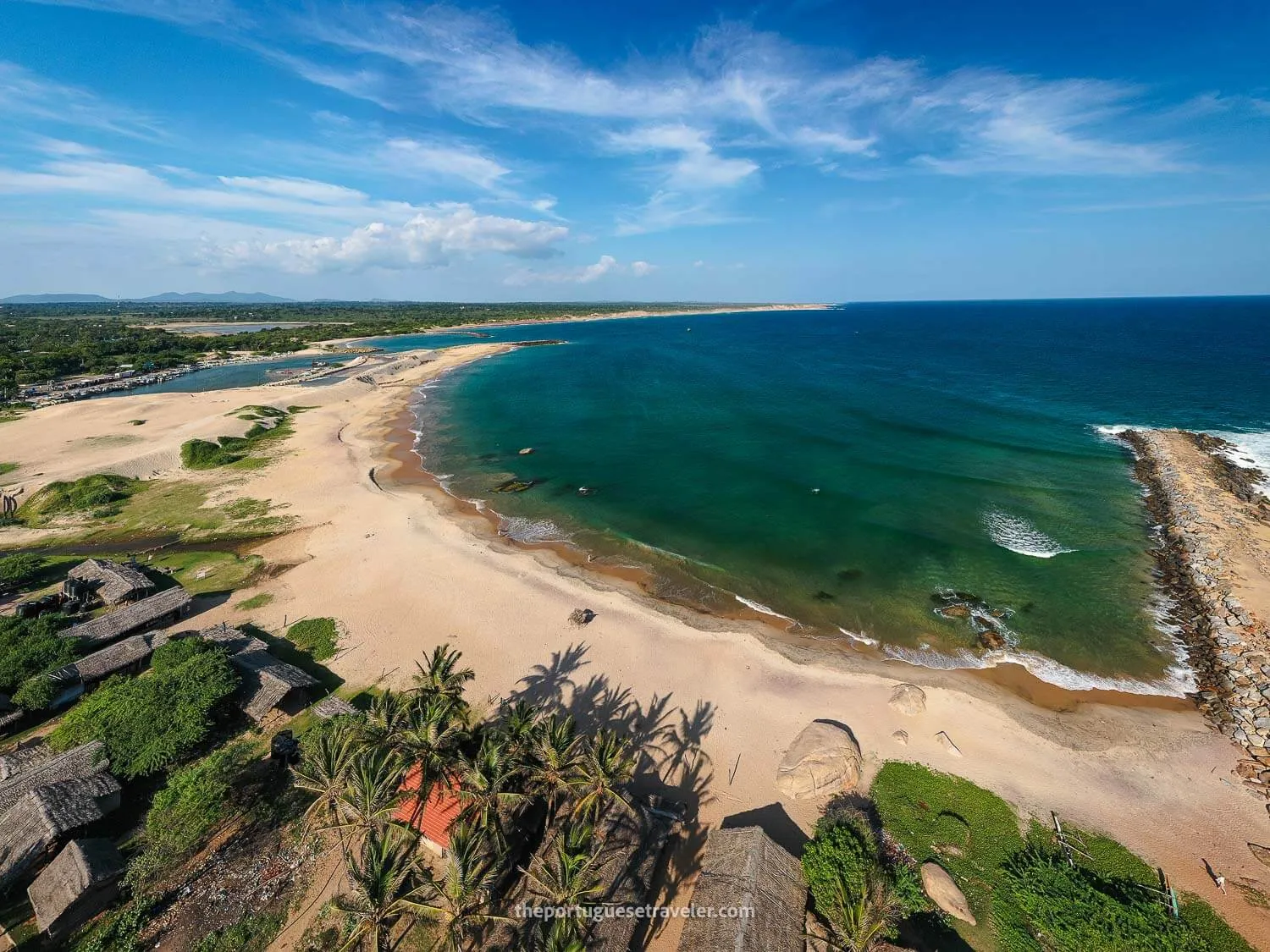
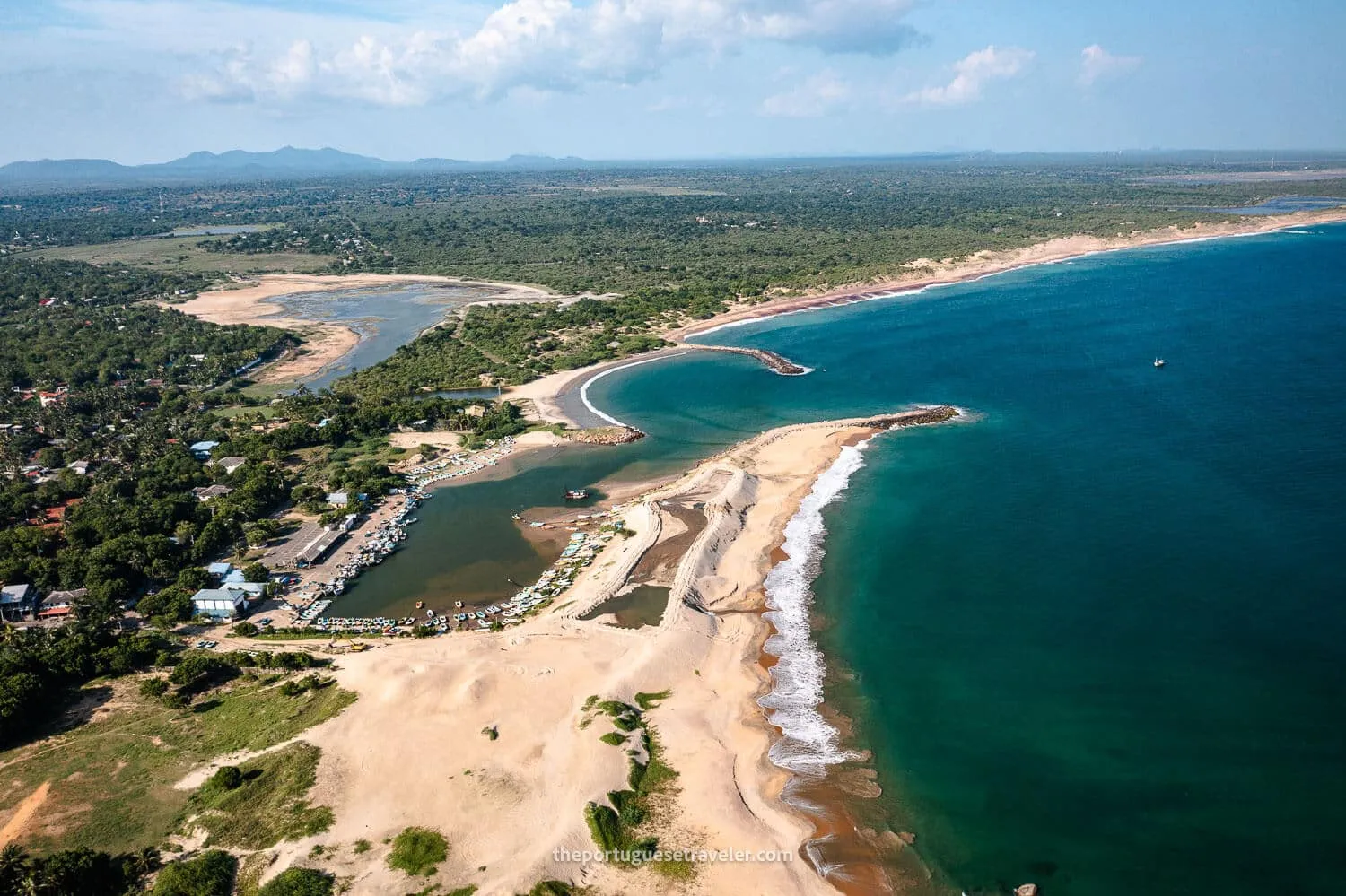
- Kirinda Beach: A serene coastal spot with golden sands and ocean views, located near the Kirinda Temple.
- Local Experiences: Options include traditional cooking classes where you can learn Sri Lankan cuisine, and staying at a Yala hotel or eco-lodge for an immersive jungle experience.
- Best Time to Visit: The dry season (February to July) offers the best wildlife viewing. The park is closed in September for maintenance.
- Entrance Fees: Vary based on vehicle type and number of visitors. Fees typically include the park permit, guide, and service charges.
- What to Bring: Lightweight clothing, sunscreen, a hat, binoculars, and a camera. Avoid bright-colored clothing that may disturb wildlife.
- Opening Hours: Everyday from 06:00-18:00
- Contact: +94 11 2 888 585 (Department of Wildlife Conservation) - Yala National Park Official Website
For more details, check with the official Sri Lanka Tourism Board: 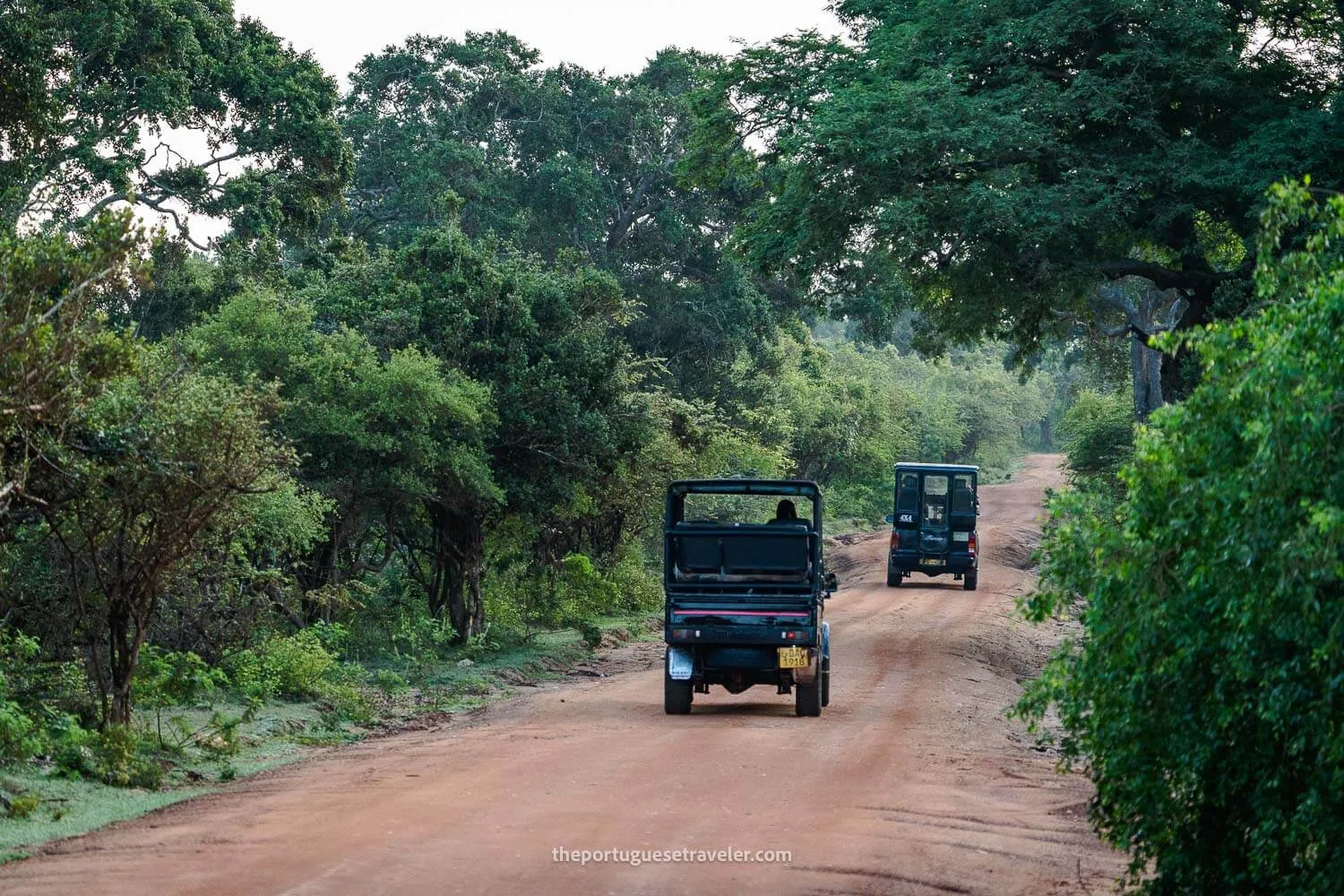
Where is Yala National Park located?
The Yala National Park is in southeastern Sri Lanka, covering parts of the Hambantota and Monaragala districts. It’s about 20 kilometers from Tissamaharama and 300 kilometers from Colombo. With its mix of jungles, grasslands, and coastal areas, Yala is easily accessible by car or jeep, with the Palatupana entrance being the most common entry point.
How to get to Yala National Park?
If you’re traveling from Colombo to Yala, there are several options to consider, each with its own set of pros and cons. Here’s a breakdown of the available transportation options and estimated travel times: Private Car/Taxi:
- Time: 4 to 5 hours
- Details: The most convenient and comfortable option for reaching Tissamaharama and the Yala National Park. You’ll travel along the Southern Expressway, passing by Galle for a scenic and quick journey. Perfect for those who want flexibility, comfort, and a direct route.
- Time: 6 to 7 hours
- Details: Take a train from Colombo Fort to Galle, which offers a scenic route along the coast. The train journey will take around 2.5 to 3 hours. The journey from Galle is quicker. You can board the 32 bus directly from Galle Bus Stand to Tissamaharama for the most straightforward option. Alternatively, for a change of scenery, you could take a bus to Matara and transfer to the 331 bus to reach Tissamaharama.
- Time: 4 to 5 hours
- Details: If you’re part of a guided tour, your transport to Tissamaharama will usually be included. This option lets you relax while someone else handles the driving, making it a hassle-free way to reach Yala National Park.
Entrance fees and safari costs
The entrance fees for Yala National Park vary based on the season, group size, and whether you’re purchasing tickets online or at the gate. For foreign visitors:
- The fee is $25 per adult during the peak season and $20 during the off-peak season.
- For children (ages 6-12), the fee is $15 in the peak season and $10 off-peak.
SAARC Countries (South Asian Association for Regional Cooperation):
- Adults (ages 12+): pay $20 during peak season and $15 off-peak.
- Children (ages 6-12) are charged $10 in the peak season and $8 off-peak.
Safari packages vary in price depending on the length of the tour:
- A 4-hour safari typically costs around $14 per person for a group of six.
- A half-day safari is priced at $16 per person.
- A full-day safari costs about $25 per person, which provides a more comprehensive experience with the chance to explore the park thoroughly.
Note that taxes, VAT, and service charges are usually additional. For visitors purchasing tickets at the gate, the prices are typically the same as online, but payments are made in Sri Lankan Rupees. Tickets are valid for one entrance only, so if you’re planning a morning and afternoon safari, you will need to pay for each separately.
Best time to visit Yala National Park
The best time to visit Yala National Park is during the dry season, which typically runs from February to June. During these months, the park experiences less rainfall, and the vegetation becomes sparse, making wildlife easier to spot as animals congregate near water sources. This is especially a great time to see leopards, elephants, and a variety of birds, as the dry conditions force animals to come out into the open. The shoulder months of September to November are also good, with fewer tourists and generally good wildlife sightings. However, keep in mind that the rainy season, from October to January, can make parts of the park difficult to navigate, and some areas may be closed. The wet conditions also mean that animals have more cover, making sightings a bit trickier. For the best experience, visiting during the dry season (February to June) ensures more comfortable safari conditions and higher chances of animal sightings. Always consider the weather, as it plays a crucial role in the visibility and comfort during your safari.
Opening hours and park regulations
Yala National Park is open year-round, but its operational hours depend on the type of safari you choose:
- Morning Safaris: Run from 6:00 AM to 12:00 PM.
- Afternoon Safaris: Run from 2:00 PM to 6:00 PM.
- Full-day Safaris: Cover the entire day from 6:00 AM to 6:00 PM, with a break during the park’s closure from 12:00 PM to 2:00 PM. During this time, you must stay within the park’s designated resting area, where you can relax and even have lunch.
When visiting Yala, it’s important to be aware of the following park regulations:
-
-
- Single entry only: Your park ticket grants you one entry for either a morning, afternoon, half-day, or full-day safari. Re-entry is not allowed on the same ticket.
- No off-road driving: All vehicles must stay on designated tracks. Off-roading is prohibited to preserve the park’s ecosystem and minimize disturbances to wildlife.
- No littering: To protect the environment, visitors must carry out any trash they bring into the park. Littering is strictly forbidden.
- Respect wildlife: Keep a safe distance from animals and avoid making loud noises to ensure the animals’ comfort and safety.
- Follow your guide’s instructions: Guides are well-trained in ensuring safe and responsible interaction with the park’s wildlife. Listen to their advice for a safe experience.
- Park closures during heavy rains: The park may close temporarily due to adverse weather conditions, especially during the monsoon season (October to January), when certain areas can become inaccessible.
-
Be sure to check with your safari provider about any changes or updates to these regulations and hours before your visit. 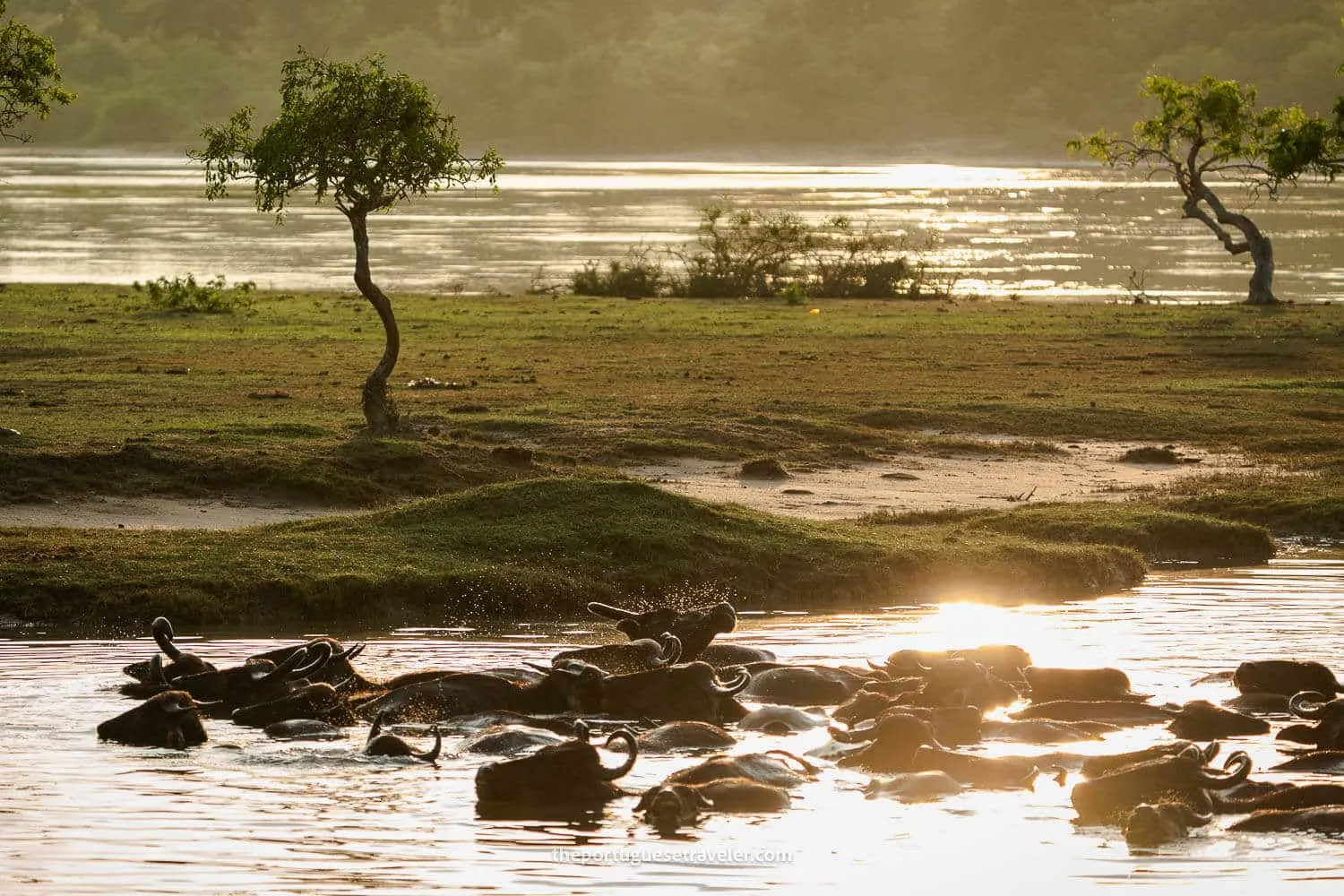
What is the Yala National Park?
Yala National Park, located in southeastern Sri Lanka, is the country’s most famous wildlife sanctuary. Covering over 978 square kilometers, it’s known for its diverse ecosystems, abundant wildlife, and stunning landscapes of dense jungles, wetlands, grasslands, and ancient rock formations. Yala is renowned for offering safari experiences where visitors can spot elephants, leopards, deer, crocodiles, and a variety of bird species in their natural habitats.
A brief history of Yala National Park
The history of Yala National Park dates back centuries, with evidence of ancient civilizations that once thrived in the region. The park itself was designated as a wildlife sanctuary in 1900 and later declared a national park in 1938, making it one of the oldest national parks in Sri Lanka. Over the years, Yala has played a crucial role in preserving the island’s biodiversity and protecting endangered species such as the Sri Lankan leopard and elephant.
The geography and ecosystems of Yala
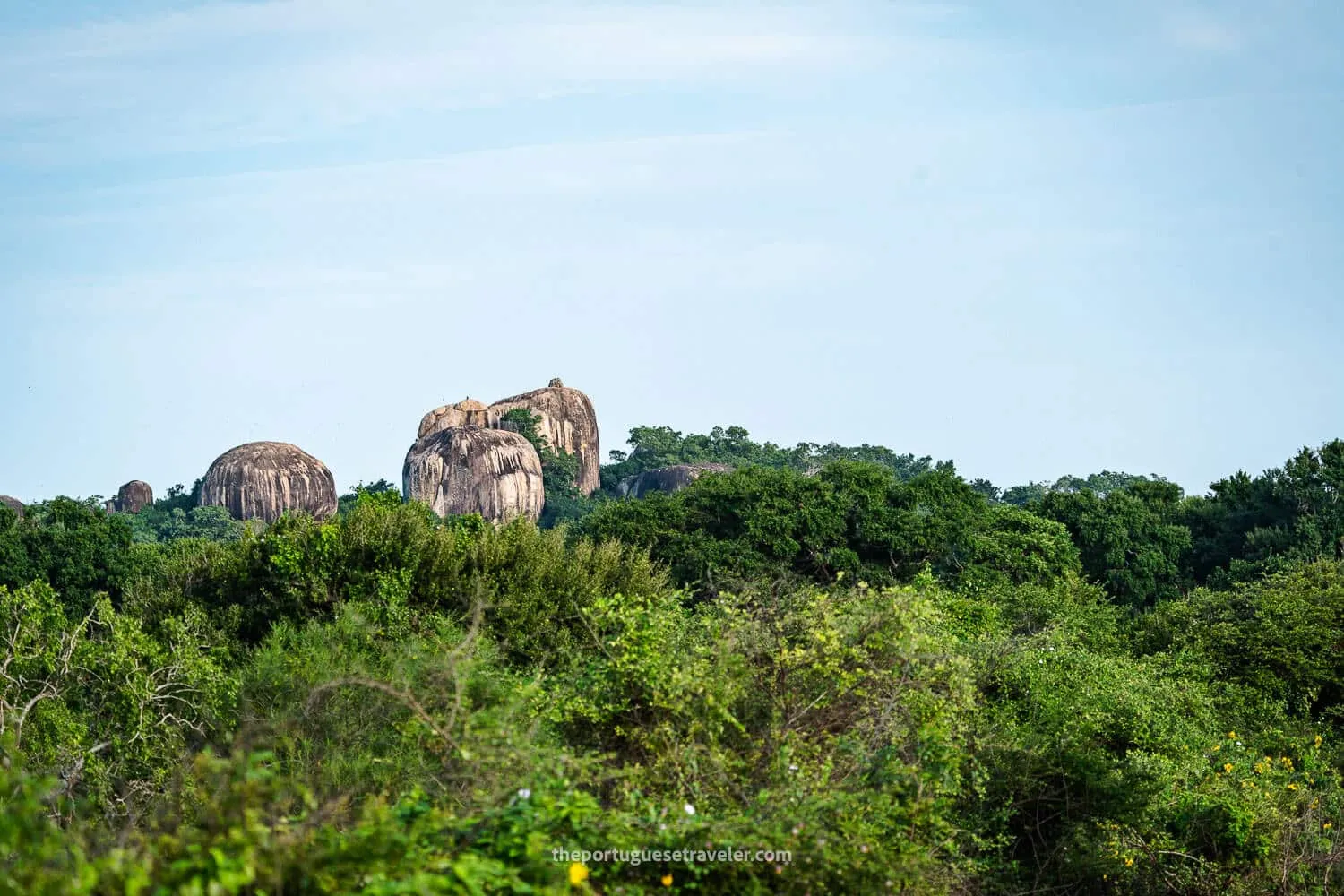
Yala’s landscape is a mix of ancient metamorphic rock formations, shaped by volcanic activity during the Precambrian era. Among these rocks are dramatic features like Elephant Rock and isolated rocky outcrops surrounded by dense jungle scrub. The park’s geography supports a variety of ecosystems, including wetlands, dry grasslands, and tropical forests. This diverse environment creates habitats for a wide range of animals, including monitor lizards, wild boars, axis deer, langurs, macaques, and numerous bird species like barn swallows and Malabar pied hornbills.
Why is Yala National Park famous?
Yala is famous for its wildlife diversity and high density of Sri Lankan leopards, making it one of the best places in the world to spot these elusive big cats. Visitors also flock to the park to see elephants, crocodiles, and other native species while exploring its scenic landscapes. Its ancient rock formations and breathtaking viewpoints, such as Sithulpawwa Rock Temple, add cultural and historical significance to the park. With both morning and afternoon safaris available, Yala offers an unforgettable experience for nature and wildlife enthusiasts, though spotting specific animals is never guaranteed due to the unpredictability of nature. 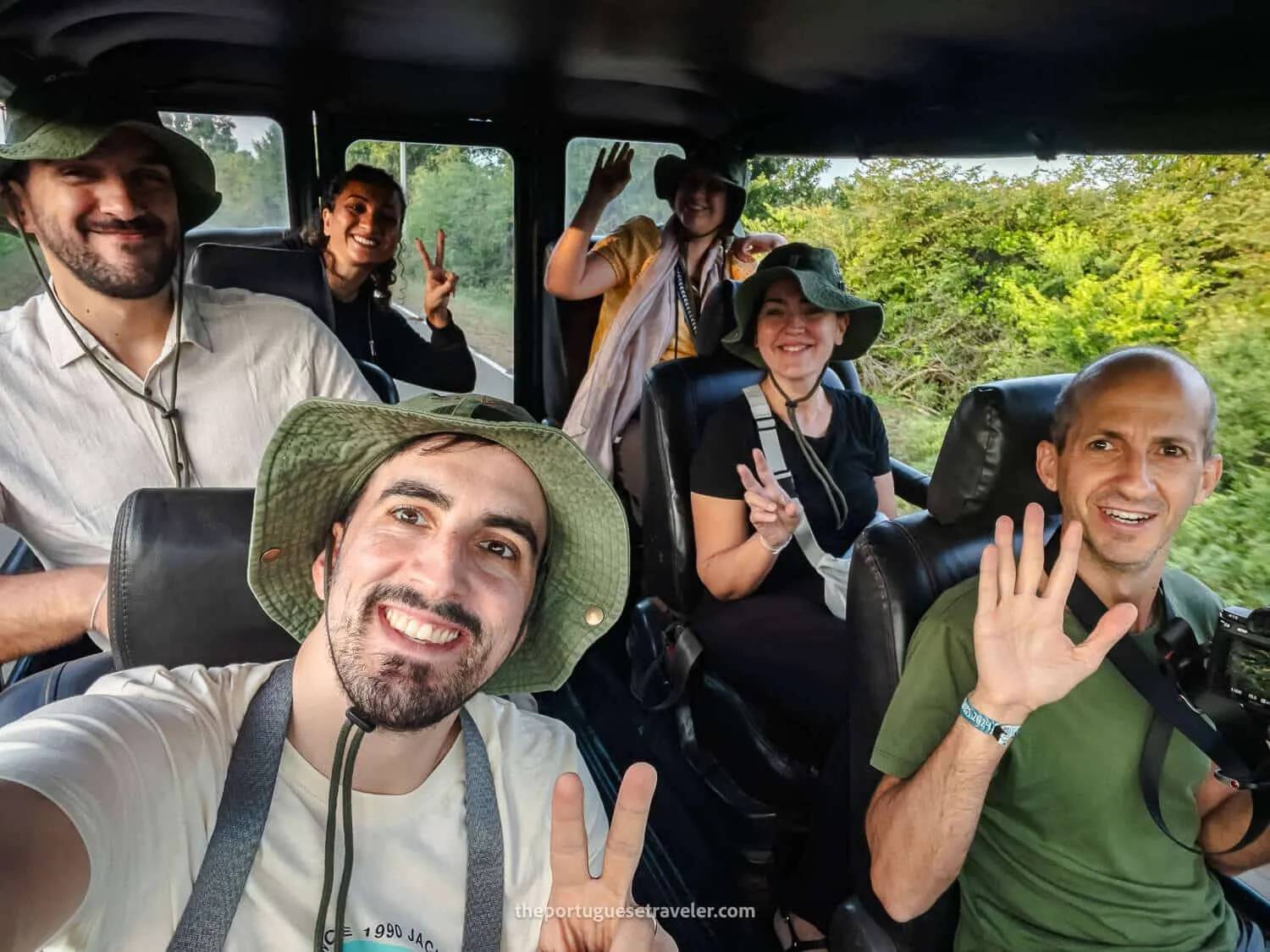
Safari Experience in Yala National Park
A safari in Yala National Park is one of Sri Lanka’s top wildlife experiences. Known for its diverse ecosystems and rich biodiversity, visitors can witness a wide range of animals in their natural habitats. Safaris are conducted exclusively by jeep, as self-drive safaris are prohibited to ensure safety and conservation.
What animals can you see in Yala?
Yala is renowned for its diverse wildlife. Visitors can encounter:
- Birds: Malabar pied hornbills, barn swallows, painted storks, peacocks, eagles, and many migratory species. Birdwatchers flock to Yala during the migratory season, which spans from November to April.
- Reptiles: Crocodiles, monitor lizards, and a variety of snakes.
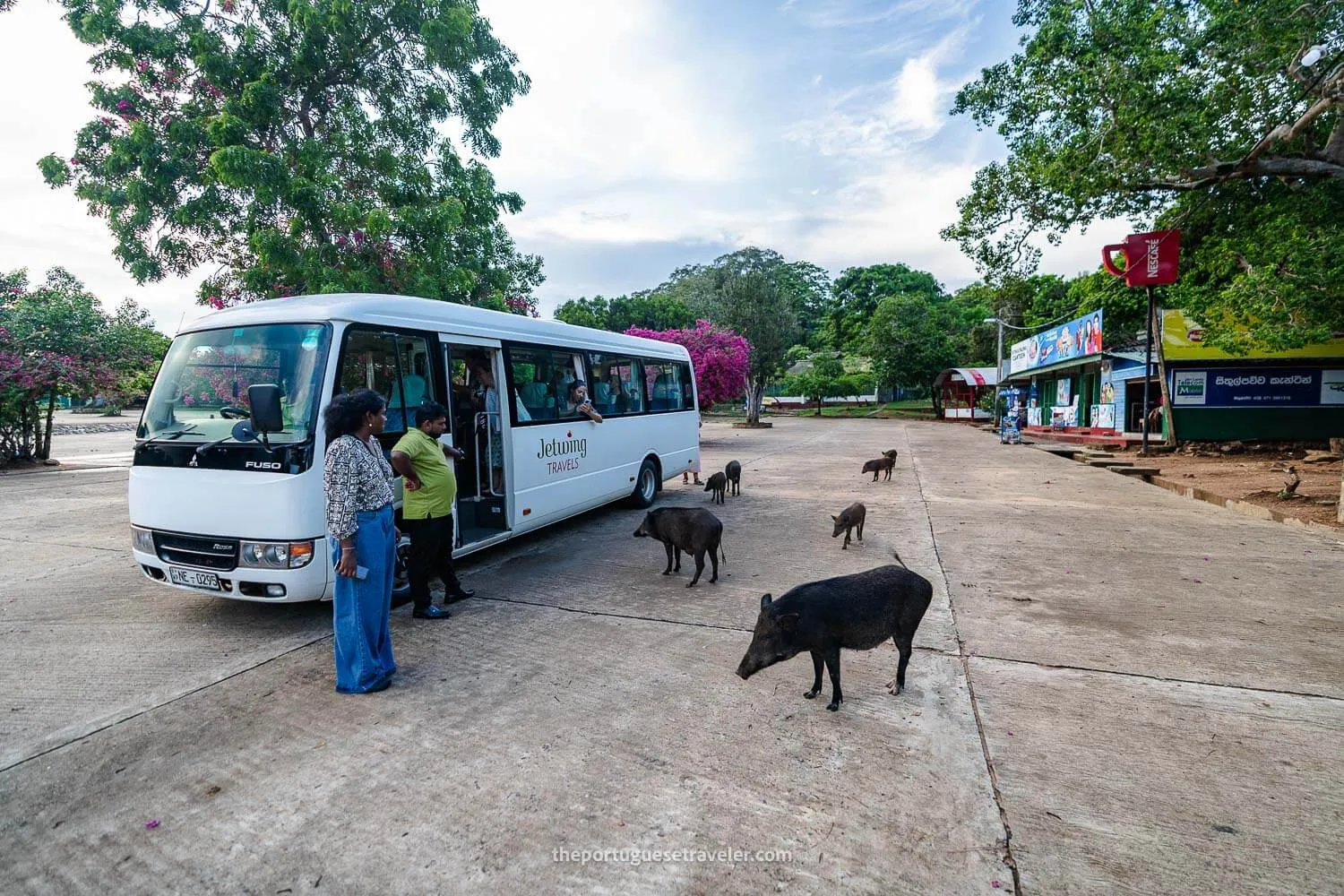
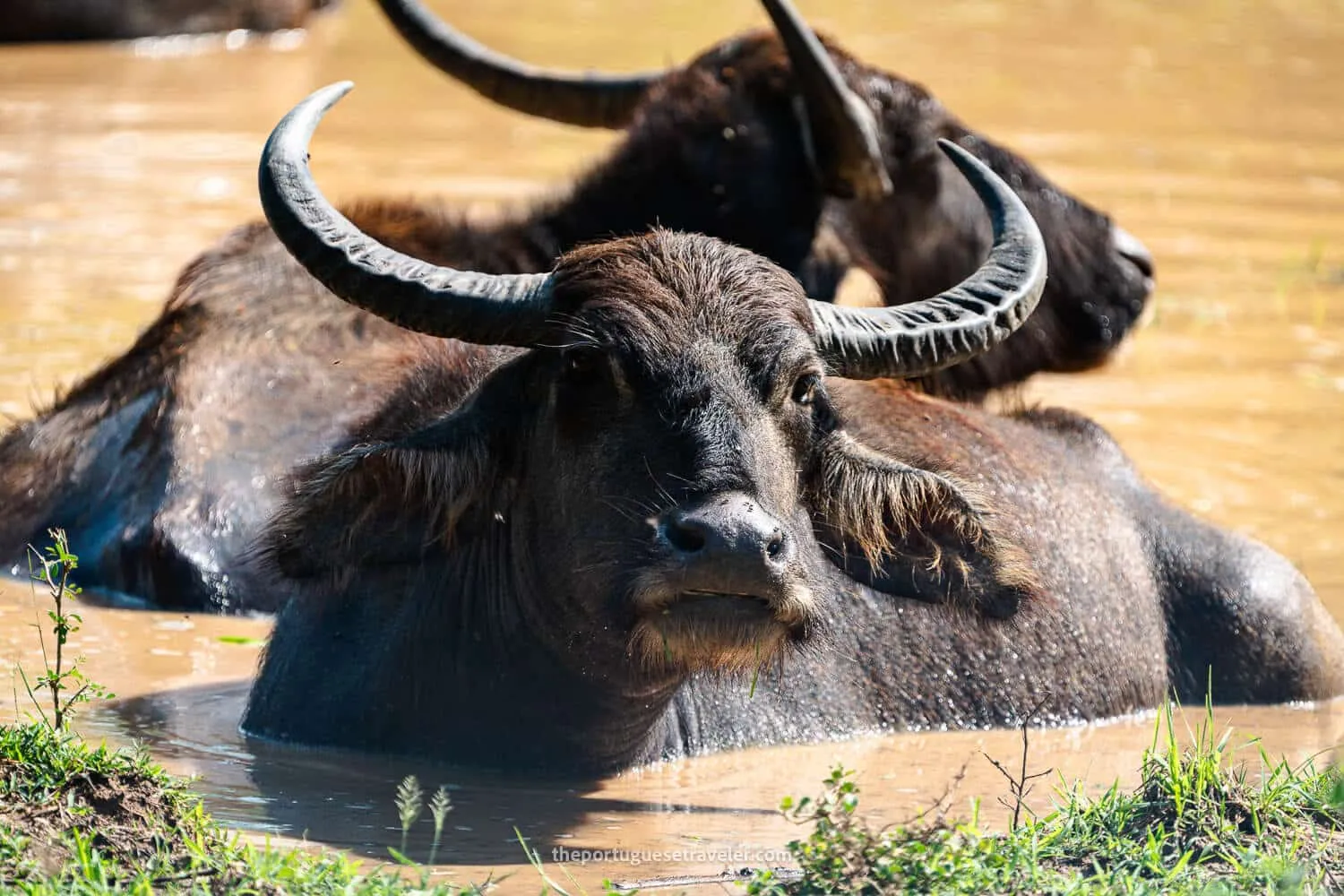
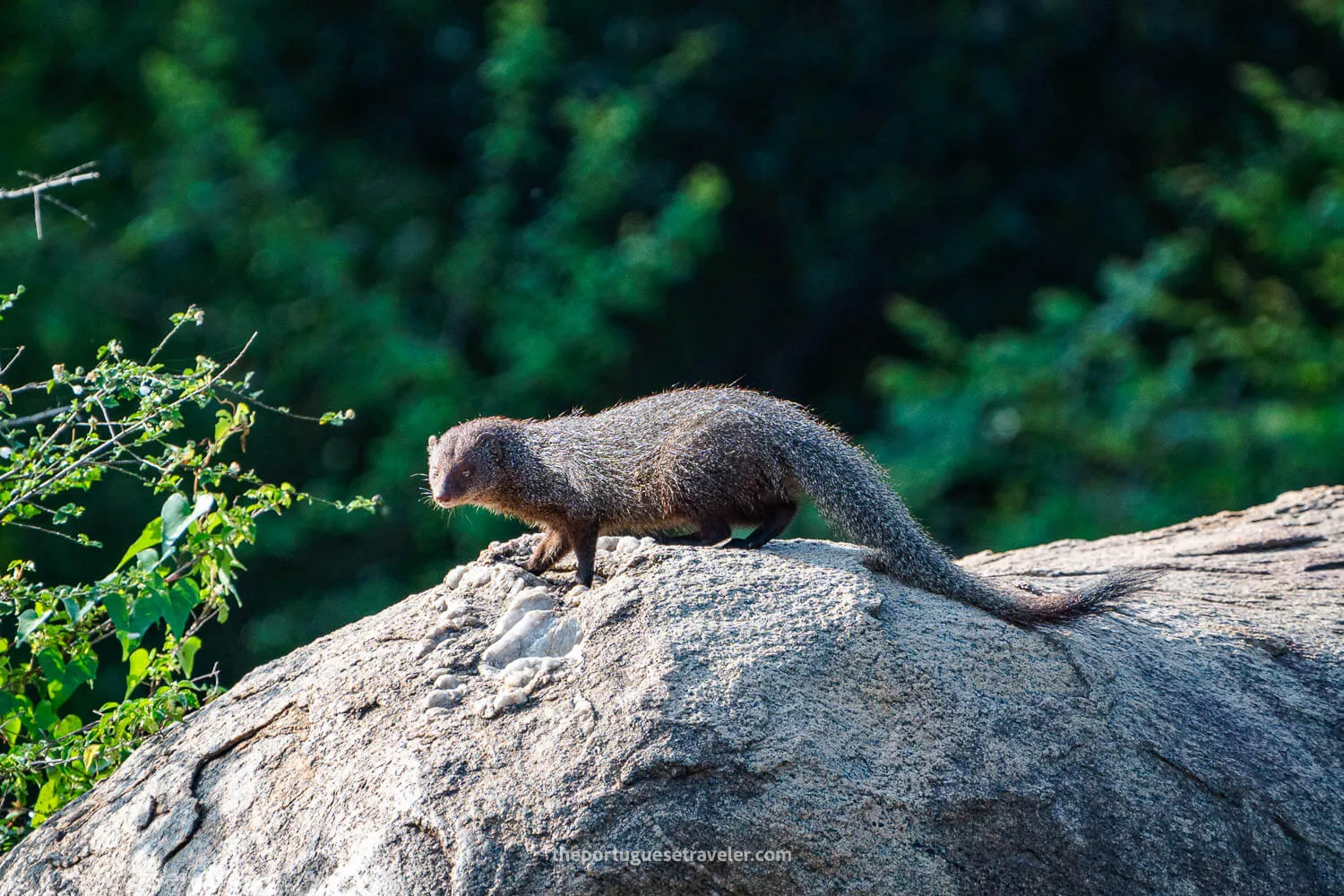
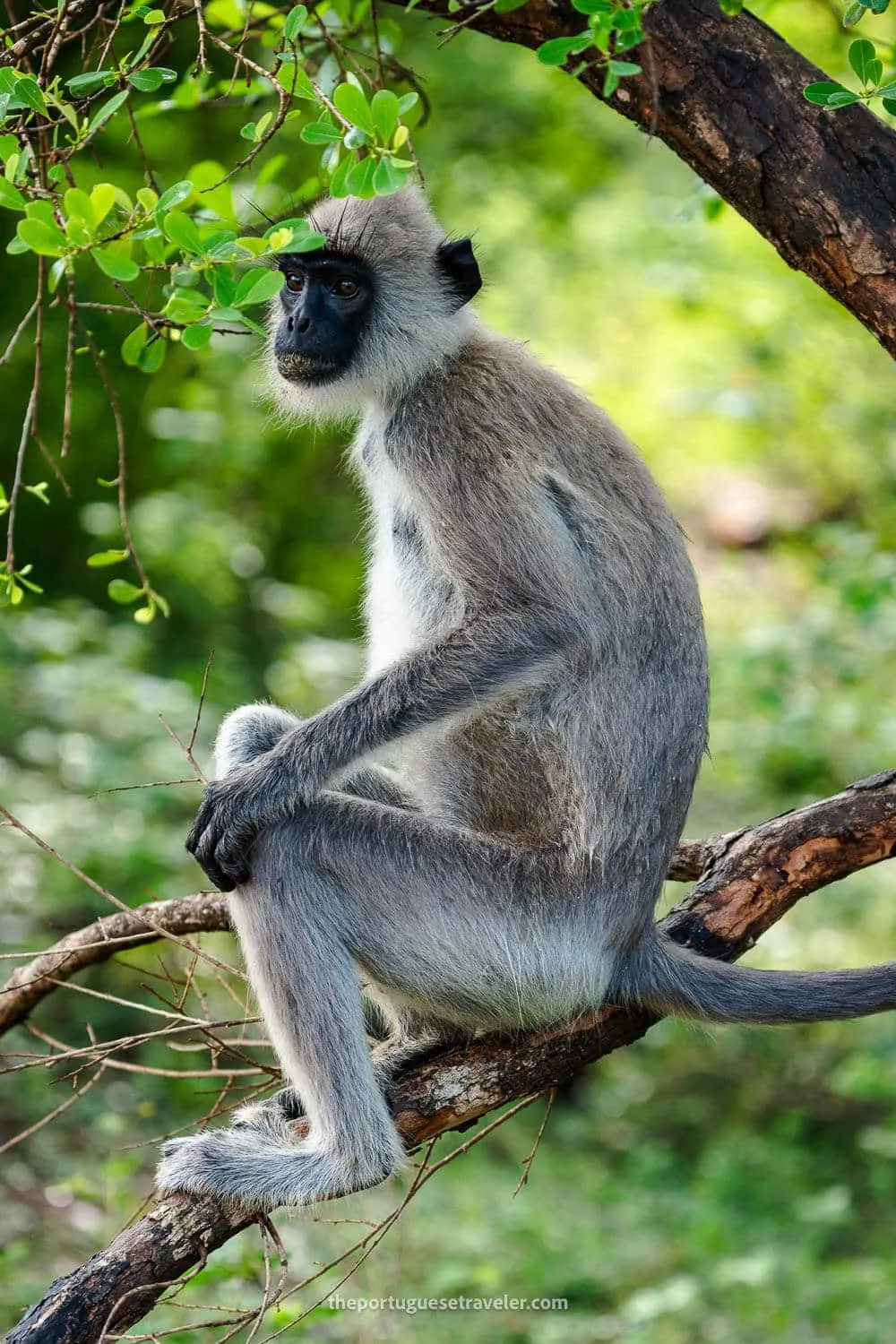
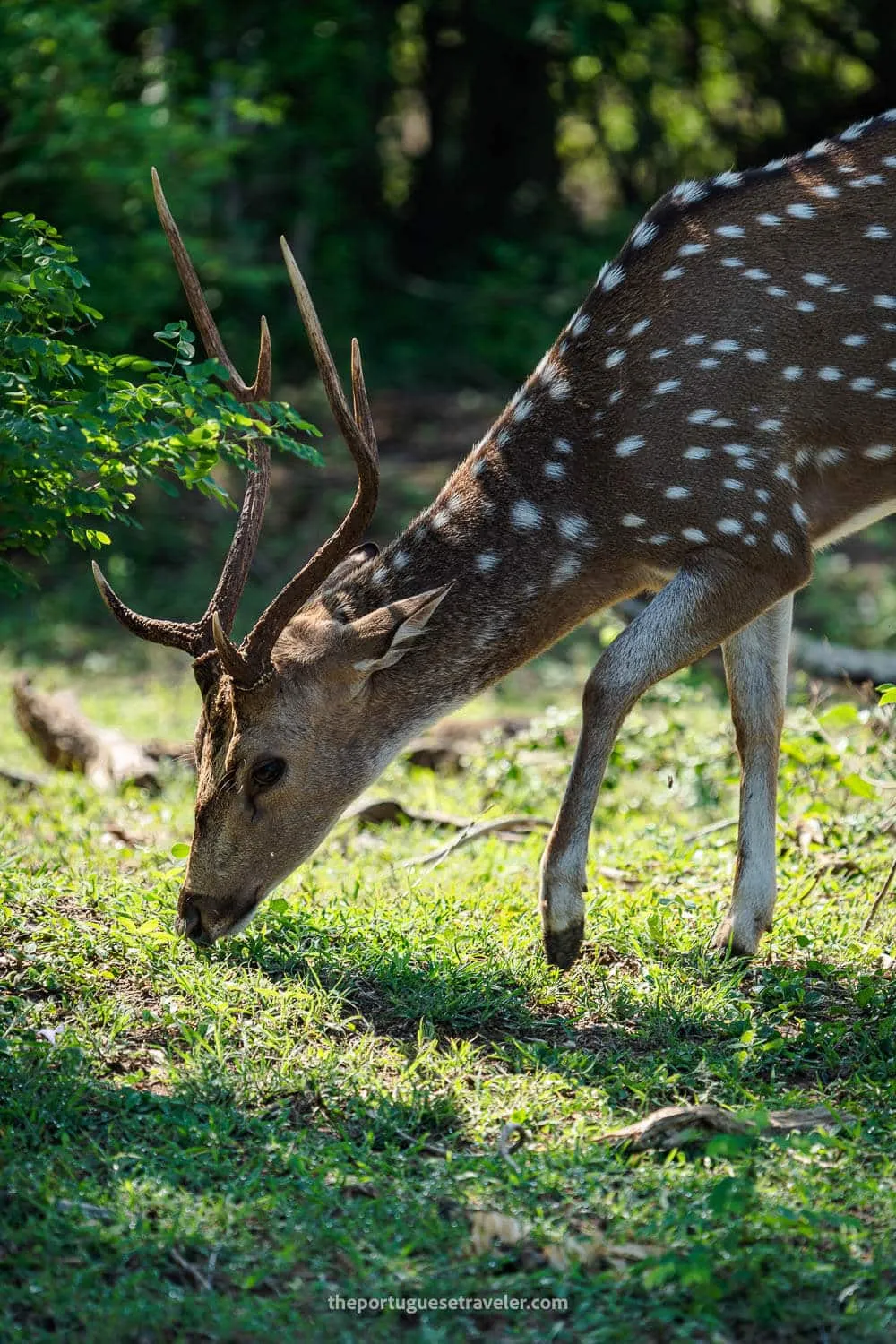
- Mammals: Sri Lankan leopards (a subspecies unique to the island), elephants, wild boars, axis deer, gray langurs, toque macaques, mongoose, and black-necked hares.
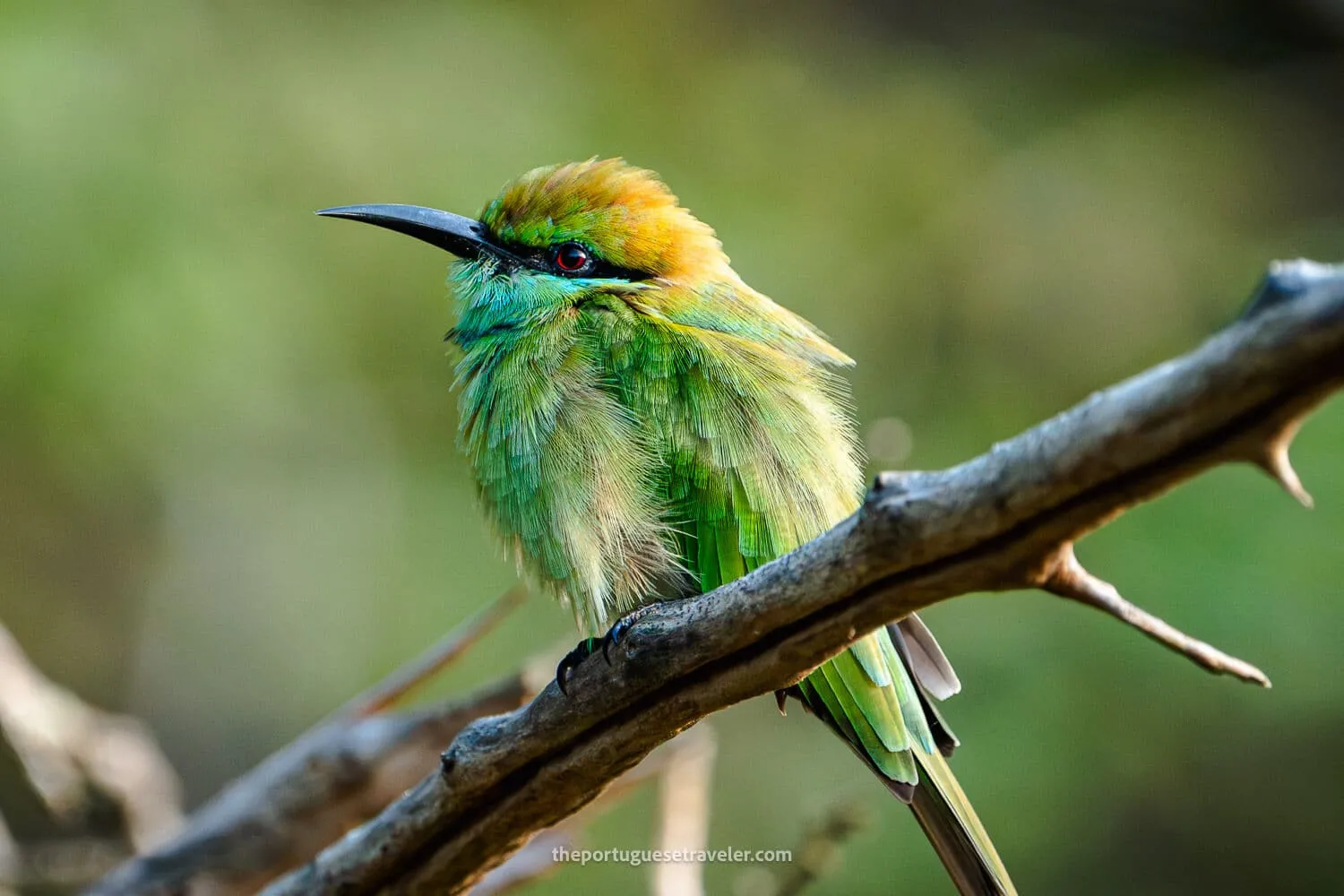
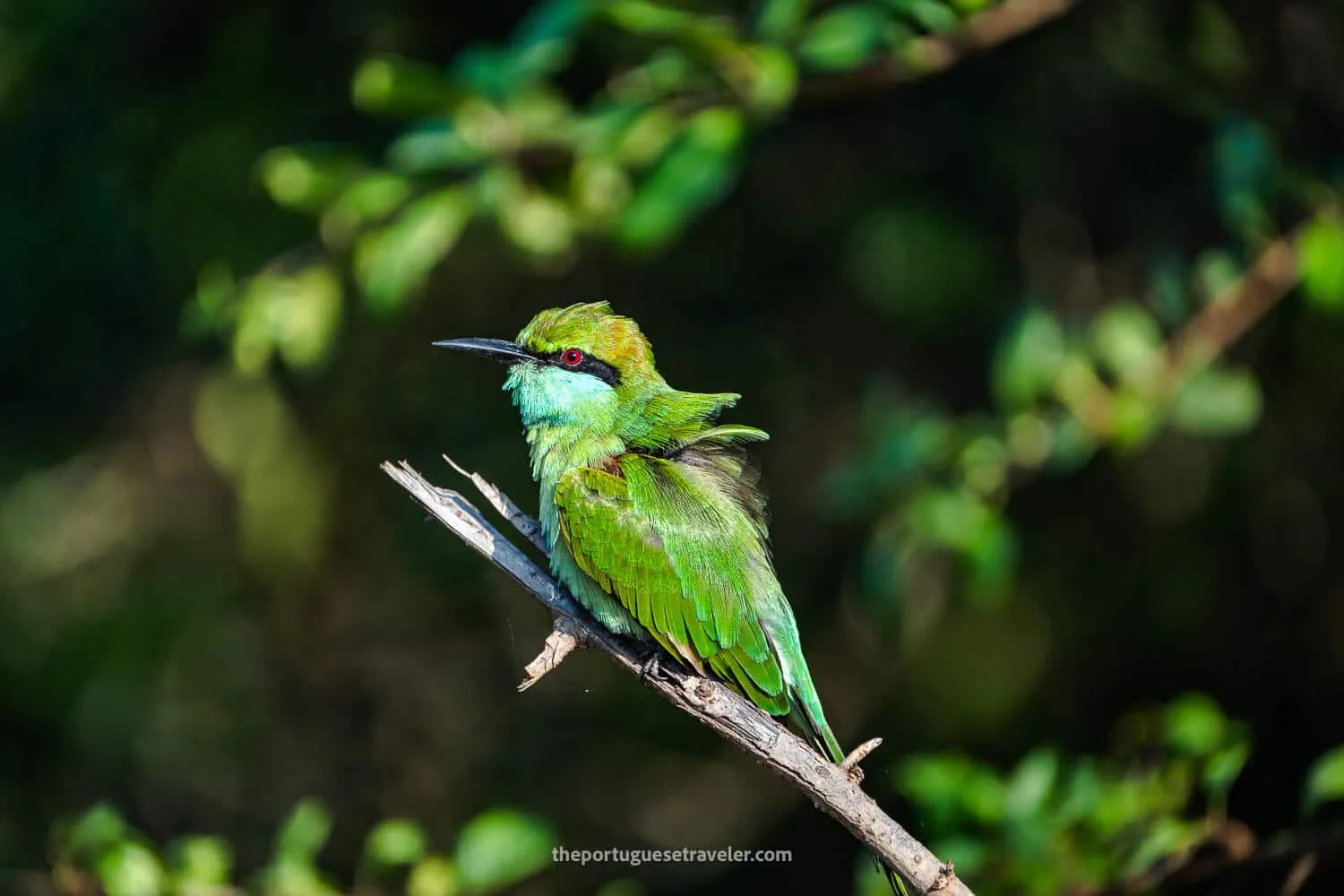
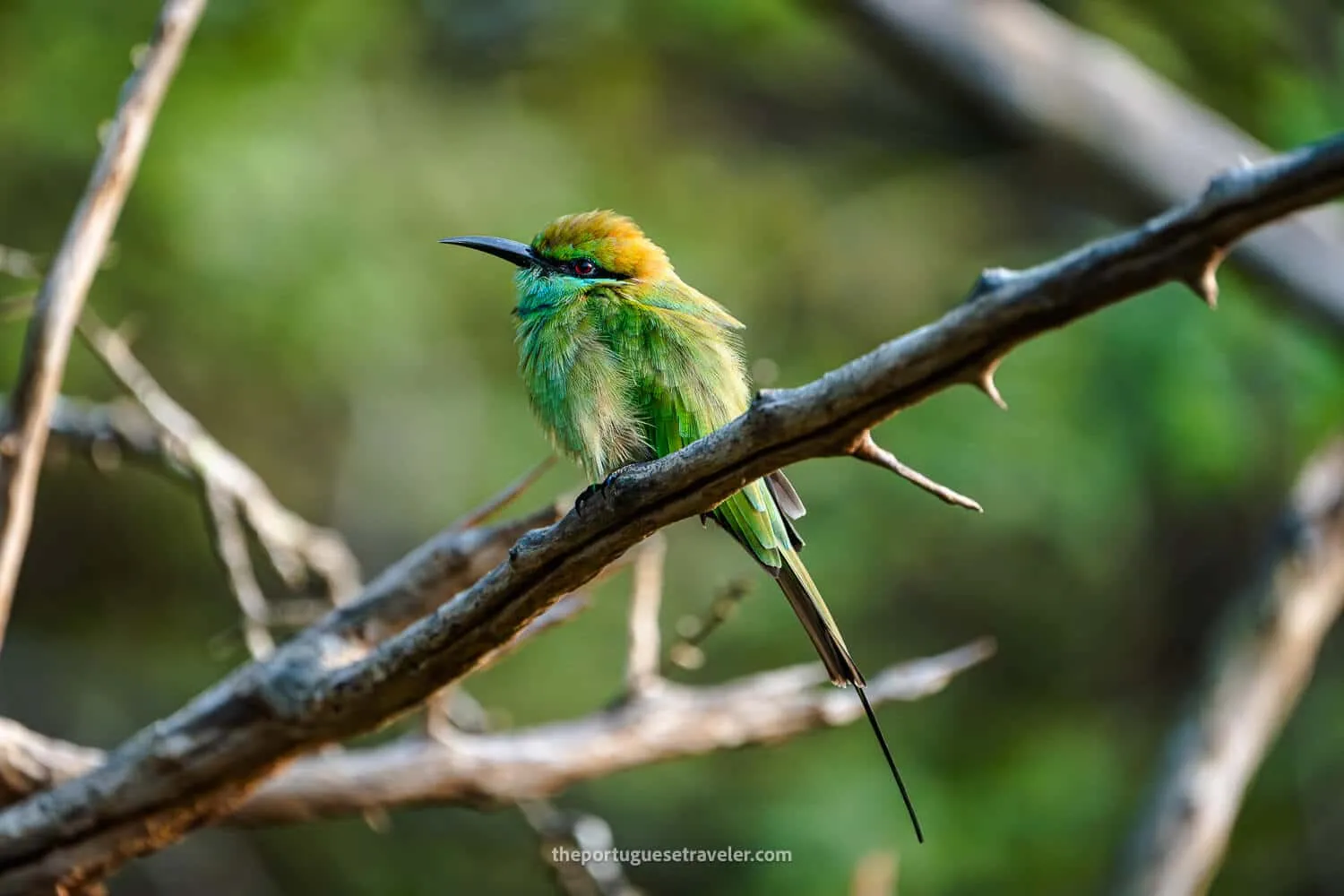
Asian green bee-eater
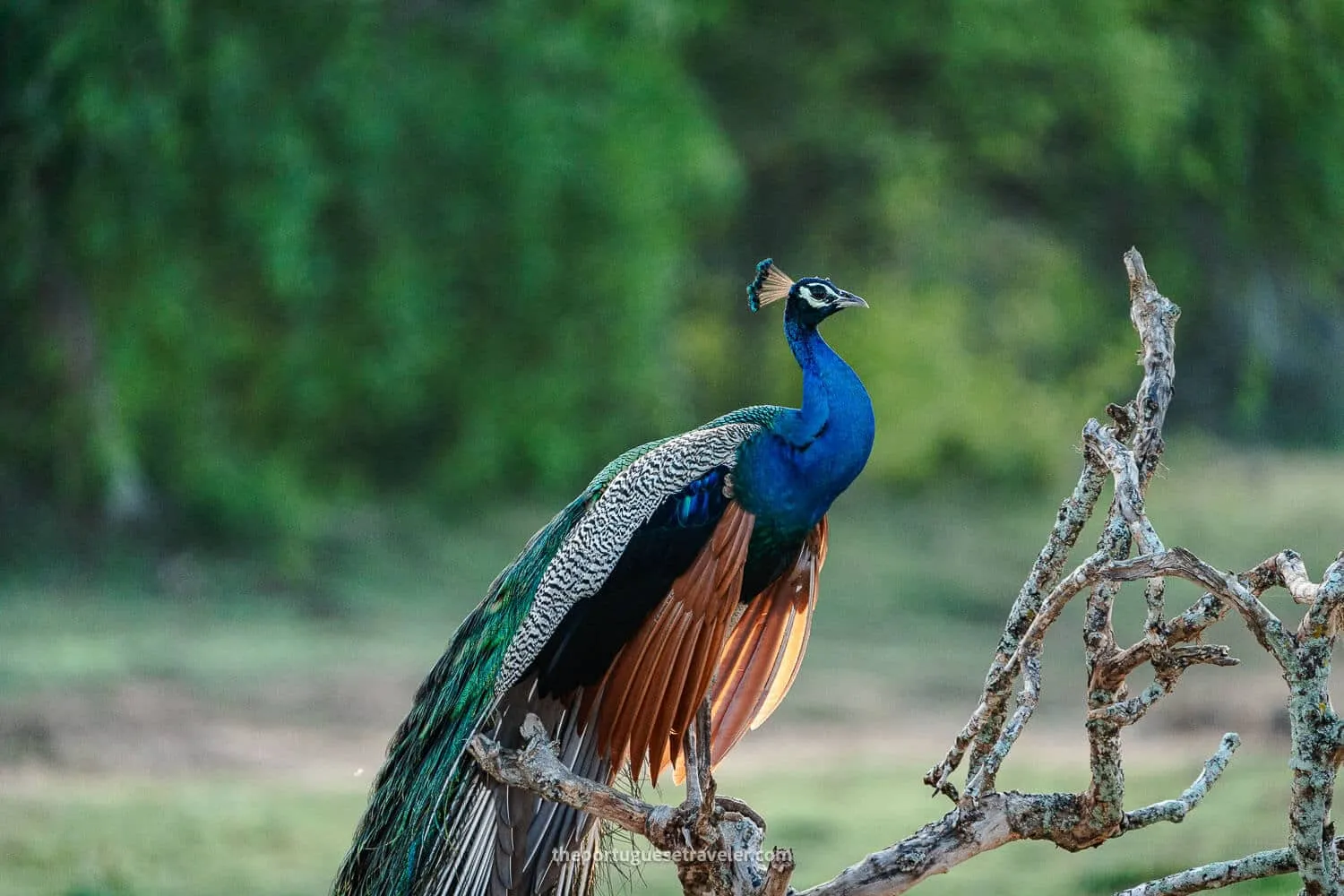
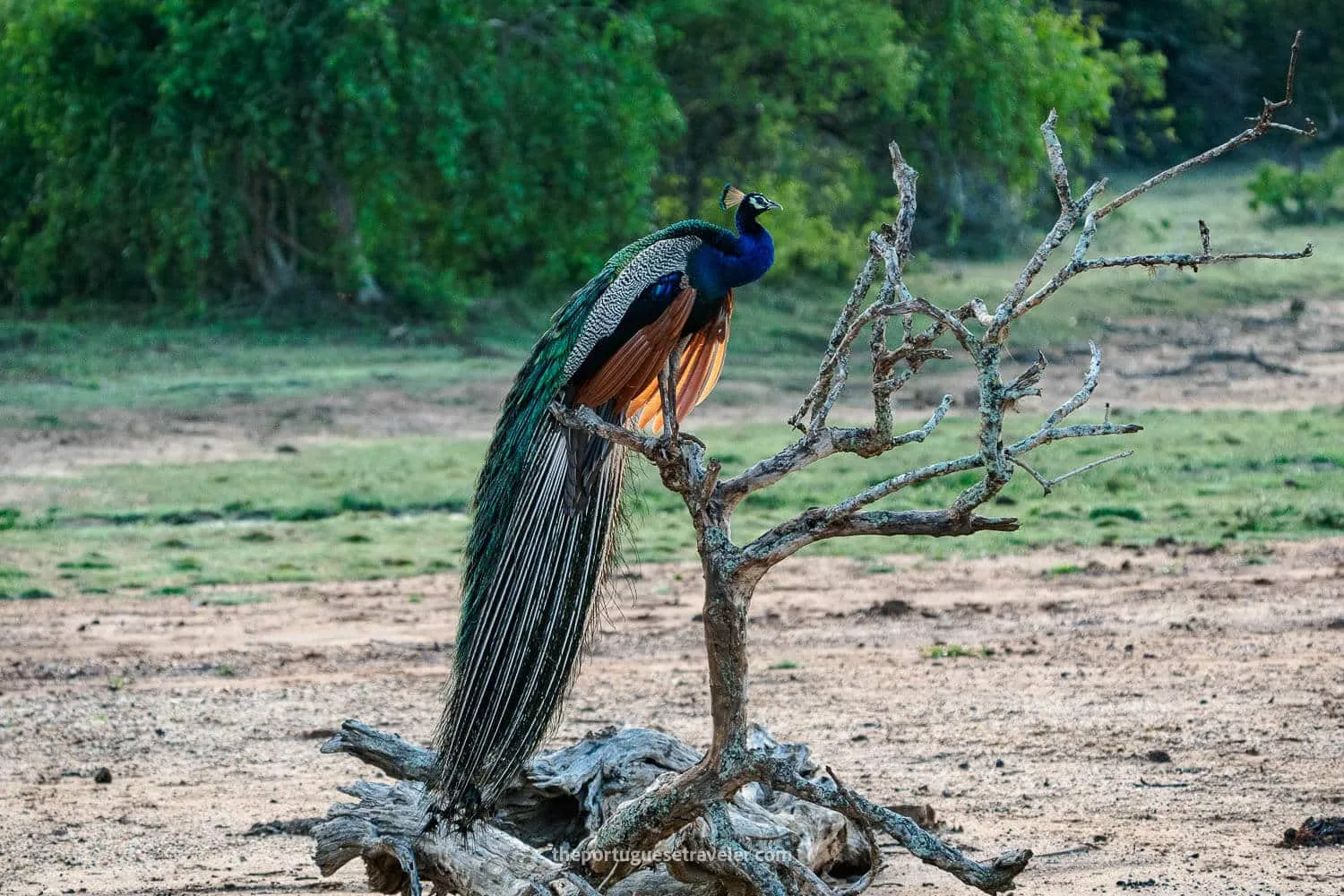
Peacock
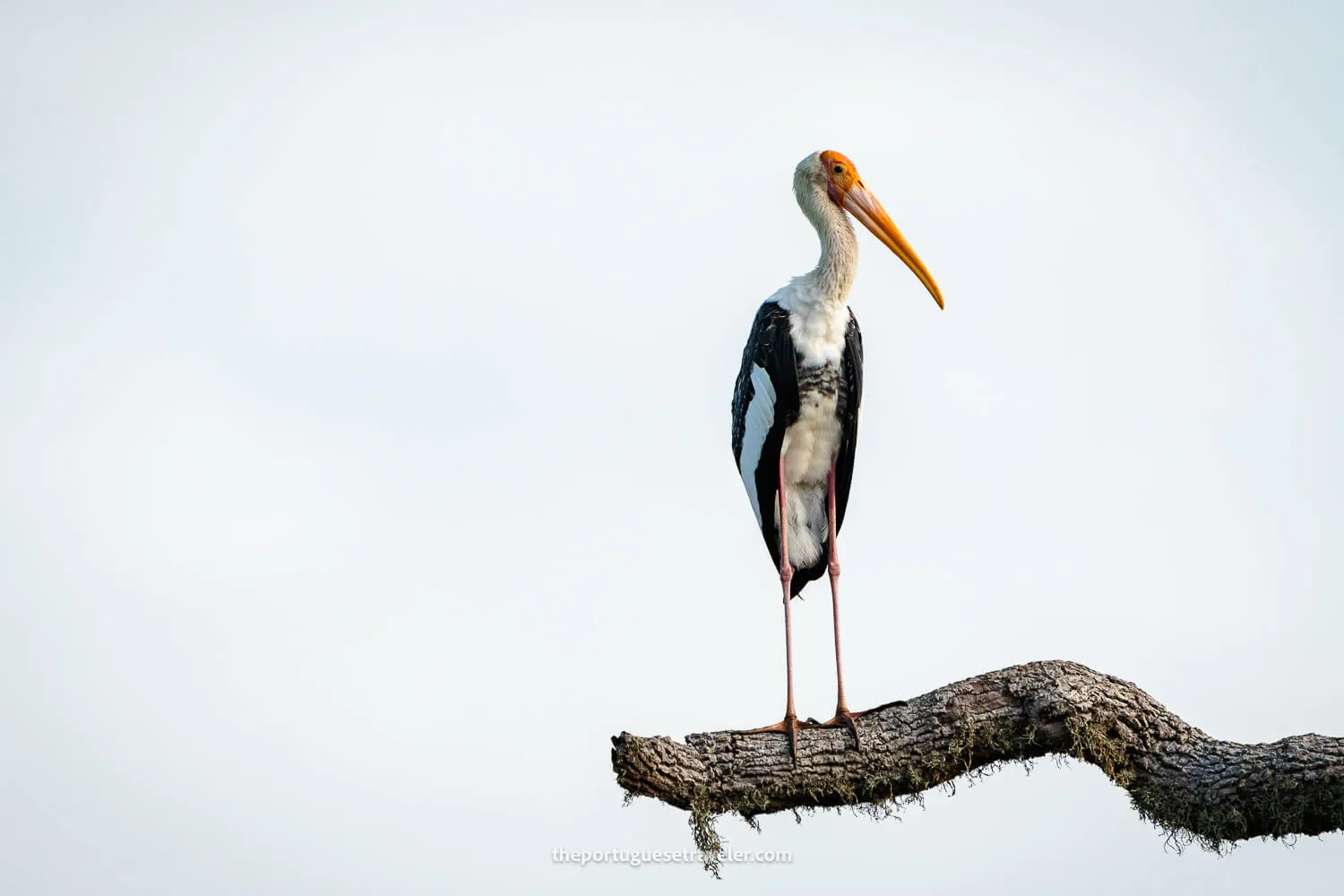
Painted Stork
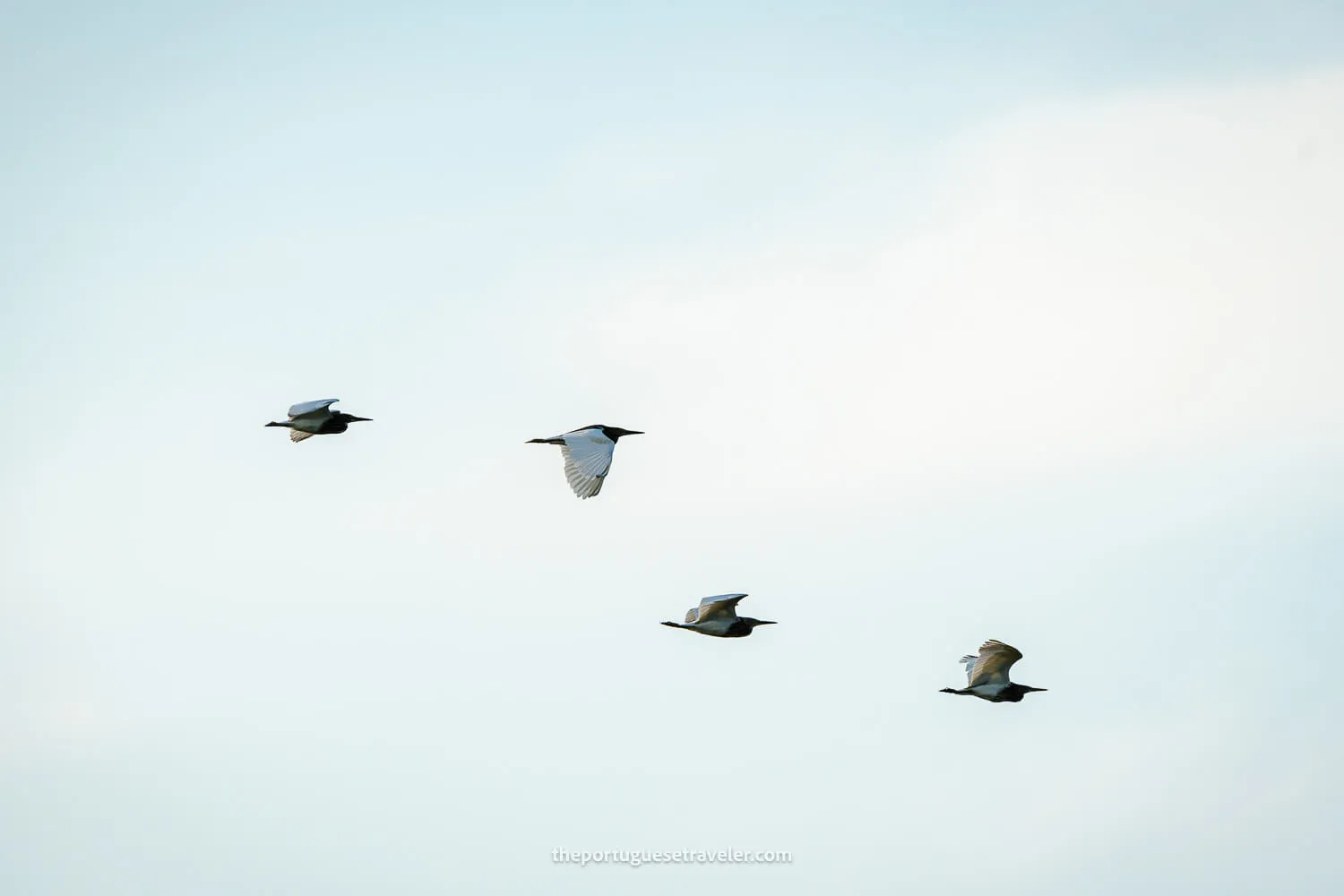
Indian Pond Herons
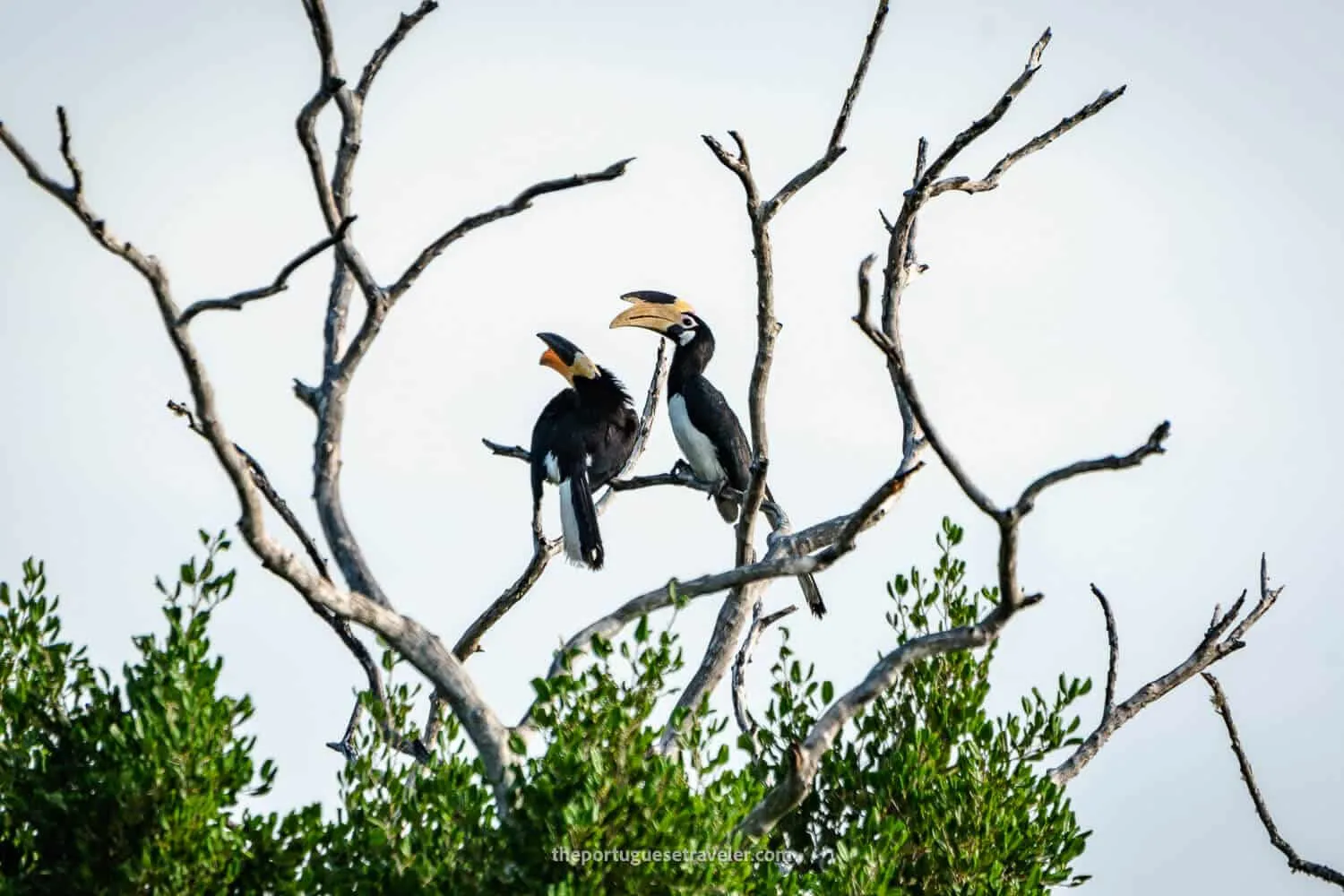
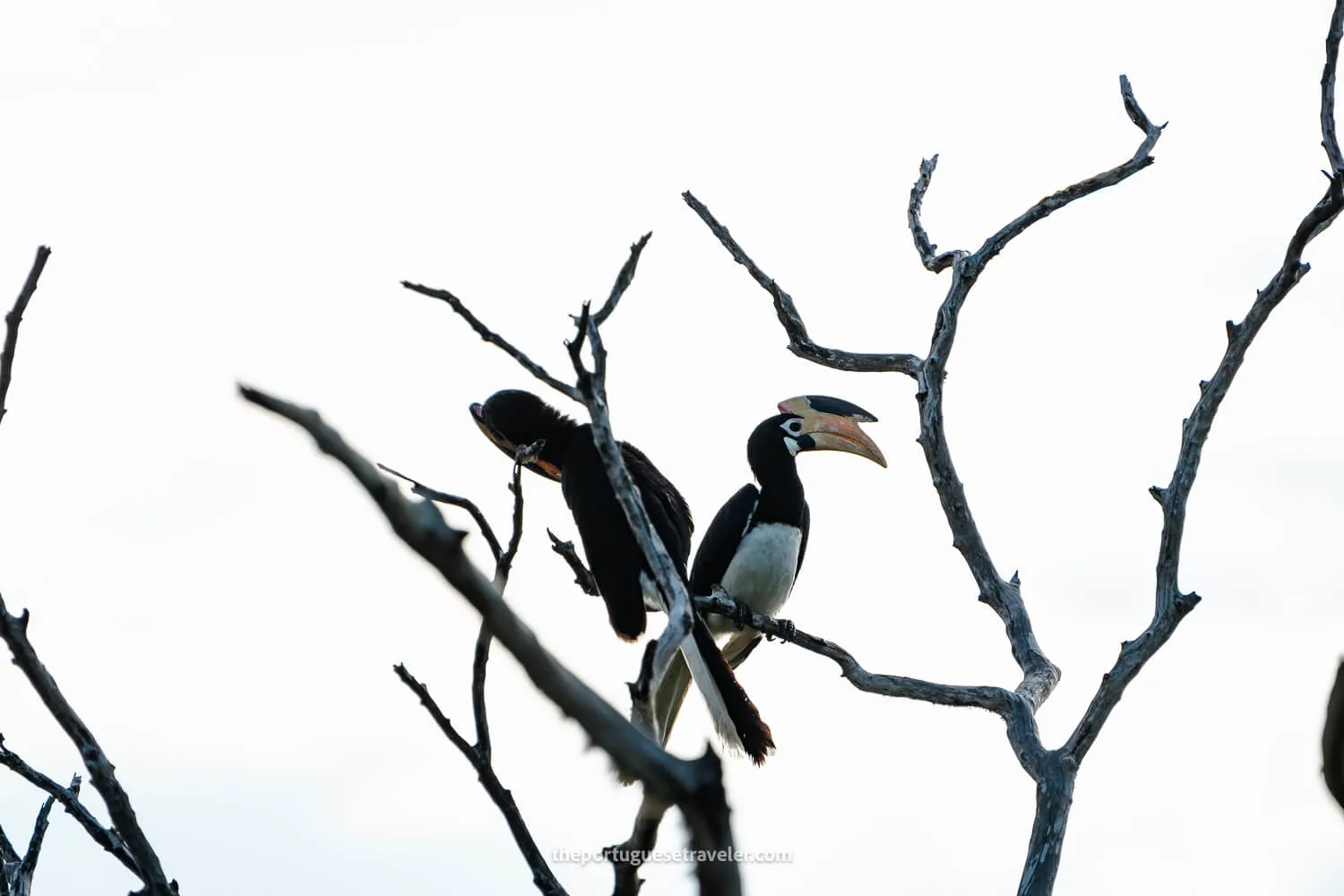
Malabar Pied Horbills
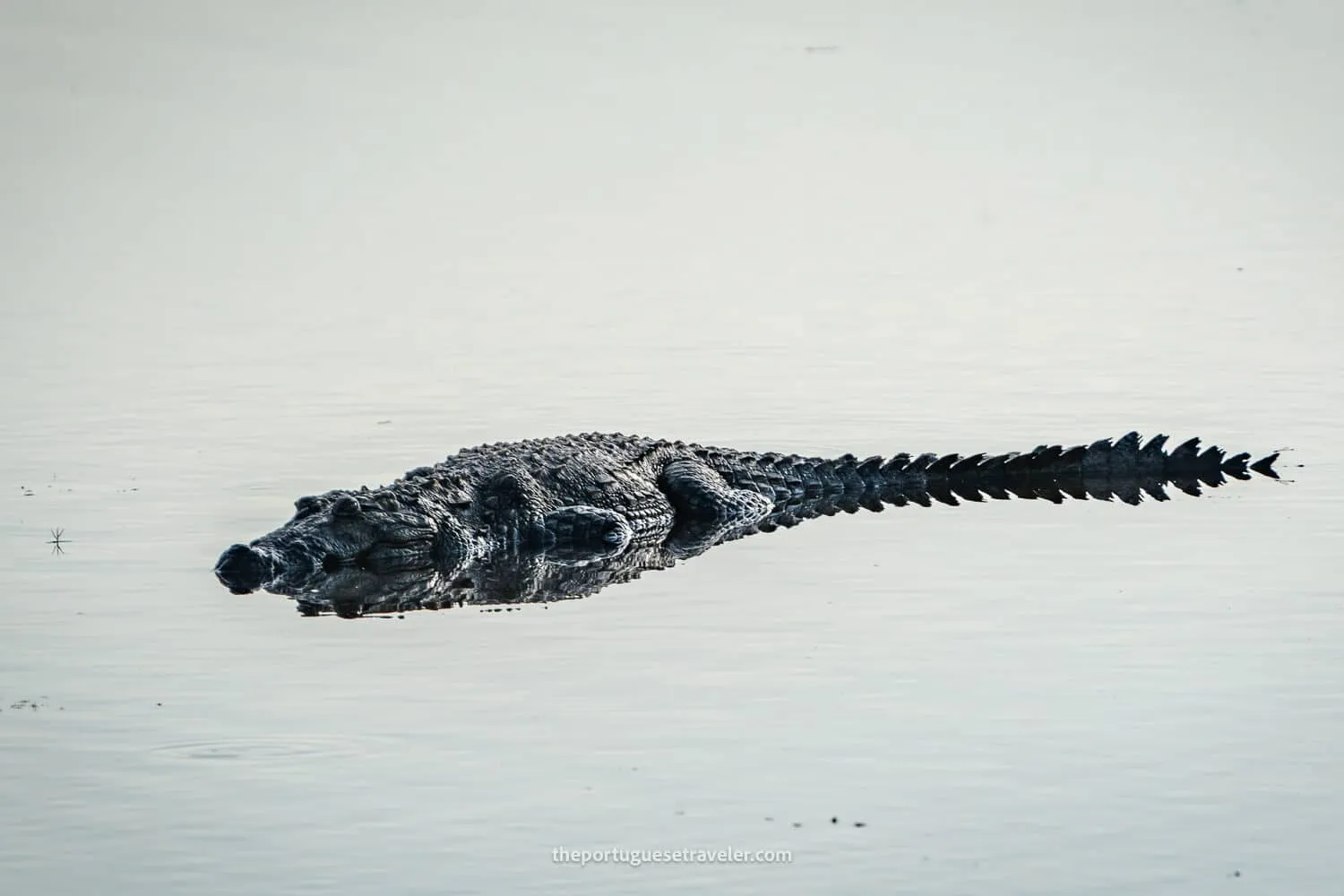
Saltwater crocodile
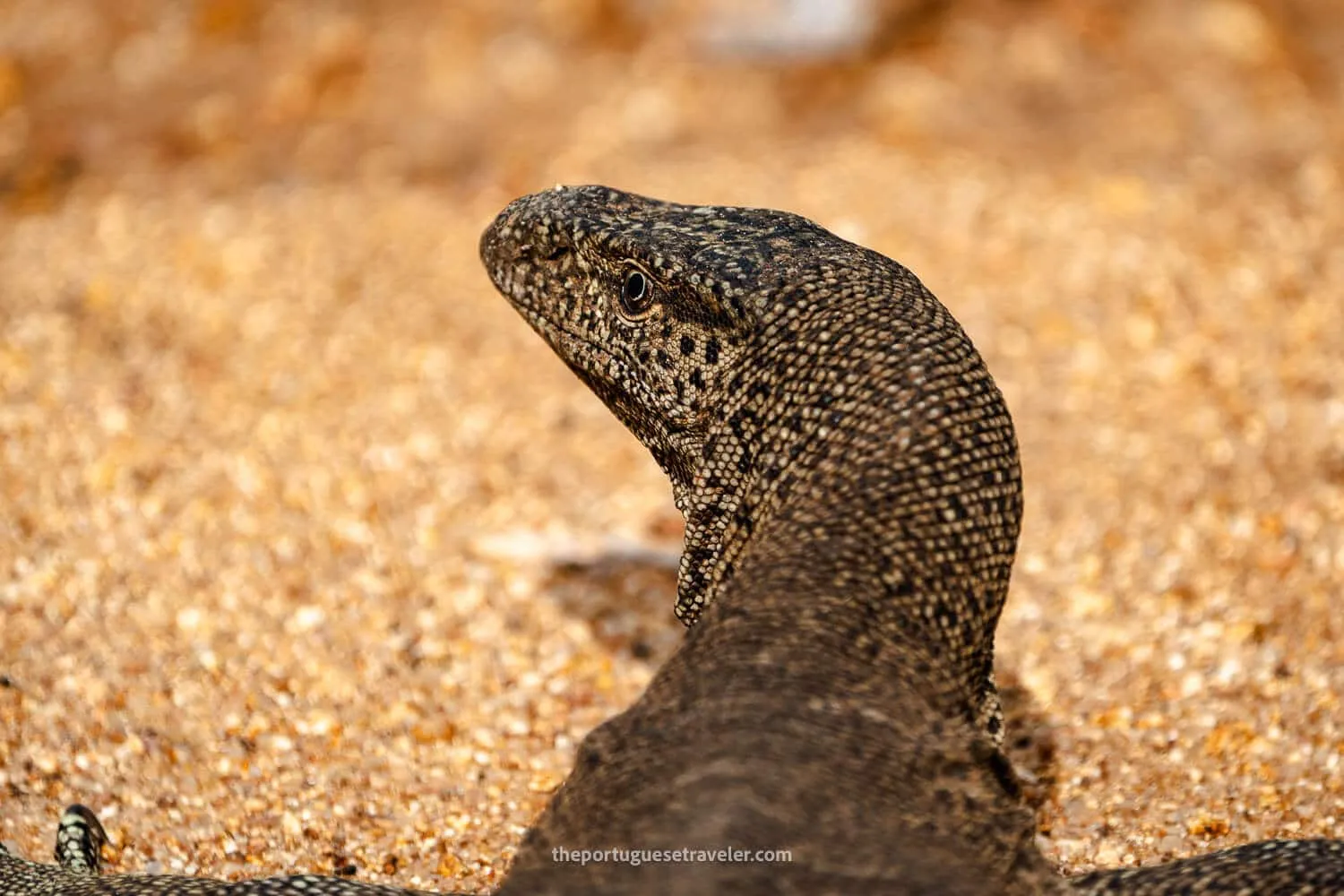
Monitor Lizard
Water Buffalos
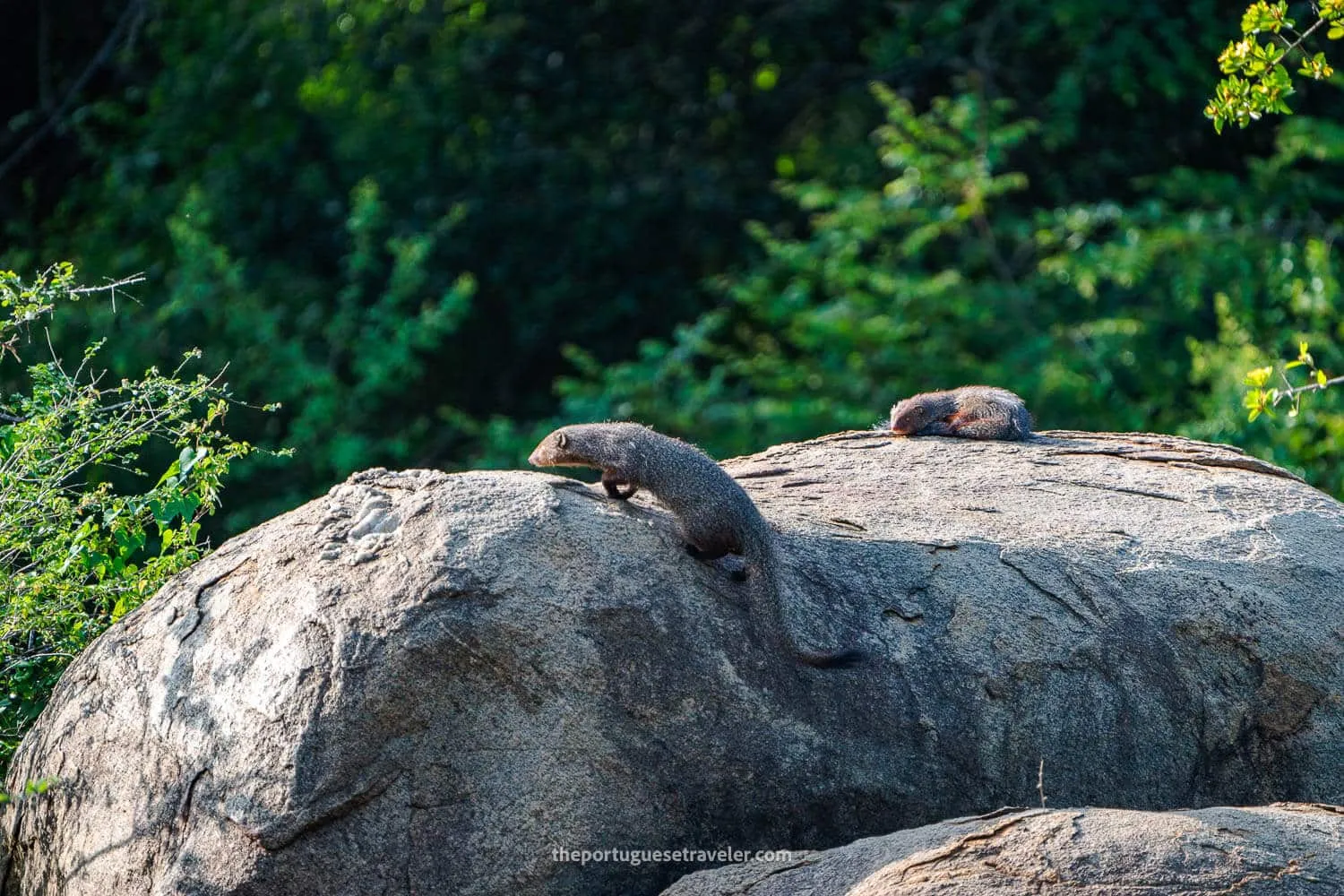
Mongoose
Gray Langur
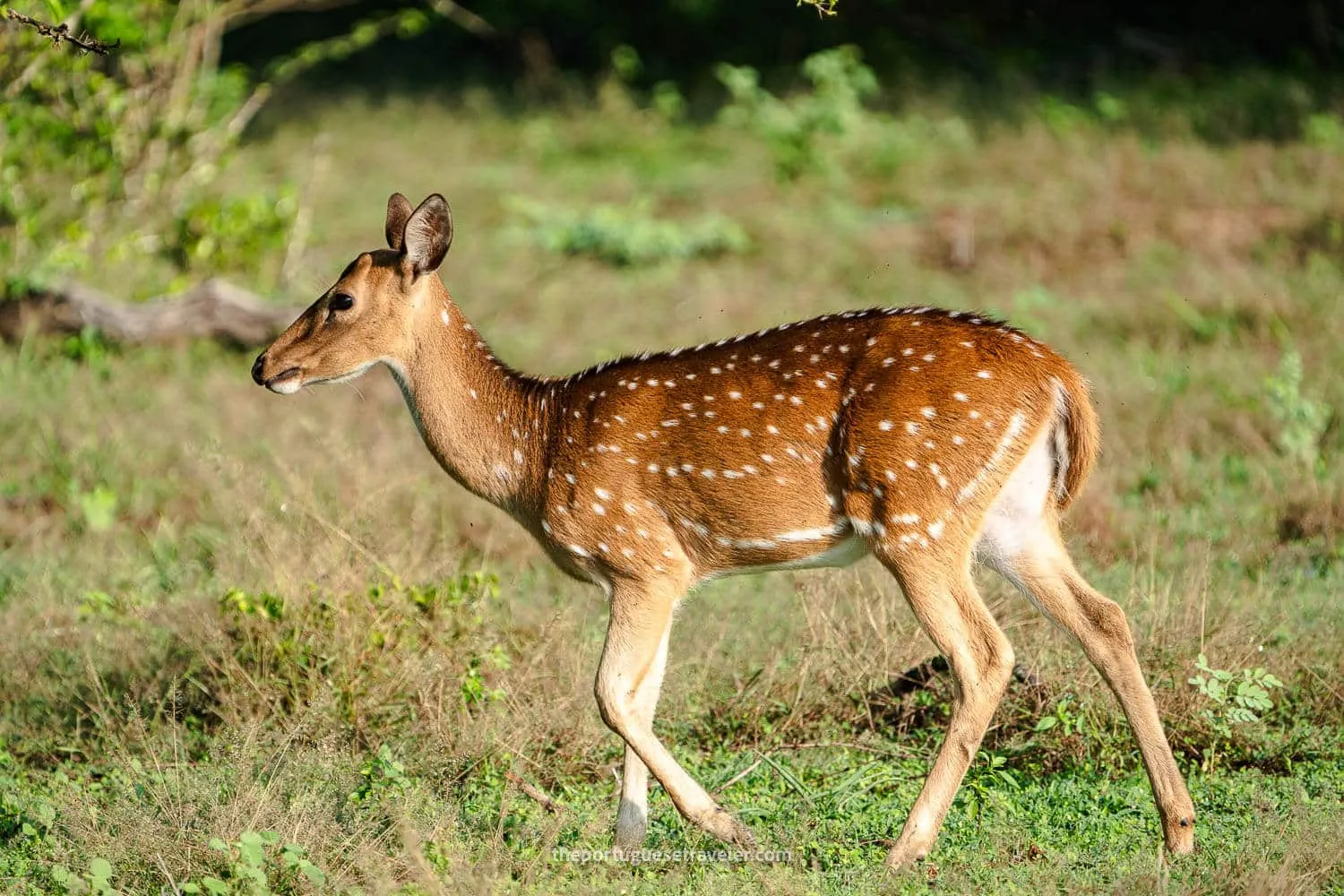
Ceylon spotted deer
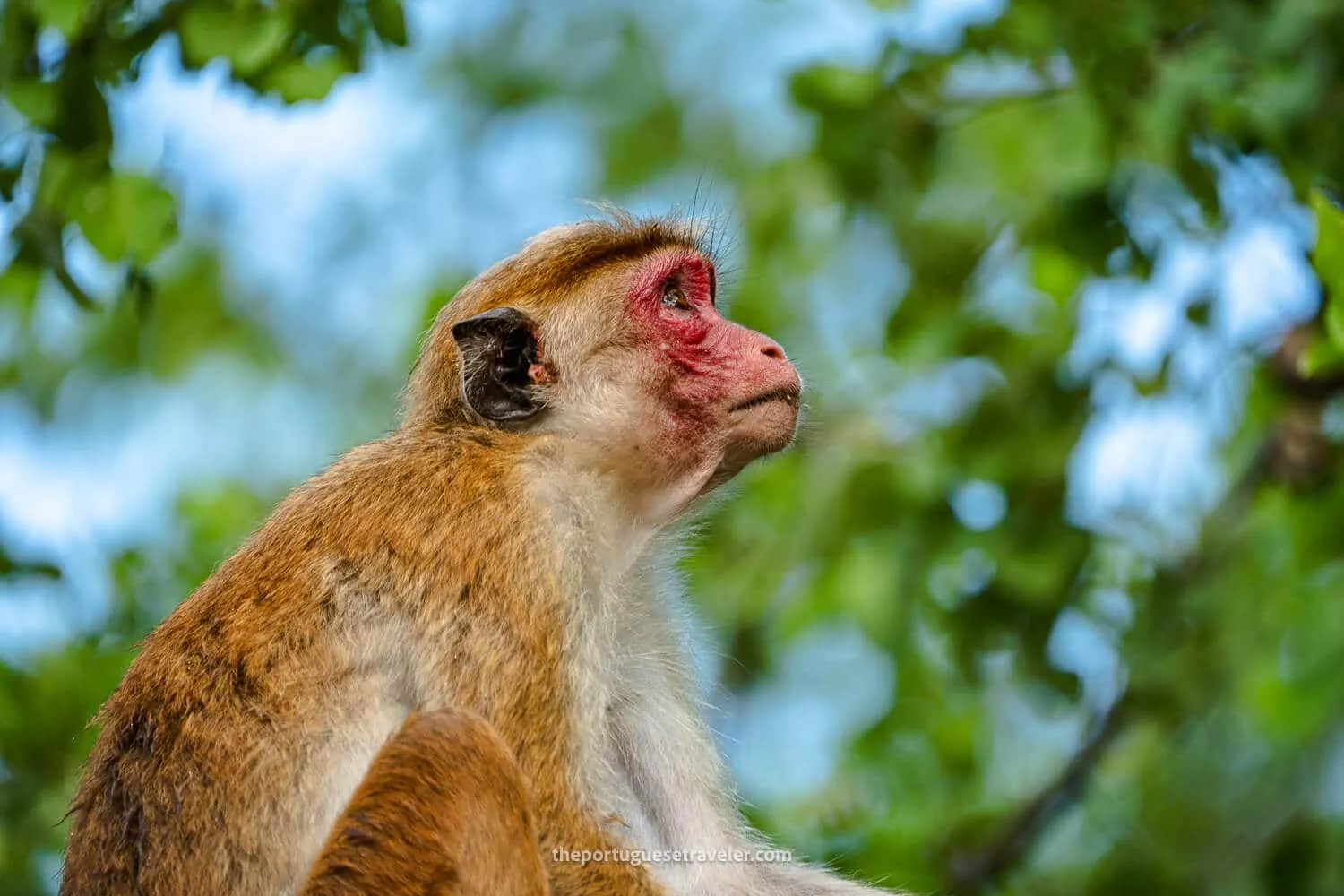
Toque Macaque
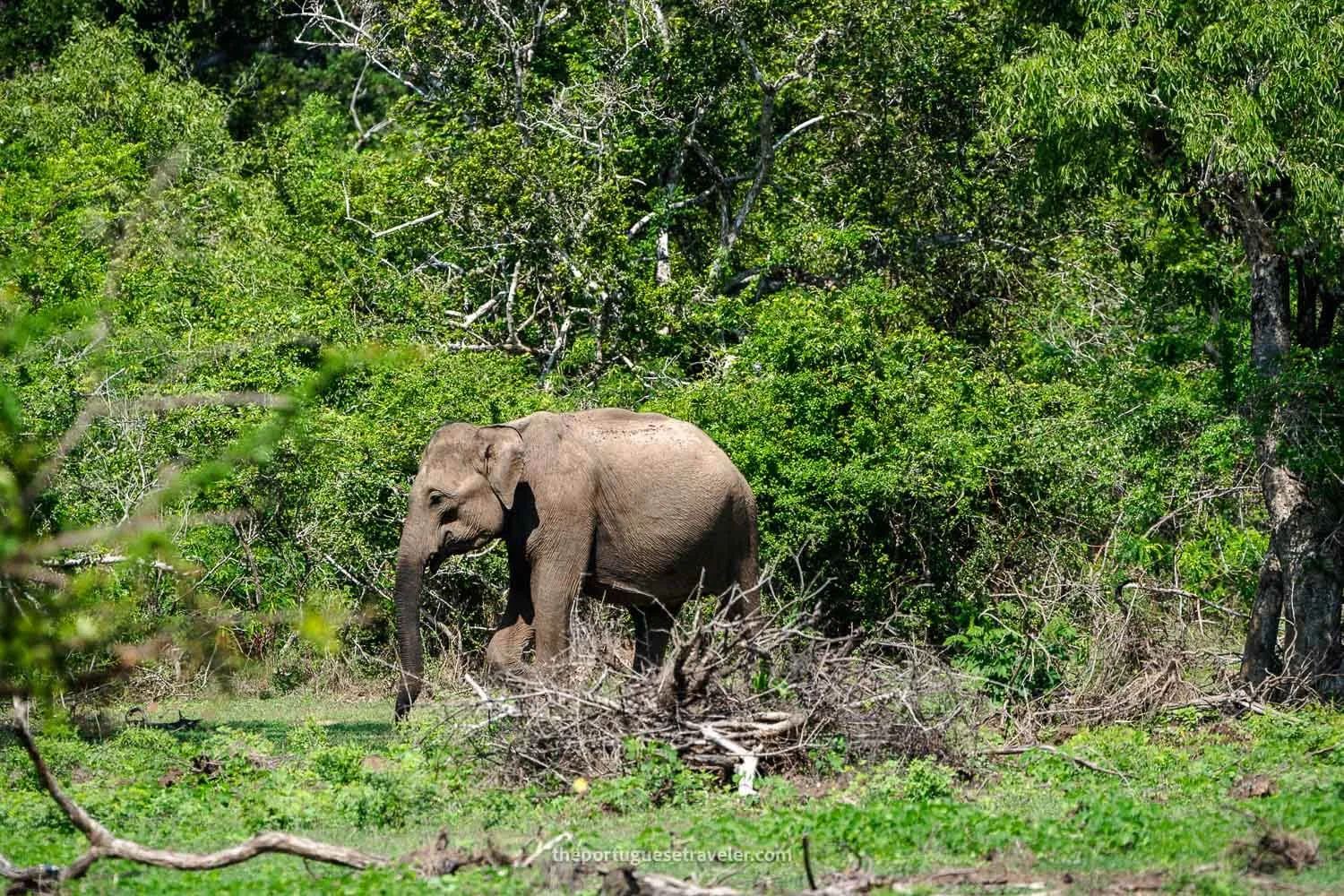
Sri Lankan elephant
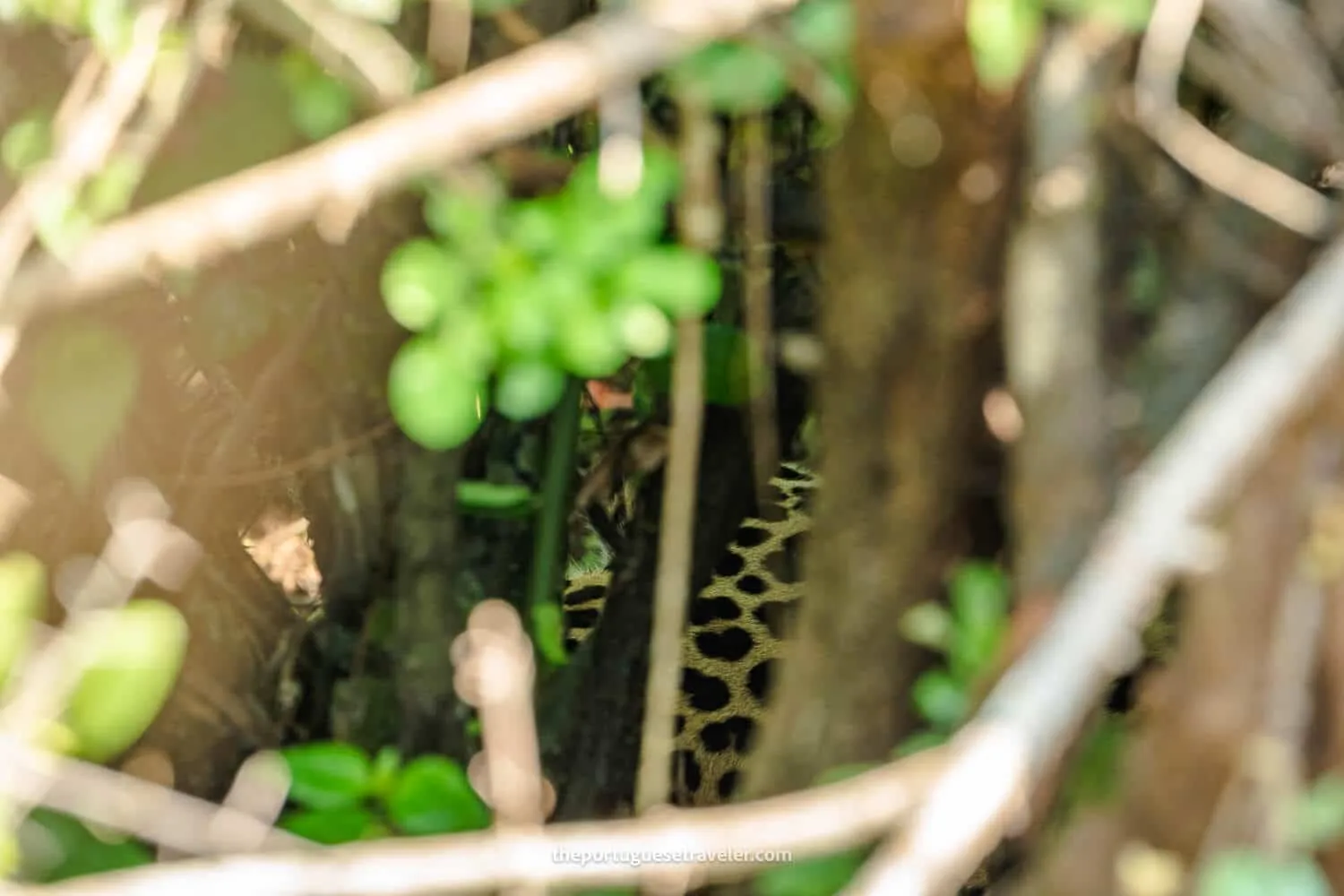
Leopard
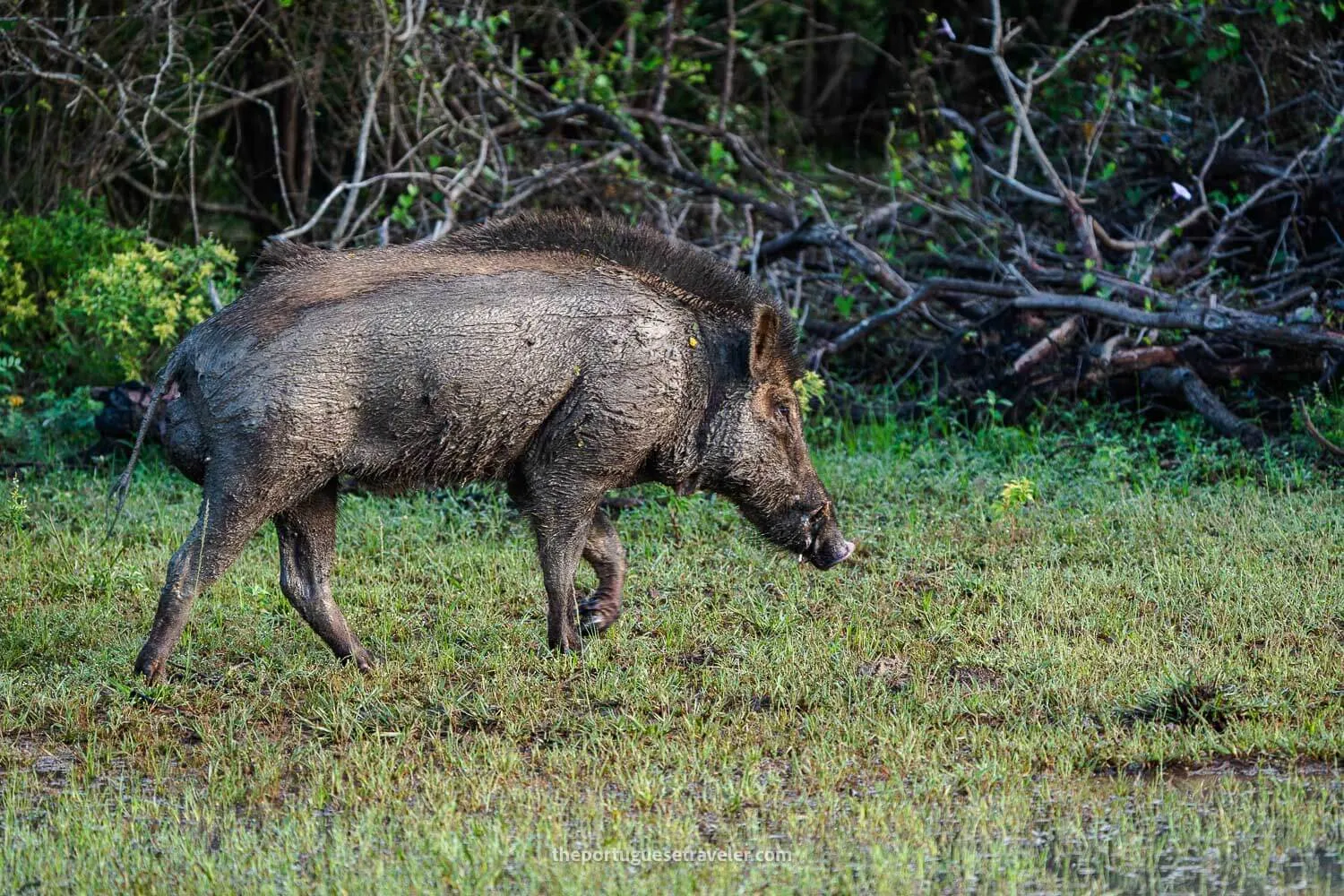
Wild Boar
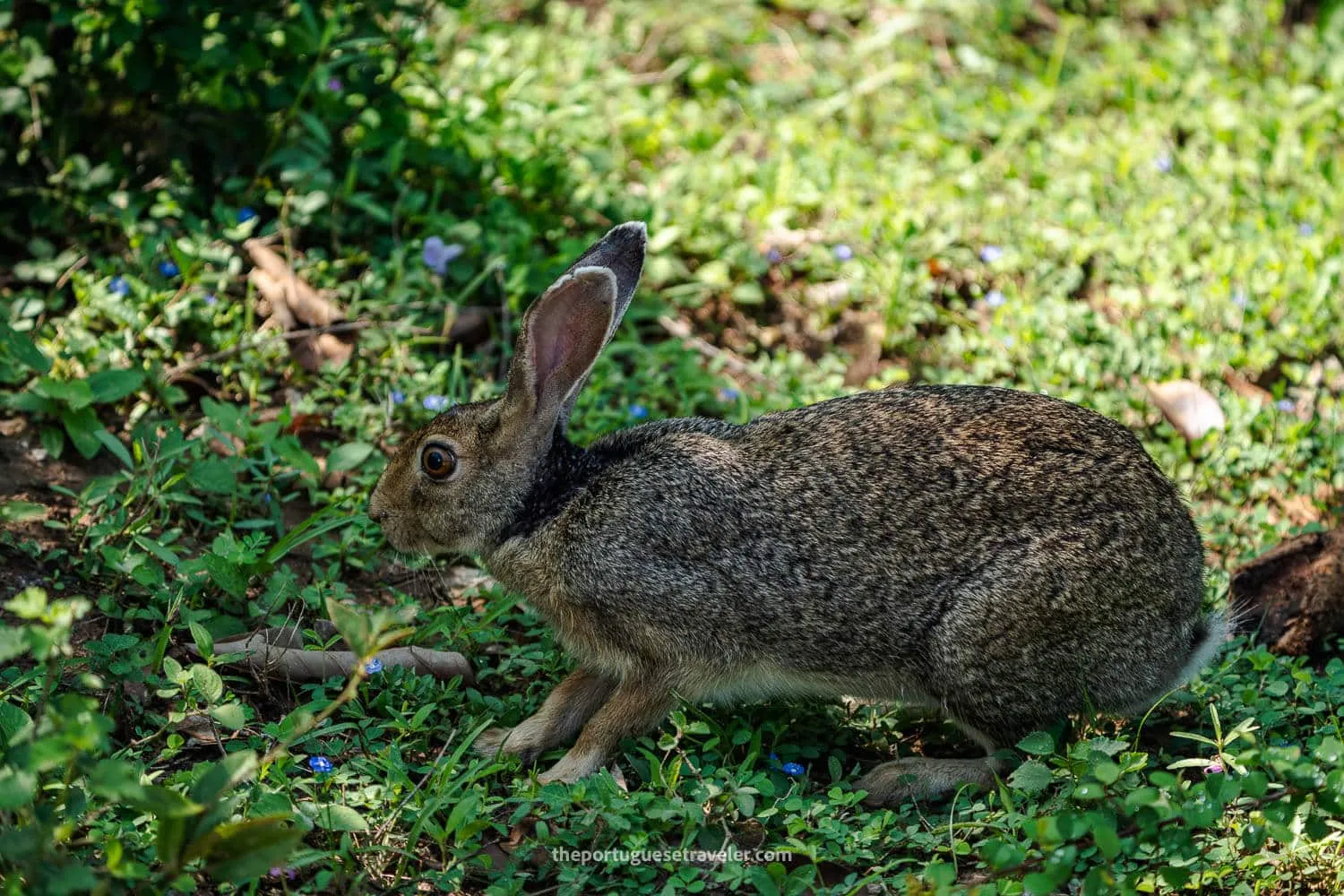
Indian Hare
Best safari zones in Yala (Block 1, Block 5, etc.)
The park is divided into multiple blocks, each offering unique wildlife encounters:
- Block 1: The most popular and accessible zone, known for its high density of leopards. Here, you’ll also find elephants, deer, and diverse bird species.
- Block 5: A quieter option with fewer jeeps, providing a more tranquil experience while still offering excellent wildlife sightings, particularly elephants and birds.
- Other Blocks: Blocks 2, 3, and 4 are less frequently visited, offering more remote and off-the-beaten-path adventures.
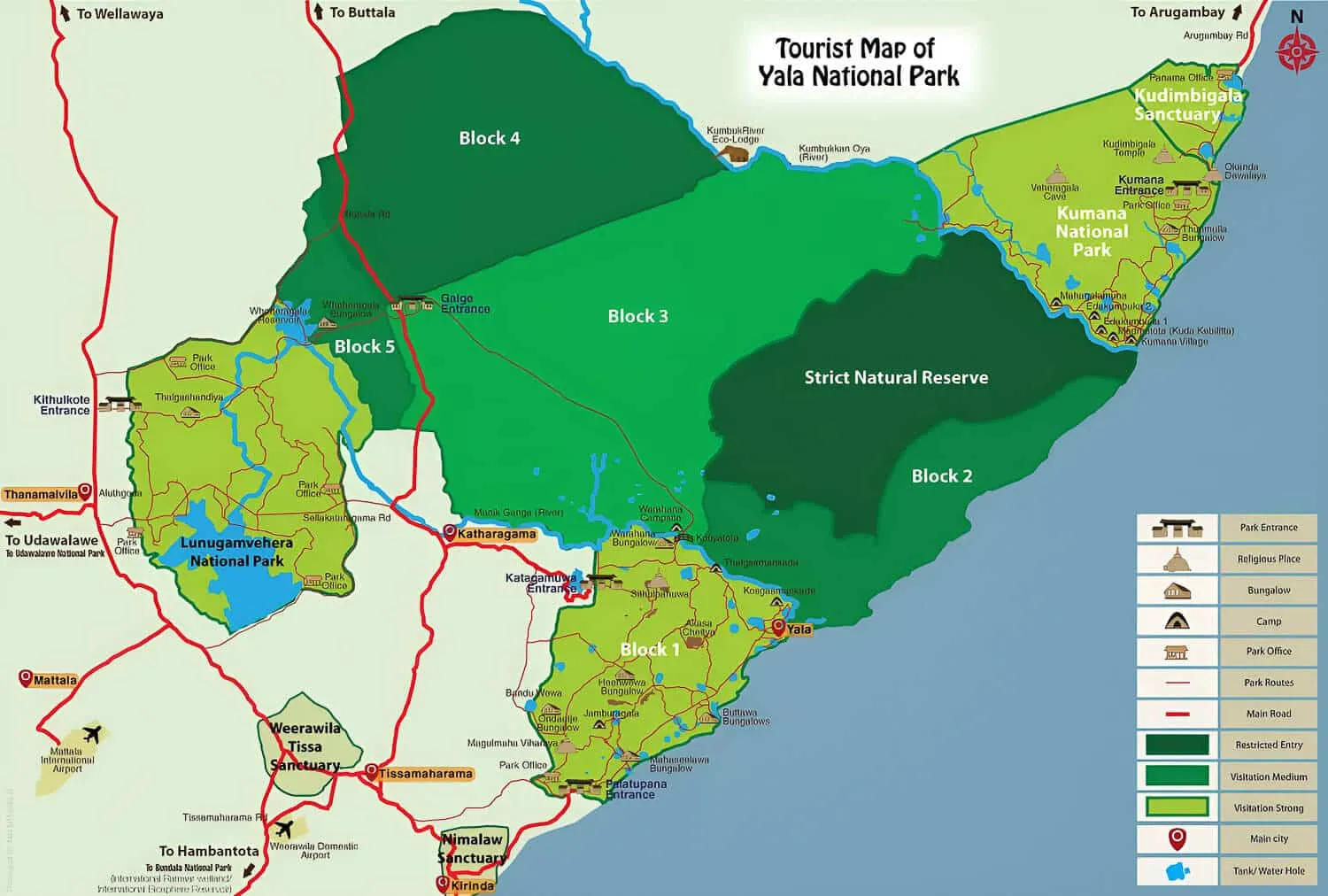
The Yala National Park’s Tourist Map | Source: Facebook.com/yalanationalparksrilanka
Morning vs. evening safari: Which is better?
Safari timing can shape your Yala experience, with each option offering unique benefits. Here’s a quick guide:
- Morning Safari (6 AM to 12 PM): Cooler temperatures and longer duration make this safari more relaxed, with a good chance to spot various animals as they start their day.
- Evening Safari (2 PM to 6 PM): Offers better chances to see leopards and elephants, particularly in clear weather. However, the shorter duration can feel more rushed since jeeps must exit the park before closing.
- Full-Day Safari: Ideal for wildlife enthusiasts, providing extended time to explore different zones. However, visitors must remain at a designated rest area with a restaurant during the midday closure from 12 PM to 2 PM.
Safari tips: What to bring and expect
Packing smart ensures a comfortable safari, while knowing what to expect helps you make the most of the experience. Here’s a quick overview:
- What to Bring: Lightweight clothing in neutral colors, a hat, sunglasses, sunscreen, insect repellent, binoculars, and a camera with a zoom lens. Bring a reusable water bottle and snacks for longer safaris.
- What to Expect: Open-top jeeps provide clear views for photography. Safaris typically last 3-6 hours and are led by knowledgeable local guides who help spot and identify wildlife. While sightings are not guaranteed, patience and luck often lead to rewarding encounters.
Can you do a self-drive safari in Yala?
Self-drive safaris are prohibited in Yala National Park. All visitors must book guided jeep safaris, ensuring both safety and respect for wildlife. This regulation helps minimize human-wildlife conflicts and protects the park’s natural environment. 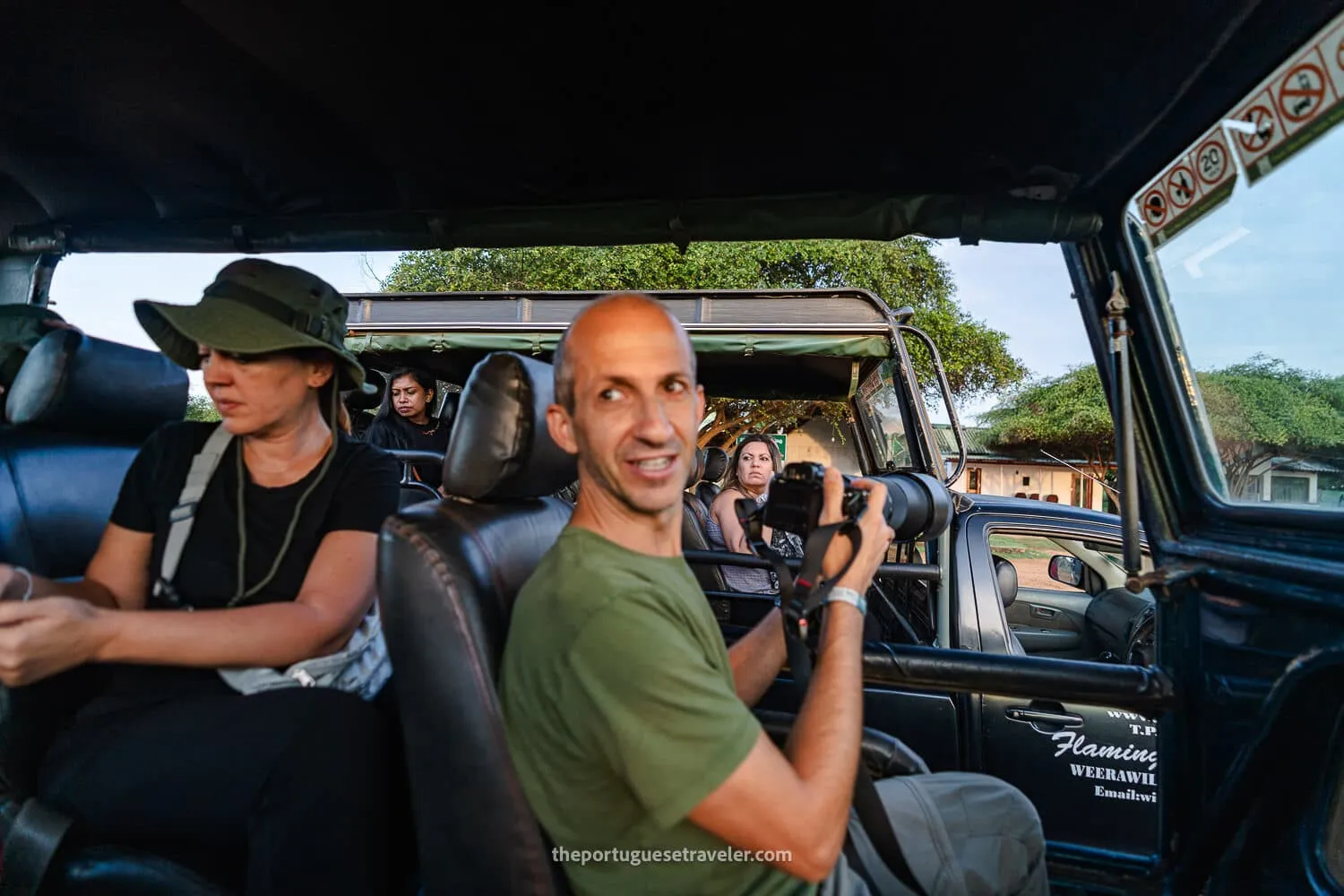
Cultural and Historical Sites In Yala National Park
In addition to its wildlife, Yala is home to ancient cultural landmarks that reflect Sri Lanka’s rich heritage.
Sithulpawwa Rock Temple
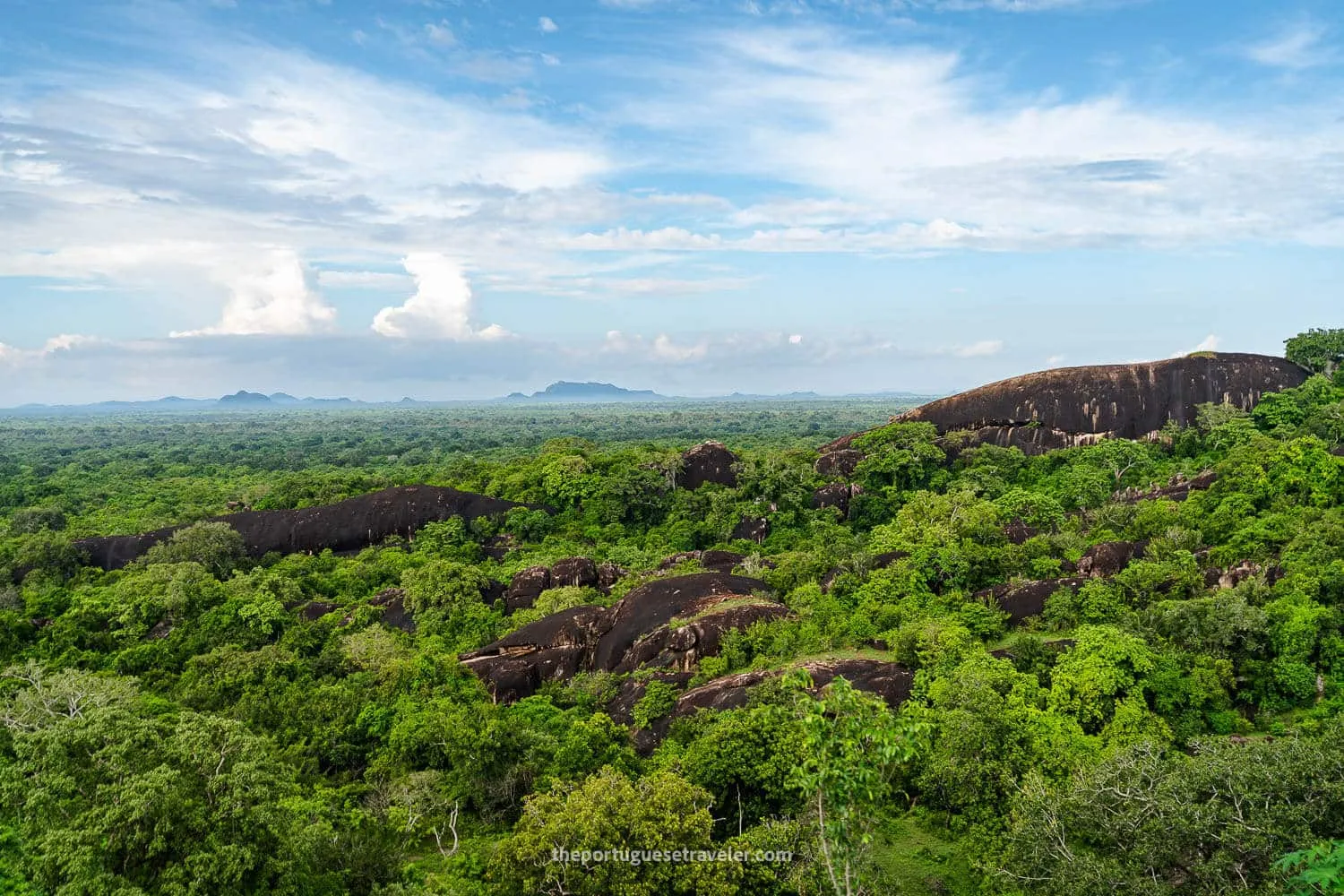
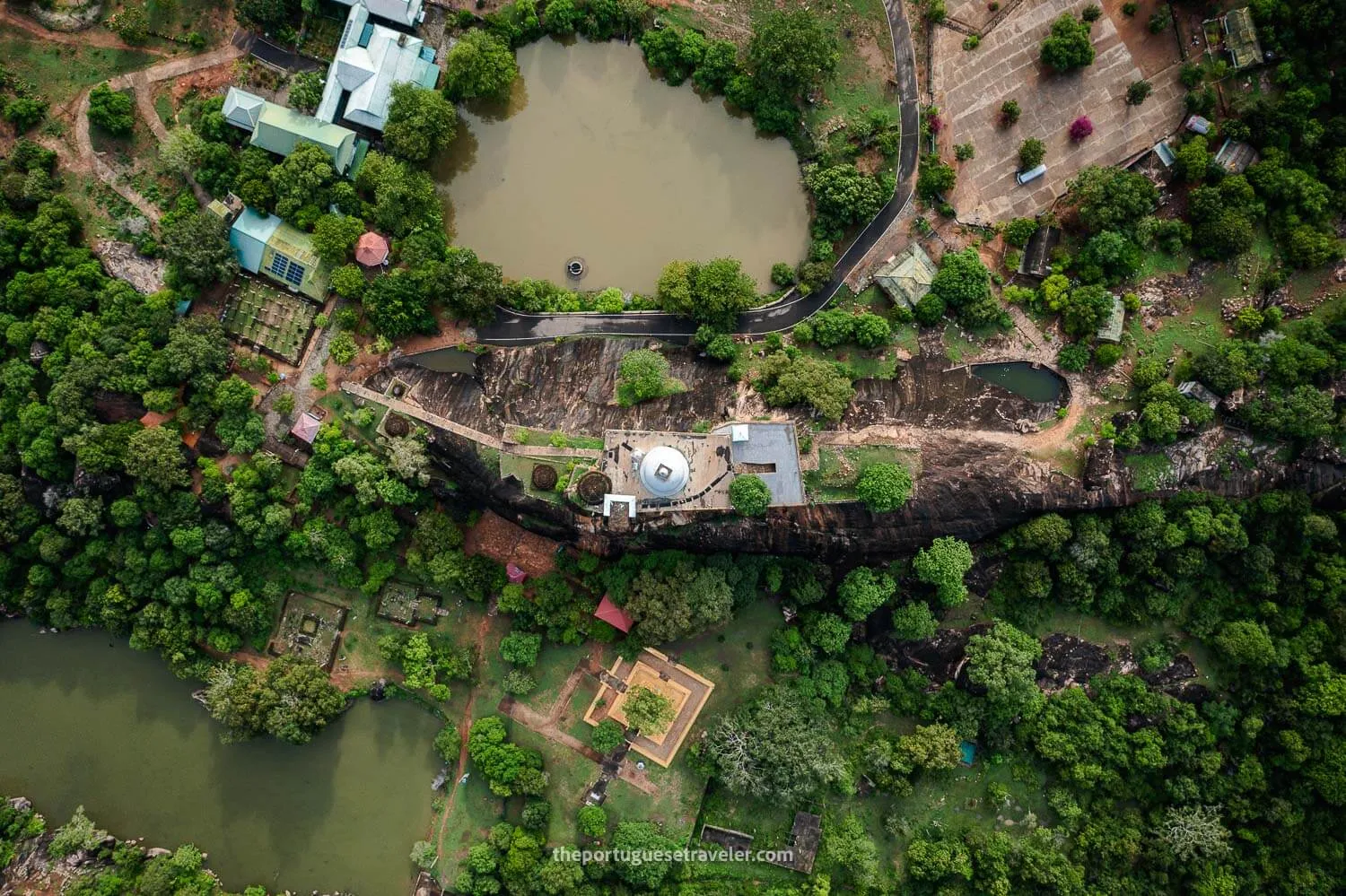
Perched atop a large rock formation within Yala, the Sithulpawwa Rock Temple is an ancient Buddhist monastery with breathtaking panoramic views of the surrounding jungle and distant rock formations. Believed to be over 2,000 years old, the temple served as a center for Buddhist learning and meditation. Visitors can explore ancient stupas, rock inscriptions, and caves used by monks, immersing themselves in the serene atmosphere of this spiritual site. Read the Full Article: Sithulpawwa Rock Temple – Ancient Buddhist Monastery 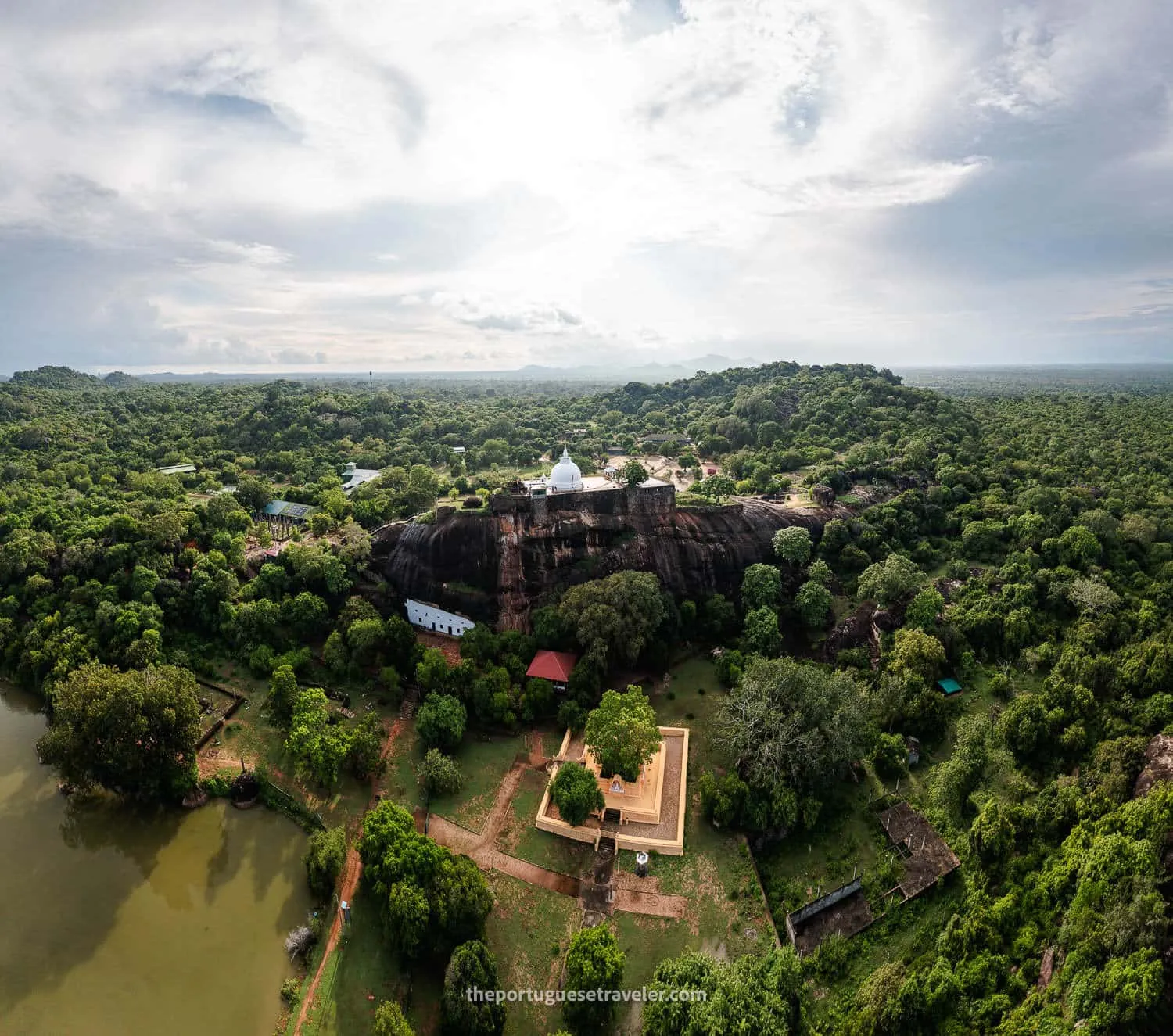
Nature and Landscapes of Yala National Park
Yala’s landscapes are as captivating as its wildlife, featuring a diverse mix of rock formations, wetlands, grasslands, and forests.
Unique rock formations inside Yala
The park’s ancient metamorphic rocks, formed during the Precambrian era, rise dramatically above the jungle, creating iconic landmarks such as Elephant Rock, named for its elephant-like shape. These rocks add to the park’s rugged beauty and provide vantage points with sweeping views of the surrounding wilderness. 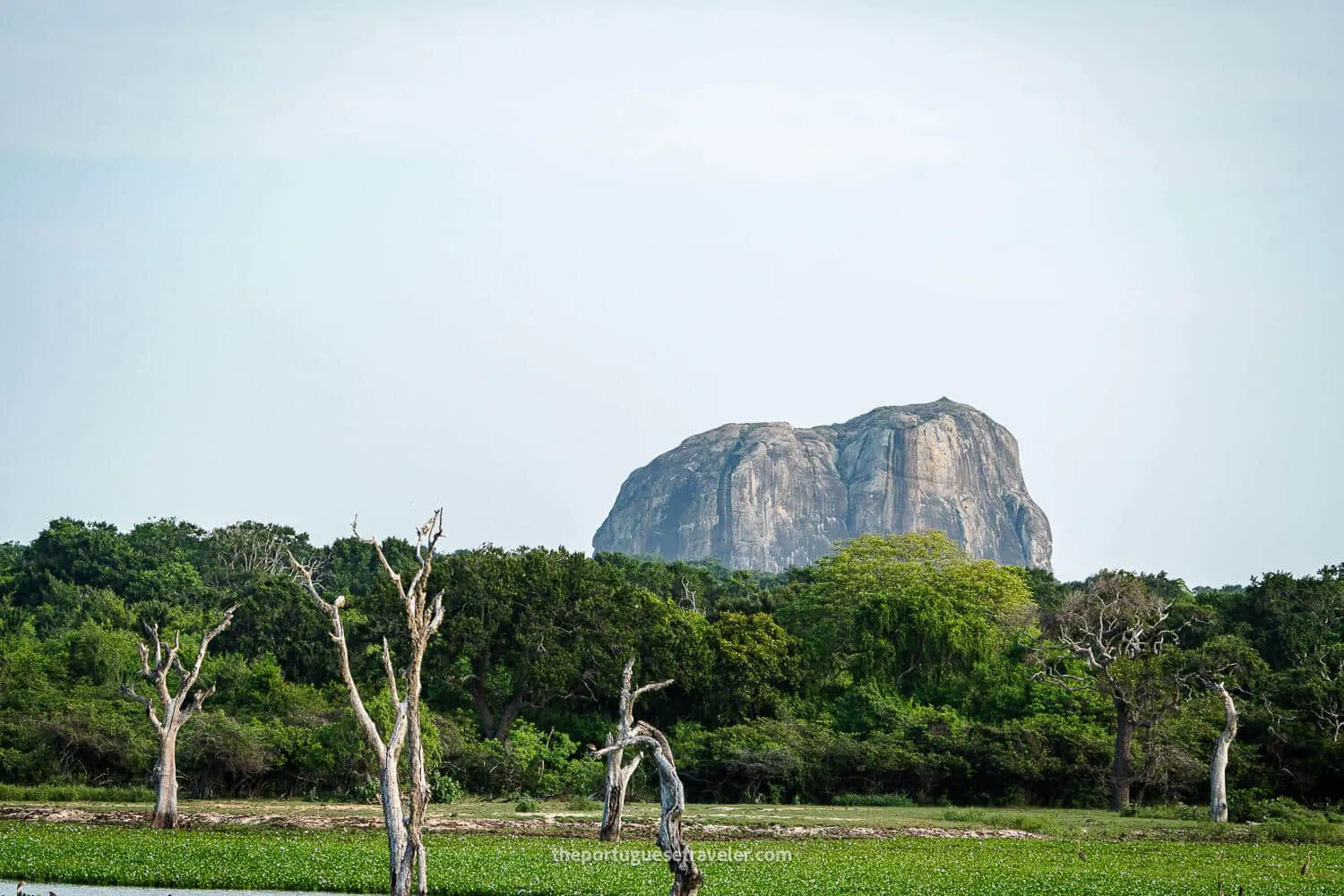
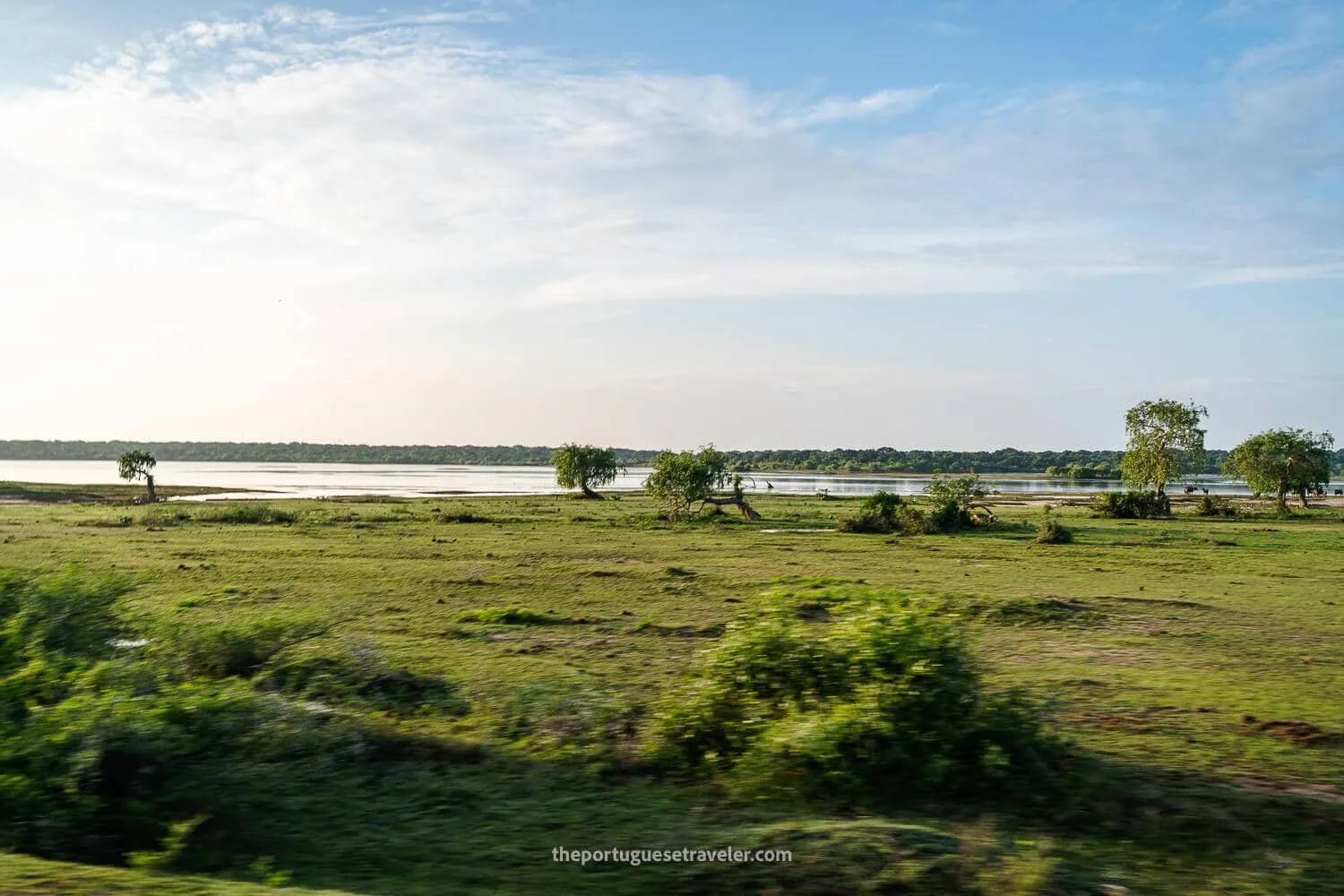
Wetlands, grasslands, and forests: The diverse landscapes of Yala
Yala’s varied ecosystems include:
- Wetlands: Rich in aquatic life, including crocodiles and wading birds.
- Grasslands: Open areas where elephants, deer, and wild boars graze.
- Forests: Dense jungles that provide shelter for leopards, langurs, and diverse bird species.
Birdwatching in Yala National Park
Birdwatchers can spot both resident and migratory species, making Yala a year-round destination. Early mornings and late afternoons offer the best opportunities, with sightings of colorful Malabar pied hornbills, majestic eagles, vibrant peacocks, and seasonal migratory birds such as barn swallows.
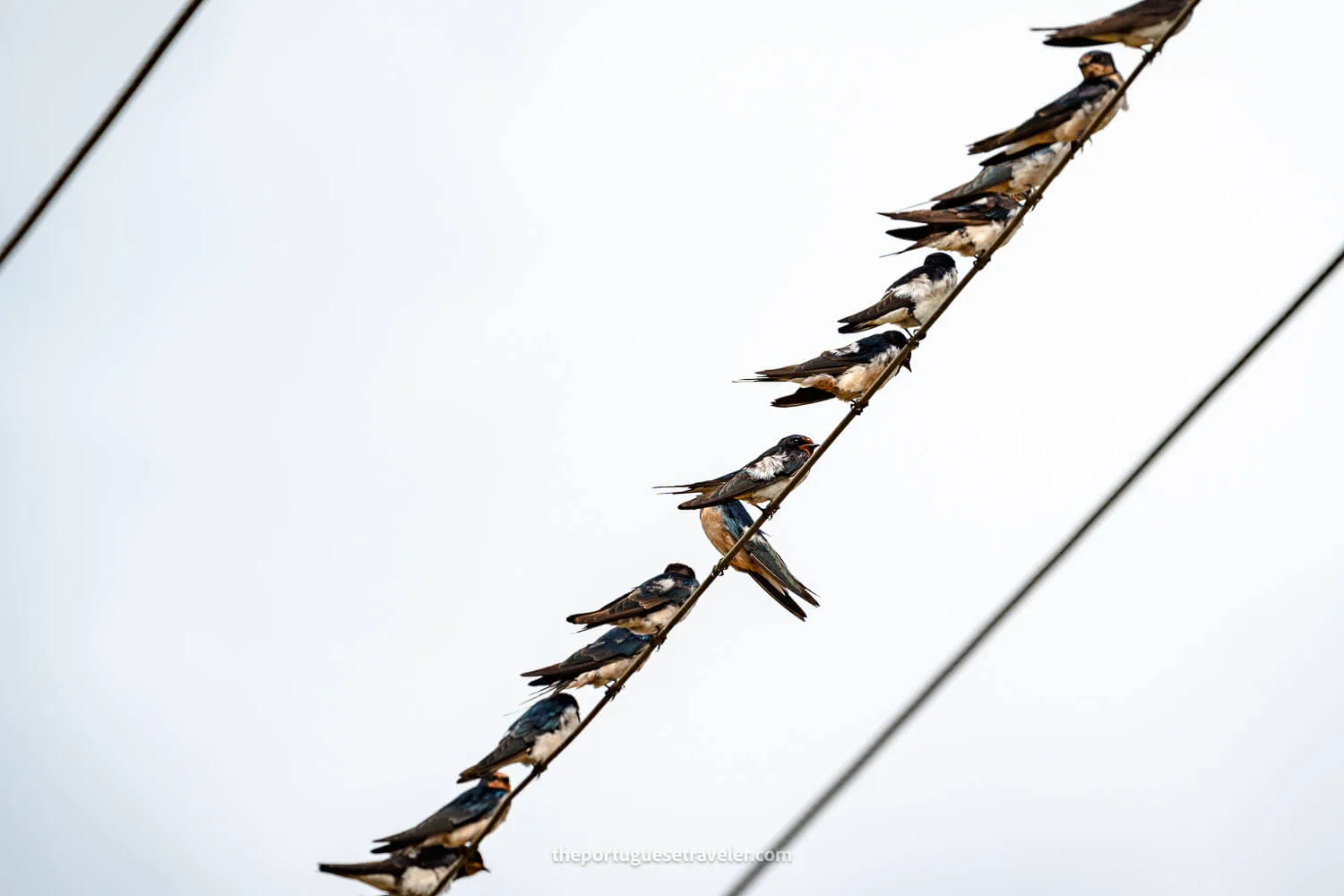
Barn Swallows
Things to Do Near Yala National Park
The area surrounding Yala offers additional attractions, from cultural sites to outdoor activities.
Visit Kirinda Beach – A quiet coastal escape near Yala
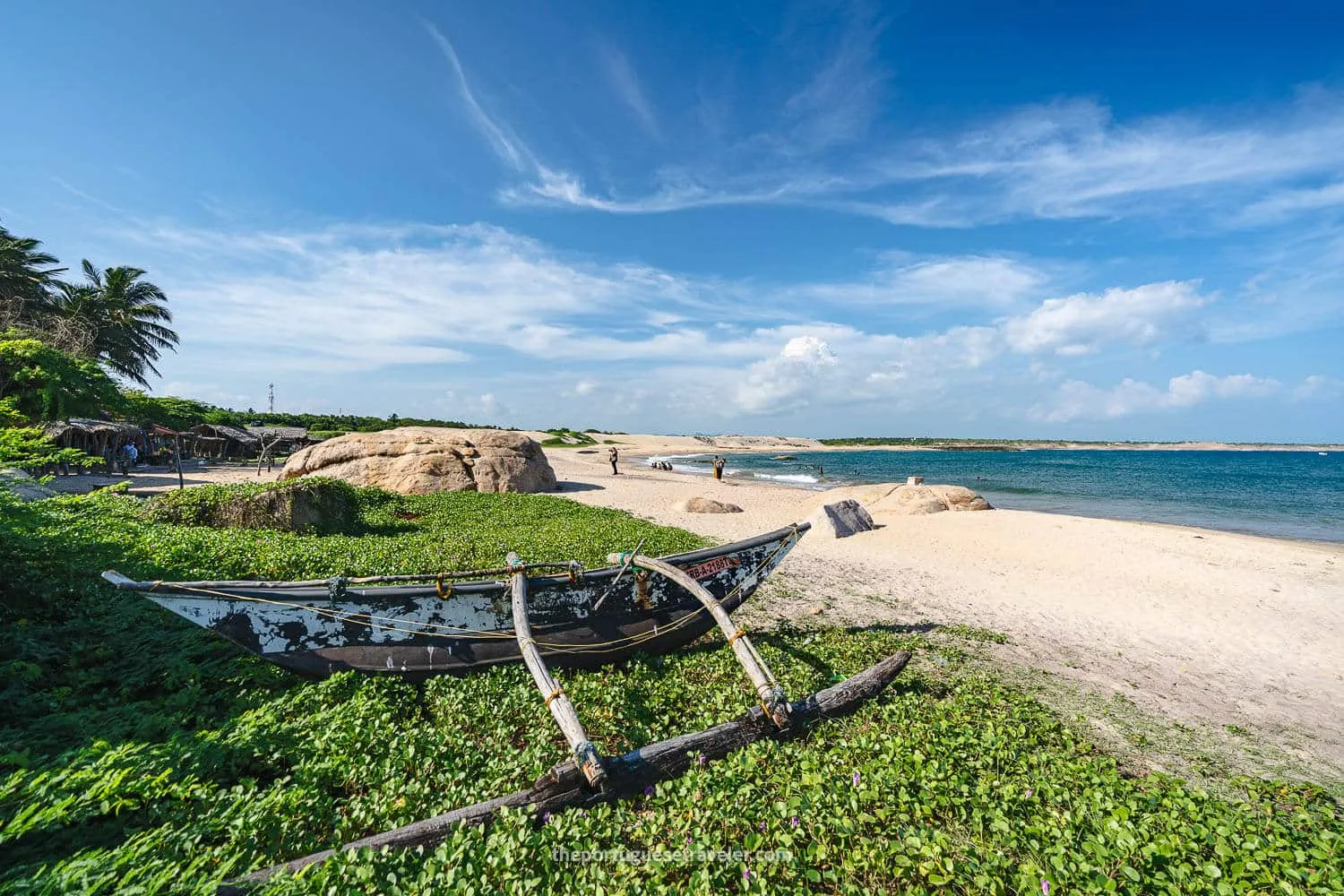
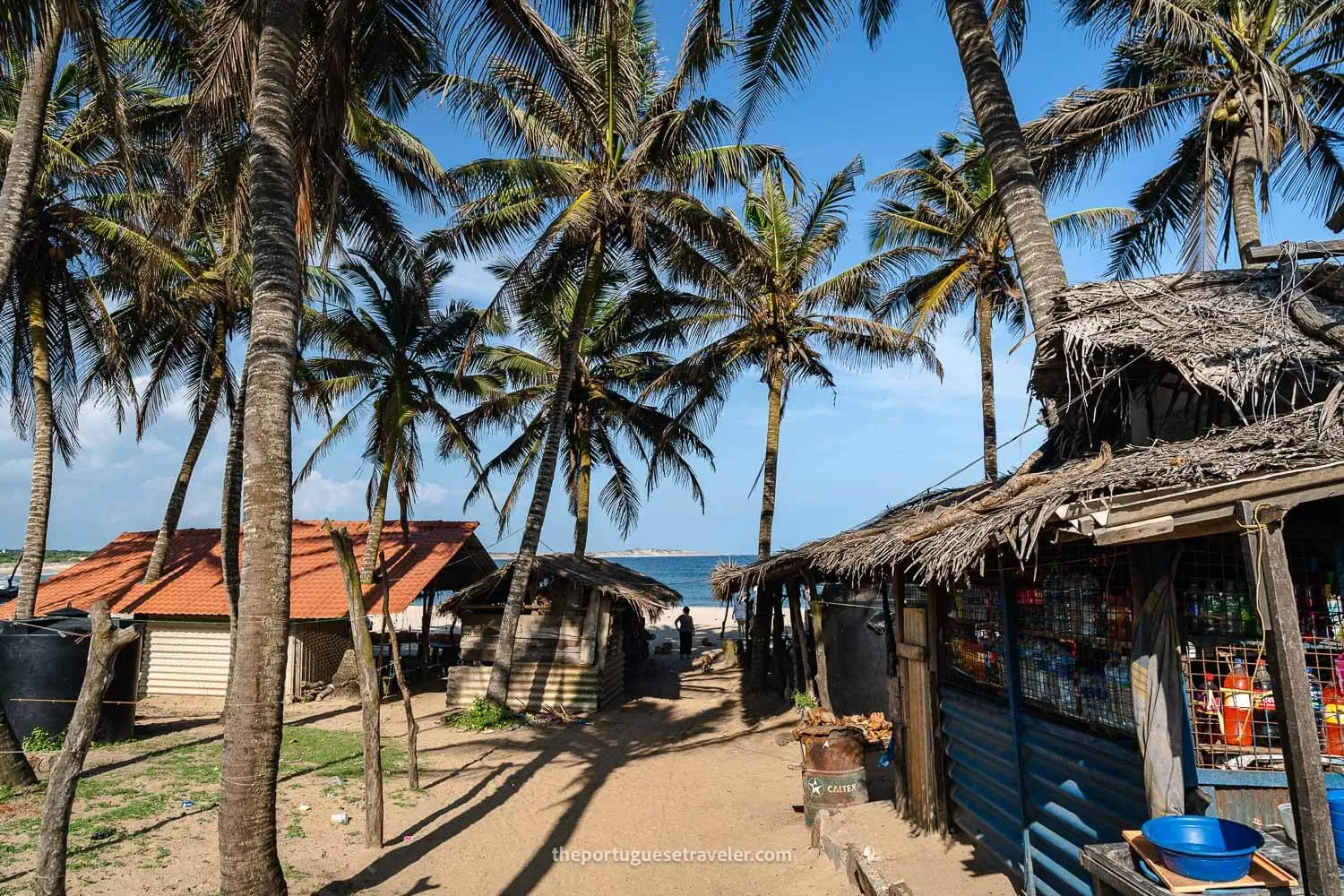
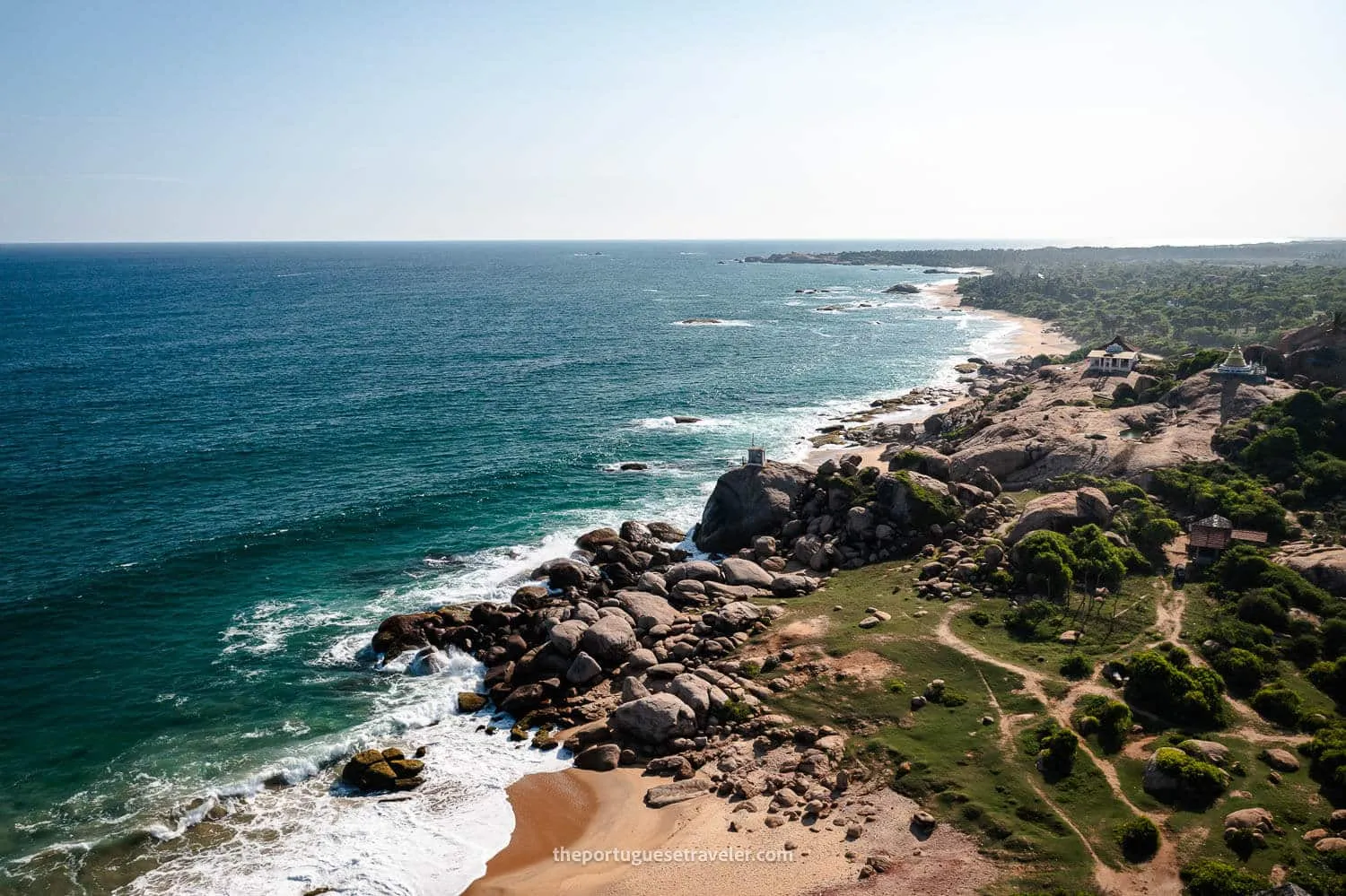
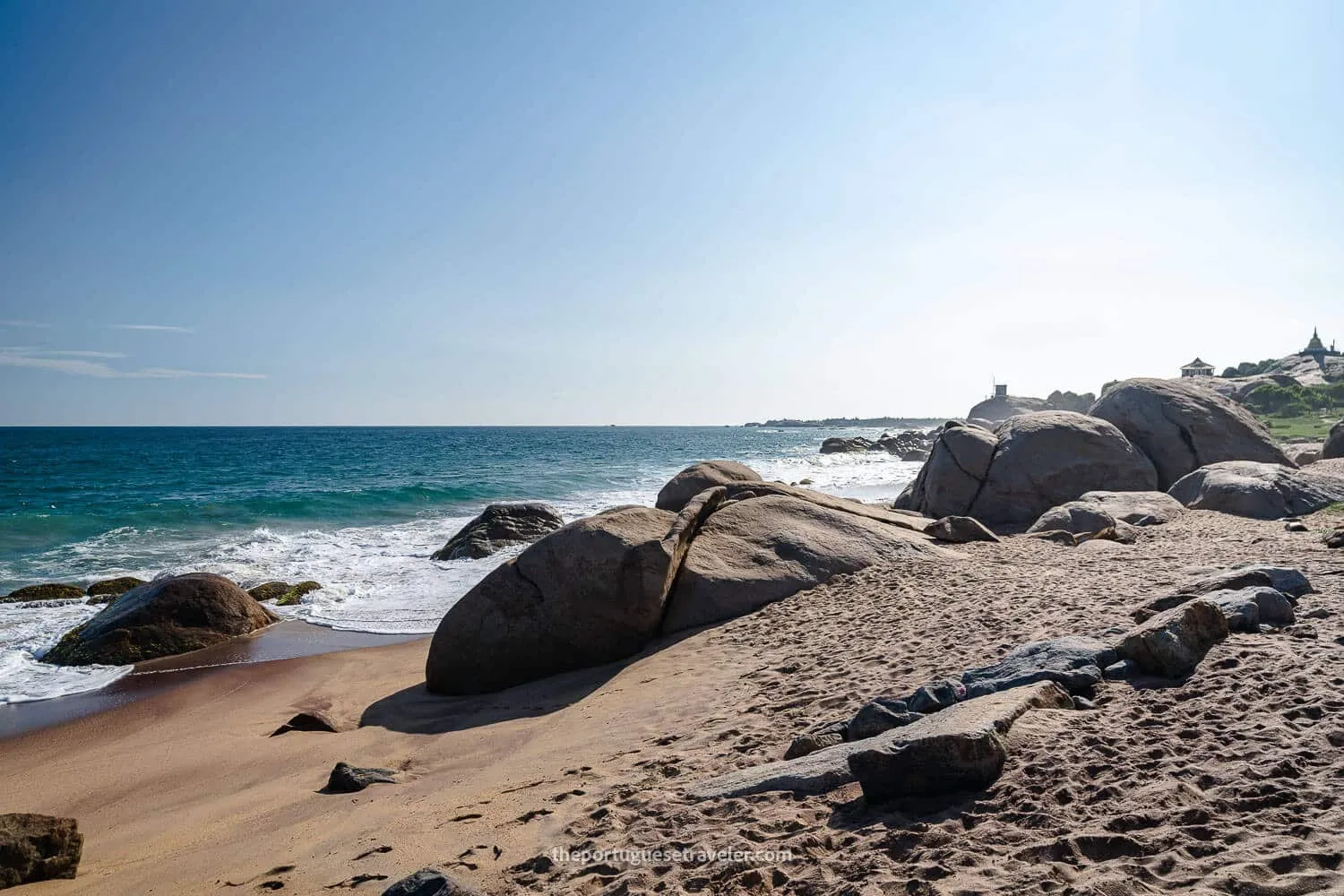
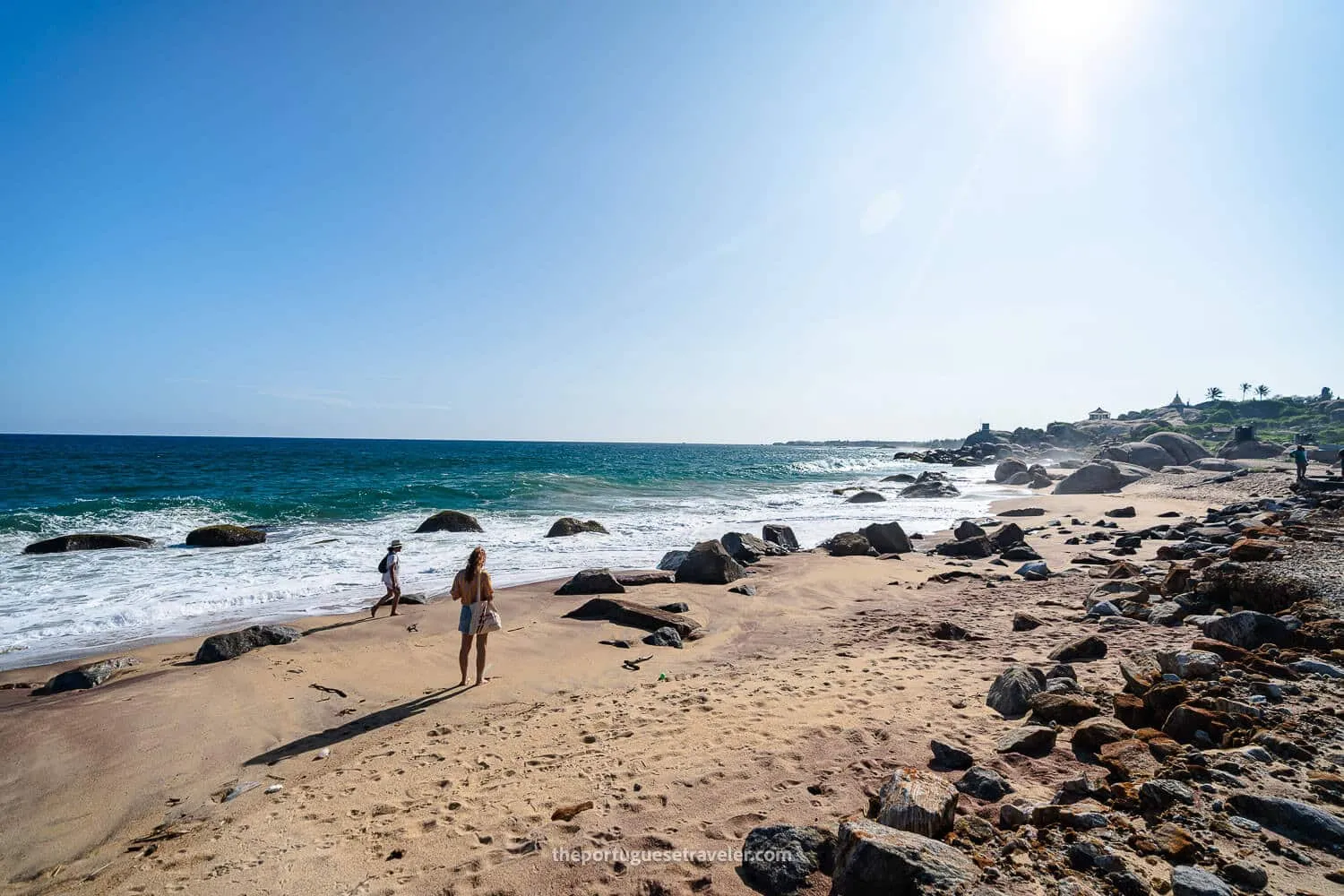
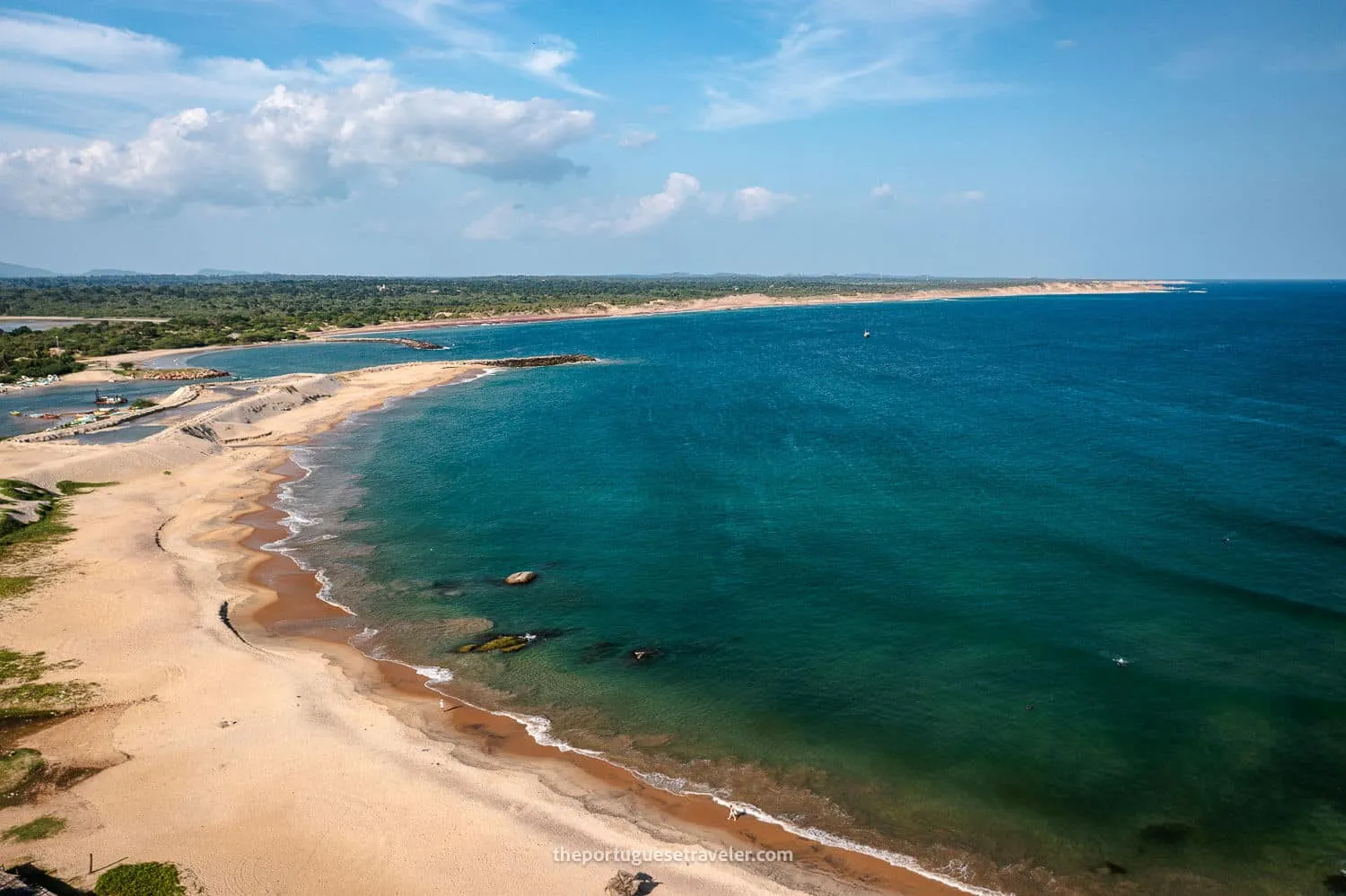
Kirinda Beach, located near Yala, is a peaceful coastal spot with golden sands and scenic ocean views. The beach is perfect for relaxation and photography, offering a tranquil atmosphere away from the crowds. 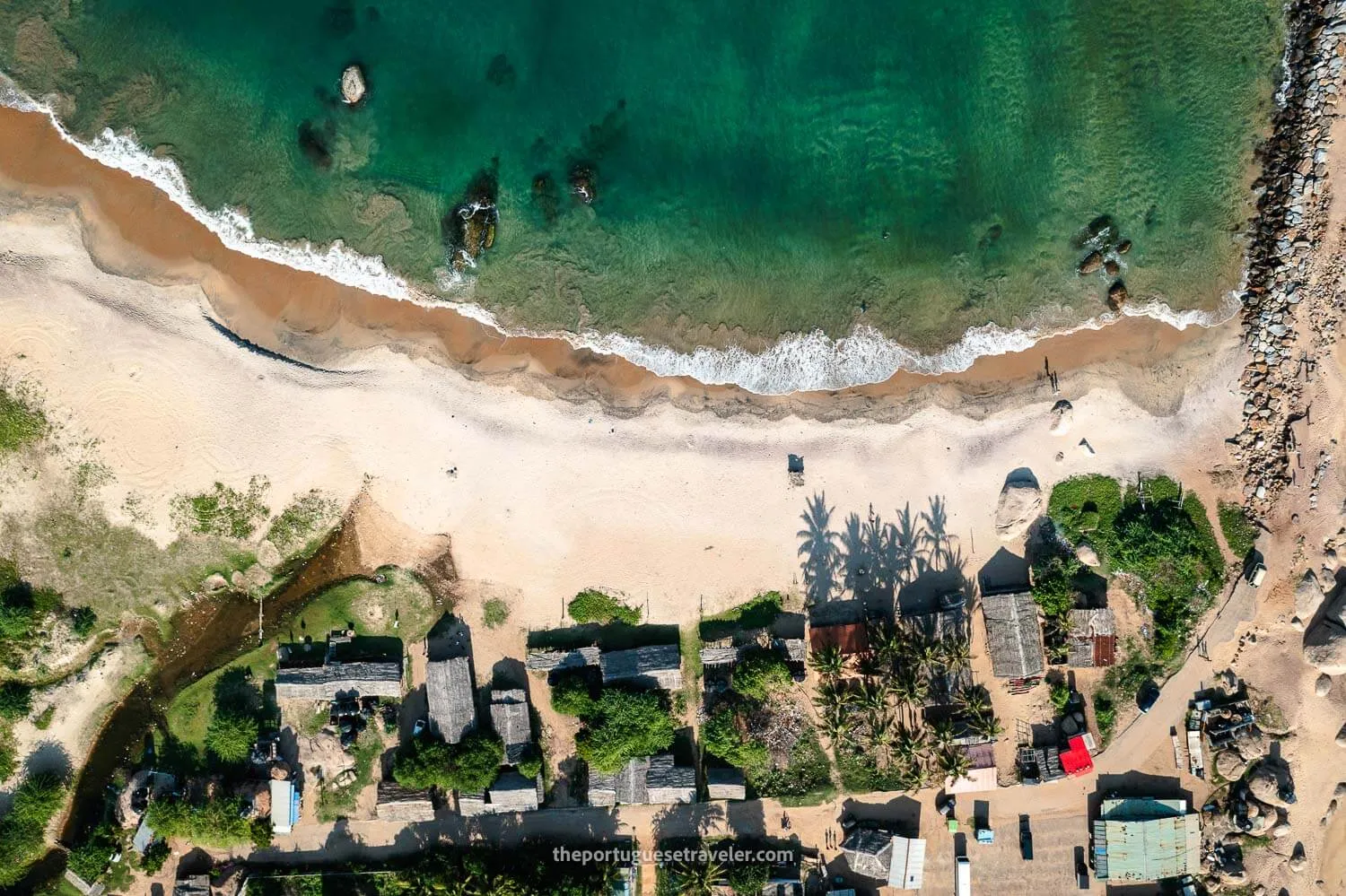
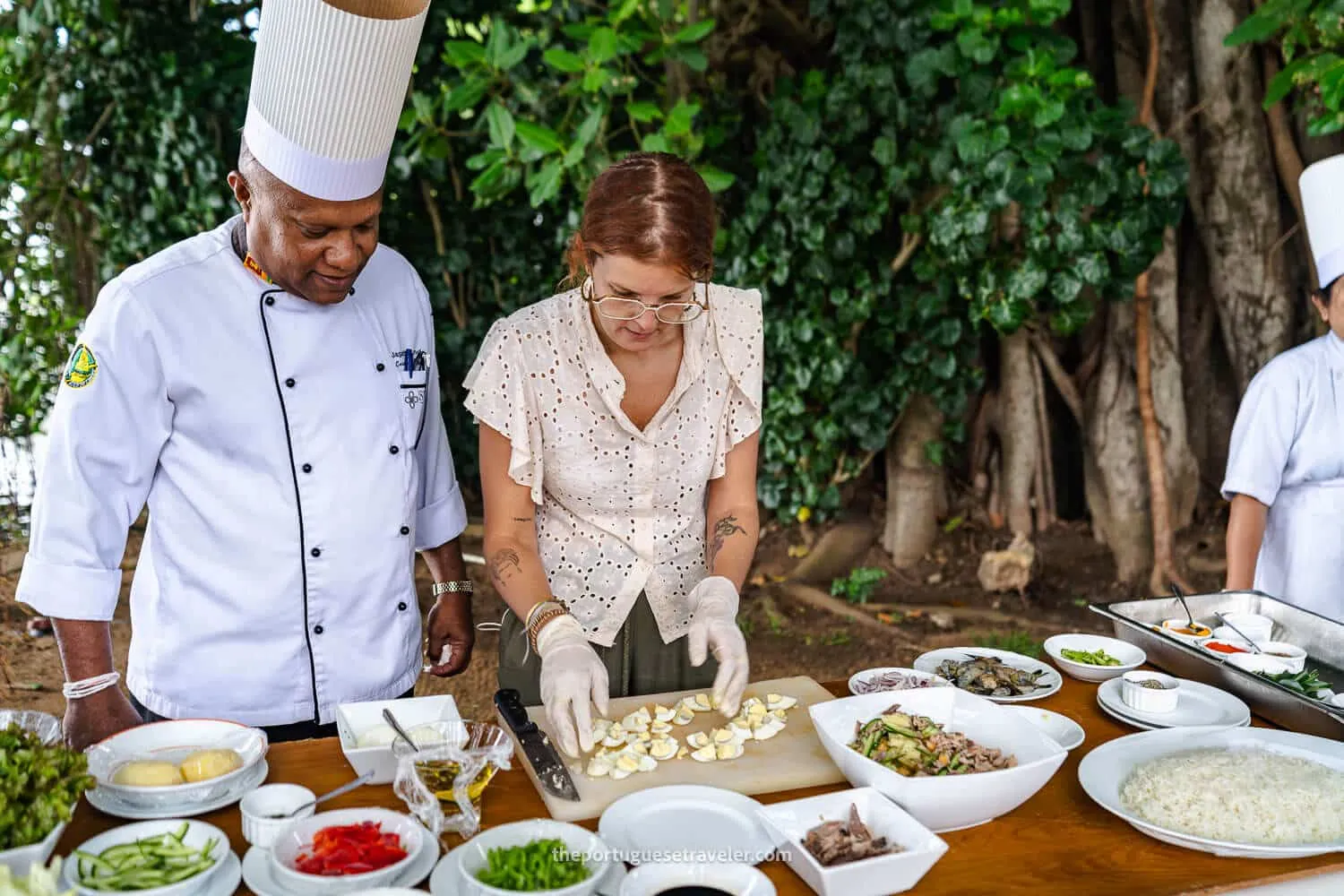
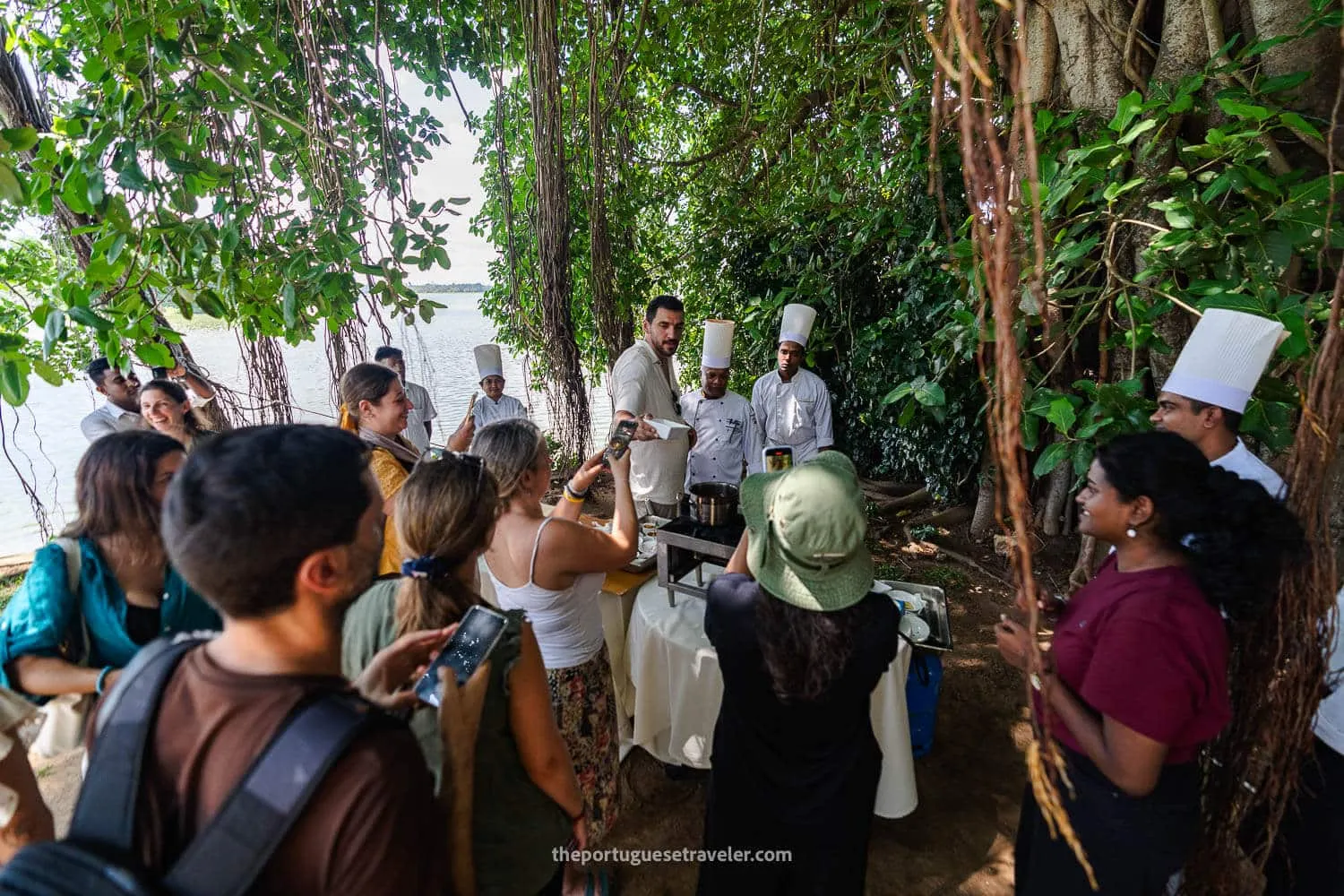
Take a traditional Sri Lankan cooking class
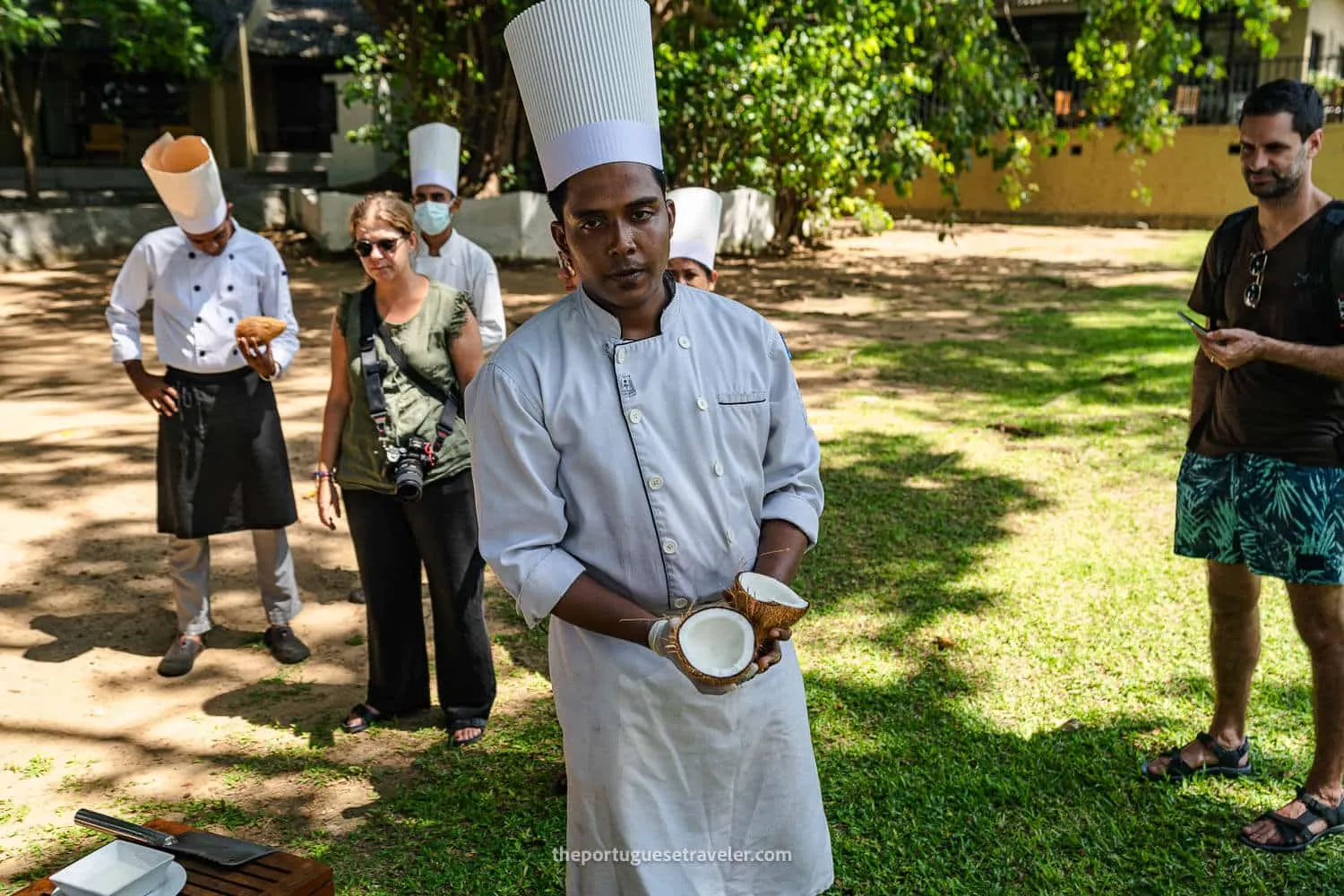
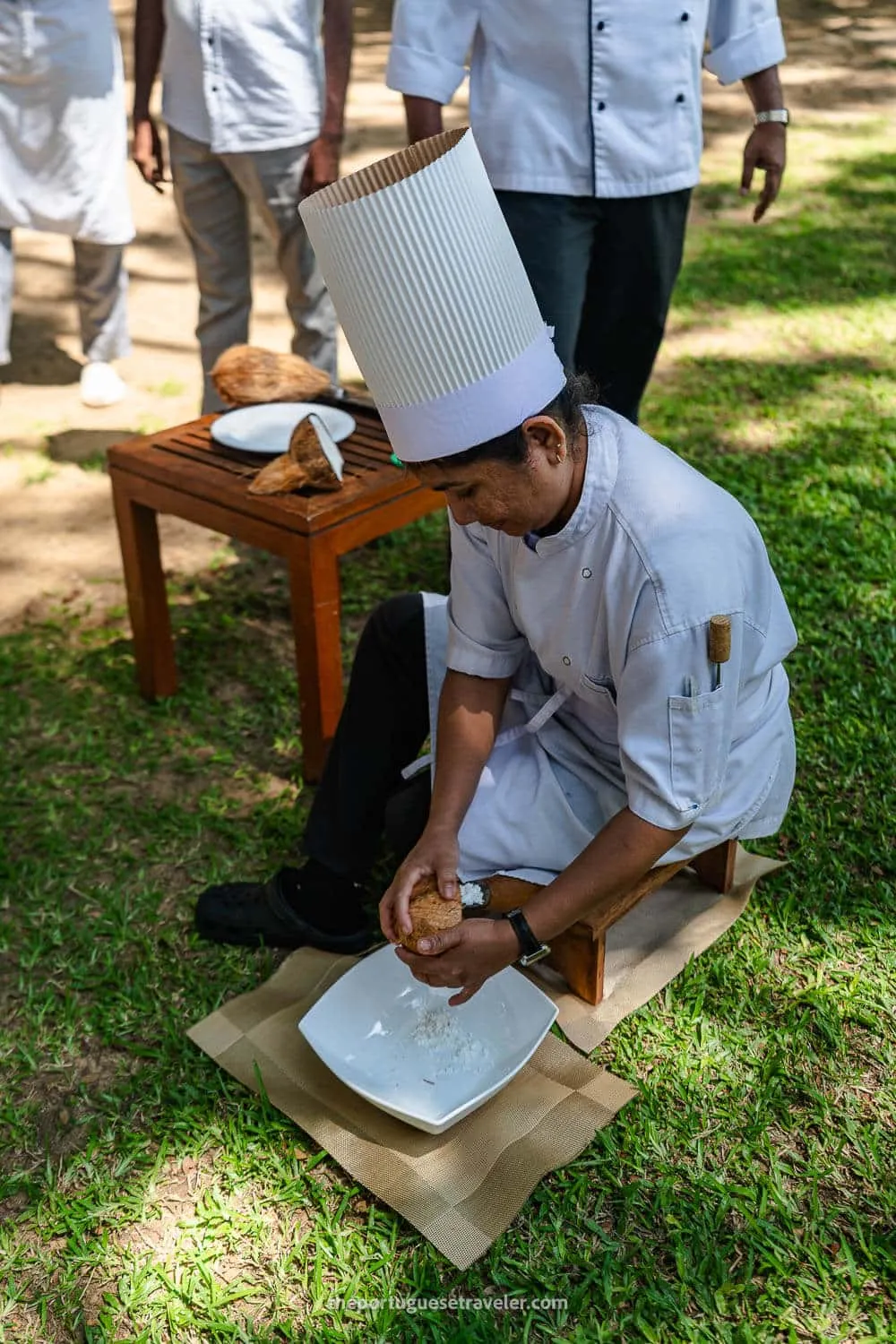
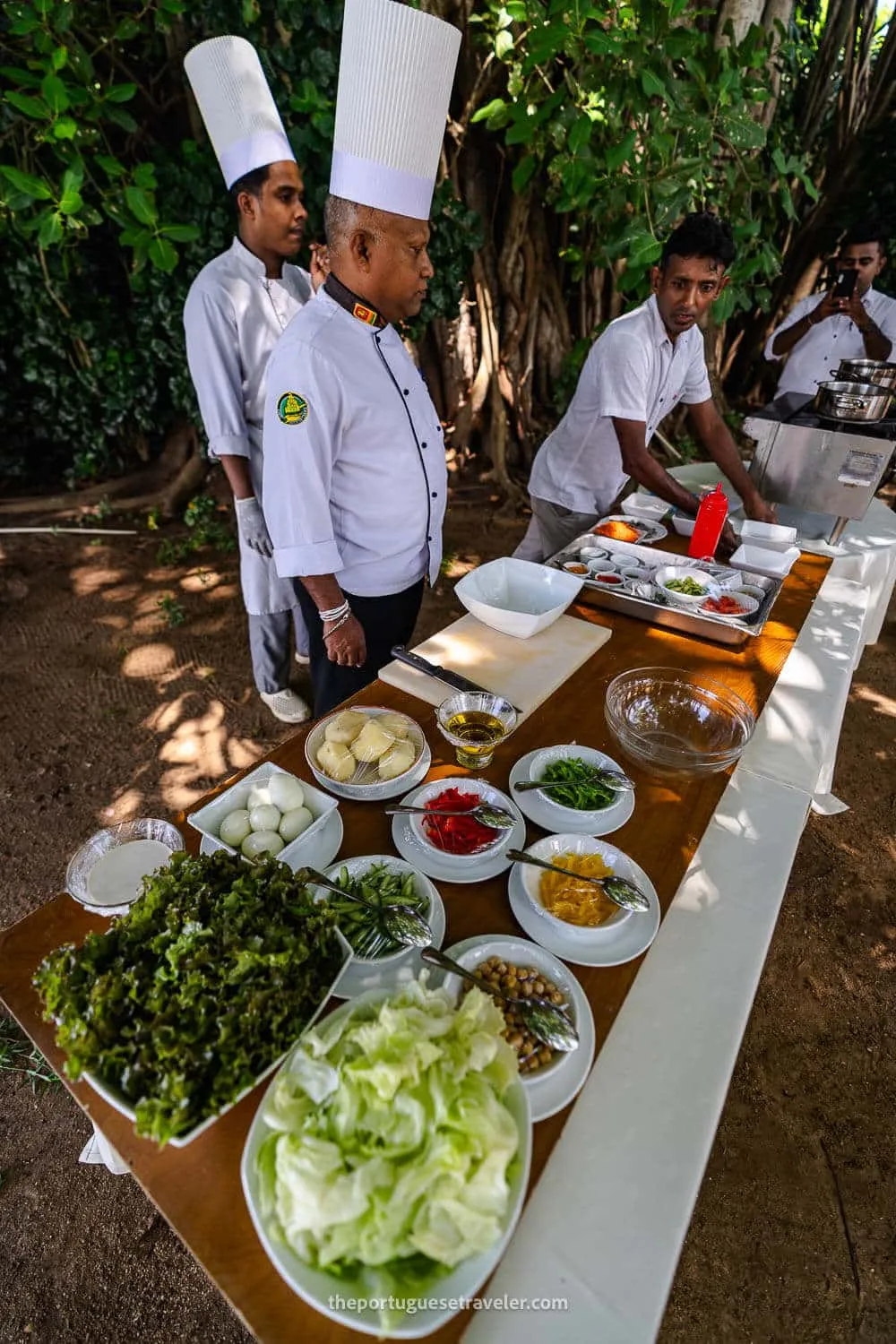
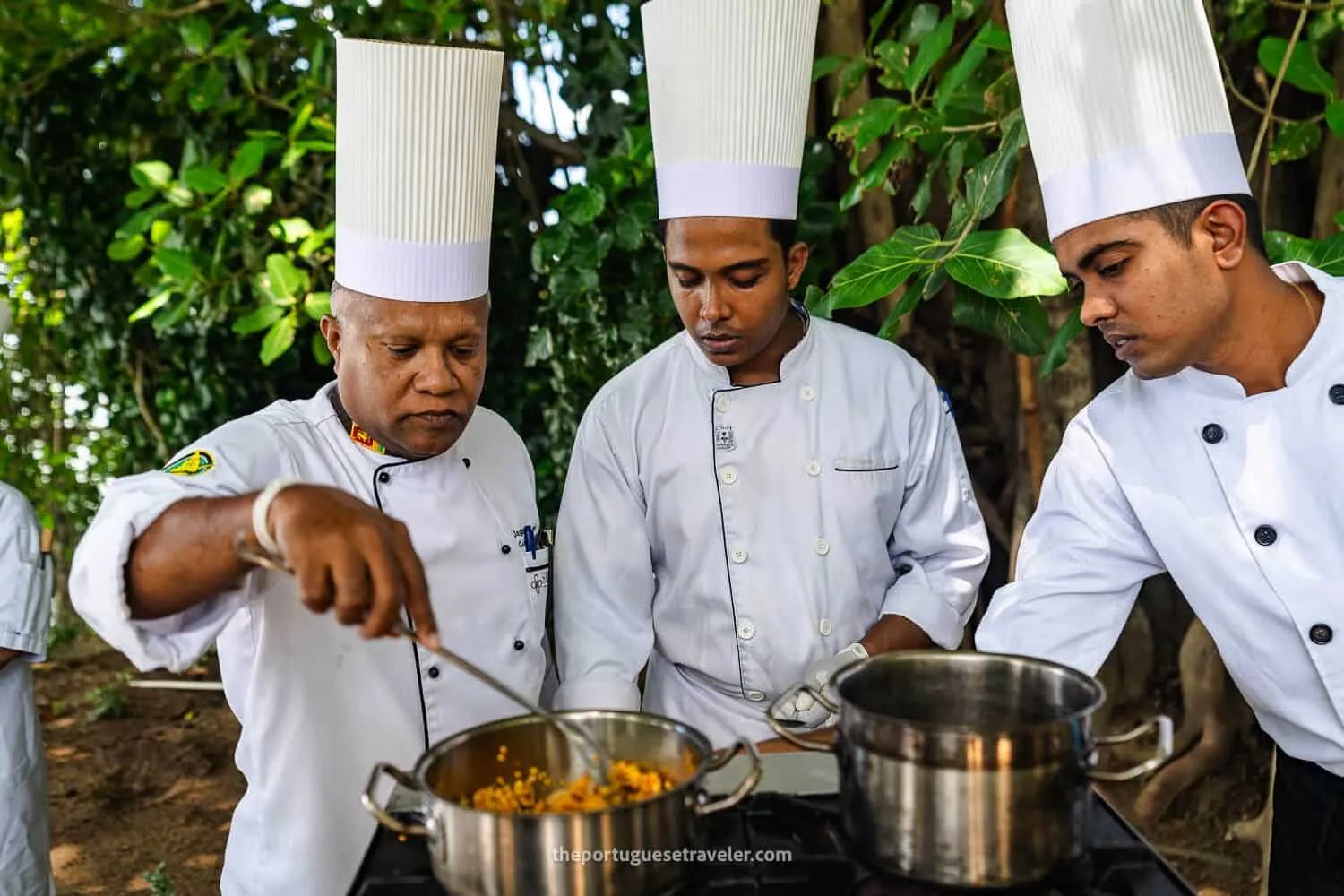
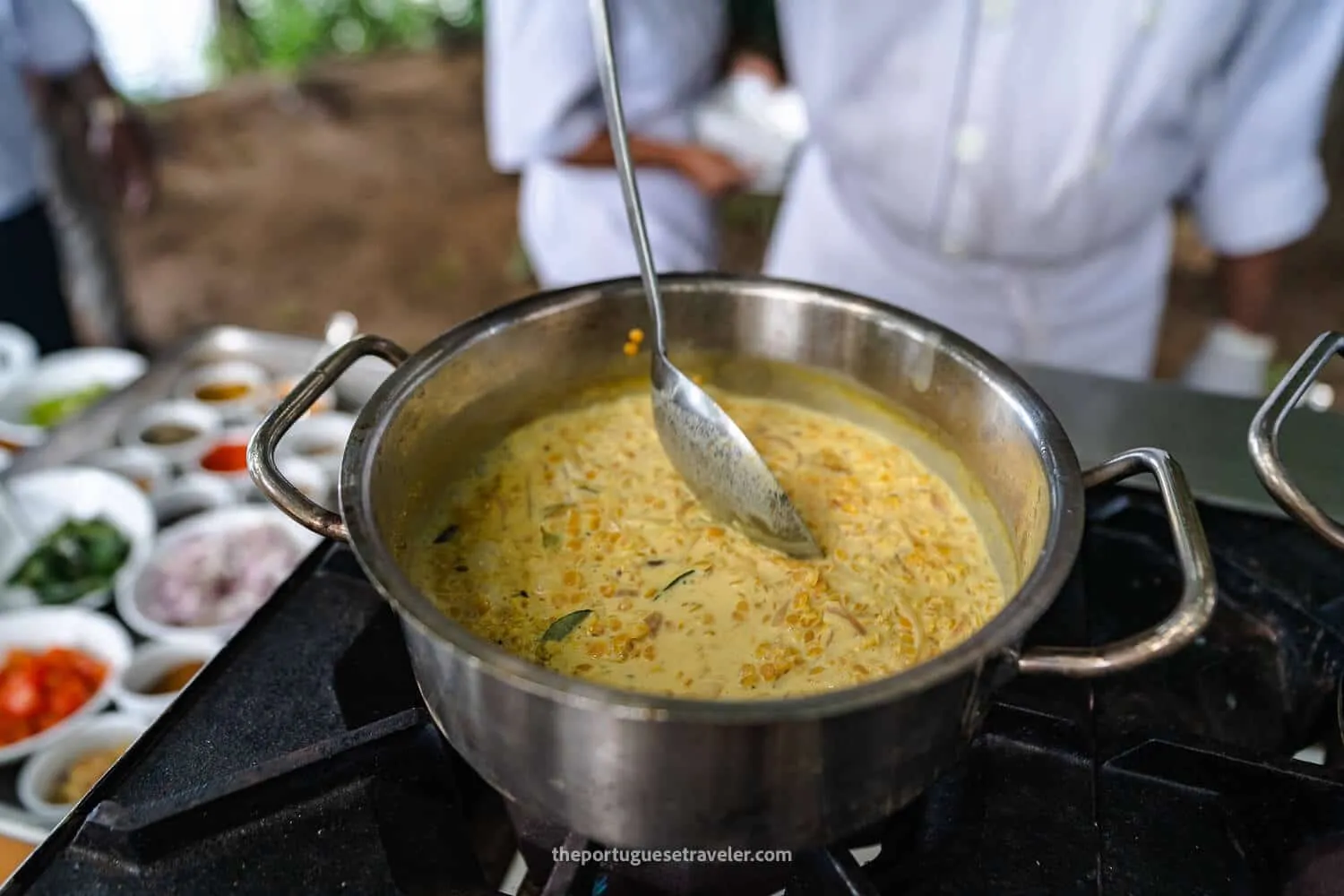
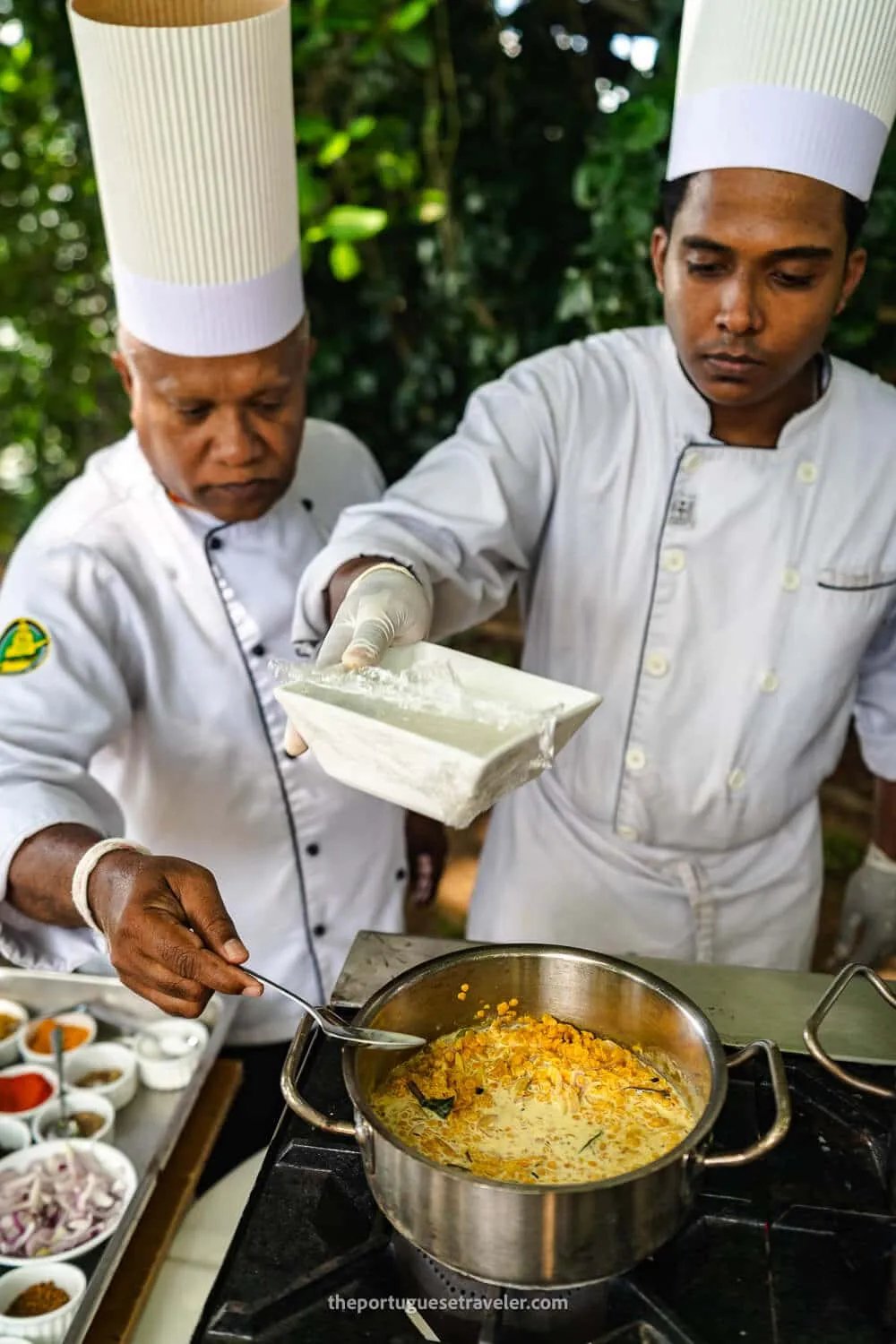
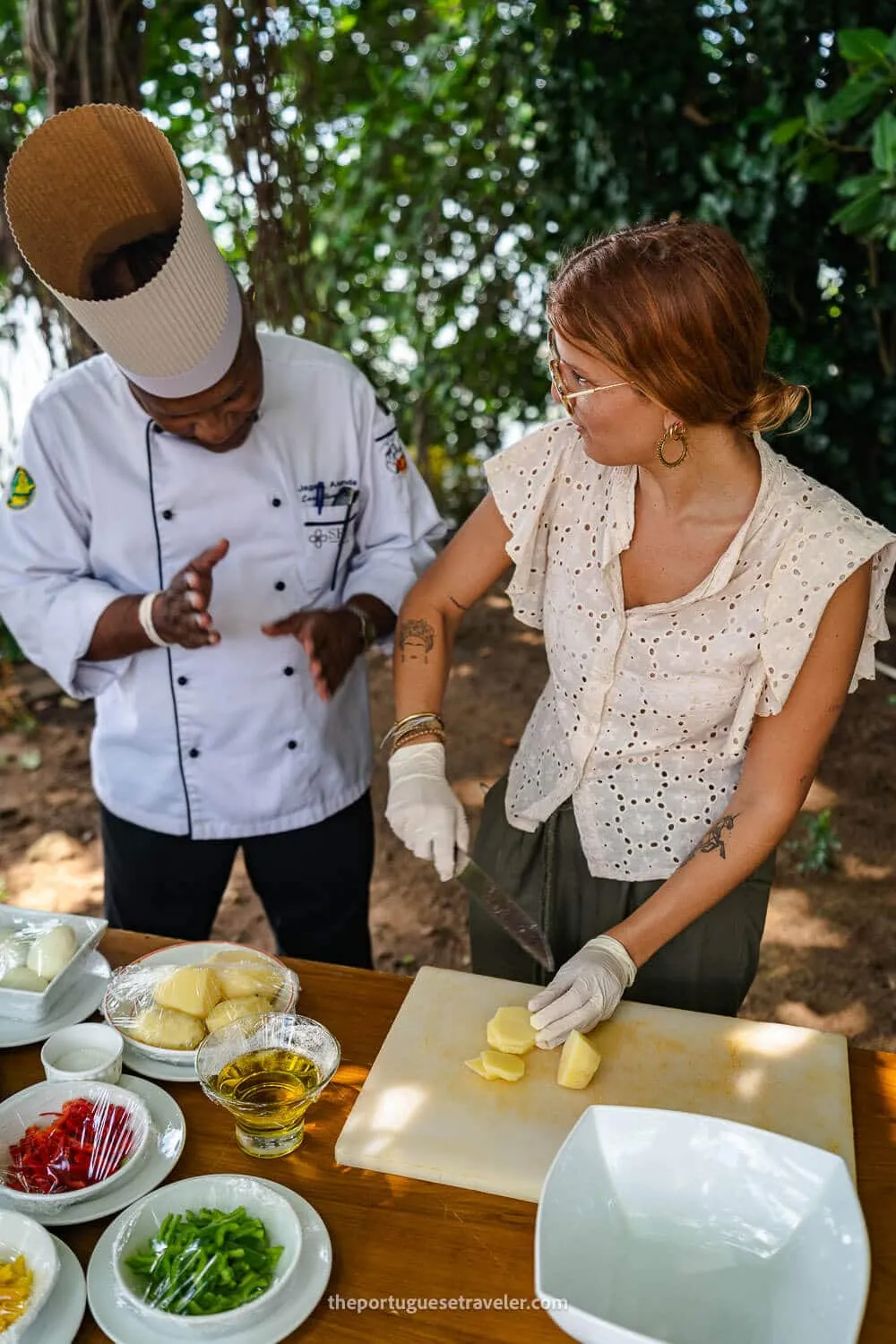
Immerse yourself in Sri Lankan culture by joining a cooking class, where you can learn to prepare traditional dishes using fresh local ingredients. Many classes are held in family homes, providing an authentic culinary experience. 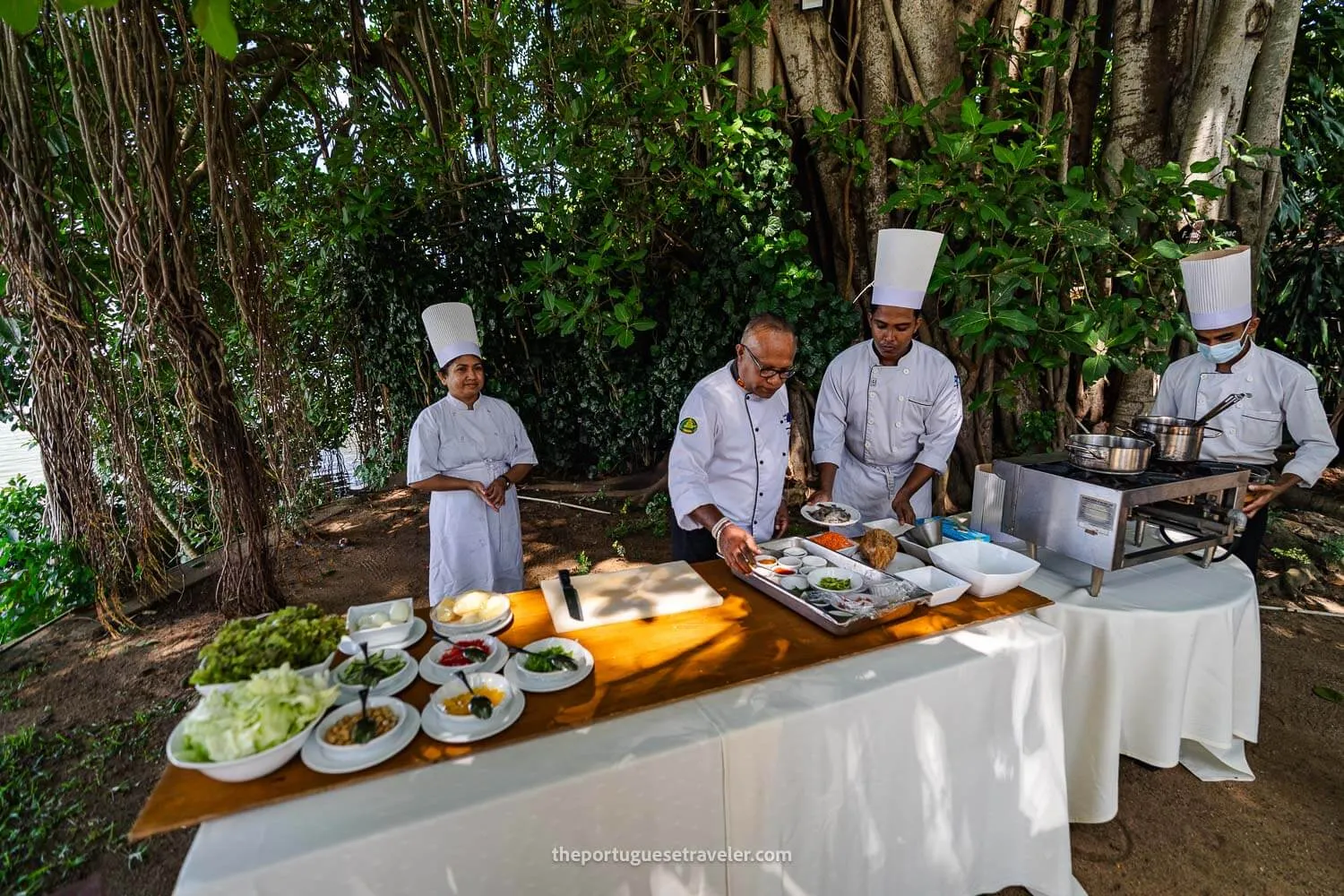
Explore the temple of Tissamaharama
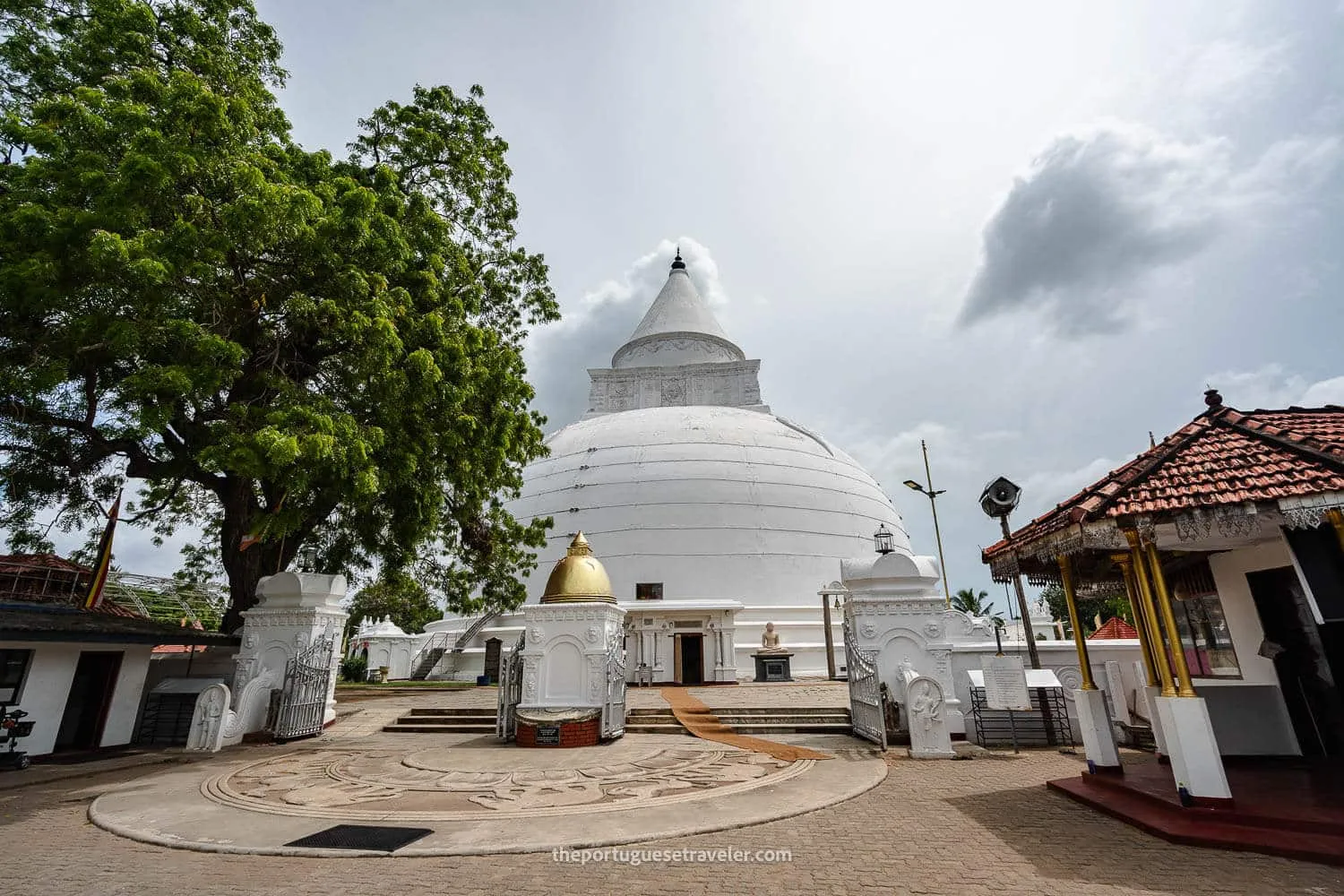
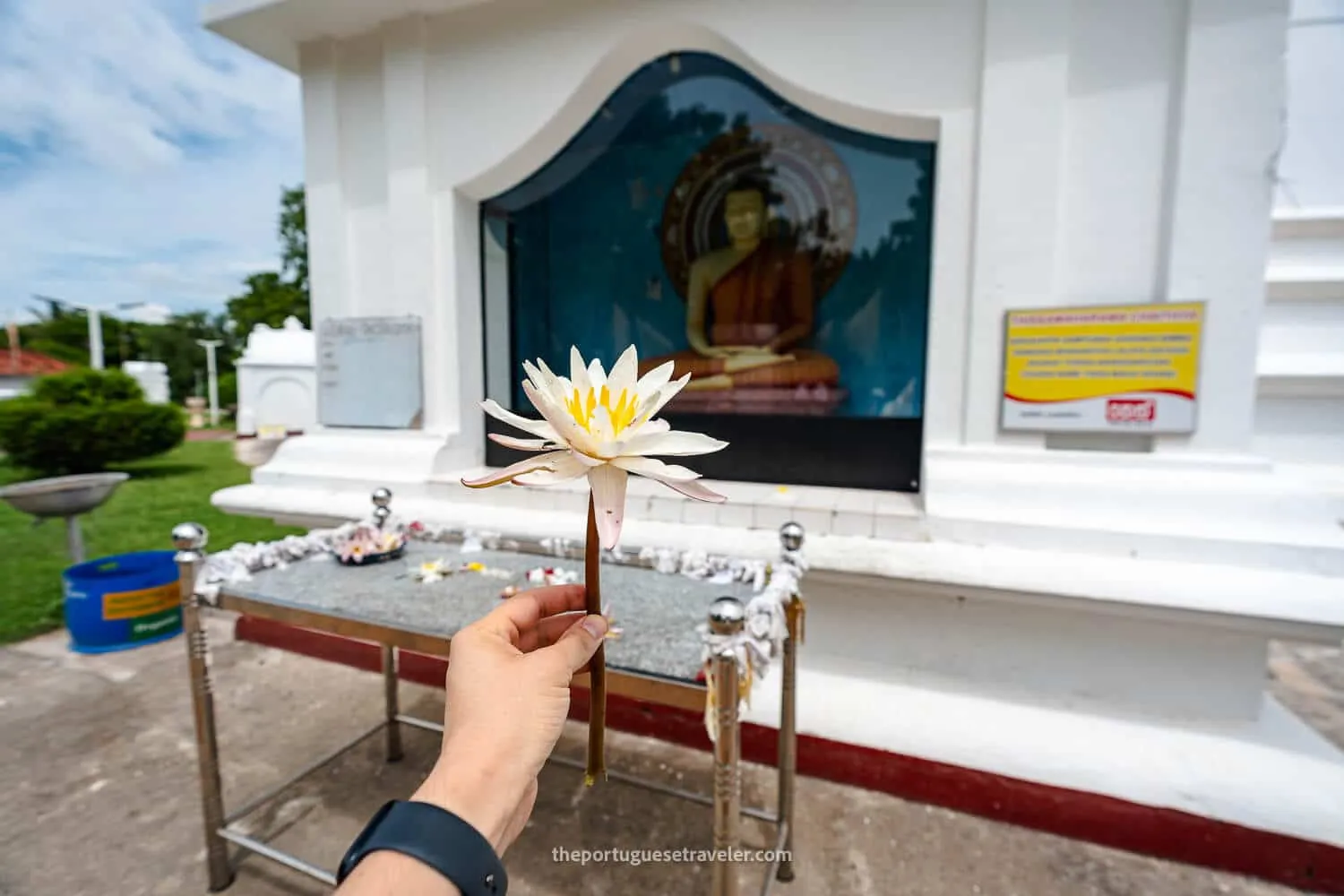
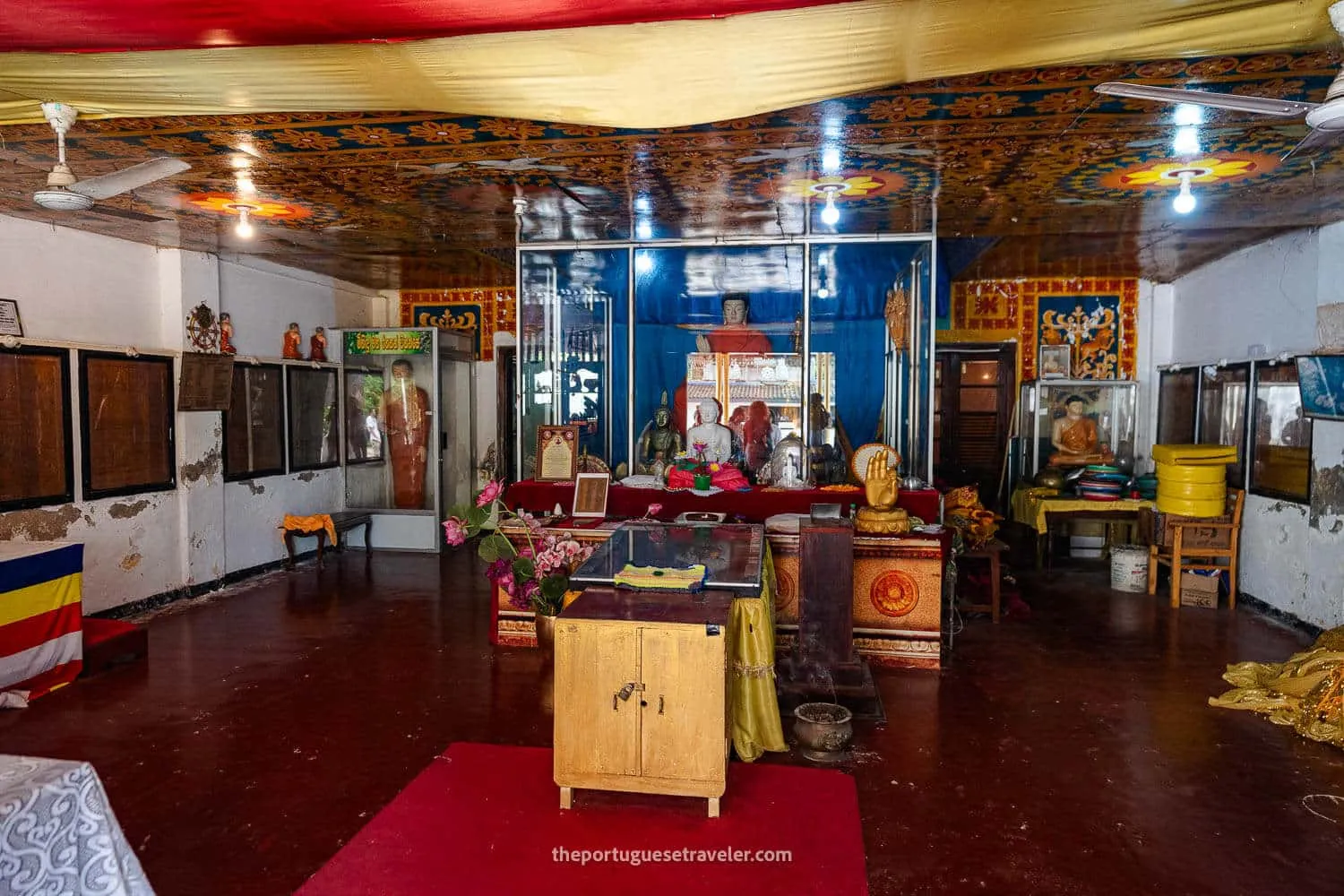
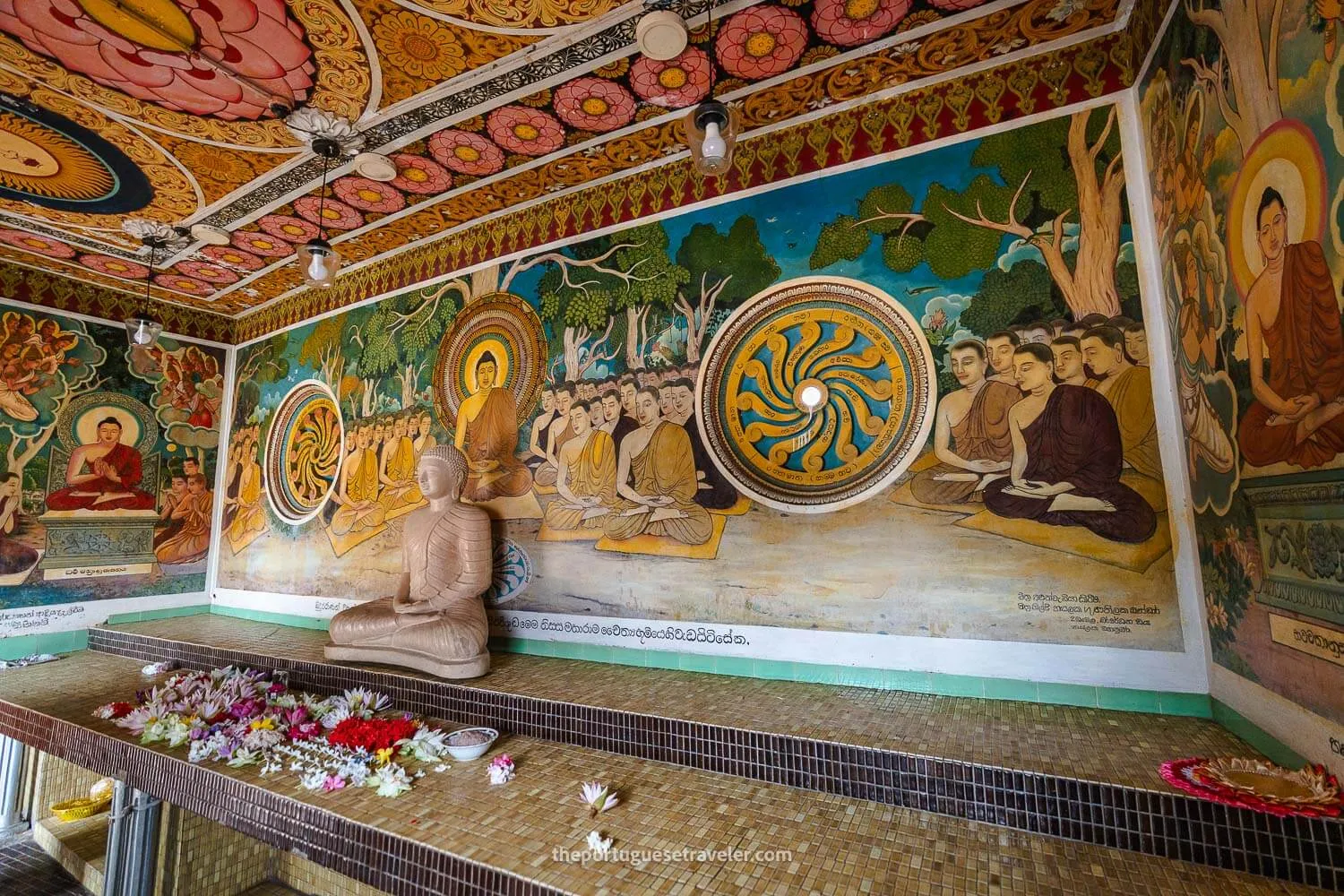
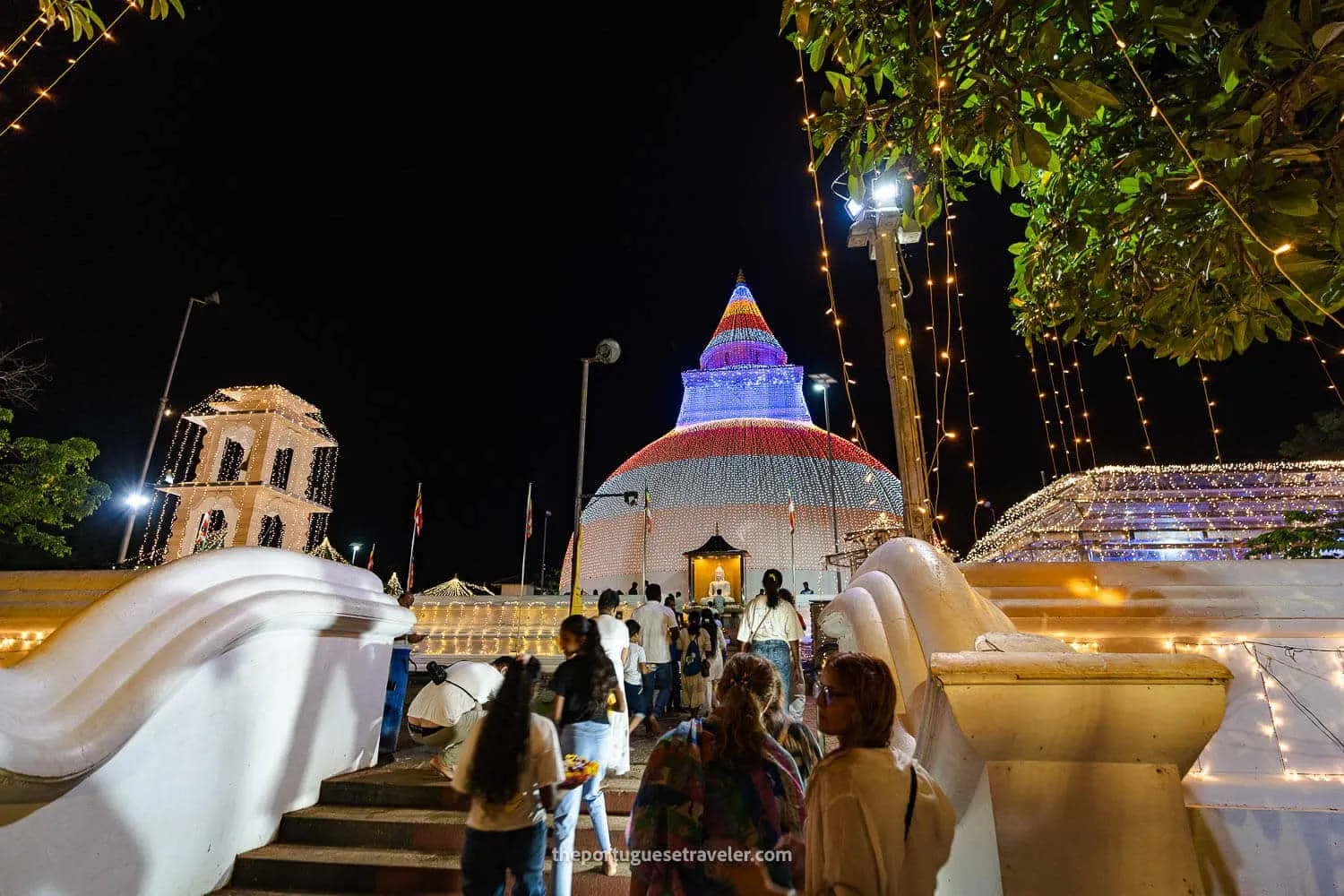
Tissamaharama Raja Maha Vihara, located in nearby Tissamaharama, is an ancient Buddhist temple known for its massive white stupa and historical significance. The temple is surrounded by picturesque landscapes and is a popular pilgrimage site. 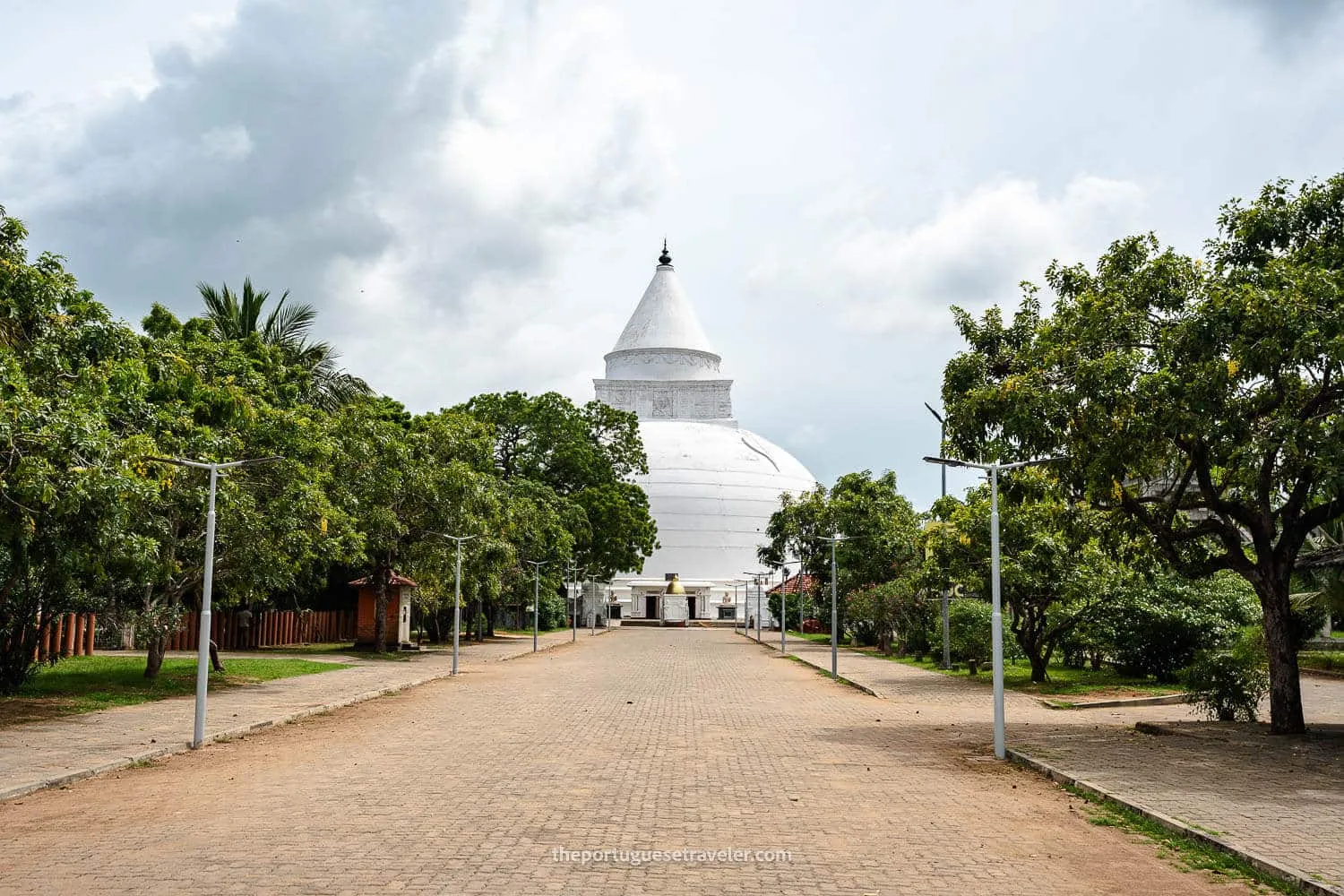
Discover the sacred sites of Kataragama
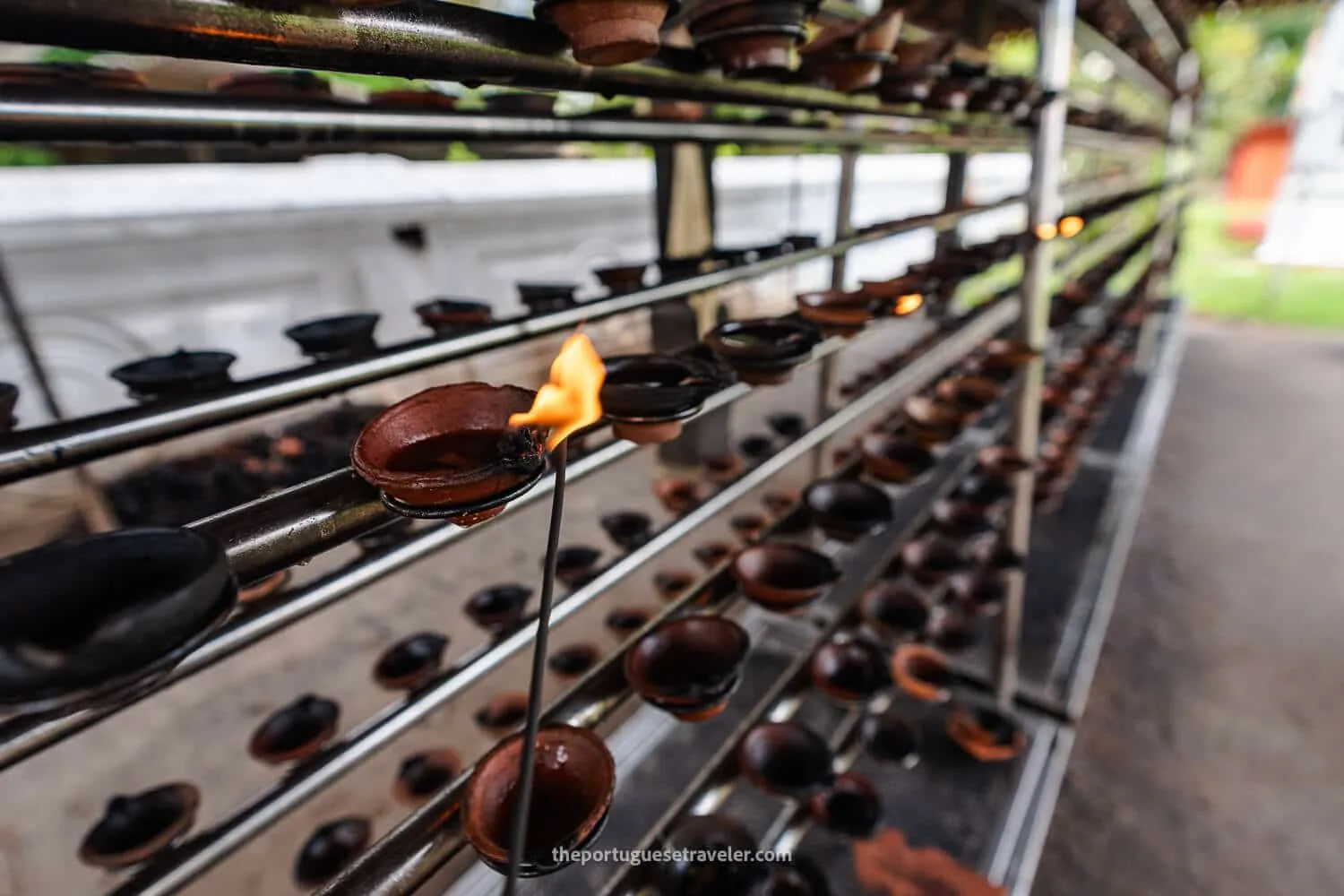
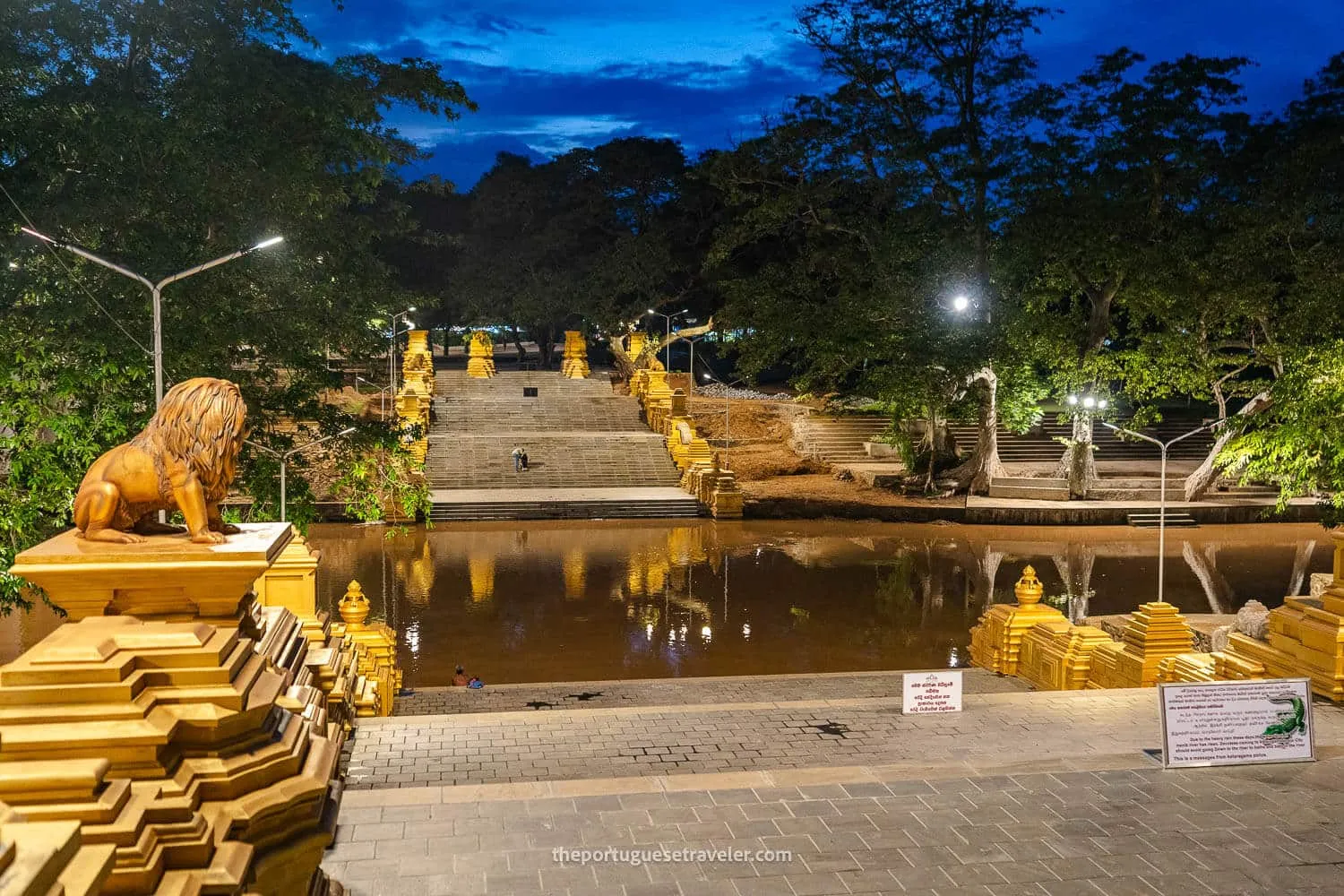
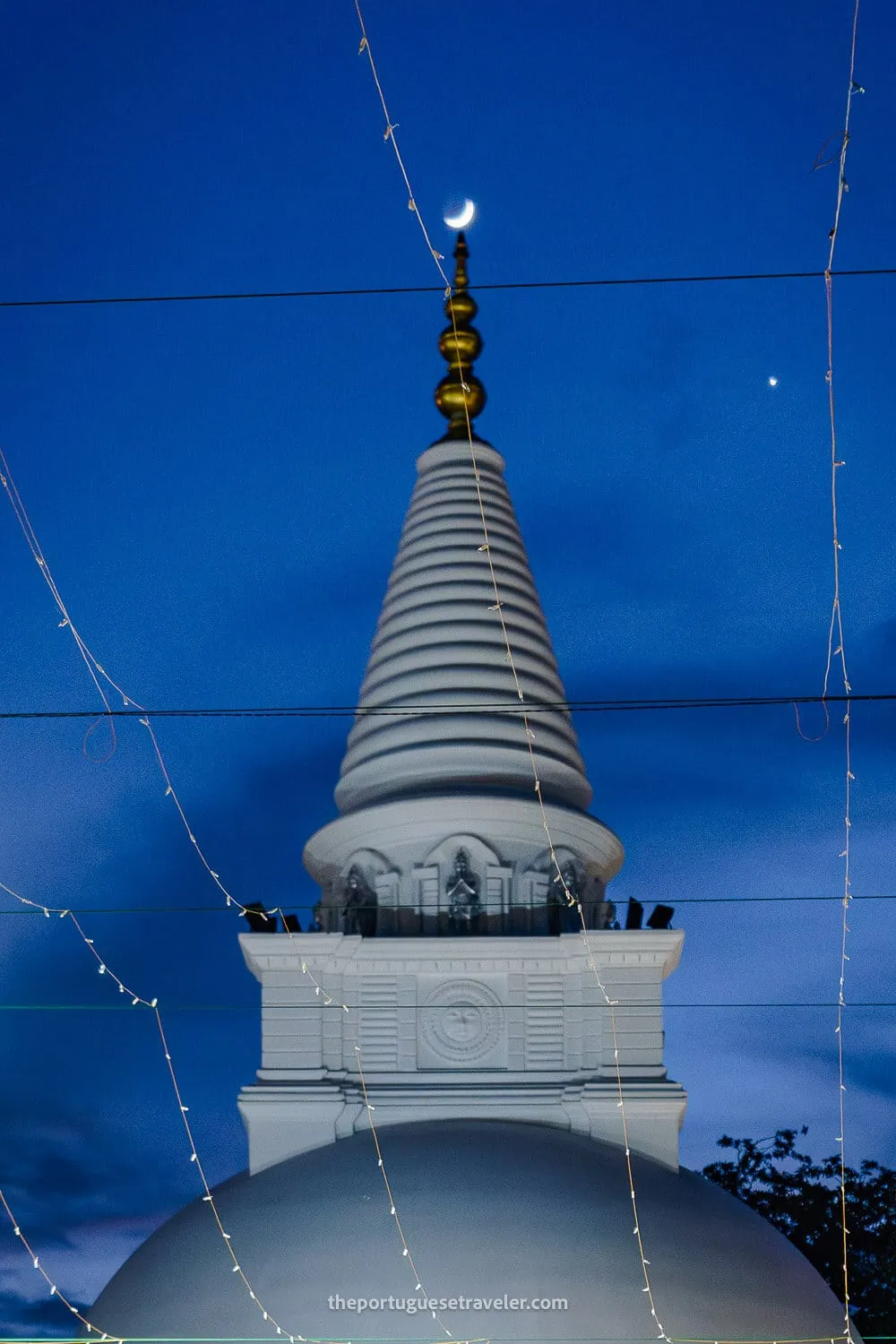
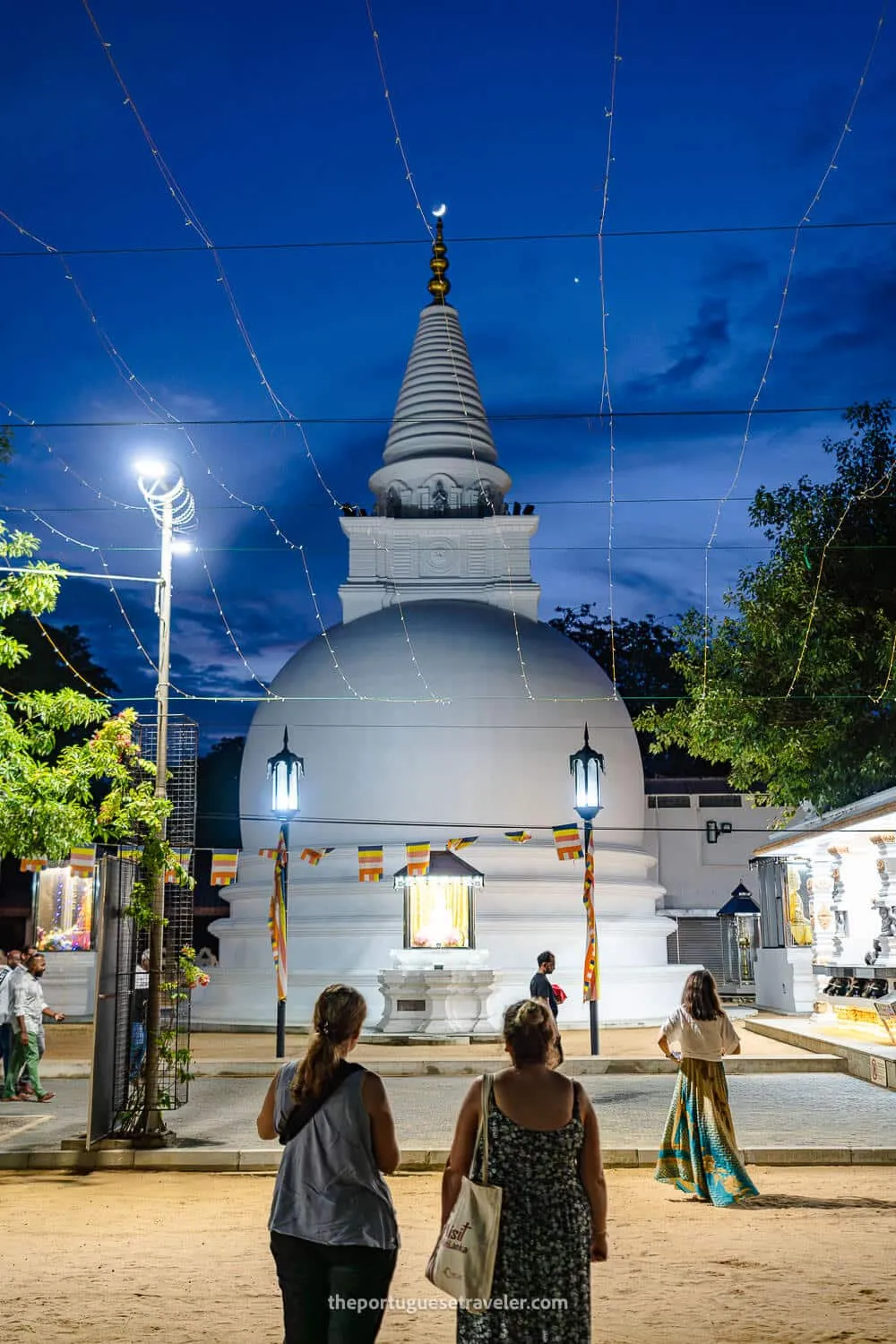
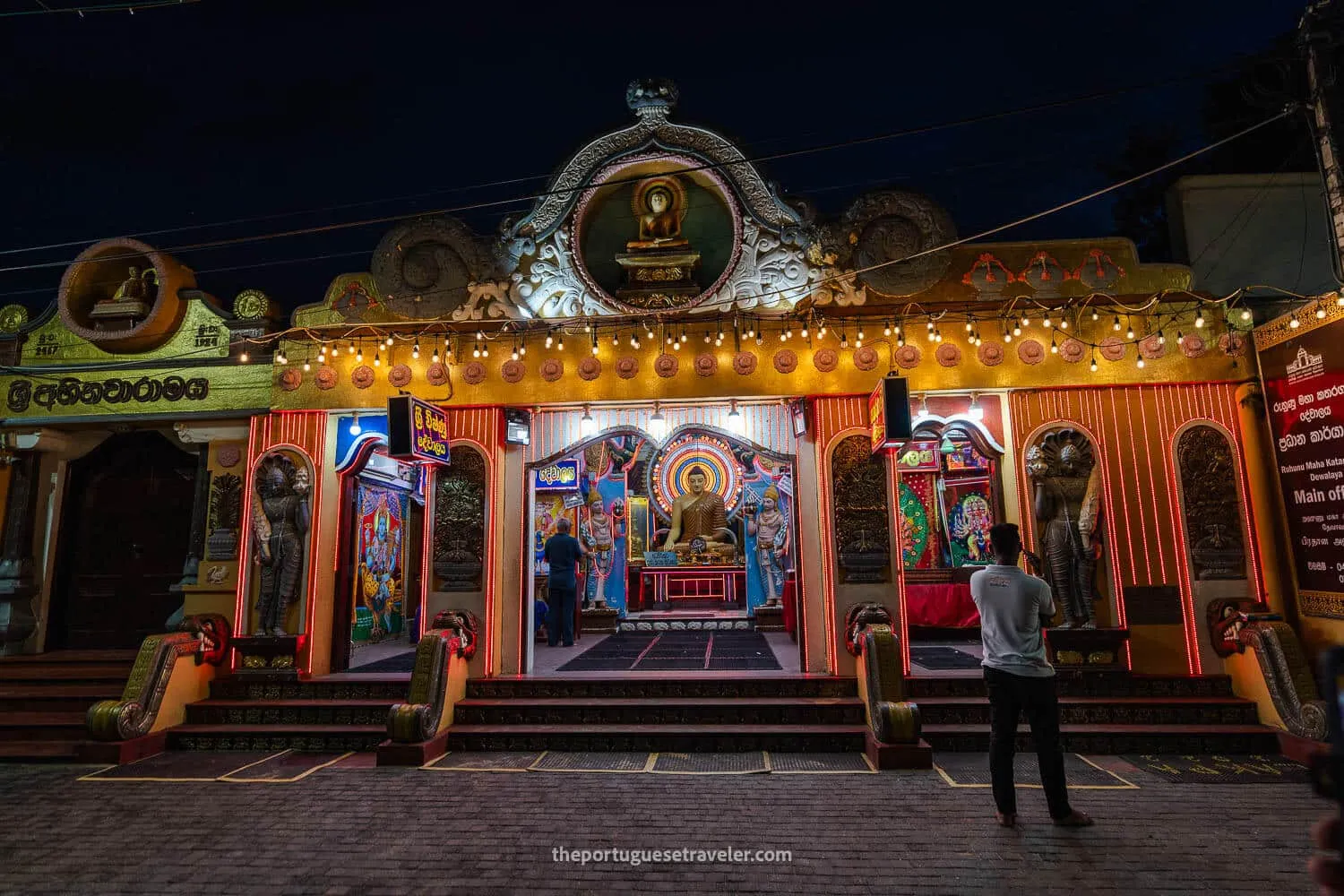
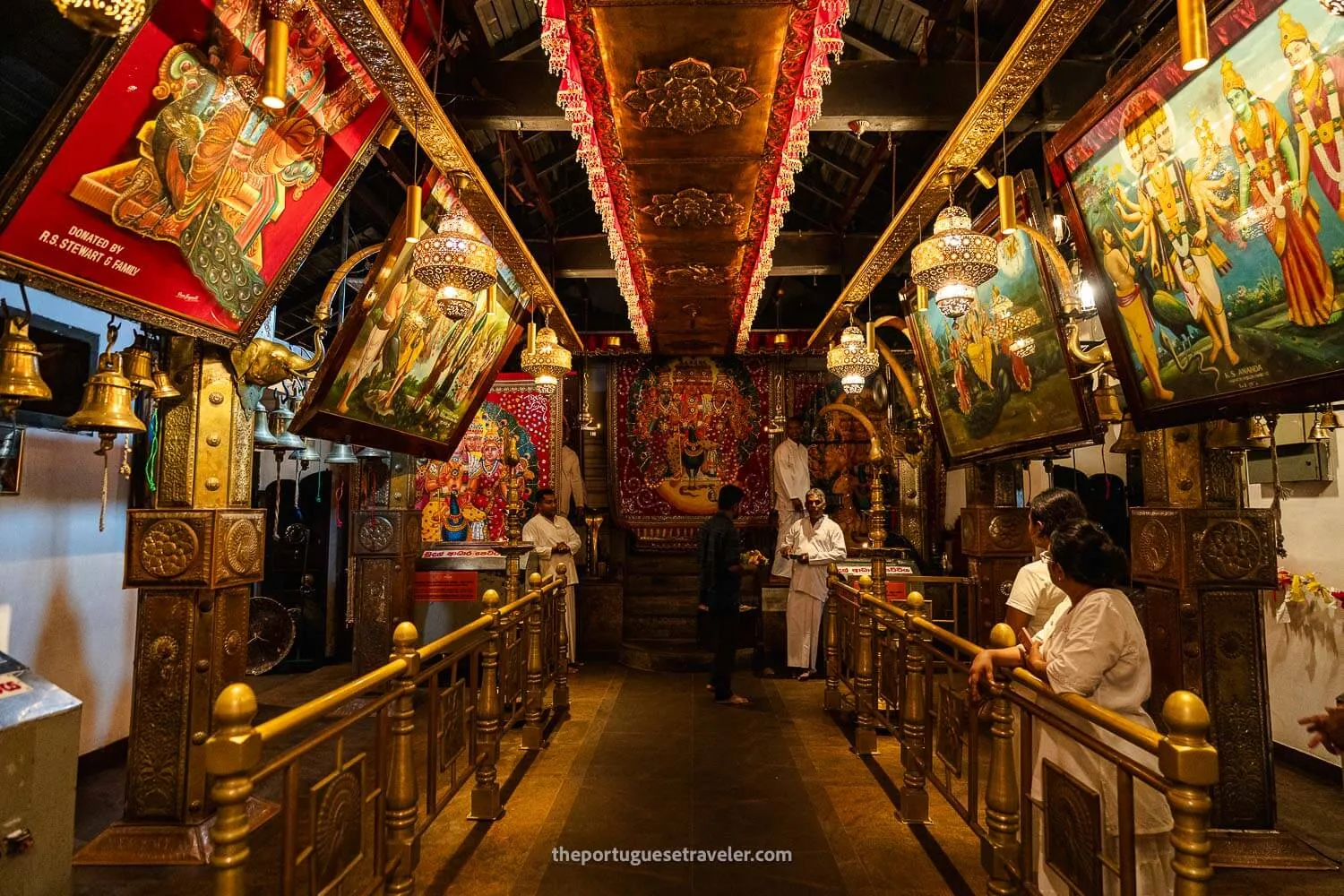
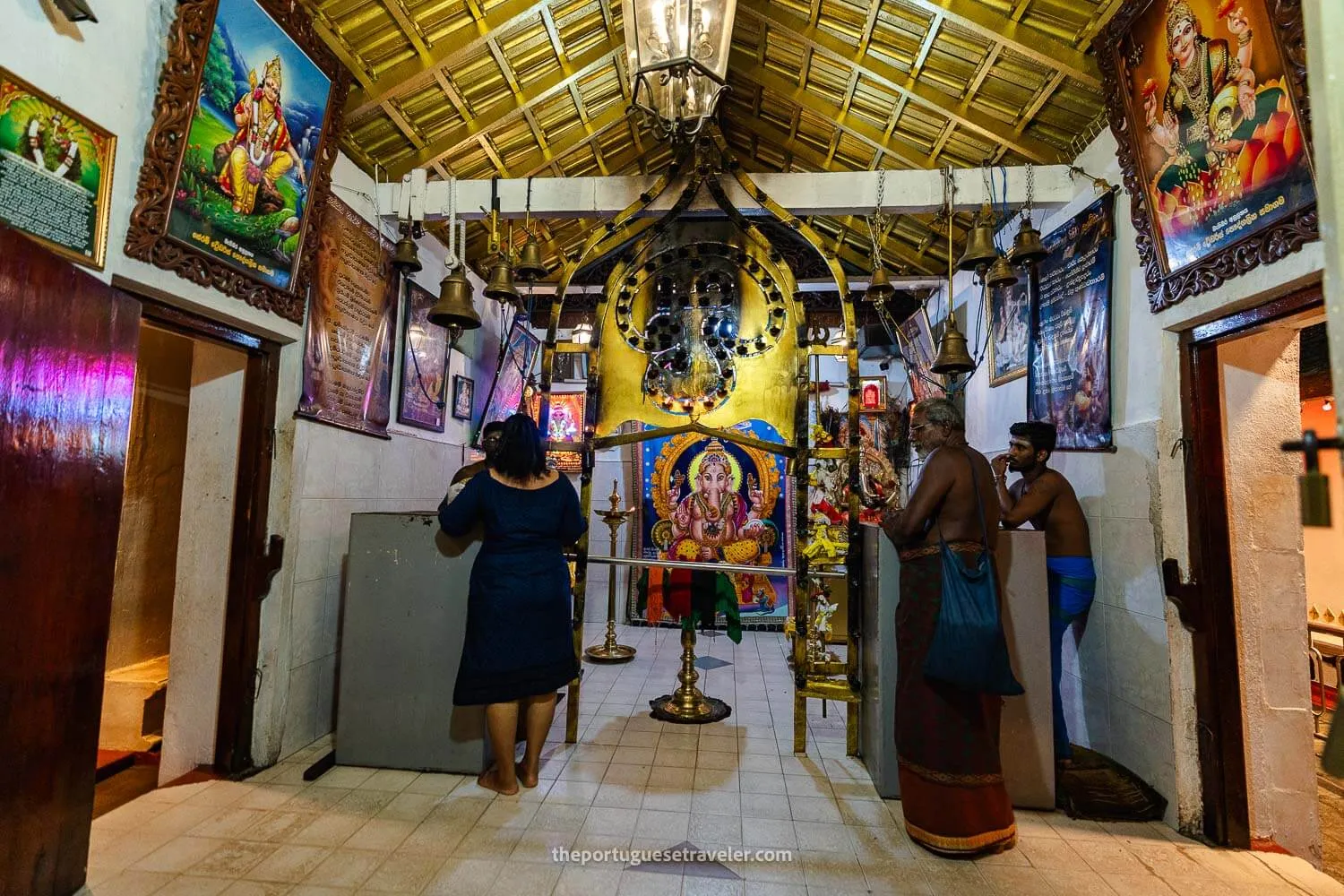
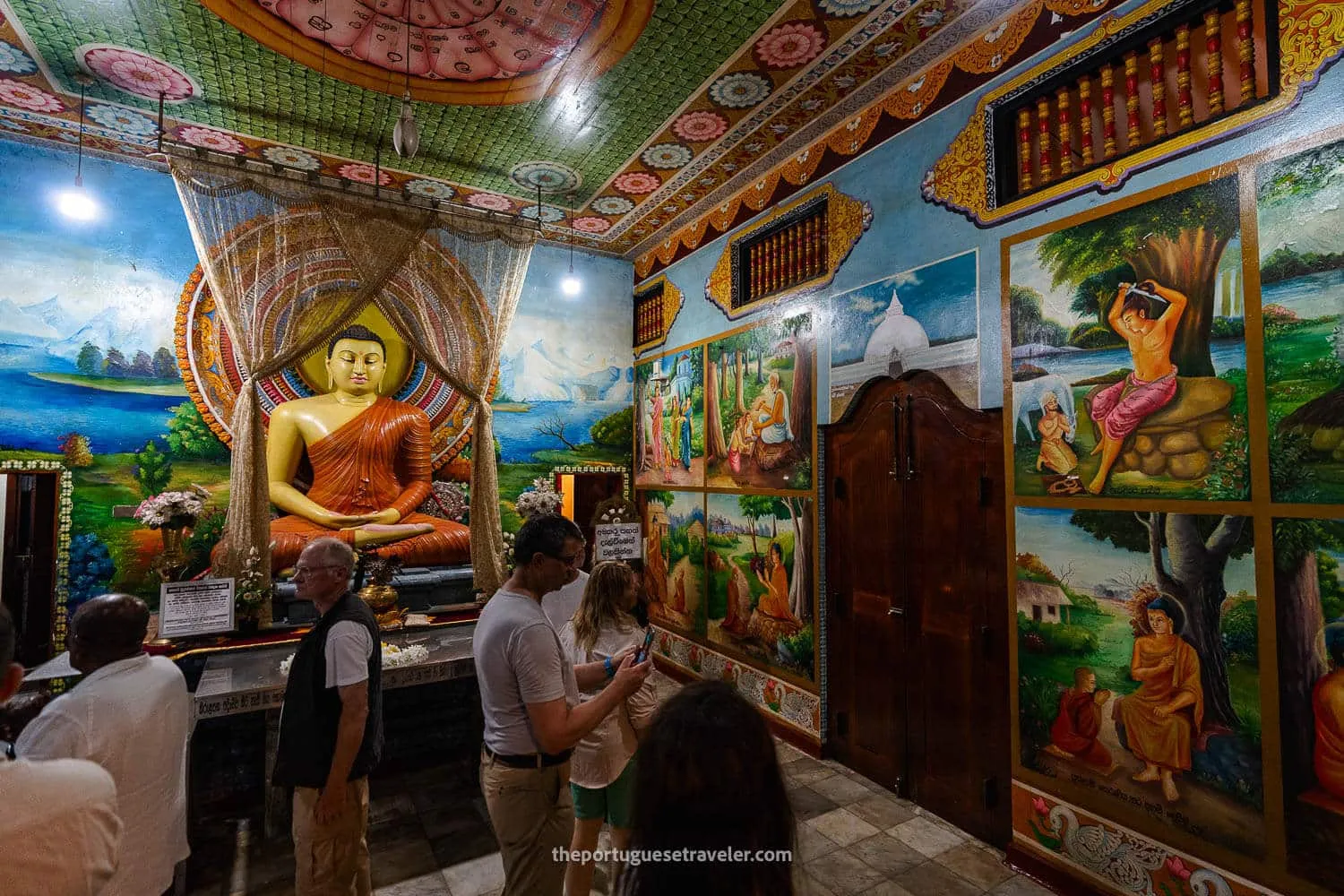
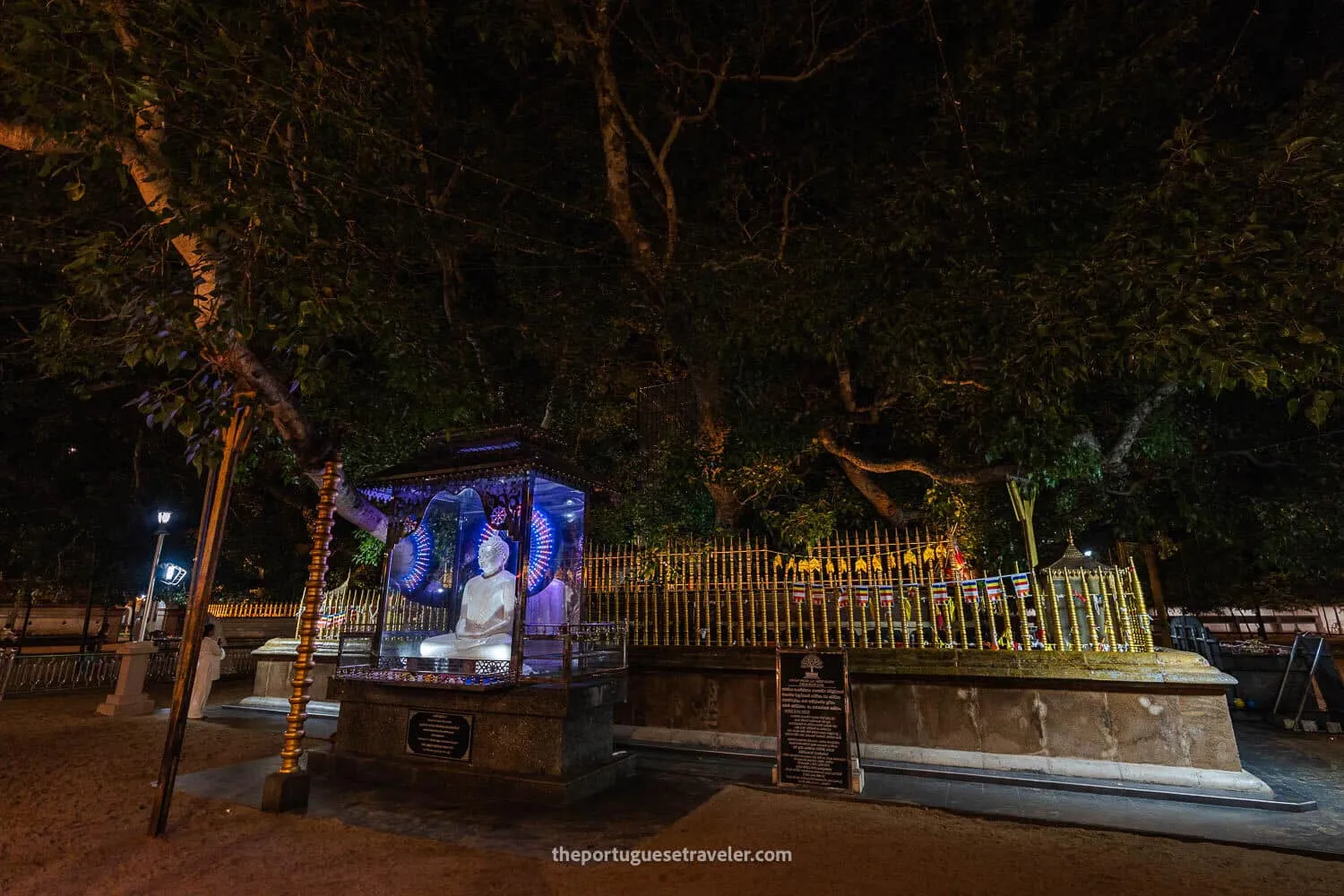
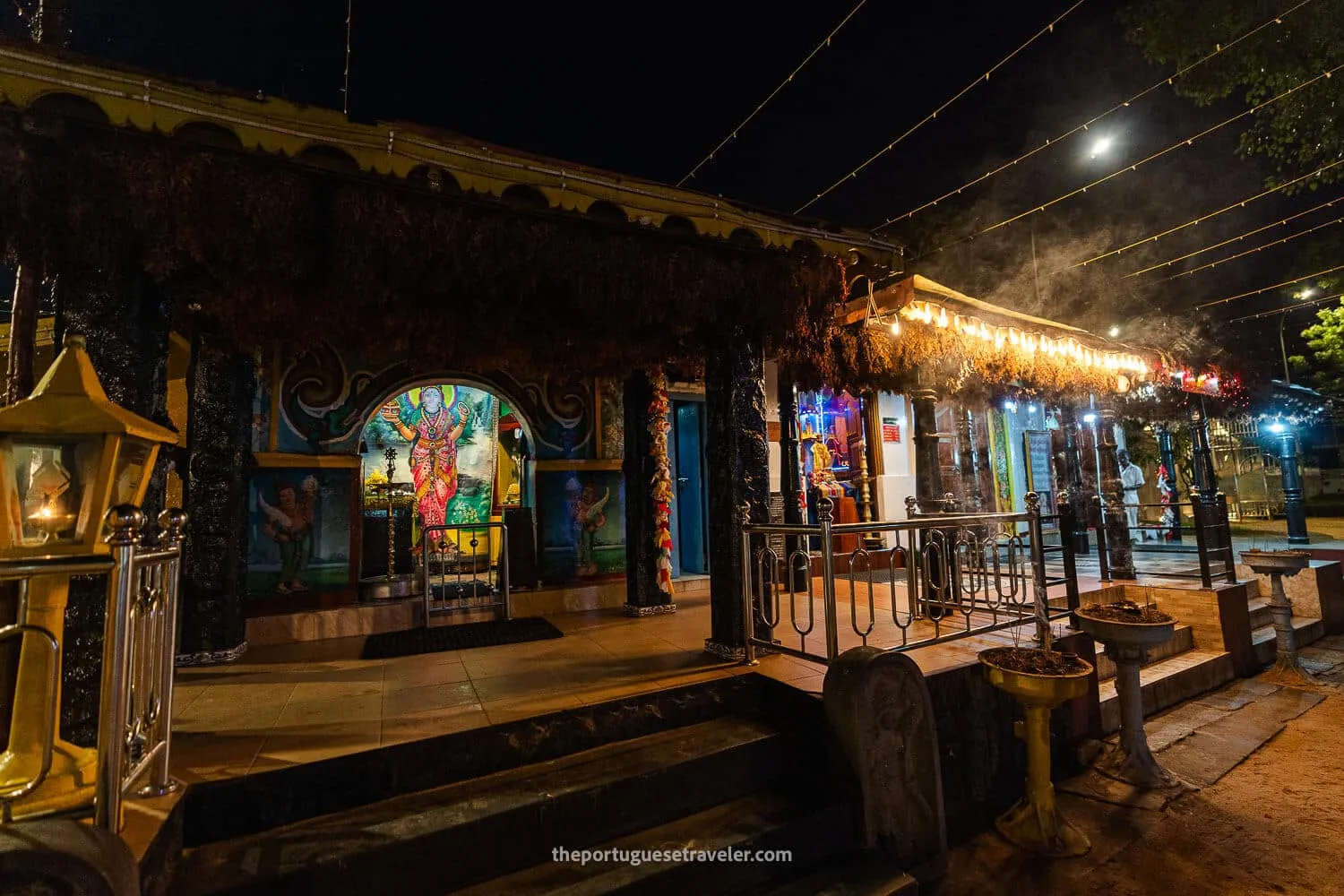
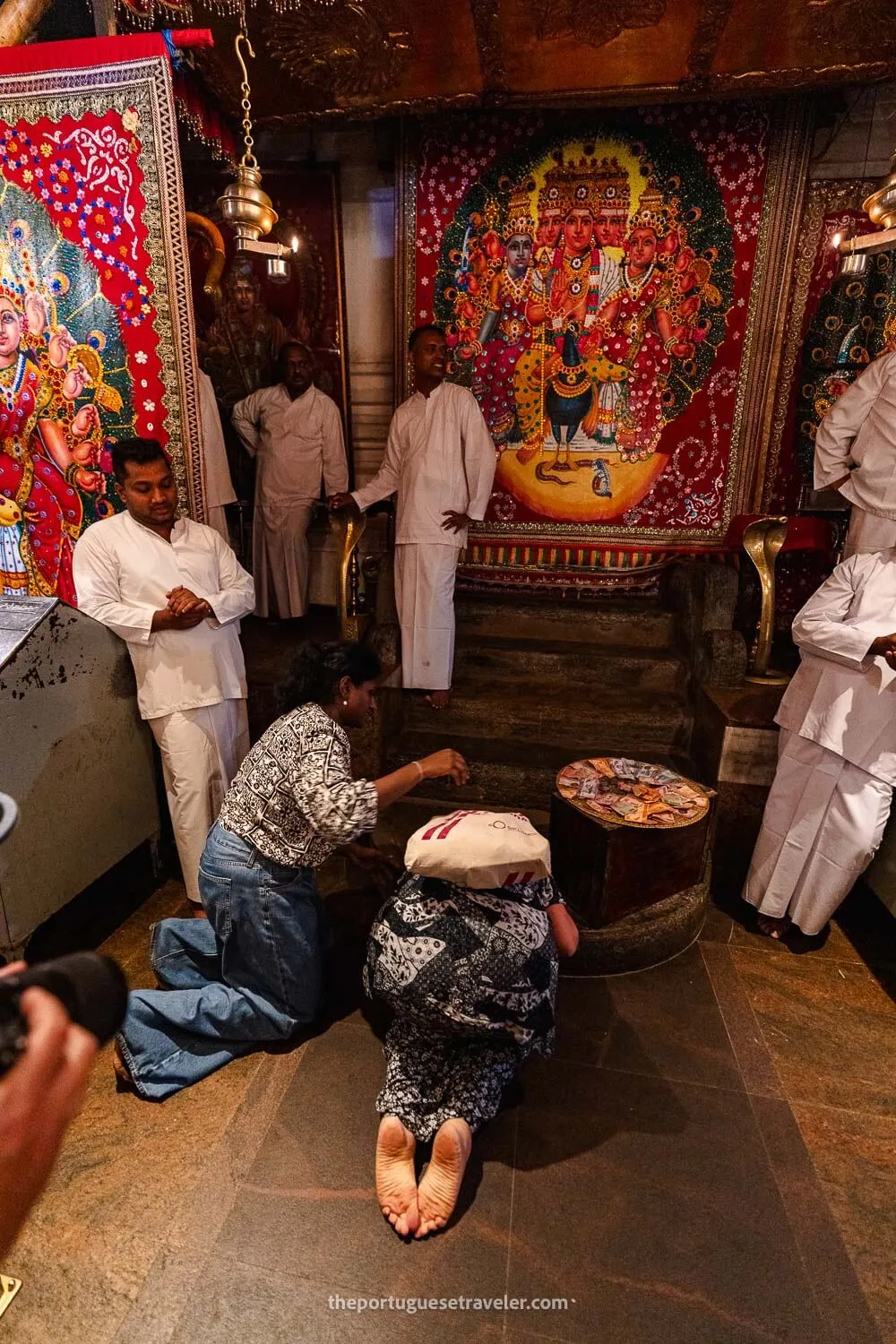
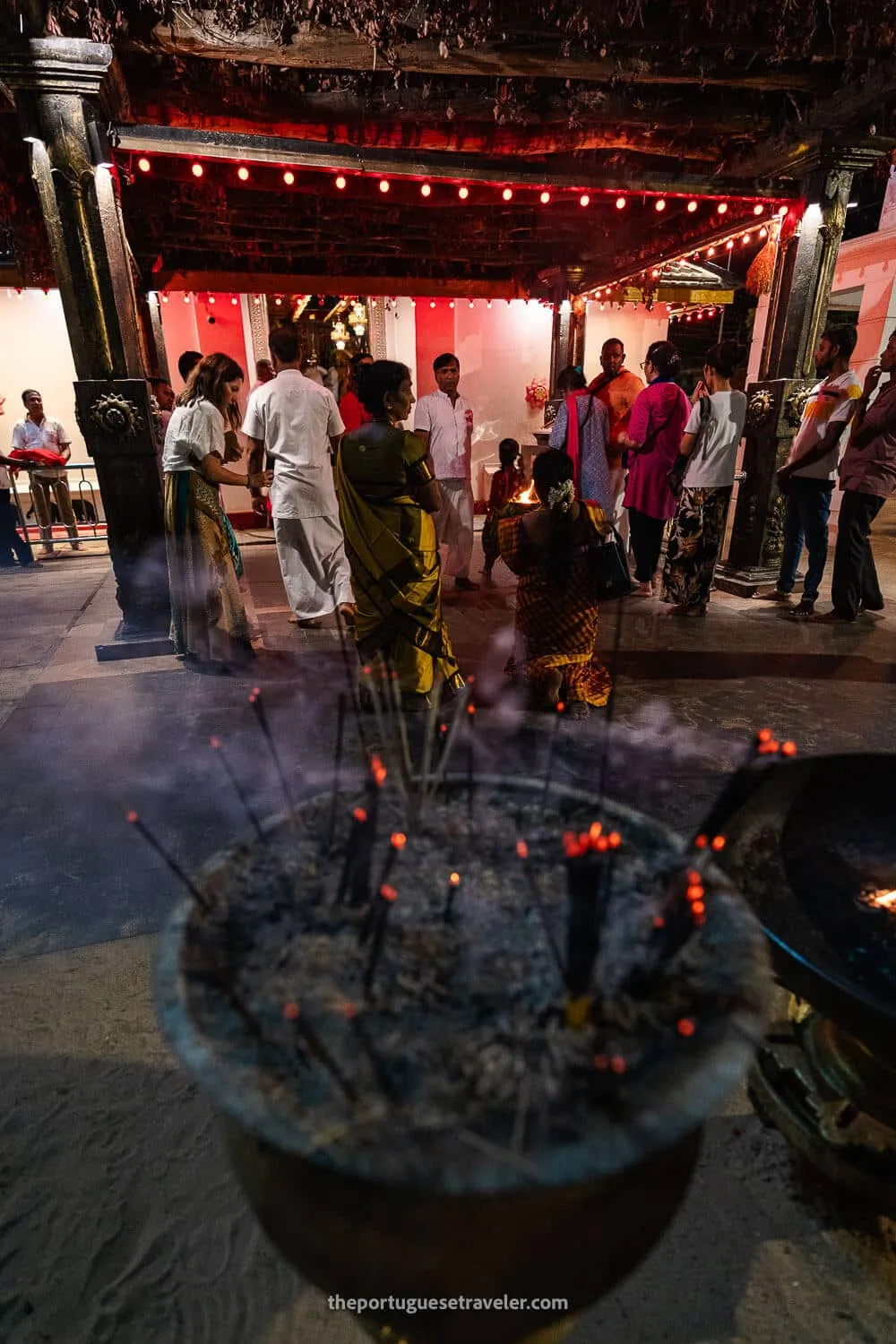
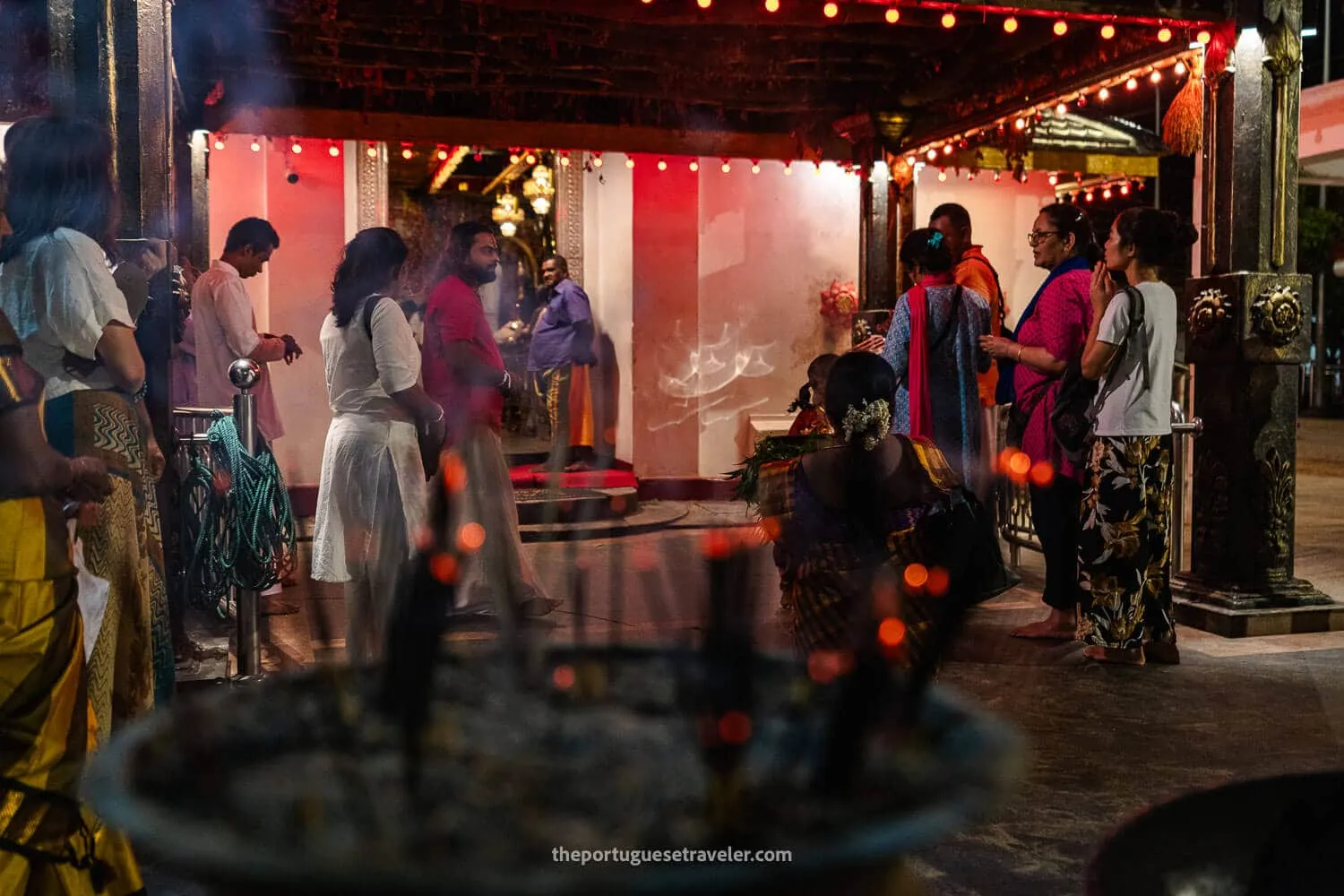
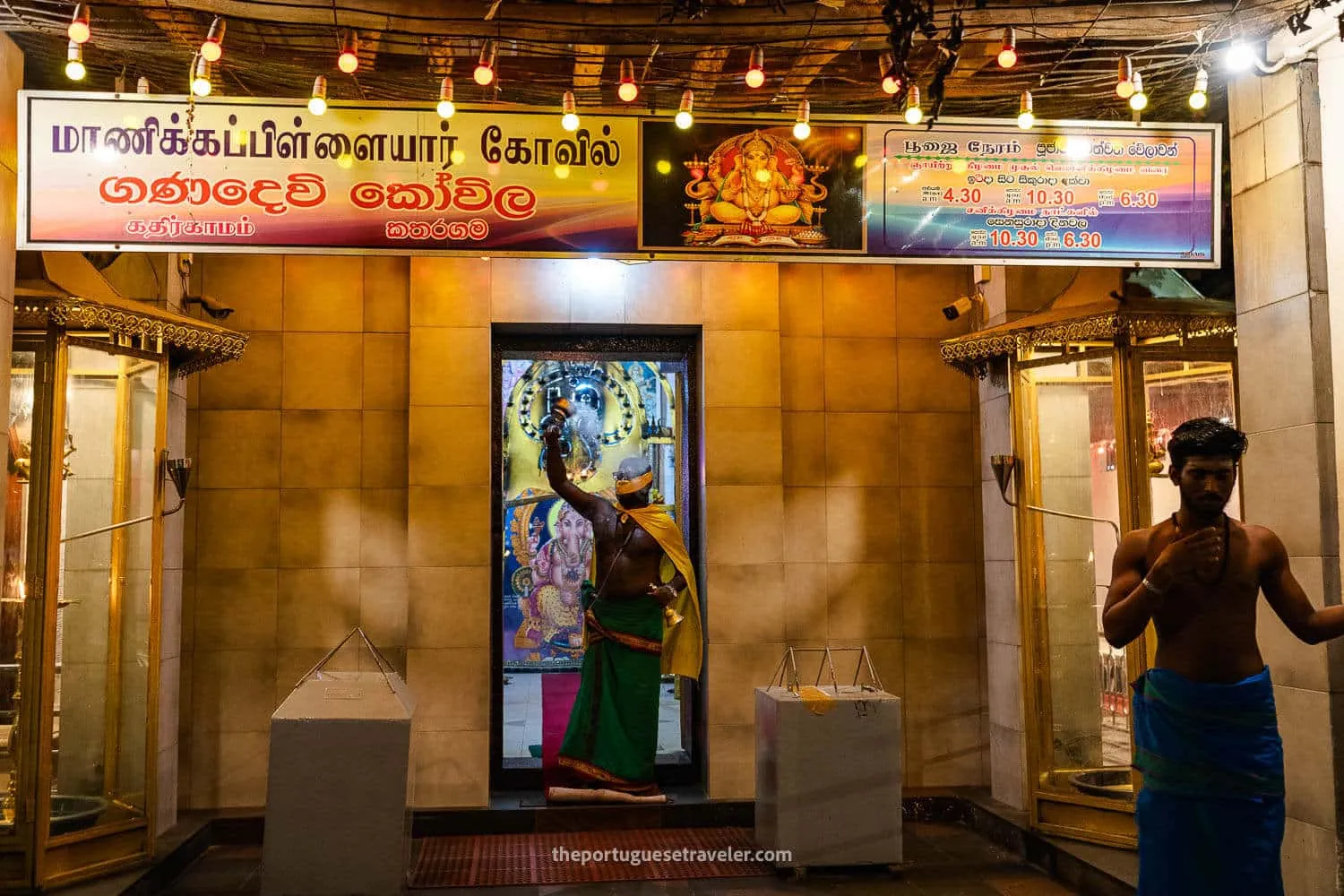
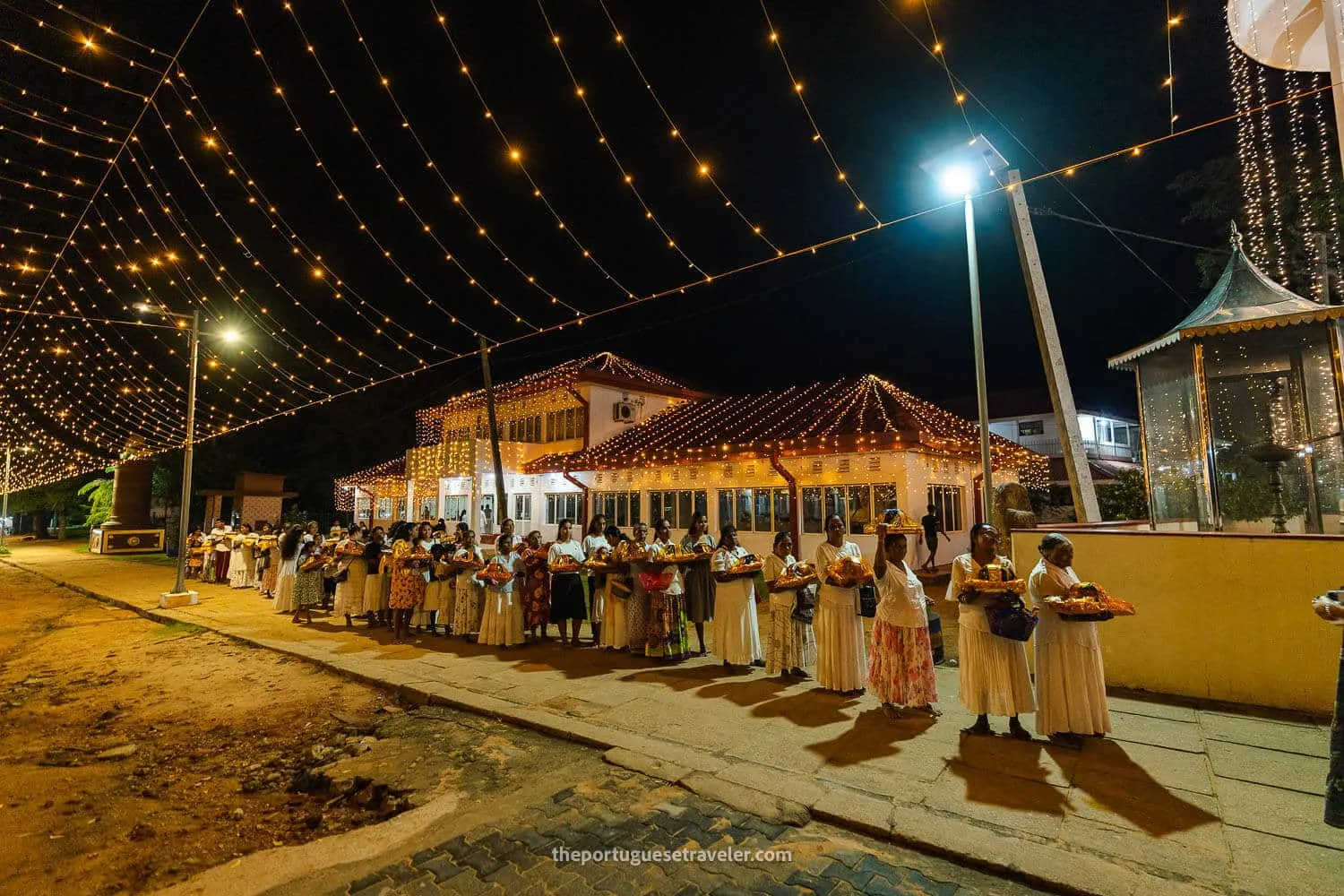
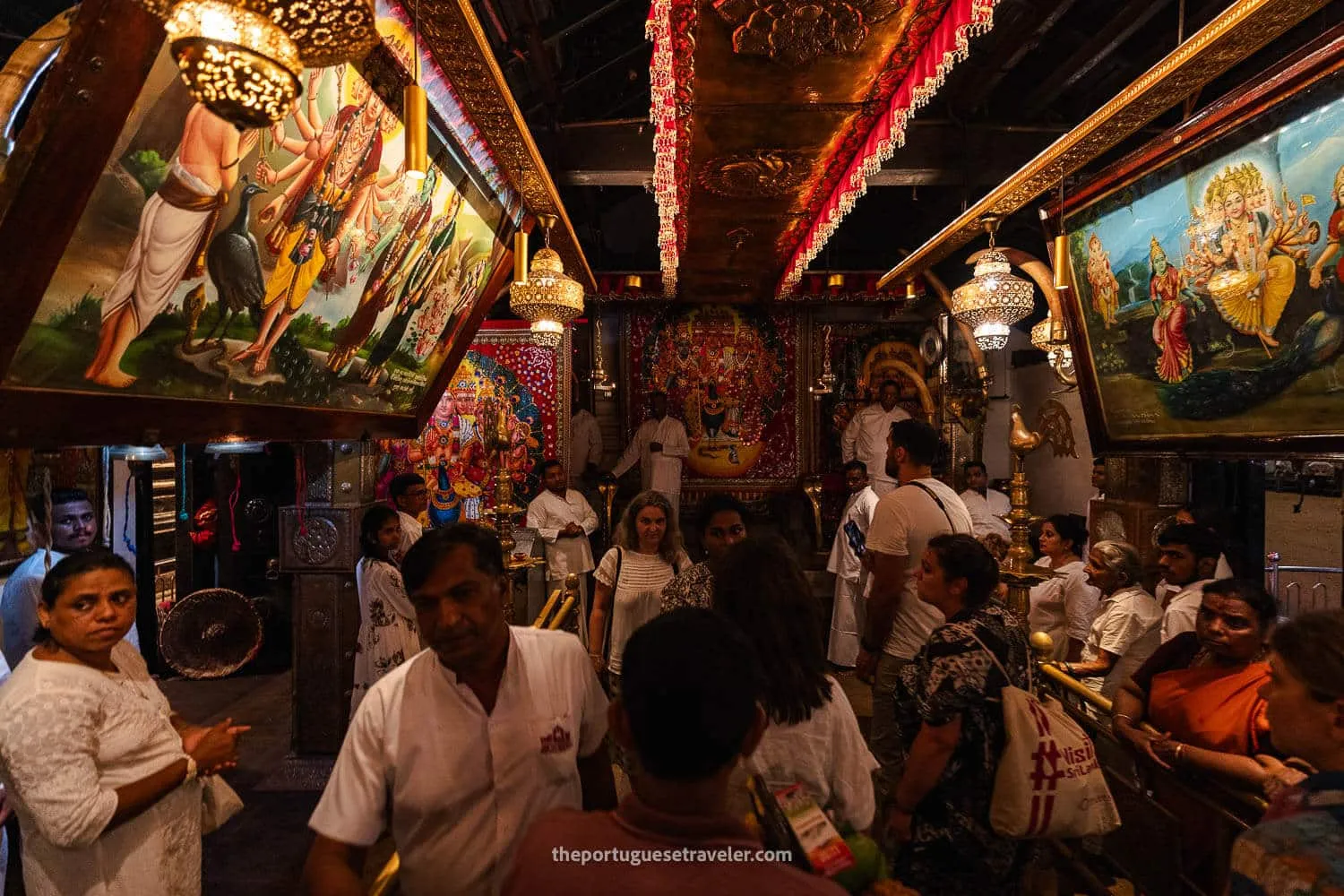
Kataragama is a sacred town that attracts Buddhist, Hindu, and Muslim pilgrims from across Sri Lanka. The Kataragama Temple complex, dedicated to the deity Kataragama, is the focal point of religious festivals and ceremonies, creating a vibrant spiritual atmosphere. 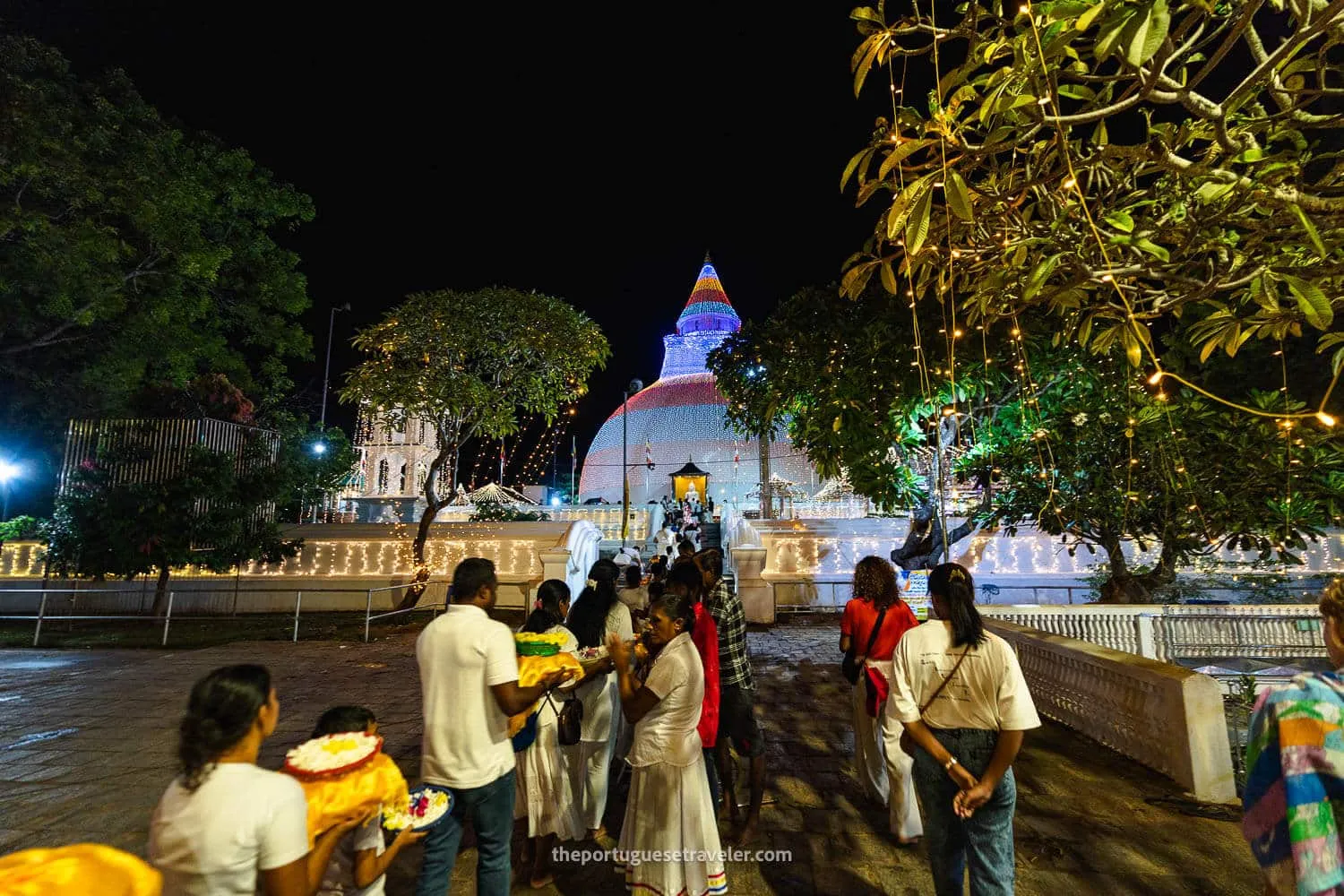
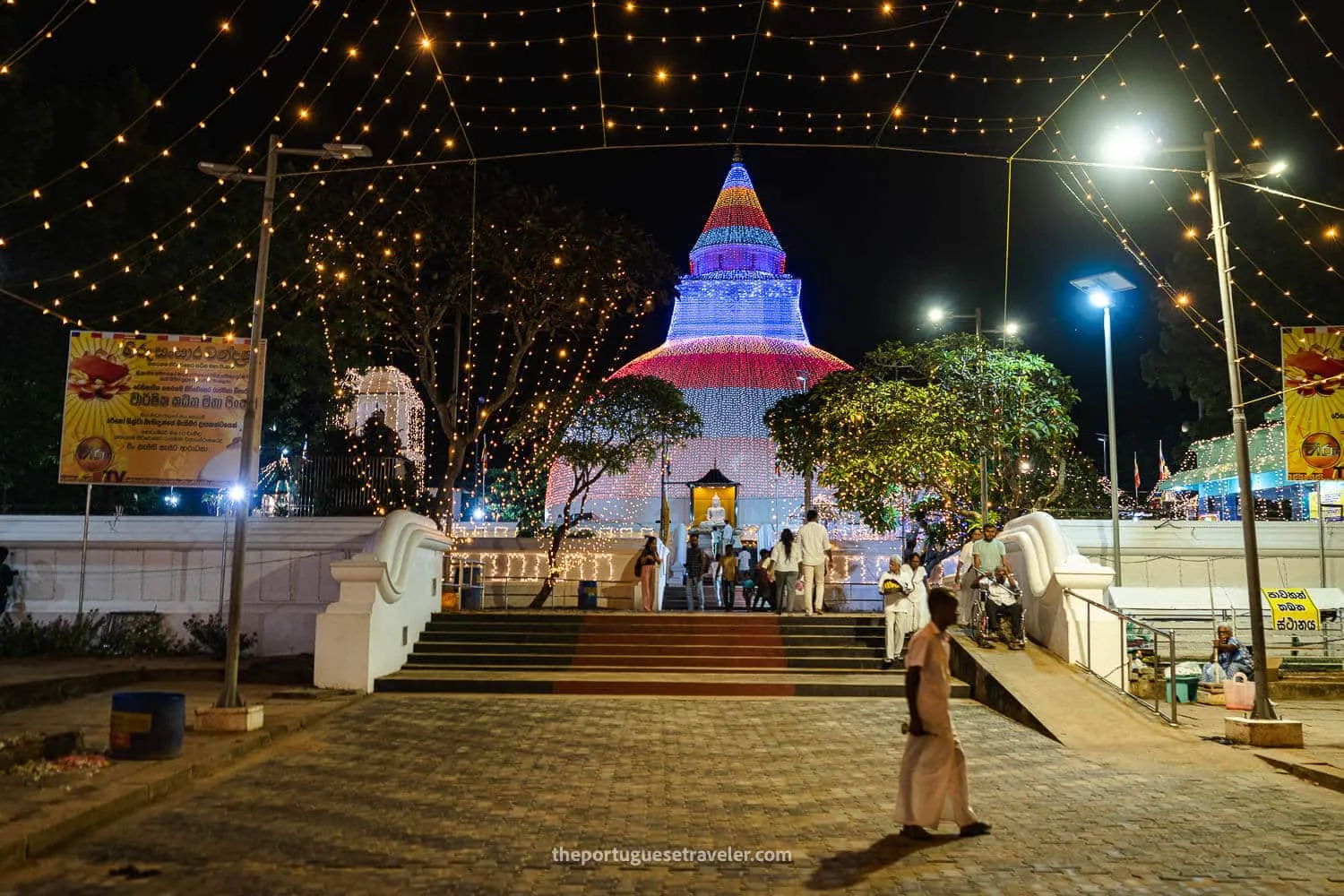
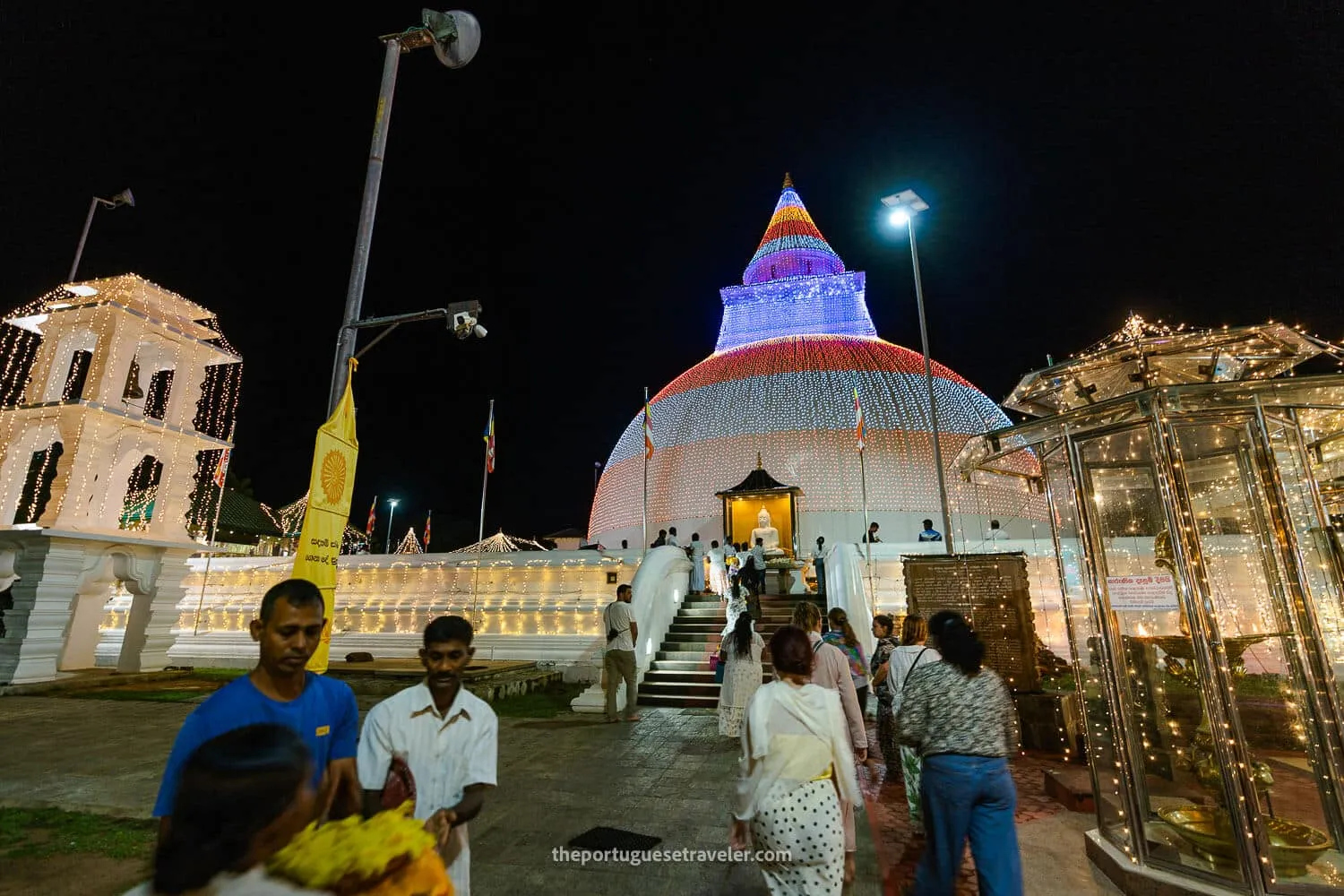
Magul Maha Viharaya
Magul Maha Viharaya, an ancient Buddhist monastery near Yala, is steeped in history and legend. Built to commemorate the wedding of King Kavantissa and Queen Viharamahadevi, the temple is surrounded by lush greenery, offering a peaceful and reflective environment.
Where to Stay Near Yala National Park?
If you’re planning to visit the Yala National Park staying in Yala or Tissamaharama is highly recommended. These areas offer a range of accommodations that cater to different needs, from high-end safari resorts to more nature-focused retreats. Whether you’re after a luxurious getaway or a peaceful escape surrounded by nature, you’ll find a place to unwind after your cultural or wildlife exploration.
Best hotels and eco-lodges near Yala
-
- Uga Chena Huts Nestled on the edge of Yala National Park, Chena Huts offers an unforgettable experience. These spacious, climate-controlled huts feature private pools and stunning views of the coastal jungle, making it a top choice for those looking to indulge in nature while maintaining comfort. Enjoy the luxury of an exclusive stay with the bonus of proximity to wildlife-rich surroundings.
- Wild Coast Tented Lodge Situated just outside the park, Wild Coast Tented Lodge combines the thrill of a safari with the elegance of a luxury retreat. Its unique Cocoon-style rooms, some with private pools, are perfect for those wanting a taste of adventure without sacrificing comfort. The lodge offers a stylish atmosphere, complete with a restaurant and bar with ocean views, making it a fantastic base for exploring Yala National Park and nearby attractions.
- Cinnamon Wild Yala Nestled at the edge of Yala National Park, Cinnamon Wild Yala offers an immersive nature experience with its Jungle Chalets and Beach Chalets. Wake up to the sounds of wildlife, including elephants and birds. The hotel combines adventure with comfort, providing a relaxing retreat while keeping you close to the park’s wildlife, including wild boars and peacocks. Perfect for nature lovers seeking both excitement and relaxation.
- Jetwing Yala For a resort-like experience near the Palatupana entrance of Yala, Jetwing Yala is an excellent option. Offering extensive amenities, including a 75-meter pool and beach access, this resort is designed for those seeking a combination of relaxation and easy access to wildlife safaris. Its sustainability efforts and commitment to environmental conservation make it a perfect choice for eco-conscious travelers.
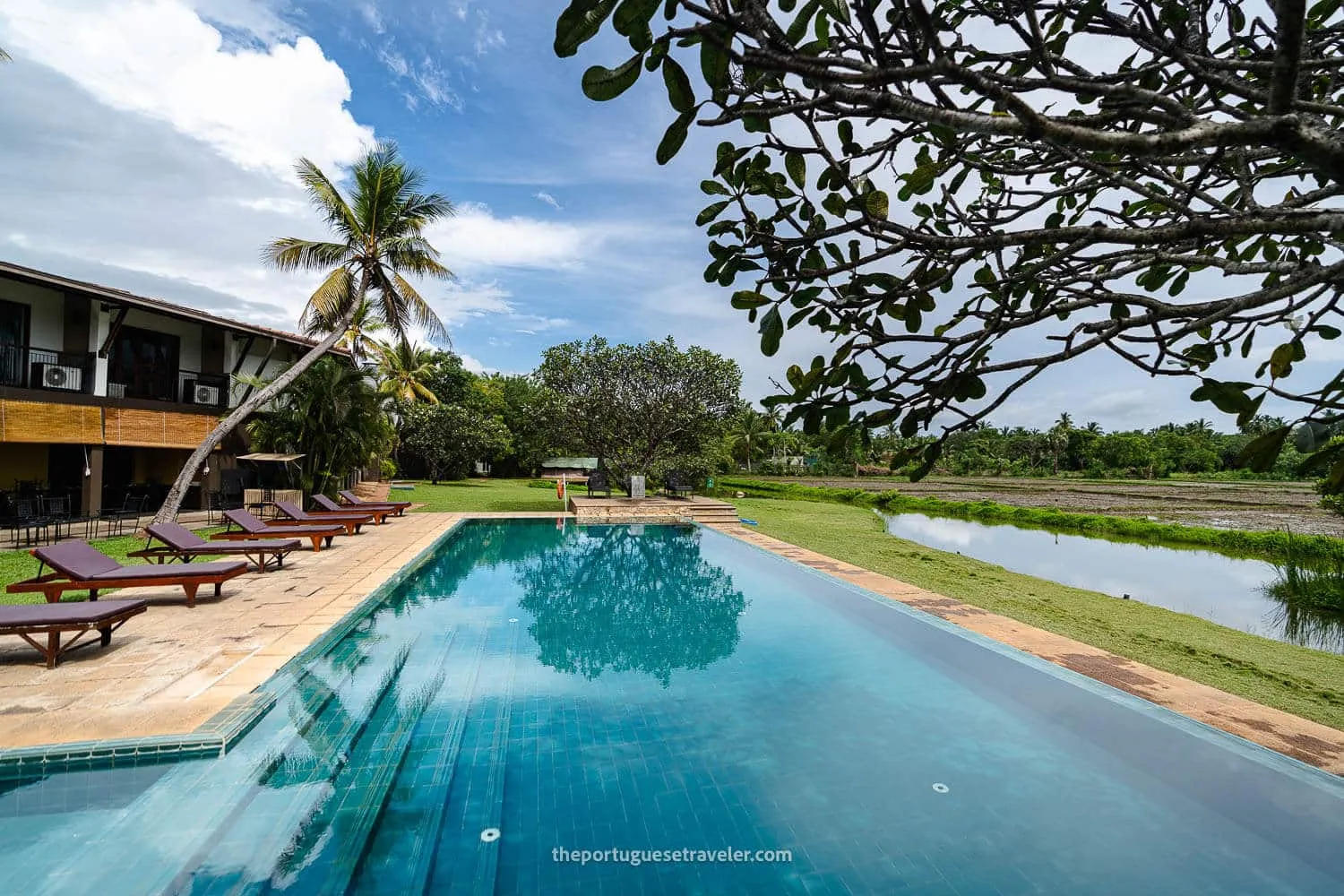
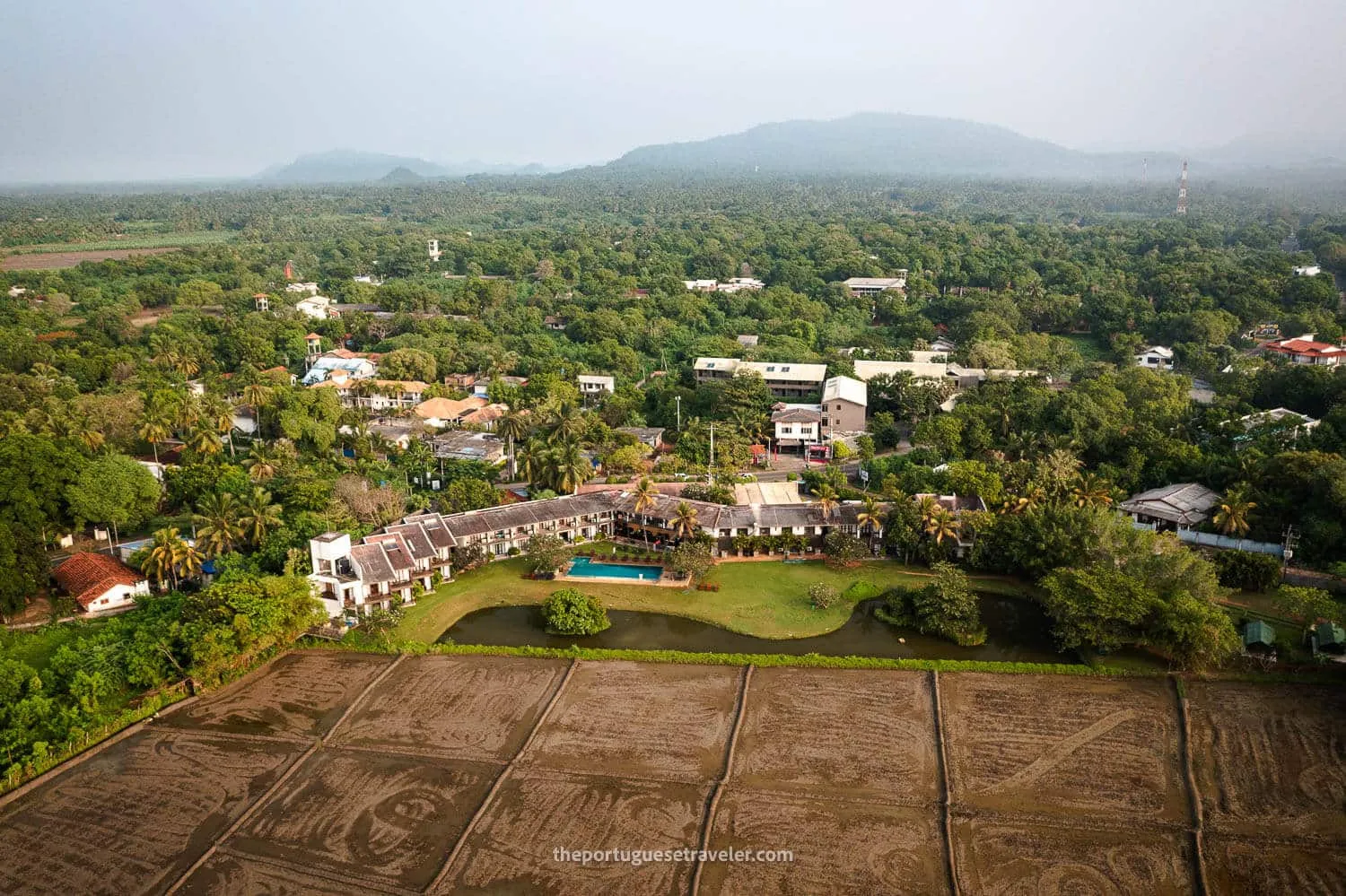
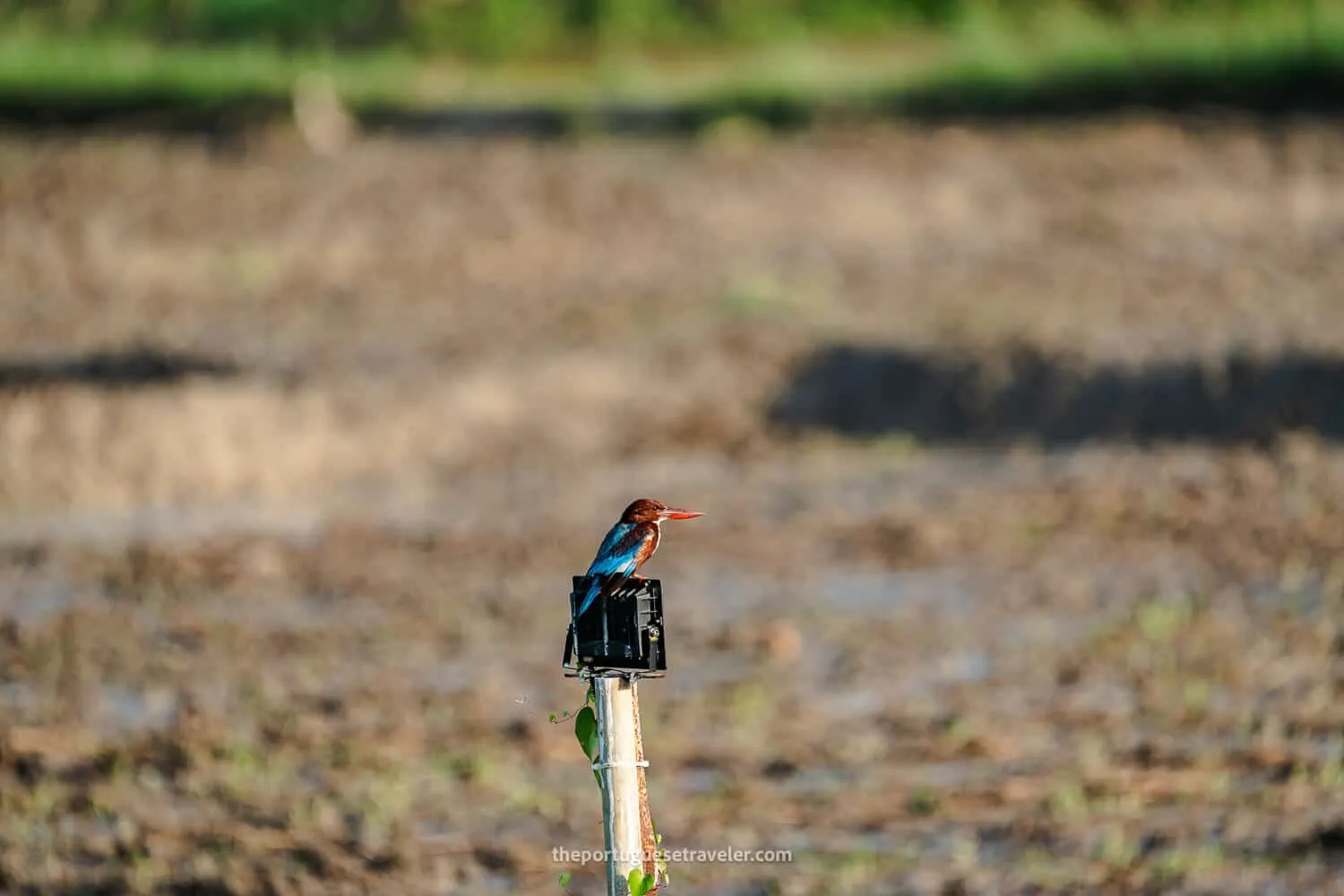
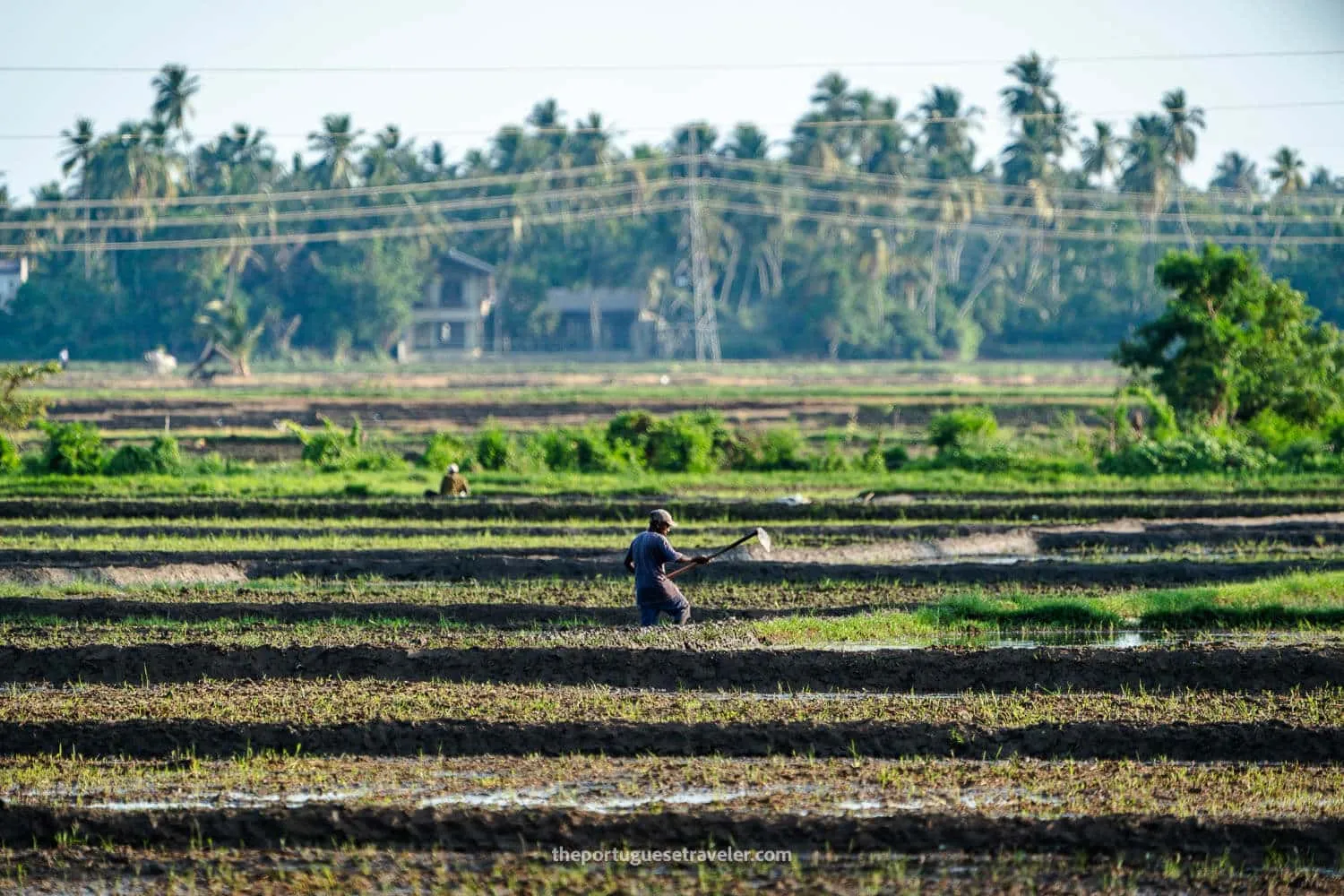
- Kithala Resort Situated in Tissamaharama, Kithala Resort offers a serene stay amidst paddy fields and a large pond. Known for its peaceful atmosphere, this boutique hotel is perfect for nature lovers and birdwatching enthusiasts. The scenic surroundings allow you to fully immerse yourself in the natural beauty of the area while enjoying modern comforts.
- EKHO Safari If you’re looking for a tranquil retreat with stunning views of Tissa Lake, EKHO Safari in Tissamaharama is a great option. Recently renovated, the hotel offers spacious rooms with modern amenities and picturesque lake views. It’s a wonderful place to relax after a day spent exploring the Sithulpawwa Rock Temple and surrounding natural wonders.
For more accommodation options across Sri Lanka, check out my articles on The 20 Best Hotels in Sri Lanka, The 10 Best Luxury Hotels in Sri Lanka, and The 10 Best Hostels in Sri Lanka.
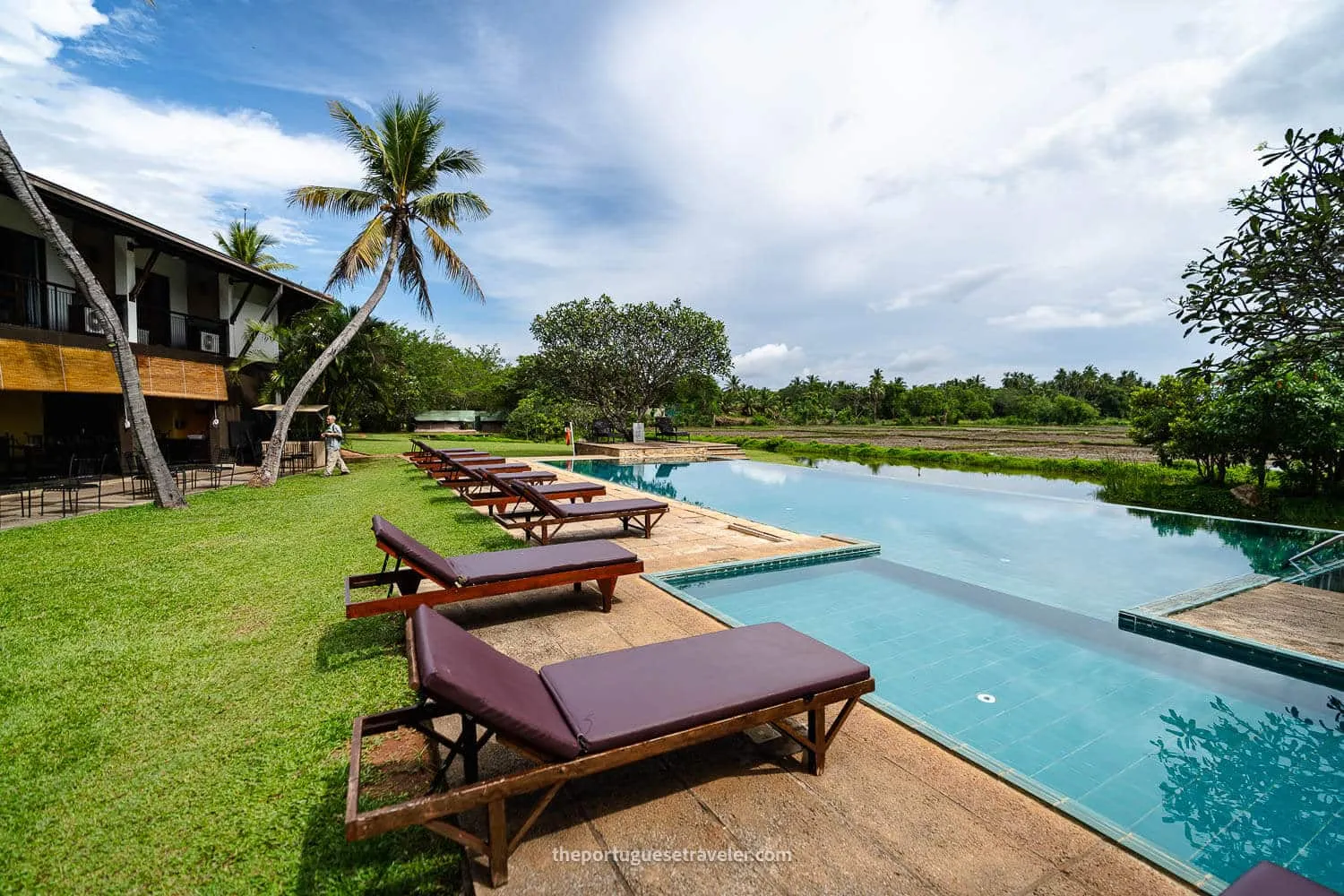
The Kithala Resort Tissa-Yala Hotel, in Sri Lanka
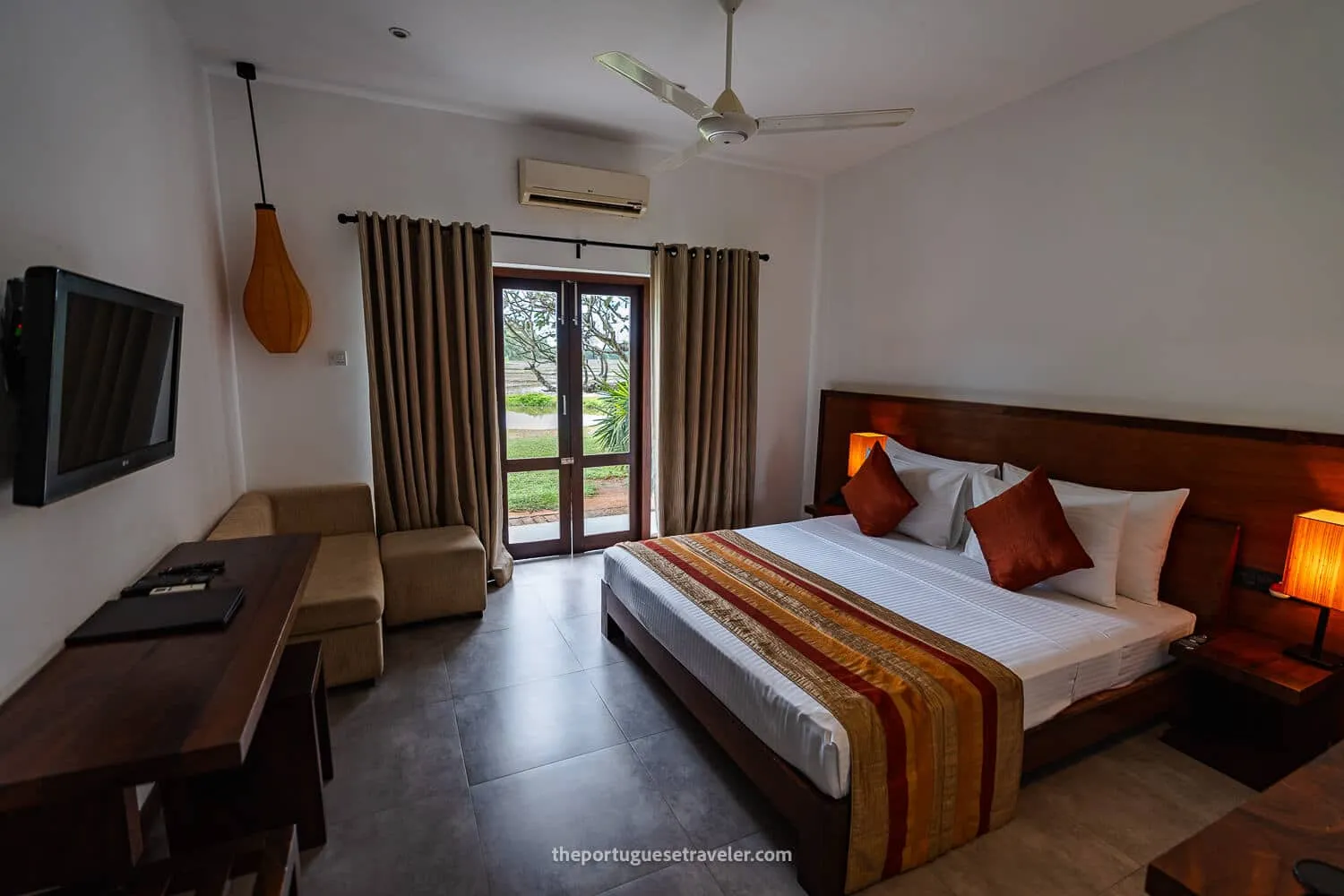
My room at the Kithala Tissa-Yala Resort
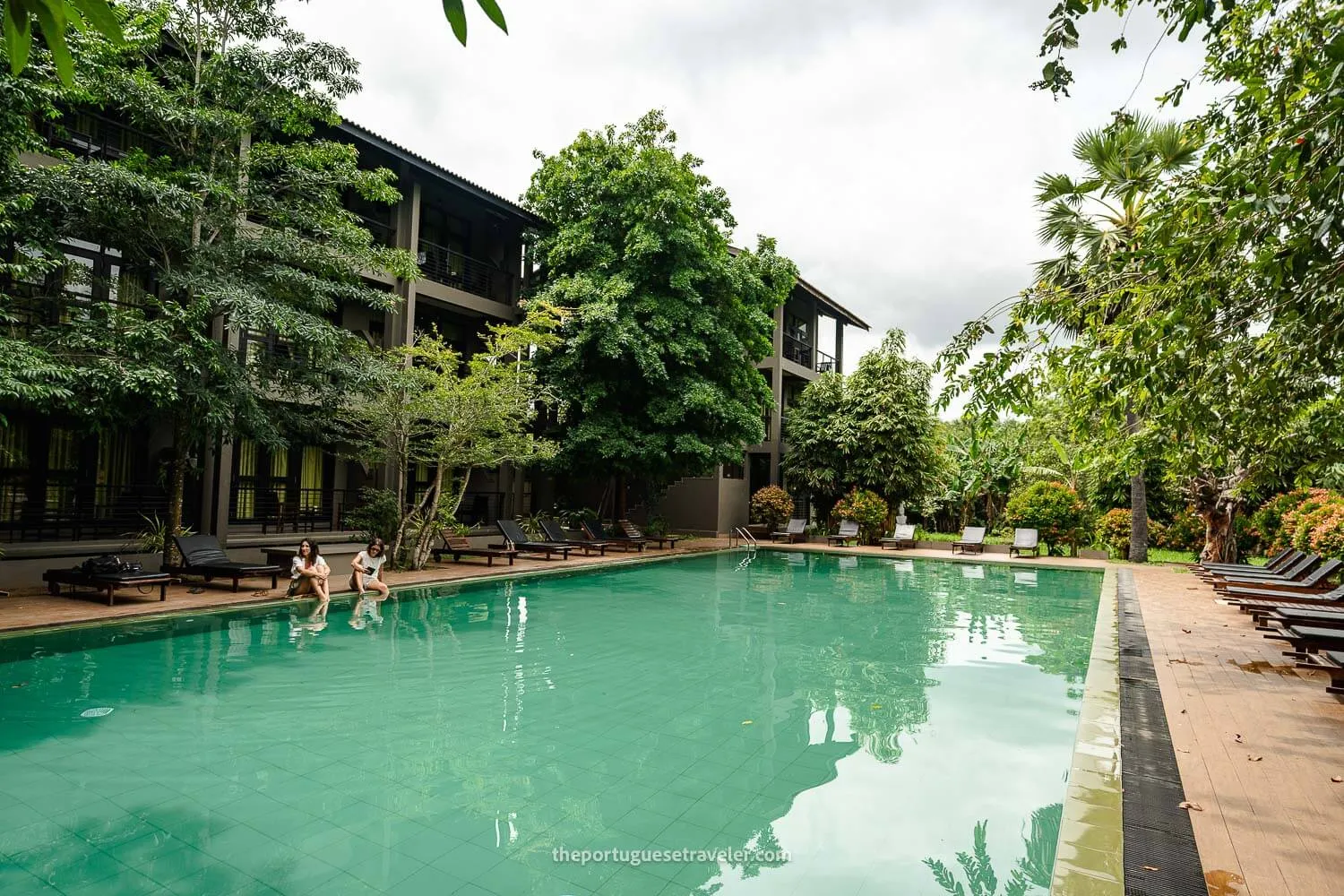
The Oak Ray Wild Yala Hotel
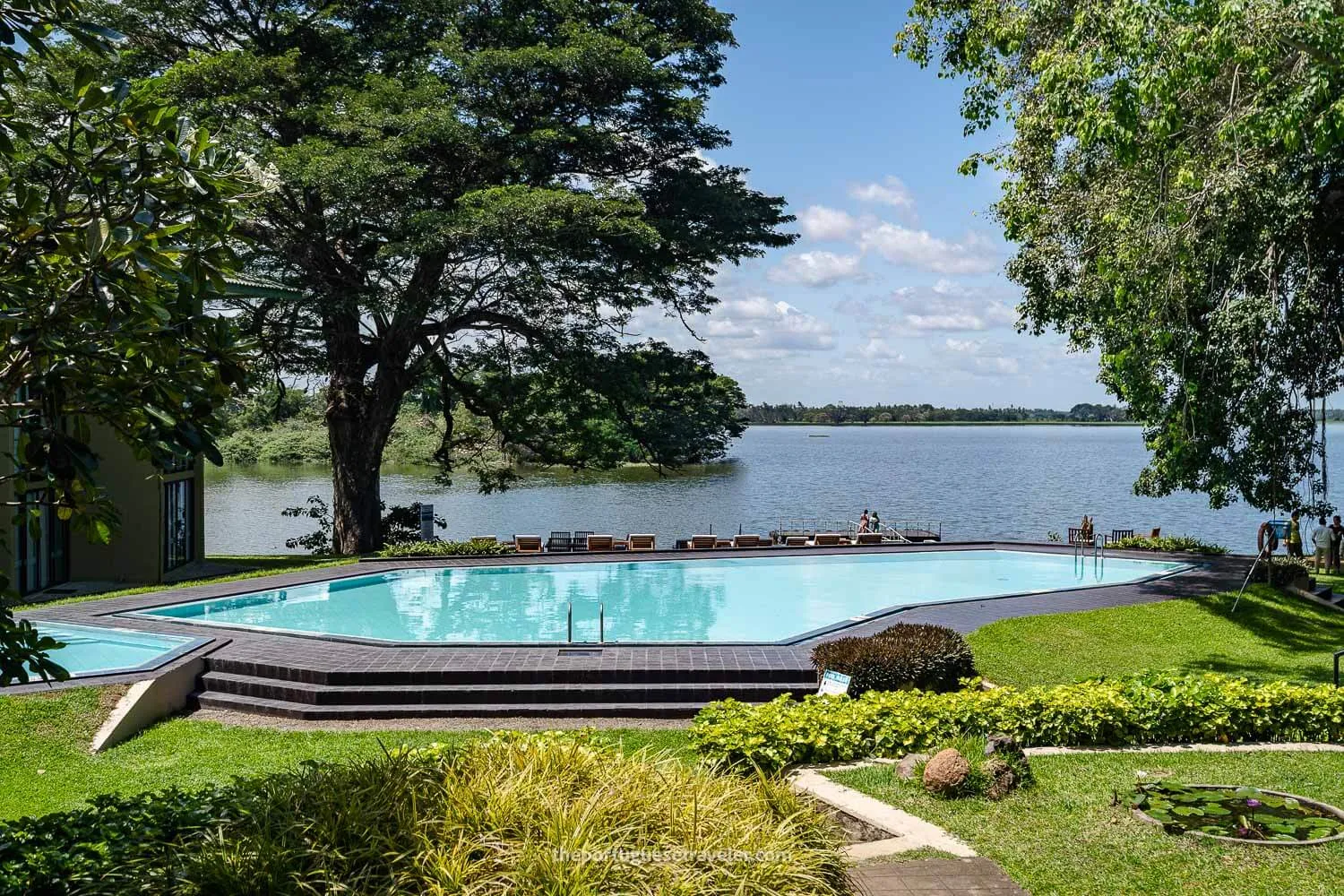
The Ekho Safari Tissa-Yala Hotel’s pool
Where to Eat Near Yala National Park?
There are a variety of great dining options near the Yala National Park, offering everything from local Sri Lankan flavors to fresh juices and seafood. Many of the nearby hotels also feature excellent restaurants, often with buffet-style dining that showcases the best of Sri Lankan cuisine.
Best restaurants and local food experiences
After a day of exploring Yala, treat yourself to delicious local and international cuisine. Here are some top spots to try:
- Kithala Resort: Known for its serene lakeside setting, Kithala Resort offers a buffet featuring a variety of local and international dishes. The restaurant focuses on fresh ingredients, providing a relaxing atmosphere where you can enjoy meals while overlooking the peaceful surroundings.
- Ekho Safari Tissamaharama: This resort offers both a buffet and a la carte options, serving delicious local dishes. You can savor freshly prepared meals while enjoying beautiful lake views, perfect for unwinding after a day of exploration.
- Smoky Kitchen: If you’re in Tissamaharama, don’t miss Smoky Kitchen for the best rice and curry in the area. The open clay kitchen provides a unique experience as all the food is freshly prepared in large pots, allowing you to enjoy authentic Sri Lankan flavors in a cozy setting.
- Chef Lady Restaurant: Located in Tissamaharama, this restaurant specializes in seafood and offers an extensive menu with a focus on fresh fish dishes. It’s a great place to enjoy a relaxed meal after your visit to the temple.
- The Flavors Restaurant: This family-run gem offers delicious home-style Sri Lankan food, with an emphasis on local flavors and fresh ingredients. It’s a cozy spot to enjoy traditional dishes prepared with care.
- Natural Fresh Juice Bar: For something lighter, stop by the Natural Fresh Juice Bar for a refreshing drink made from fresh, local fruits. It’s a great way to hydrate and enjoy a burst of natural flavor.
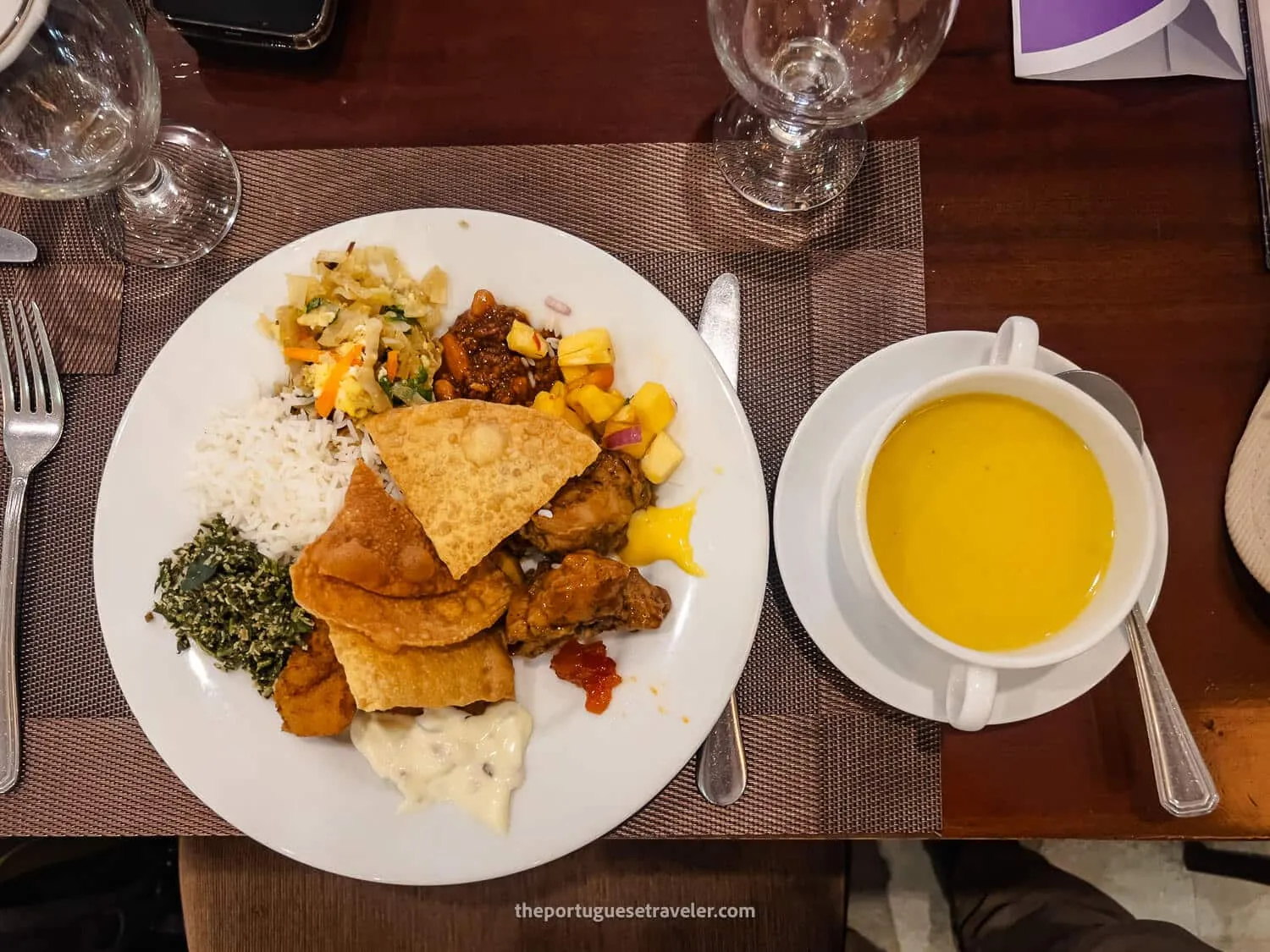
The delicious buffet at the Kithala Hotel
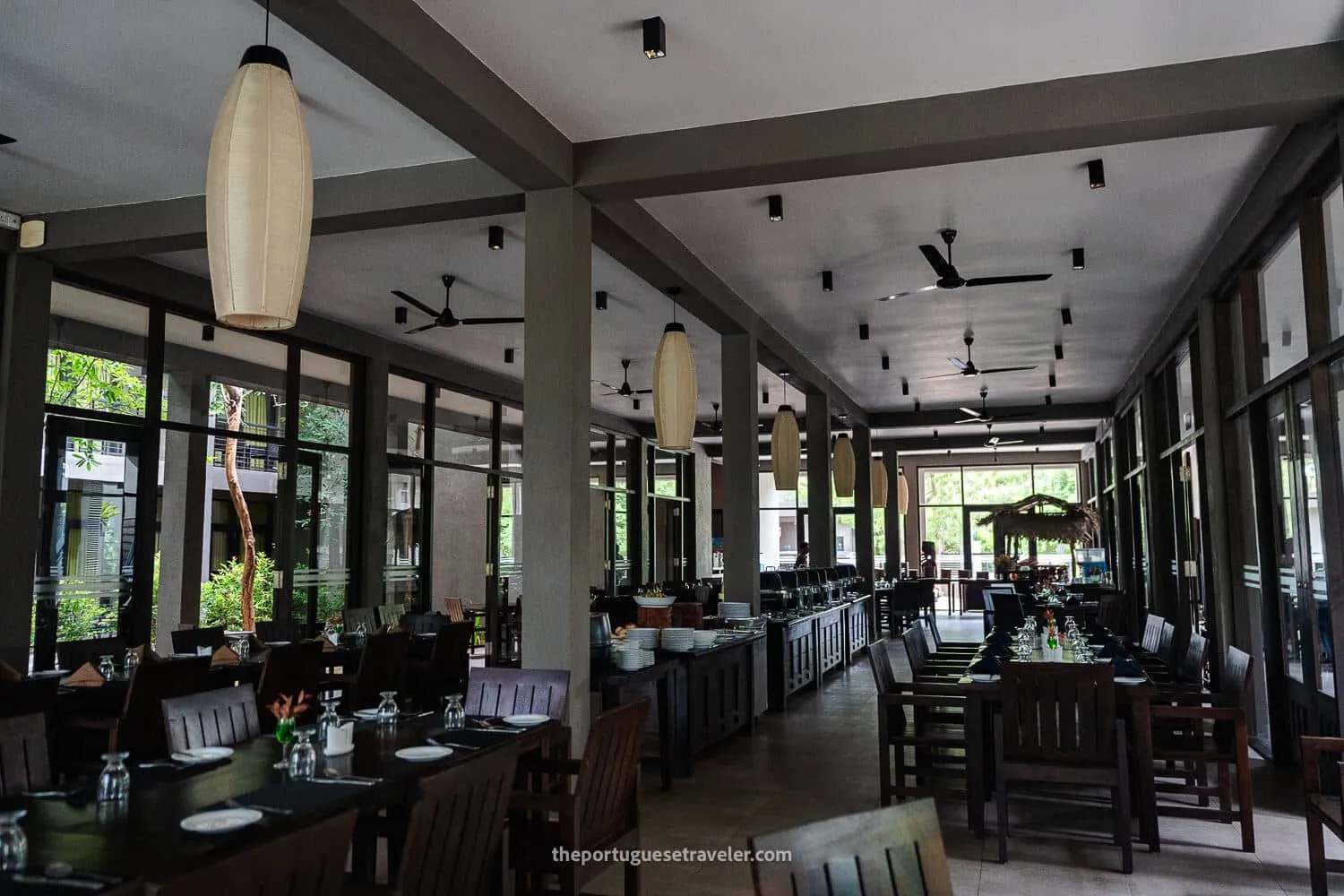
The Oak Ray Wild Yala Hotel’s Restaurant
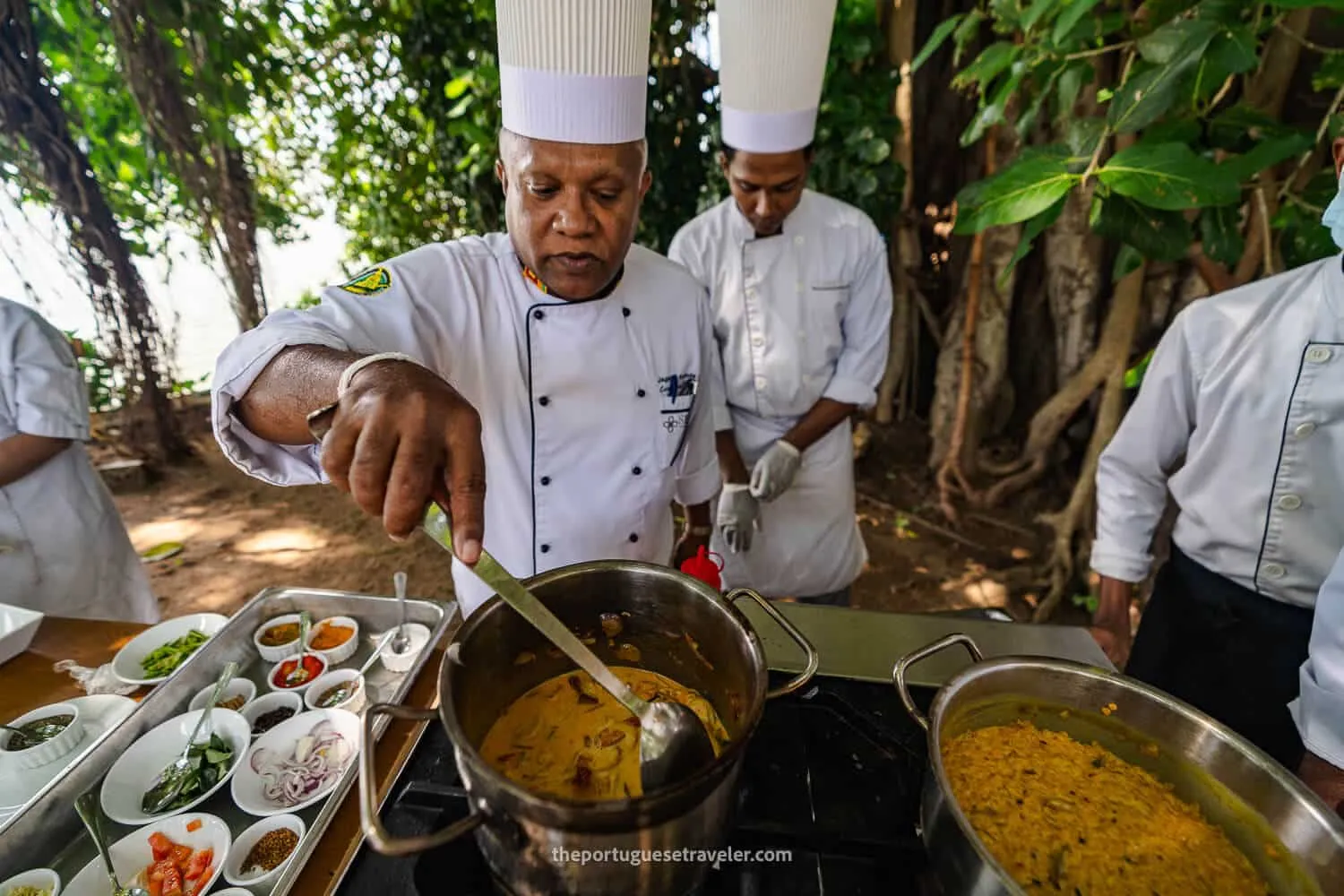
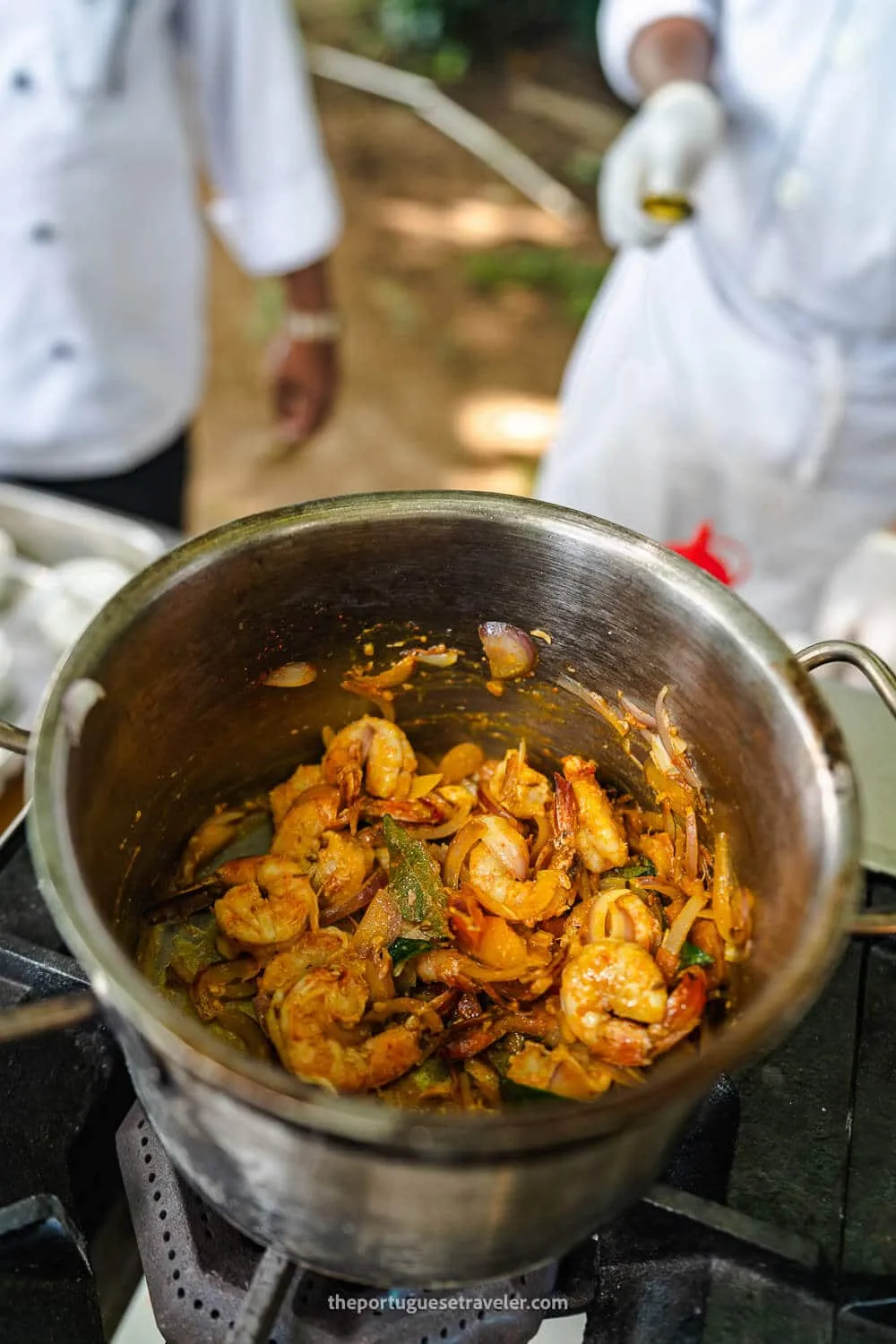
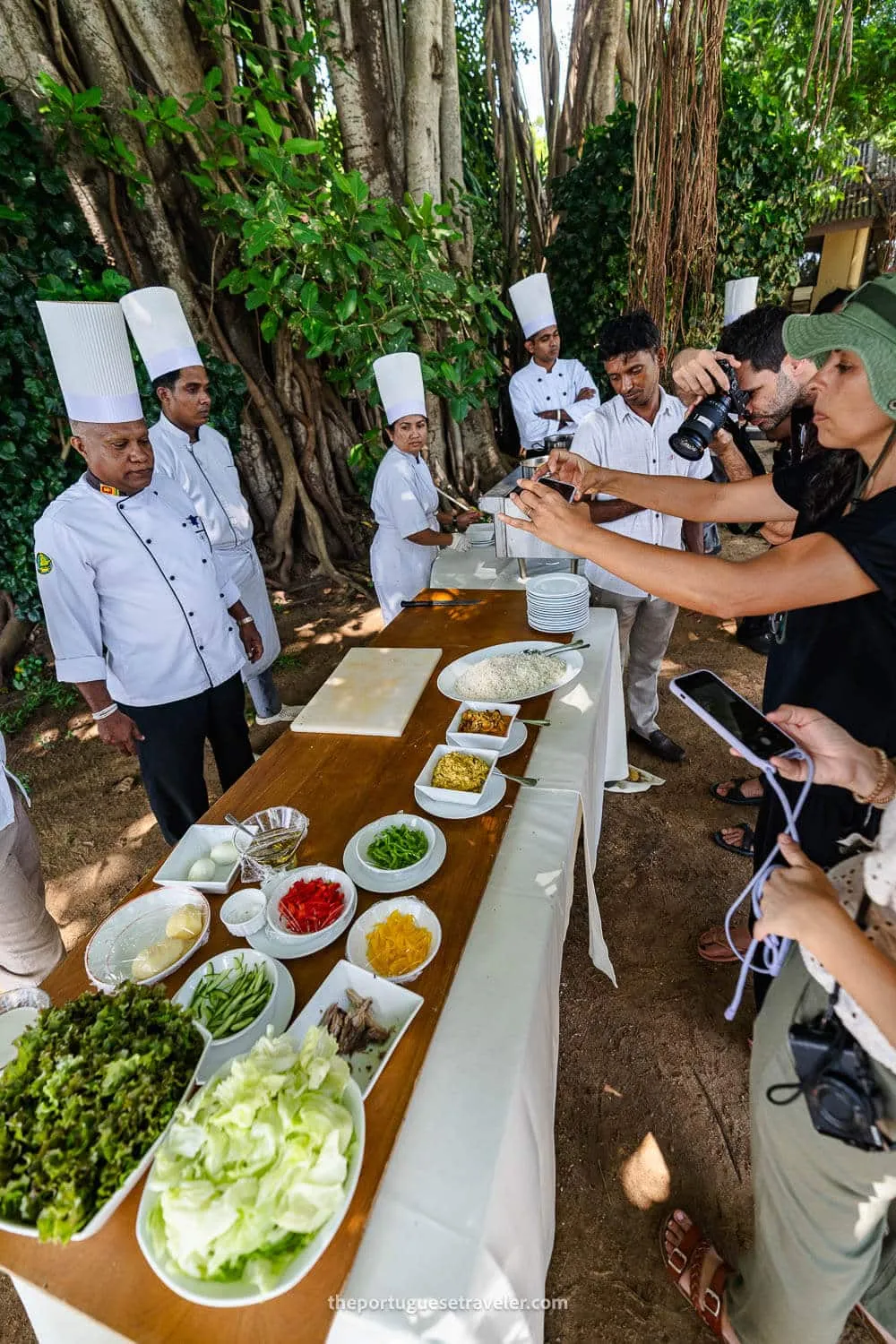
The cooking class at the Ekho Safari Tissa-Yala Resort
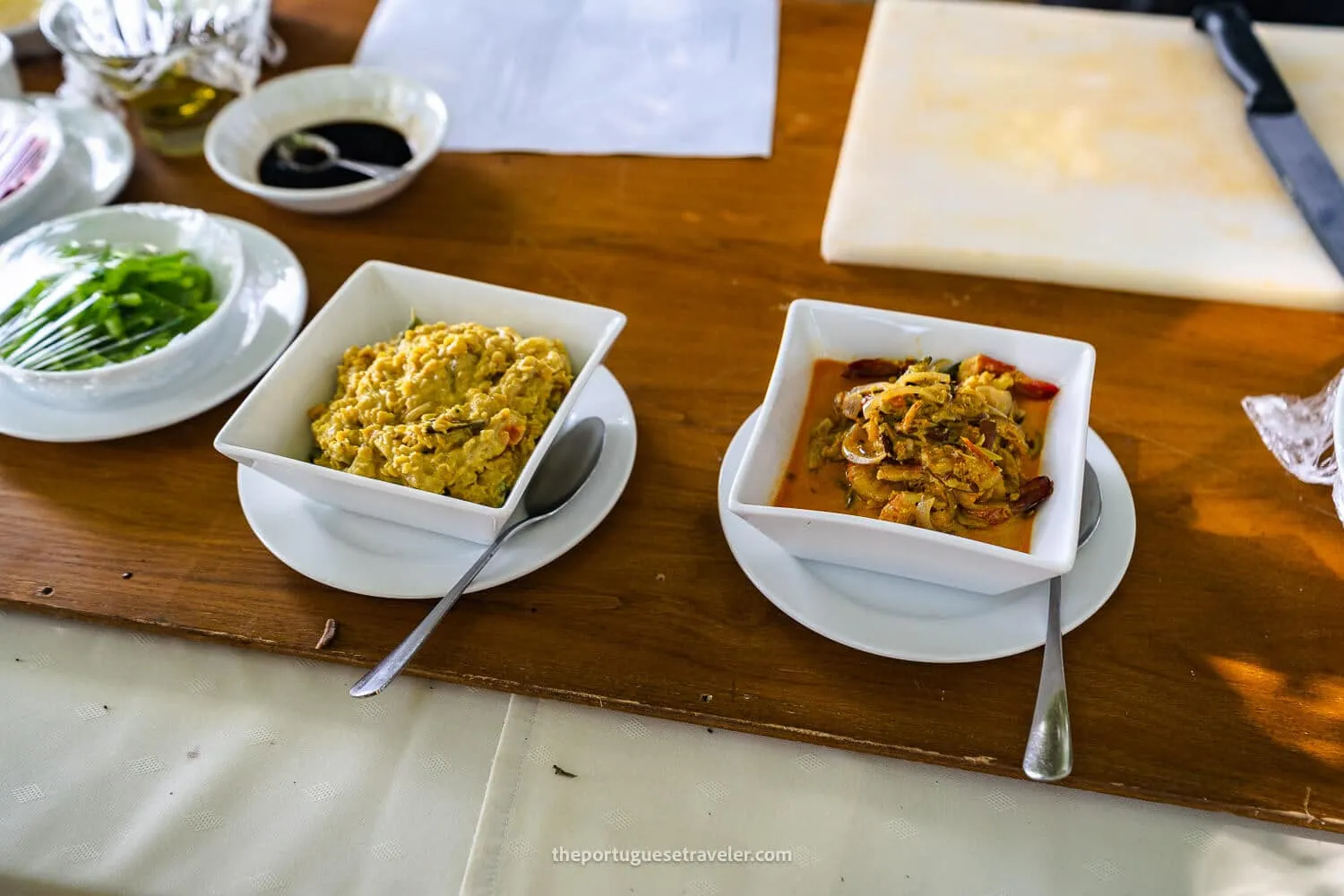
The cooking class at the Ekho Resort Hotel
Visitor Tips & FAQs
In this section, you’ll find essential information to enhance your safari experience, including what to pack, drone regulations within the park, safety tips for avoiding elephant encounters near villages, and whether Yala is worth adding to your travel itinerary.
What to pack for a Yala safari?
To ensure comfort, protection, and convenience during your safari, here’s a list of essential clothing and gear you’ll want to bring along:
- T-shirt: Lightweight, breathable T-shirt (Tech or Merino for moisture-wicking and comfort)
- Jacket: Light waterproof jacket (Gore-tex or H2O Technology) for unexpected rain, and a fleece or puffer jacket for cool mornings and evenings
- Pants: Lightweight, quick-dry pants or shorts (avoid bright colors to blend into the environment)
- Shoes: Comfortable hiking shoes or trekking boots with good grip (for stepping in and out of jeeps and occasional short walks)
- Socks: Moisture-wicking hiking socks (Merino wool is great for comfort and odor resistance)
- Hat: Wide-brim hat or cap (essential for sun protection in open jeeps)
- Sunglasses: Polarized hiking sunglasses (to reduce glare while spotting wildlife)
- Backpack: Small, lightweight backpack (to carry your essentials during the safari)
- Binoculars: Compact binoculars (for spotting wildlife from a distance)
- Camera: Camera with a zoom lens (for capturing wildlife without disturbing them)
- Water Bottle: Reusable, insulated water bottle (to stay hydrated throughout the safari)
- Sunscreen: High SPF, sweat-resistant sunscreen (for protection during long drives under the sun)
- Insect Repellent: Strong repellent with DEET or natural alternatives (to keep mosquitoes and insects away)
- Headlamp or Flashlight: Useful for early morning or late evening travel outside the park
- Scarf or Buff: Lightweight scarf or buff (to protect your face from dust during the jeep ride)
Wear breathable fabrics like cotton or linen to stay cool, and dress in layers to adjust to changing temperatures throughout the day. Avoid excessive noise and sudden movements to respect the wildlife and enhance your safari experience.
Can you fly drones in Yala National Park?
Drone use is strictly prohibited in Yala National Park to protect wildlife and ensure the safety of all visitors.
Safety tips: Avoiding elephant encounters near villages
When traveling near Yala’s surrounding villages, be cautious to avoid encounters with wild elephants, particularly at night. Drive slowly, avoid honking, and give elephants ample space if you encounter them on the road. Never attempt to feed or approach elephants. 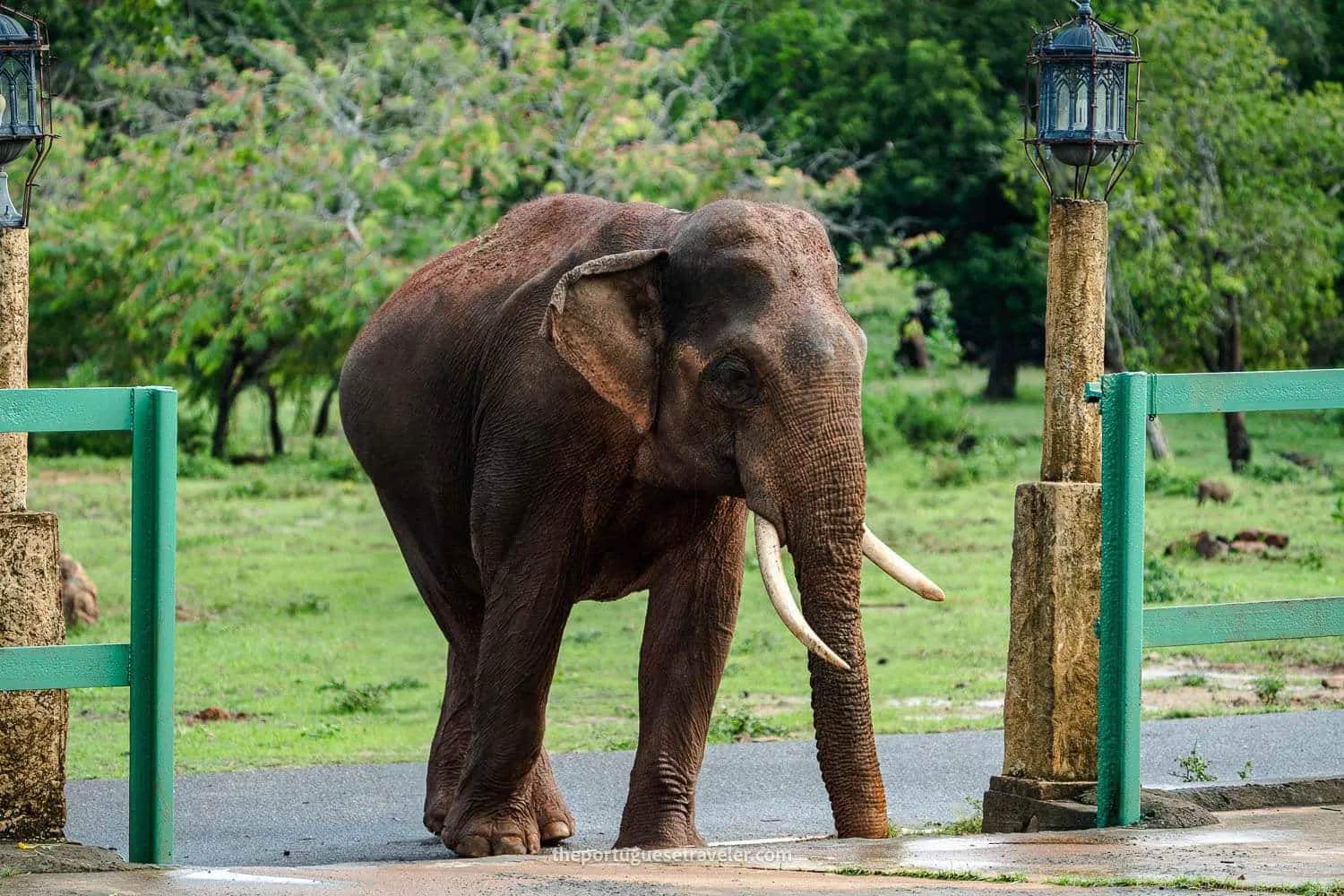
Is Yala National Park worth visiting?
Absolutely! Yala National Park is a must-visit destination for wildlife enthusiasts and nature lovers. With its rich biodiversity, stunning landscapes, and ancient cultural sites, Yala offers an unforgettable safari experience that captures the essence of Sri Lanka’s natural beauty and heritage.
Best Tours in Yalla, Sri Lanka
If you’re planning to explore Yala and its surrounding areas, several highly-rated tours offer unforgettable experiences that will immerse you in the region’s natural beauty and culture:
-
Safari Adventure in Yala National Park Ideal for wildlife enthusiasts, this half-day or full-day jeep safari will take you through the stunning Yala National Park, where you can spot leopards, elephants, sloth bears, and a variety of bird species. With a knowledgeable guide, you’ll learn about the park’s unique flora and fauna while enjoying incredible wildlife encounters.
-
Explore the South Coast of Sri Lanka with Mr. Tuk Tuk For a unique coastal experience, hop on a tuk-tuk and explore the southern coast of Sri Lanka. Visit the iconic Galle Dutch Fort, the peaceful Japanese Peace Pagoda in Rumassala, and several stunning natural sites, including Coconut Tree Hill, Parrot Rock Bridge, and the Sea Turtle Farm. This tour offers a perfect blend of cultural exploration and breathtaking natural beauty.
-
Galle Fort Walking Tour A fascinating walk through the historic Galle Fort, where you’ll visit key sites such as the Star Bastion, the Dutch Reformed Church, the Old Dutch Warehouse, and the Flag Rock Bastion. As you stroll through the cobblestone streets, your guide will share the rich history of this UNESCO World Heritage Site, offering insights into its colonial past and architectural charm.
-
Day Trip from Hikkaduwa, Galle, Weligama, and Mirissa to Ella Highlands If you want to experience the breathtaking landscapes of Ella, this full-day tour is a must. Visit the ancient Buduruwagala Temple, marvel at Ravana Falls, and hike to the famous Nine Arches Bridge. The tour also includes a visit to Ella Rock and a thrilling zip line experience with Flying Ravana, followed by a stop at the Halpewaththa Tea Factory, where you can enjoy a cup of freshly brewed Ceylon tea while taking in the picturesque views.
-
Traditional Jewelry Making Workshop in Galle For a hands-on cultural experience, this jewelry-making workshop in Galle allows you to create your own custom silver jewelry. Learn traditional techniques such as metal fusion, gemstone setting, and polishing, and leave with a unique piece of jewelry you crafted yourself. You’ll also get to examine local gemstones and purchase custom pieces at reasonable prices.
Whether you’re seeking adventure, cultural insights, or a unique hands-on experience, these tours near Yala offer something special for every type of traveler. 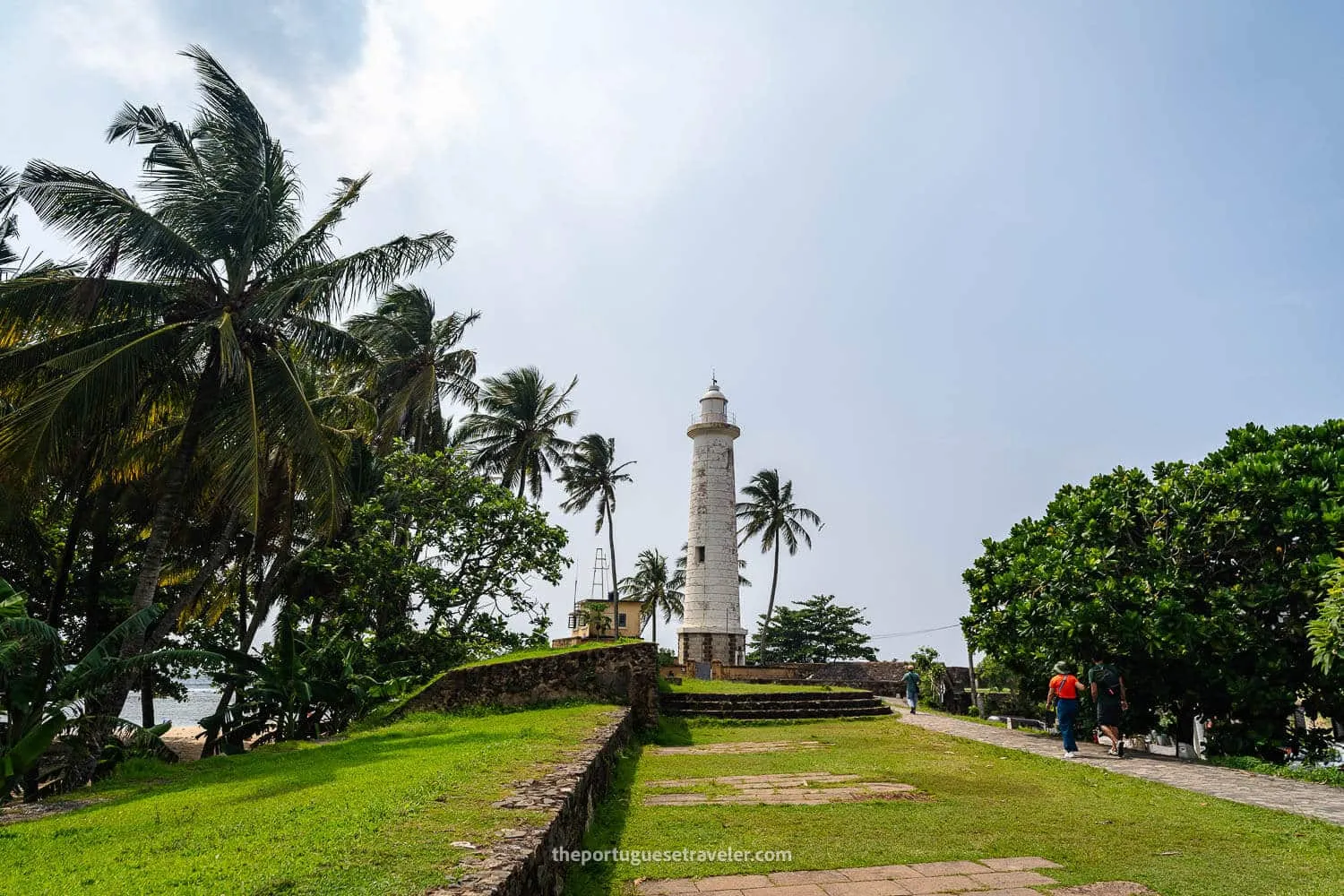
My Experience at the Yala National Park
Yala isn’t just about spotting wildlife—it’s a place where nature, culture, and local life come together in a way that’s hard to forget. Before heading into the park for our safari, we had the chance to explore some of the area’s cultural and religious sites, each offering a glimpse into the region’s rich history and traditions.
Exploring Yala’s Cultural and Religious Sites
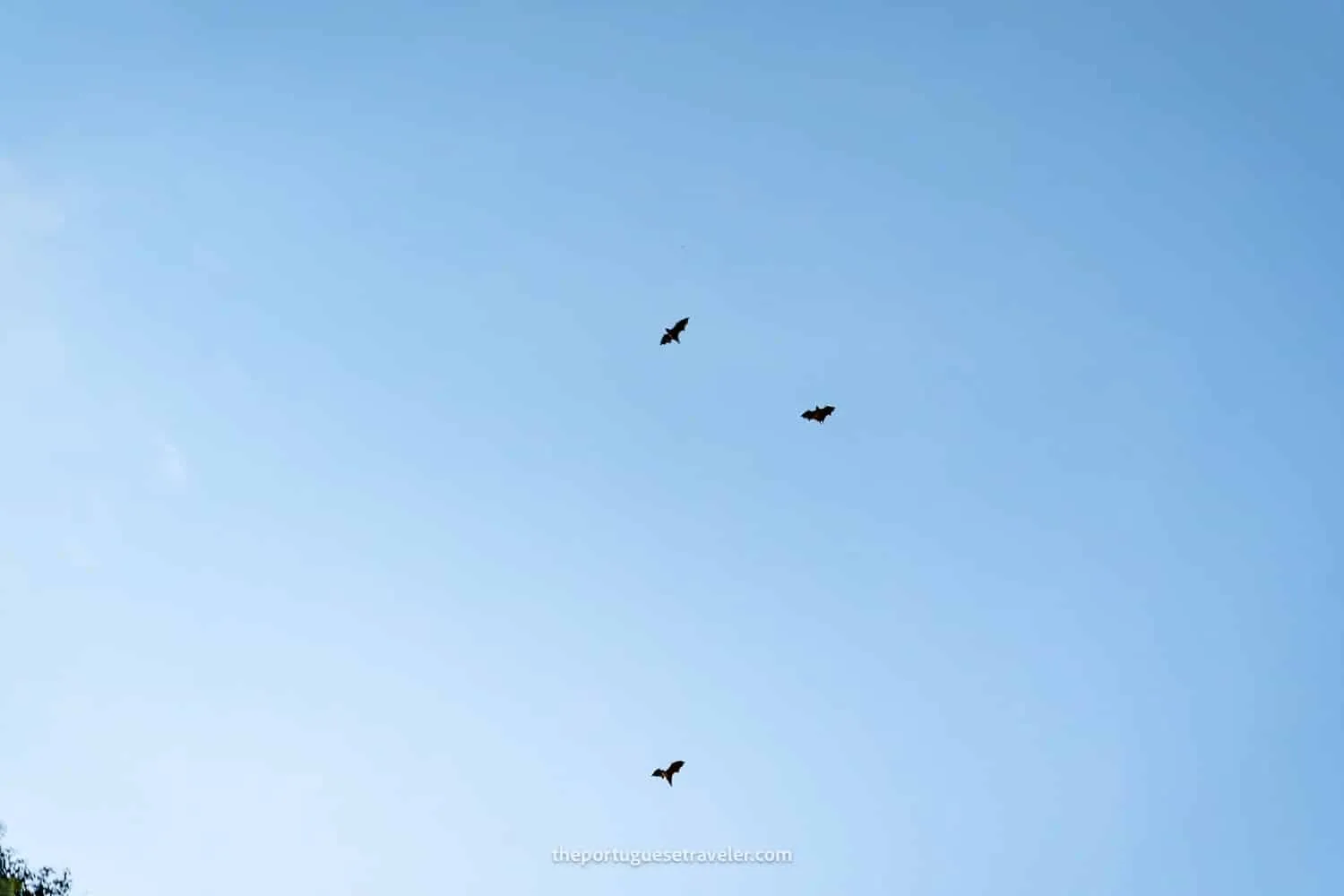
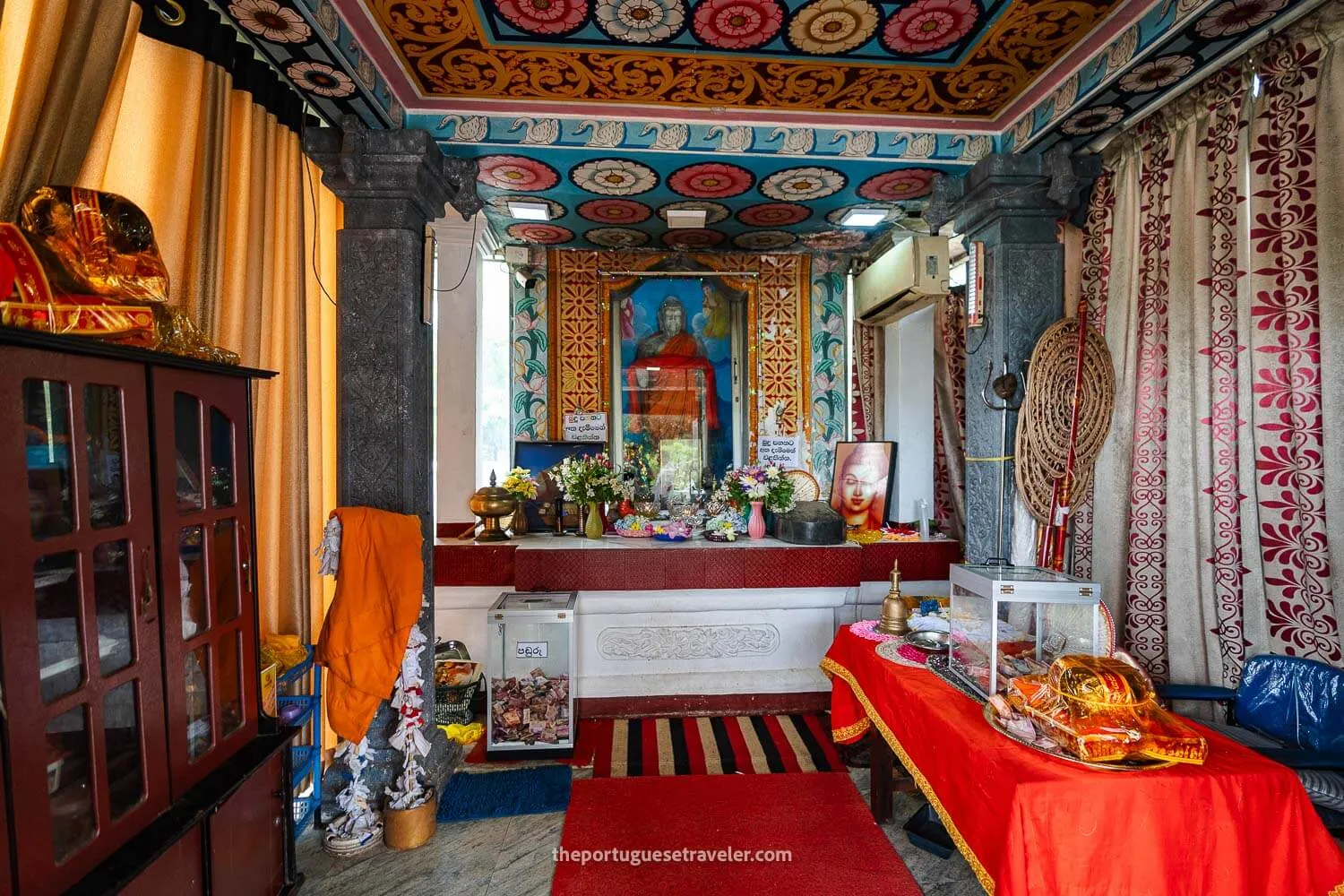
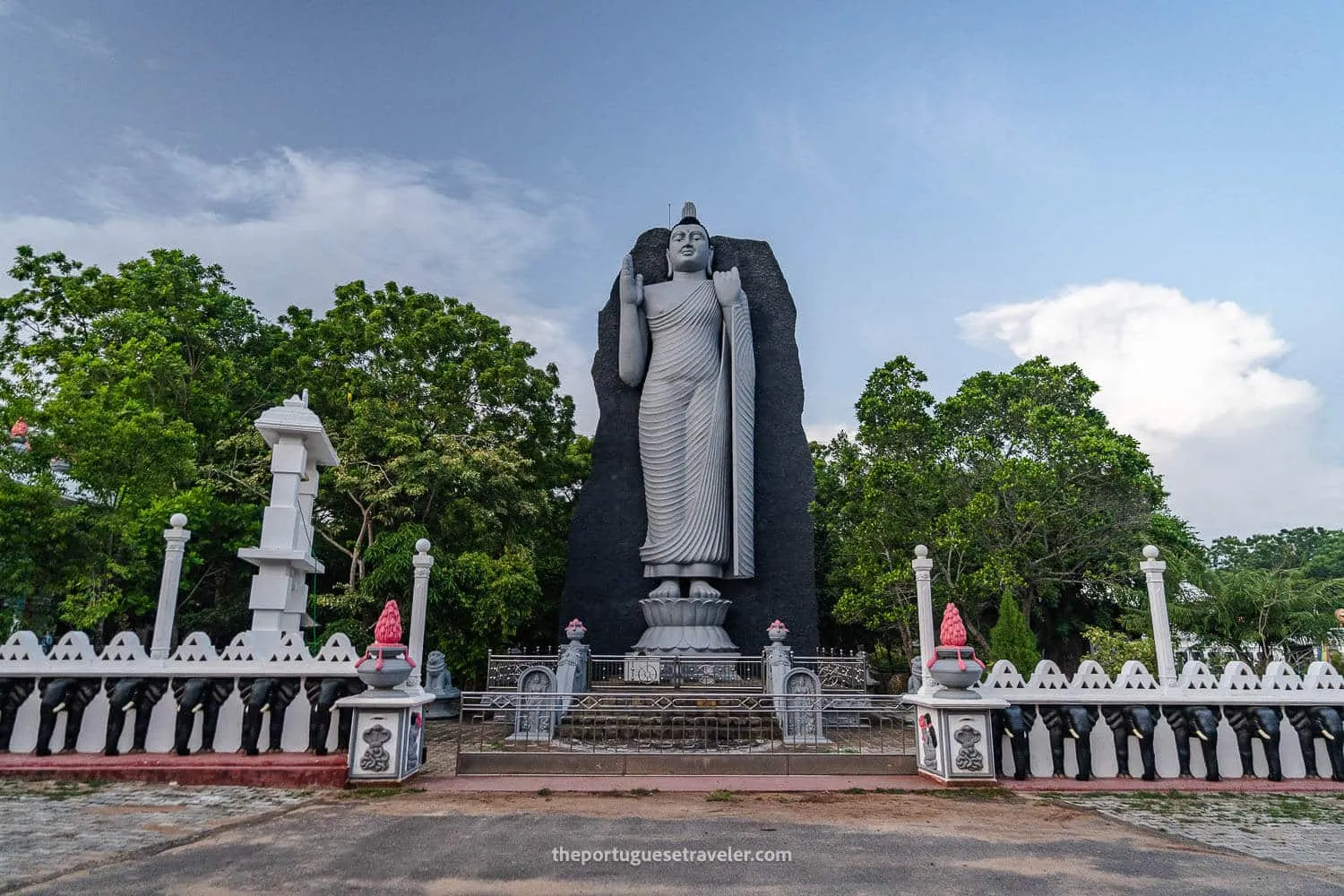
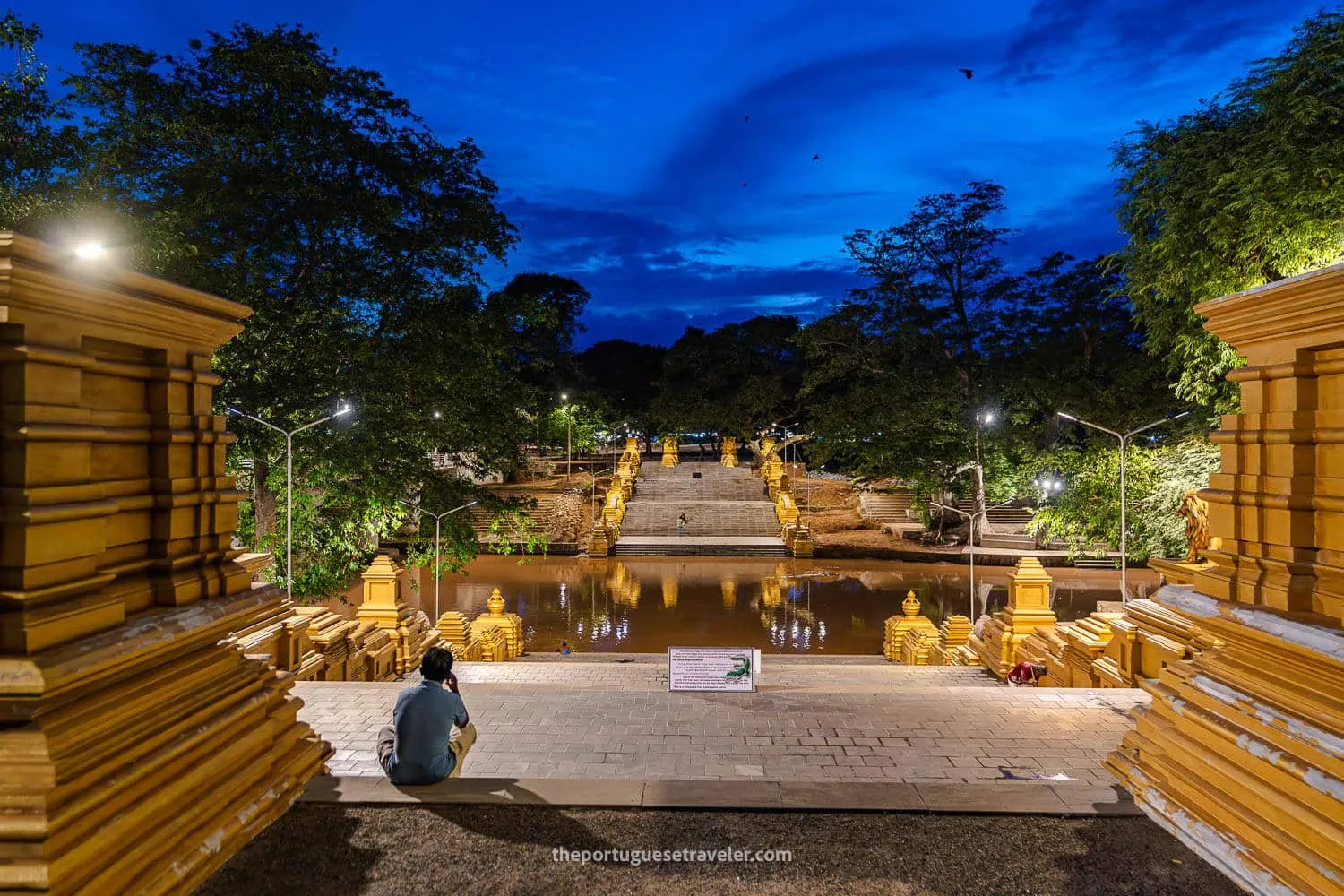
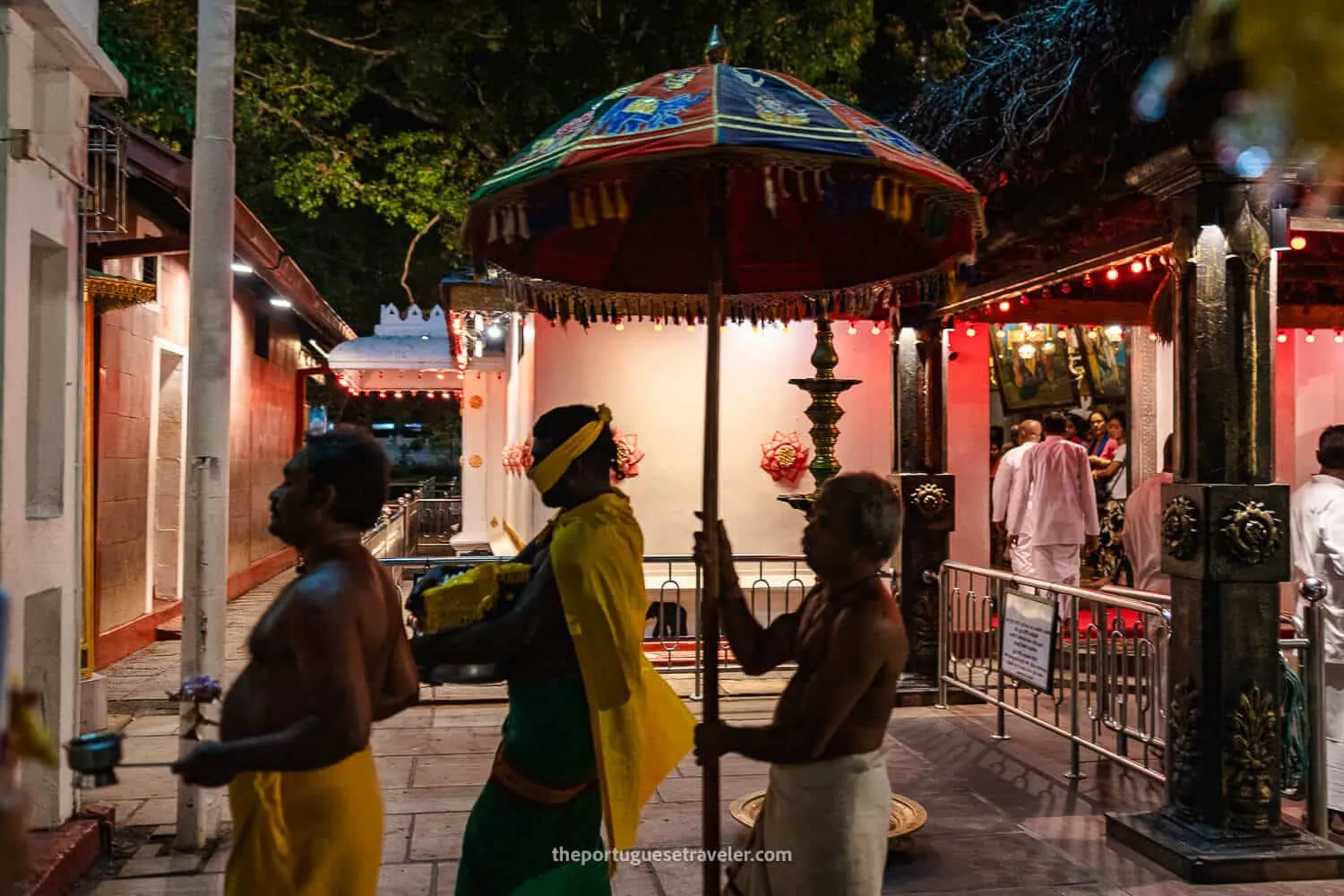
We arrived in Yala after our time in Ella, passing through the renowned Tissamaharama Raja Maha Vihara Temple along the way. Lunch was at the Oak Ray Wild Yala Hotel, where we enjoyed a delicious meal before continuing to Sithulpawwa Rock Temple. We left our luggage at our accommodations - our group was split between two hotels: Ekho Safari Tissa-Yala Hotel and Kithala Tissa-Yala Resort. That afternoon, we explored the ancient temple of Sithulpawwa, which offered not only cultural insight but also a preview of the incredible wildlife Yala National Park is known for. As dusk approached, we visited the Sacred City of Kataragama. Upon arrival, we were captivated by the sight of enormous bats filling the twilight sky, likely returning to their caves for the night. At the same time, Malabar Pied Hornbills perched on nearby trees, feasting and resting, a wonderful spectacle of nature. Entering the temple complex, we witnessed the beautiful blend of Buddhist and Hindu traditions. The vibrant ceremonies and colorful offerings created a lively atmosphere, and we were fortunate to observe a Pooja Ceremony, a spiritual experience that left a lasting impression. On our way back to the shuttle, we encountered a group of locals dancing joyfully to trumpets and drums, celebrating the fulfillment of wishes made at the temple. They kindly shared fruits that had been offered to the deities - a gesture of gratitude and communal spirit. 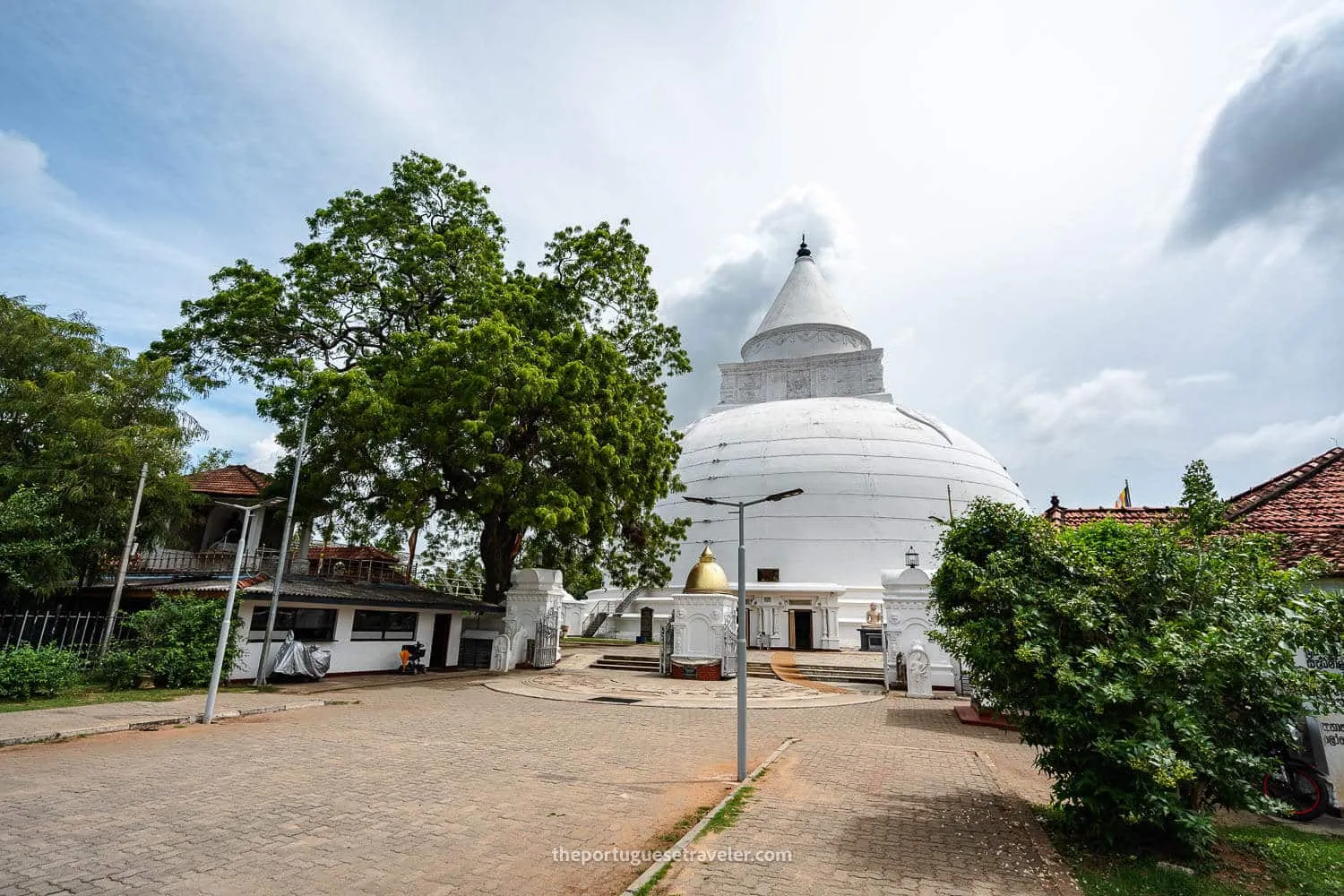
The Safari Experience: Wildlife and Landscapes
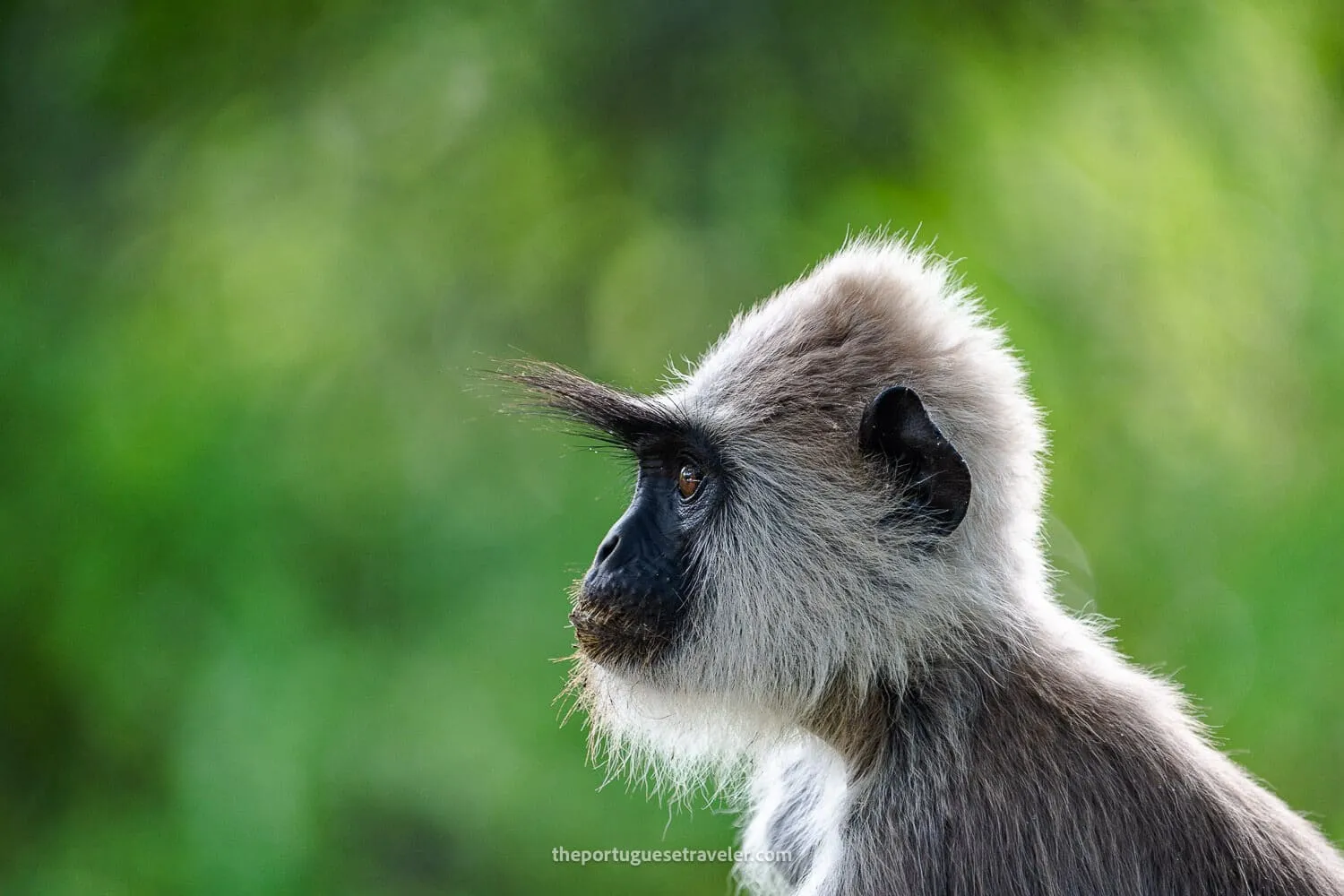
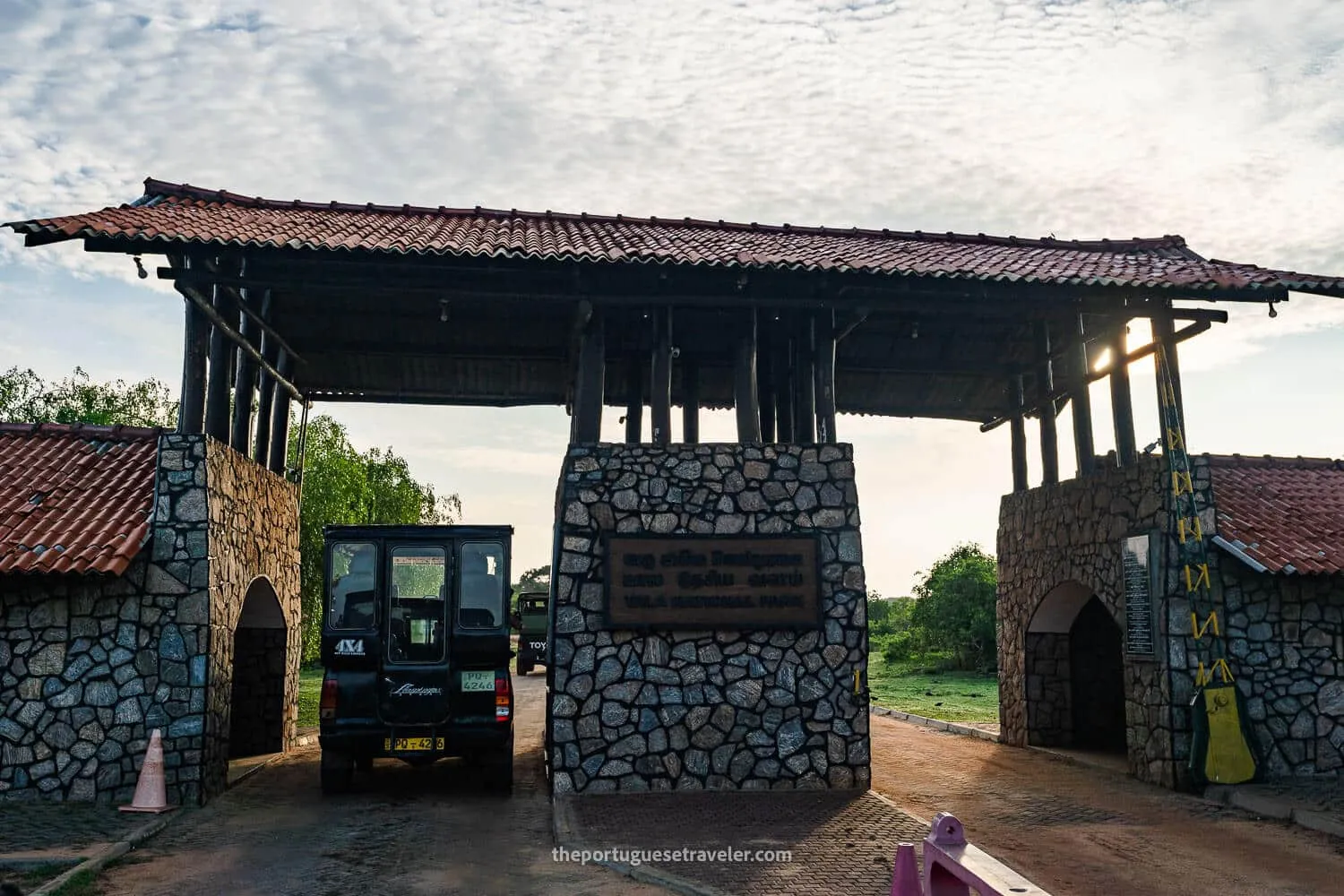
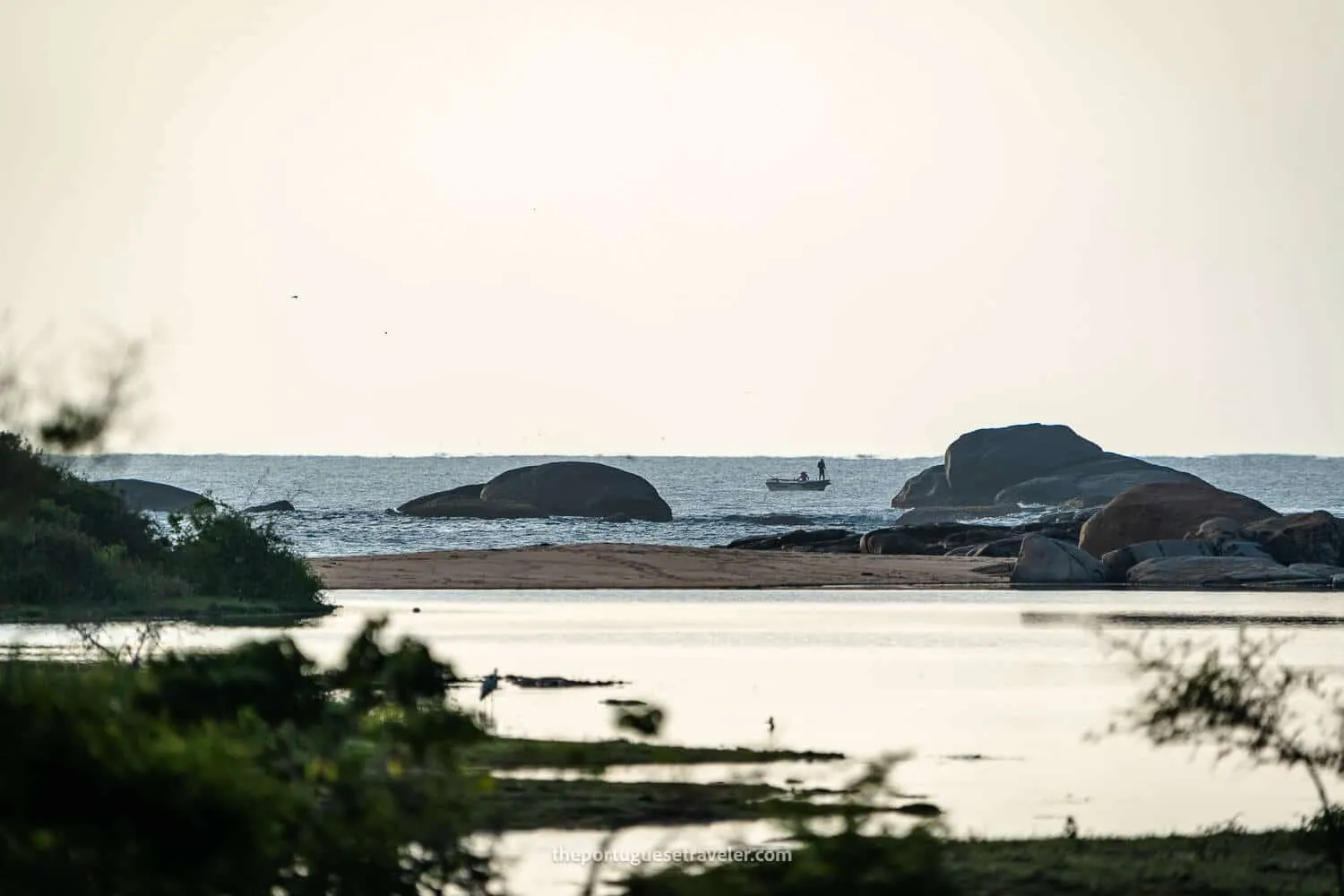
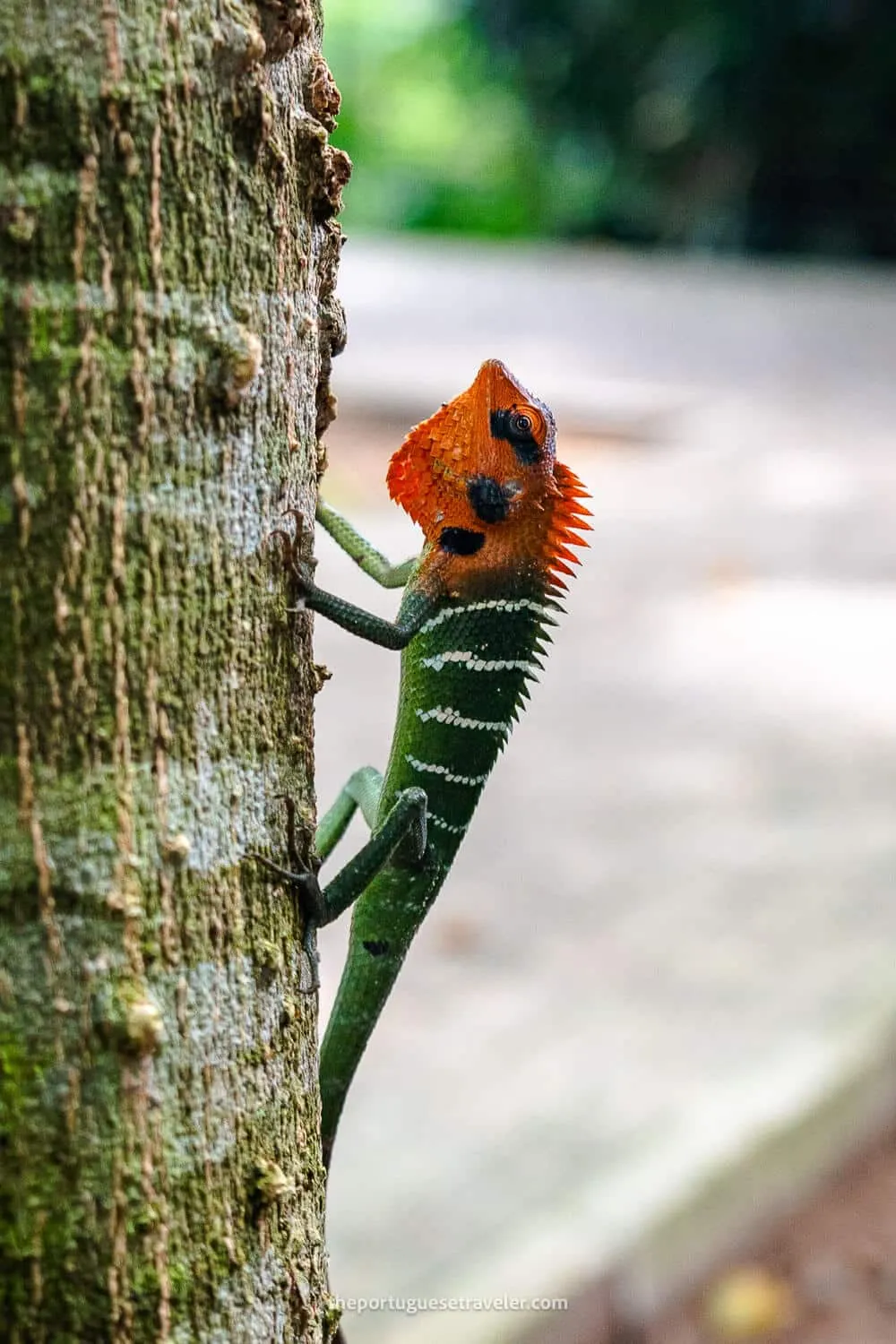
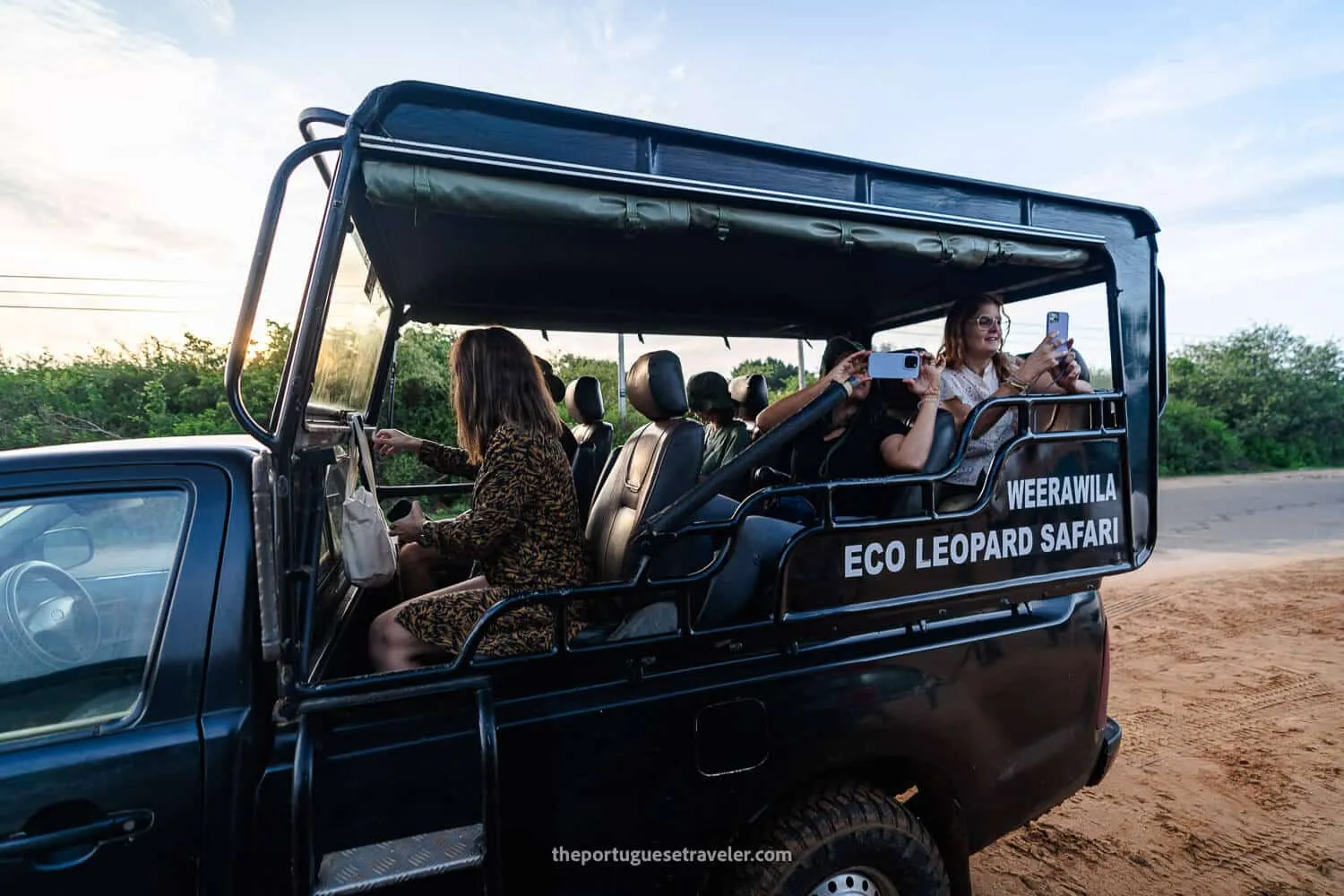
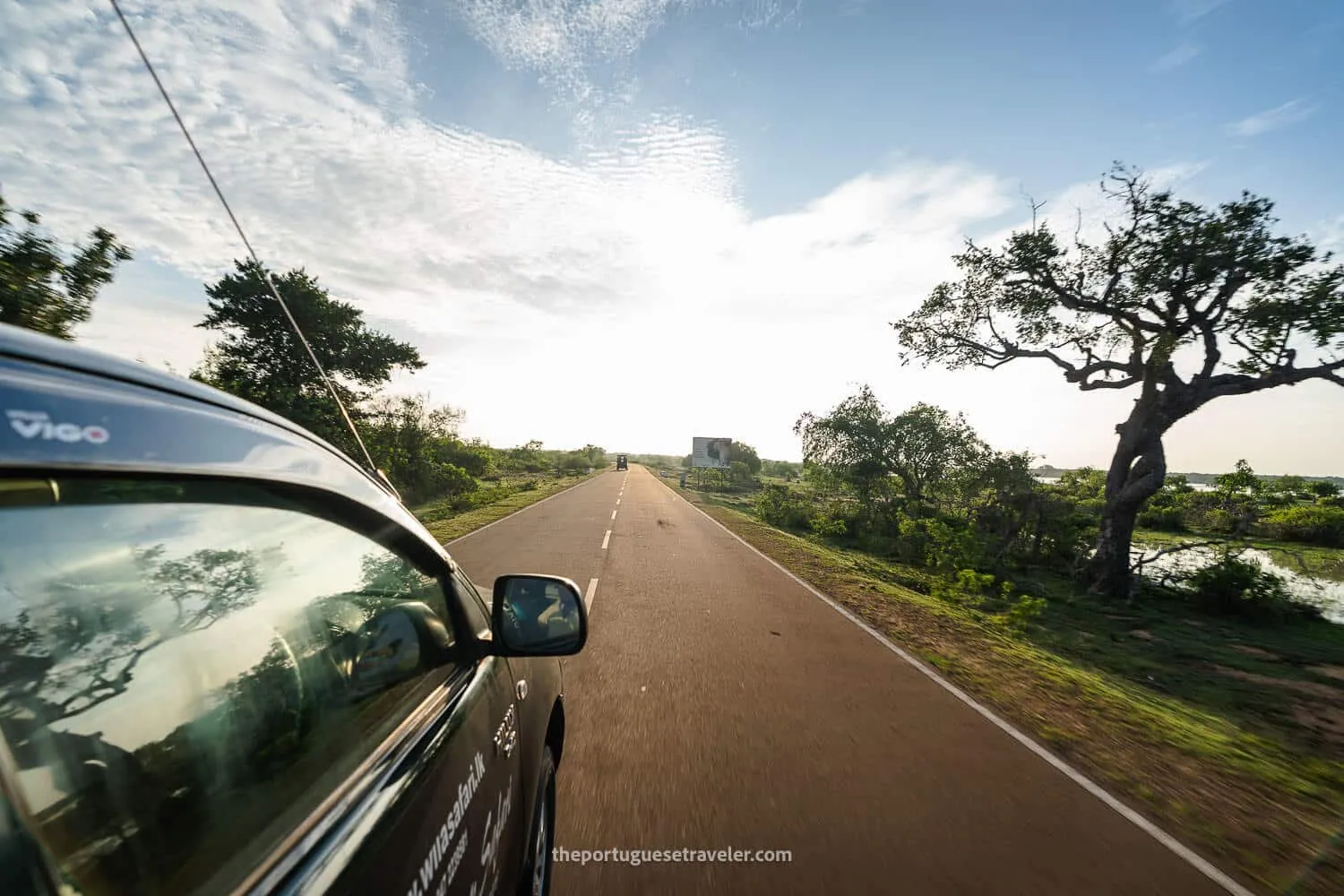
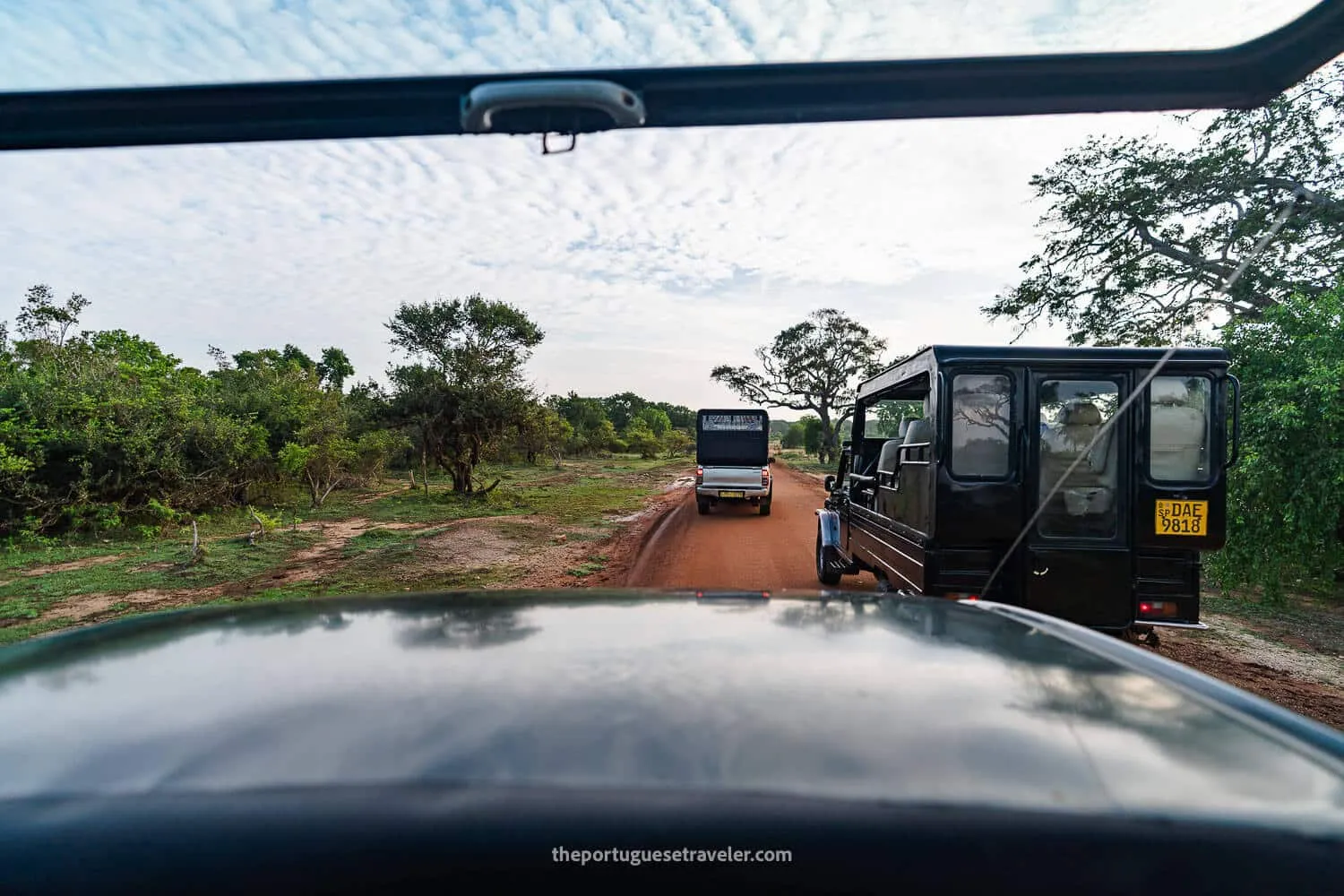
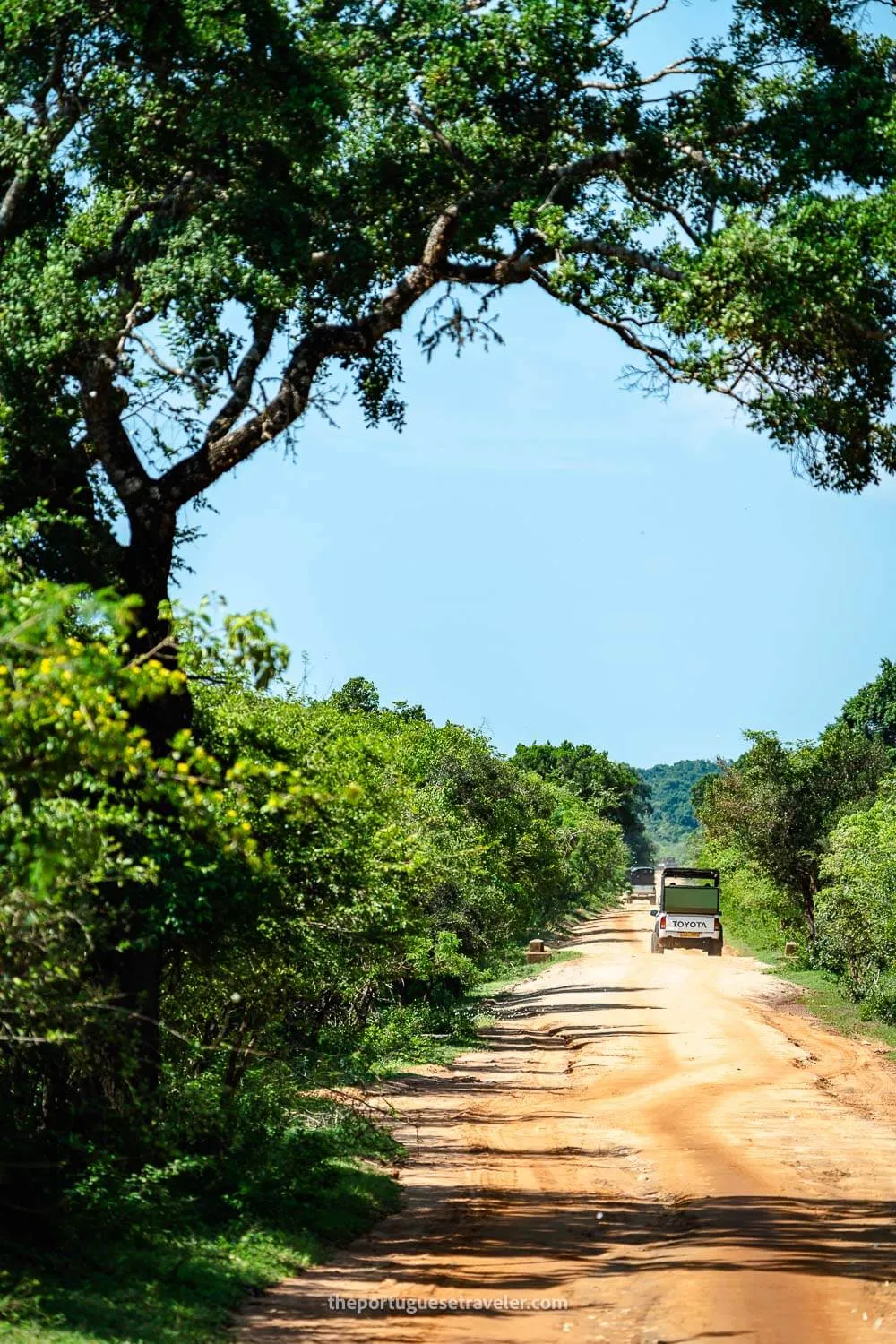
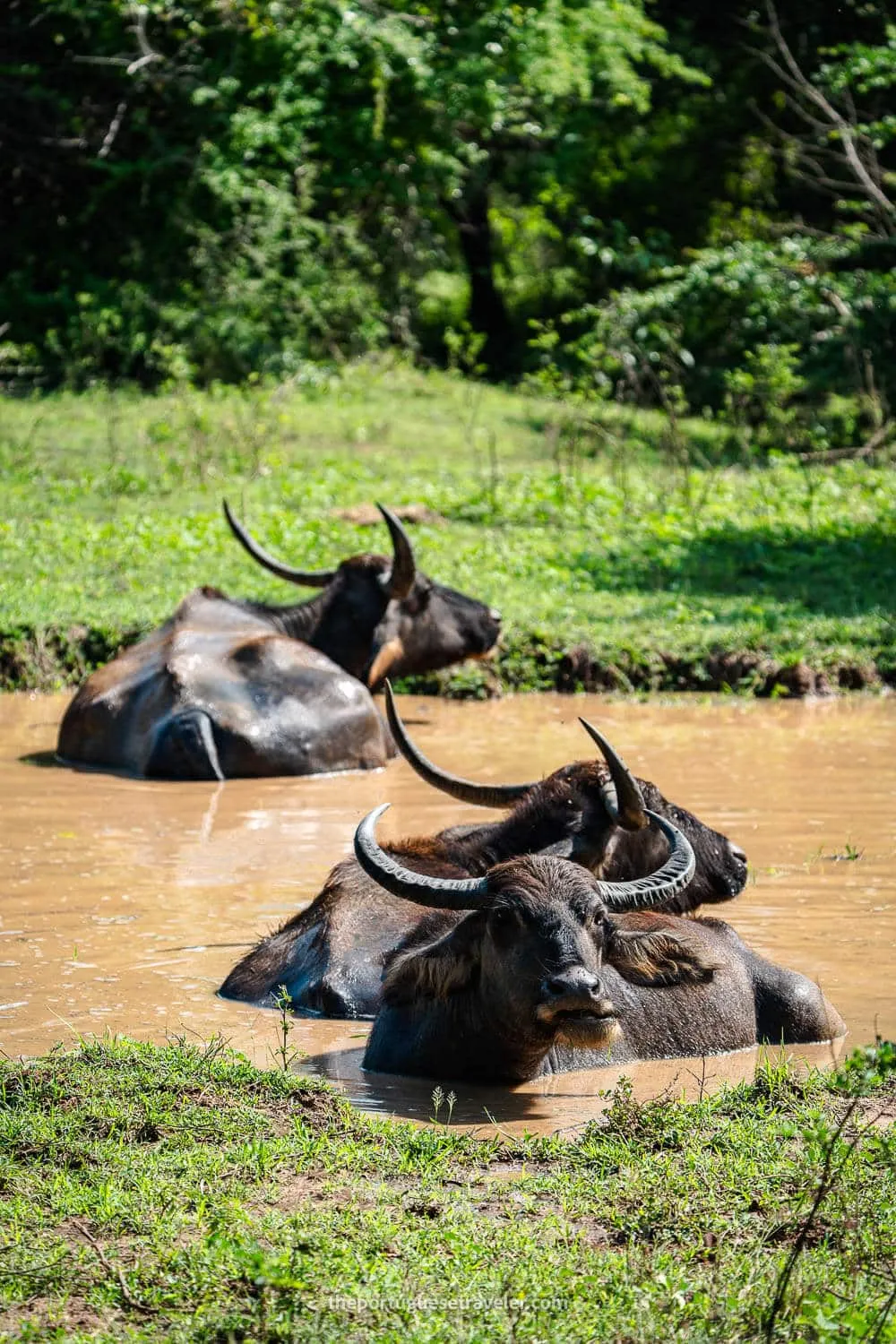
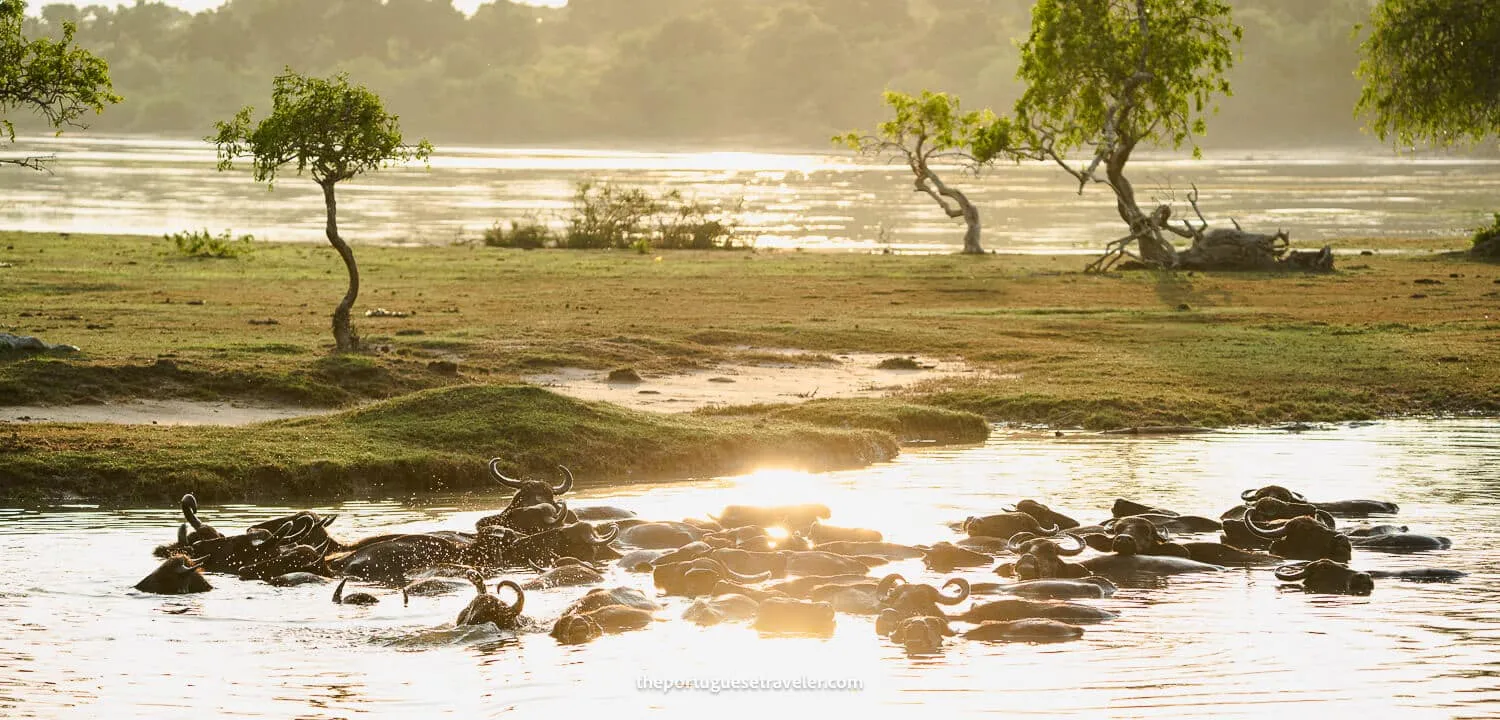
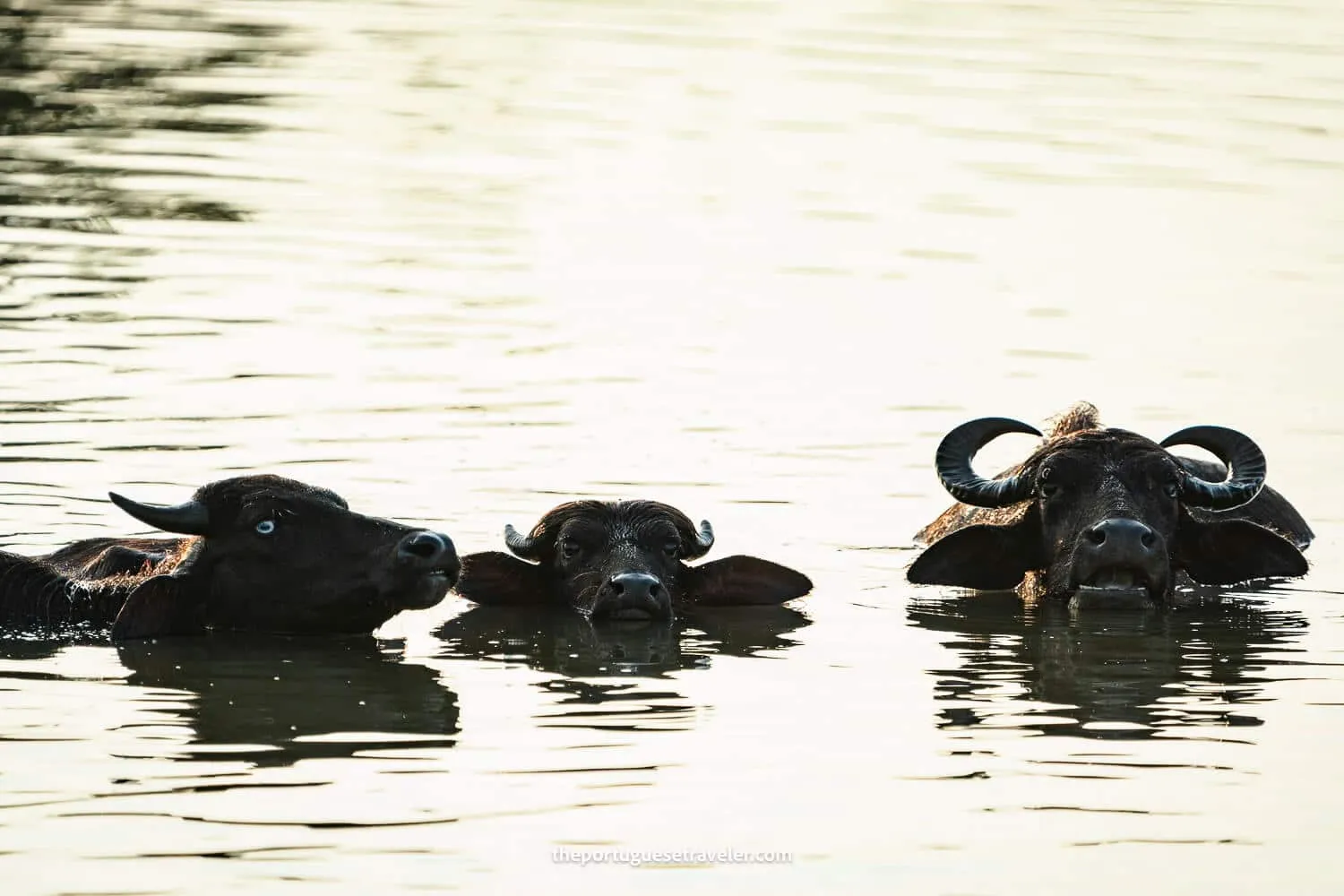
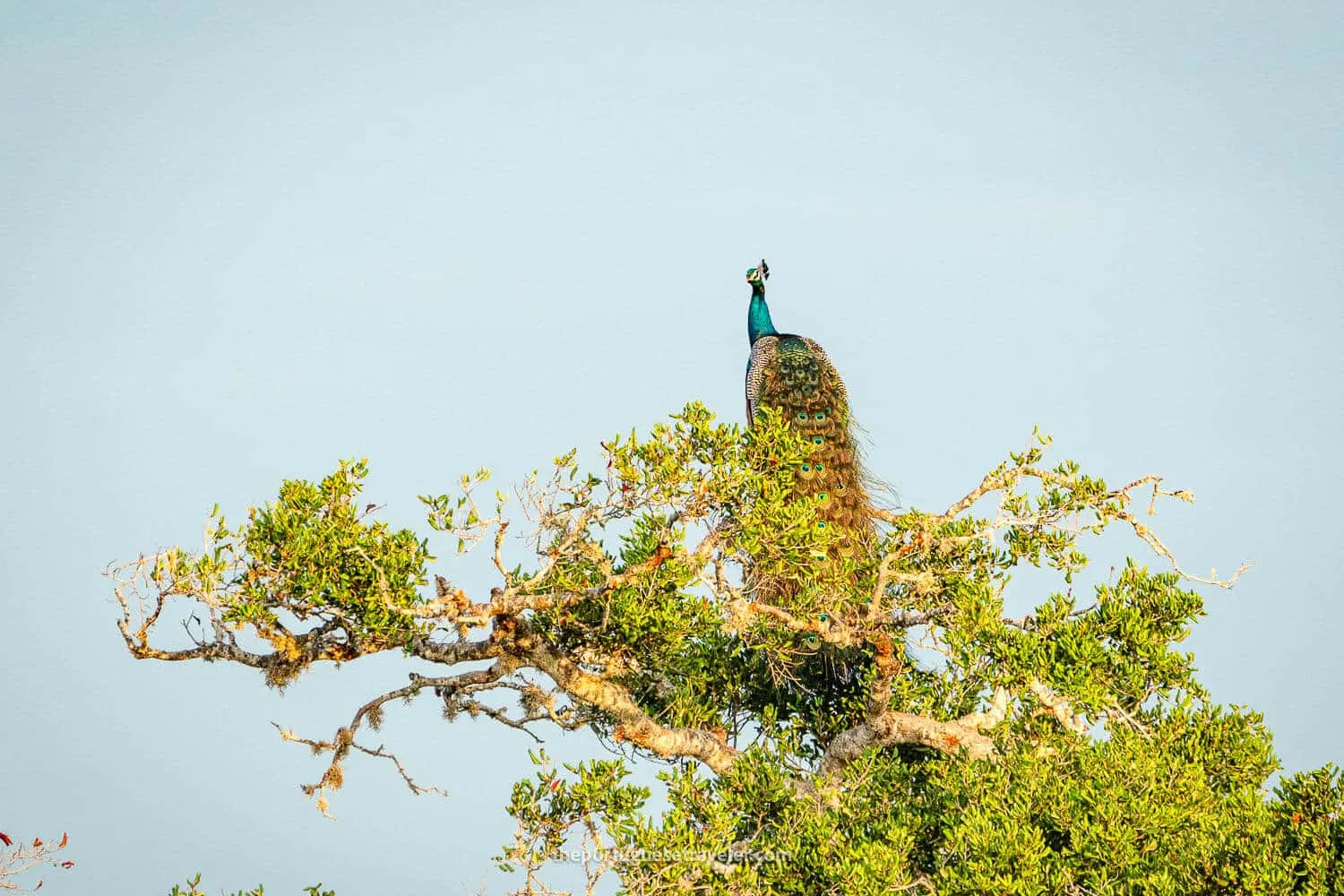
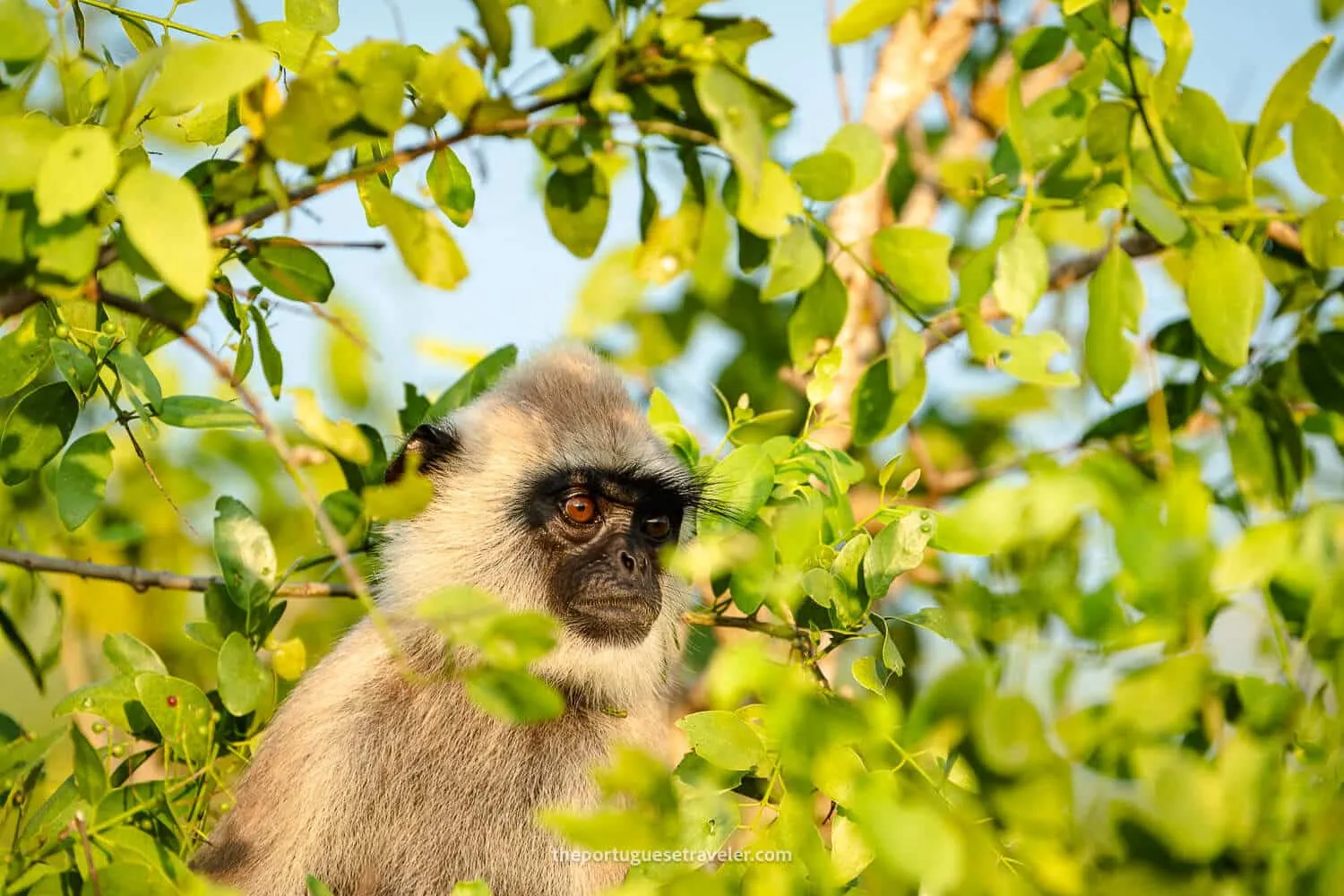
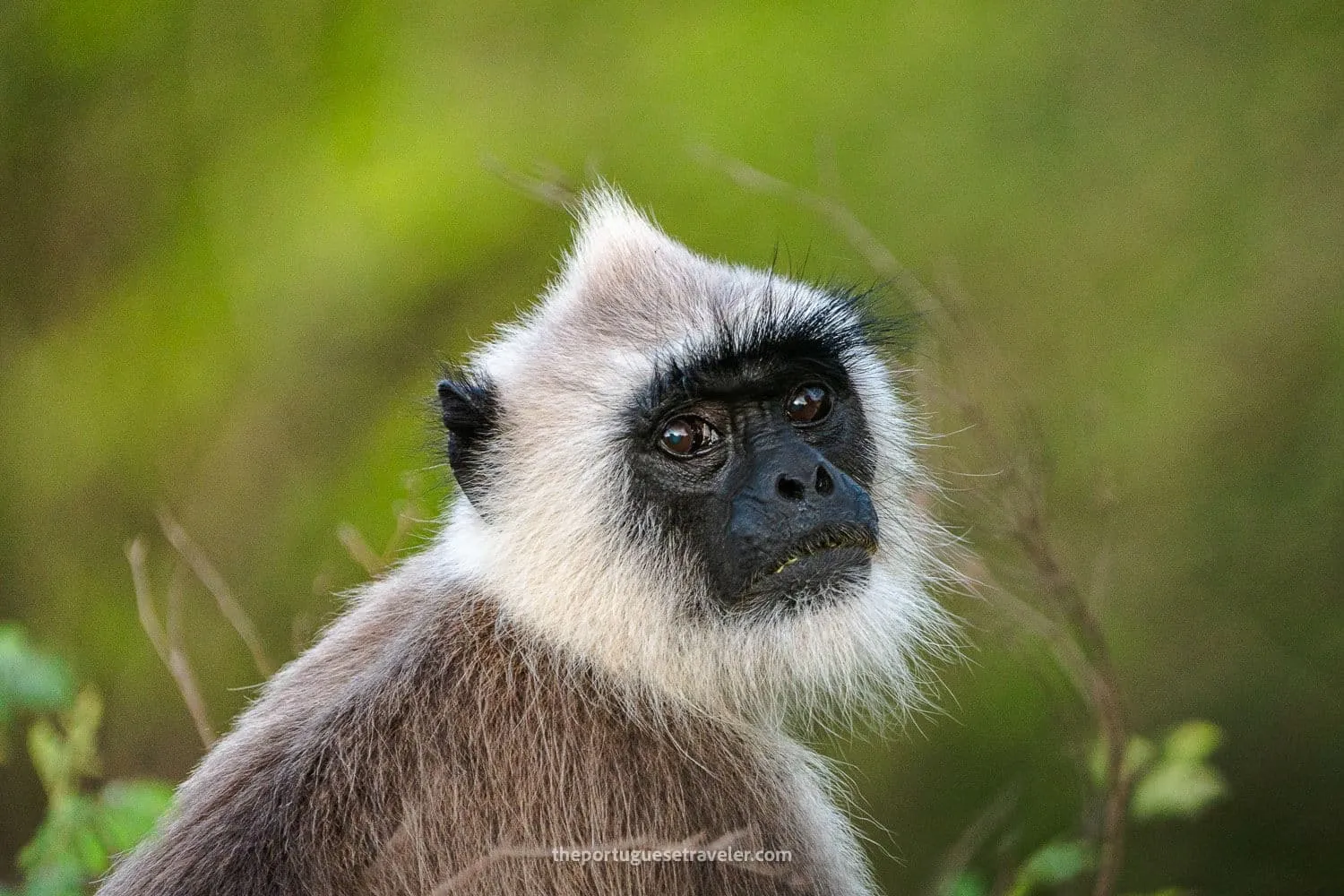
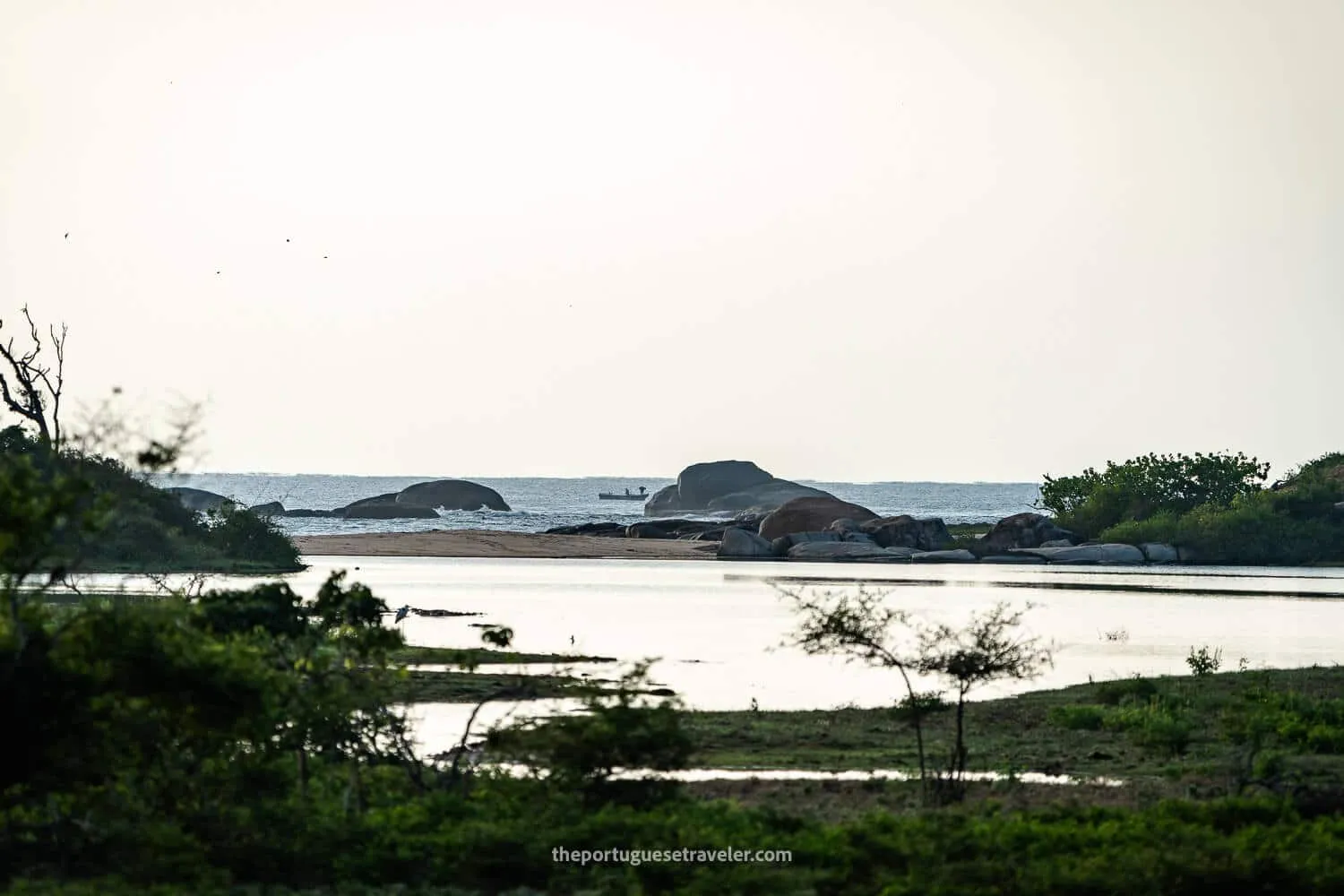
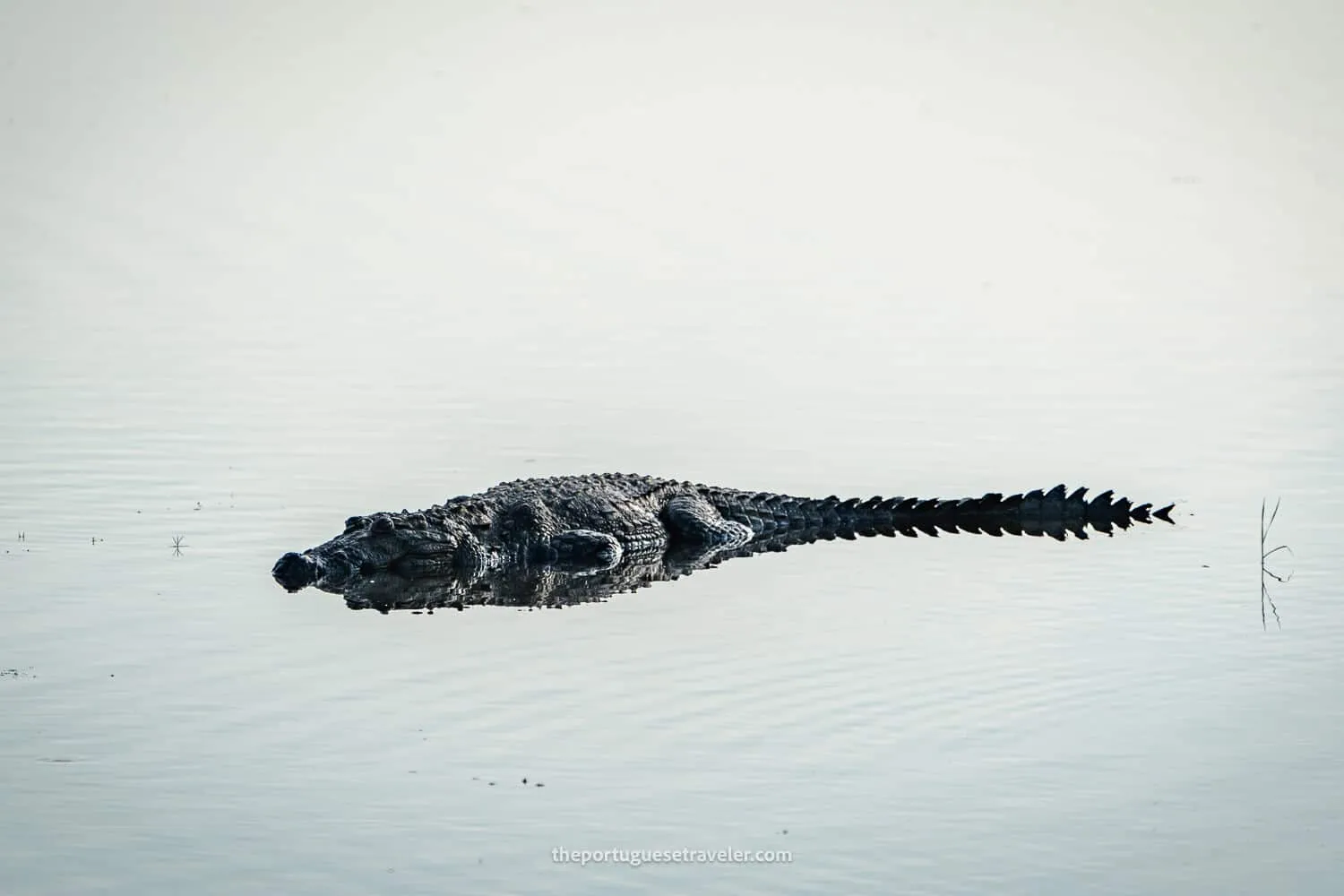
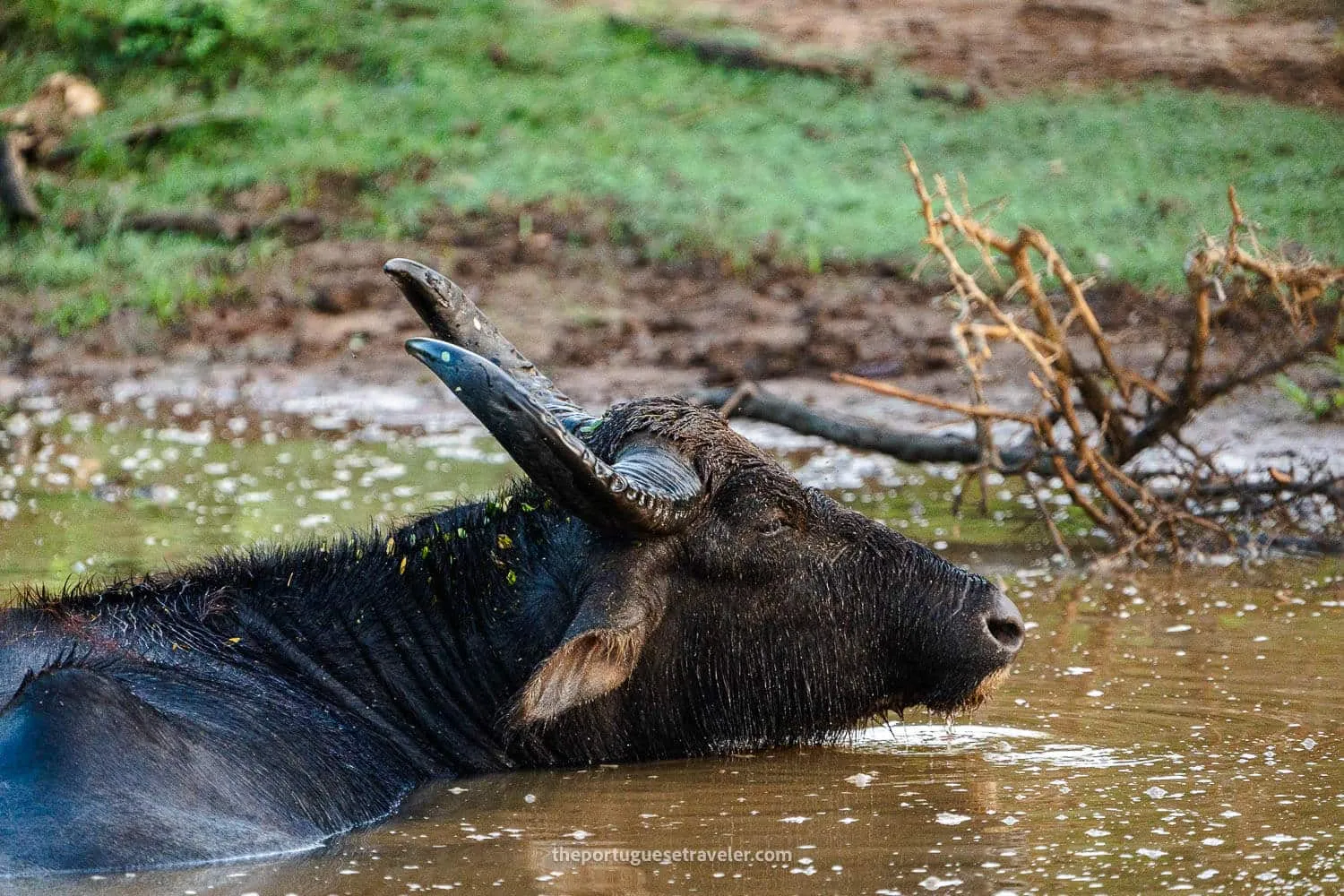
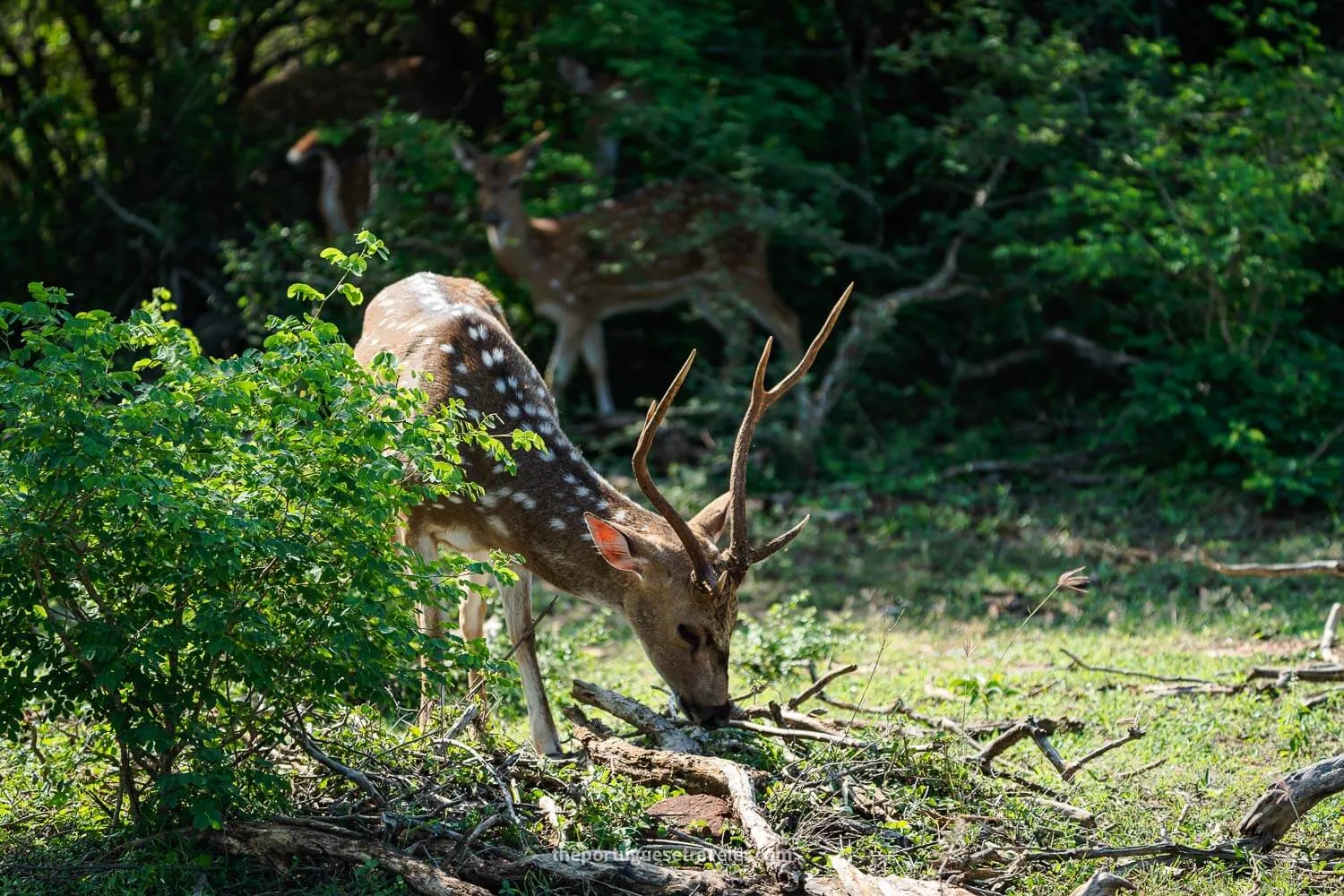
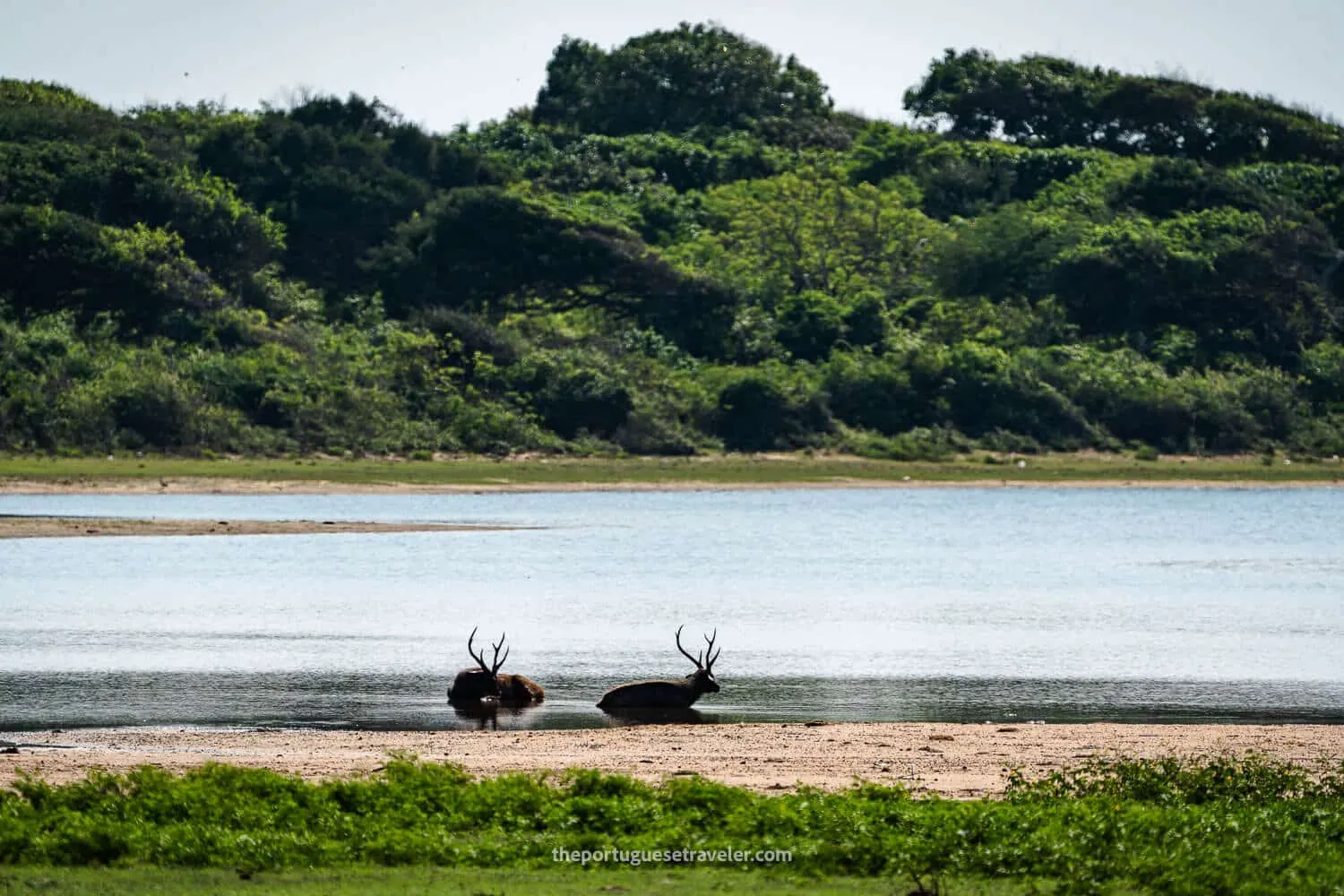
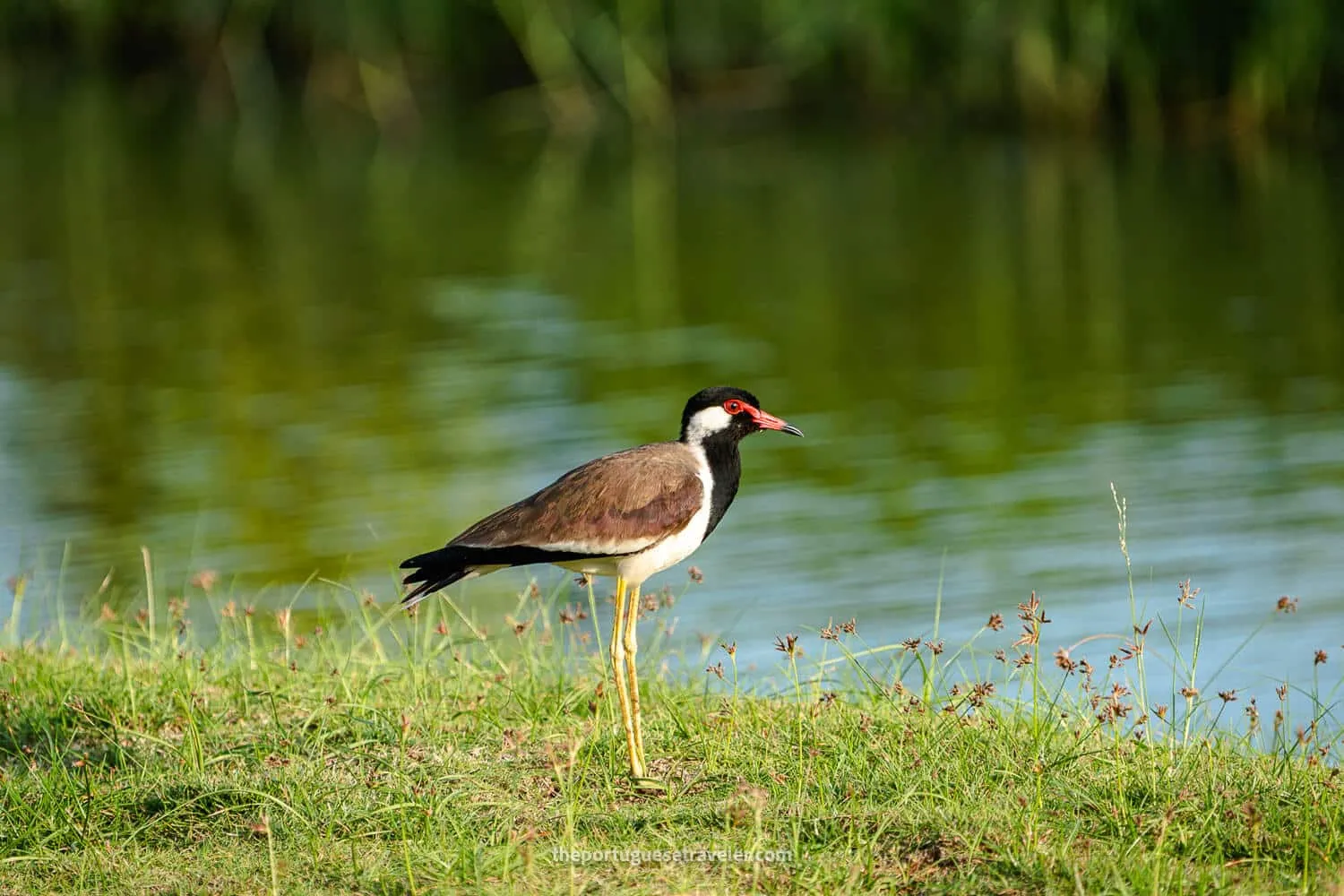
The following morning marked the long-awaited safari day. With breakfast packed in paper bags, we departed before dawn toward Yala National Park, safari hats provided by the Sri Lanka Tourism Board. Our group split into two jeeps. I shared mine with Jorge, Sonia, Ricardo, Ana, and Nithini from the tourism board. Jorge and I, armed with our 200-600mm telephoto lenses, were eager to capture stunning wildlife shots, this was the moment those heavy lenses had been carried for. As we entered the park, the landscape quickly revealed its inhabitants. Herds of spotted deer grazed in the golden morning light, and vibrant Asian Green Bee-Eaters flitted through the air. Peacocks strutted gracefully - reminding me of the ones at São Jorge Castle in Lisbon, though here they were in their natural habitat. We spotted gray langurs swinging through the trees and water buffalo cooling off in ponds, a scene beautifully backlit by the sun as if nature itself had staged the moment. Our jeep ventured deeper into the park, now separated from the other group’s vehicle. Mongooses rested on rocky outcrops near the coastline, where fishermen cast their nets into the shimmering sea. This spot, where a lake merged visually with the ocean, was idyllic. Crocodiles lurked in the shallows, herons waded gracefully, and a Red-wattled Lapwing curiously patrolled the water’s edge. We admired Elephant Rock from afar and marveled at the park’s ancient rock formations, standing as silent witnesses to centuries of life. 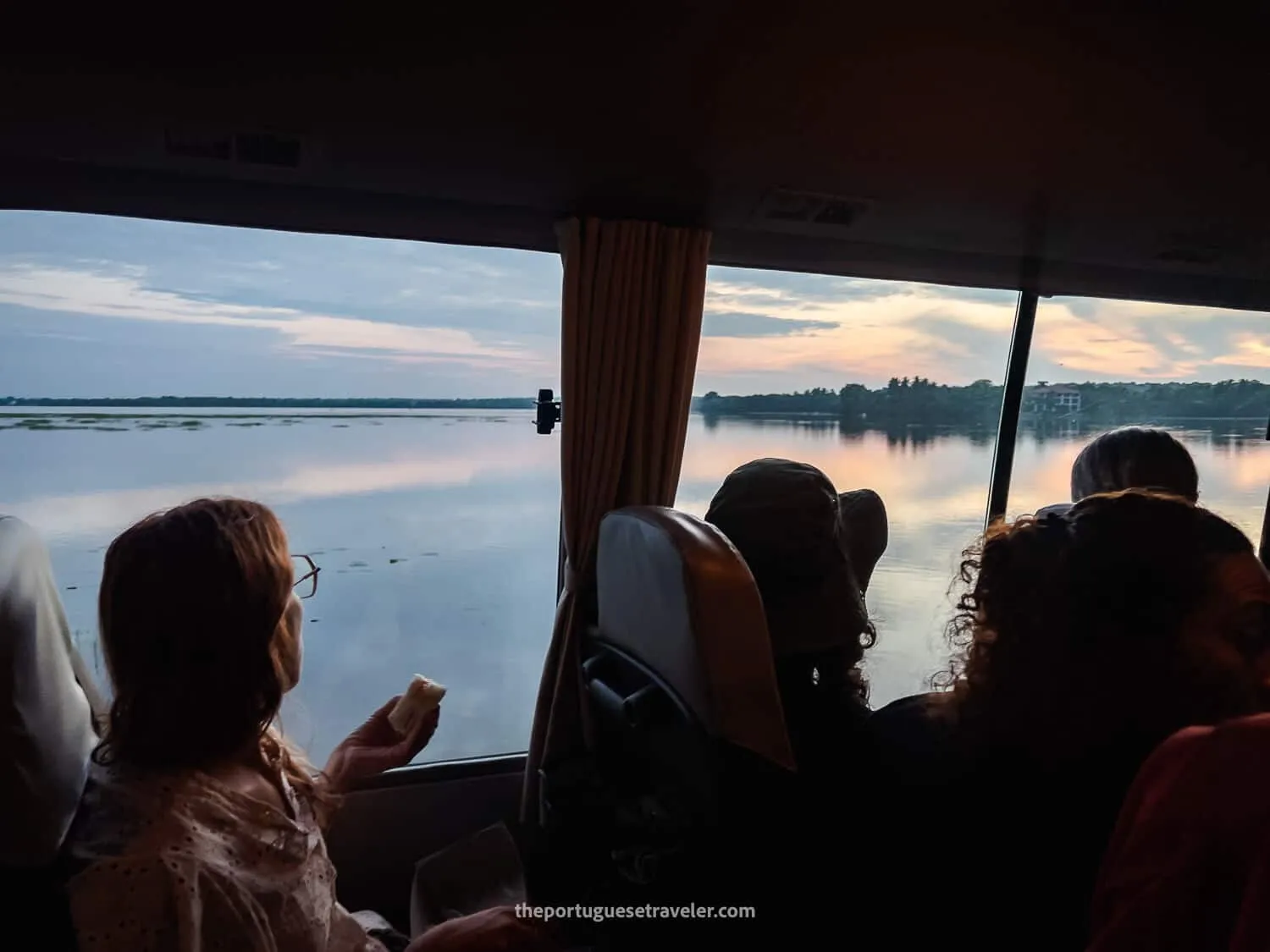
The Elusive Leopard and Final Sightings
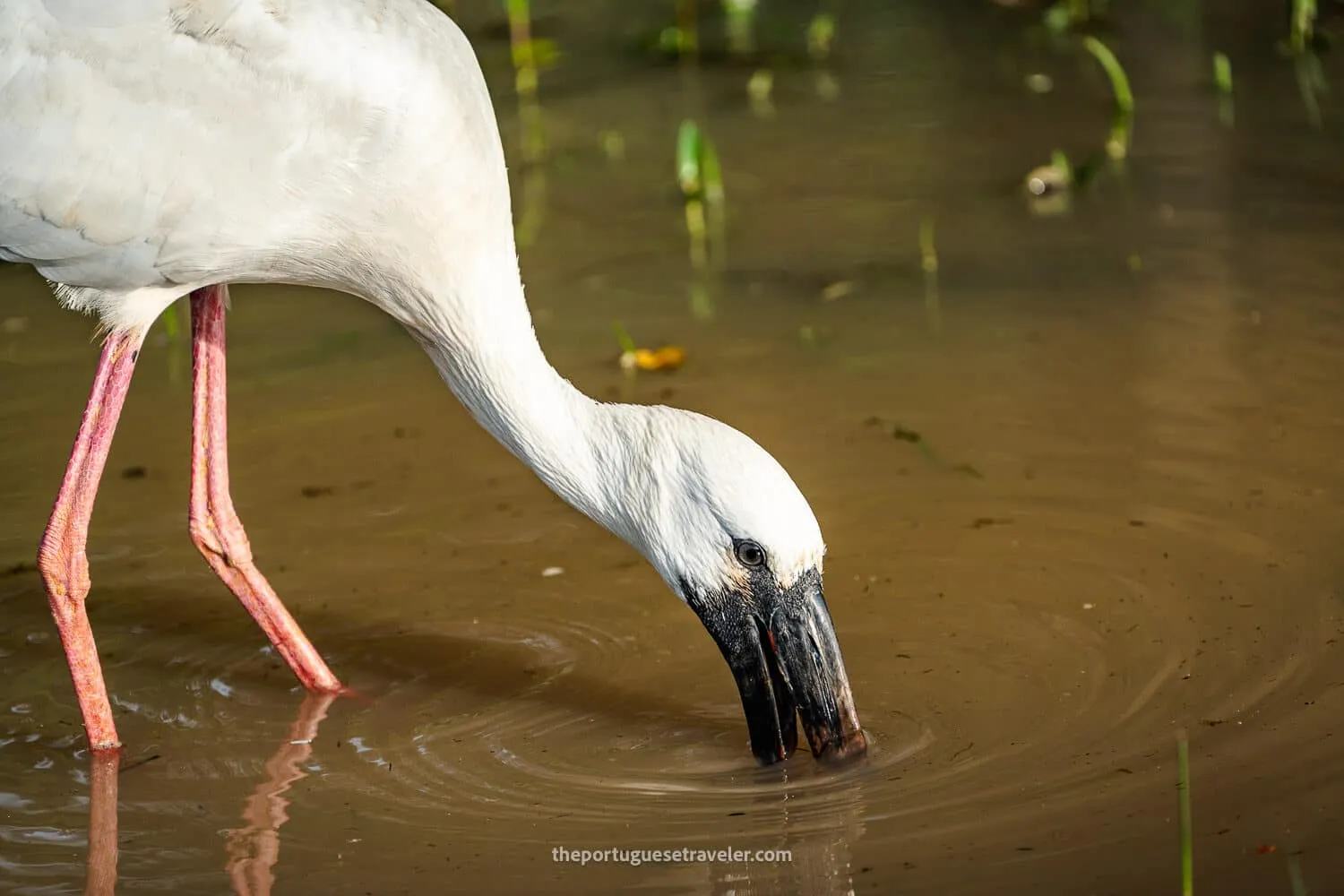
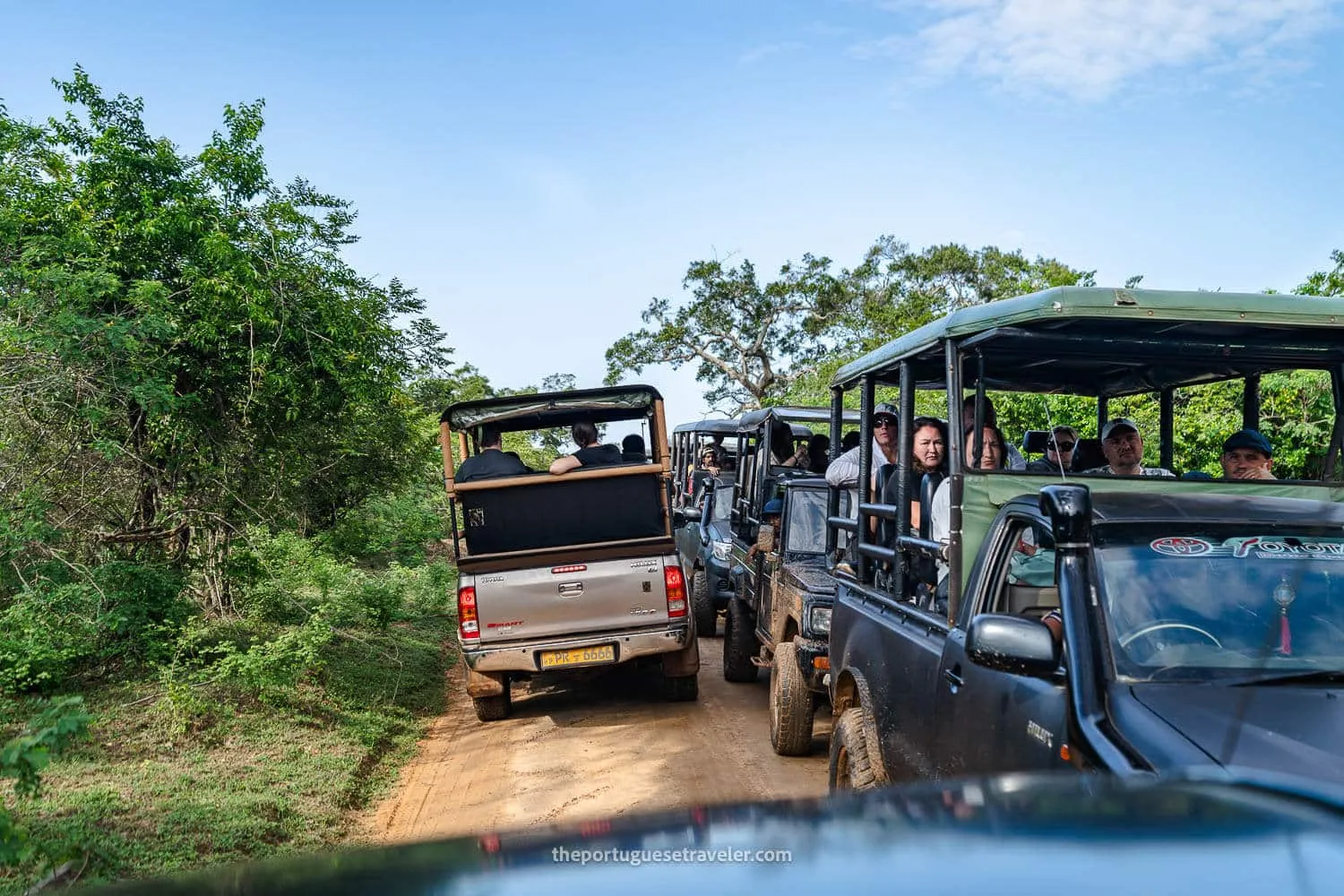
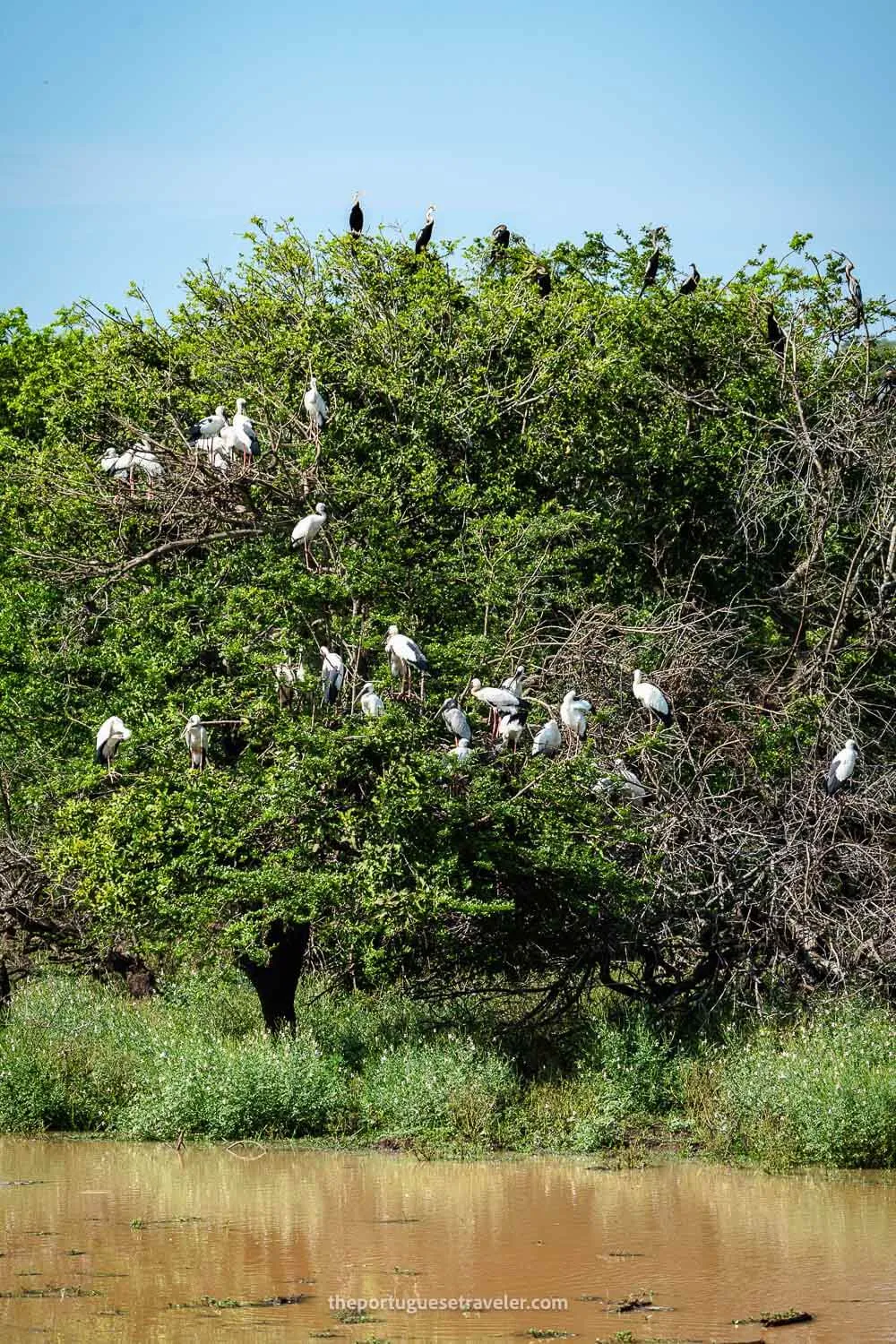
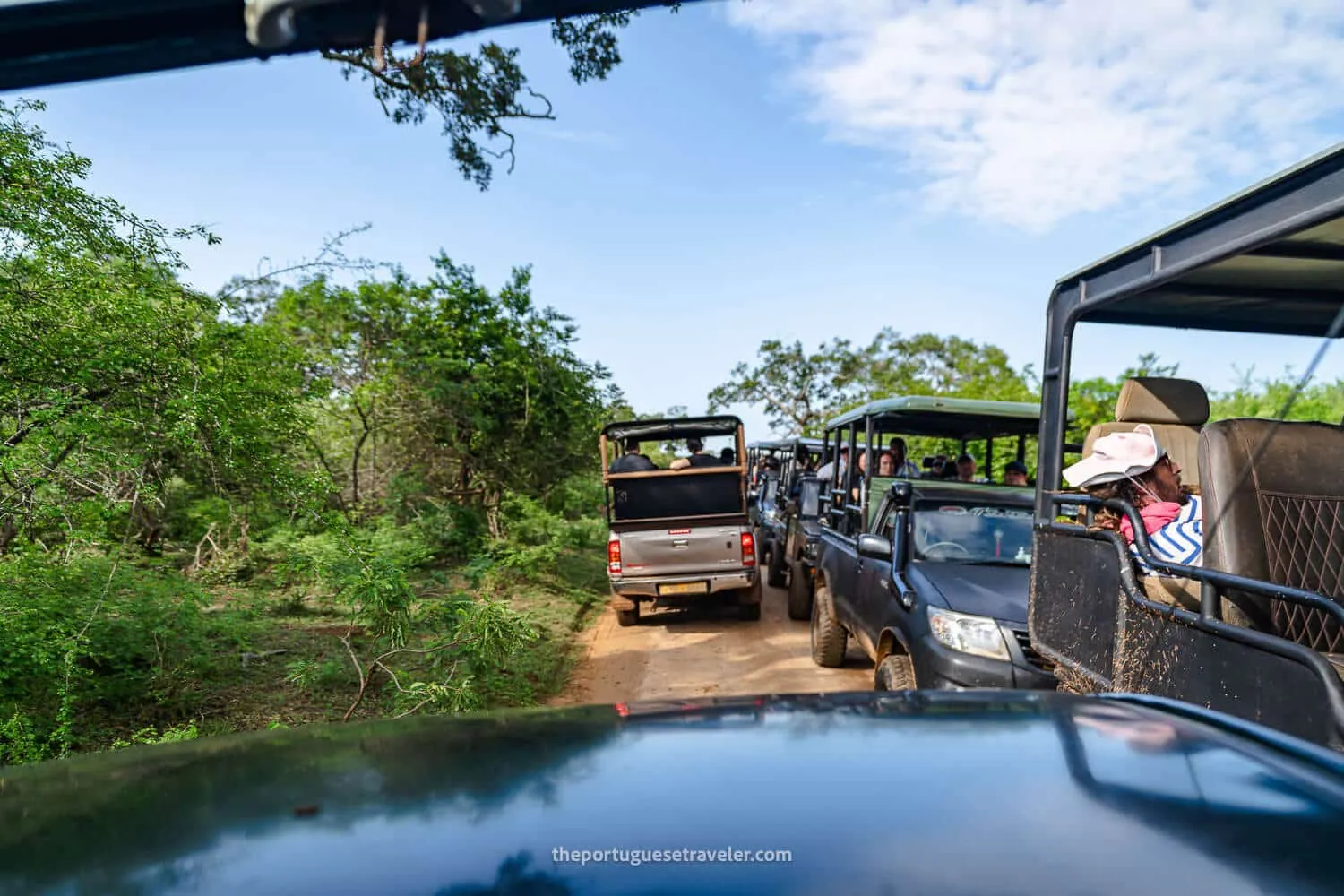
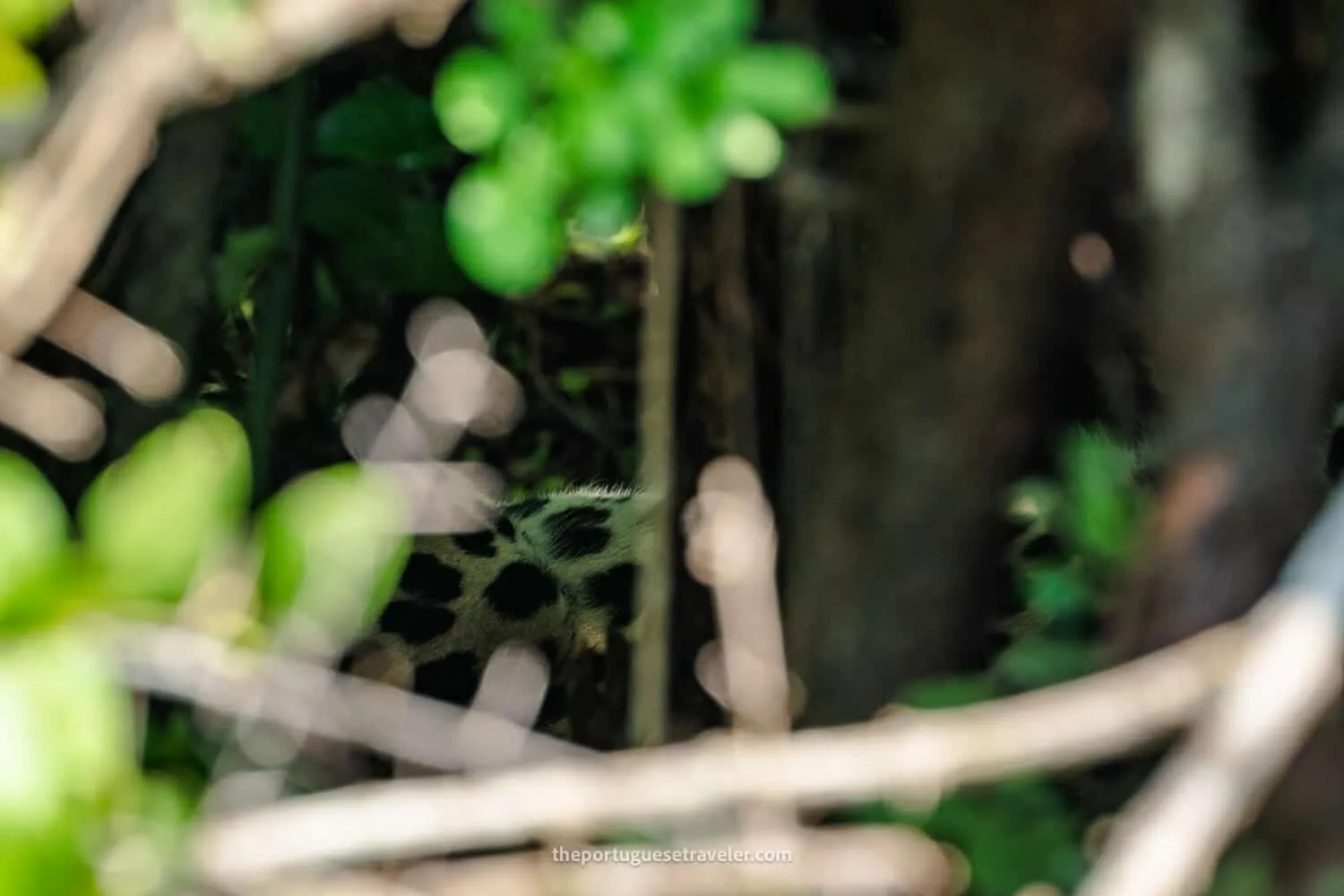
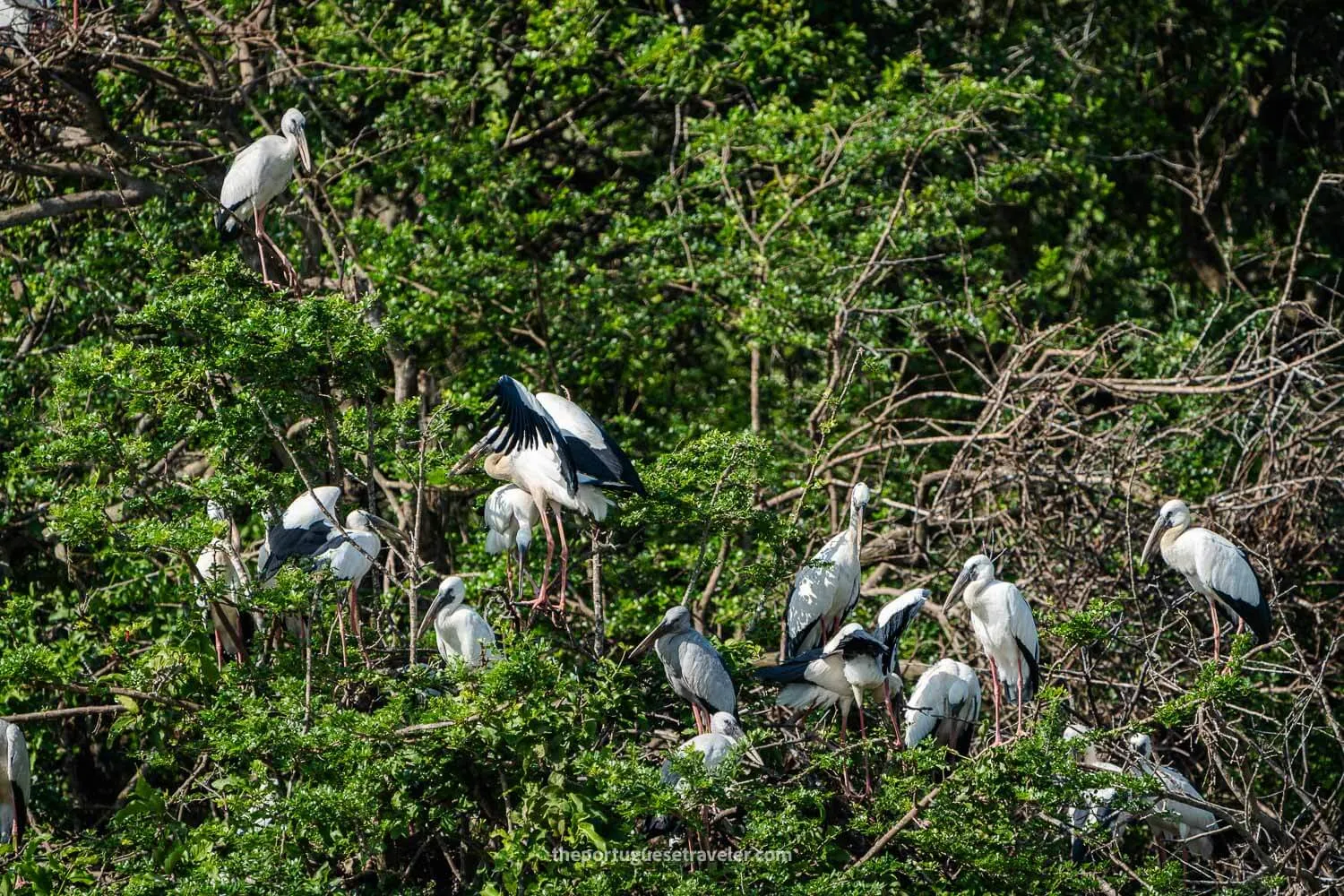
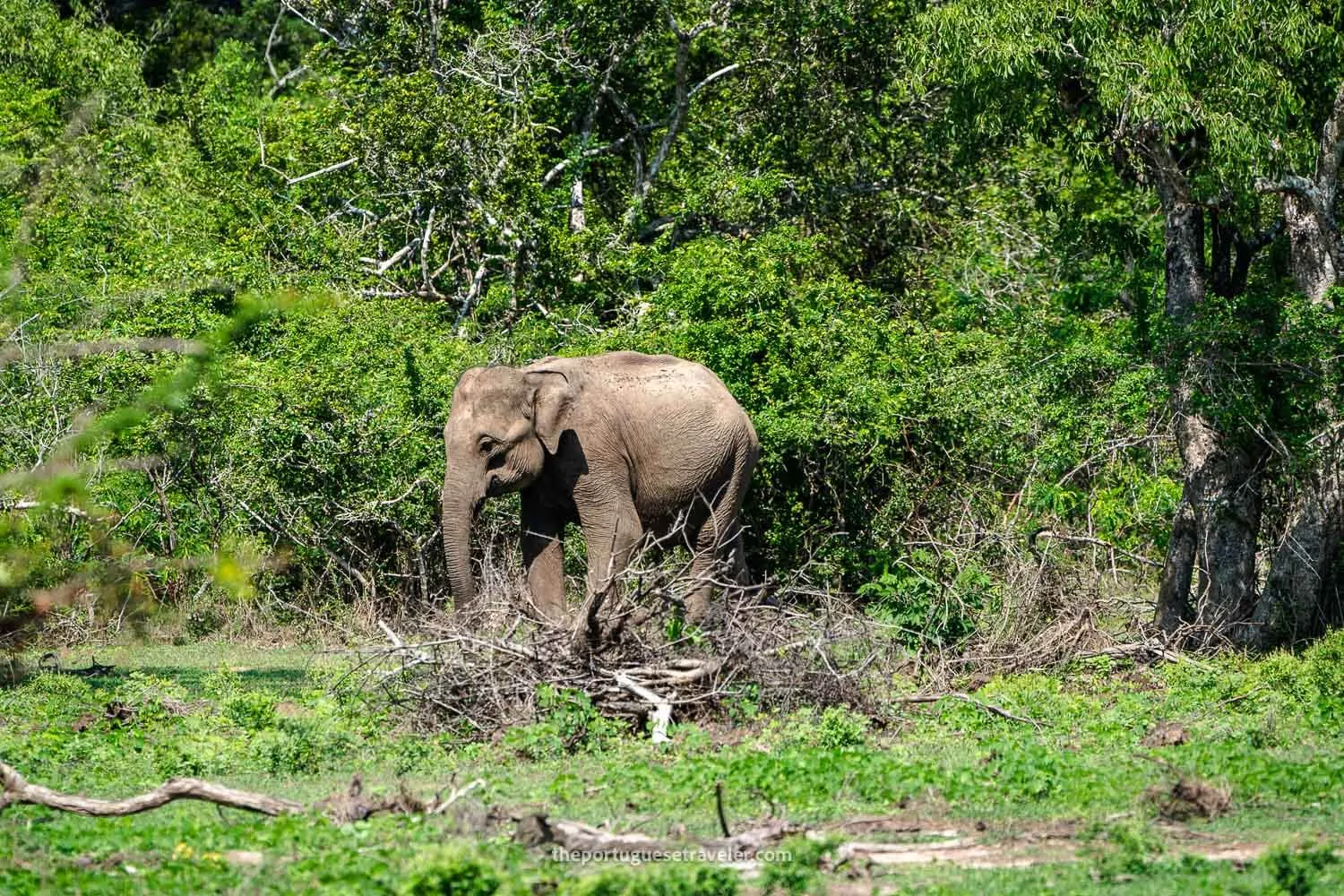
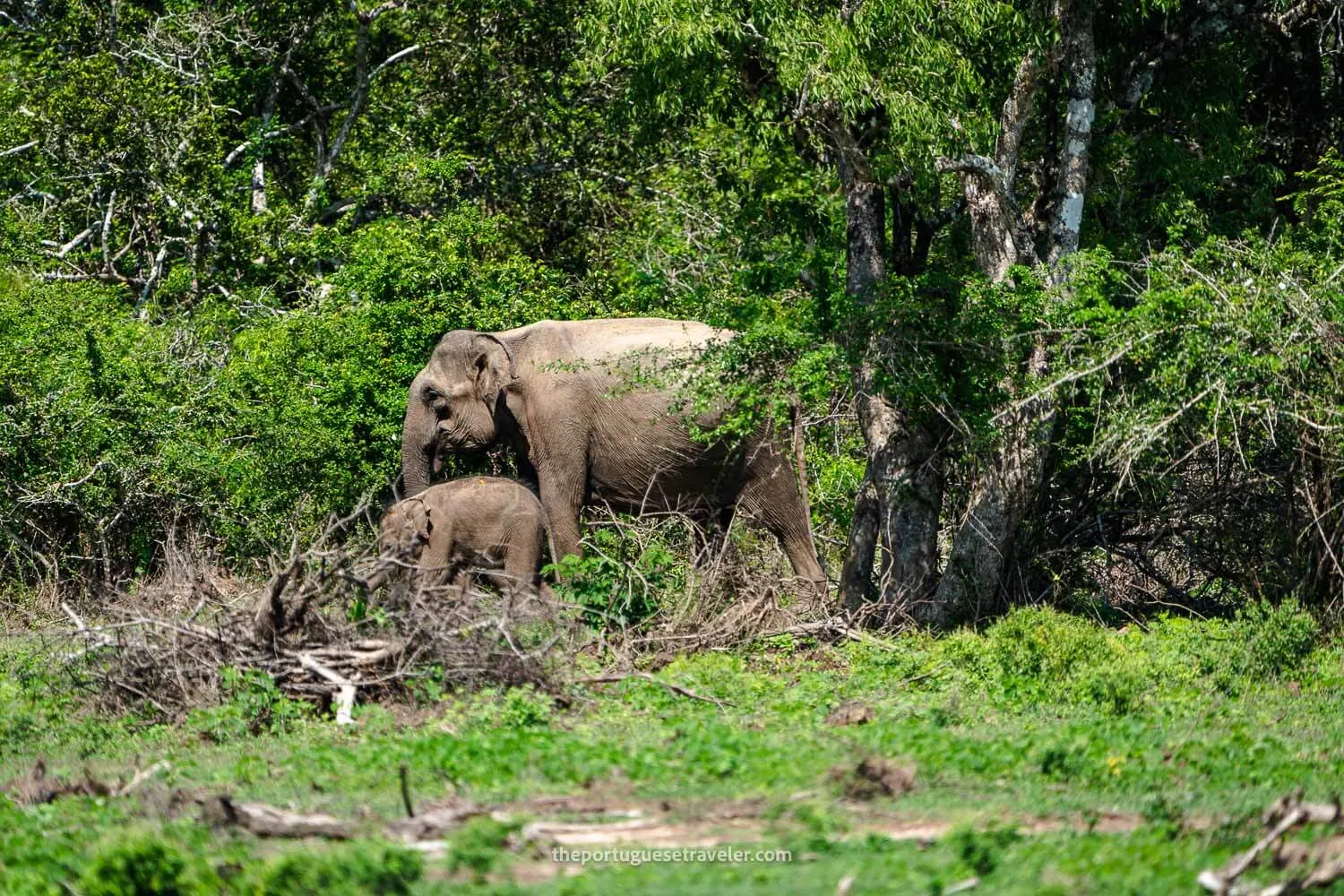
Suddenly, our guide received a phone call - likely a tip from another guide who had spotted a leopard. Our driver accelerated, but we weren’t the only ones responding to the call. Jeeps appeared from every direction, converging toward the same location. Soon, we found ourselves in a traffic jam of over 30 vehicles, engines rumbling and cameras poised. When our turn came, we caught only a fleeting glimpse of the elusive leopard - just a flash of its spotted coat through dense bushes, barely visible to the naked eye. The camera lens captured what our eyes could not, but the experience was bittersweet. Despite Yala’s fame for its leopard population, the chaotic scene made it clear that timing and luck are essential. I hope to return someday for a more serene encounter. Leaving the crowded spot, we took a quieter route back toward the entrance. Along the way, we observed more water buffalo, flocks of Asian Openbills and Darters (Anhingas) perched in trees, and spotted deer grazing near ponds. Finally, we spotted two elephants - a mother and her calf - though they were quite far away. Thankfully, my telephoto lens allowed me to capture the tender moment. 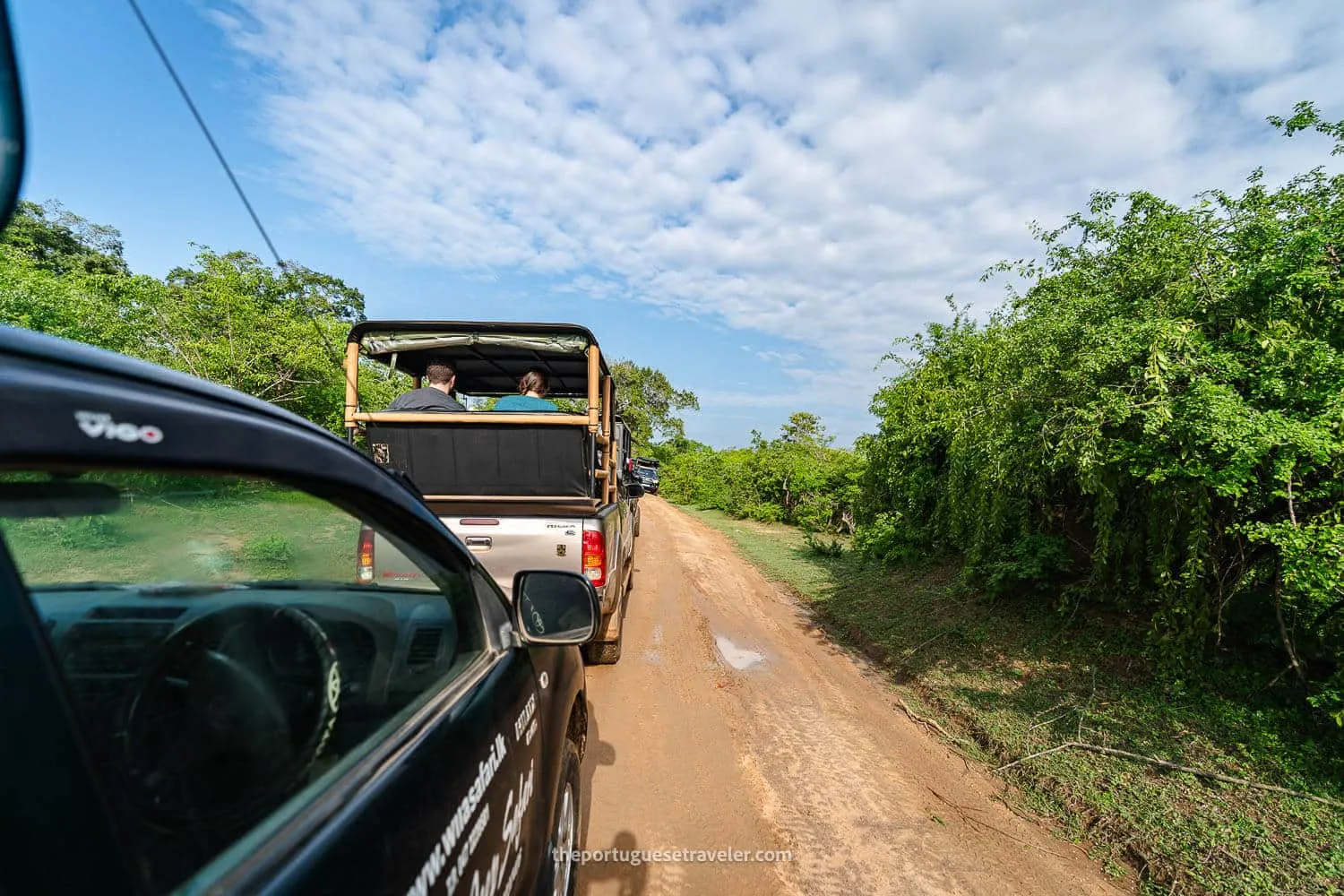
After the Safari: Kirinda Beach and Relaxation
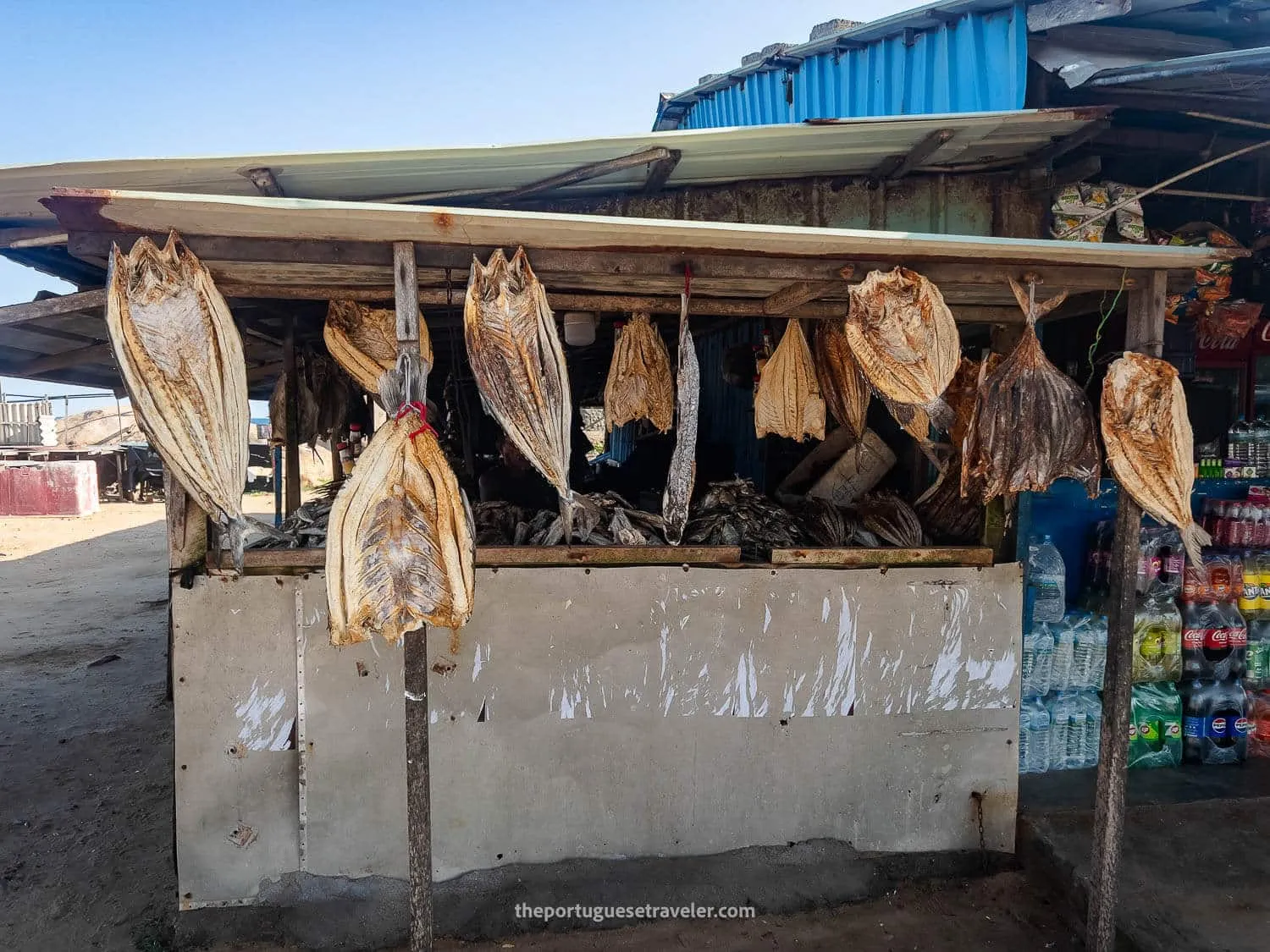
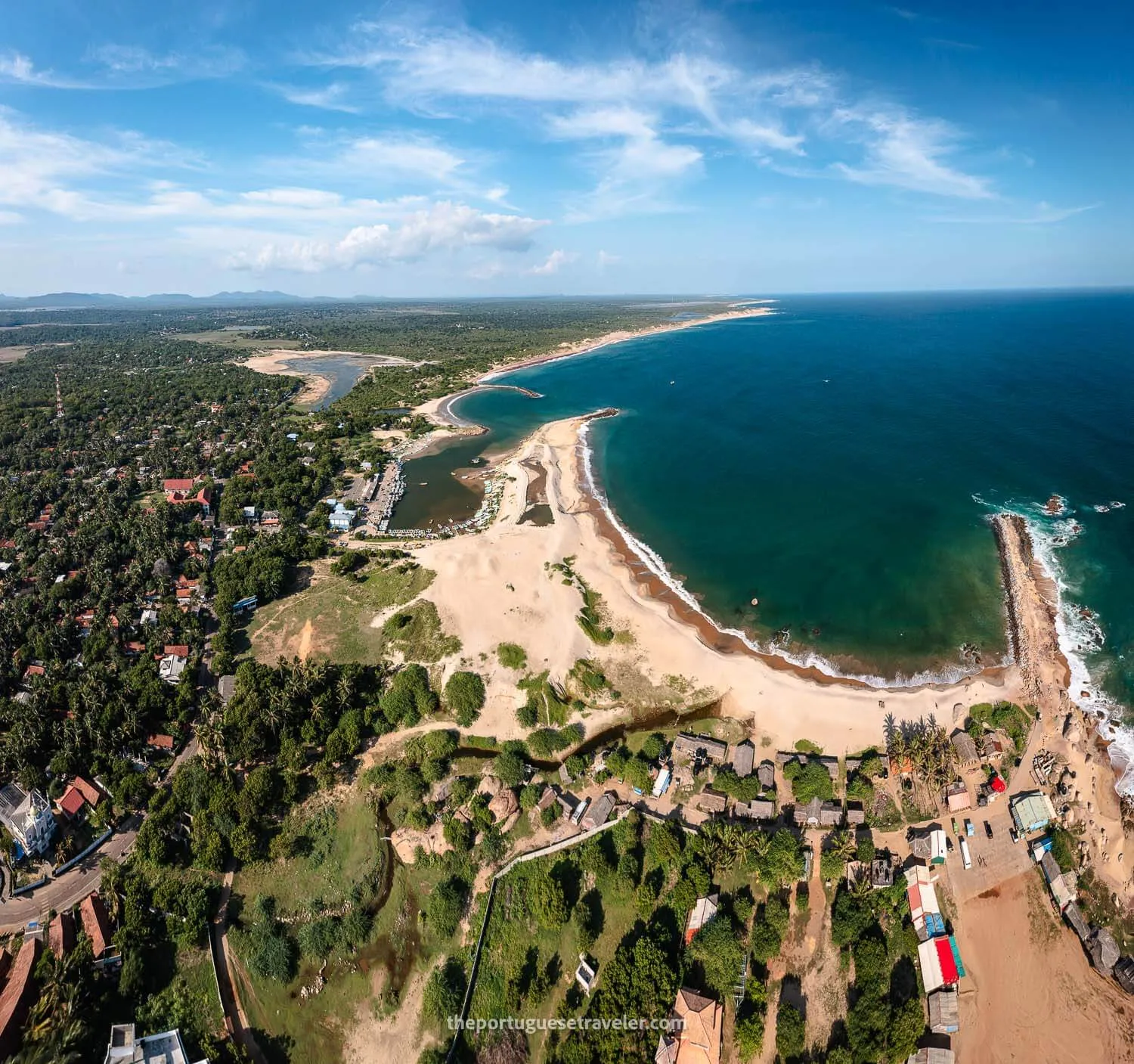
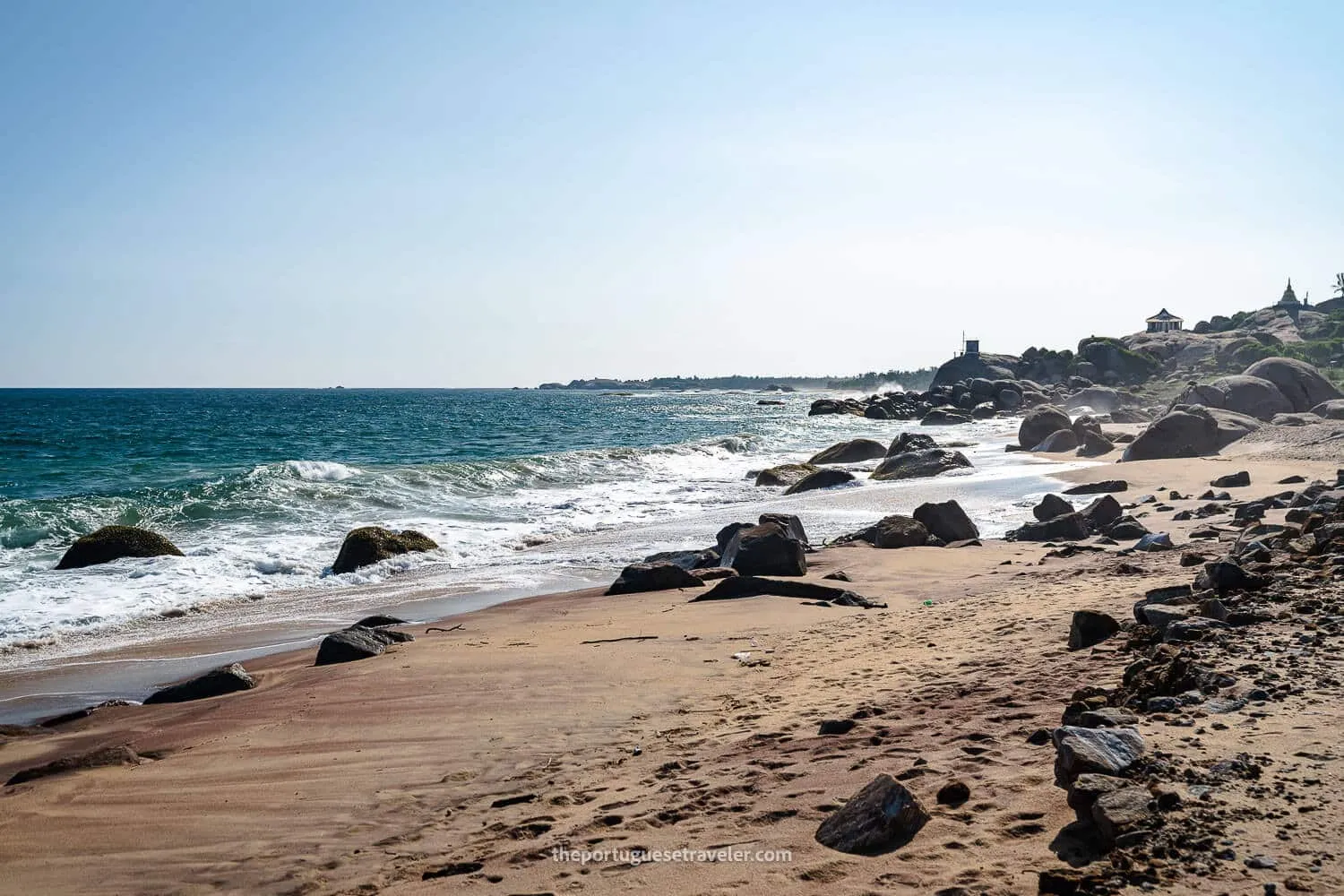
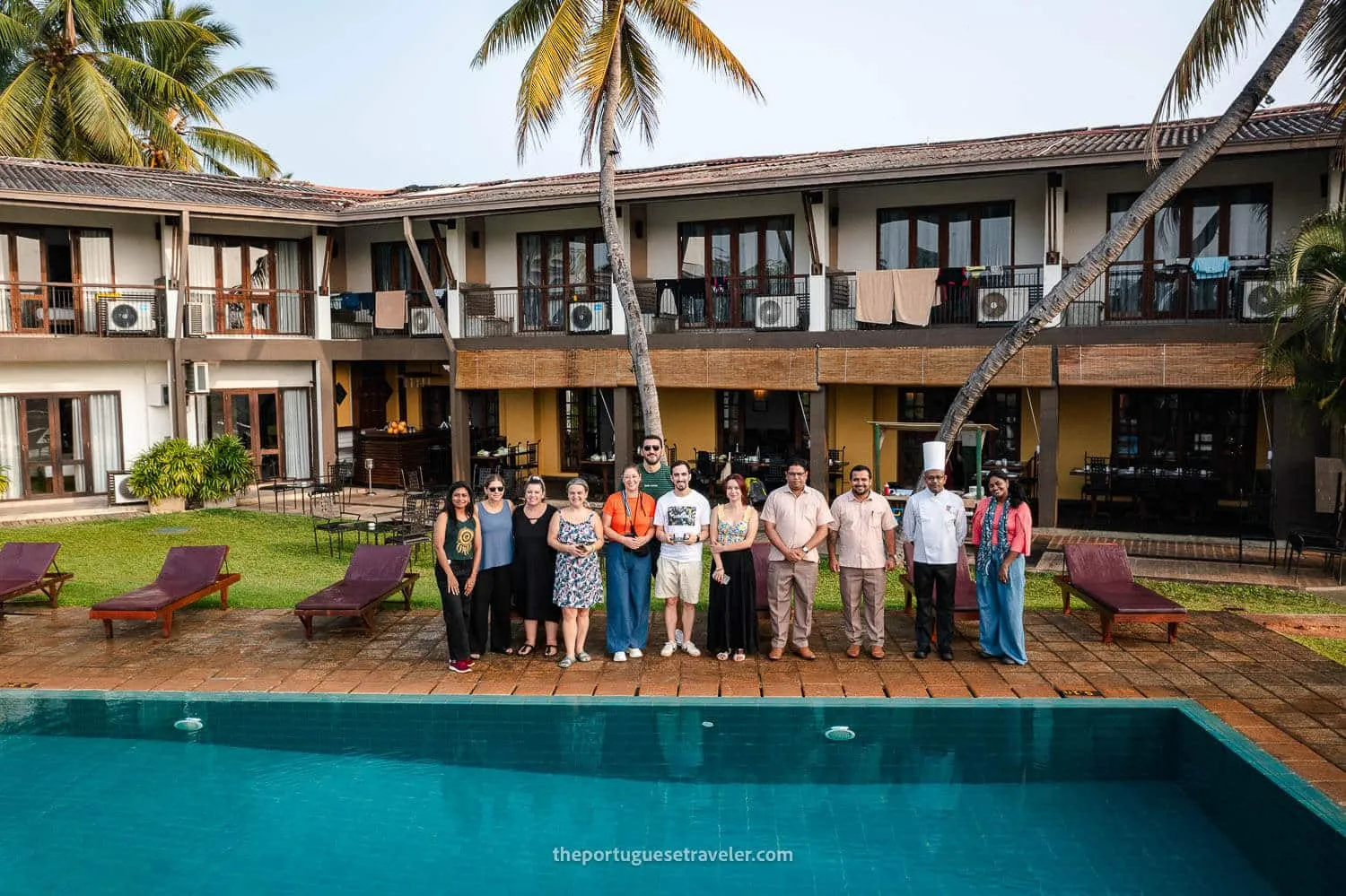
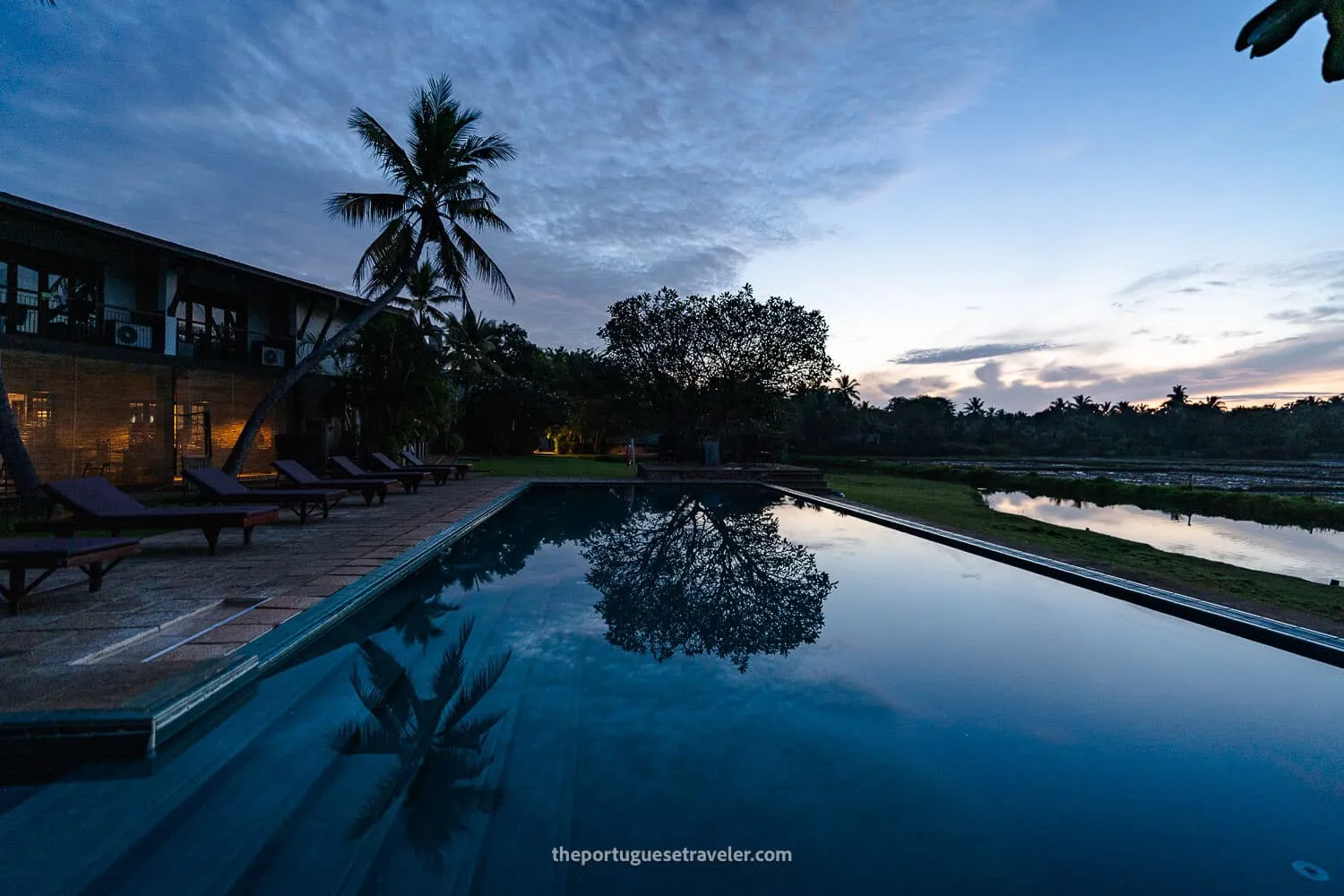
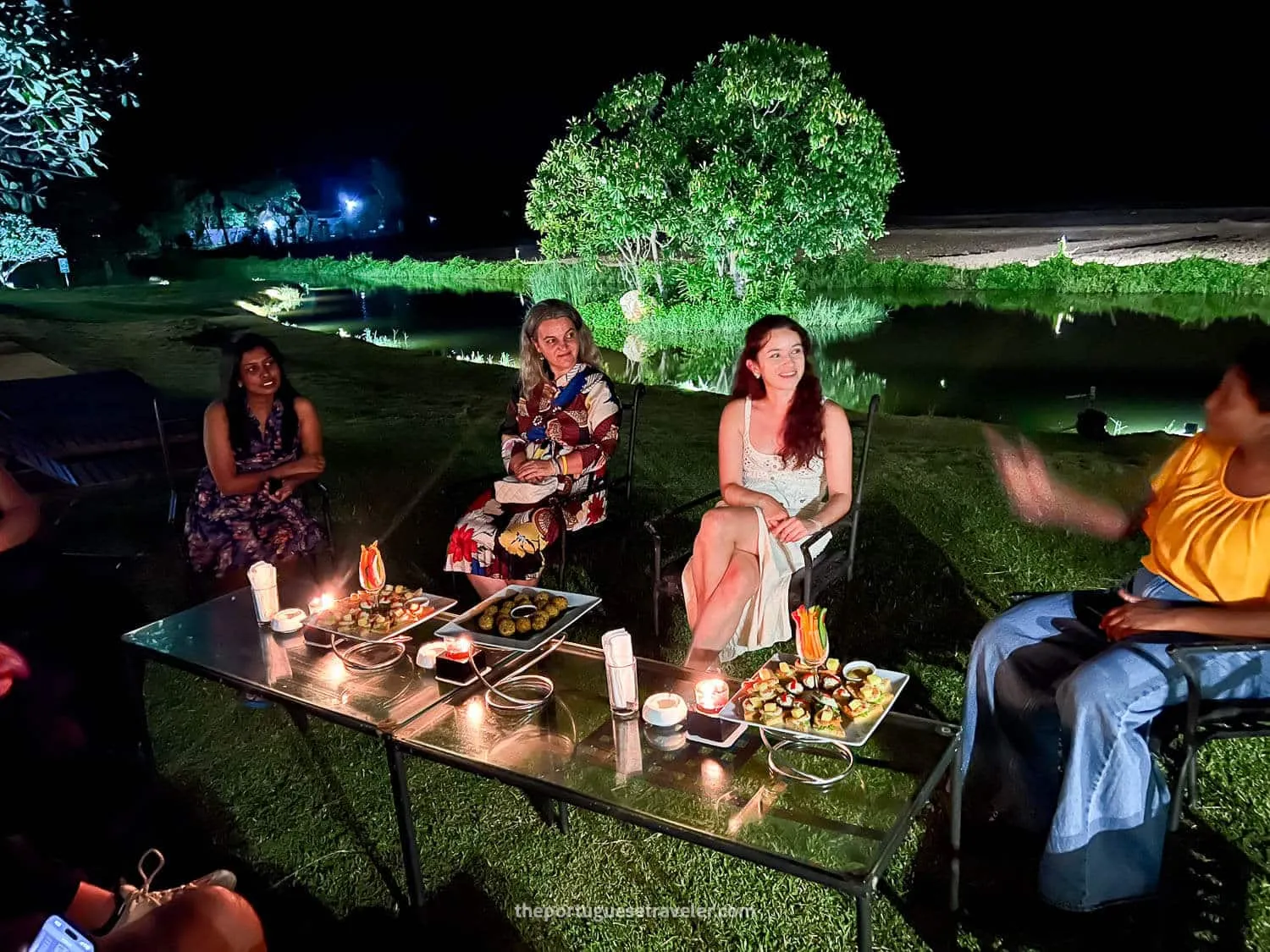
After the safari, we reunited with the other group, who had also seen elephants but no clear leopard sightings. Our next stop was the Ekho Safari Hotel for a Sri Lankan-Portuguese cooking class by the pool. The setting was perfect - tranquil and scenic. We learned to make coconut milk from scratch, cooked fragrant dhal and shrimp curry, and sampled a “Portuguese salad” that resembled a Russian salad more than anything traditionally Portuguese. The class was both educational and fun, and I highly recommend taking a local cooking class when visiting Sri Lanka, the flavors are unforgettable. Back at Kithala Hotel, we enjoyed lunch before heading to Kirinda Beach. This double-sided beach was stunning: one side featured calm, bay-like waters near a fishing port frequented by locals, while the other faced the Indian Ocean, where waves crashed against rugged rock formations crowned with pagodas. From above, the view was breathtaking - especially when captured by drone. After a relaxing afternoon at the beach, we returned to the hotel for some downtime by the pool, followed by a welcome cocktail hosted by the hotel. As the sun set on our Yala adventure, we looked forward to our next destination: the coastal city of Galle, the final stop on this unforgettable journey. 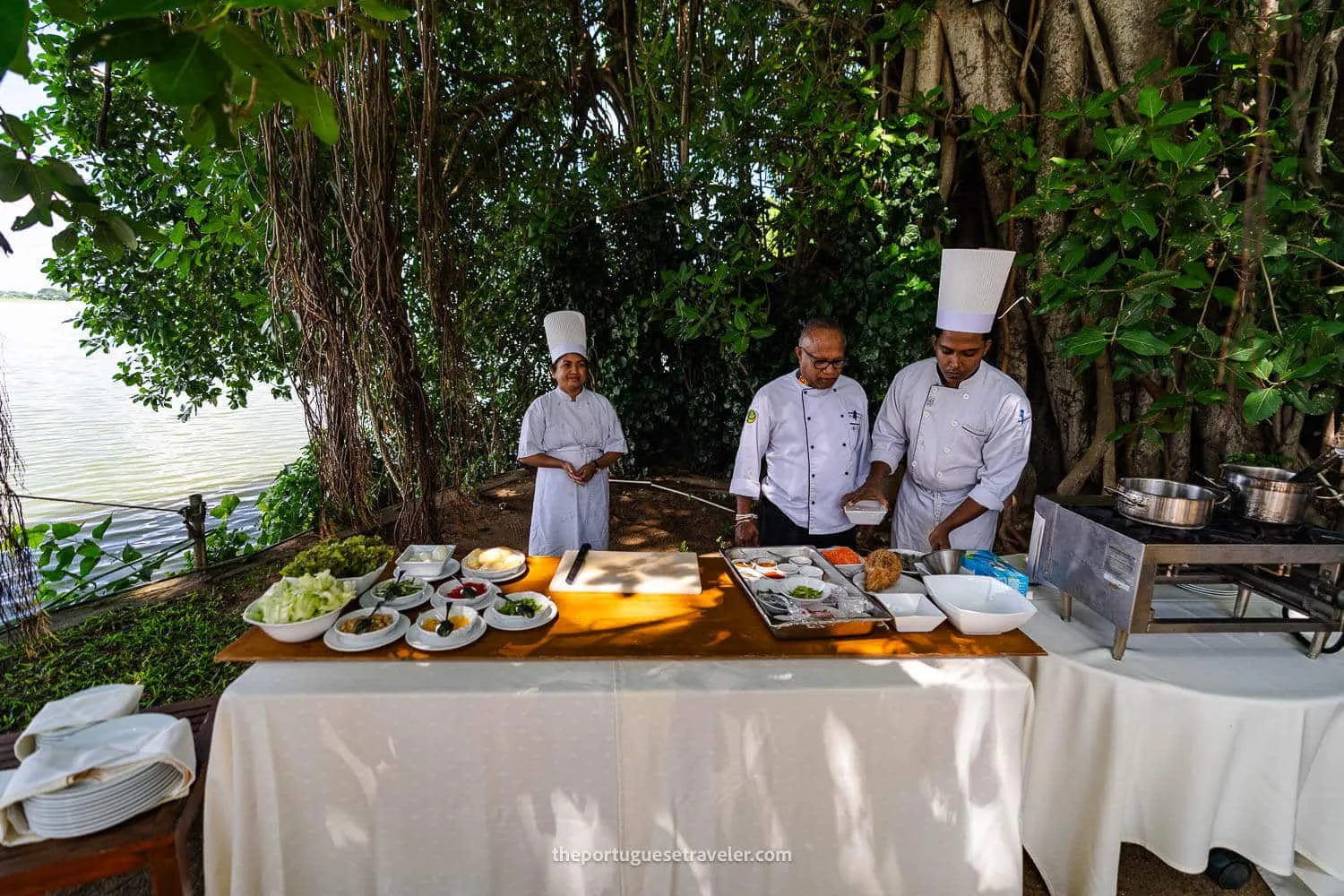
Final Thoughts
All in all, Yala was such a cool experience. It wasn’t just about the wildlife, though that was definitely a highlight - but everything else we saw around the area really showed how diverse and interesting it is. From the cultural and religious spots to the laid-back vibe and scenic landscapes, there’s a lot more to Yala than just safaris. Definitely a place worth checking out if you’re ever in Sri Lanka.