
Rascunho — ainda não traduzido.
Caverna dos Tayos no Equador: Guia Completo
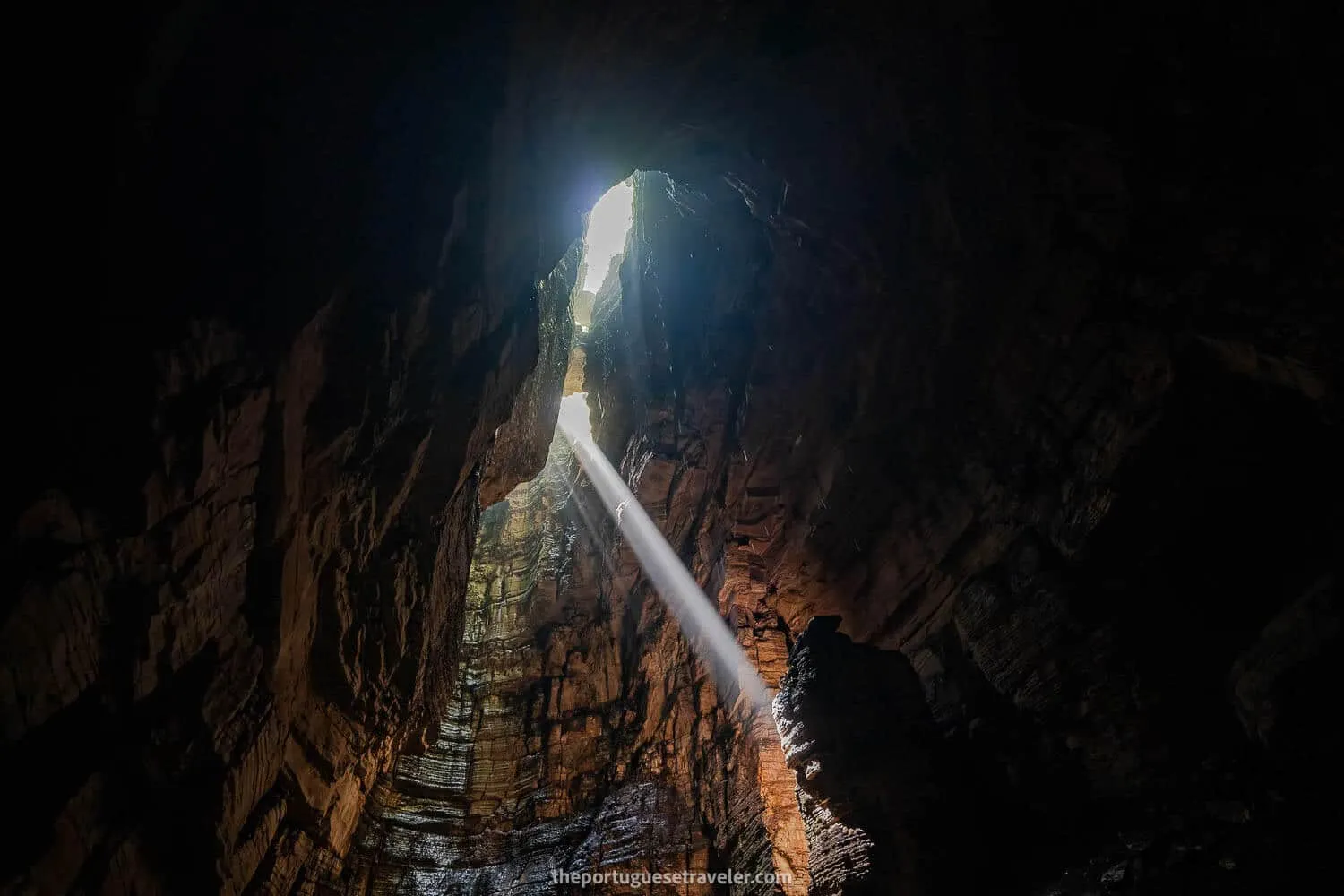
Cueva de Los Tayos - Tayos Caves
Kuankus (Coangos) - Morona Santiago
The Cueva de Los Tayos, or Tayos Caves, is my ultimate adventure in Ecuador. It’s an exhilarating blend of extreme sports, mysticism, history, indigenous culture, breathtaking landscapes, and unbelievable encounters.
From ancient civilizations and profound Ayahuasca rituals to visits by notable figures like Neil Armstrong and Will Smith, the caves offer an incredible range of experiences. The rich biodiversity, including tarantulas, scorpions, and other fascinating fauna, adds to the thrill. What’s more, the presence of a mysterious metal library, left by ancient civilizations deep within the cave, adds an enigmatic dimension to the adventure.
All of this unfolds within the captivating backdrop of the Amazon rainforest, infusing the journey with an extra layer of mystery. If you’re seeking an extraordinary adventure that pushes boundaries and leaves an indelible mark, the Cueva de Los Tayos expedition is your ticket to an unforgettable odyssey that will stay with you for a lifetime.
Table of Contents
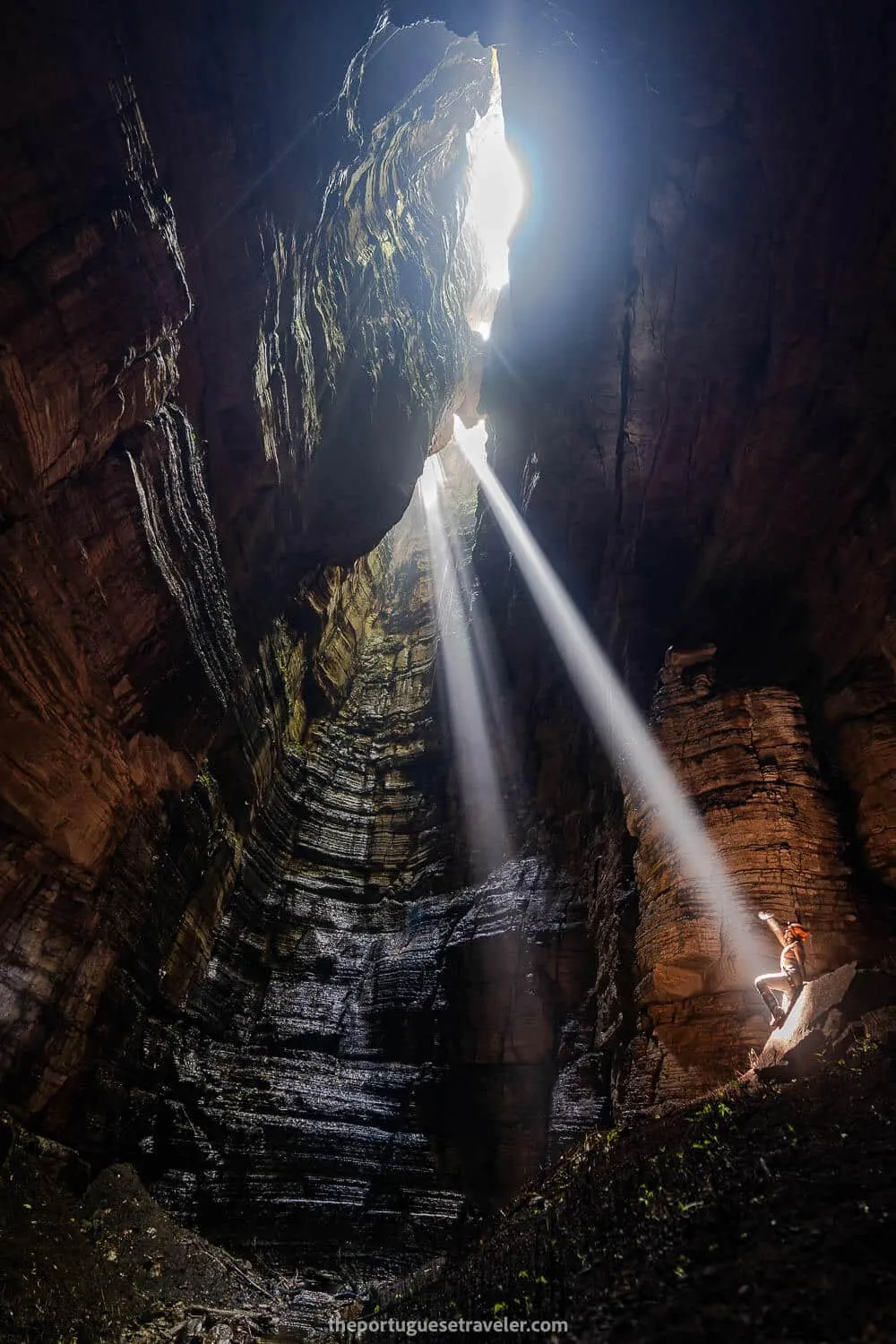
The Altar of Cueva de Los Tayos
Cueva de Los Tayos: General Details
To do the Cueva de Los Tayos - Tayos Caves Experience you will need to buy a tour either with an agency or contact a Shuar community member directly (more information in the following sections)
- Highlights: Explore the mythical Cueva de Los Tayos - Tayos Caves, venture by river through the Amazon Rainforest, sleep in a community of Shuar people (an indigenous community in the Ecuadorian Amazon), Ayahuasca Ritual (if wanted).
- Duration: 3 days.
- Accommodation: One-night camp inside the Cueva de Los Tayos and one-night camp with the Shuar community.
- Authorization: You need to have a Shuar Guide for this adventure so they in theory are giving you permission by hiring them.
- Price: 230$-350$ (details in the following sections)
- Outfit: Comfortable/light clothes, waterproof jacket, rubber boots (details in the following sections)
- Best Months to Visit: July - November
- Recommended Agencies: Samay Geotouristic, Tayos Expeditions, Jimmy Ariel Tiwiram (local guide).
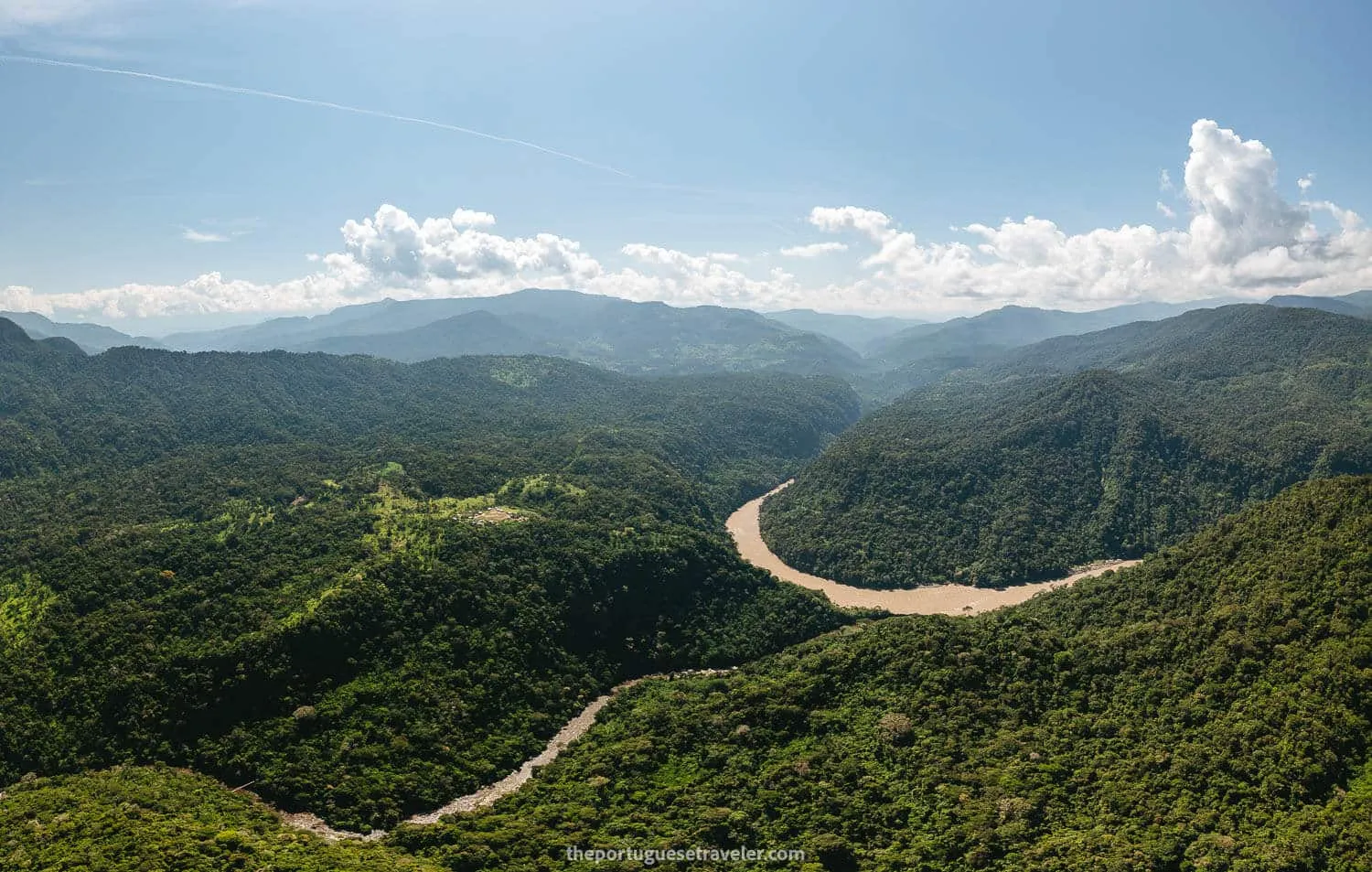
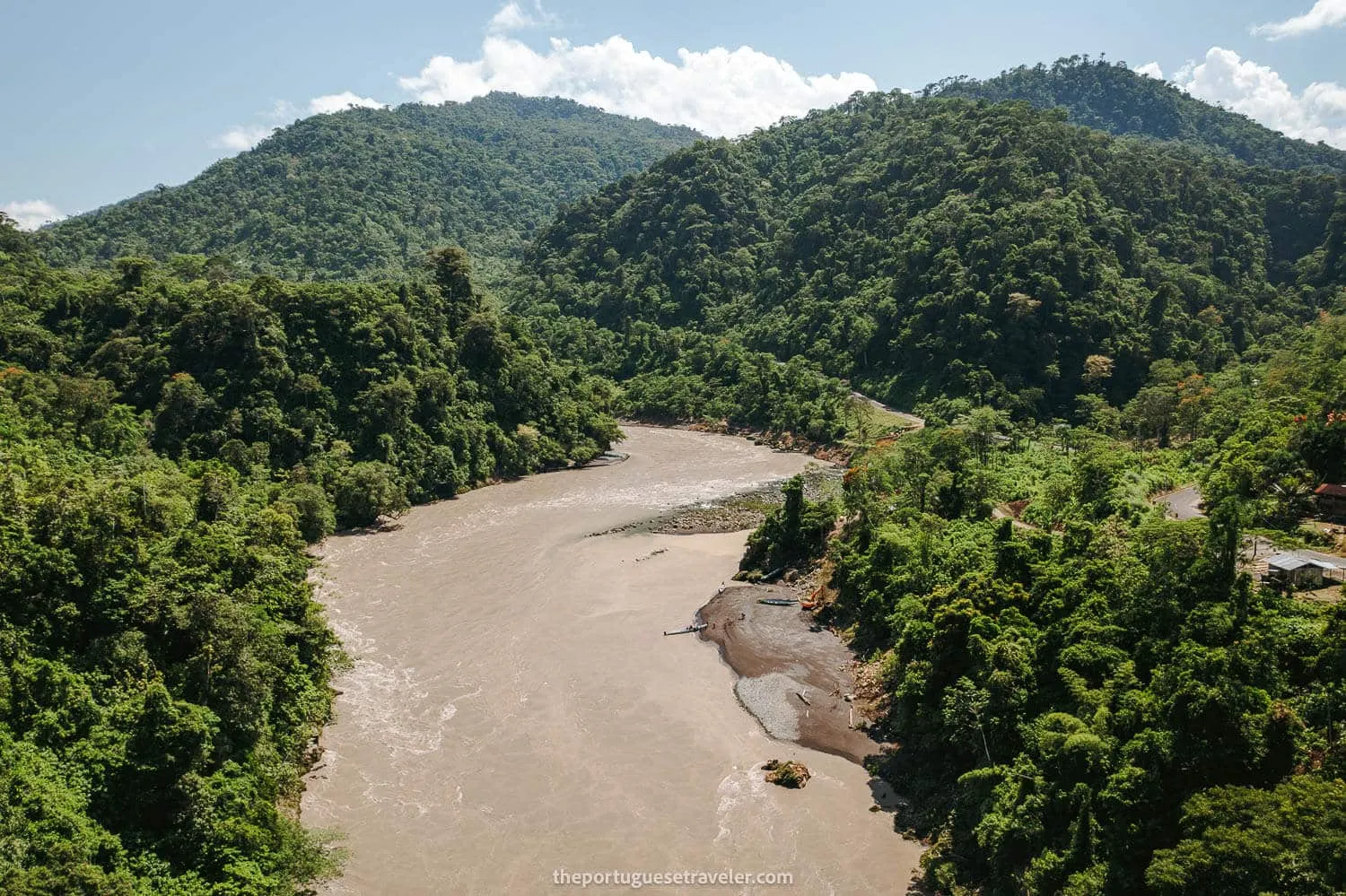
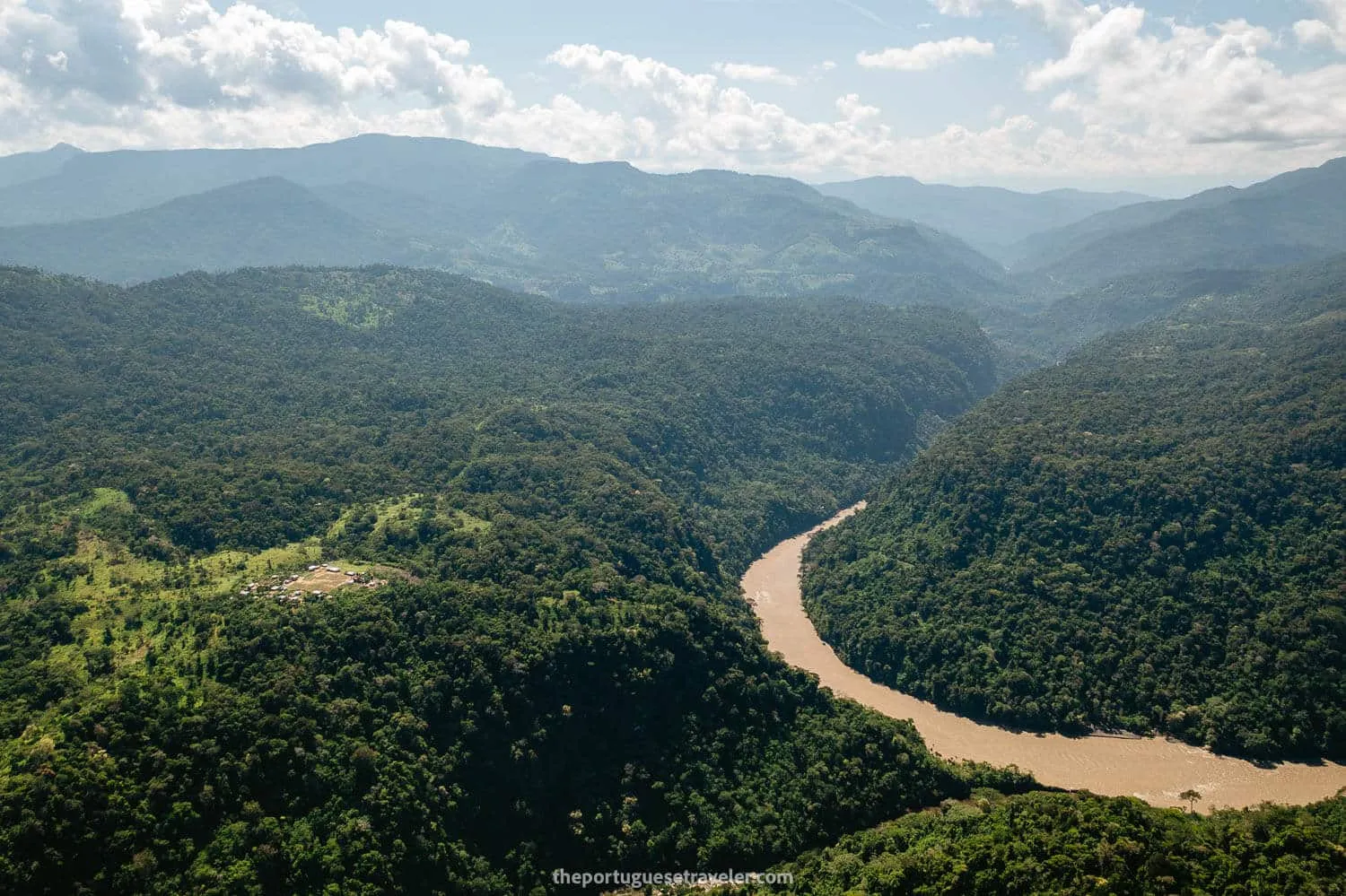
A Drone view of Yuquianza River and the main community on the left, straight up from the Shuar Community where we slept in the Amazon
Cueva de Los Tayos: Technical Details
- Hike Type: Out-and-back Hike.
- Distance: 3-4km (each way) - Starting at the Yuquianza River, climbing up the hill through the jungle until the Shuar community, and then walking until you reach the mouth of the cave.
- Duration: 4 hours in total (1:15h of moving time) to reach the cave, 2-3 hours more to enter the cave with a welcome ritual and a queue to enter.
- Difficulty: Moderate-Hard. The most challenging aspect of the adventure is the jungle steep hike and the technical rope parts to enter/exit the cave and explore the cave with waterfalls, rivers, etc.
- Hike’s Incline: ca. 340-400m of ascent and ca. 150-170m of descent.
- Altitude: ca. 300m (lowest point) at the river, ca. 620m (highest point) at the Shuar community, ca. 550m at the mouth of the cave, and ca. 490m inside the cave.
- Caves rappel/climb height: ca. 65m.
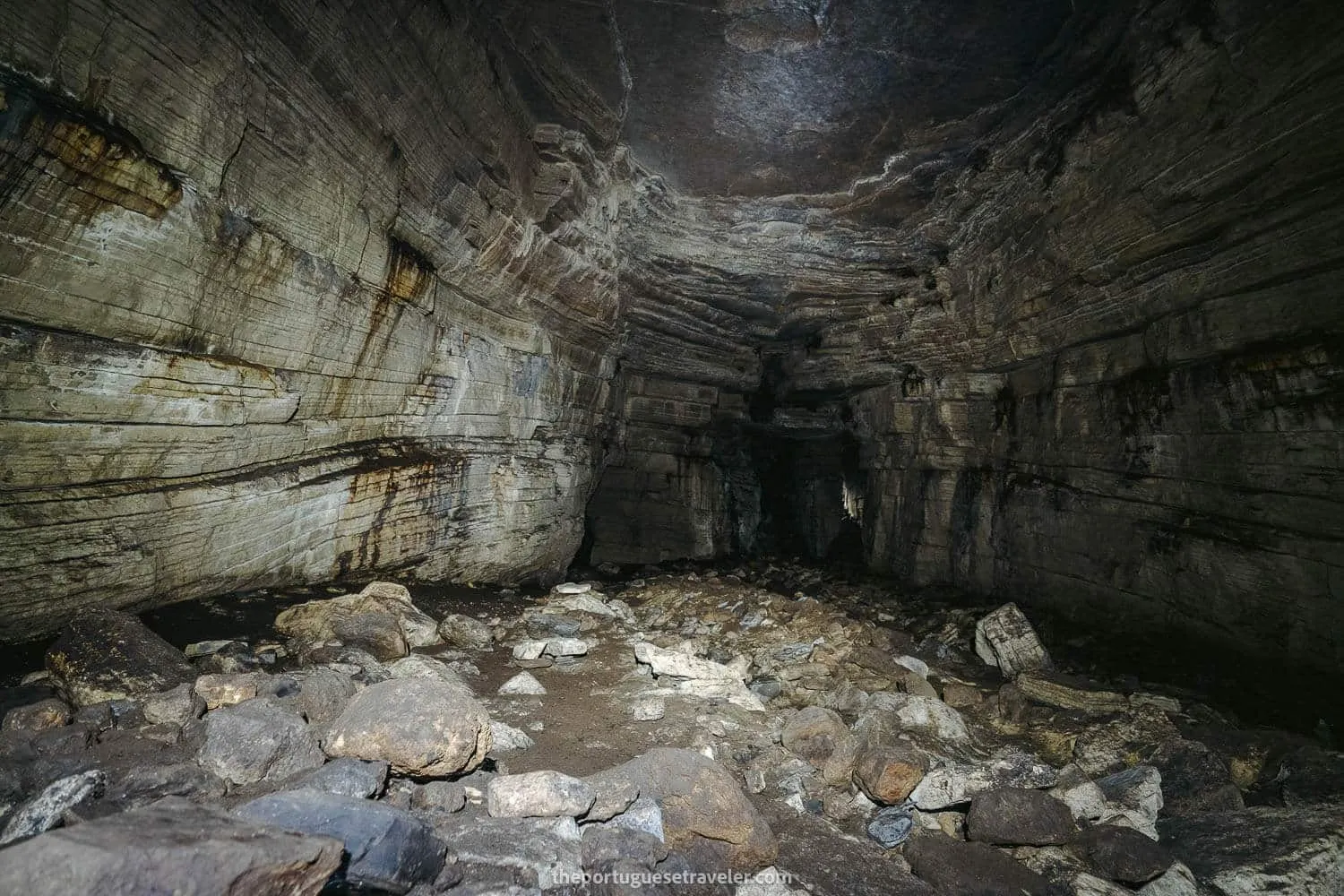
The main vault inside Cueva de Los Tayos
Making the Most of Your Cueva de Los Tayos Adventure
If you’re looking to explore the Cueva de Los Tayos, I’ve found a well-rated tour that takes you deep into its mysterious caverns, where you can uncover its legends, unique geology, and hidden wonders. You’ll find the details on this tour below. It’s the first one with the Niel Armstrong photo. The other two are for smaller caves, in a different Amazon region, which are not the famous one but are interesting on their own.
But if you’re like me and want to try a cheaper option, you can also arrange a visit by speaking directly with the Shuar community or local guides. In the following sections, I’ll share their contacts and how to organize your own trip:
How to visit the Cueva de Los Tayos?
To visit the Cueva de Los Tayos, also known as Tayos Caves, you need to go on a tour. They usually have pre-programmed days with limited availability.
In my case, I had a specific timeframe to go, and without much planning, I texted a few contacts of mine. They gave me some numbers, and I ended up joining a group of five people who were already going there. I went with Leandro (from Samay Geotouristic), who is my Carihuairazo Volcano Climbing guide, and with my girlfriend, Jhos.
All the agencies that take you there will have some contact with the Shuar Community since the cave is in their compound:
Pros:
- More affordable
- Offers a friendly, family-like atmosphere
- Organizes small groups
- Ensures high safety standards
- Includes all necessary items and services
Cons:
- No drawbacks to mention.
2. Tayos Expeditions (Patricio Ruiz):
Pros:
- Offers the safest technique and gear for rappelling down the cave (you may not even need to rappel)
- Provides antidotes for possible snake bites
- Offers gourmet treatment/food (even Will Smith went with them)
- Includes everything you need
Cons:
- Considered the most expensive option
- Accommodates larger groups
- Can be noisy inside the cave due to multiple gas cans turned on at the same time
3. Jimmy Ariel Tiwiram (Shuar Local Guide):
Pros:
- You can book a private tour with him.
- It’s the most cost-effective shared option (on pre-planned trips).
- You don’t need an external agency.
Cons:
- If private it’s slightly expensive (350$ pp).
- Not really a con but not sure about the quality of the safety gear, equipment.
- Contacting him might be less convenient, as he’s not always accessible due to frequent trips inside Cueva de Los Tayos.
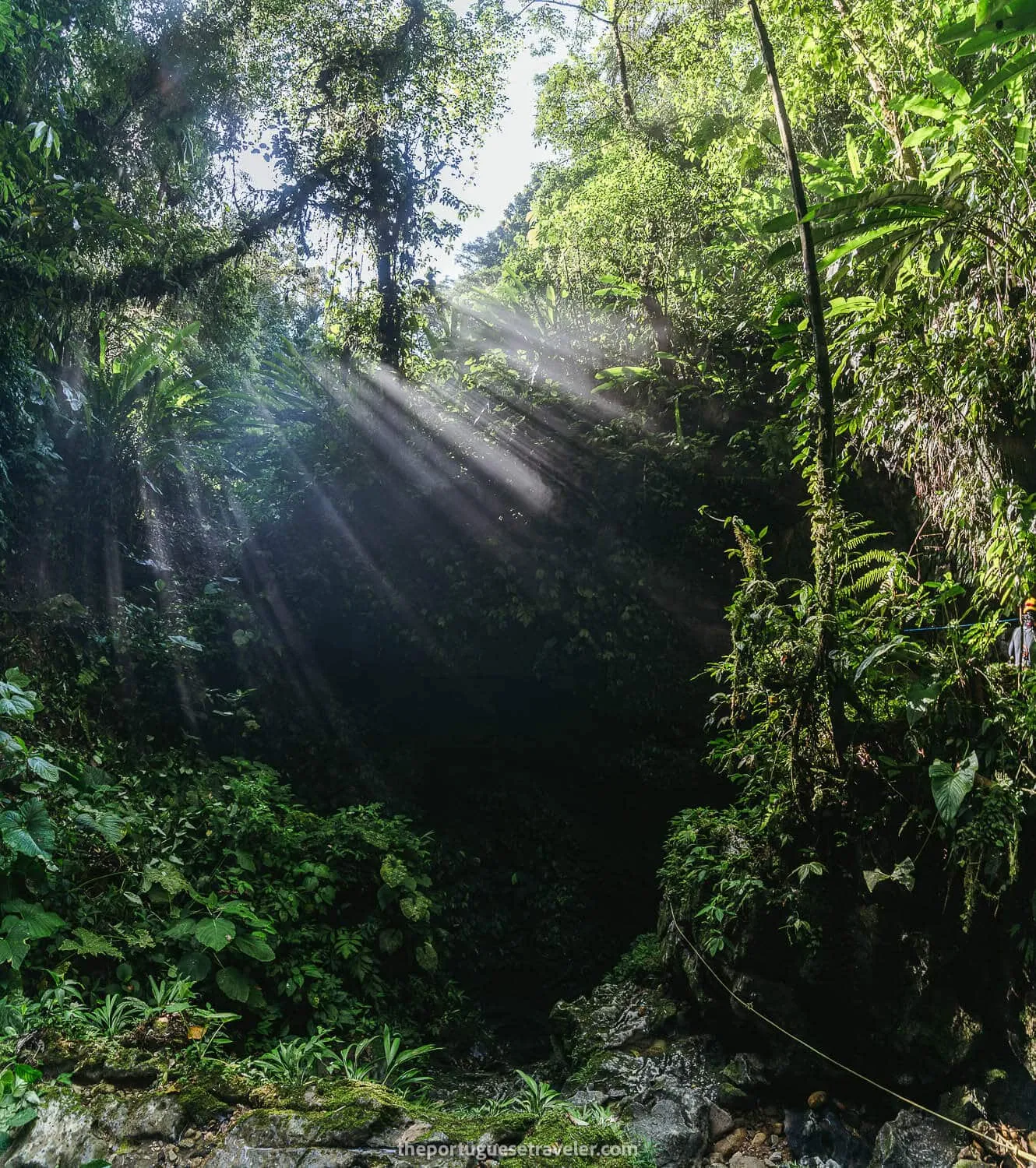
The light beams produced by the moisture coming from inside the cave
What clothing should i bring to the Cueva de Los Tayos?
To ensure a safer and more comfortable journey to the Cueva de Los Tayos, certain specific equipment is indispensable:
Essentials:
- Comfortable clothes: Since the Amazon region is relatively warm and you’re going to sweat, I’d advise wearing a breathable t-shirt or shirt (for protection against mosquitoes) and lightweight summer hiking pants.
- Waterproof Jacket: Rain is common in the Amazon, and there are waterfalls inside the cave.
- Rubber Boots: Essential for navigating muddy and wet sections inside the cave and for the hike.
- Gloves with Good Grip: For the rappel and caves exploration (you can buy them at any “Ferreteria” for less than 5$
- Backpack: A 35-40 liter backpack is recommended.
- Sunglasses: Ensure they have enough UV protection.
- Hat****: A cap to shield yourself from the sun.
- Socks: Wear single-layer socks.
- Headlamp: This is important, as you will be spending an entire day underground with no natural light.
- Sunscreen: Use a minimum of SPF 50, as the Equator’s sun is more likely to cause burns compared to other regions.
- Mosquito Repellent - Keep in mind that this is a tropical area where mosquitoes are common, so it’s advisable to have mosquito repellent on hand.
- Food, Drinks, and Snacks: Bring some snacks and water for the hike and camping.
- Camping and Cooking Equipment: If you come with an agency, this is typically included.
* It is advisable to have an extra change of clothes (that you leave in the tent if you get dirty/wet - you will).
Climbing Equipment (especially if you’re going without an agency):
- Helmet: Necessary for every part of the cave exploration.
- Harness: Required for the entrance and exit of the cave (usually included in tours).
- Trekking Poles: Useful for the jungle hike.
- Rope: Required for the entrance and exit of the cave (usually included in tours).
- Carabiners: Required for the entrance and exit of the cave (usually included in tours).
Ensure you have all these items in good condition before embarking on your journey to Cueva de Los Tayos.
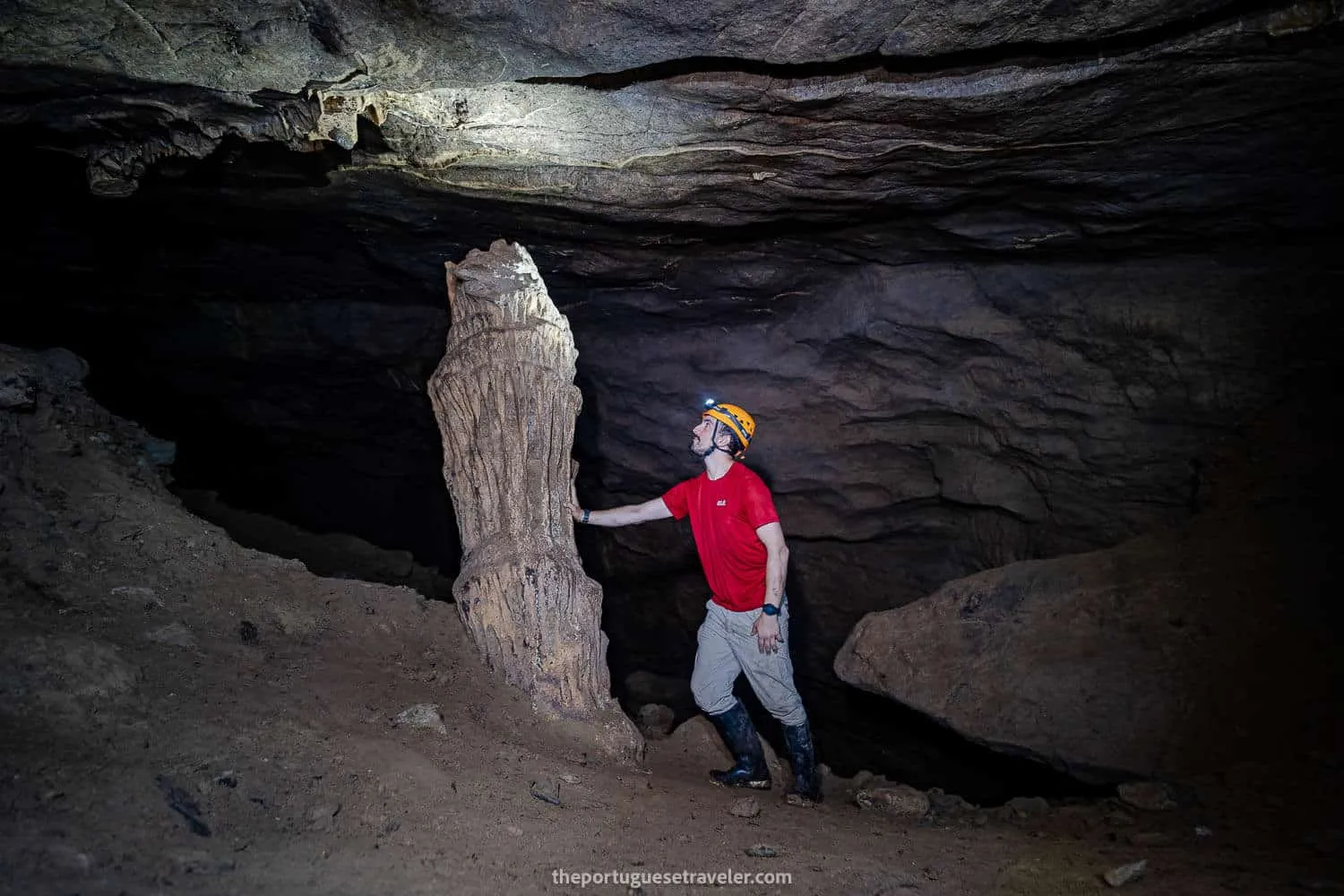
Neil Armstrong’s Stalagmite
How much does it cost to visit the Cueva de Los Tayos?
To provide you with an estimation of the expenses associated with a Cueva de Los Tayos - Tayos Caves expedition, I have provided a detailed breakdown of the costs involved. Firstly, you need to consider whether you will be going with an agency with all included, or by yourself and a Shuar Guide (private tour). Additionally, there are other supplementary expenses that require careful consideration.
Shared trip:
-
- Samay Geotouristic: 250$ (pp) - From 6 to 12 persons (Fixed Price).
- Tayos Expeditions: 325-260$ (pp) - From 8 to 12 persons (The pricing decreases as the number of participants increases).
- Jimmy Ariel Tiwiram: 230$ (pp) - From 10 to 15 persons (Fixed Price).
Private Trip:
-
- Jimmy Ariel Tiwiram: 350$ (pp) - From 1 to 2 persons (including Ayahuasca Ritual, transport, food, accommodation, ceremonies, everything).
Transport:
- Bus (Quito - Macas): 14$ (each way)
- Bus (Guayaquil - Macas): 15$ (each way)
- Bus (Macas - Mendez): 4$ (each way)
- Bus (Riobamba - Macas): 7$ (each way)
- Bus (Cuenca - Mendez): 7-10$ (each way)
- Bus (Mendez - Yuquianza): 4$ (each way) - between 3-4 hours wait time
- Taxi (Mendez - Yuquianza): 30$ (each way)
Accommodation:
- Camping: Free - It’s included in all the tours.
Parking (if you come by car): In Yuquianza for 5$ per vehicle.
Equipment for Rental:
(Daily prices without taxes)
- Helmet: 4$ (used) - 5$ (new)
- Harness: 4$ (used) - 5$ (new)
- Waterproof Pants: 5$ (used) - 6$ (new)
- Waterproof Jacket: 5$ (used) - 6$ (new)
- Rubber Boots: 10$
- Tent: 12$
- Mattress: 2.5$
- Sleeping Bag: 5$ (used) - 6$ (new)
- Backpack 35-65L: 5$
- Sunglasses (UV 4): 3.5$
- Headlamp (without batteries): 3$
Equipment for Sale:
- Trekking Poles: 10$
- Fleece+Pants (1st Layer): 44.80$
- Gloves (1st Layer): 3.92$
- Socks (1st Layer): 11.20$
*Prices from Los Alpes Store in Quito, 26.May.2023 Alternative Stores for renting equipment: Tatoo, Cotopaxi Warehouse, Andes Alpino, Mountain Tours, Mauna Expeditions. Food, Drinks, and Snacks: 10$ (pp)
Estimated Total (per person):
-
Scenario 1:
- 1 person in a group of 6,
- All the essential clothing equipment (no need to rent things),
- Trip w/ Samay Geotouristic
- By flight to Cuenca, bus to Mendez,
- Price Breakdown: 20$ (bus both ways), 10$ (snacks, drinks), 250$ (tour’s price).
- Total: 270$ USD (without flights)
-
Scenario 2:
- 1 person in a group of 8,
- All the essential clothing equipment (no need to rent things),
- Trip w/ Tayos Expeditions,
- By flight to Cuenca, bus to Limón Indanza (Tayos Expeditions base),
- Price Breakdown: 15$ (bus both ways), 10$ (snacks, drinks), 325$ (tour’s price).
- Total: 350$ USD (without flights)
-
Scenario 3:
- 1 person in a group of 2,
- All the essential clothing equipment (no need to rent things),
- Trip w/ Jimmy,
- By Bus from Quito to Macas,
- Price Breakdown: 28$ (bus both ways), 10$ (snacks, drinks), 350$ (tour’s price).
- Total: 388$ USD (everything included)
What animals can i see in Cueva de Los Tayos?
Apart from Tarantulas, sporadic scorpions, and snakes, the main attraction of the cave is the presence of “Tayos” migratory birds, particularly the oilbird (Steatornis caripensis). These unique birds can be found in the northern regions of South America. The oilbird species belongs to the genus Steatornis, the family Steatornithidae, and the order Steatornithiformes. They exhibit fascinating behaviors and characteristics.
Oilbirds nest in colonies within caves and are primarily nocturnal. They feed on the fruits of the oil palm and tropical laurels, making them the only nocturnal flying fruit-eating birds in the world. While they forage during the night, they possess specially adapted eyesight and navigate using echolocation, similar to bats. This remarkable ability allows them to produce high-pitched clicking sounds at approximately 2 kHz, which can be heard by humans.
In addition to the migratory pattern of the “Tayos” birds, it is worth noting that they begin arriving at the Cave between the months of January and February, during their mating season. By March and April, the cave becomes a bustling environment with the presence of chicks. These birds stay in the cave until June when the young have grown and are ready to leave, marking the end of their nesting period.
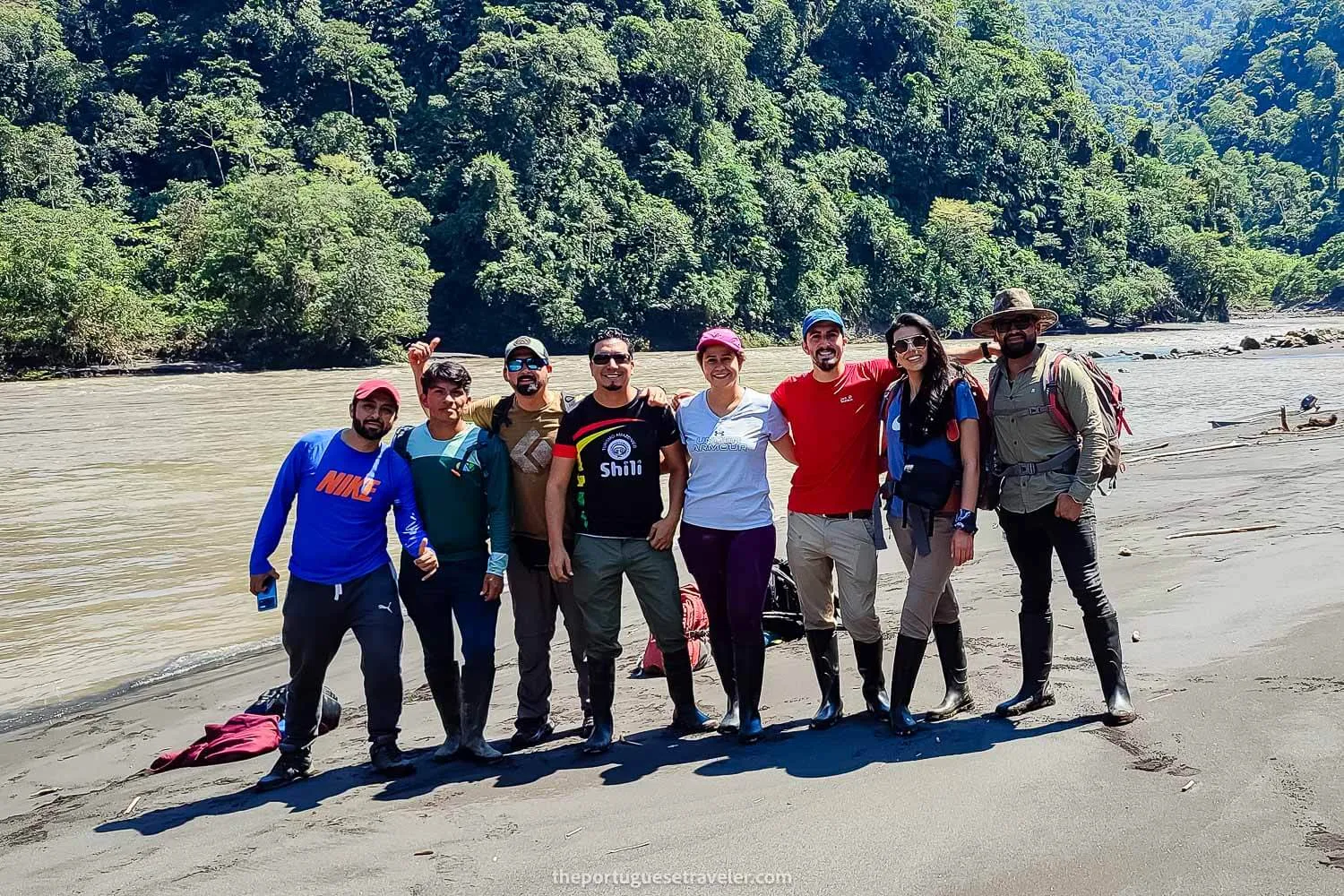
The group at Puerto Yuquianza before the boat ride
How to get to the Cueva de Los Tayos?
The only way to get to the Cueva de Los Tayos is on a tour that will take you there since the caves are deep inside the Amazon jungle. It’s impossible just to get there by bus or car.
You literally need a bus or car to take you to a port, then a boat, and then walk through the Amazon jungle and rappel down 60 meters inside the cave. Alternatively, like Will Smith, you can fly there by helicopter and just rappel down, but where’s the fun in that?
In any case, you need to contact either a tour agency that has contact with the Shuar community where the cave is located, and you’ll have everything included, or Jimmy, one of the members of the tribe, who will also arrange everything for you.
This is the exact itinerary you need to take to reach Cueva de Los Tayos - Tayos Caves:
By Flight: The easiest way to get to Morona Santiago, where the cave is located, is to fly to Cuenca. Alternatively, you can fly to Quito or Guayaquil, but that’s a long way to get there.
By Bus & Taxi:
From Cuenca, you should take a bus to Santiago de Mendez via Gualaceo and Limón Indanza (or via Azogues), and then once you’re in Mendez (Santiago), take a bus or taxi to Puerto Yuquianza via Y de Patuca E 40.
From Riobamba, you should take a bus to Macas, and then once you’re in Macas, take a bus or taxi to Puerto Yuquianza via Y de Patuca E 40.
From Quito or Guayaquil, you should take a bus to Riobamba or Cuenca and then follow the previous steps.
By Boat & Hike:
From Puerto Yuquianza to the Shuar Community, you need to go by boat through the Rio Namangoza (river) that turns into Rio Santiago, and then enter on the right in Rio Yuquianza where the boat docks. Afterward, hike through the jungle until you reach the community.
There are two docking places, and it depends on the Yuquianza River’s height. If the river is low, you will dock in the Santiago River and hike through the big Shuar Community, then cross a bridge and hike through the jungle to the small community where the cave is located. If the Yuquianza River is navigable, you will dock right under the community and hike up the jungle.
Powered by Wikiloc
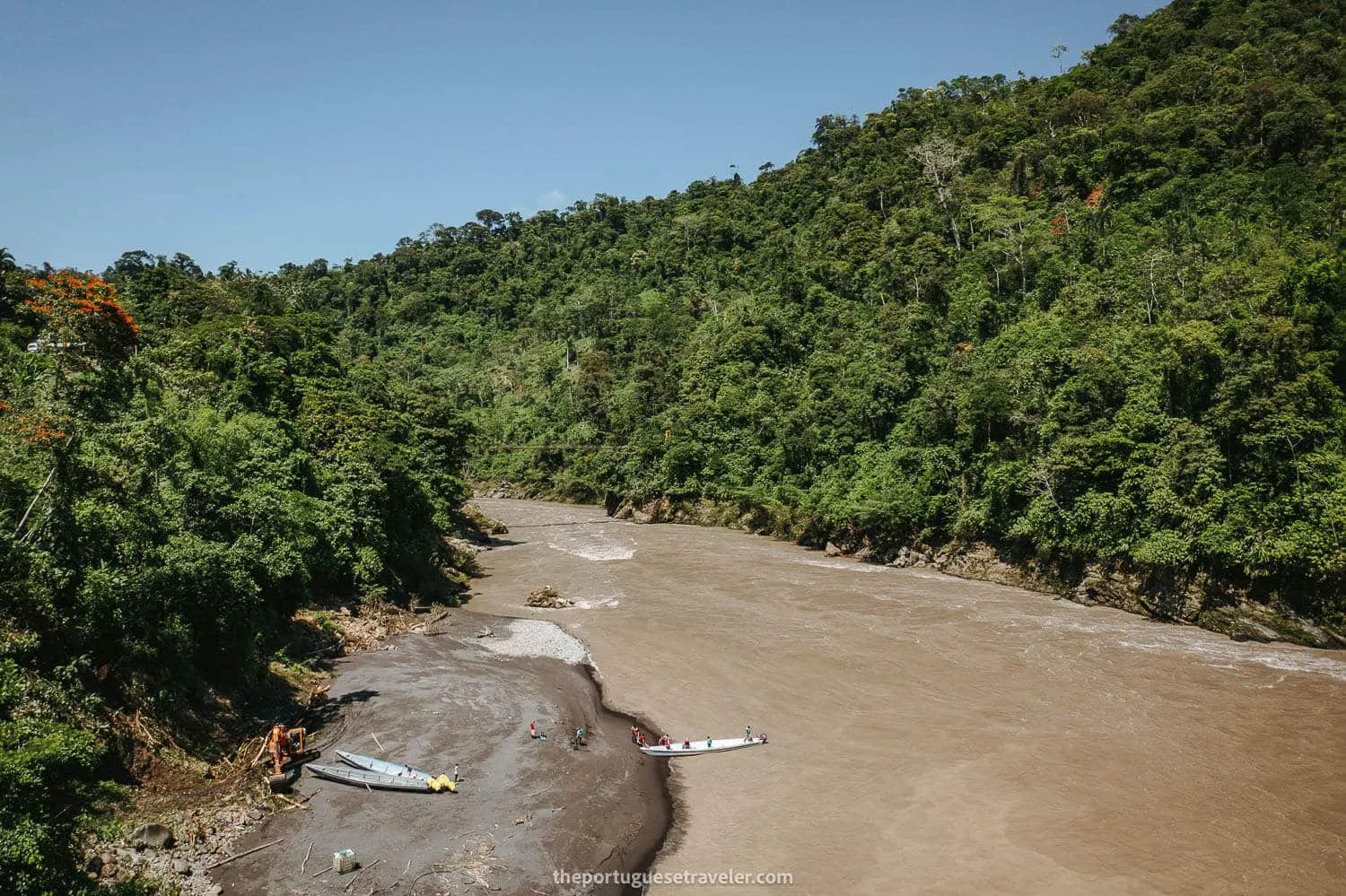
Before departing by boat to the Shuar Community through the Namangoza River
Cueva de Los Tayos: Curiosities
Location: The Cueva de los Tayos is located in the province of Morona-Santiago in southeastern Ecuador, within the Amazon rainforest. It lies in the Cordillera del Cóndor region, near the border with Peru.
Geological Formation: The cave is a limestone formation, characterized by intricate networks of tunnels, chambers, and underground rivers. It was formed over millions of years through the erosion of soluble rock by water.
Size and Depth: The cave is estimated to extend for over 20 kilometers (12 miles). Its deepest explored point reaches approximately 860 meters (2,800 feet) below the surface.
Name Origin: The Cueva de Los Tayos derive their name from the nocturnal birds that dwell within them, known as Tayos (Steatornis caripensis). These avian creatures belong to the Owl family and are a rare presence in Latin American caves, inhabiting only a select few.
Fauna: The Cueva de los Tayos is known for its diverse wildlife. The cave is home to oilbirds (Steatornithidae), which are nocturnal birds that navigate using echolocation. The presence of these birds gave the cave its alternative name, “Cave of the Oilbirds.” Other cave-dwelling fauna include various bat species, spiders, insects, and amphibians.
Flora: The surrounding area of the cave is part of the Amazon rainforest, known for its incredible biodiversity. The vegetation includes dense tropical forests, with a variety of trees, plants, and lianas. The area is characterized by a lush and diverse ecosystem, with numerous species of orchids, bromeliads, ferns, and other epiphytic plants.
Indigenous Cultural Significance: The cave holds cultural significance for local indigenous communities, such as the Shuar and Achuar people. It is considered a sacred place, associated with myths and legends passed down through generations.
Exploration: The Cueva de los Tayos has been the subject of several scientific expeditions and explorations. In the 1970s, a joint Ecuadorian-British expedition led by Stan Hall explored the cave extensively, mapping its chambers and passages. Since then, numerous researchers and adventurers have visited the cave to study its geology, ecology, and archaeological potential.
Conservation: The cave and its surrounding area are protected within the Morona-Santiago Ecological Reserve, established in 1996 to preserve the rich biodiversity of the region. The Ecuadorian government recognizes the importance of the cave and its ecosystem, and efforts are made to ensure its conservation and sustainable management.
Ancient Origin of the Tayos Caves: The Cueva de Los Tayos, known for its remarkably straight features, has sparked theories suggesting it could be a man-made structure. One intriguing idea is that an ancient civilization, like Atlanteans or Sumerians, may have created these caves as a refuge from cataclysmic events, like floods, earthquakes, or asteroid impacts.
A post shared by JOAO PETERSEN | Adventure & Nature (@the.portuguese.traveler)
Cueva de Los Tayos: History
Within the Ecuadorian Amazon region, the Tayos Caves hold an enigmatic tale that has captivated explorers for generations. These caves, believed to form an extensive underground network with remarkably straight features, have ignited speculation about their origin. Some have proposed the involvement of an advanced ancient civilization or even extraterrestrial beings.
The Shuar people, indigenous to this region, play a central role in this narrative. Known for their unique practices, such as head-shrinking, they are believed to have possessed valuable artifacts, including metal tablets. These artifacts found their way into the hands of Father Crespi, a Catholic priest who earned their trust. The reasons behind this trust remain shrouded in mystery (More information is provided later in this section).
Juan Moricz (1923-1991) a Hungarian-Argentinean explorer, another key figure in this tale, claimed to have discovered the Tayos metal library in the mid-1960s. His account gained notoriety through Erich von Däniken’s book ‘Gold of the Gods,’ which sparked widespread interest in the region’s mysteries.
Stan Hall (1936-2008) a Scottish engineer, after reading about Moricz’s expedition, led a second expedition to the Tayos Caves in 1976. This time it was an Ecuadorian-British Expedition and involved over 100 individuals, including expert cavers, military personnel, and astronaut Neil Armstrong, who served as the Honorary President. Armstrong, renowned as the first person to set foot on the moon during NASA’s Apollo 11 mission in 1969, brought a unique perspective to the expedition.
Reports suggest that crates were retrieved from the caves on various occasions, raising speculation about their contents. Some believe these crates might have held treasures or relics from the elusive metal library. However, the true nature of these artifacts and their ultimate fate remain shrouded in secrecy, leaving the library’s existence as one of history’s enduring mysteries.
Contents of the Metal Libraries:
- Advanced Technology: The use of metal for documenting knowledge hints at a level of technological advancement not typically associated with ancient cultures.
- Unknown Script: The undeciphered inscriptions challenge researchers and linguists, as decoding the script could unlock a wealth of information about the civilization that created them.
- Translucent Tablets: The mention of translucent plates adds another layer of mystery, as advanced materials like these were not typically associated with ancient civilizations.
Another crucial character in this narrative is Petronillo Jaramillo A., who emerged as a key custodian of the treasure story after Moricz’s passing in 1991. His collaboration with Stan Hall filled gaps in their separate journeys, ultimately revealing crucial information about the artifacts hidden within the caves.
Even Hollywood has taken an interest in this tale. Actor Will Smith ventured into the Tayos Caves for a National Geographic documentary just one week after our own expedition last year. His presence added a contemporary twist to this captivating story, demonstrating that the mysteries of the Tayos Caves continue to pique the interest of people from all walks of life. The documentary is expected to air in either 2023 or 2024, shedding more light on this intriguing mystery.
Who was Father Crespi?
Father Carlos Crespi Croci (1891-1982), an Italian Salesian monk, dedicated nearly six decades of his life to charitable work in Ecuador, primarily in the city of Cuenca. His remarkable talents and unwavering humanitarian efforts earned him immense respect and affection from the local people, leaving a profound legacy in the region.
Indigenous communities expressed their gratitude by presenting various artifacts to Father Crespi. His collection encompassed over 50,000 items, including figurines, ceremonial objects, and unique artifacts. Unfortunately, a devastating fire in 1962 consumed many of these treasures, and the remaining collection mysteriously disappeared.
In 1973, Erich von Däniken’s book, ‘Gold of the Gods,’ claimed that Juan Moricz had discovered a metallic library in Ecuador’s Tayos Caves, with some of these artifacts given to Father Crespi, who also had connections with the Vatican. This sensational revelation sparked global intrigue but also cast doubts on the authenticity of the findings, and that’s why the second expedition with Neil Armstrong took place.
Ancient Origins (“the only Pop Archaeology site combining scientific research with alternative perspectives”) embarked on an investigative journey to uncover the truth. They discovered that Father Crespi’s collection is now under the custody of the Central Bank of Ecuador. The majority of items in the collection are genuine and historically valuable. However, what von Däniken referred to as the “Metallic Library” appears to be nothing more than modern carvings on inferior metal.
Yet, one essential question remains unanswered: the whereabouts and authenticity of the gold carvings, hieroglyphs, and Sumerian figures that were photographed in the 1970s. This mystery surrounding Father Crespi’s collection endures, leaving us with an enigma yet to be fully unraveled.
From what I have gathered from various sources, there exists a wide-ranging “conspiracy” theory suggesting that the metal library belonged to ancient civilizations who dwelled beneath the Earth, concealing themselves from a biblical flood or asteroid impact. These civilizations are thought to have possessed advanced technologies, possibly with extraterrestrial assistance. If you’ve watched the documentary “Ancient Civilizations” on Netflix by Graham Hancock, you might find this a fascinating discovery, prompting us to reconsider what is currently regarded as the archaeologically accurate representation of Earth’s ancient societies.
Another intriguing aspect to note is that the objects filmed by Father Crespi and the investigative journalists and curious individuals who interviewed him in the 1950s and early 1960s were primarily found in the Central Bank of Ecuador and were considered insignificant (the simple metal ones). However, those crafted from pure gold, adorned with Sumerian and Egyptian carvings and symbols, have vanished. It is likely that they were not lost in the 1962 fire but were instead retrieved by a secretive organization, private investors, or even the Vatican. Subsequently, the building housing the collection was set ablaze to conceal the story, as it had the potential to significantly alter people’s perspectives on God and the origins of civilizations.
Bibliography:
Videos & Documentaries:
vimeo.com/207871517/
youtu.be/lc3y8E8ZSUk?si=1B2miUWortO67bDz/
imdb.com/title/tt3282894/
amazon.com.au/Tayos-Gold-Archives-Stan-Hall/dp/1931882673/
youtu.be/ghIORR-O9eg?si=L8XZ-hCp8T-9-jWb/
youtu.be/gllEJPaj_PY?si=QsKOm9-RRoOkgm6l/
youtu.be/oqhUfjA-8k0?si=bvk846tcFUDZTlPC/
facebook.com/watch/?v=310990473945341
imdb.com/title/tt7913654/
tv.apple.com/ca/episode/hunt-for-the-metal-library/umc.cmc.1s928mwyzz1wvn3pi4nvo3a5c/
Texts & Articles:
misterioparanormal.wordpress.com/2013/11/17/el-misterio-de-la-cueva-de-los-tayos-y-la-biblioteca-metalica/
ecuadorecoadventure.com/2023/amazon/facts-or-fiction-the-mythology-behind-cueva-de-los-tayos-in-ecuador/
tayos.org/
atlasobscura.com/places/cueva-de-los-tayos/
en.wikipedia.org/wiki/Cueva_de_los_Tayos/
axismundi.blog/en/2022/01/23/cuevas-de-los-tayos/
larepublica.ec/blog/2017/06/15/las-cuevas-de-los-tayos-el-misterio-de-la-prehistoria-humana/
ancient-origins.net/news-general/truth-about-father-crespi-and-his-missing-artifacts-finally-revealed-005498/
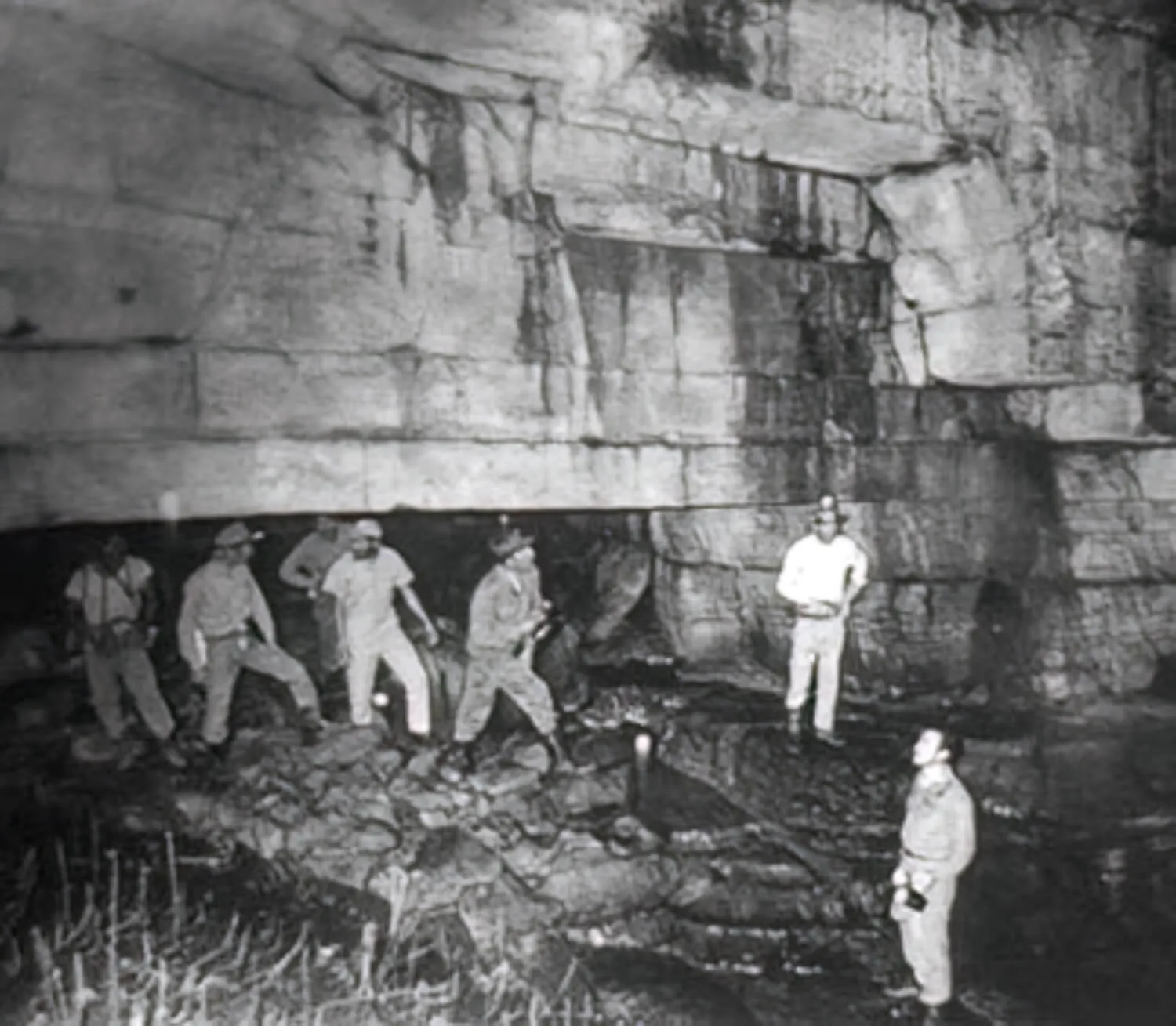
The Móricz Expedition of 1969 - Credit: https://ecuadorecoadventure.com
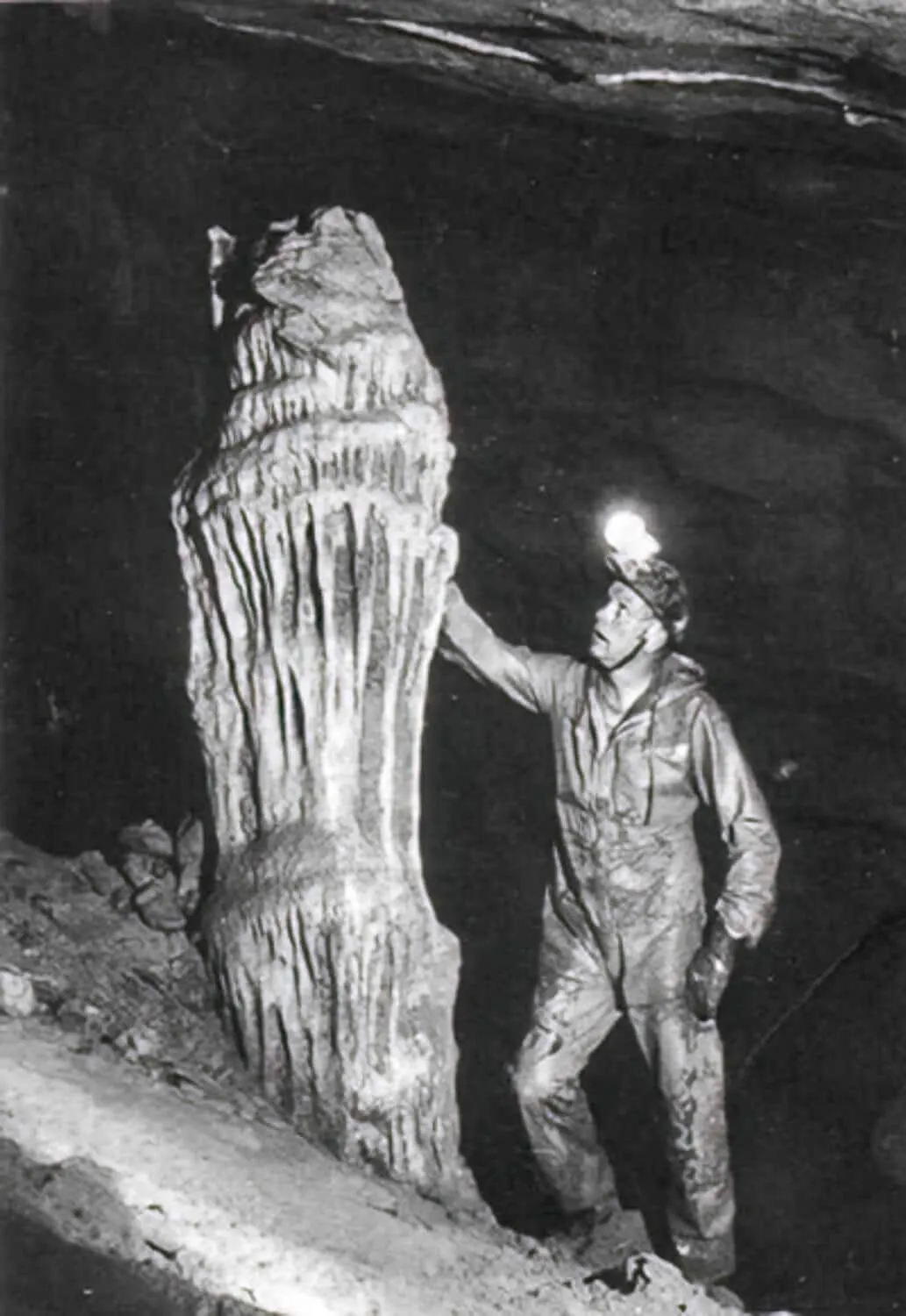
Neil Armstrong observing a huge stalagmite - Credit: https://www.tayos.org/
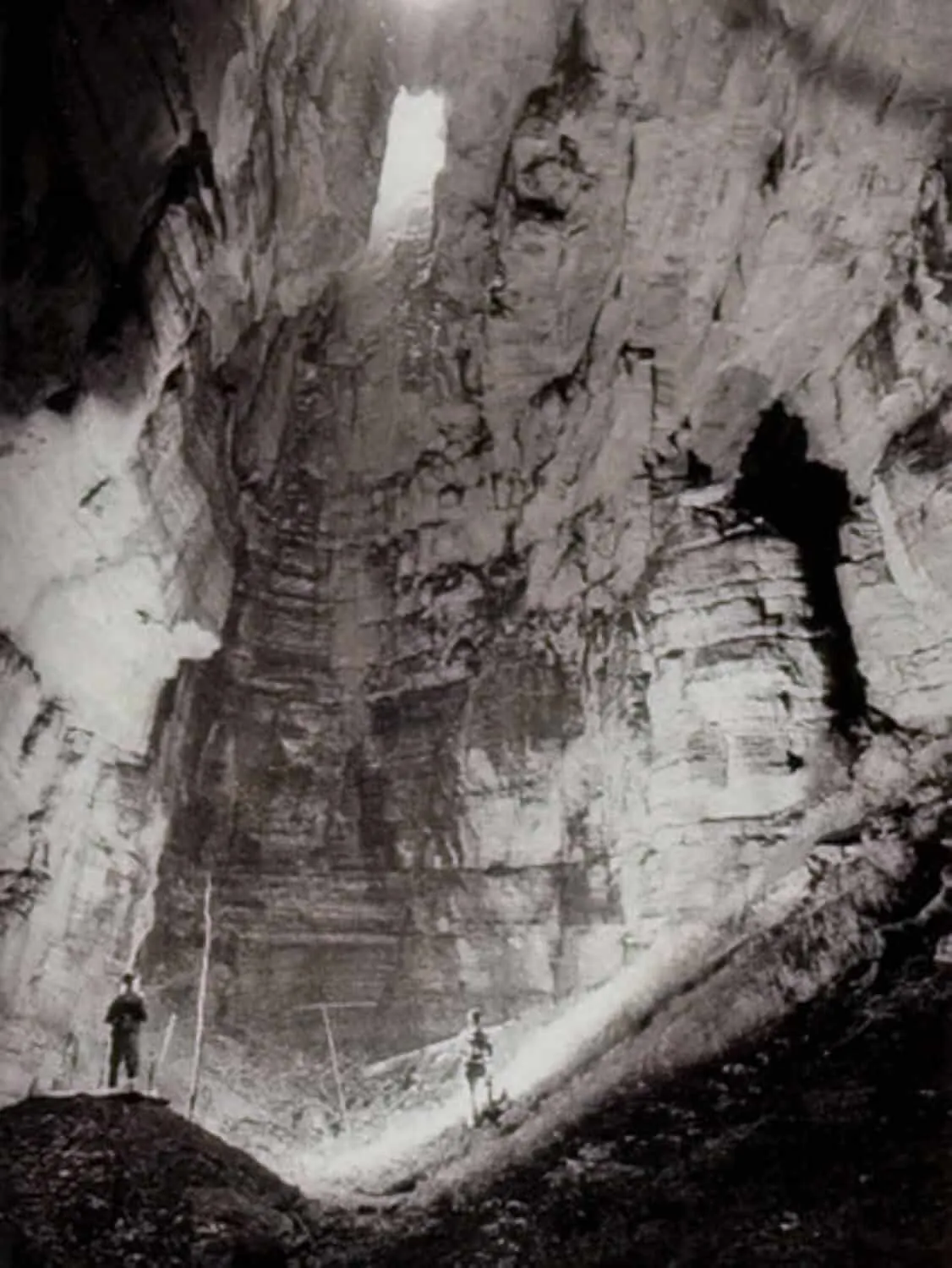
The Altar in Moricz’s 1969 Expedition - Credit: https://misterioparanormal.wordpress.com
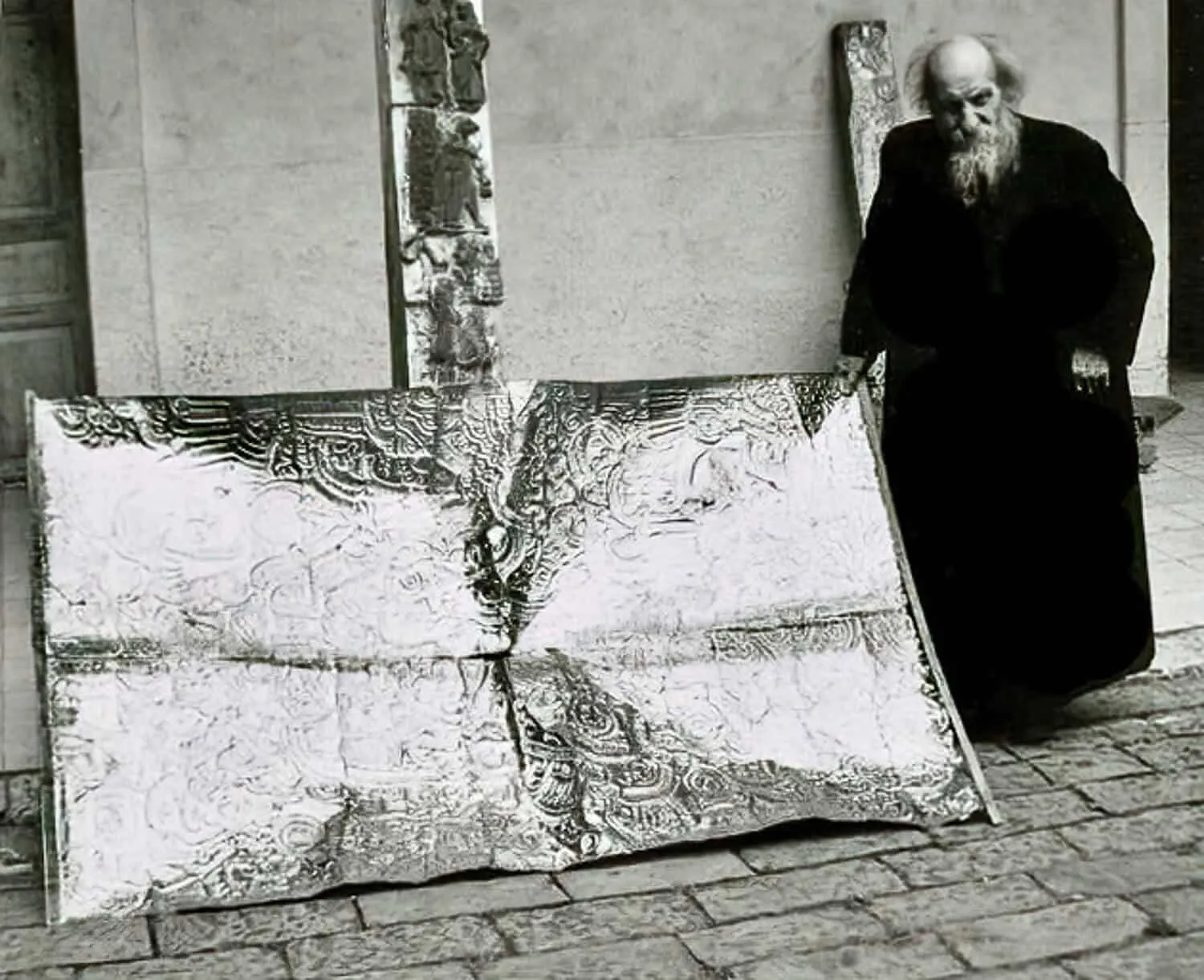
Father Crespi with an object from his collection - Credit: https://misterioparanormal.wordpress.com
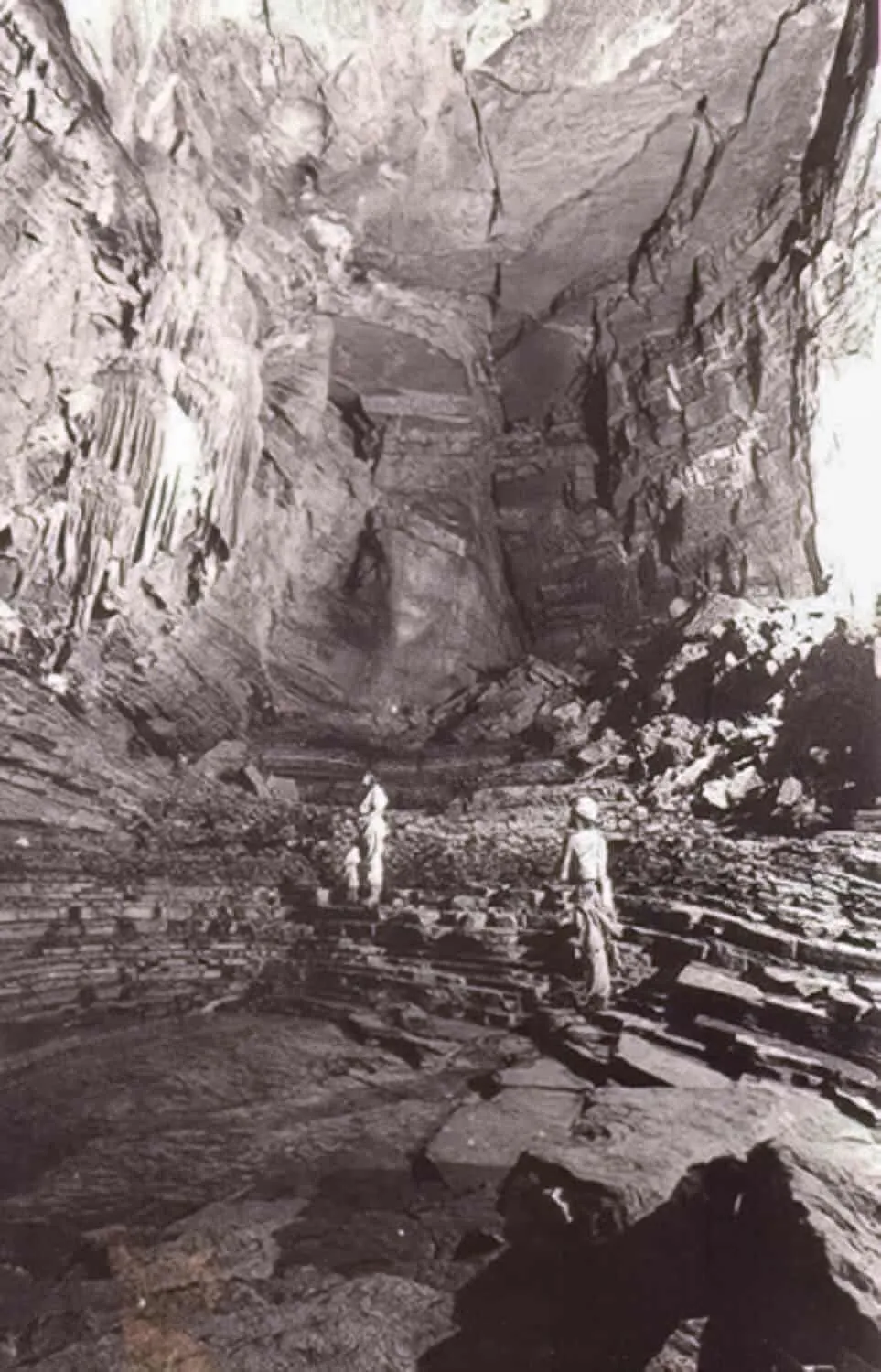
The Amphitheater in Moricz’s 1969 Expedition - Credit: https://misterioparanormal.wordpress.com
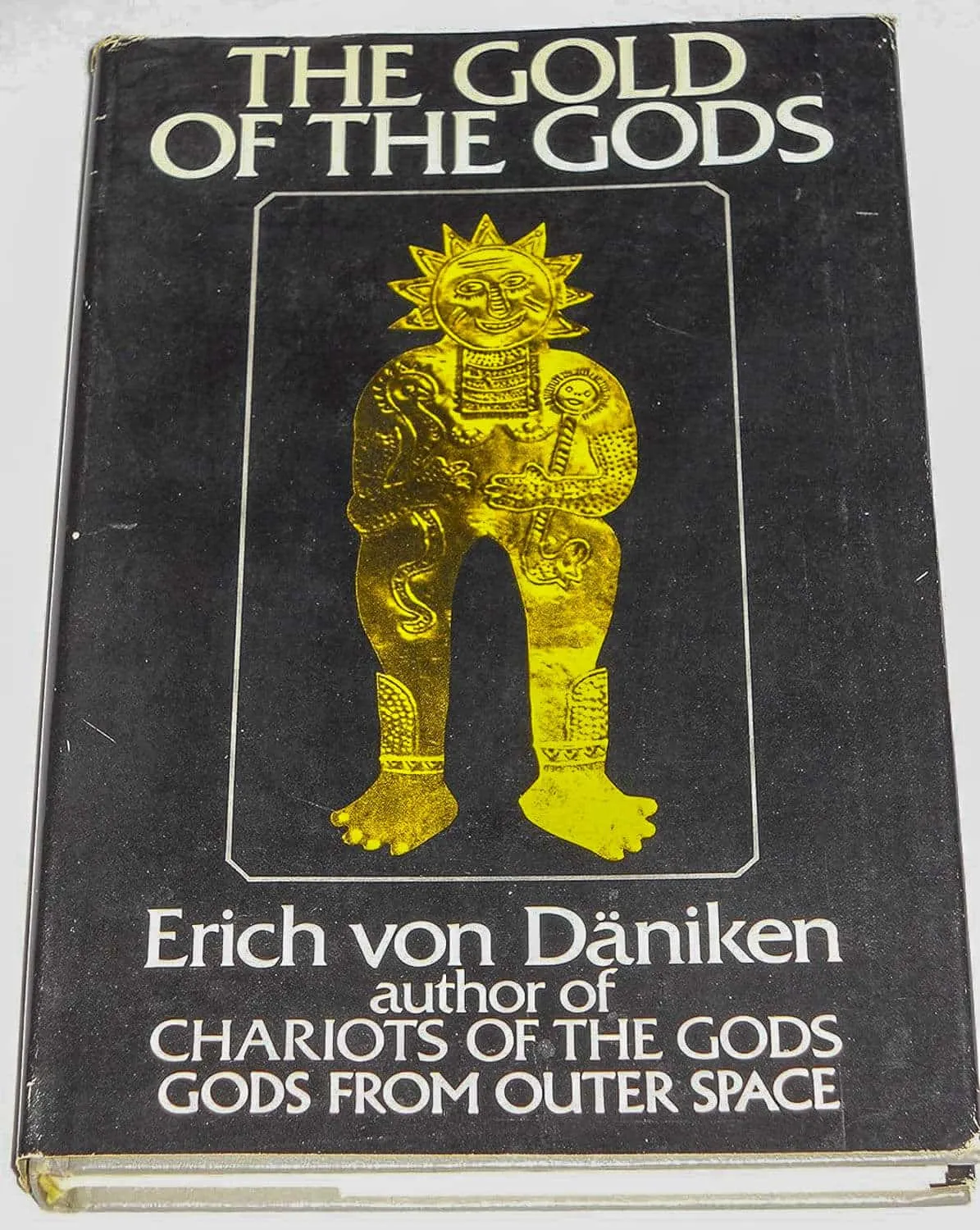
The Gold of The Gods book from Erich von Däniken - Credit: Amazon.com
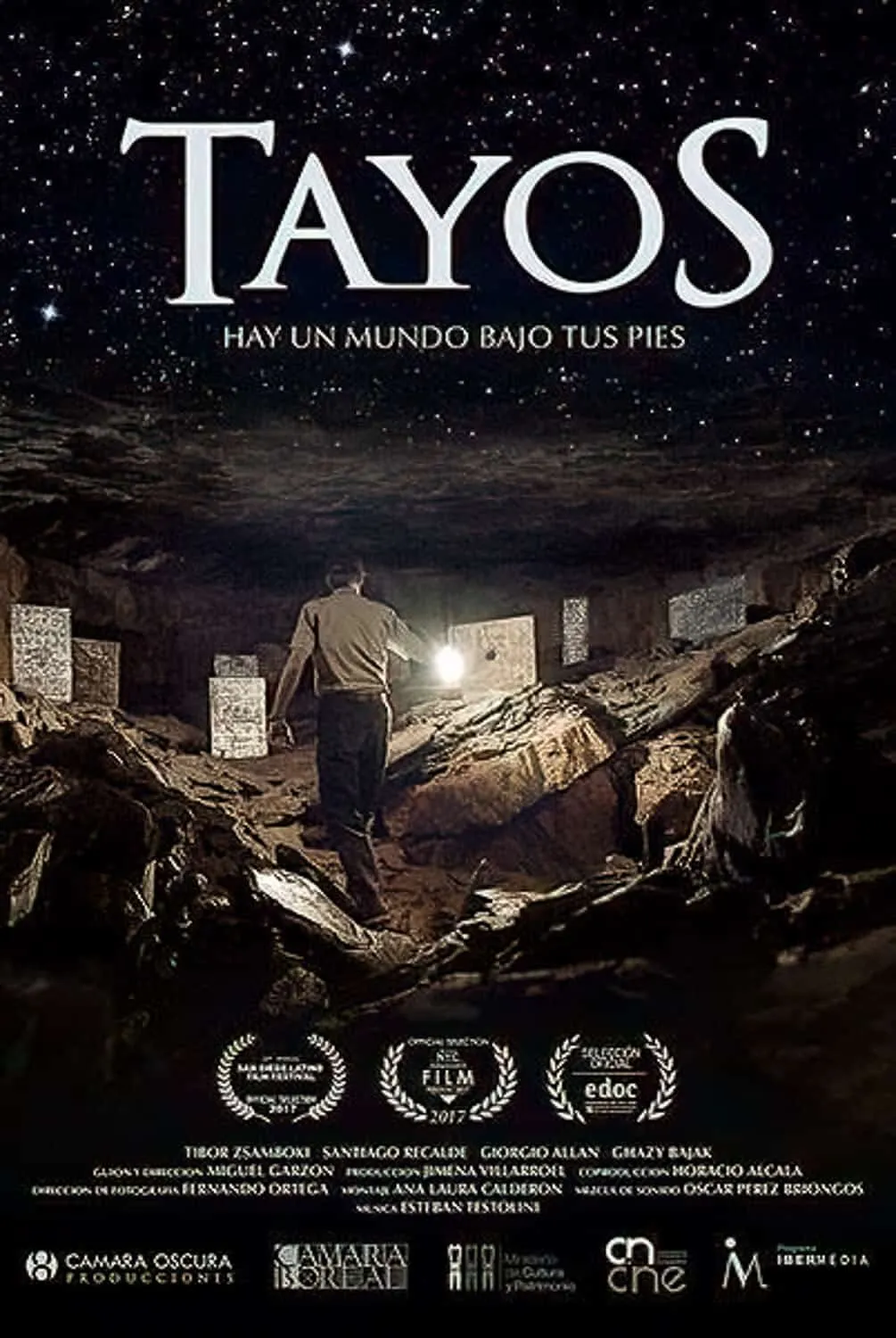
Tayos: Hay un Mundo Bajo Tus Pies - Documentary
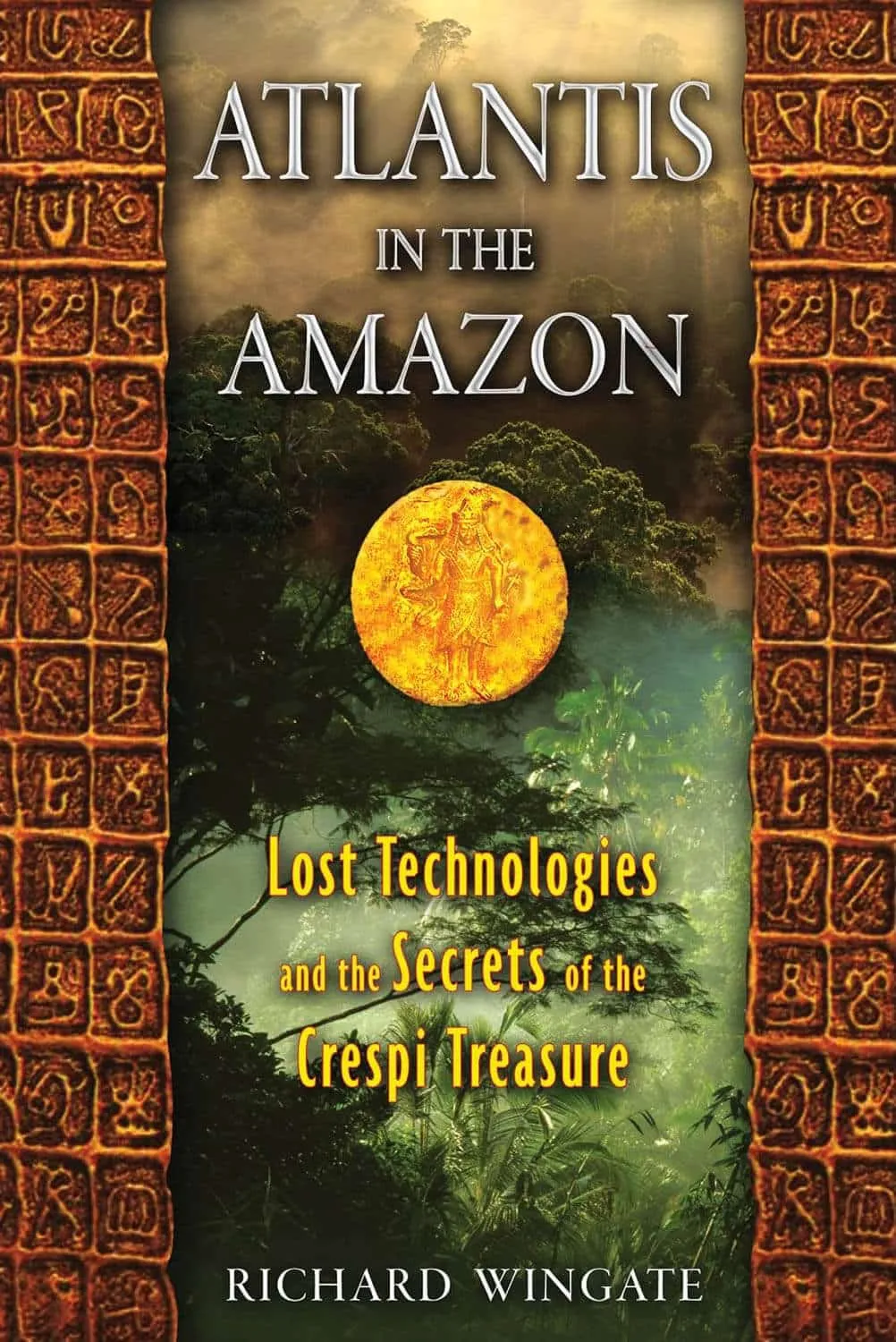
Atlantis in the Amazon Book by Richard Wingate - Credit: Amazon.com
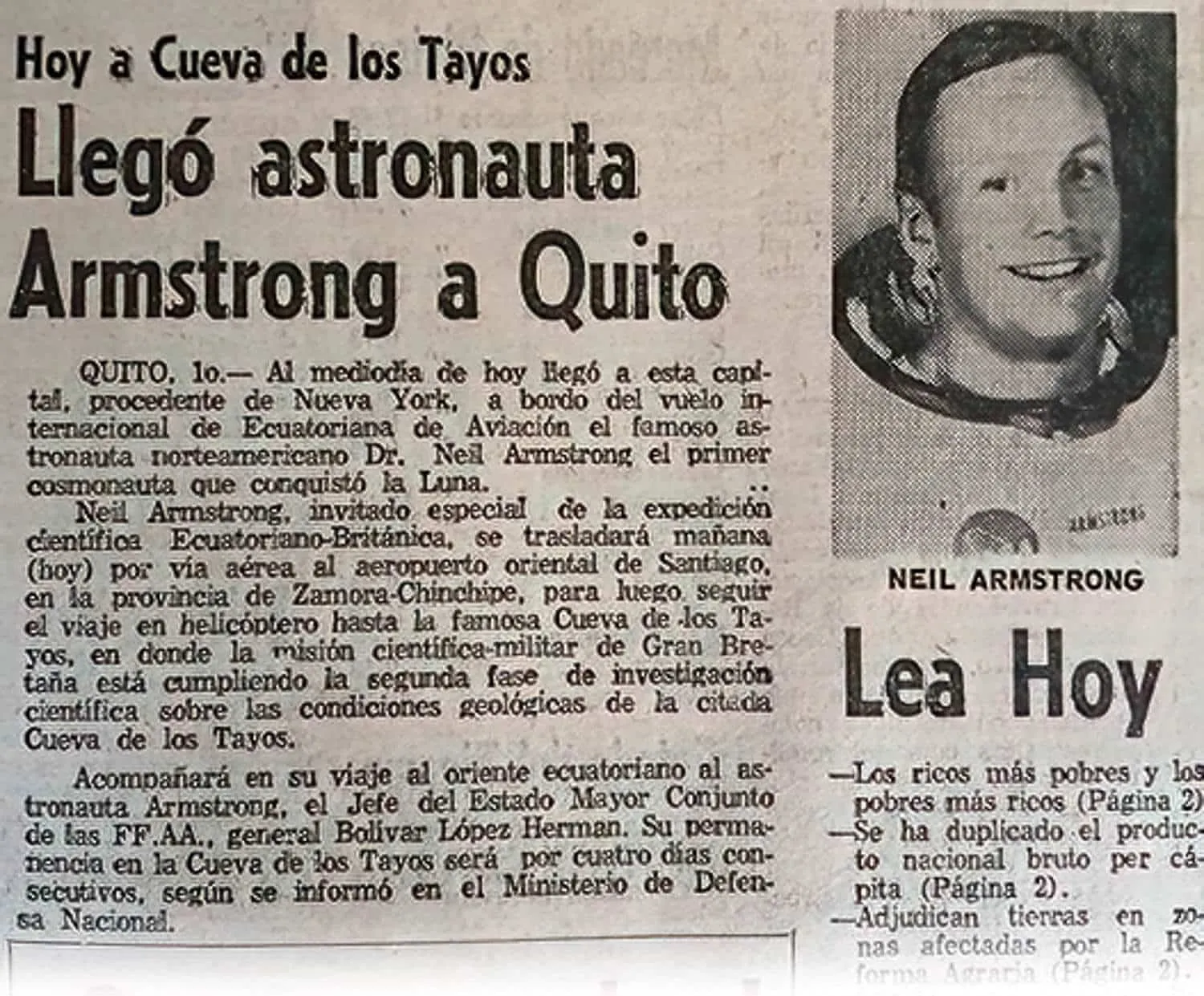
Newspaper about the arrival of Neil Armstrong to Quito - Credit: https://axismundi.blog
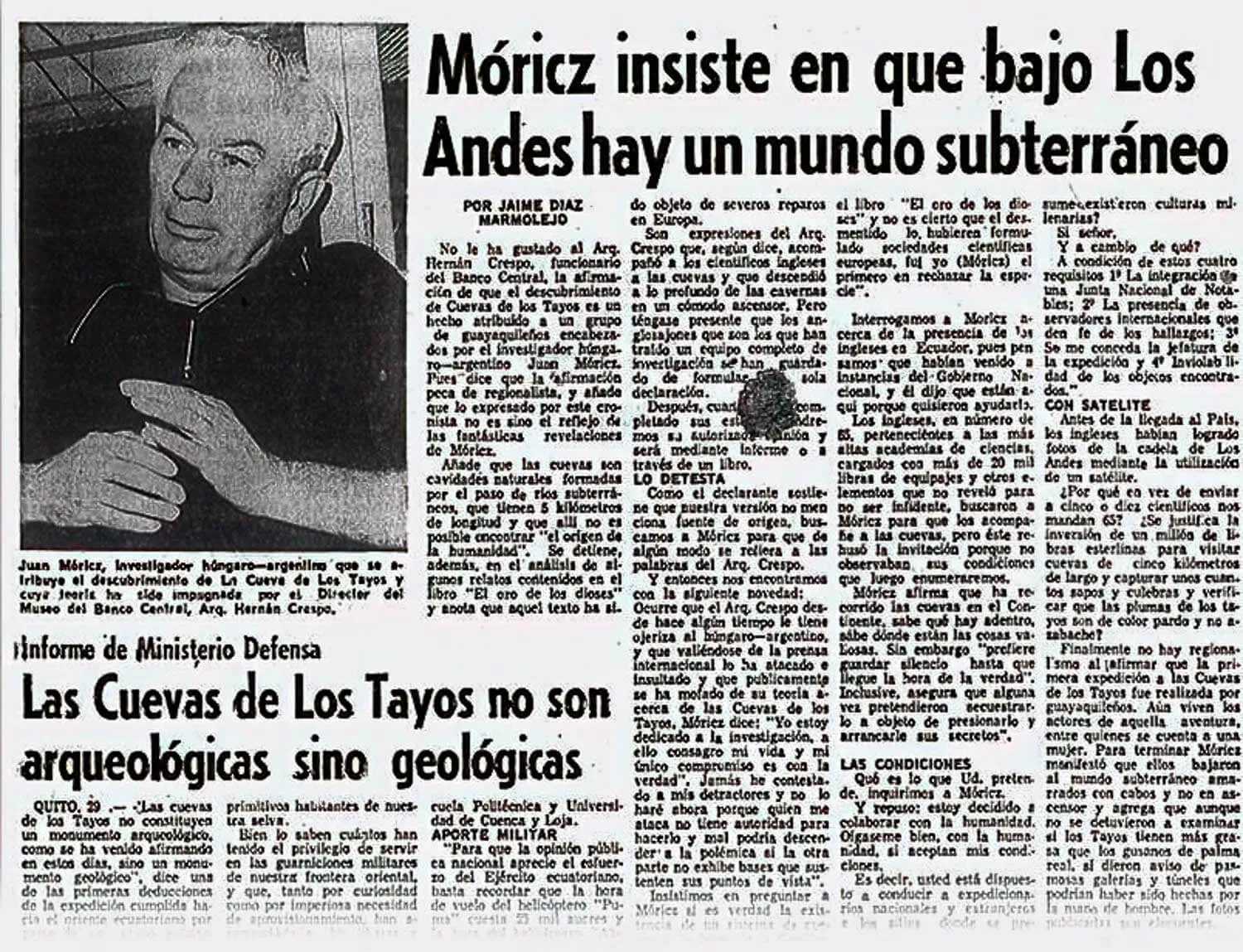
Móricz on a newspaper about the existence of a subterranean underworld - Credit: https://achiras.net.ec/
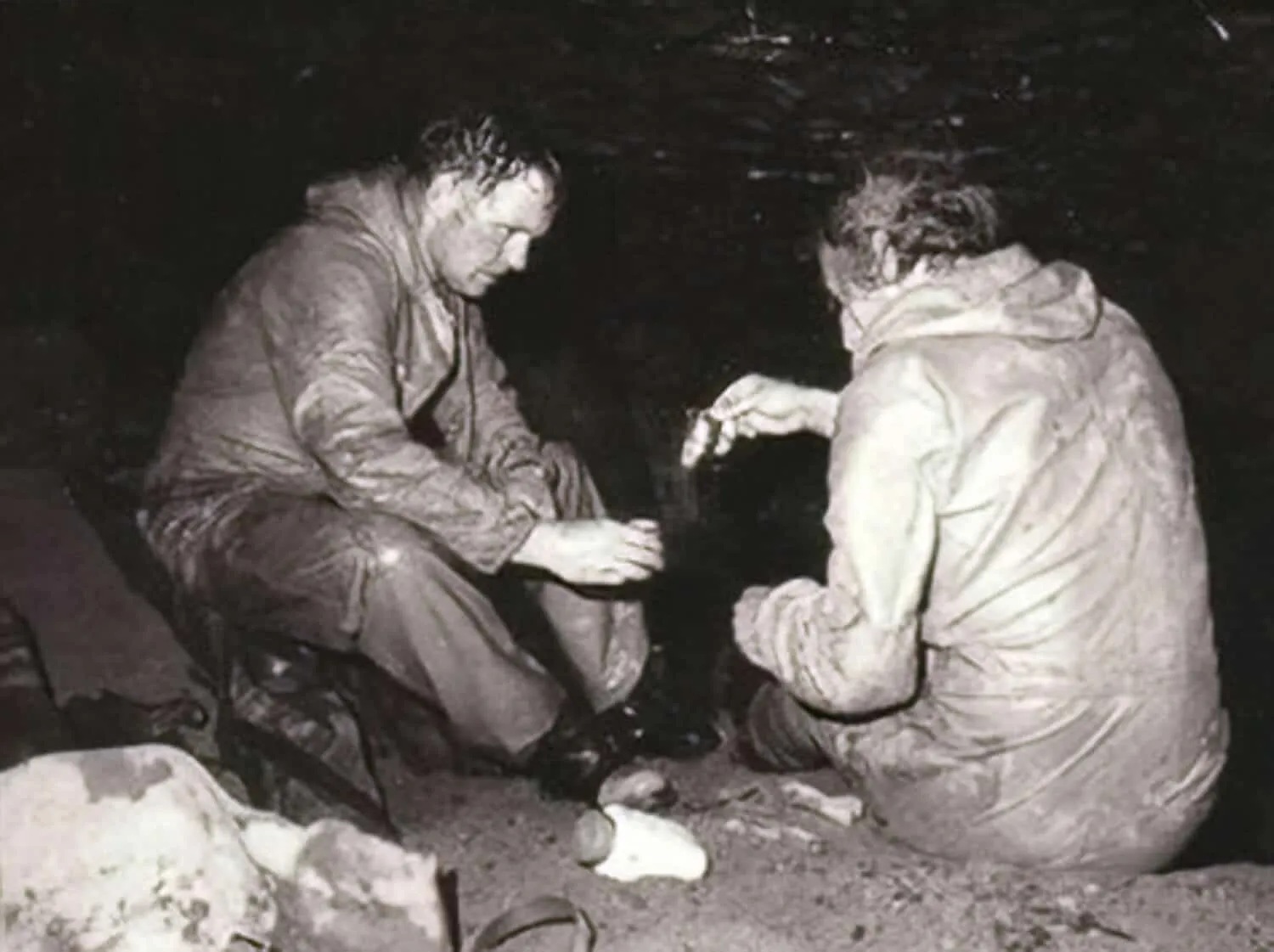
Neil Armstrong inside the cave - Credit: https://m.facebook.com/
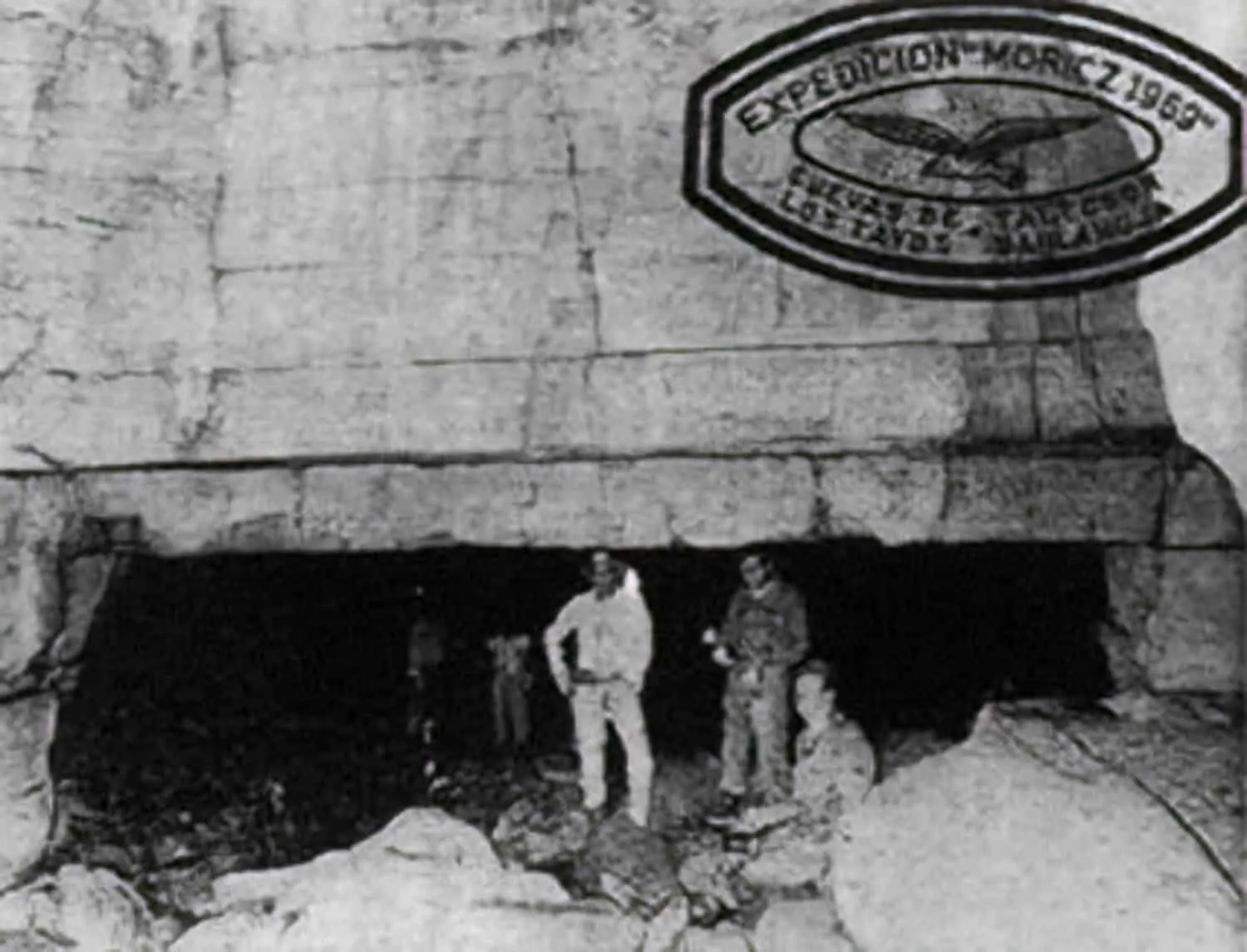
The Móricz Expedition of 1969 - Credit: https://misterioparanormal.wordpress.com
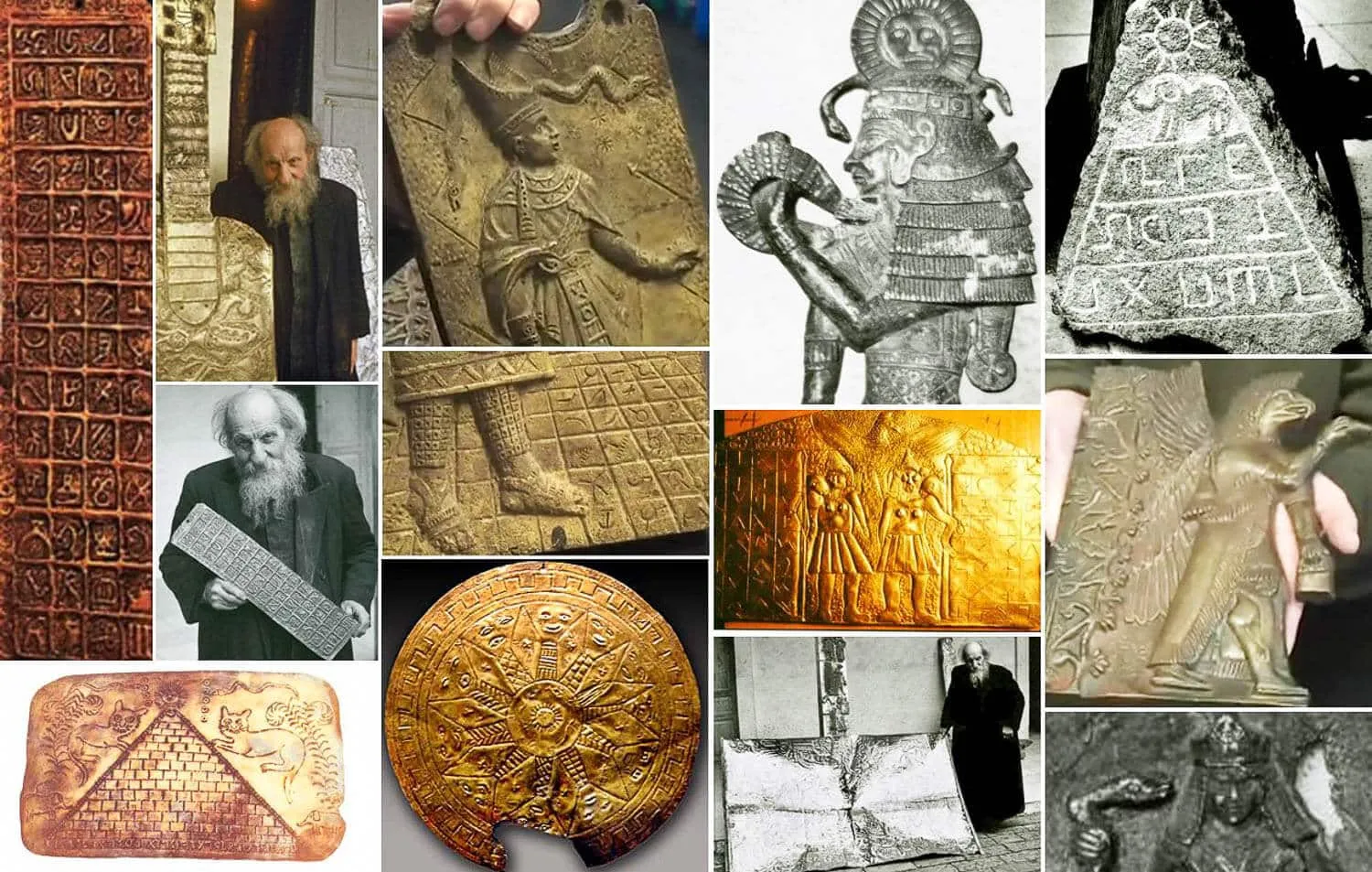
Father Crespi’s collection’s most intriguing items - From Sumerian to Egyptian, and Ancient Indian symbols carved on golden plates
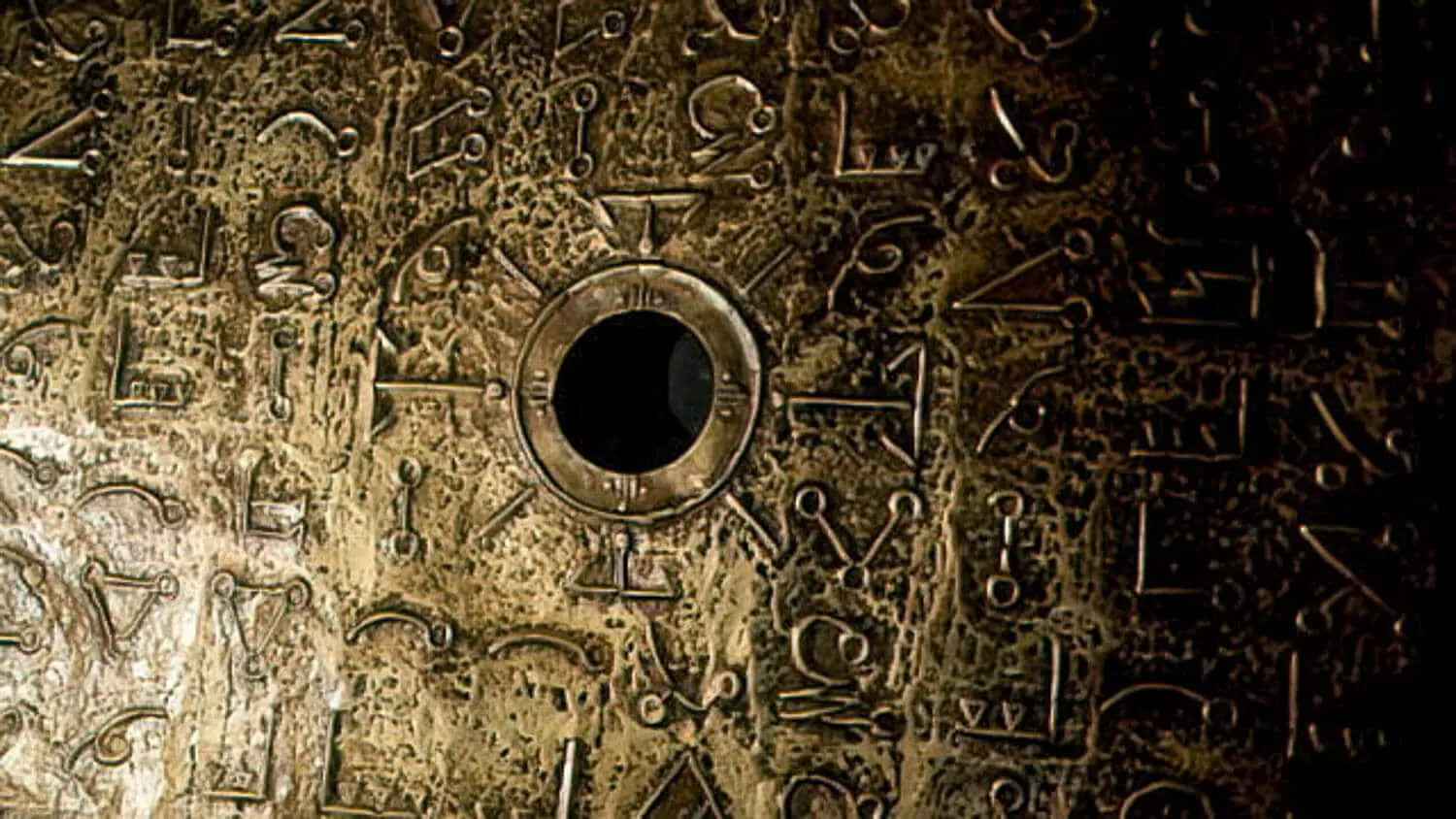
Writing and symbols from ancient civilizations
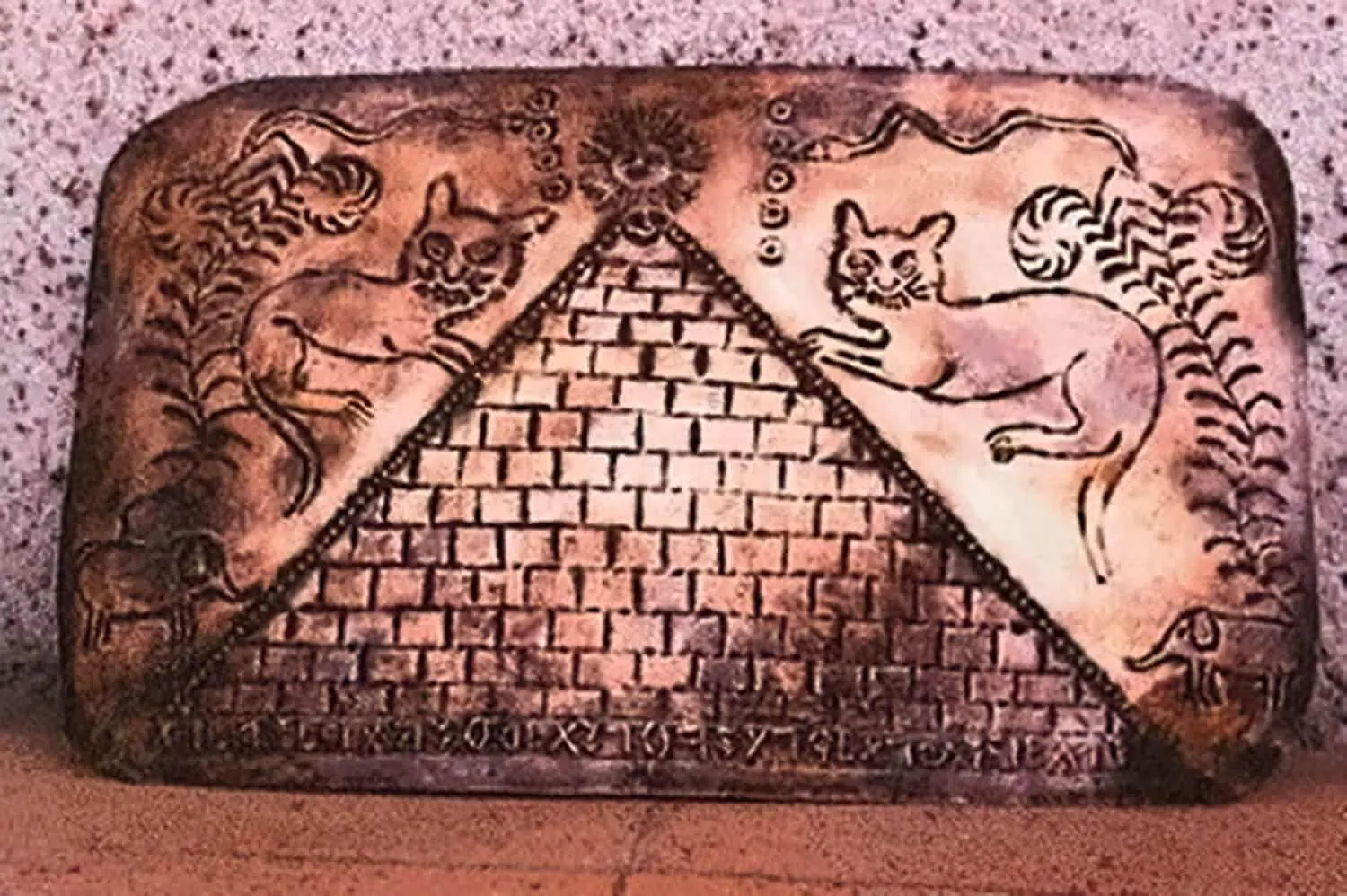
Another of the items from Father Crespi’s Collection
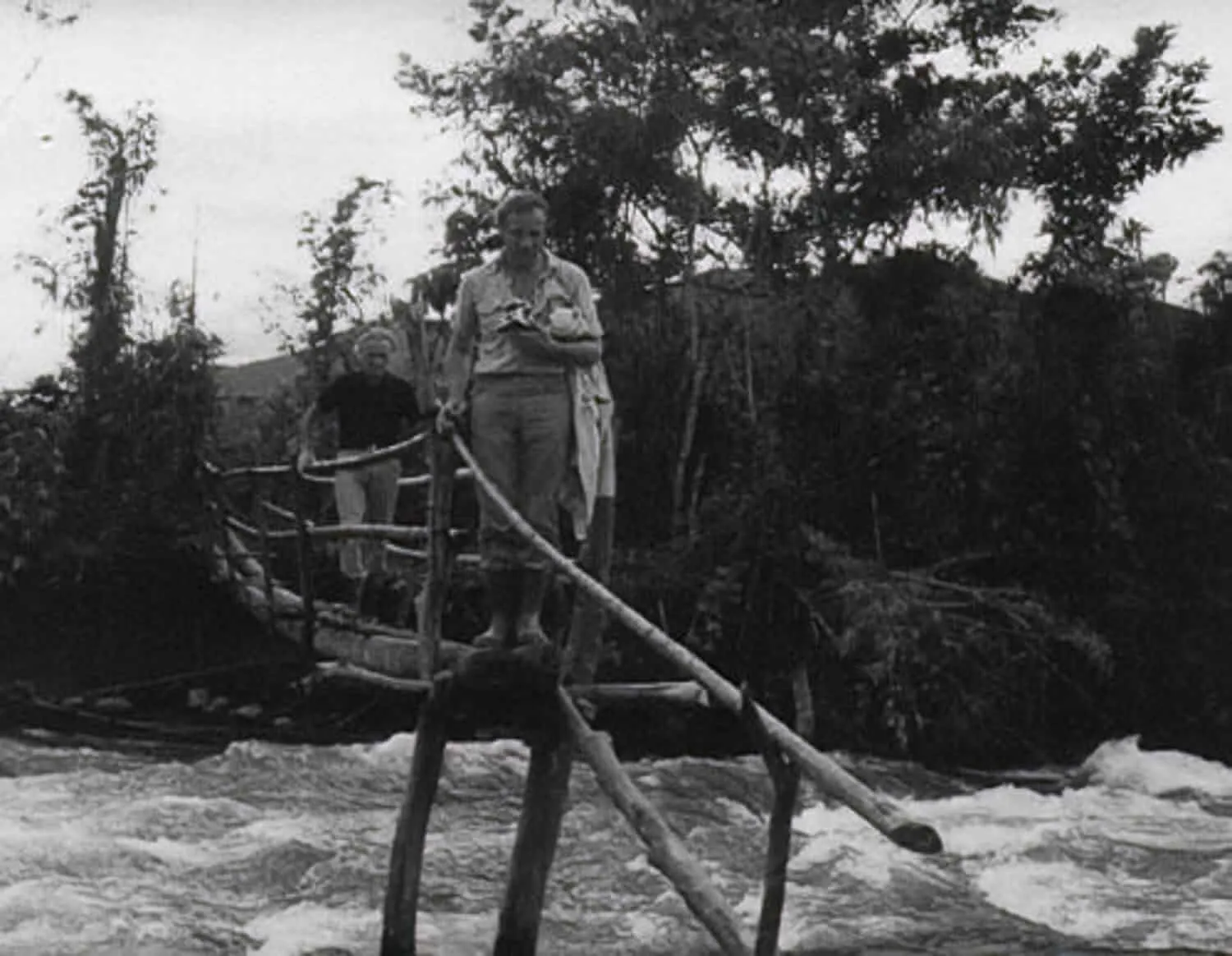
Stan Hall and Moricz - Credit: Tayos Gold The Archives of Atlantis Google Book
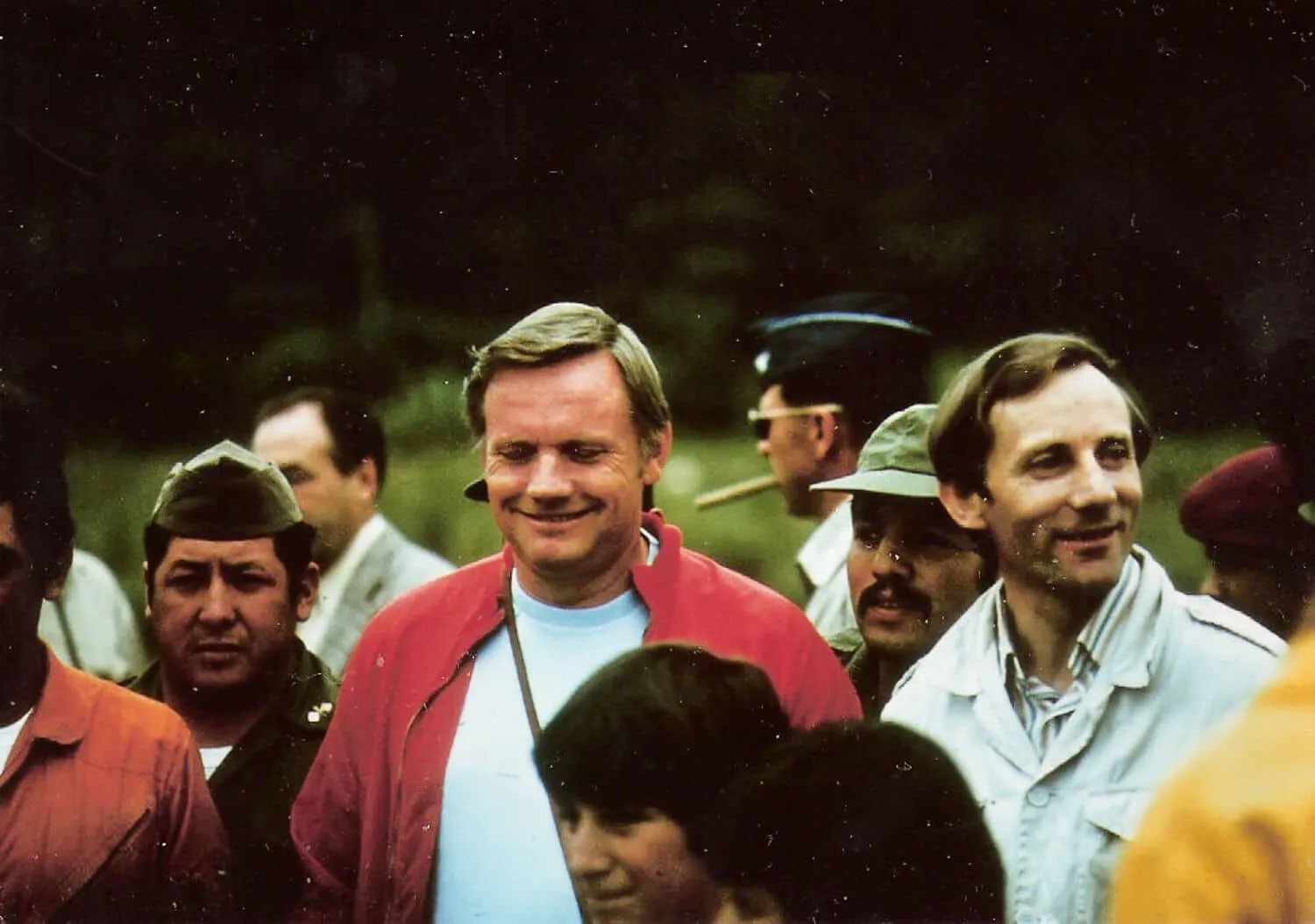
Neil Armstrong and Stan Hall on the British Expedition of 1976 - Credit: https://www.tayos.org/
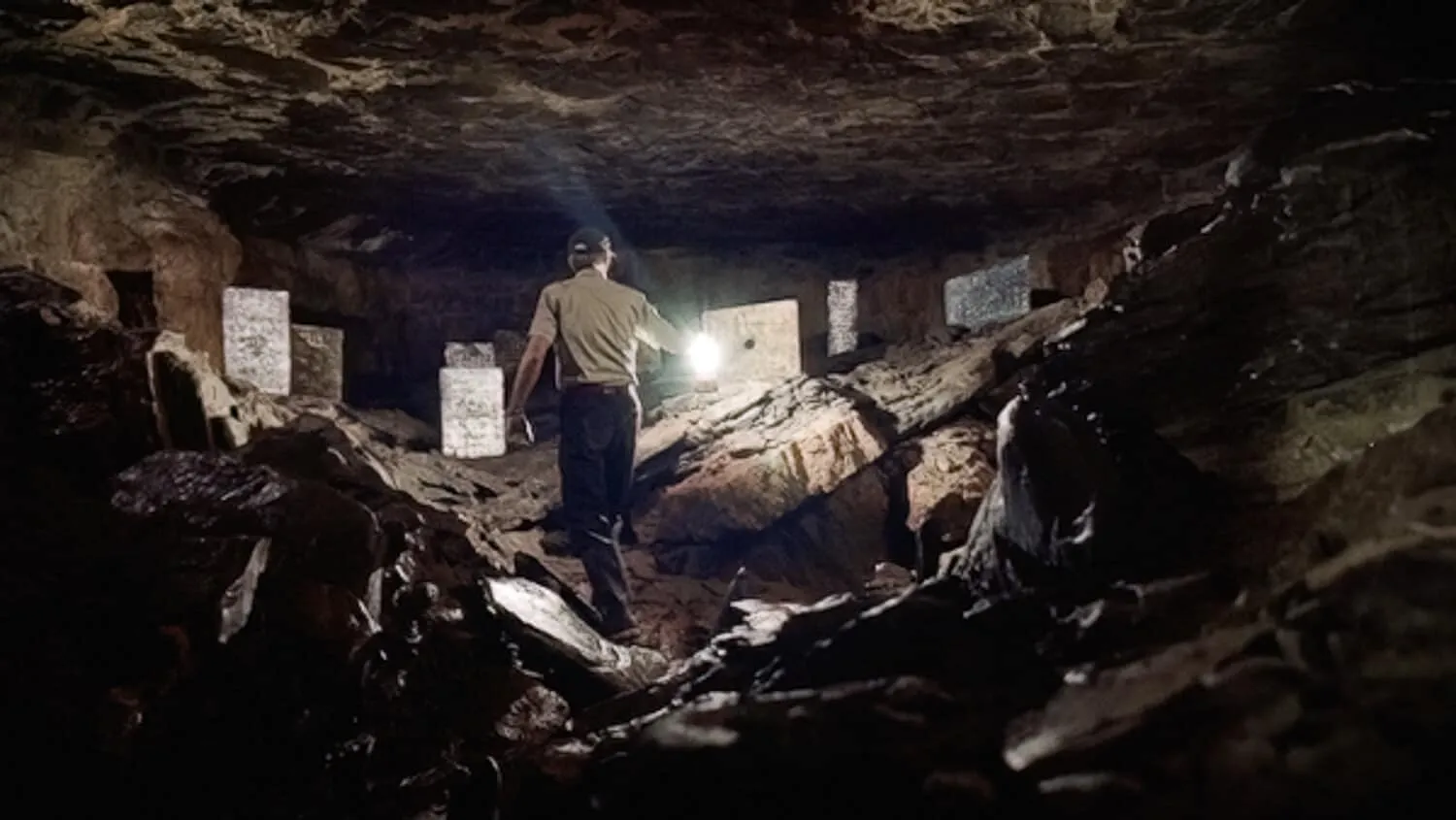
A scene from the documentary “Tayos Hay un Mundo Bajo Tus Pies”

Tayos Gold: The Archives of Atlantis by Stan Hall book - Credit: Amazon.com
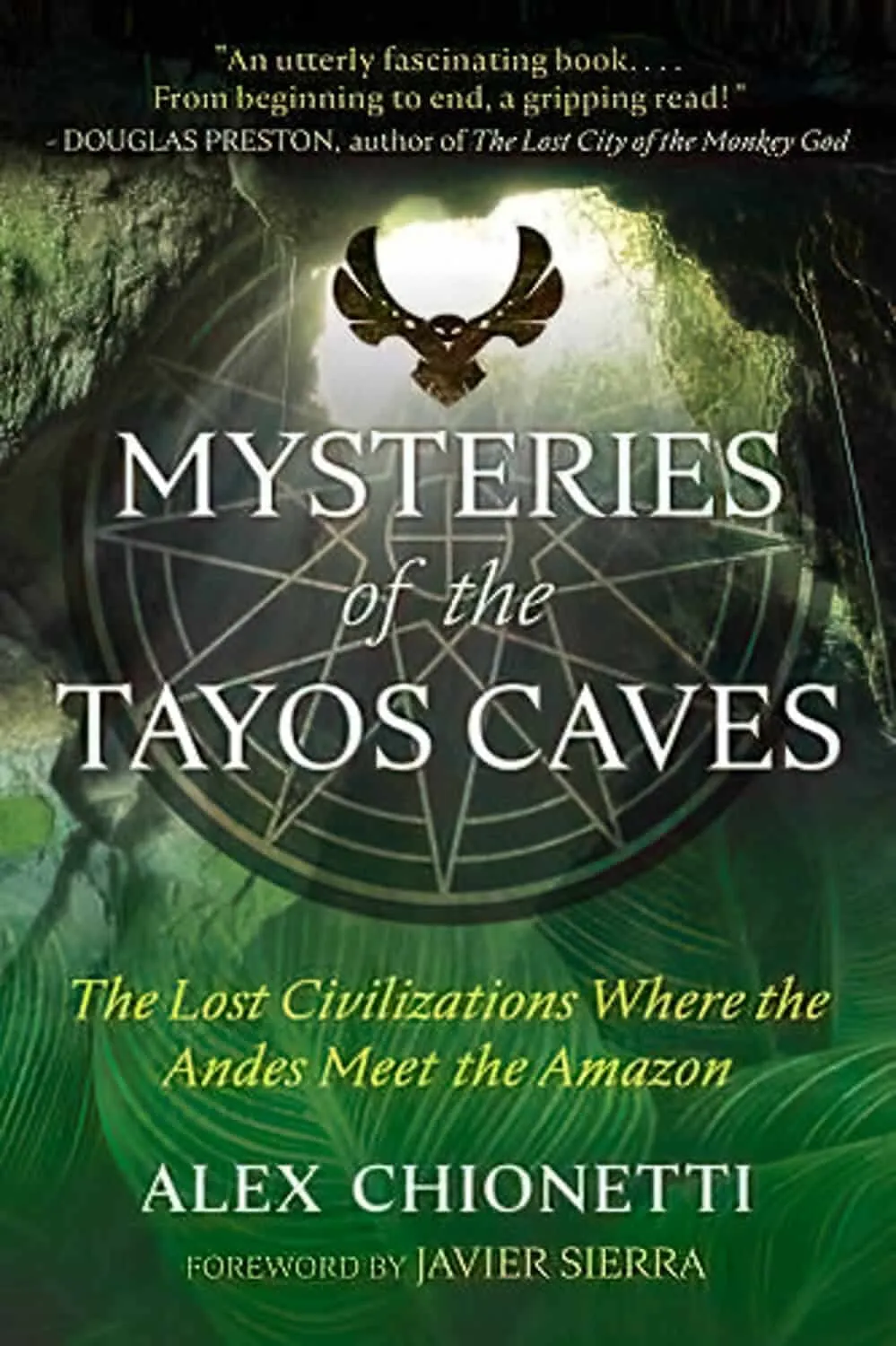
Mysteries of the Tayos Caves book - Credit: Amazon.com
My Experience in the Cueva de Los Tayos
This whole adventure began on my big expedition to Ecuador last year. I was in Cuenca and decided to contact tour agencies and my contacts for a way to visit the famous Cueva de Los Tayos. After many messages and calls, I managed to arrange a tour that could fit my schedule. Together with my girlfriend, I headed to Santiago de Mendez, where Leandro, the owner of Samay Geotouristic, awaited us at a café along with the rest of the group. In total, there were five of us, plus him. We were lucky to be part of such a small group.
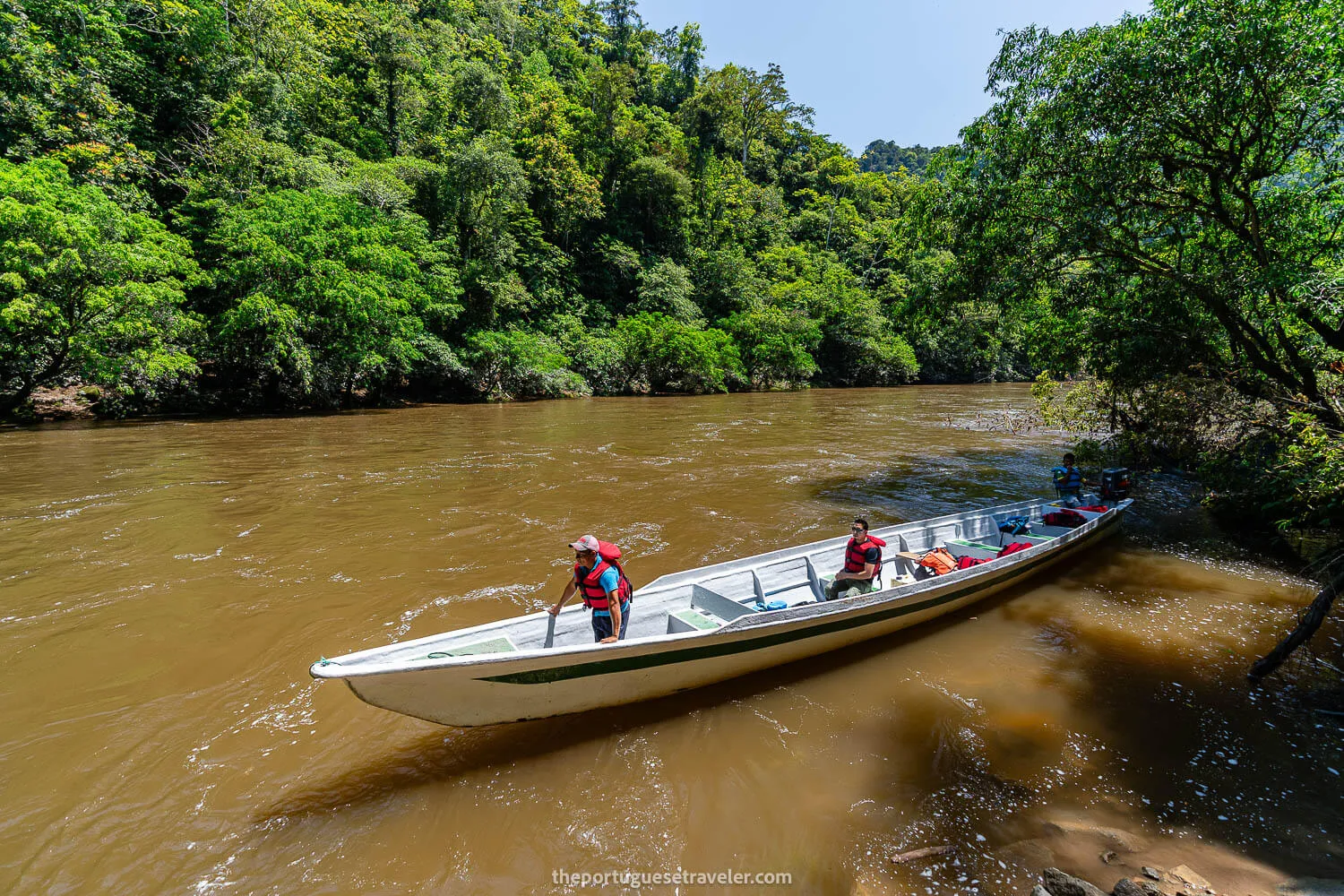
We stowed our bags in his brand-new Ford pickup truck and set off in the direction of Yuquianza. The journey took approximately an hour, and upon arrival, we unloaded the car and made our way to the makeshift sandy port, where two long canoes awaited us. Before we boarded one of them, I piloted my drone briefly to capture some incredible shots of us in the heart of the Amazon rainforest before setting off.
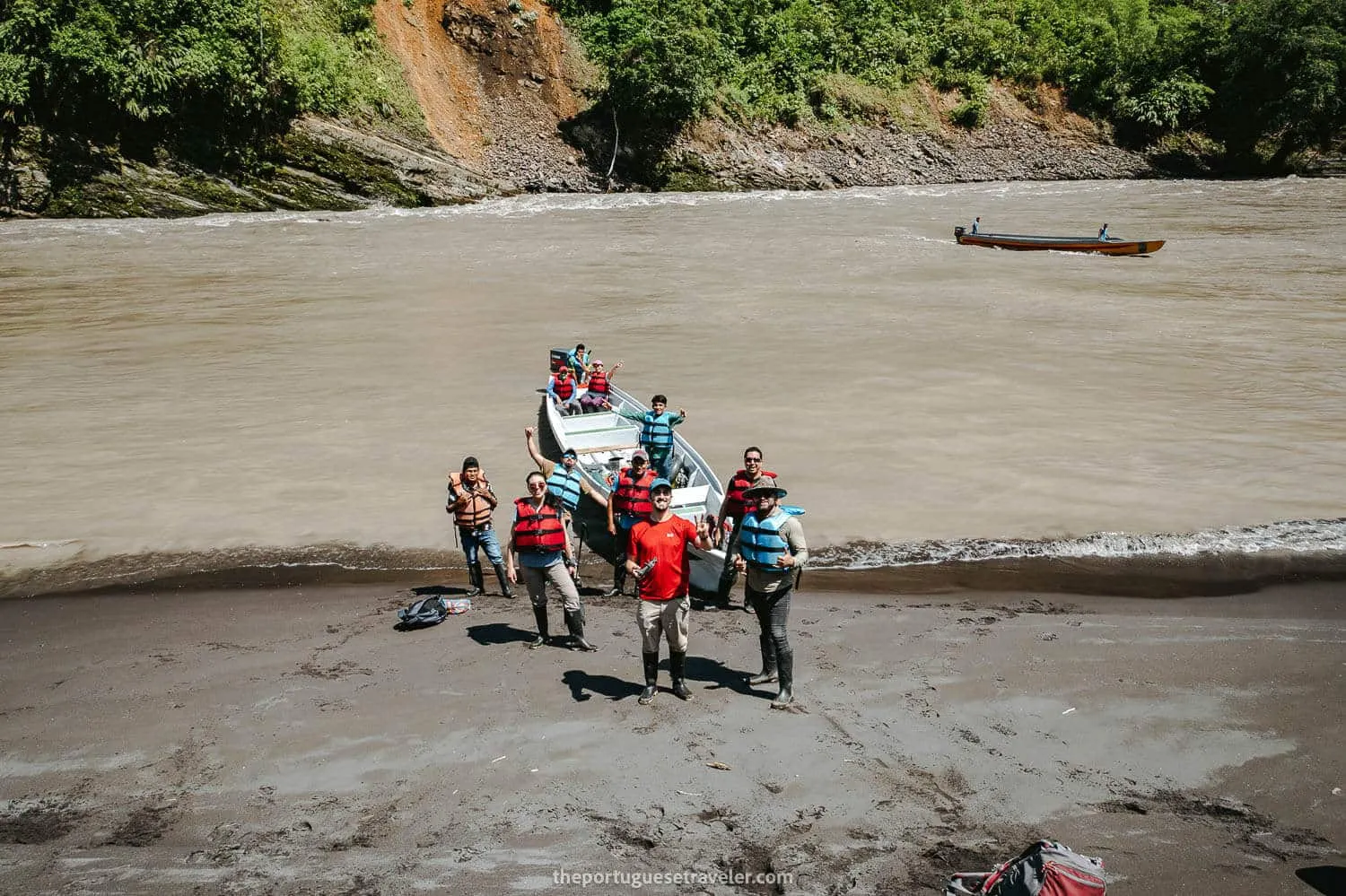
The entire group almost departing by boat through the Amazon Jungle
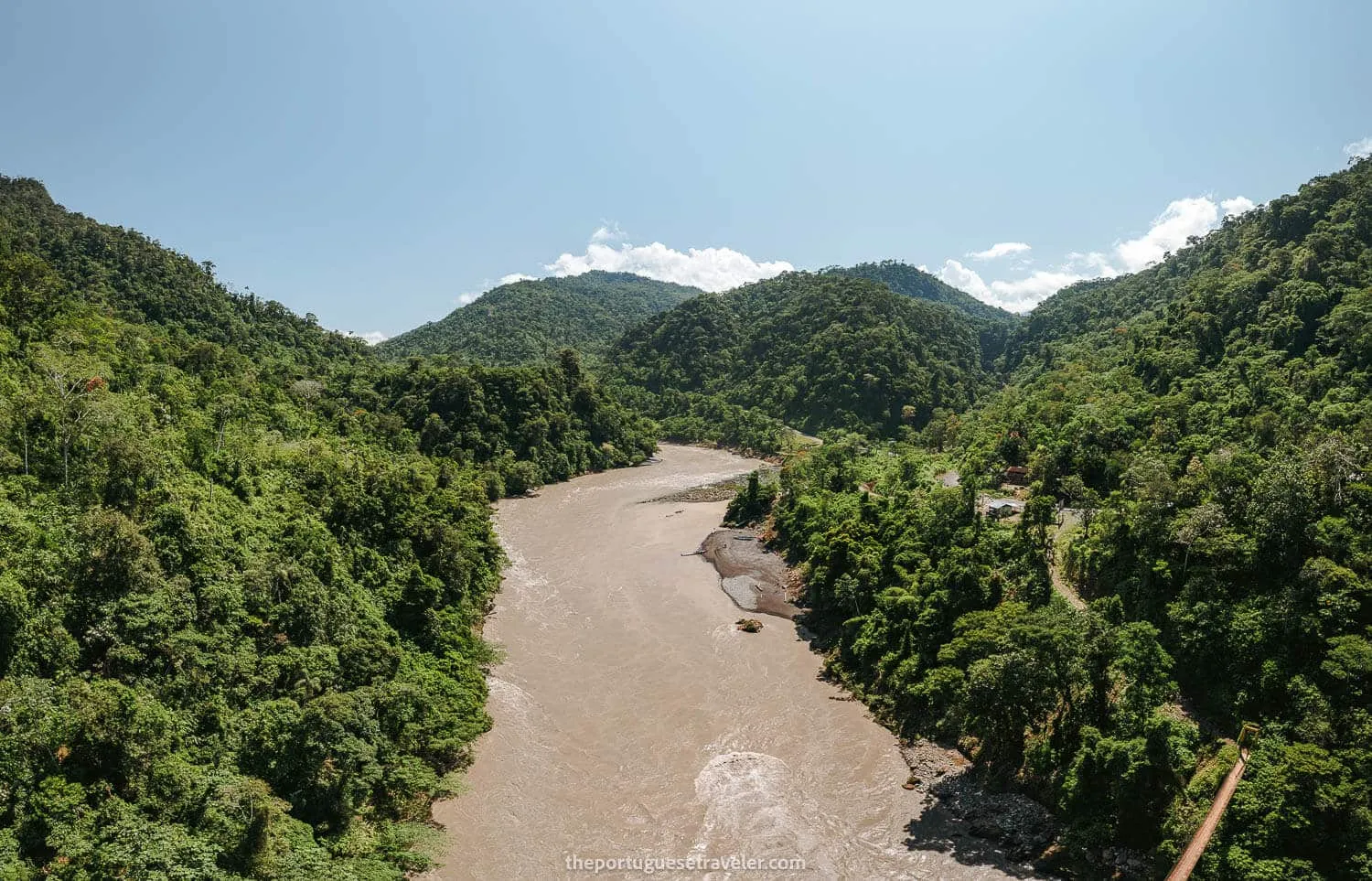
The Yuquianza port were we had just arrived and the Namangoza River
By river through the Amazon jungle to reach the Shuar community of Kuankus (Coangos).
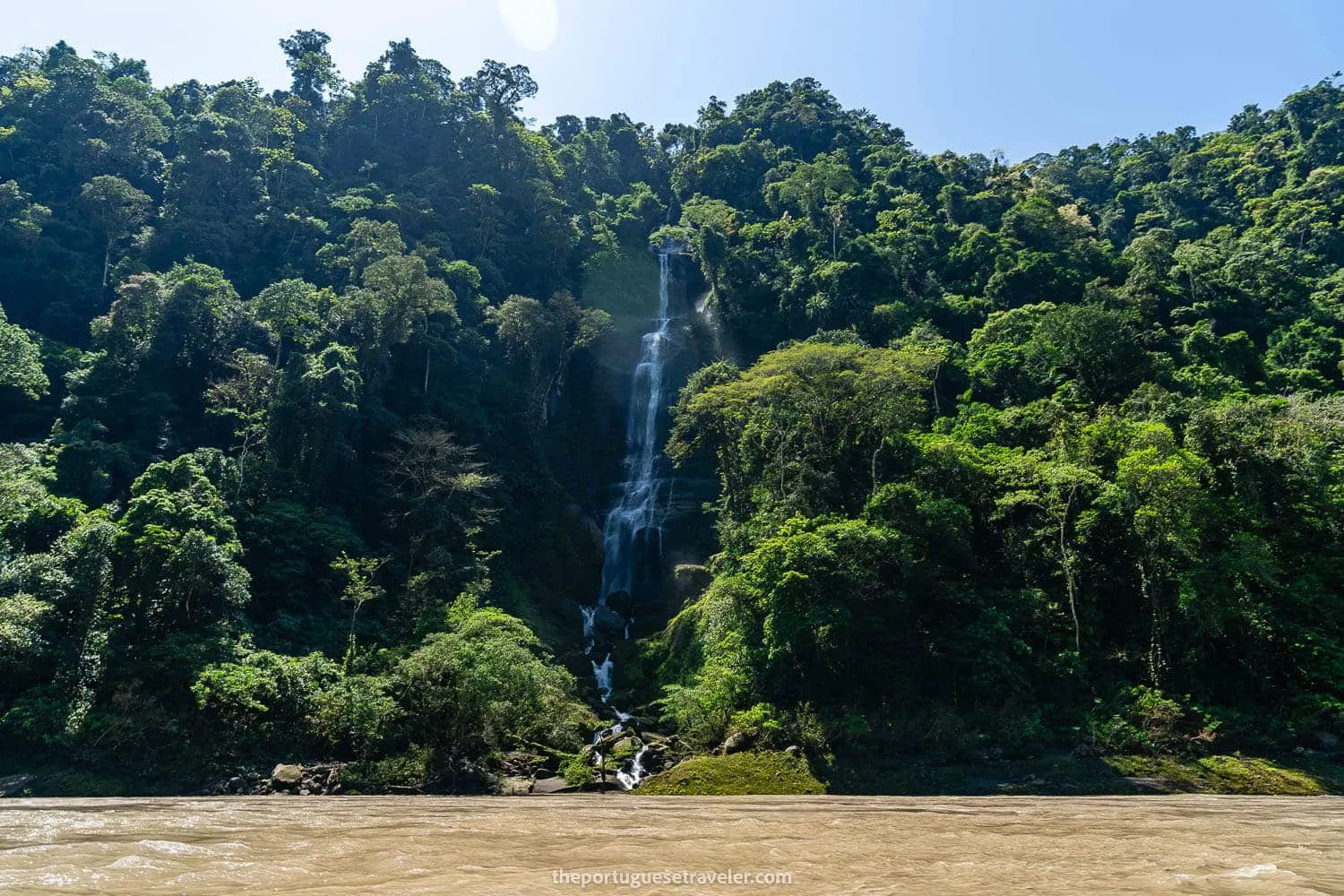
During the journey, we witnessed the breathtaking sight of numerous waterfalls cascading into the river from the surrounding banks. Finally, after nearly an hour of a pleasant and sunny boat ride, we reached our destination, unloaded the boat, and began our hike uphill to reach the Shuar community. The boat operator and a friend of Leandro’s returned with the canoe, likely to retrieve the parked car and head home. Thus, the six of us ventured into the jungle. We were fortunate that the river was high enough for us to take the shorter hike rather than the longer one to the larger community.
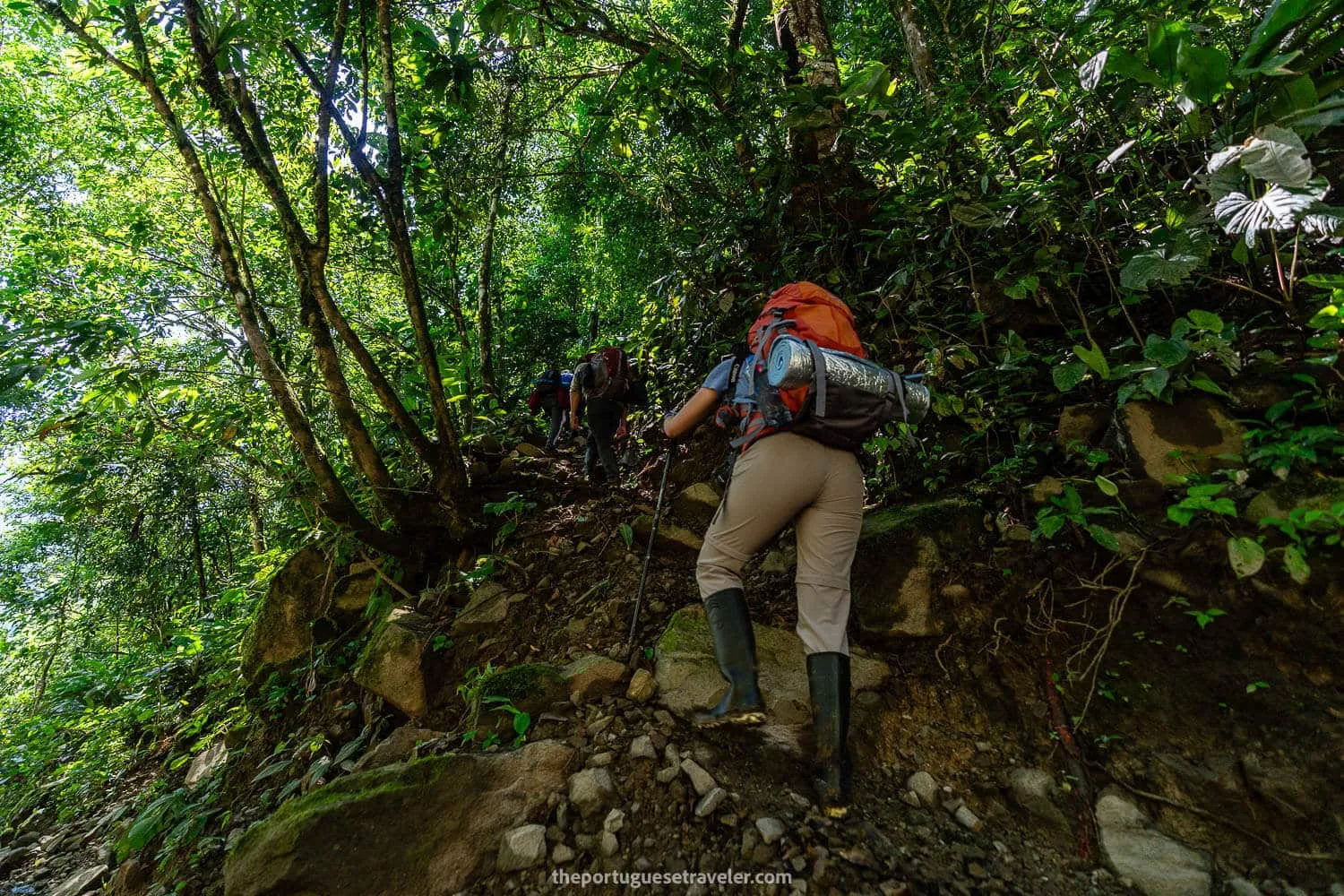
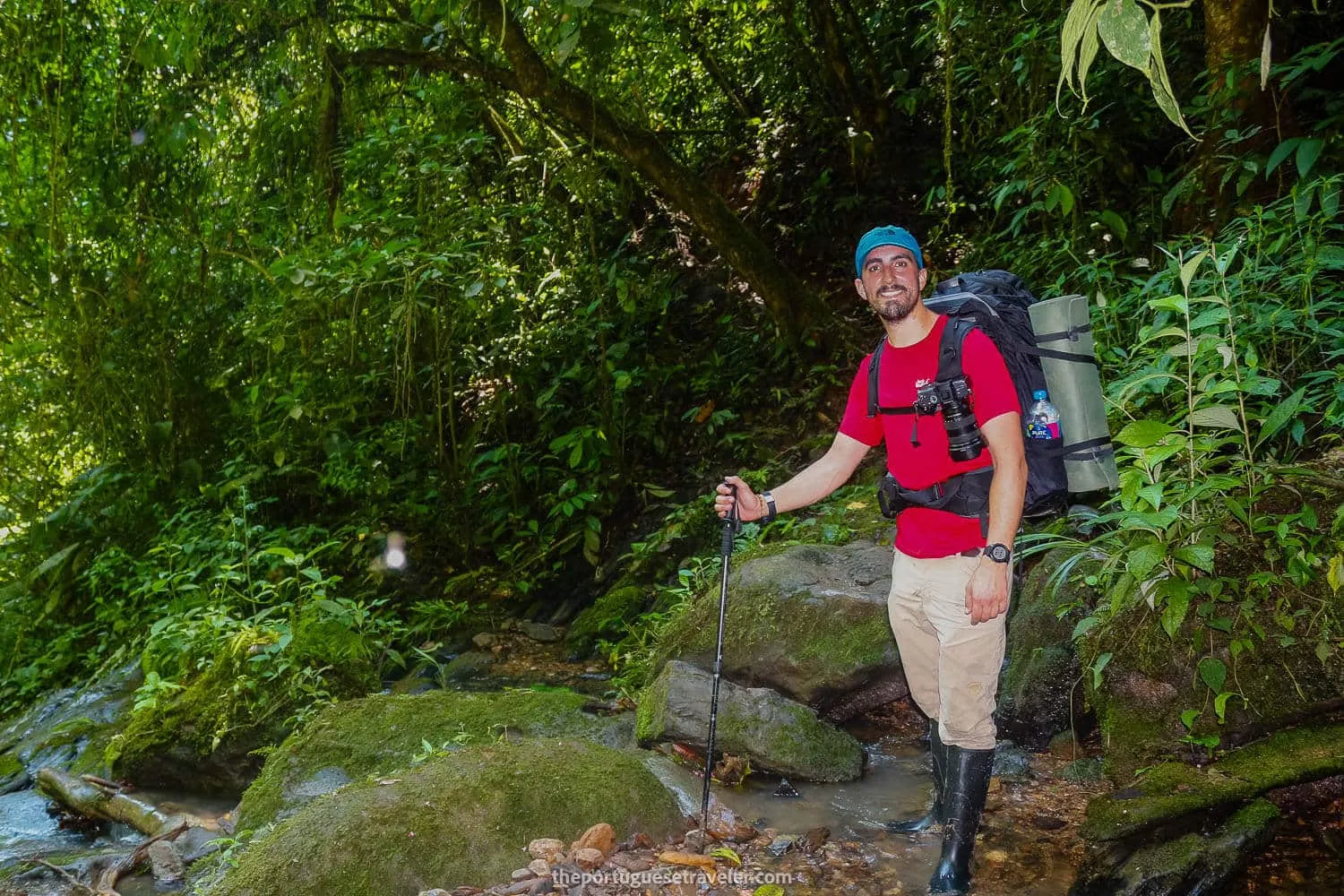
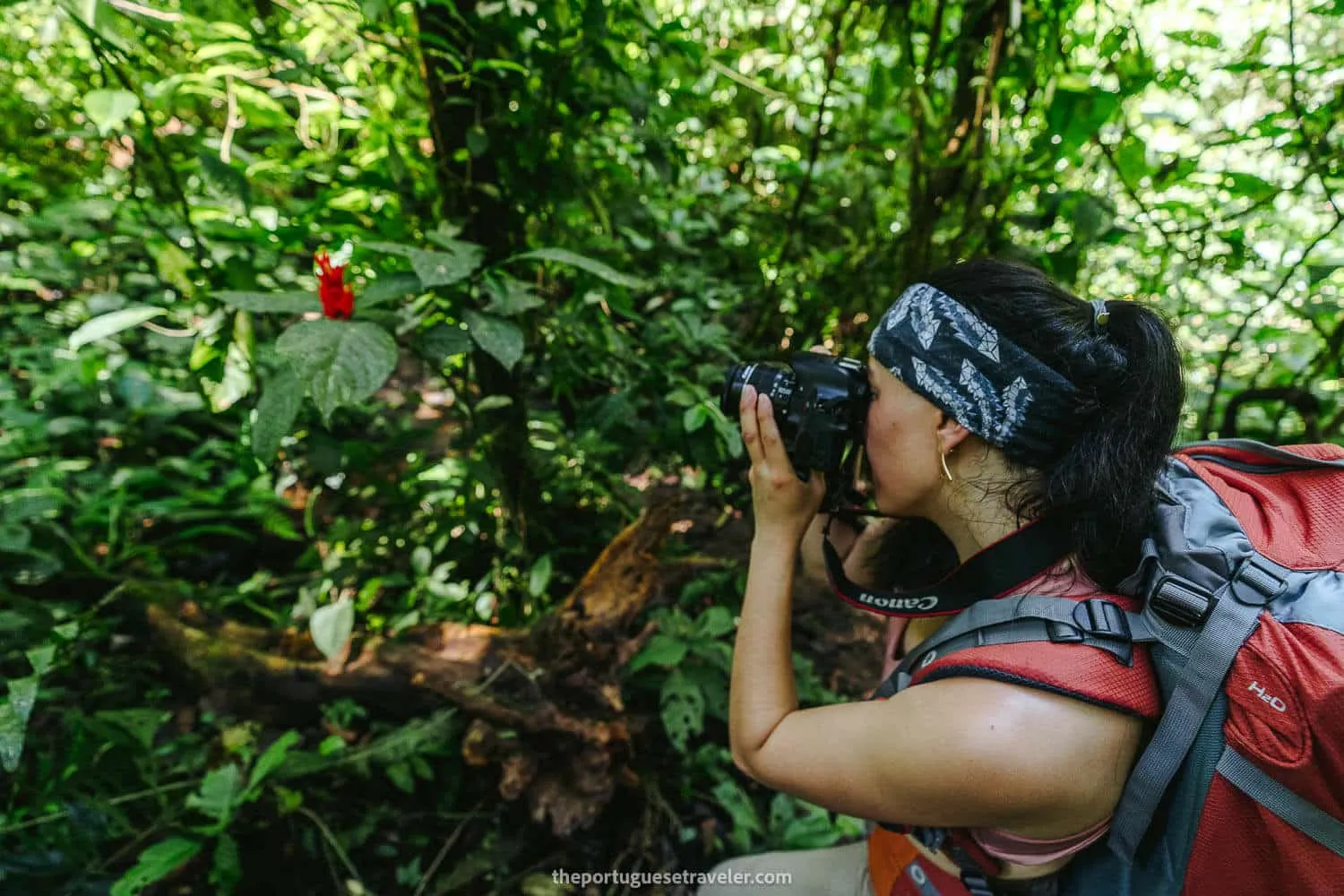
As we ascended, we encountered beautiful bromeliads, orchids, and other tropical flora. We reached a pitstop, one of three in total, where we swung on a large liana like Tarzan. It was both fun and initially frightening, but once we tried it, it was amazing, and, fortunately, it didn’t break!
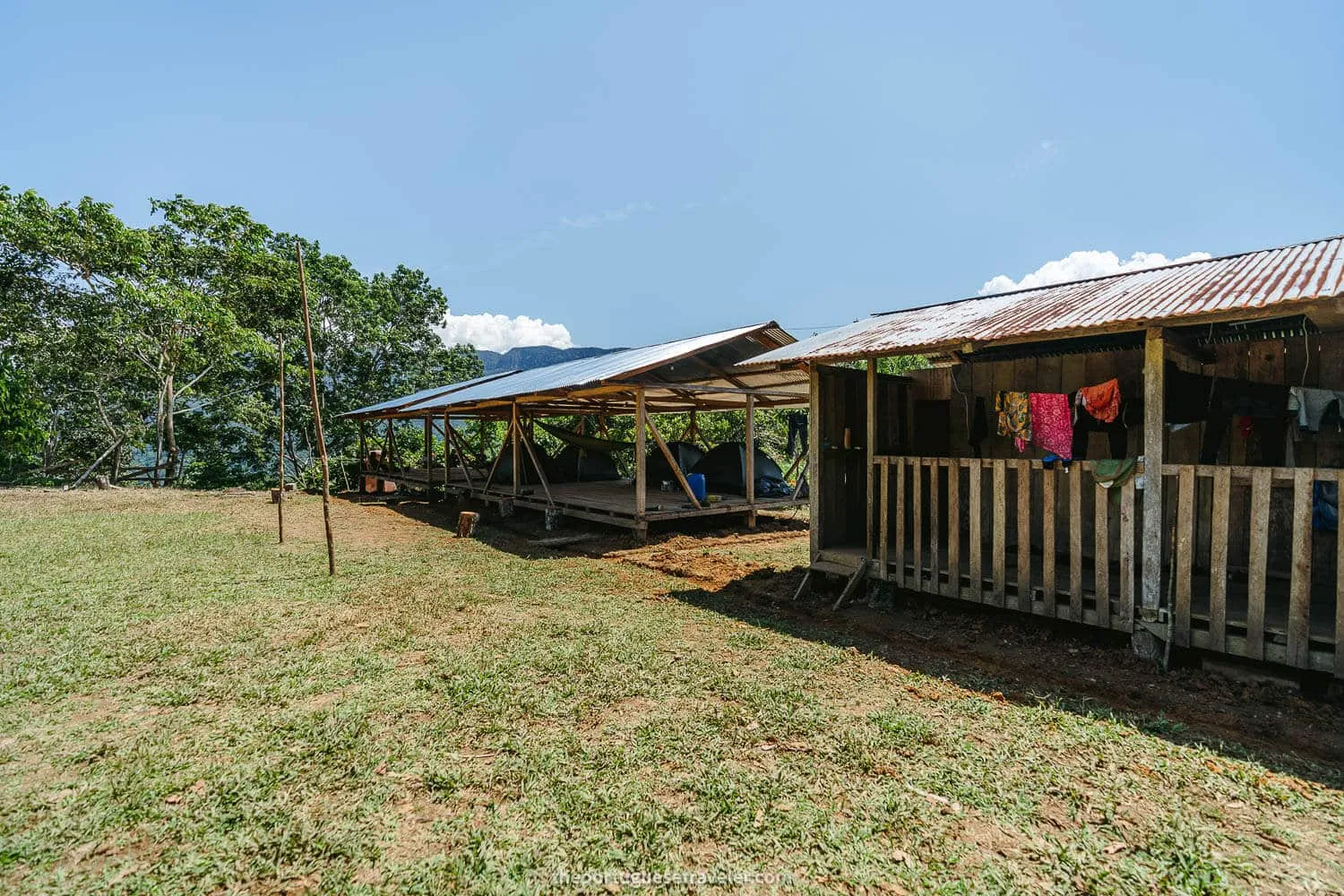
Following this, we continued our hike and finally arrived at the community. We saw some charming indigenous houses called “chozas” and some recently constructed wooden structures. That’s when we learned that Will Smith was scheduled to visit the community in a week for a National Geographic show, so they were busy constructing all the necessary infrastructure for a large crowd. There were even new toilets and state-of-the-art showers. We felt fortunate that we would have some comfort on our second night, when we planned to camp at the community and enjoy a hot shower in the Amazon after a day spent exploring a dark, muddy, and wet cave.
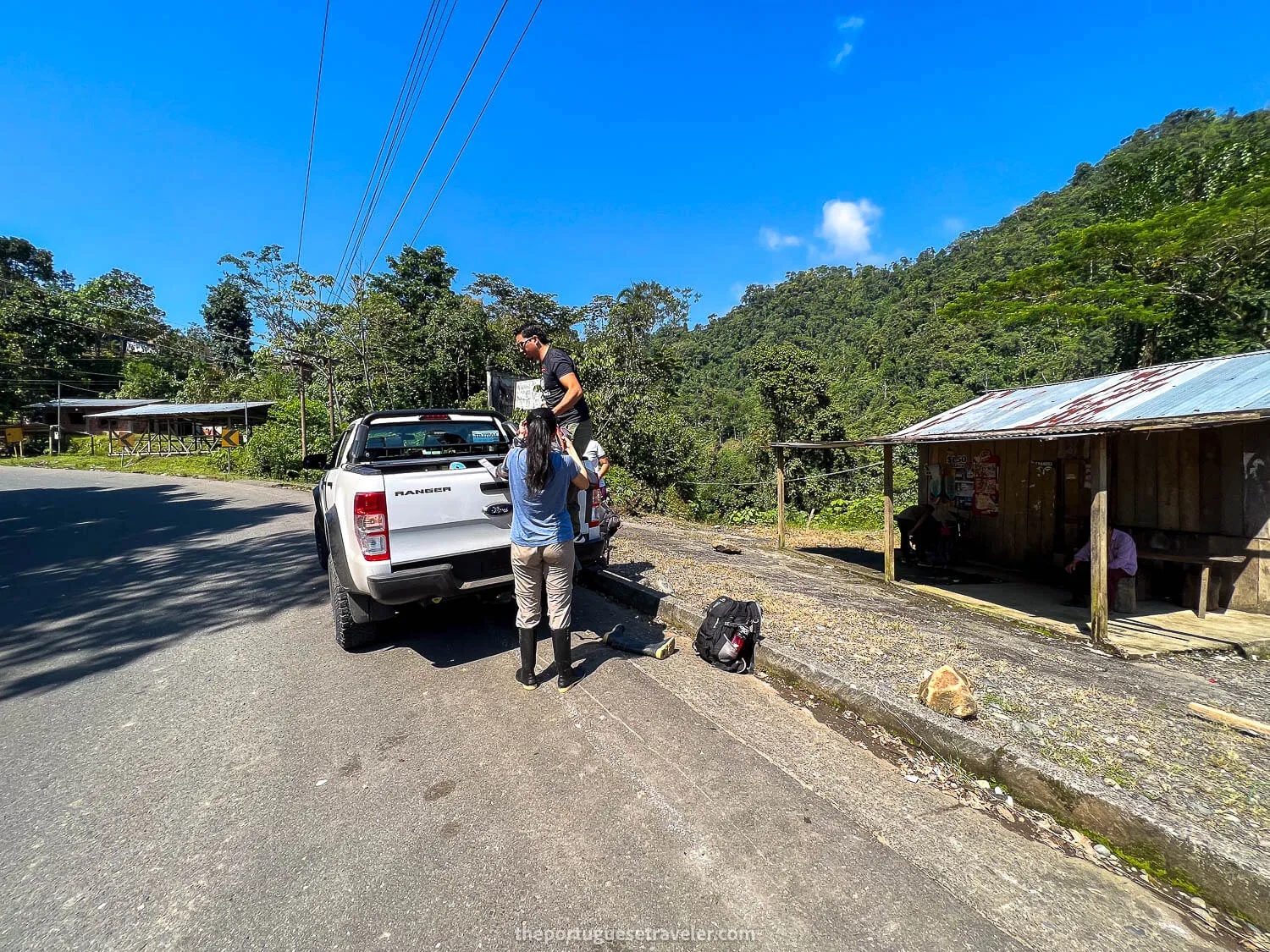
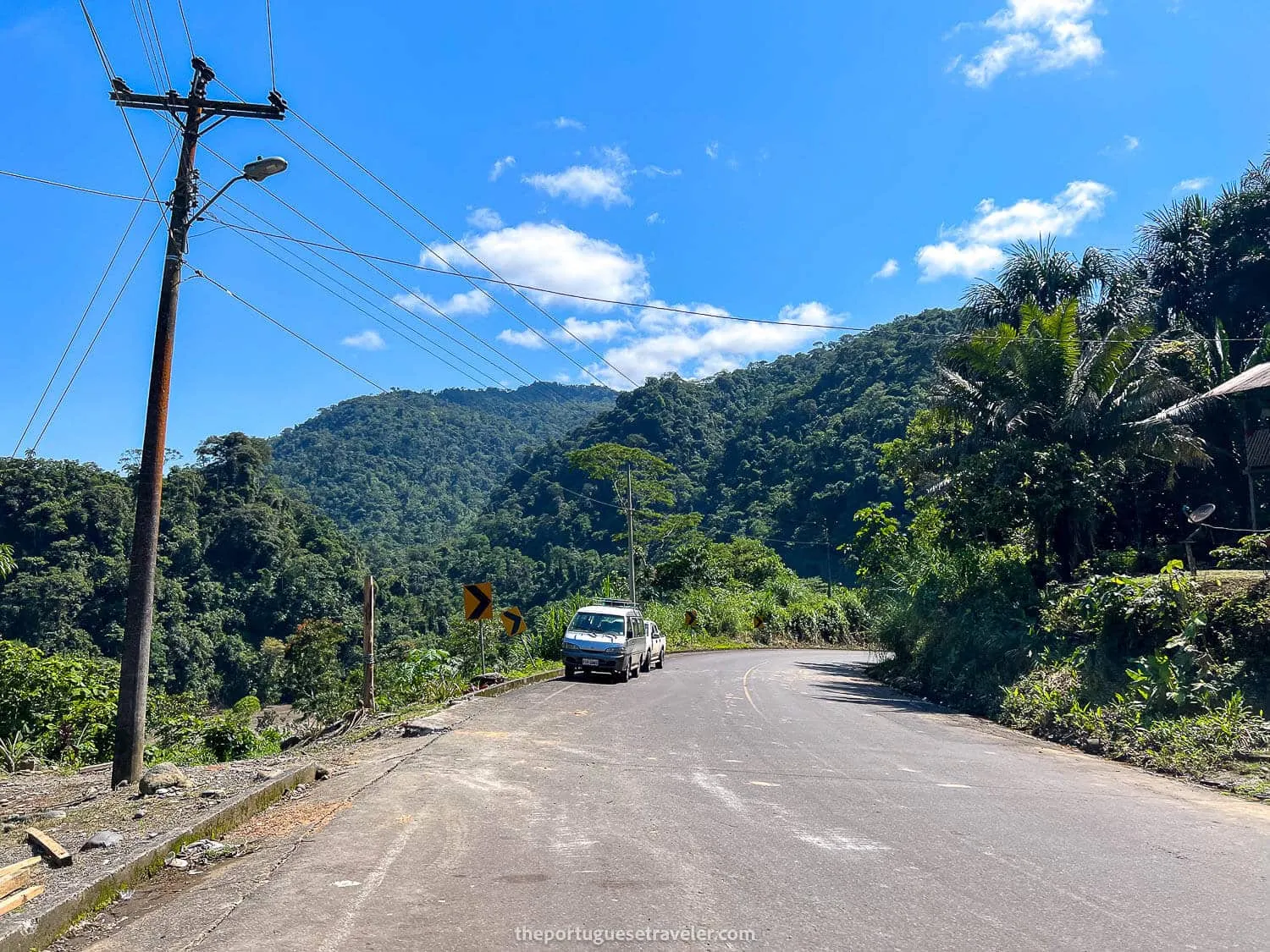
The Yuquianza bus station on the right
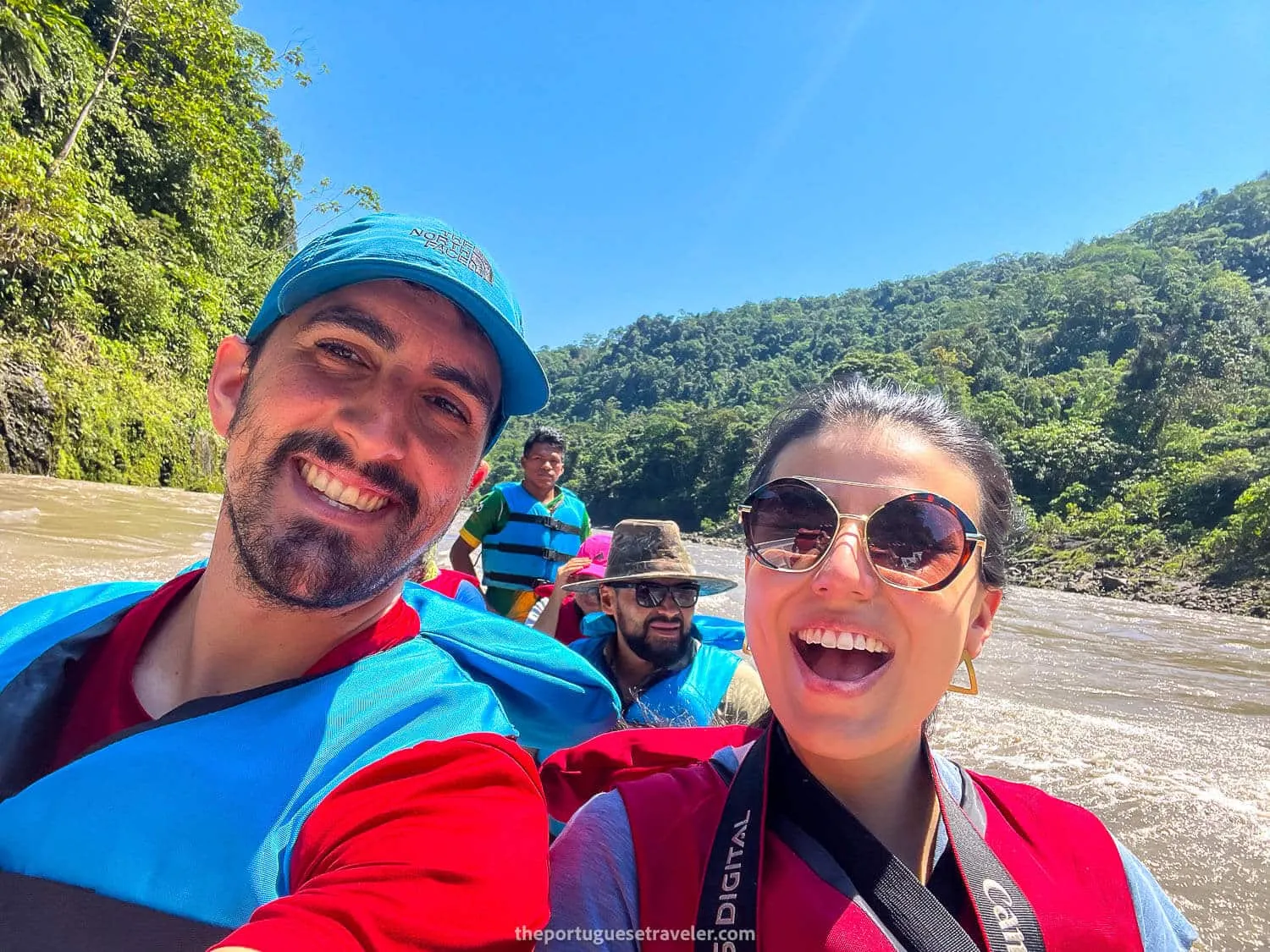
Me and Jhos on the boat ride deep inside the Amazon jungle
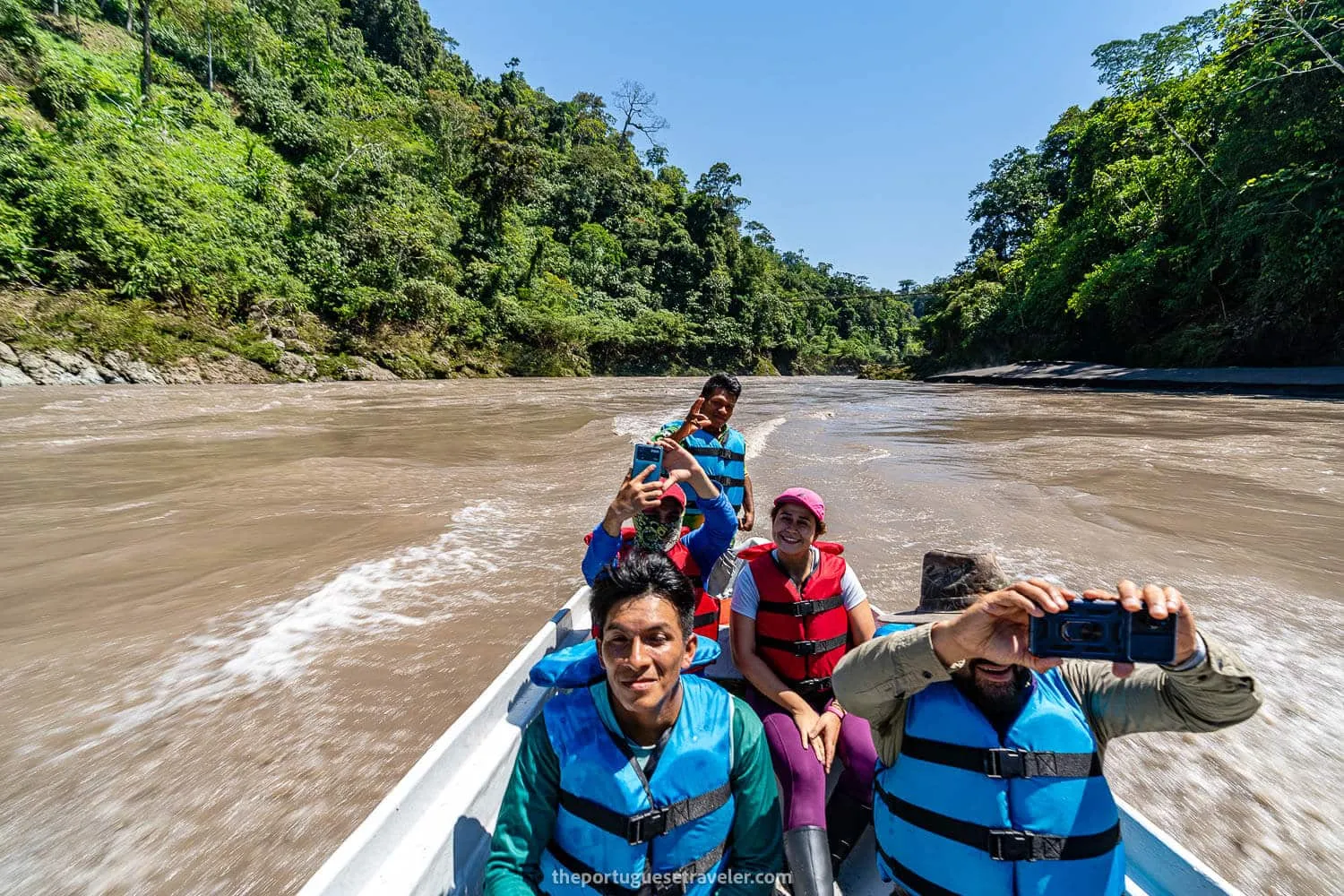
The group inside the boat
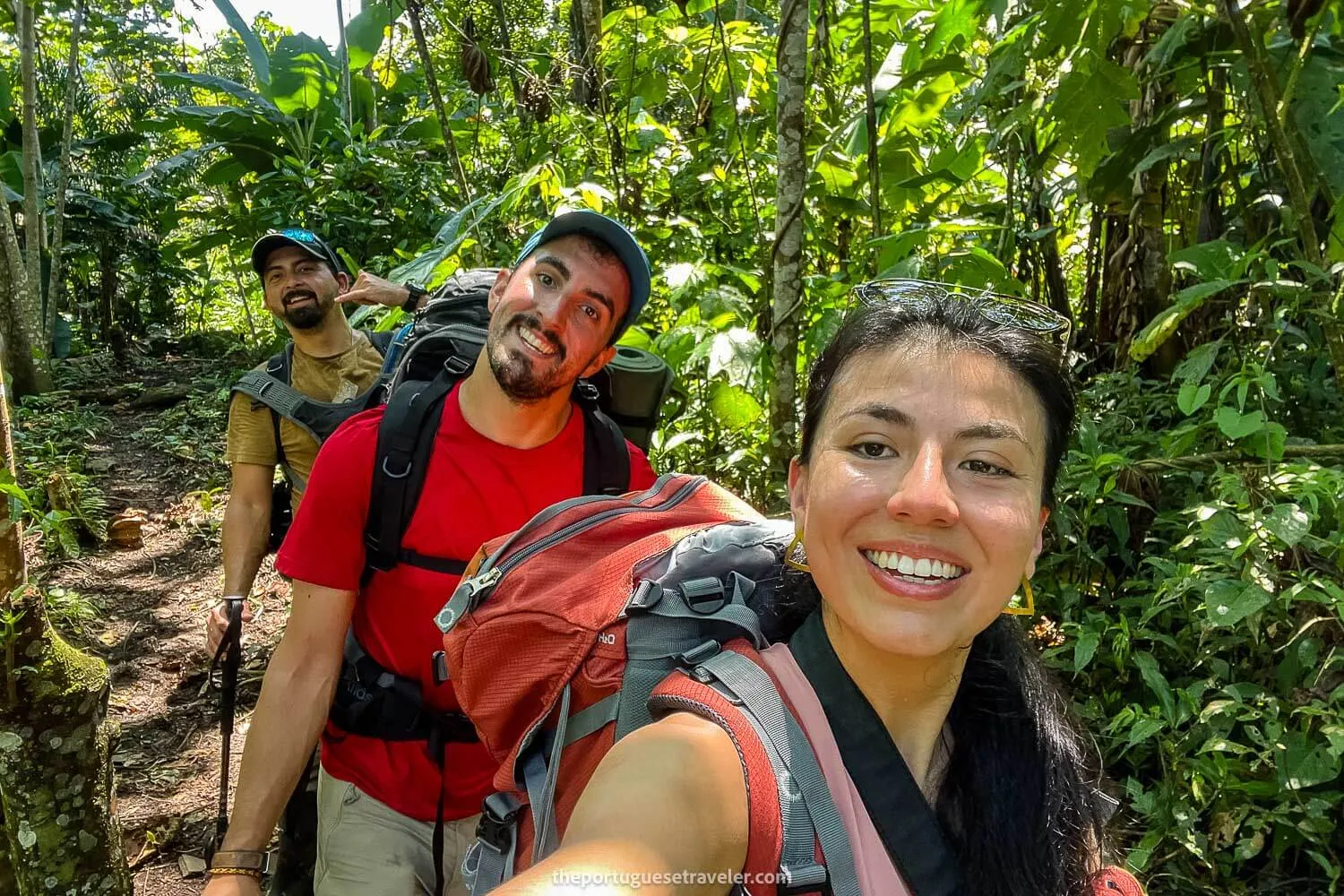
Me, Jhos and Leandro on our way up the jungle to the Shuar community in the Amazon Rainforest
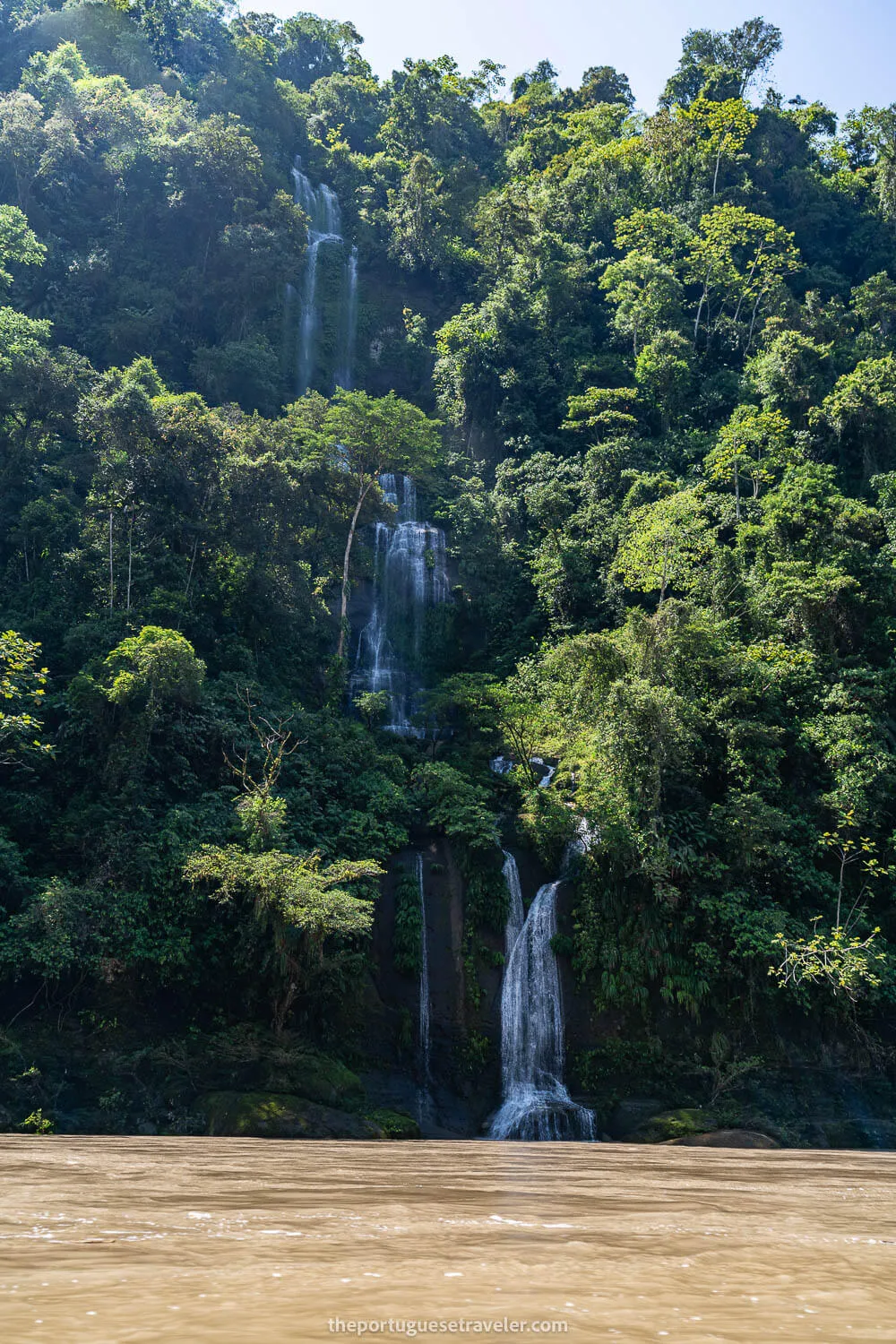
The waterfalls around the river
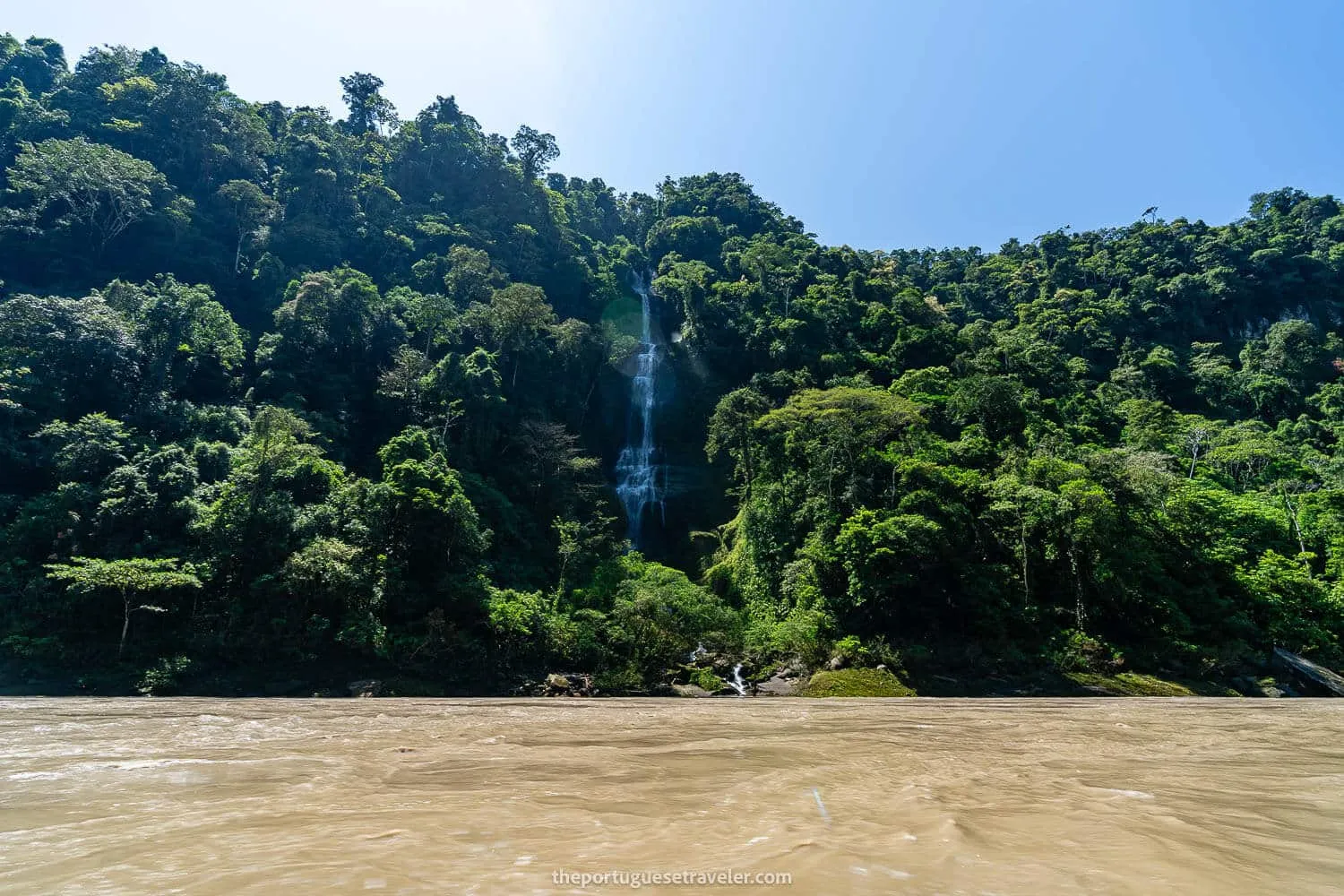
The waterfalls along the way
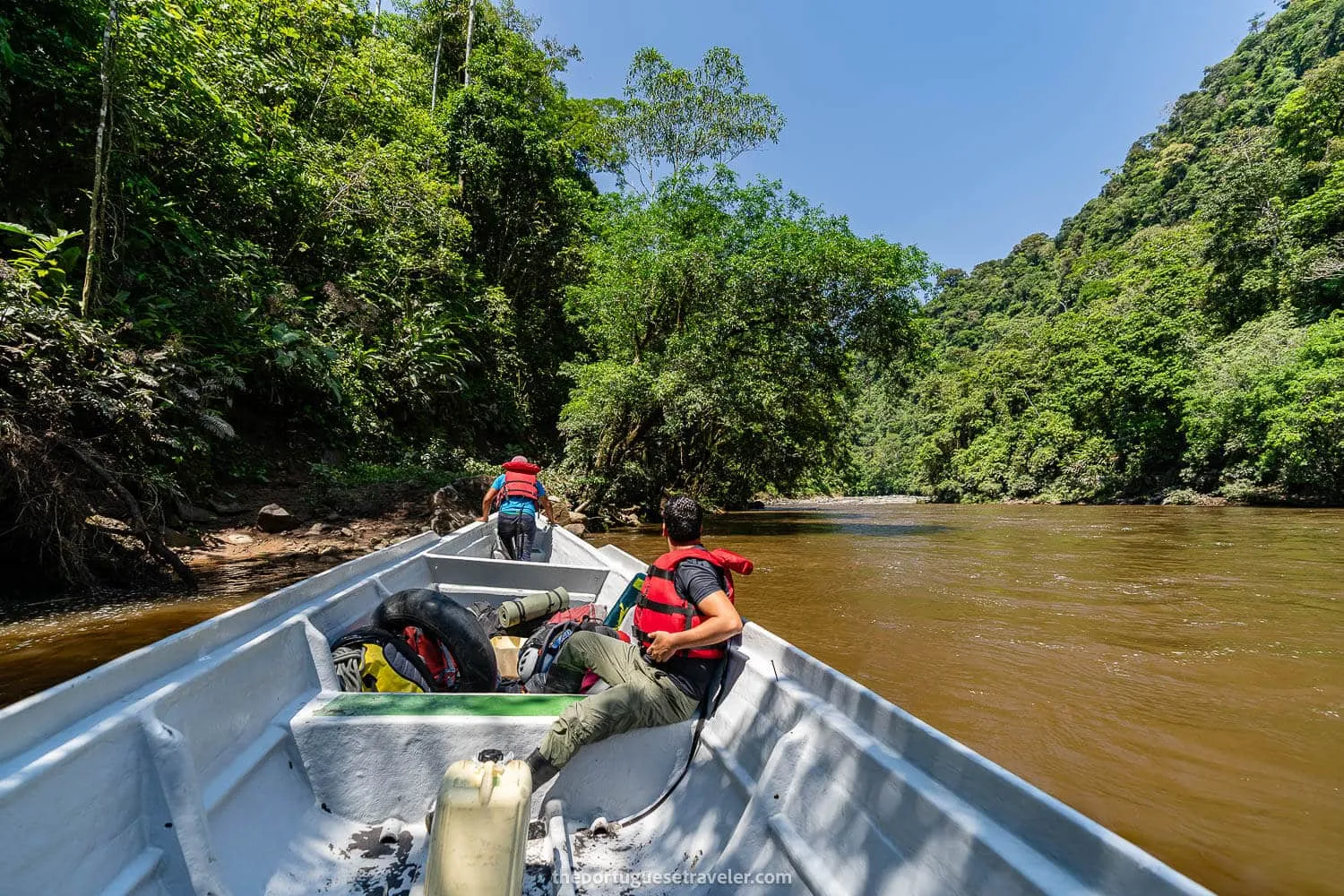
Arriving at our docking area in the Yuquianza river
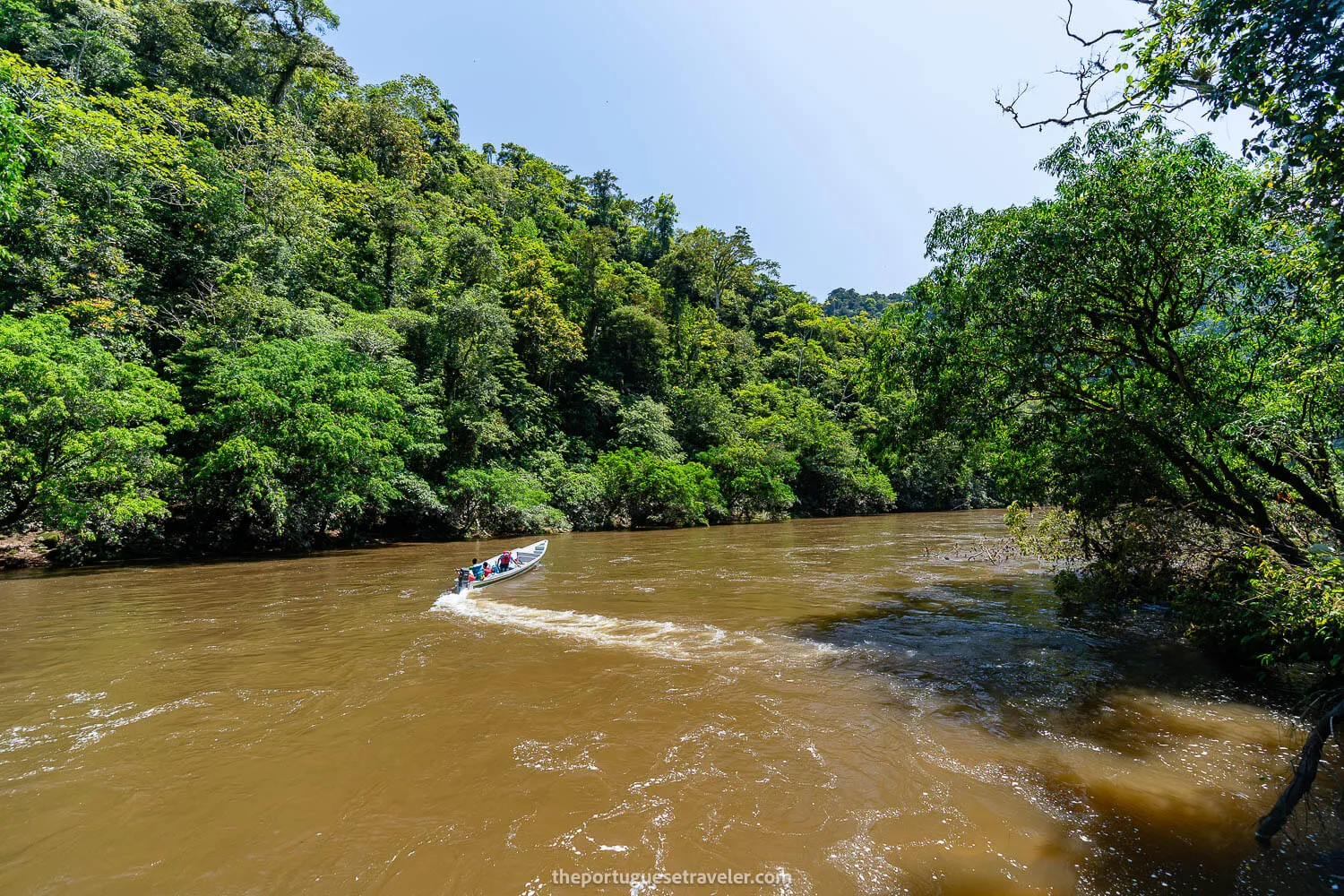
The boat leaving us alone in the jungle
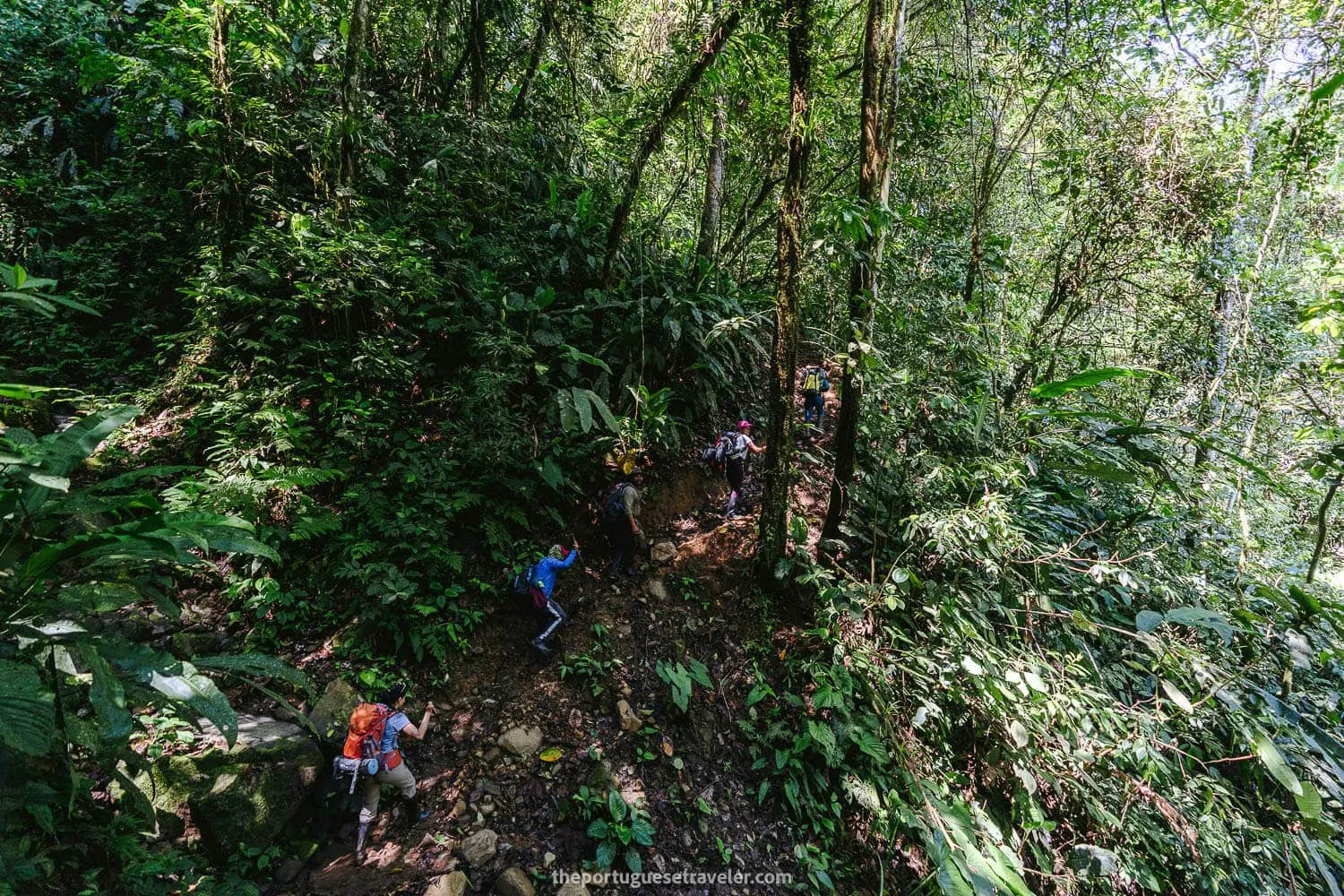
Climbing our way uphill
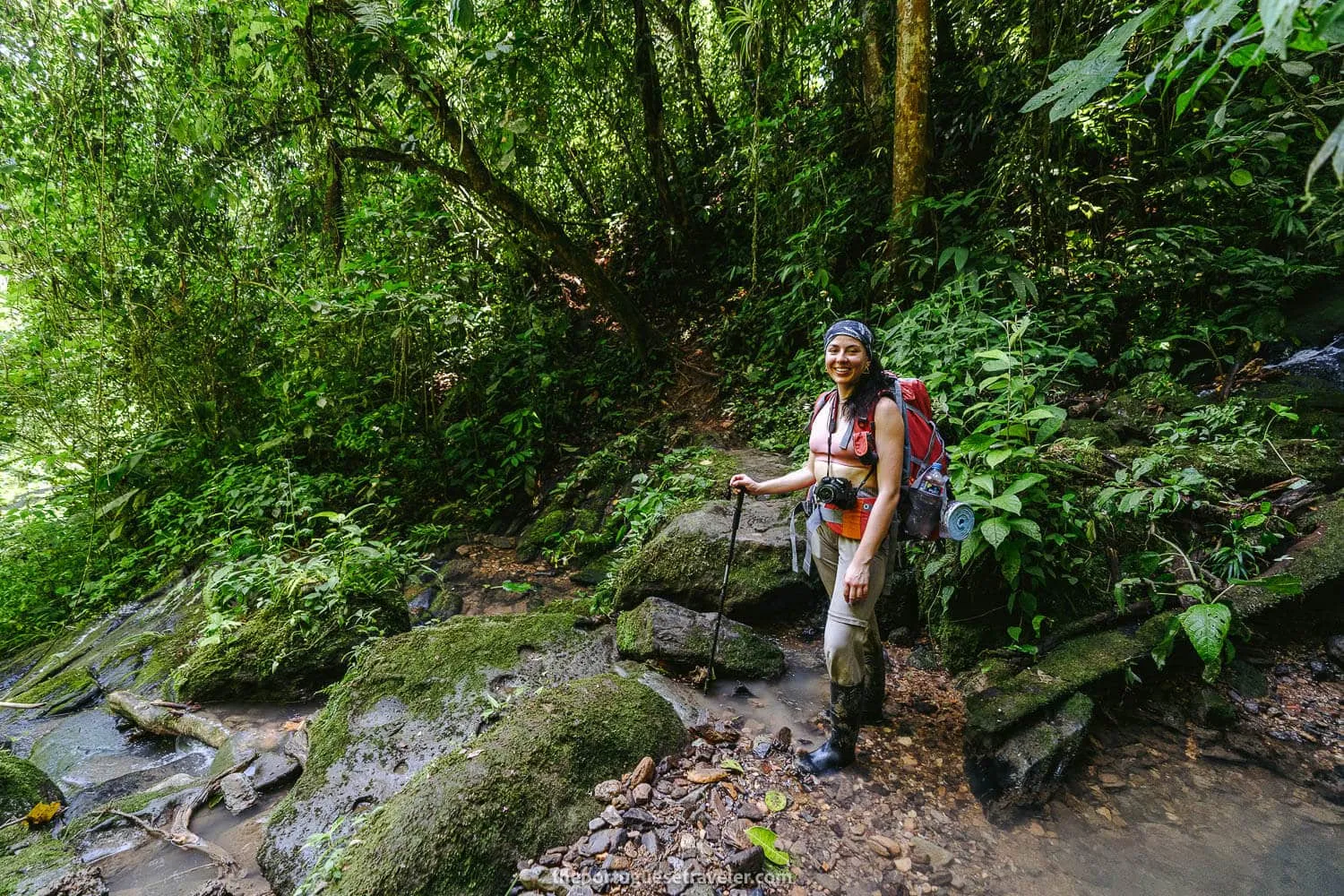
Jhos inside the jungle on our second stop
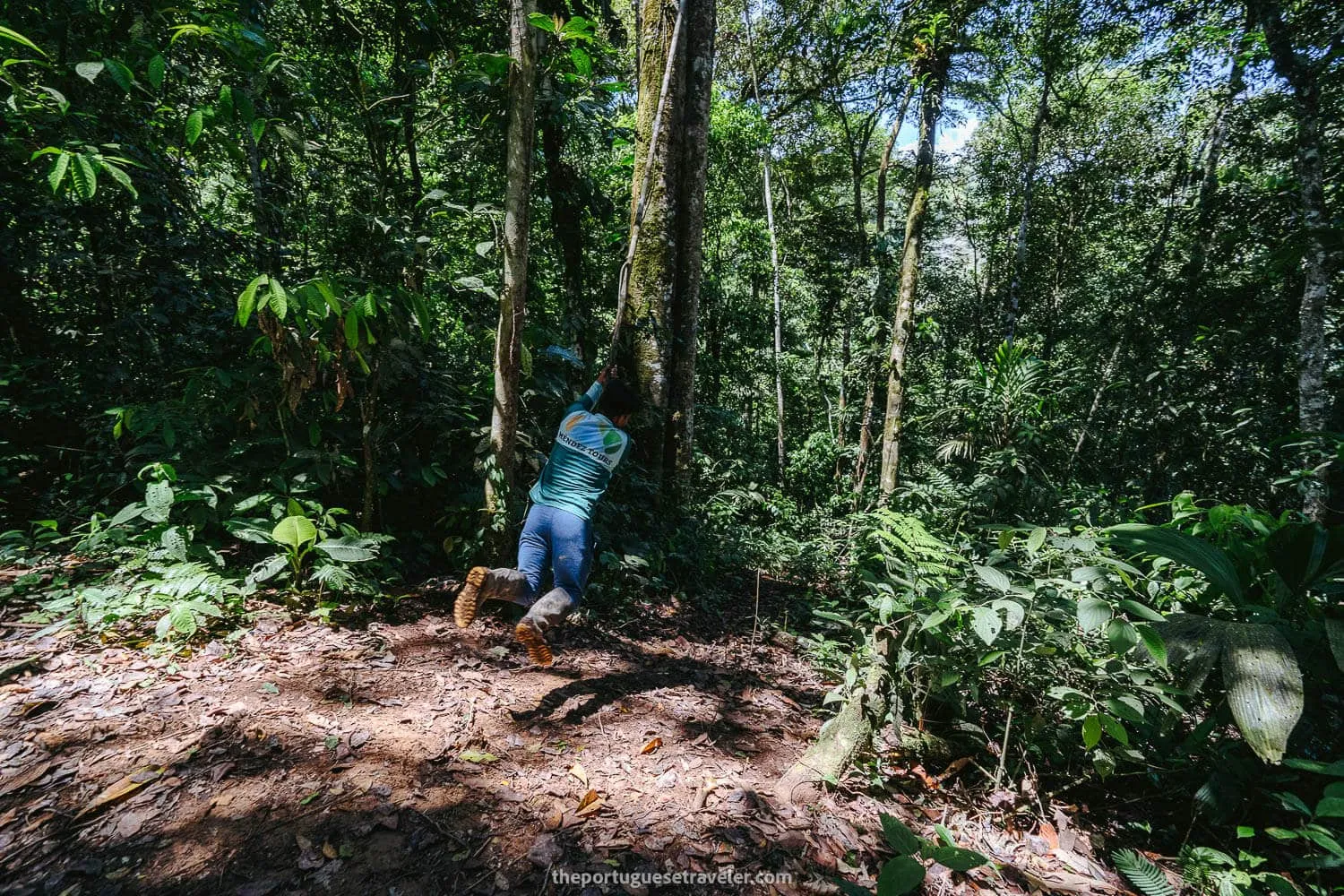
Jimmy showing us how to swing on the liana
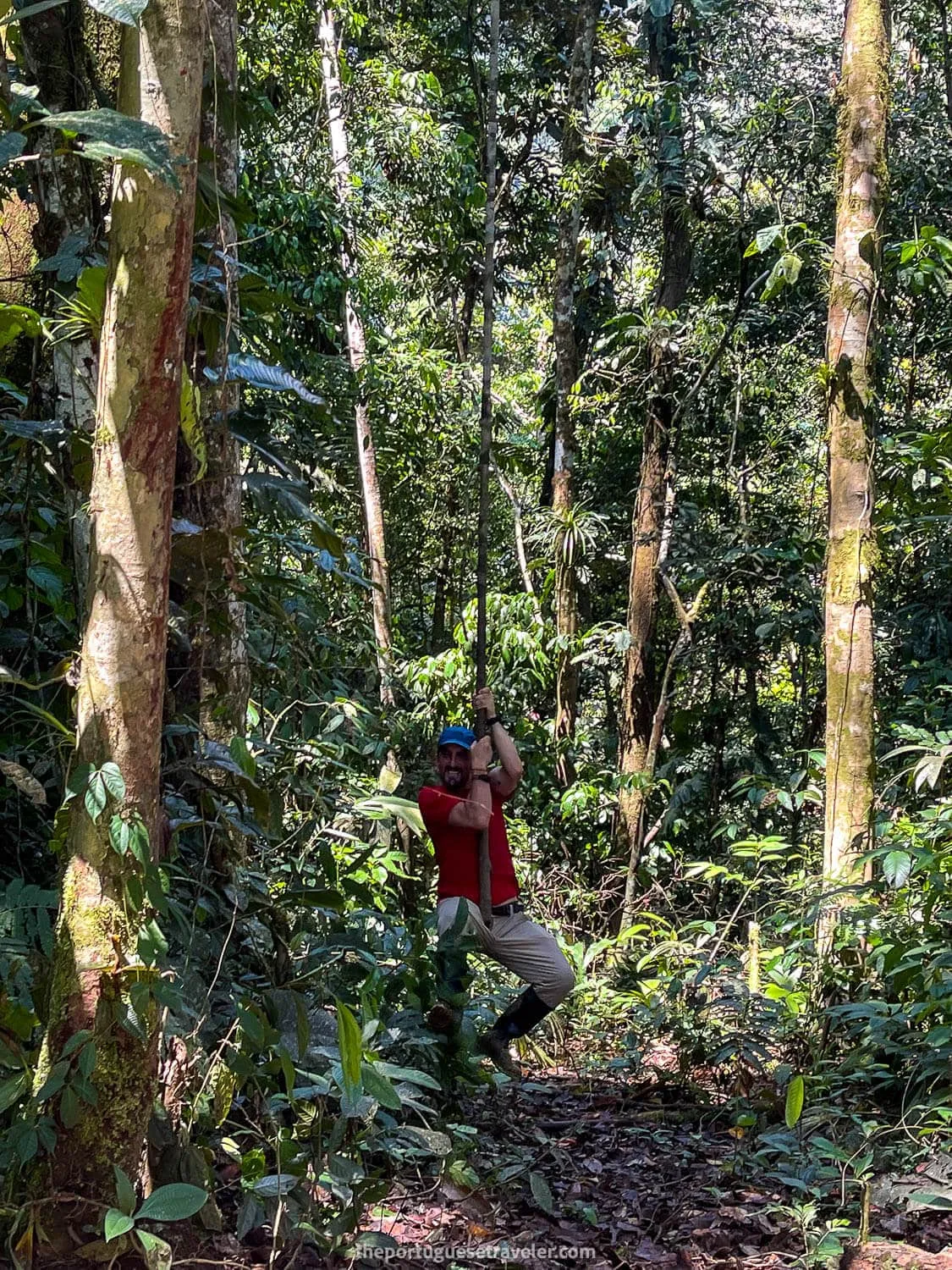
Me, liana swinging in the Amazon Rainforest
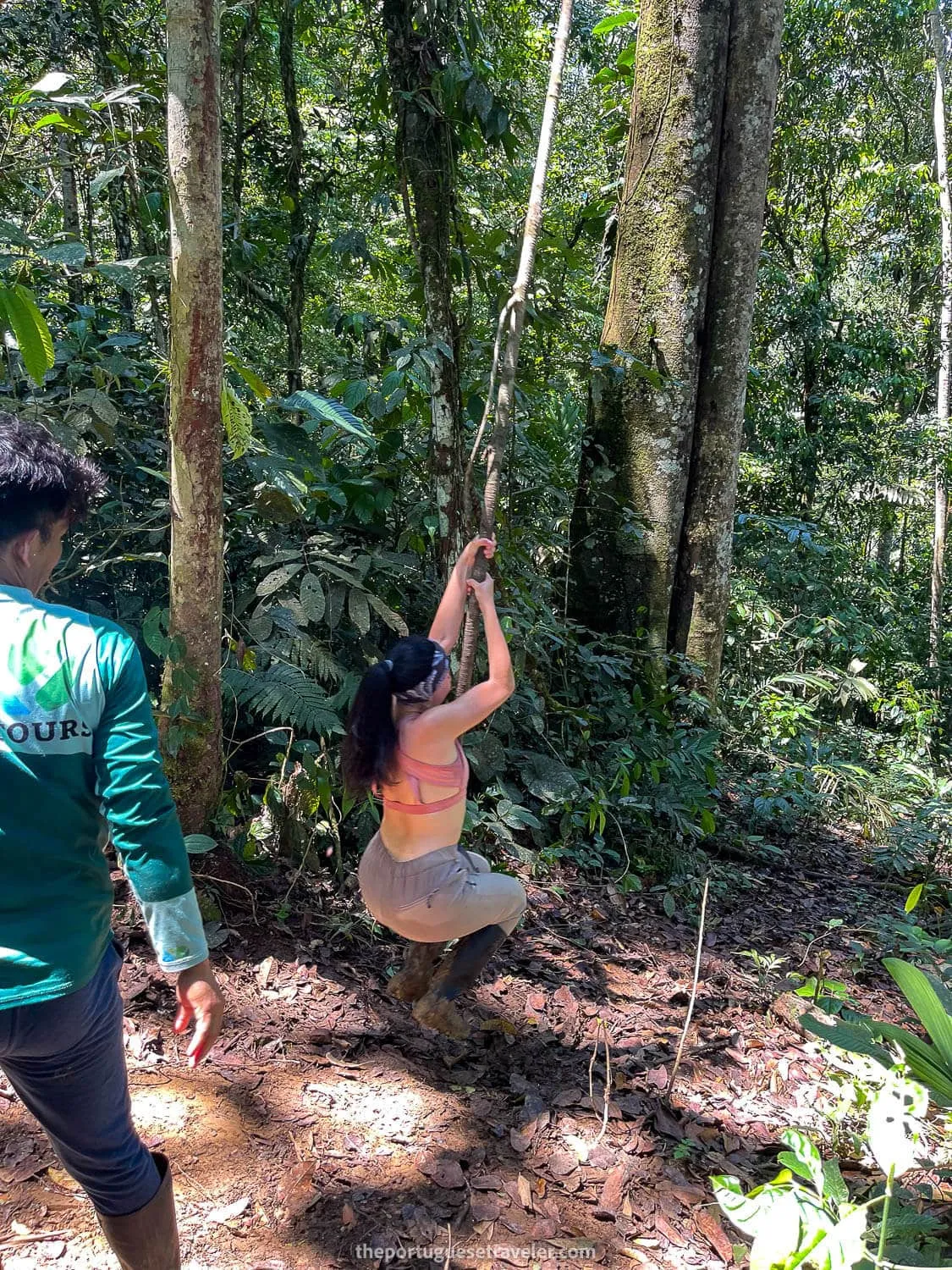
Jhos, liana swinging
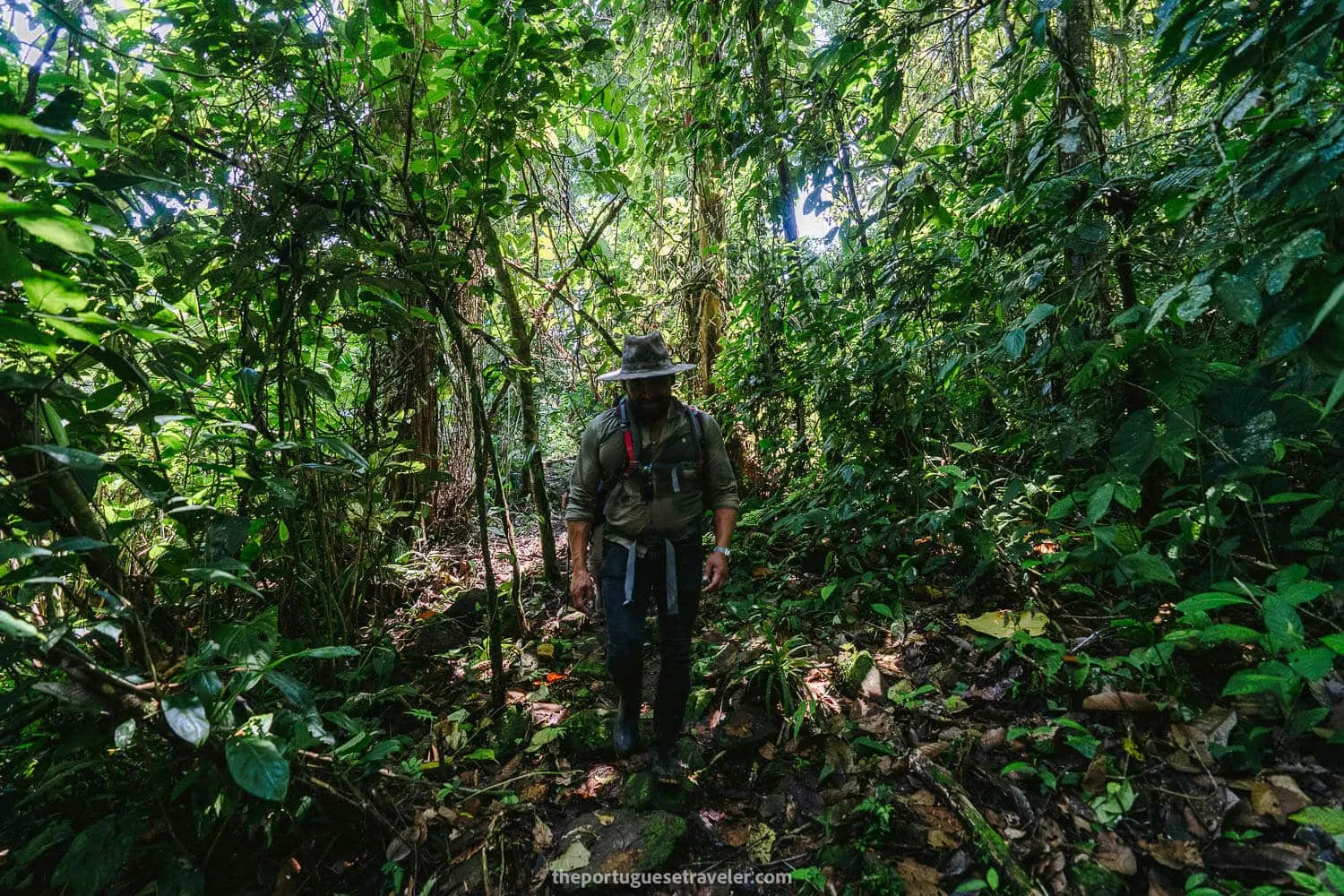
Fábian with his Indiana Jones hat
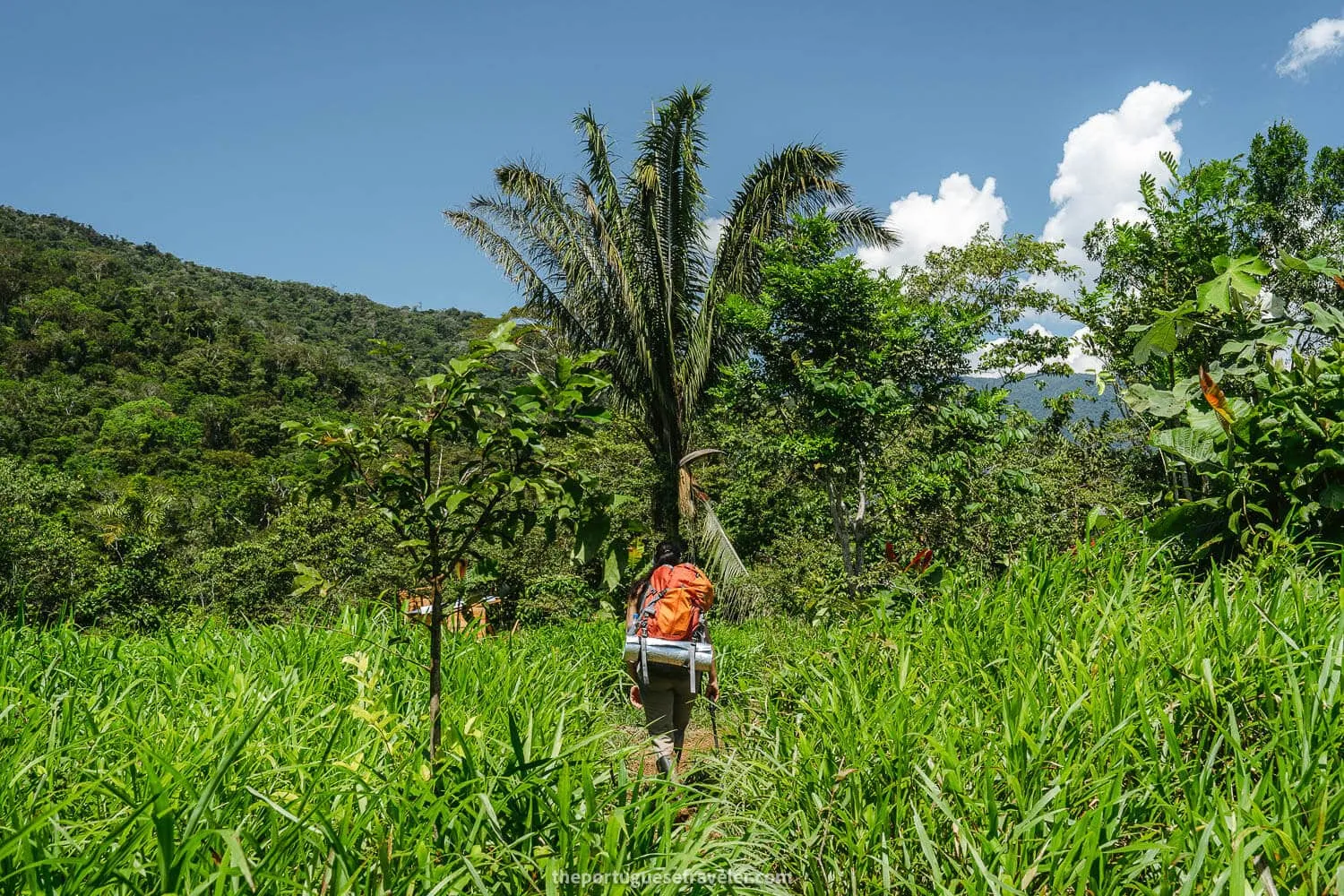
Arriving at the Shuar community
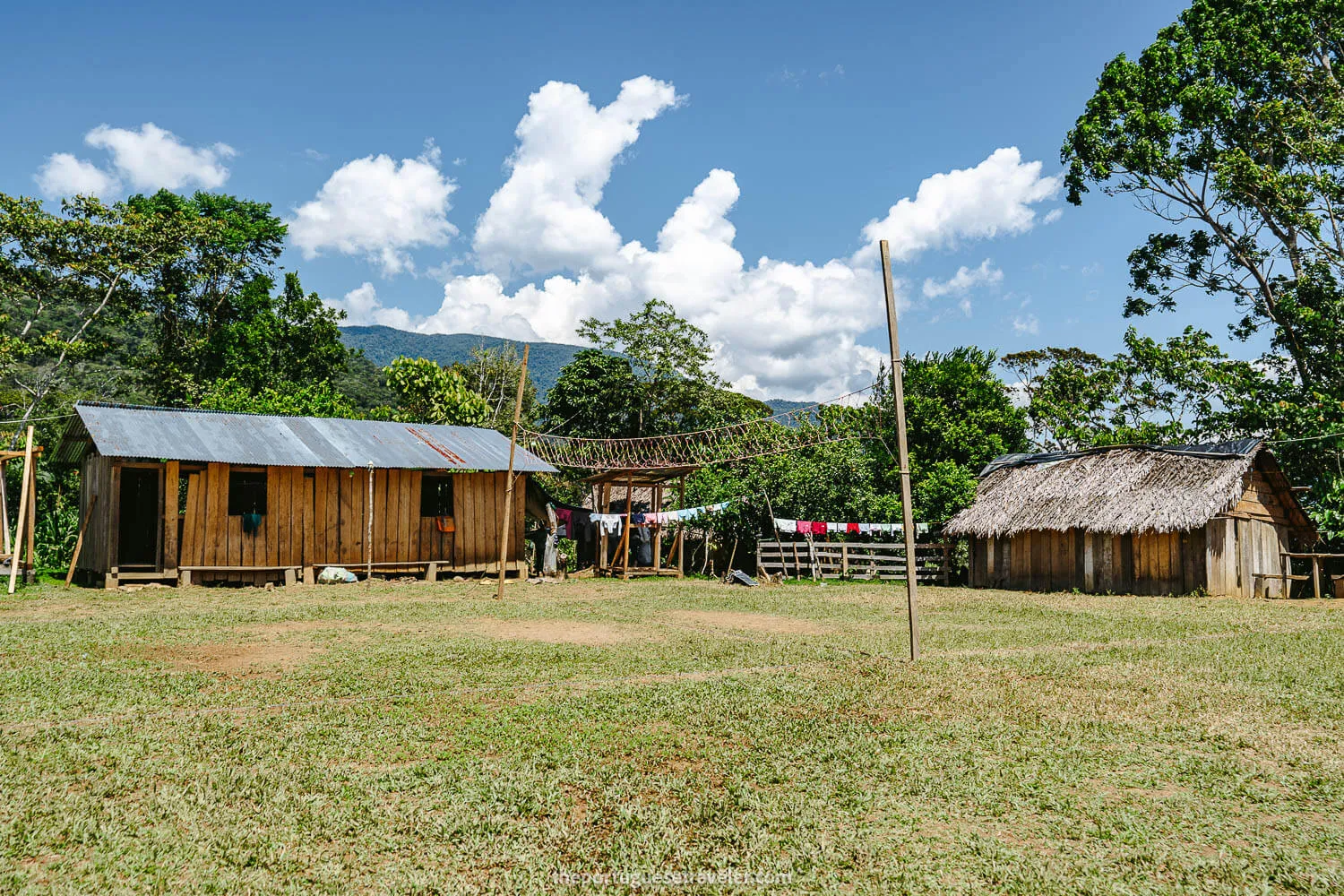
The Shuar community
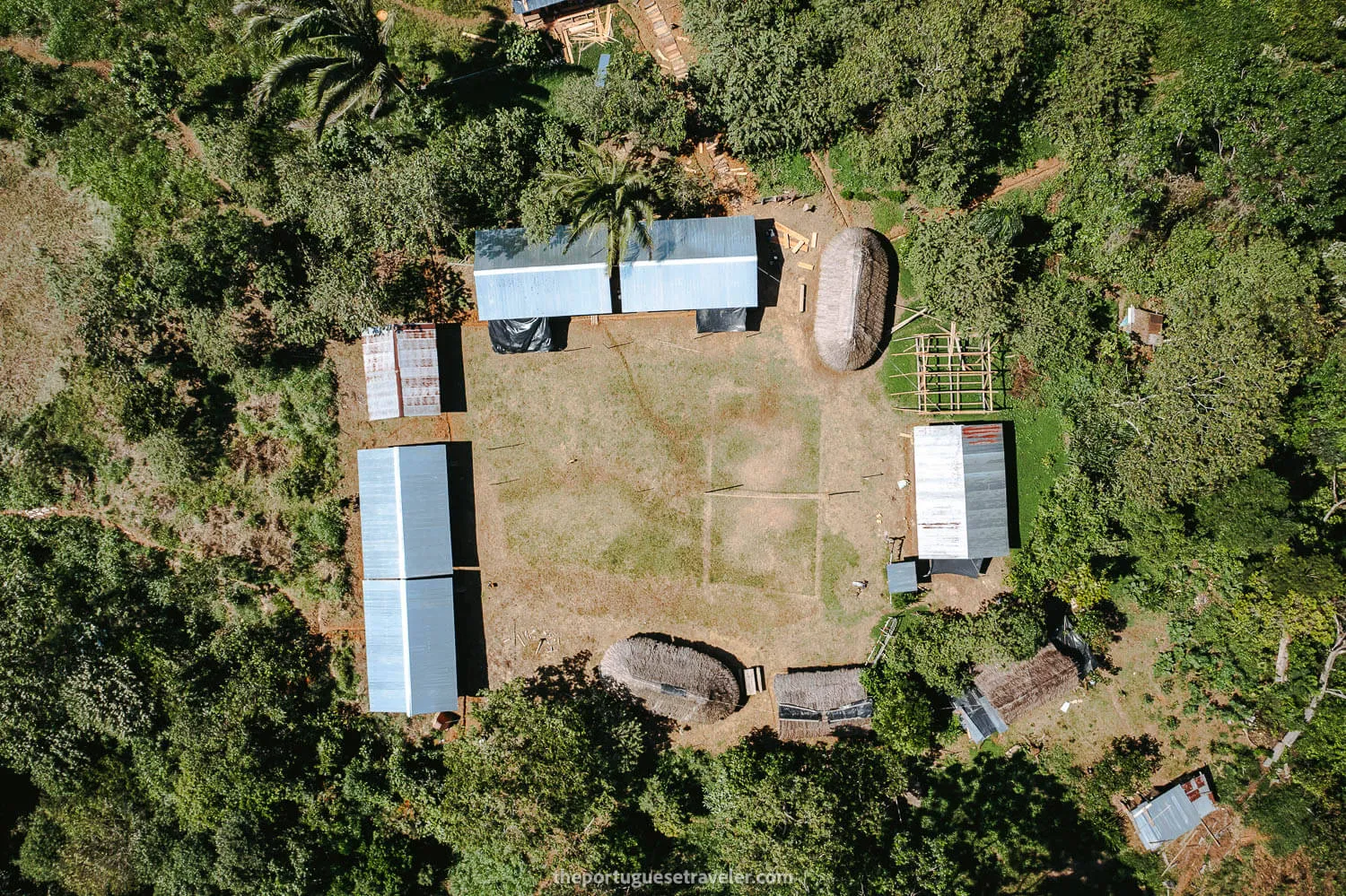
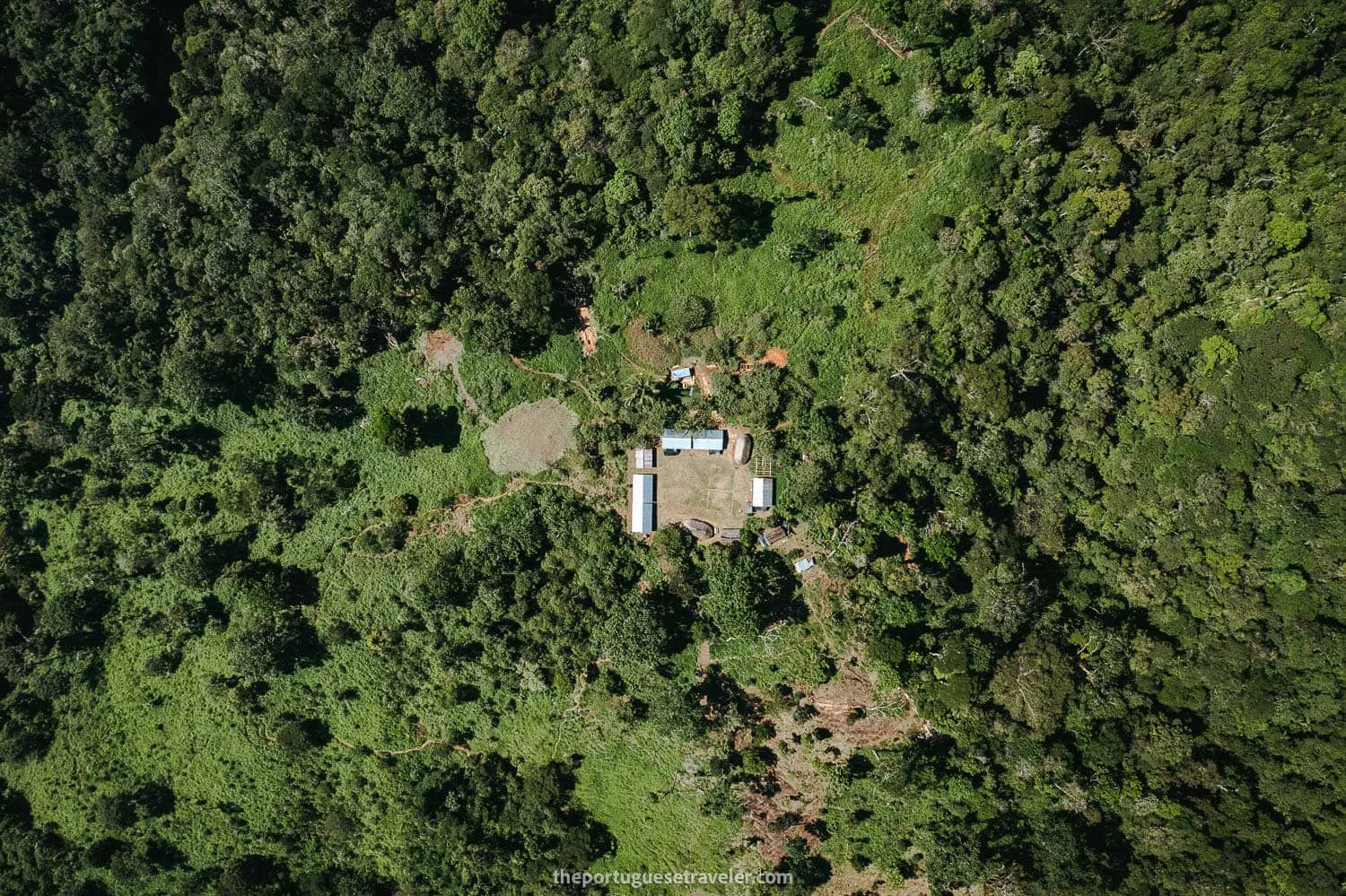
The Shuar community seen from above
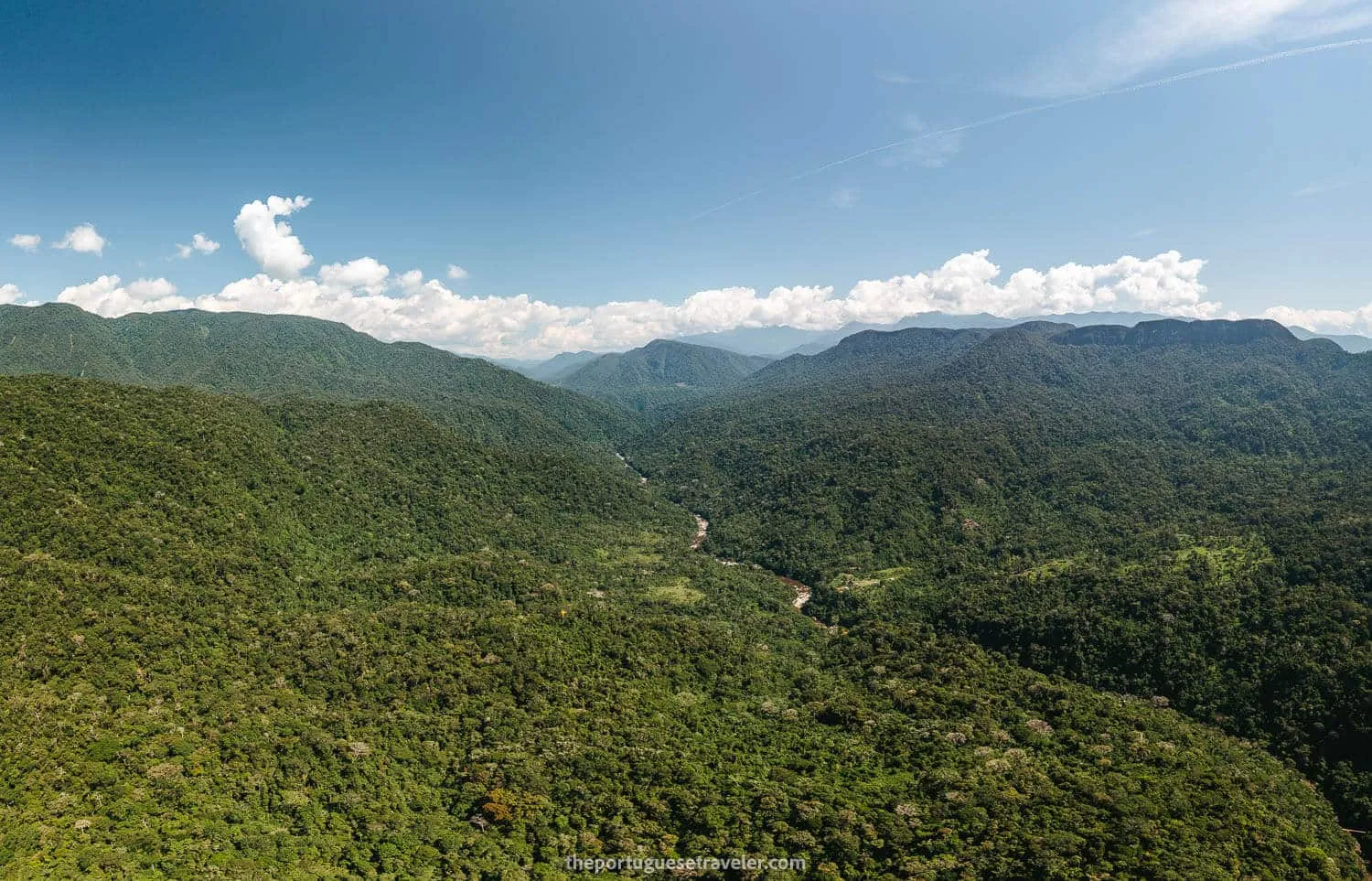
The view of the surroundings from above
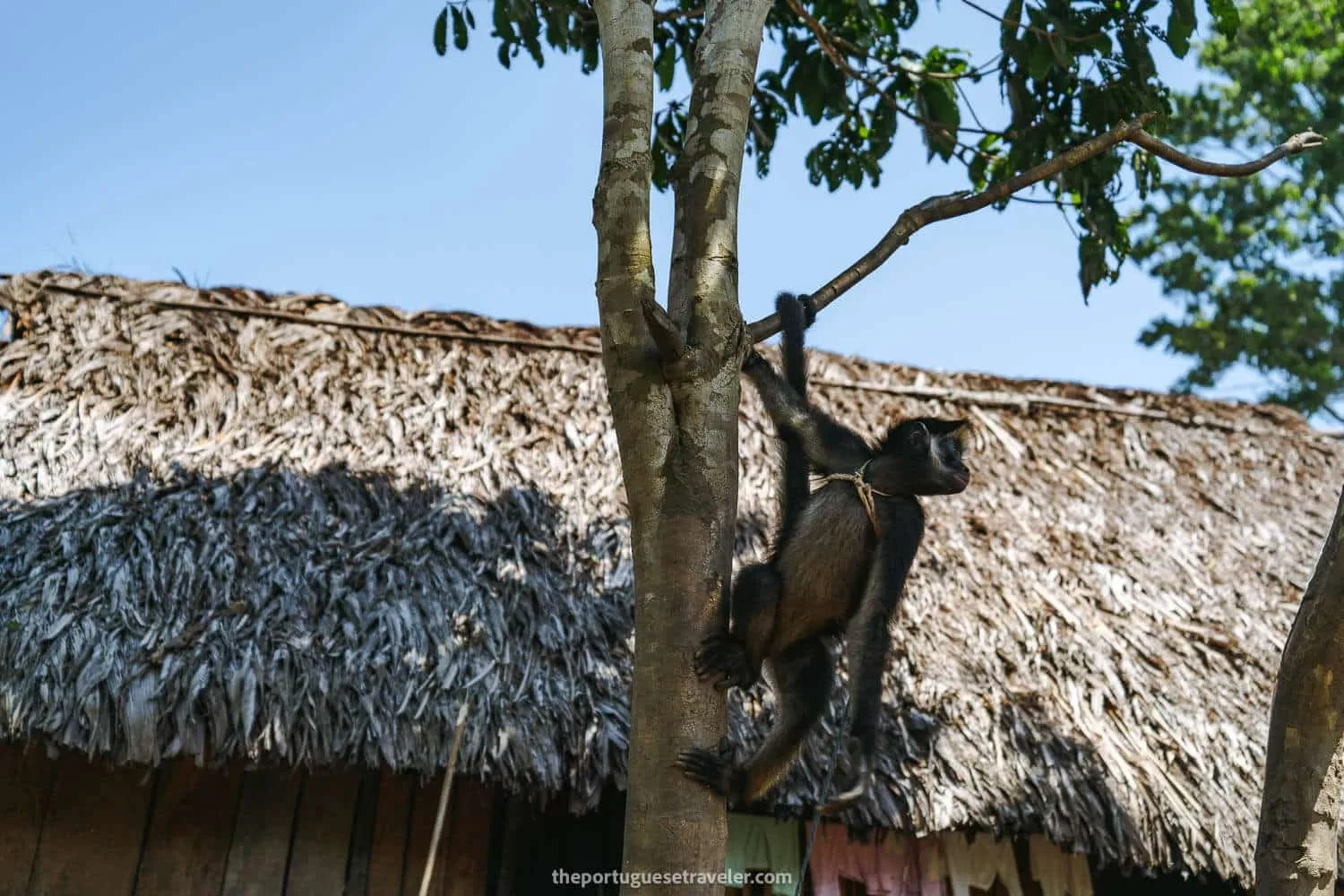
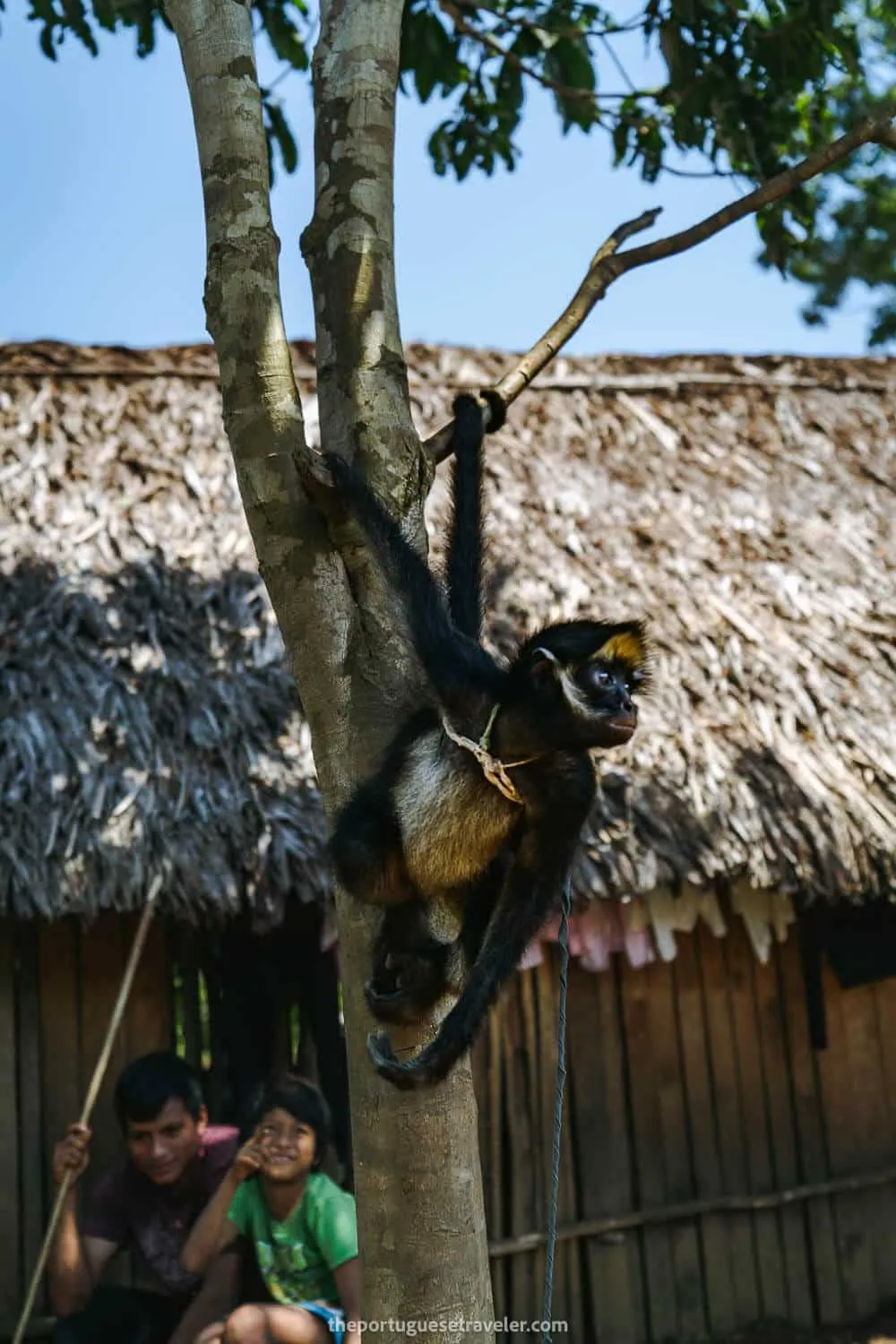
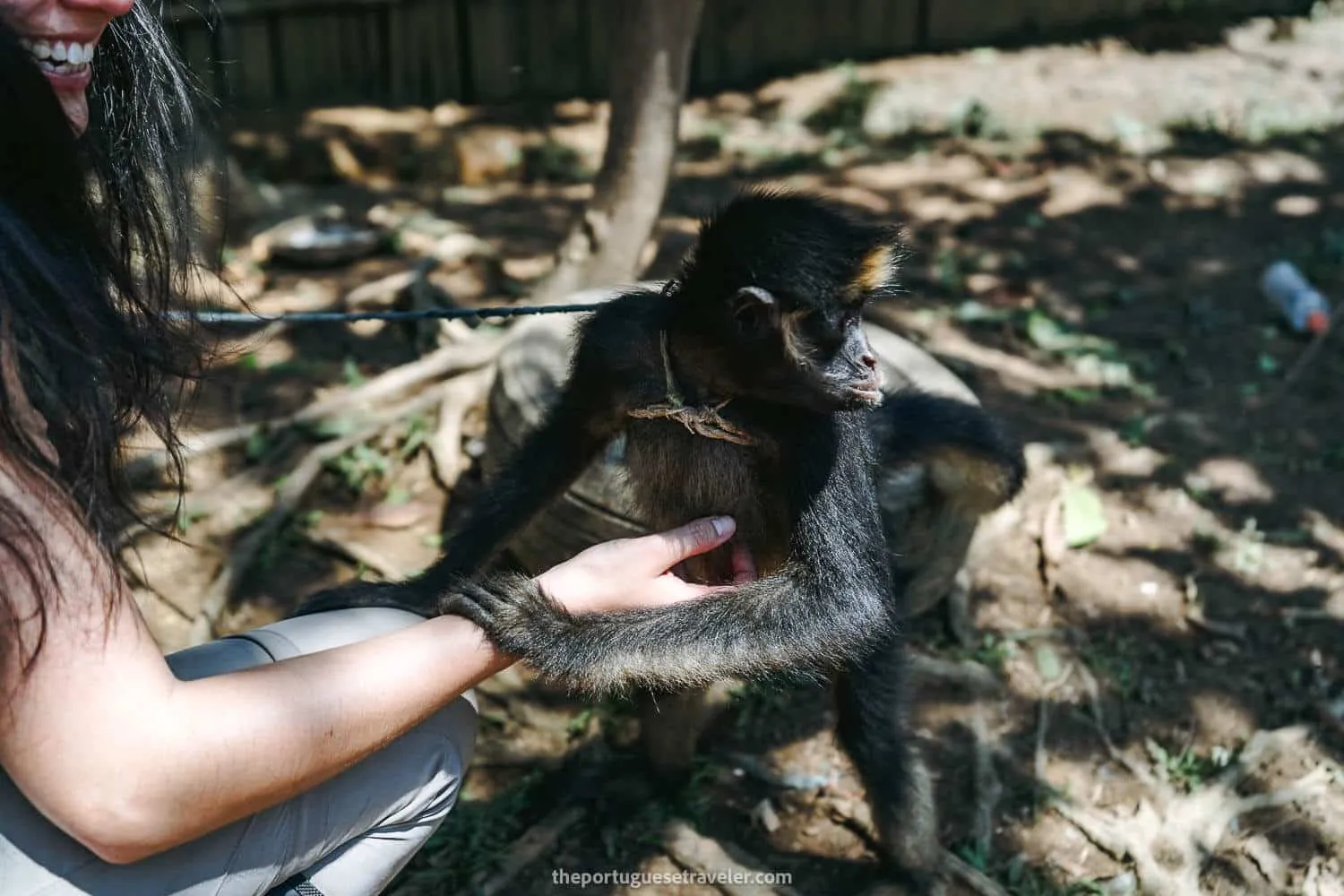
Pancho a spider monkey at the Shuar community
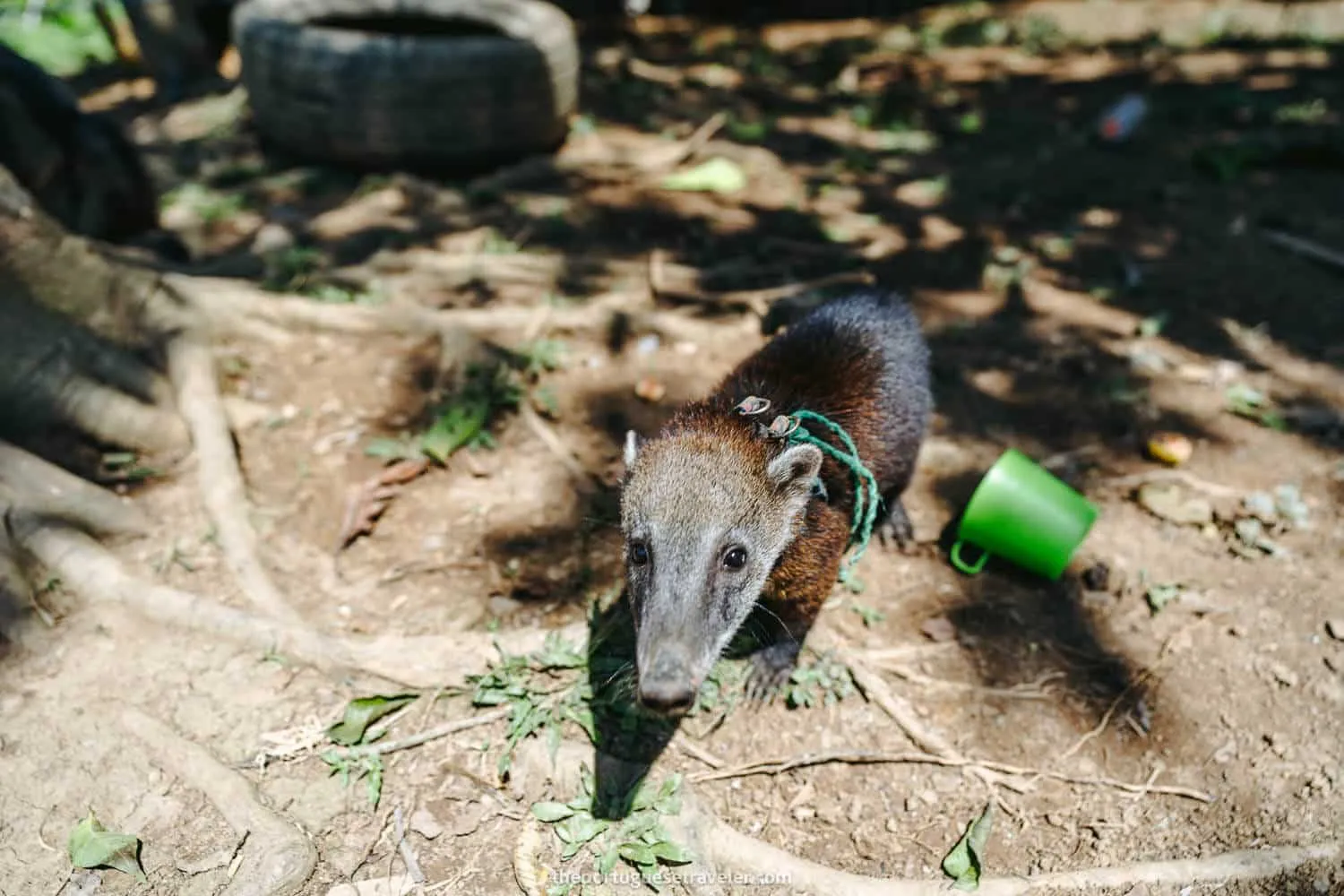
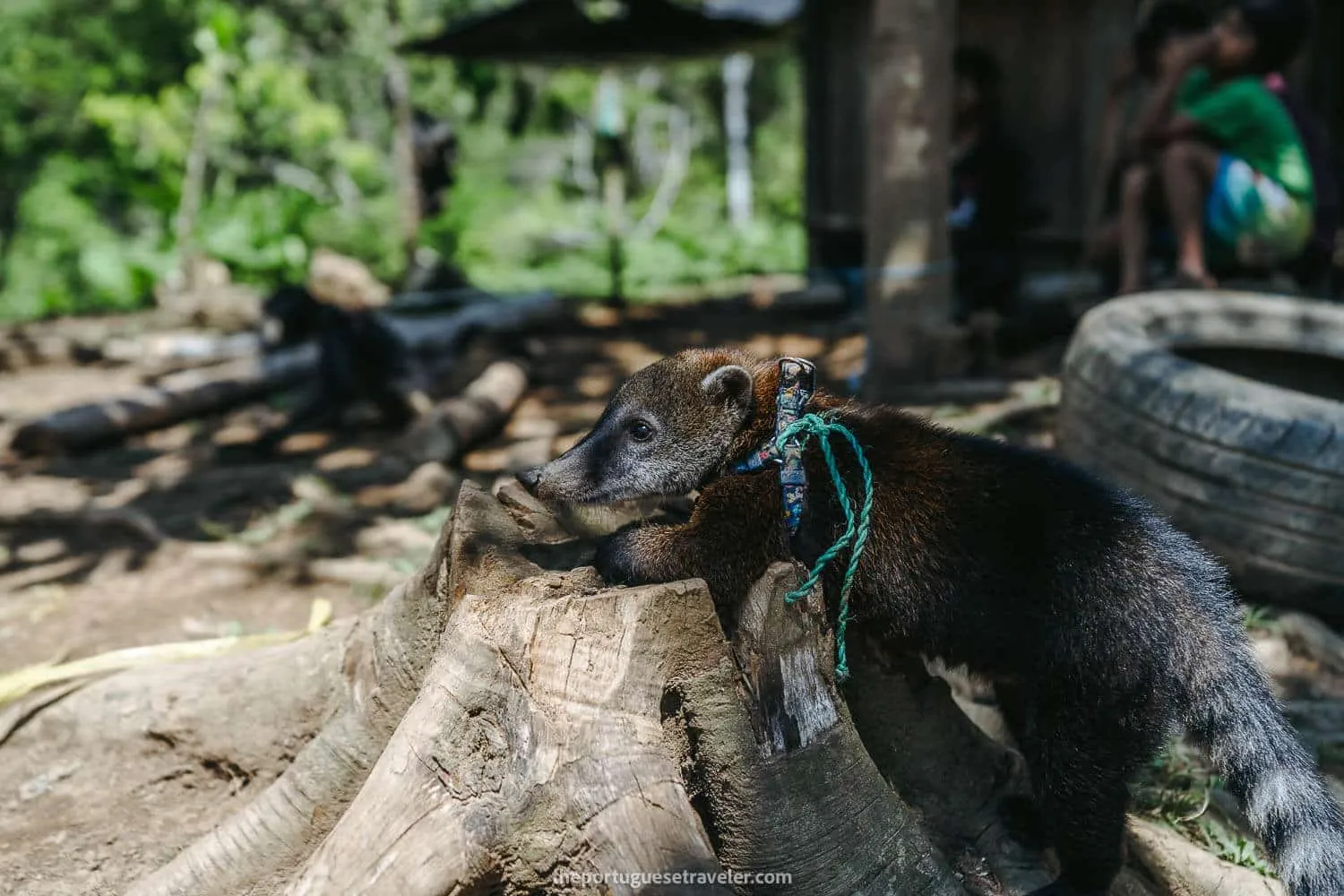
A coati in the community
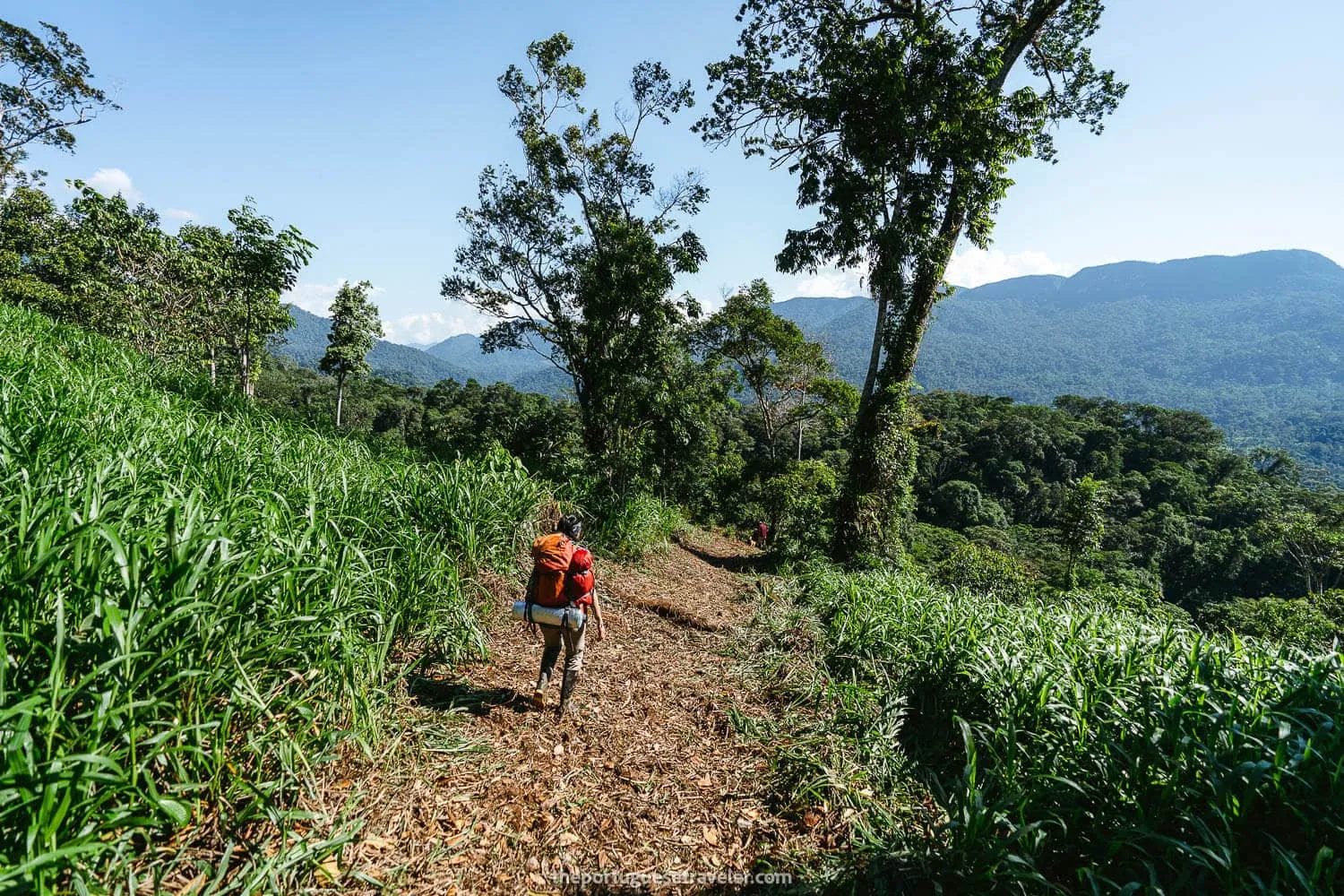
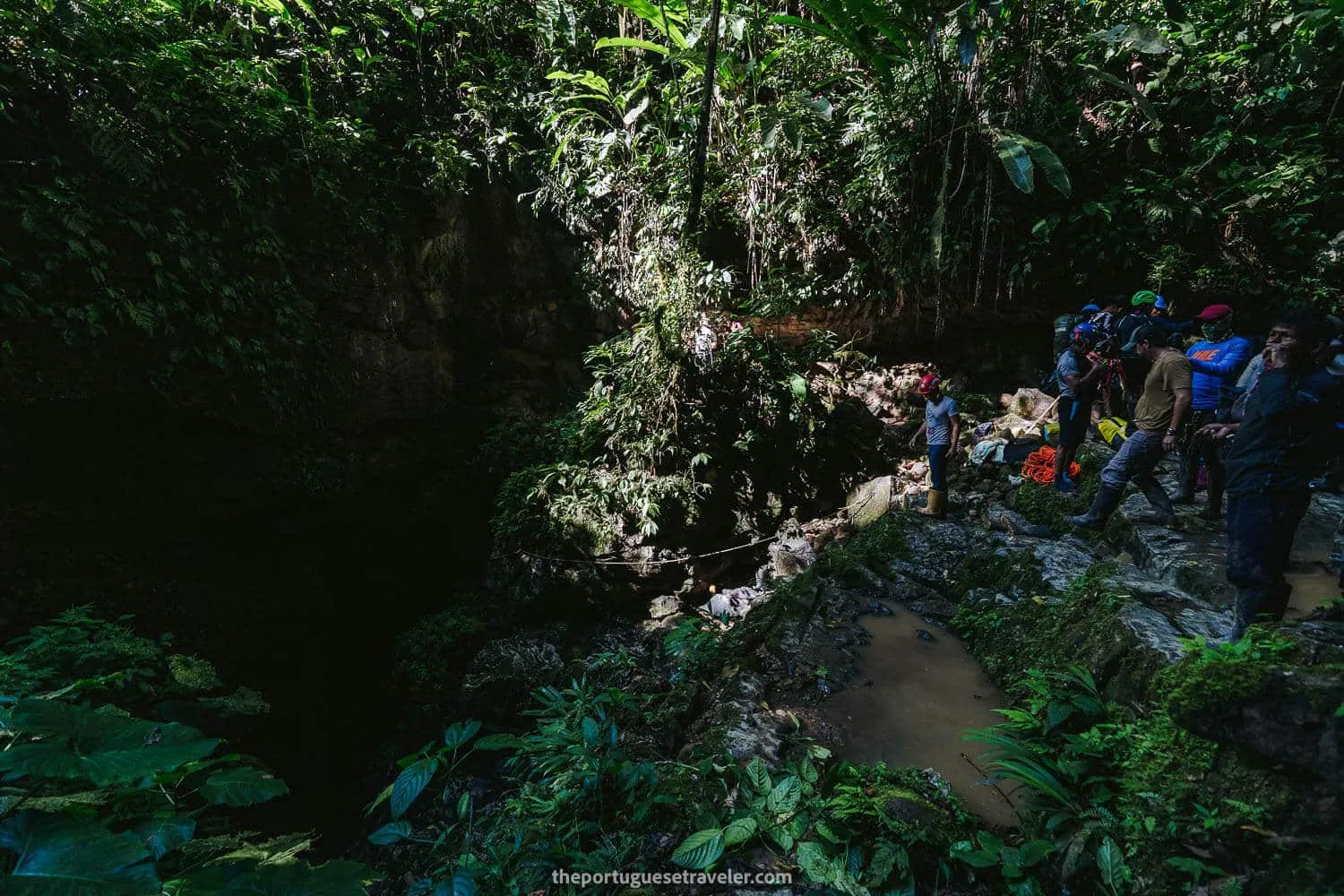
The way down into the cave’s mouth
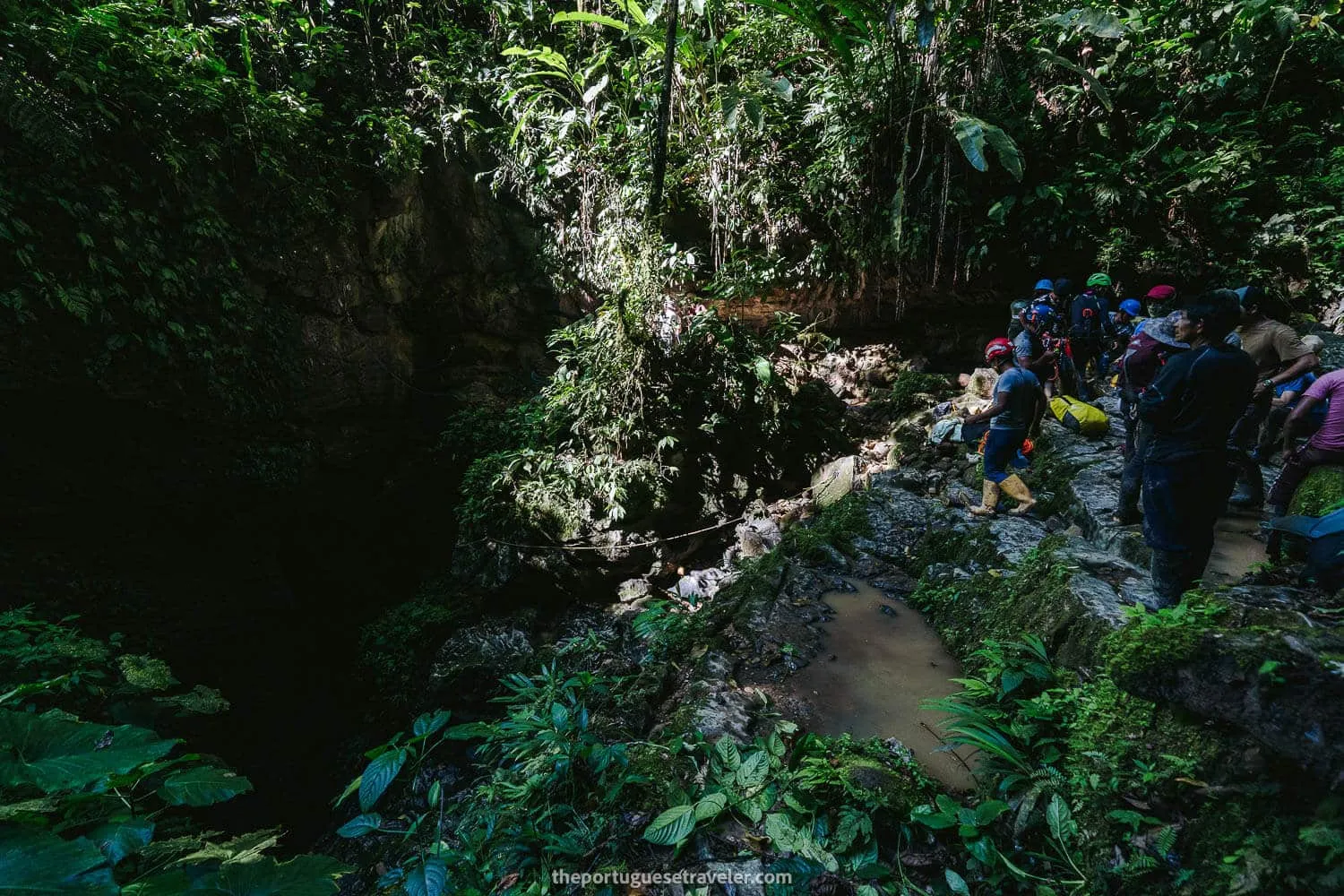
The mouth of the Cueva de Los Tayos
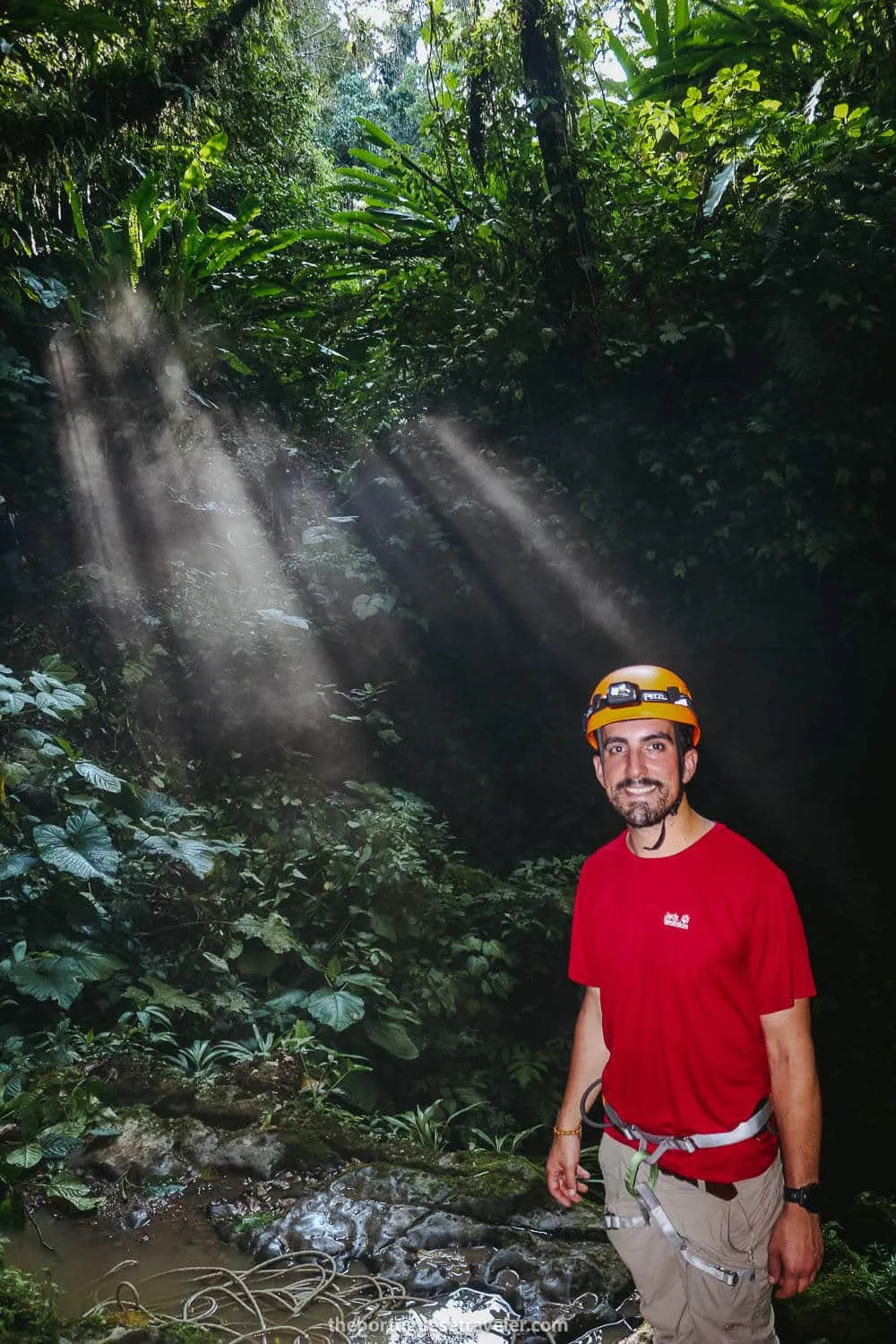
Me and the light beams
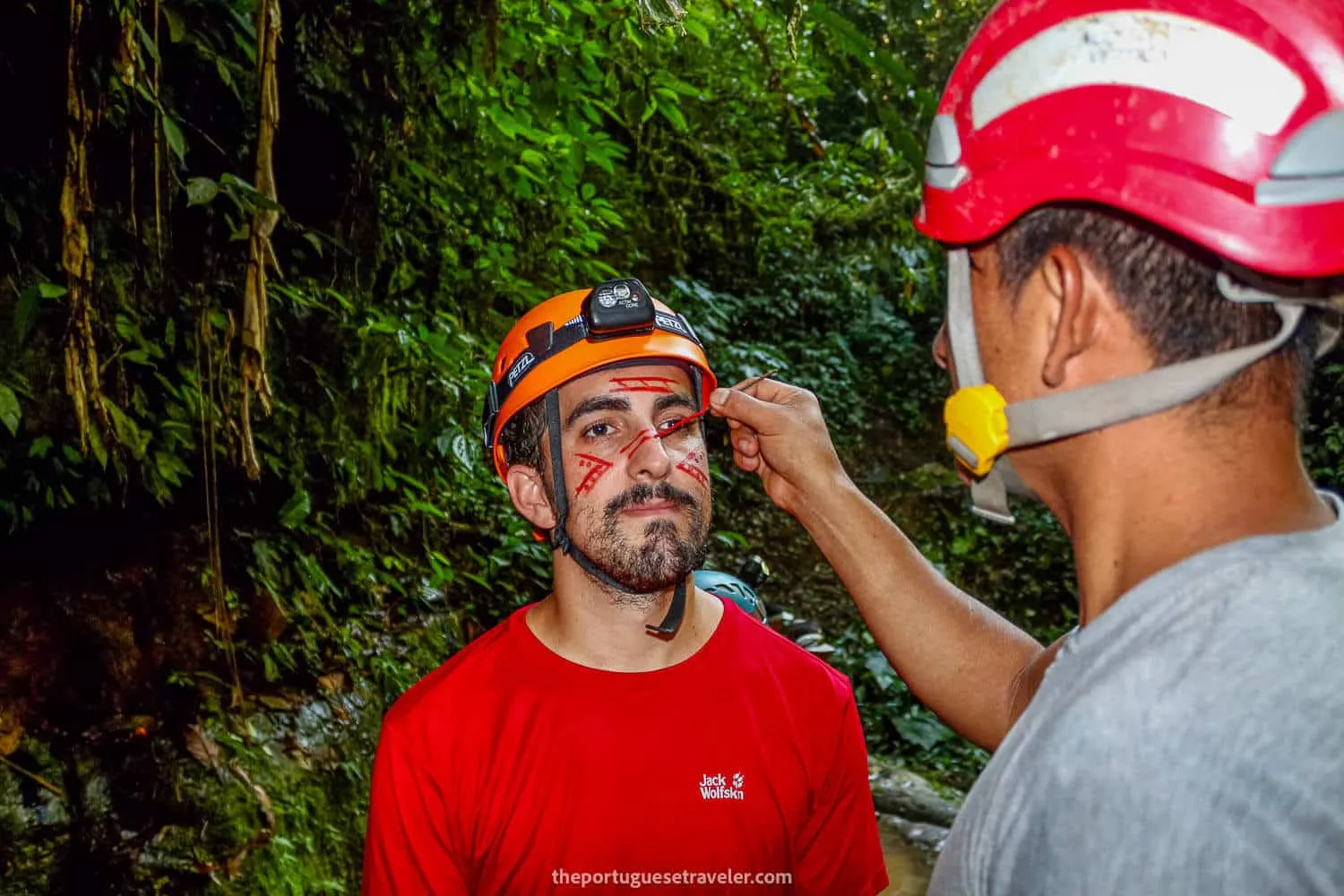
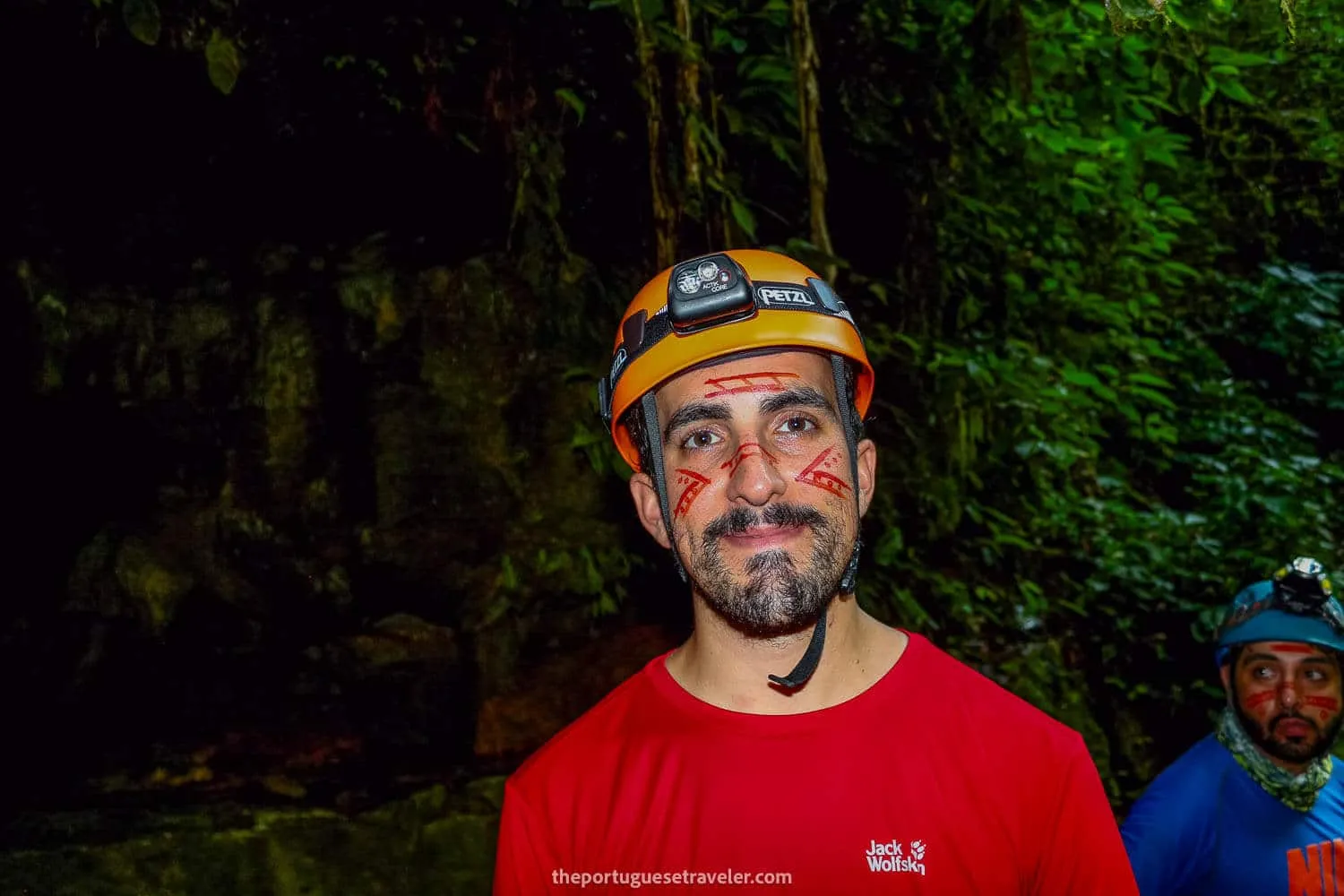
Jimmy’s Shuar ceremony painting me with achiote
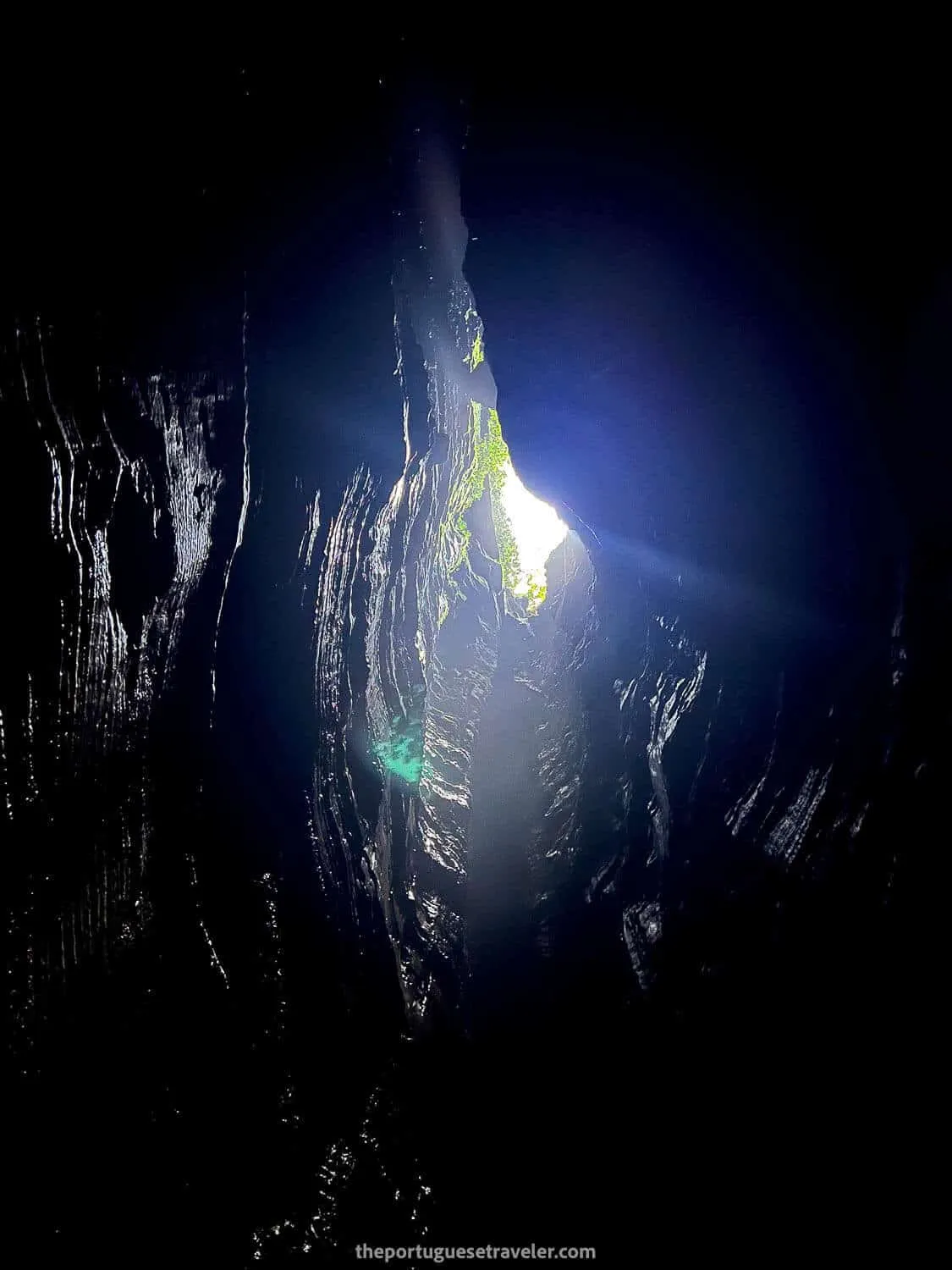
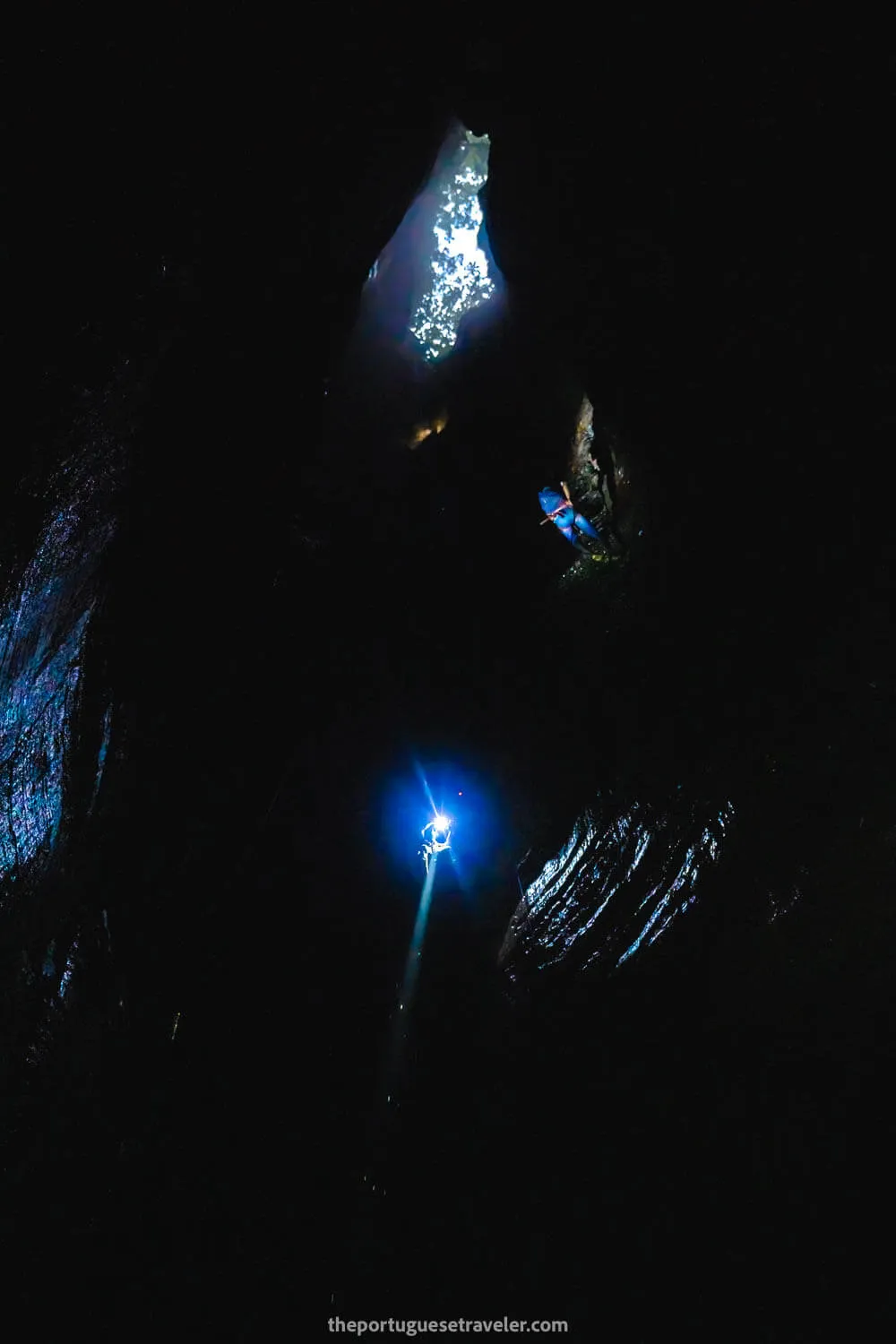
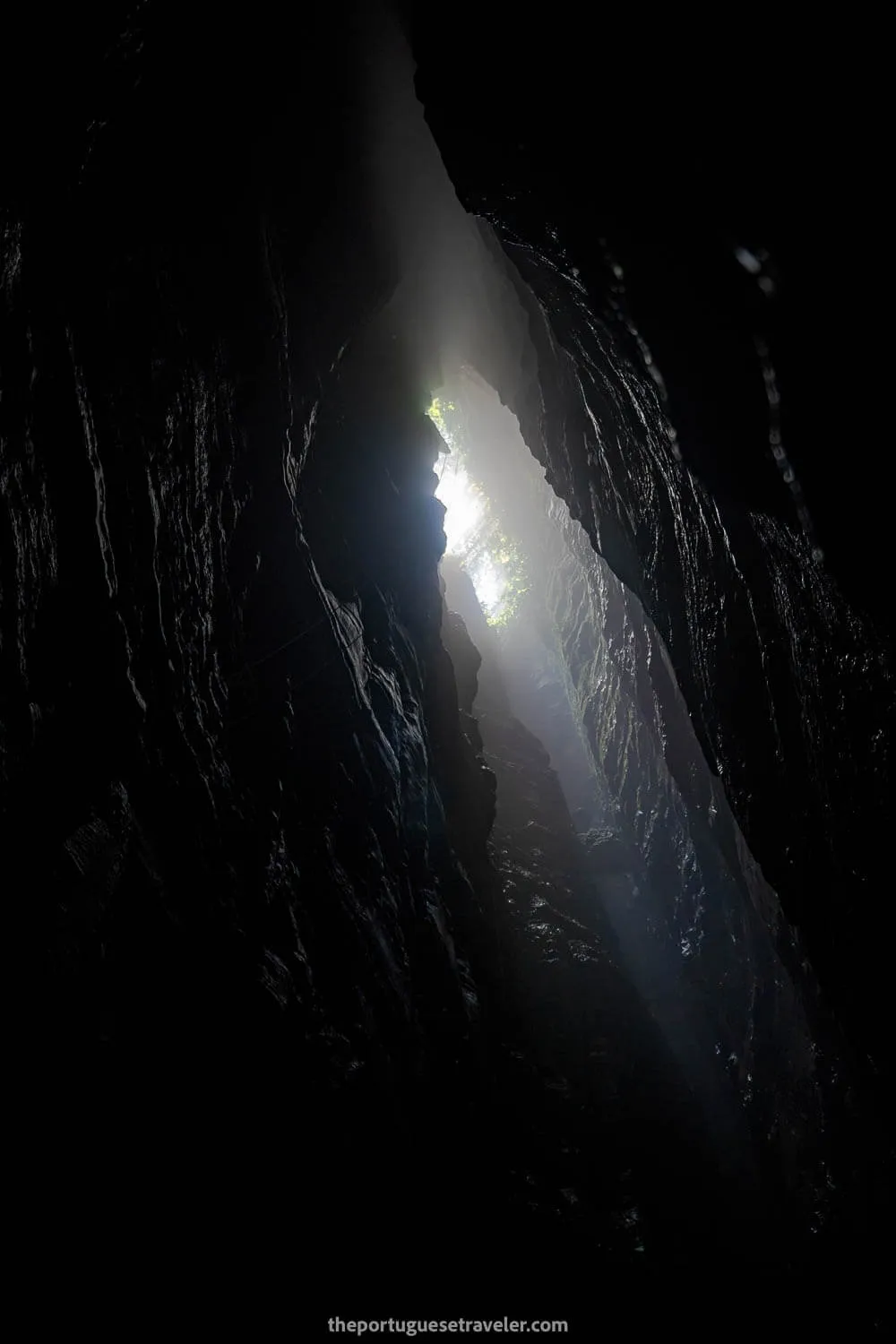
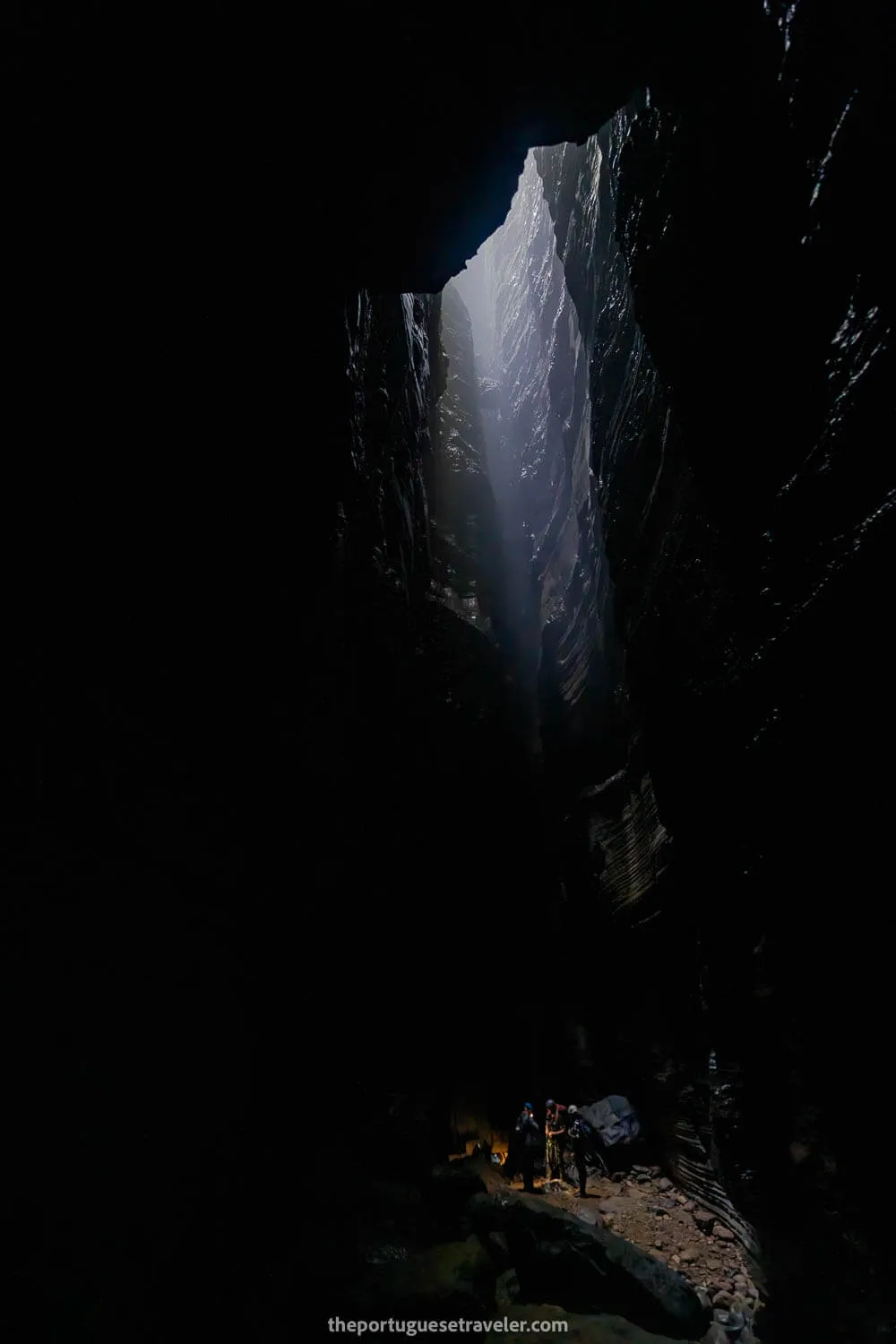
The view up from inside the cave
Entering and Exploring the Enigmatic Cueva de Los Tayos
After having lunch at the community house and observing the intriguing animals they kept as pets, a spider monkey named Pancho and a coati, we embarked on the hike down to the mouth of the Cueva de Los Tayos cave. Once there, we joined about 20 other people who were eager to descend into the cave and prepare for the descent, which involved some ceremonies.
We left our bags with the group and our local guide, Jimmy, explained the cave’s traditions to us. He then conducted a Shuar ceremony, during which he gave each of us a Shuar name and painted our faces with red achiote fruit. He asked for permission from the spirits of the cave and the forest to ensure our safe entry and enjoyment of our time inside. Following this, together with Leandro, Jimmy explained the technical details of rappelling. I took the opportunity to capture some photos of the stunning light beams that appeared at the cave’s entrance when water vapor emerged from its depths. It was an incredible and mystical experience, full of sensations.
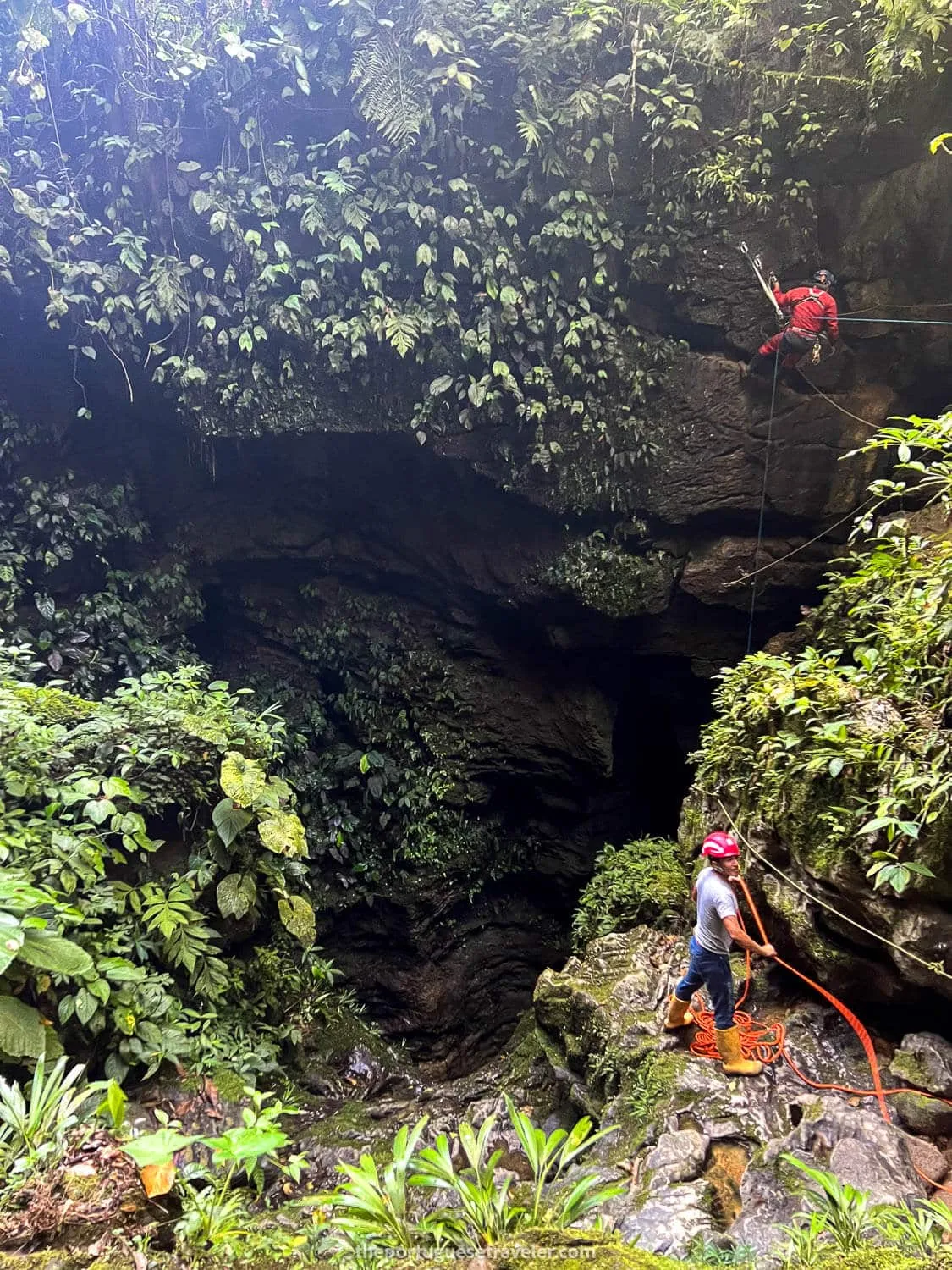
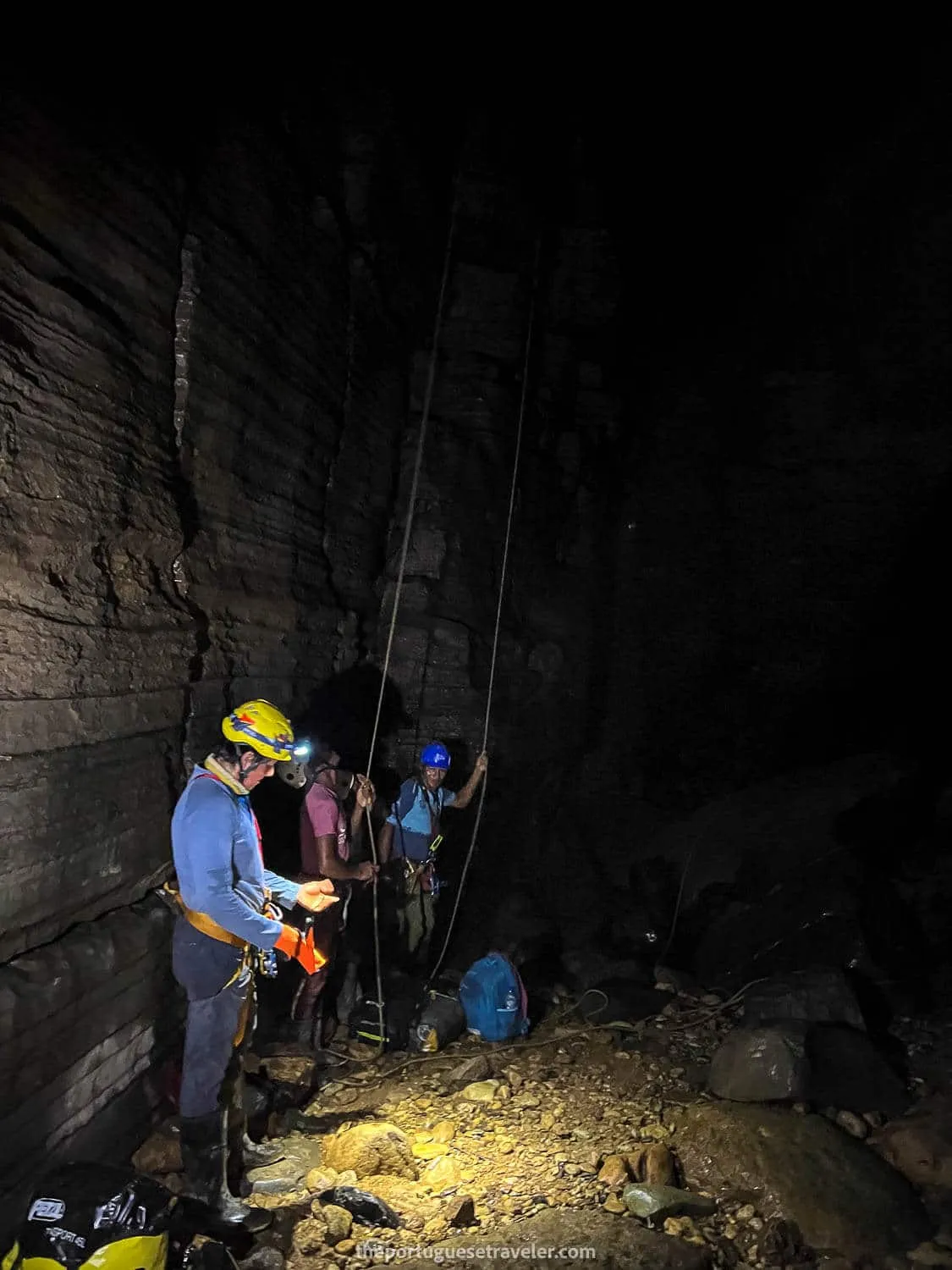
We then began the slow descent, one by one, using Leandro’s ropes. Another group followed us using a different system. I was probably the third person to descend after Jhos, and I could see that the descent was quite slippery at times. Therefore, we had to be alert, starting our rappel with small backward movements and slowly moving our feet while maintaining our balance. Eventually, we reached a point where there was no longer a rock surface to support our feet, and we had to rely solely on the ropes, essentially floating in place. Slowly, Leandro and his helpers from the community lowered me further until I finally touched the ground and was stable, thanks to one of Leandro’s friends.
Once we were all safely down, our backpacks were sent down to us, and Leandro descended last. We then began our journey deeper into the cave, which was an incredible feeling. In total, it took about 2-3 hours from our arrival at the cave’s entrance until we started exploring its interior.
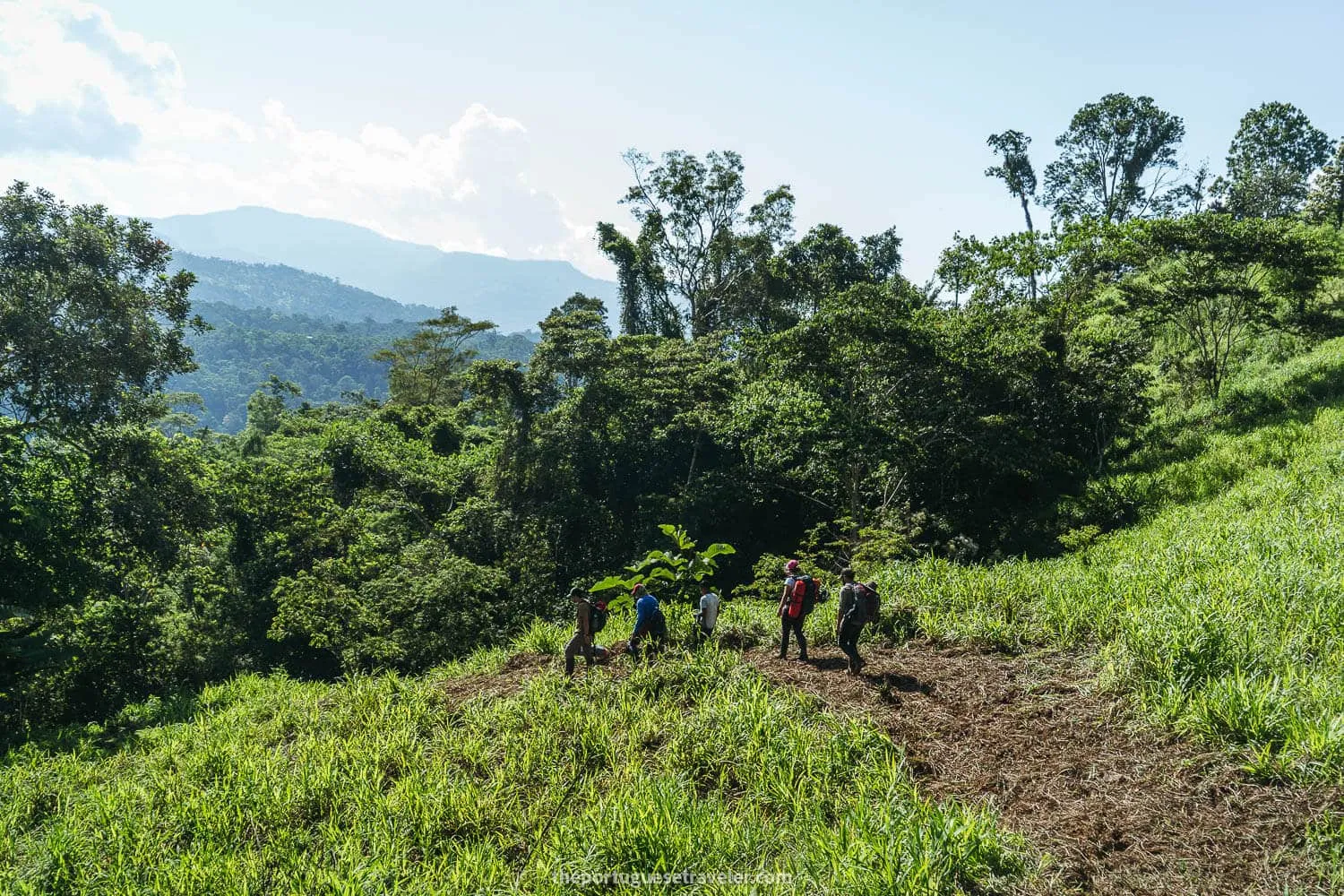
Going down to the rabbit hole
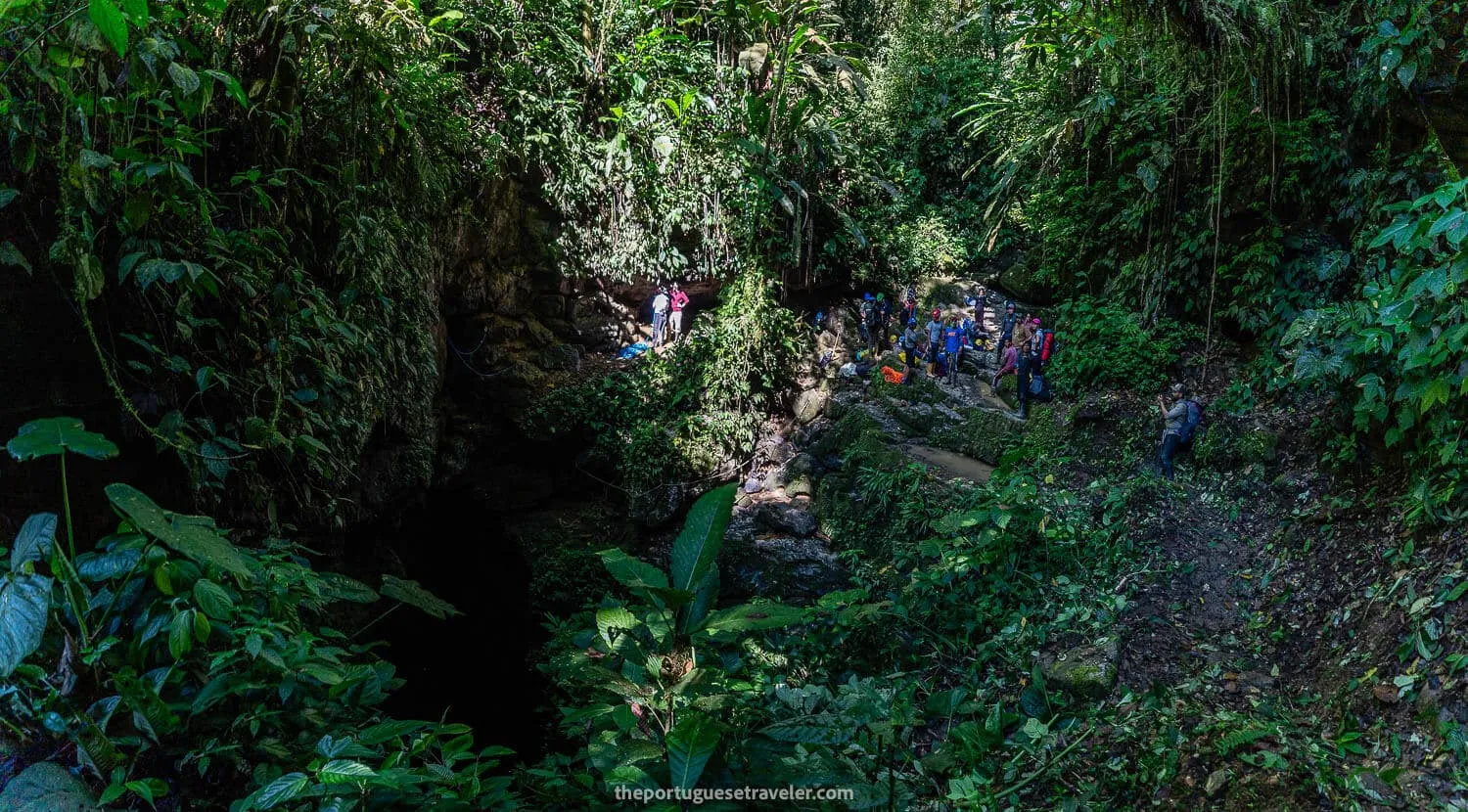
A Panorama of the cave’s entrance
The rope teams ready to send people down
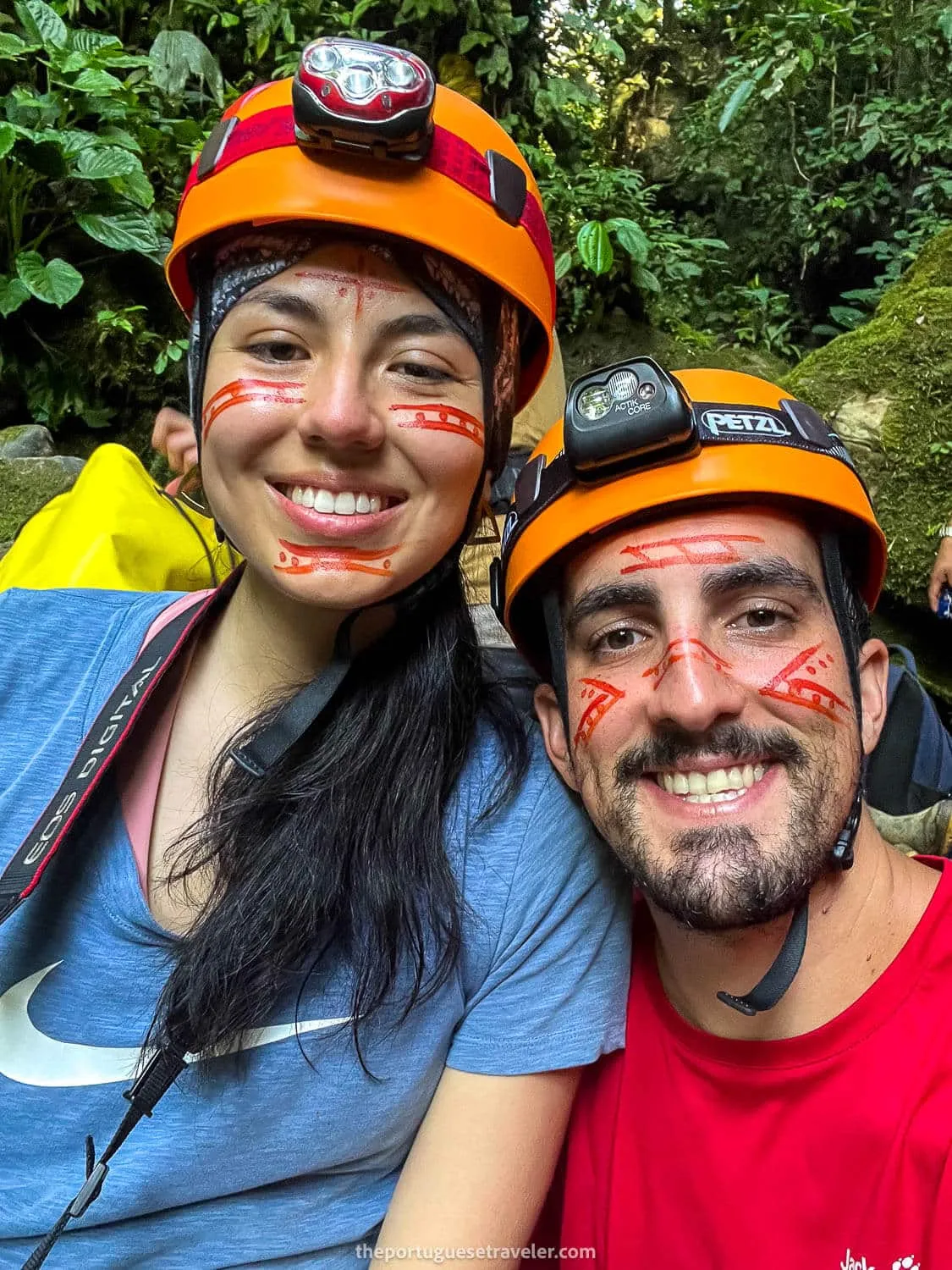
Me and Jhos ready to enter the cave
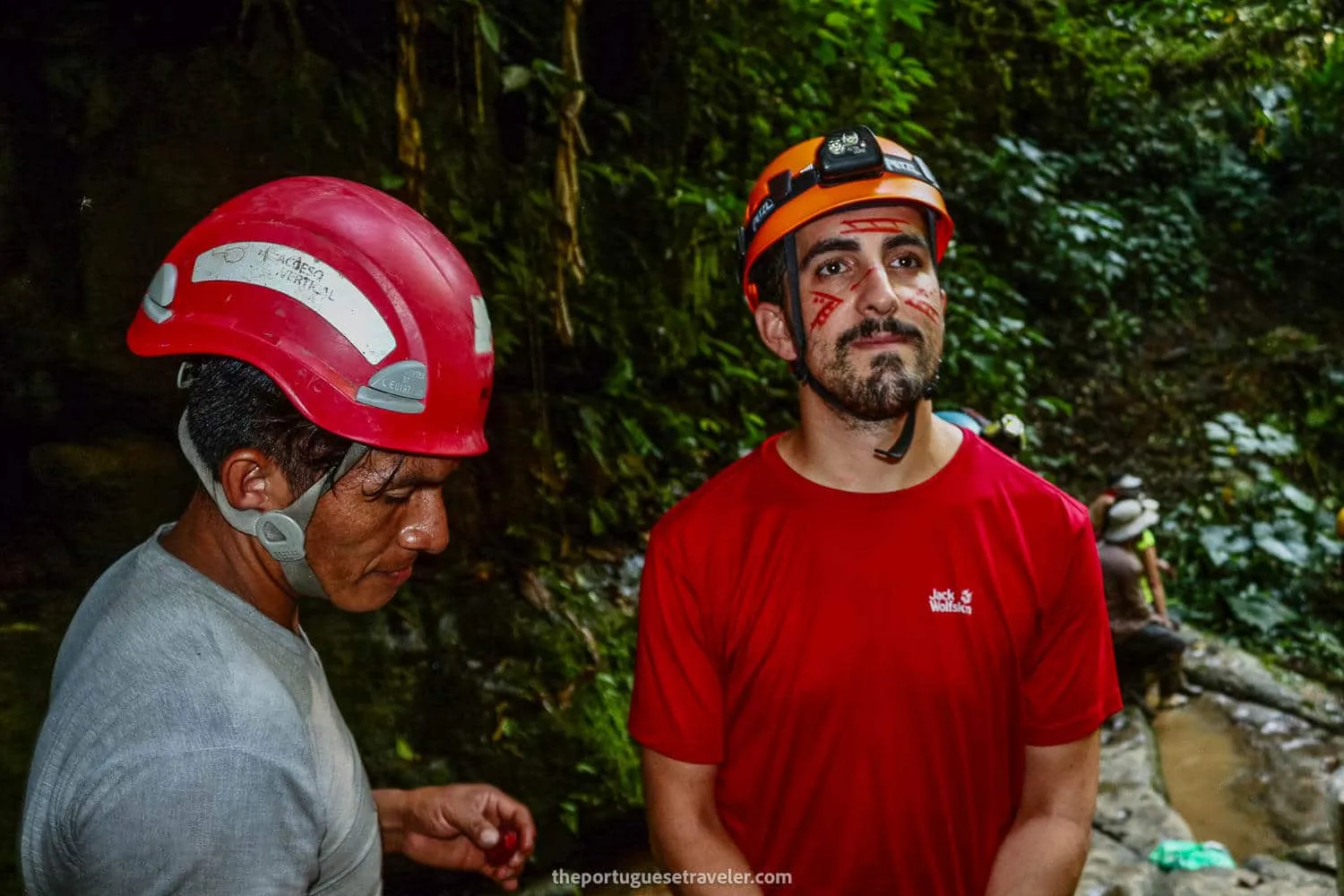
Me officially baptised as Tsunki.
The way down to the Cueva de Los Tayos
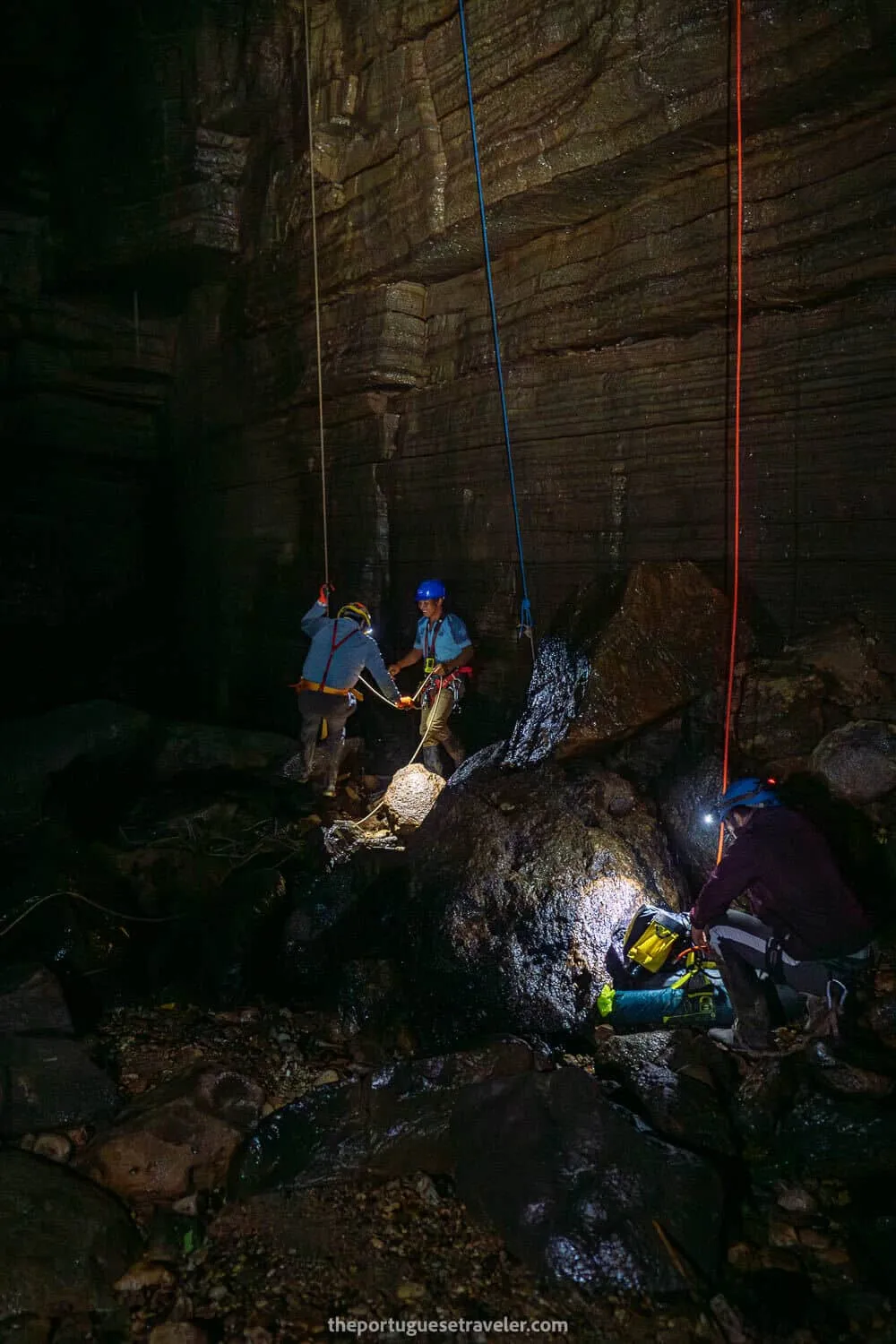
The team at the base of the entrance after the rappel
Following Neil Armstrong’s Path: A Tomb Raider-Style Cave Expedition
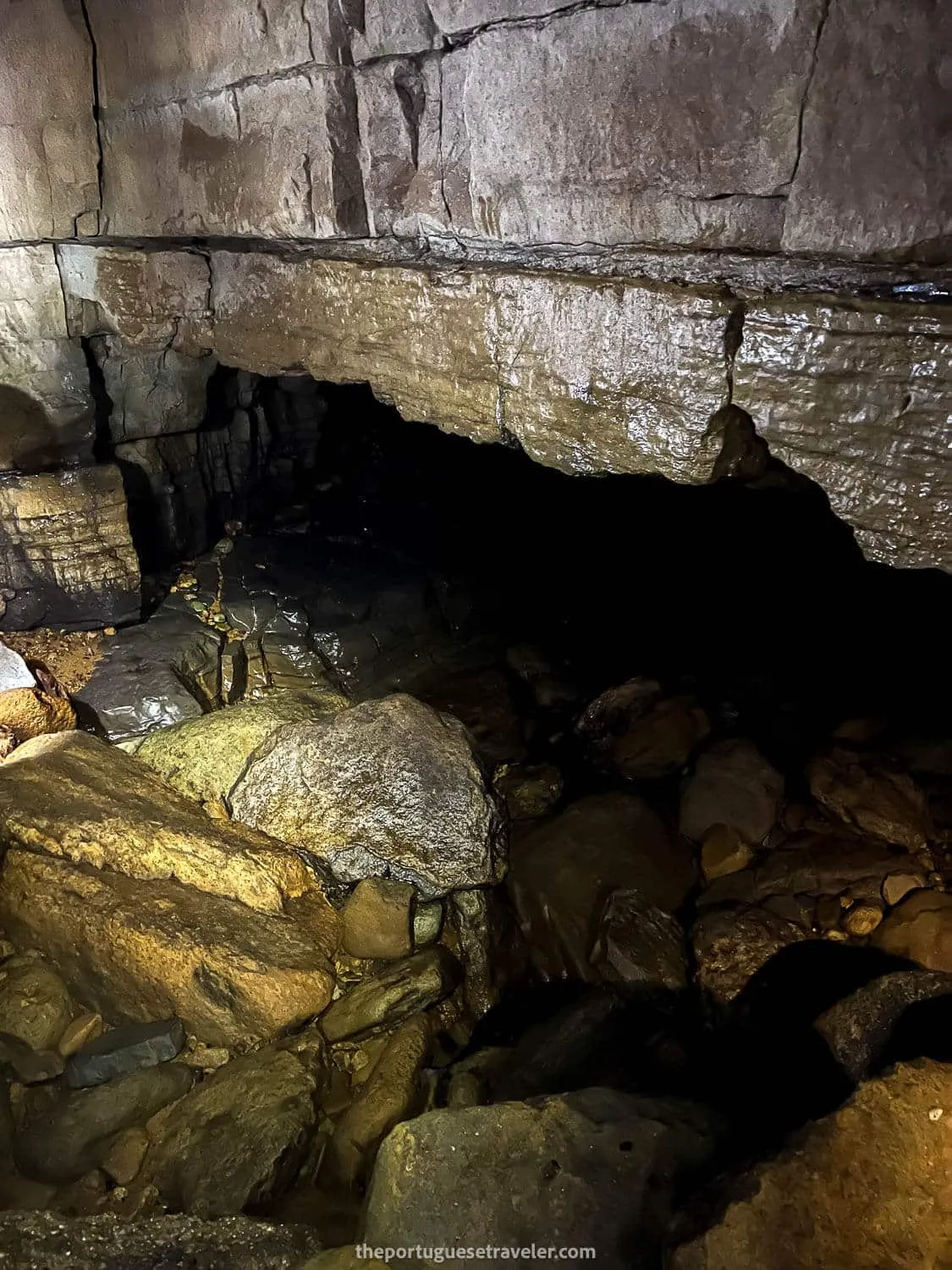
We passed through a perfect arch, known as the Moricz Arch, which Leandro explained to us. Some believed these arches were too perfect to be naturally formed, but our group included two geologists, Leandro and Stefany, who quickly explained that such rock formations are indeed common and result from natural processes, including sedimentation and erosion.
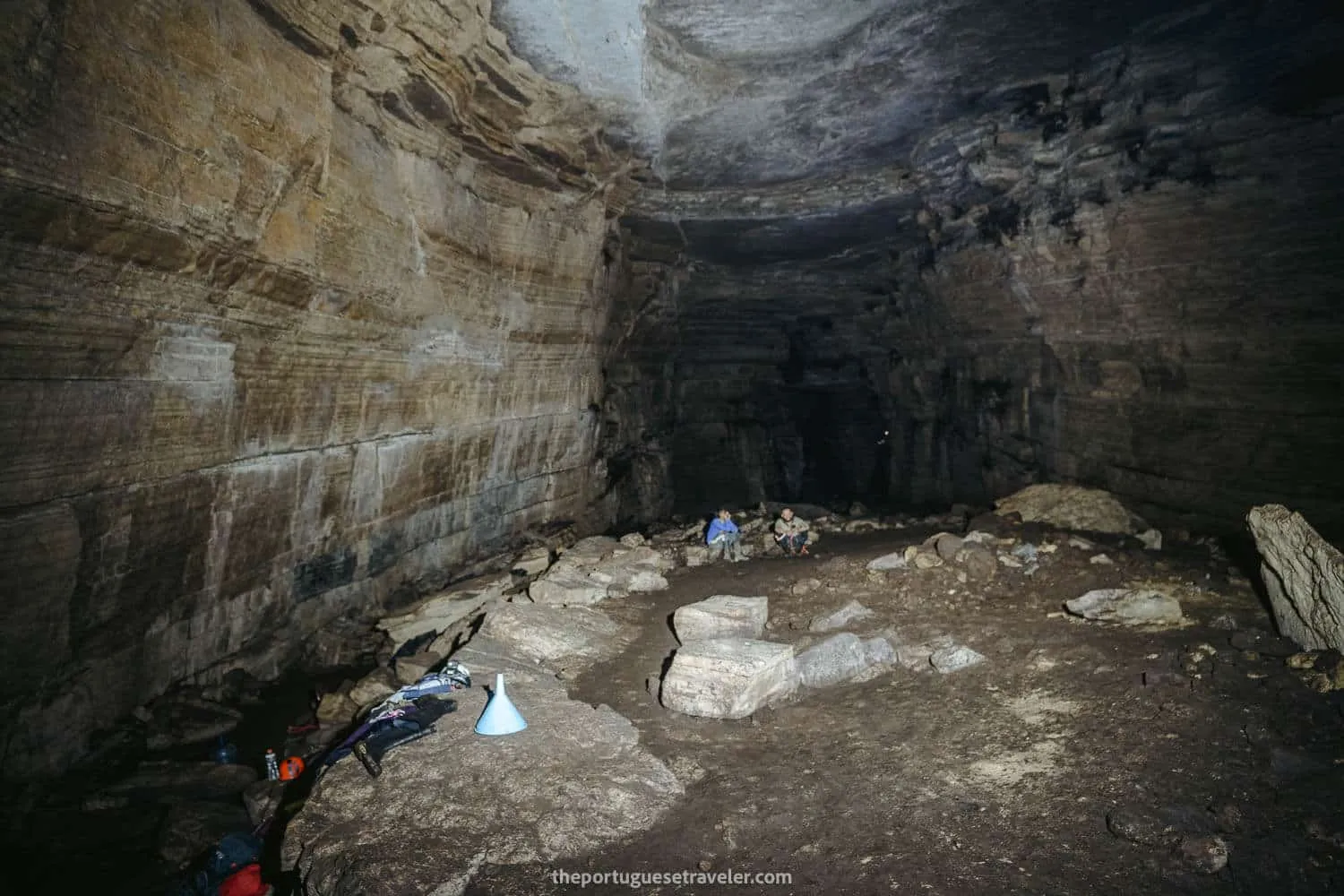
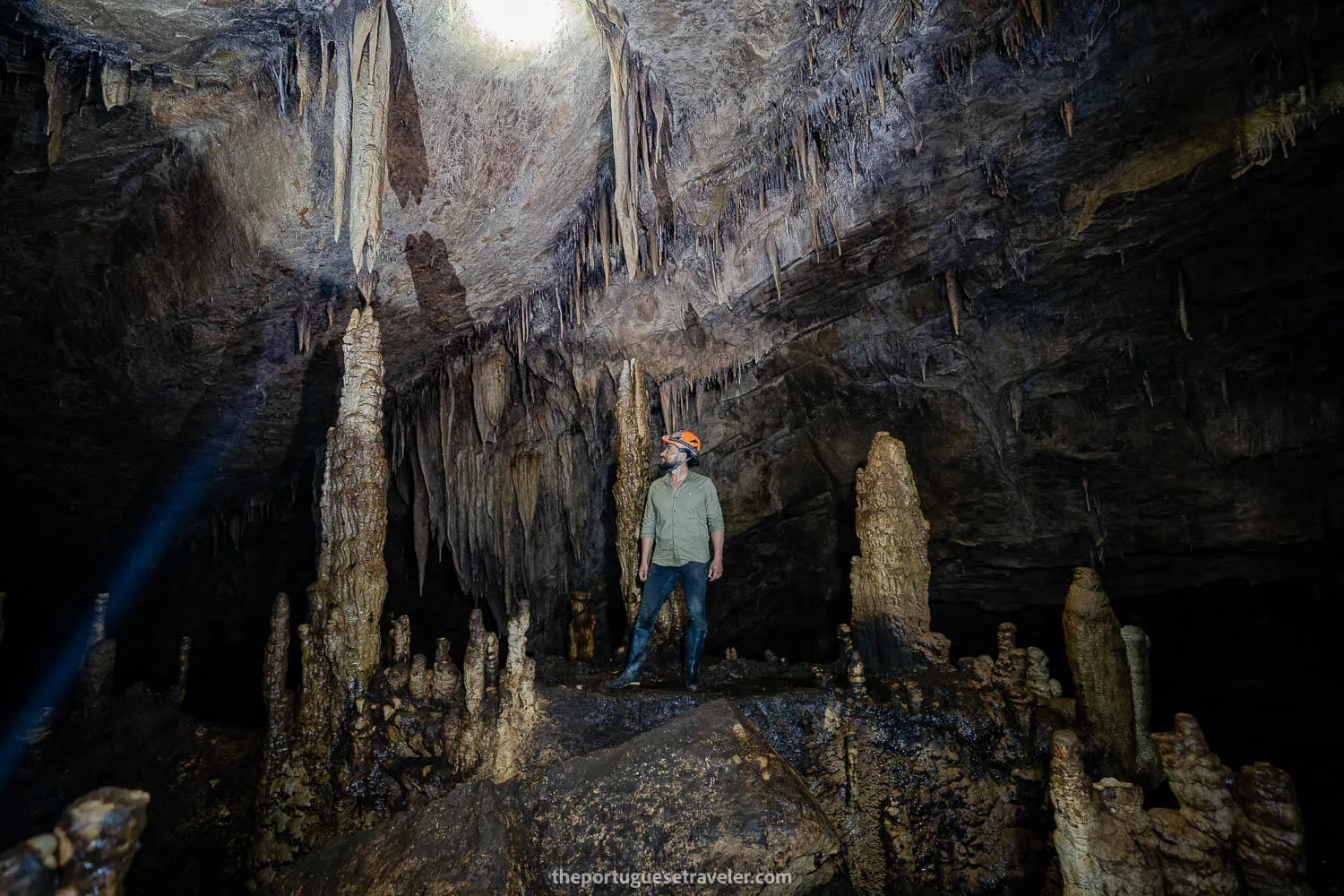
With this illusion dispelled, we continued deeper into the cave, and reached the main vault. This is where we set up our tents and started to explore the immediate surroundings. We were greeted by some fascinating creatures, including tarantulas and other unique wildlife that thrived in this dark, mysterious environment.
As we ventured deeper into the cave, we explored the areas where other groups were camping. The cave’s sheer size was astounding, and it was clear that it could accommodate hundreds of people inside its vast vault.
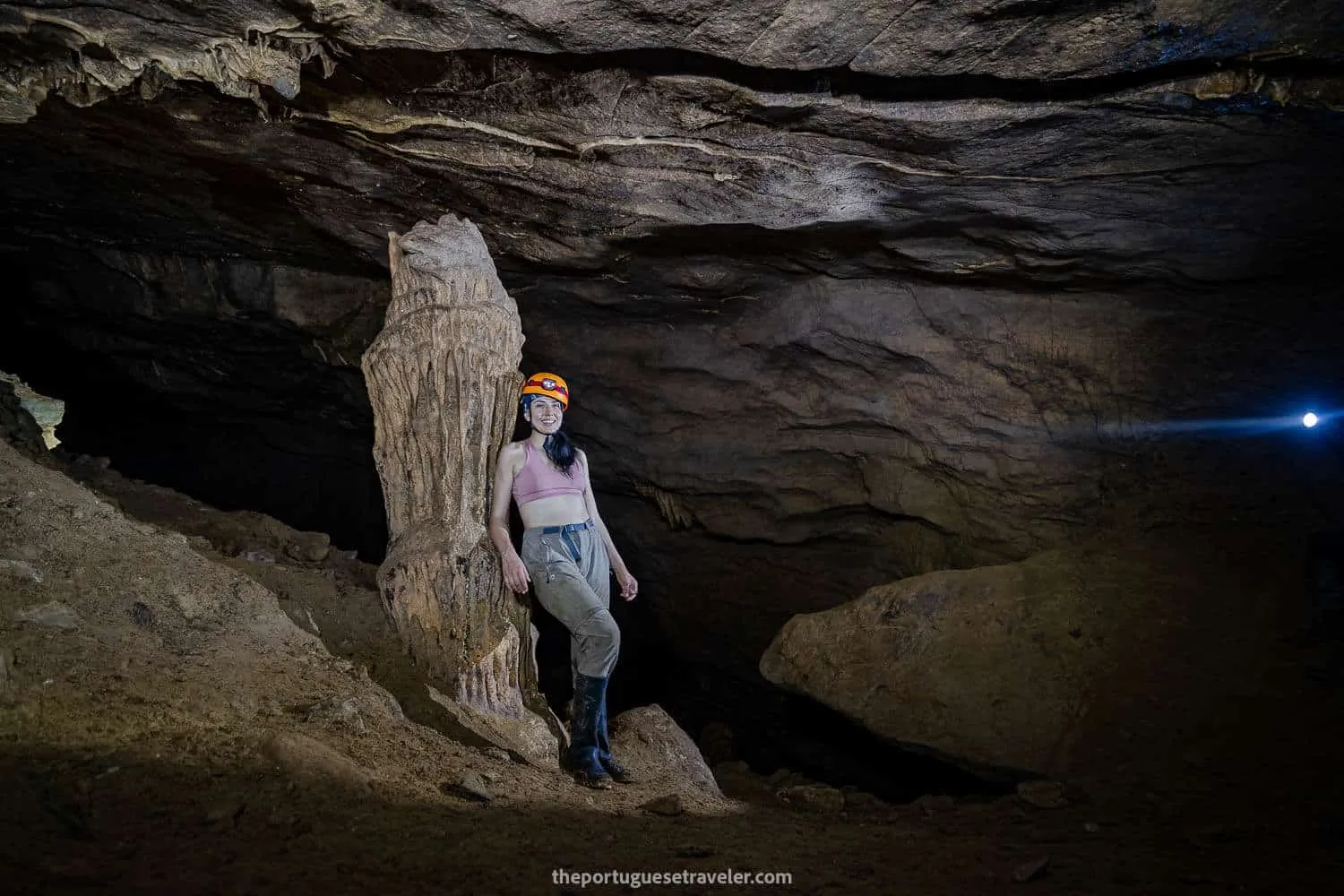
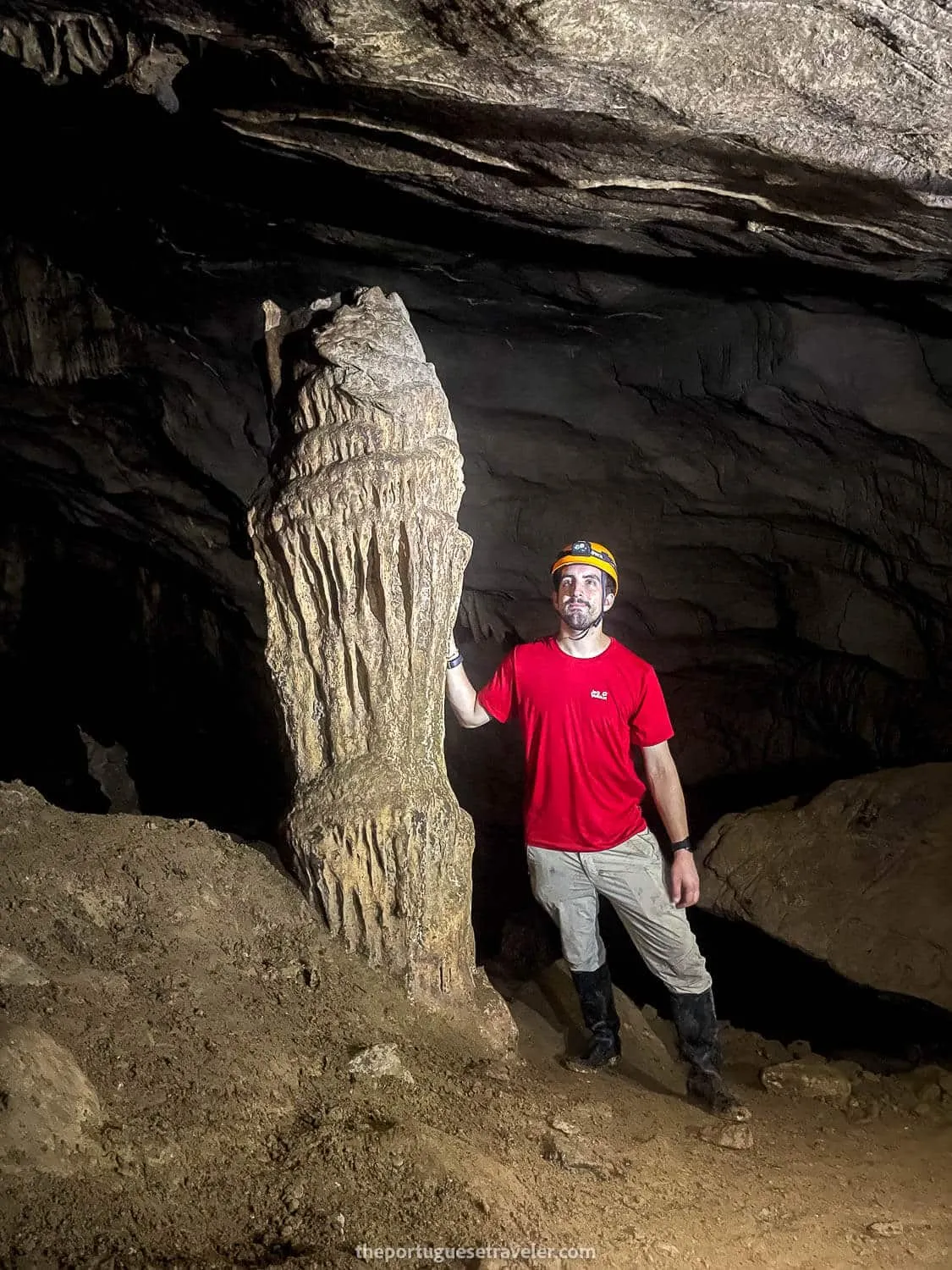
Our journey led us through “the graveyard,” a section of the cave adorned with numerous small stalactites and stalagmites. Moving forward, we encountered the famous stalagmite where Neil Armstrong had taken a photo during his visit. We couldn’t resist taking our own pictures, mimicking the iconic astronaut’s pose.
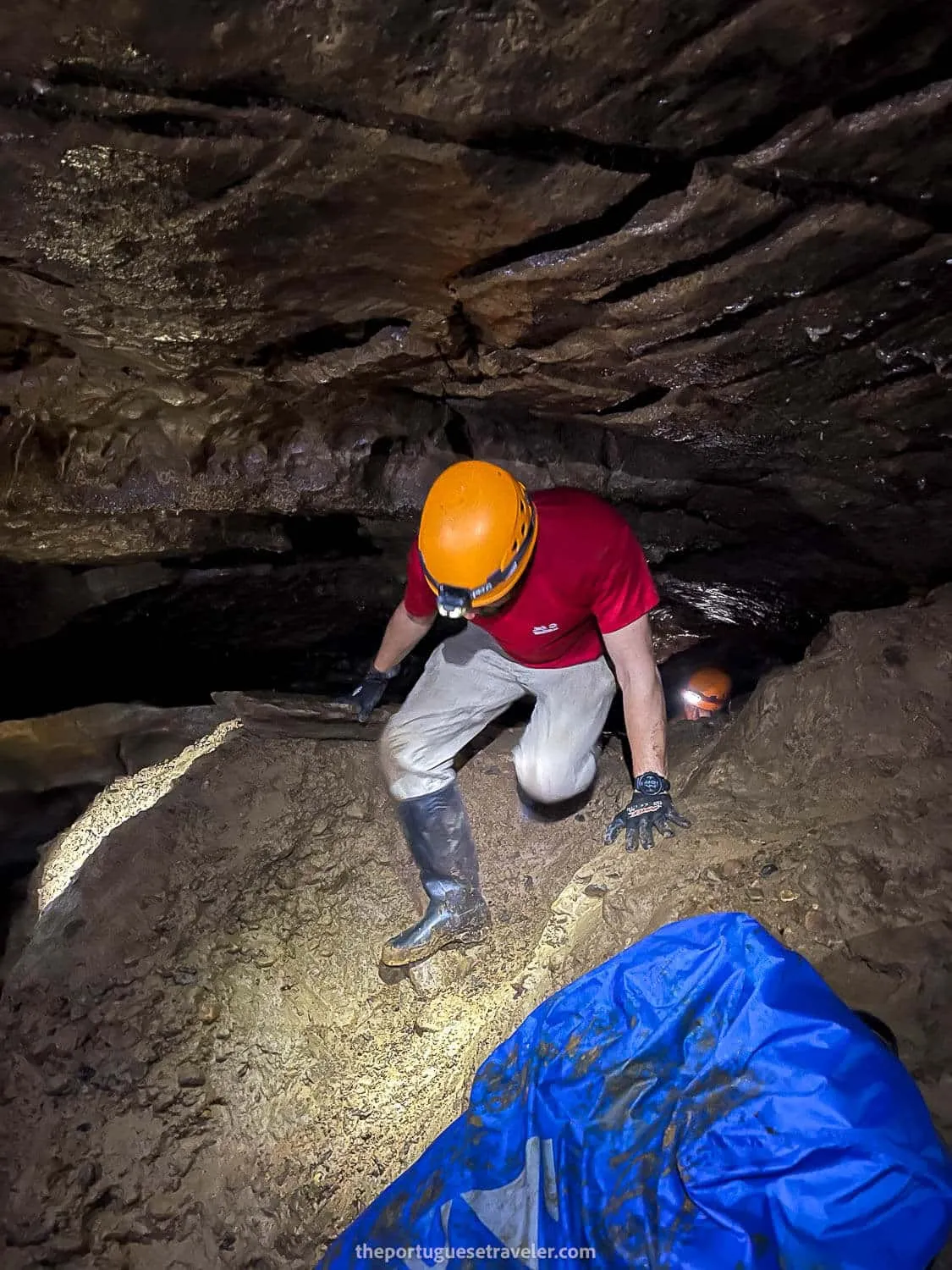
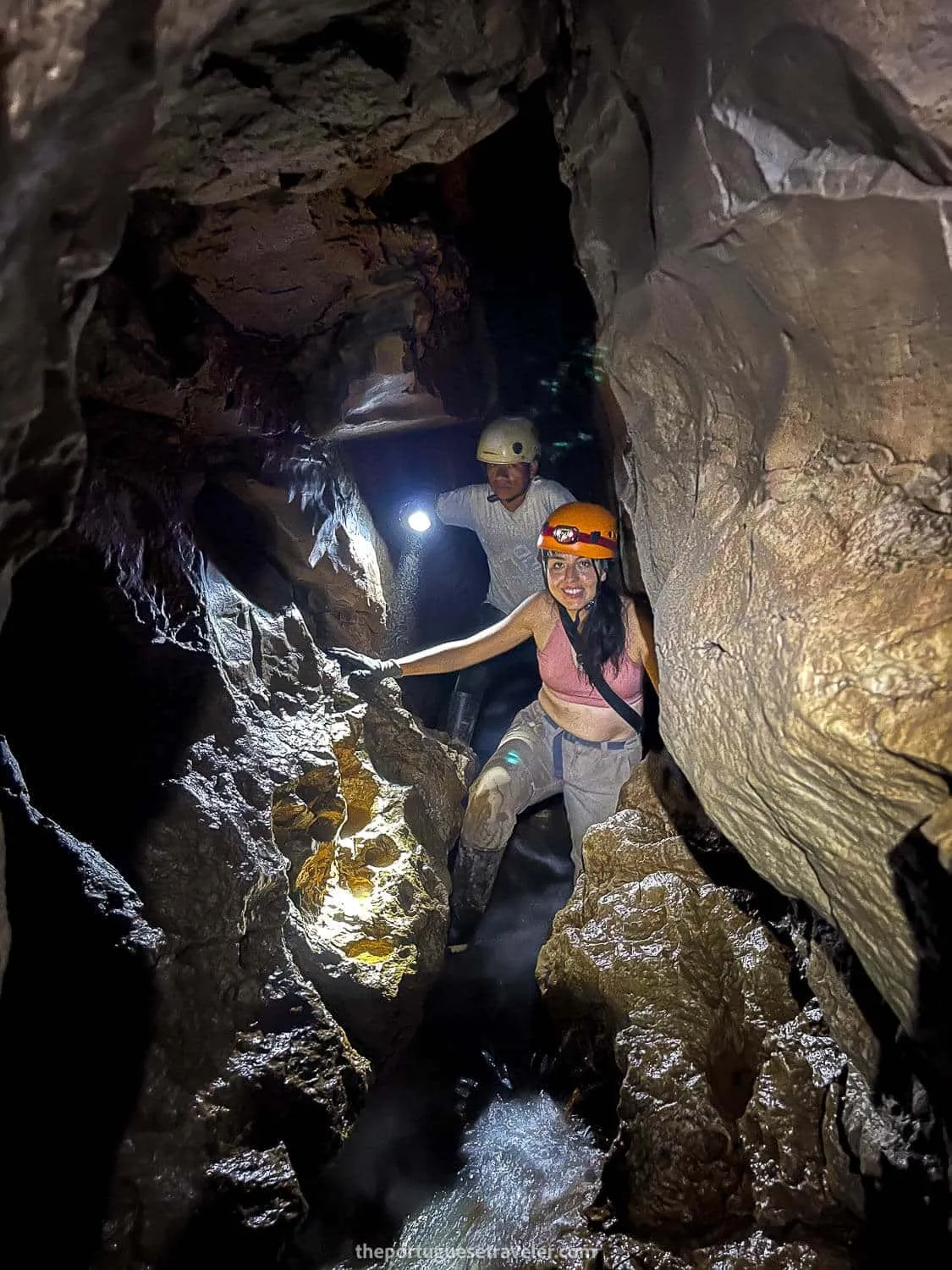
Our adventure then took a more challenging turn as we navigated interior rivers and waterfalls, squeezing through tight junctions and passages.
At times, we had to carry our heavy backpacks and crawl or climb with one foot on the wall while squeezing through a hole on the opposite side, reminiscent of a scene from Tomb Raider. Throughout this portion of the journey, I had the added challenge of lugging my large Atlas Backpack, which contained my drone and camera.
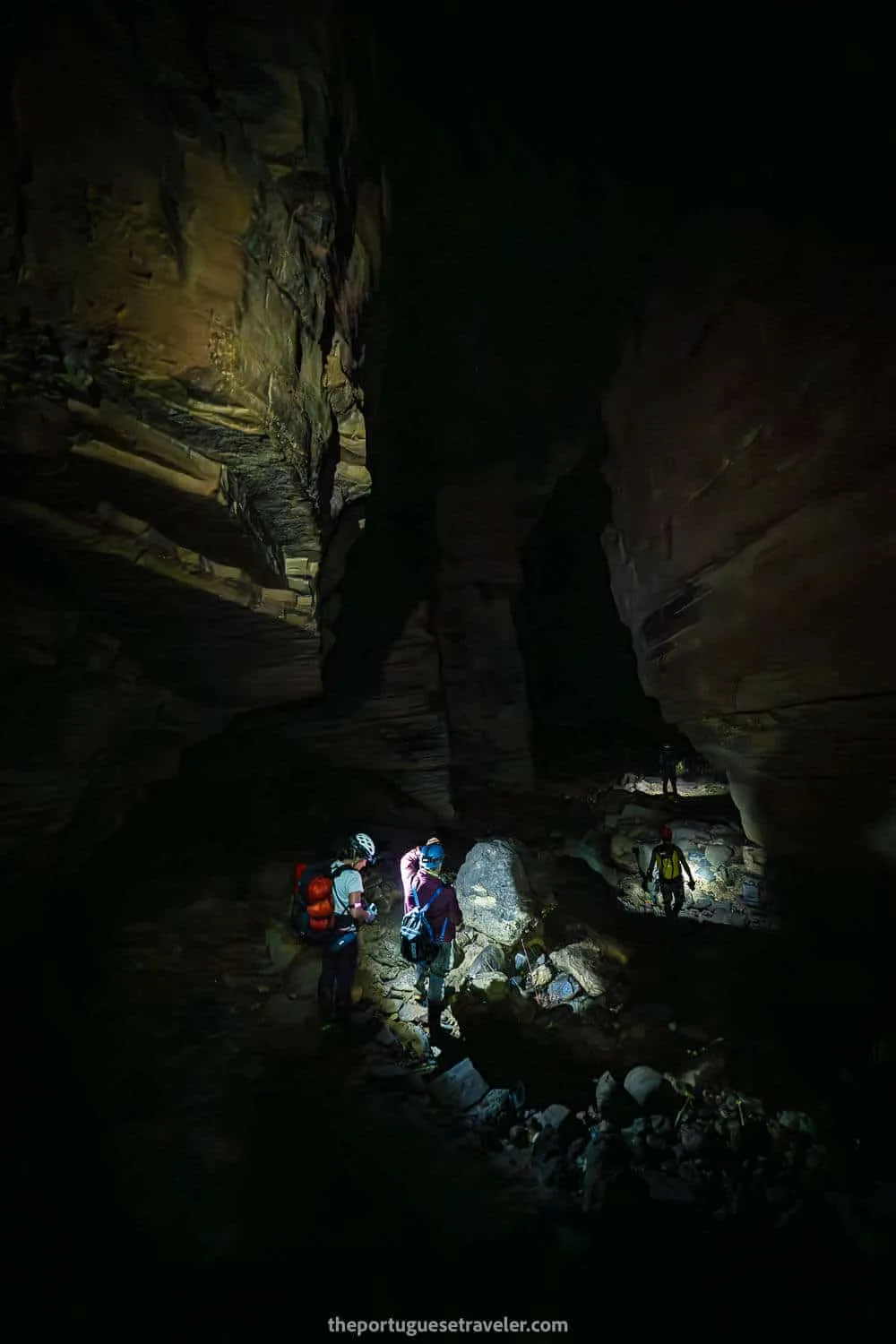
The first few meters of cave exploration
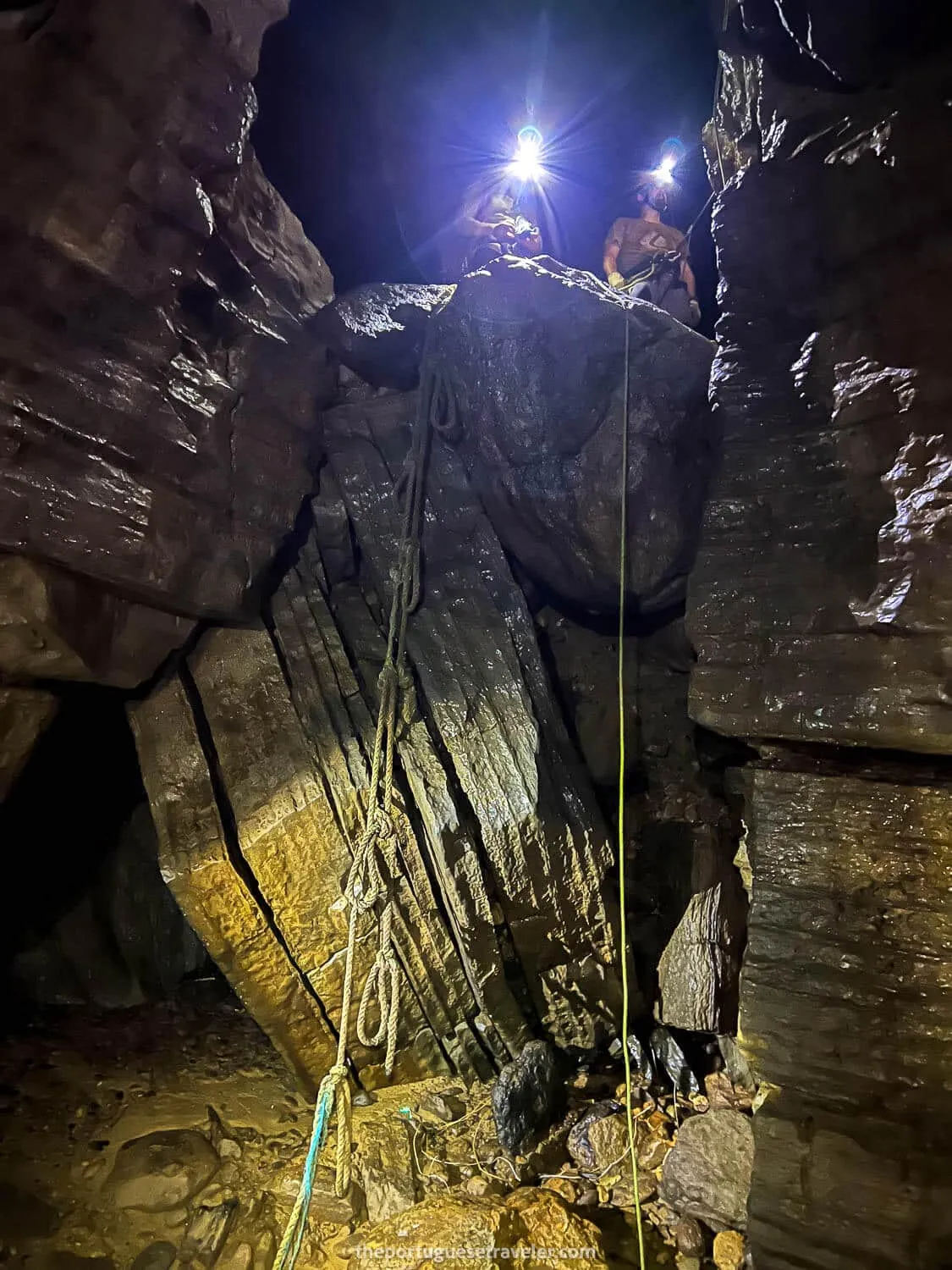
Some of the technical drops on our way to the main vault
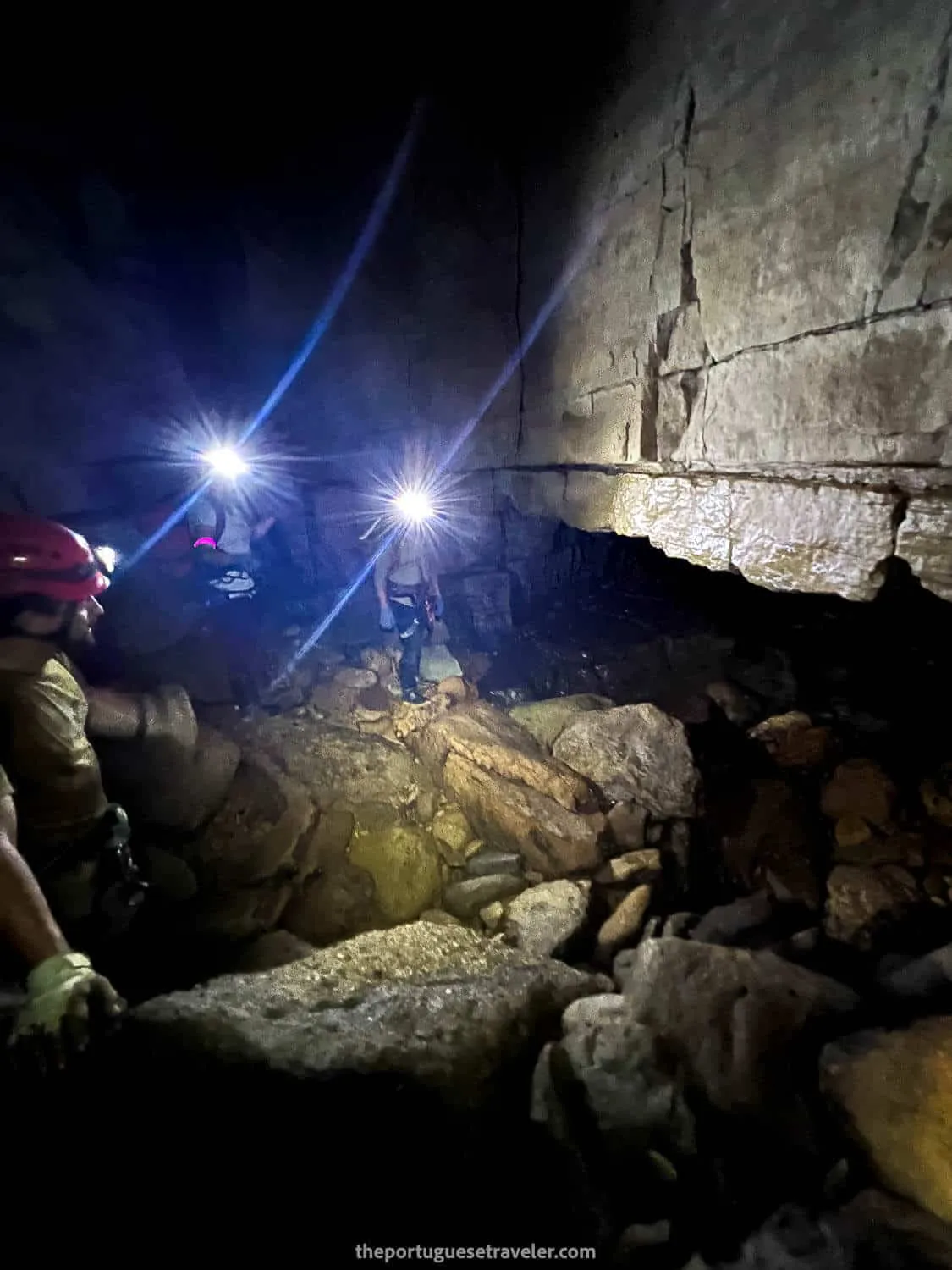
The famous Moricz Arch
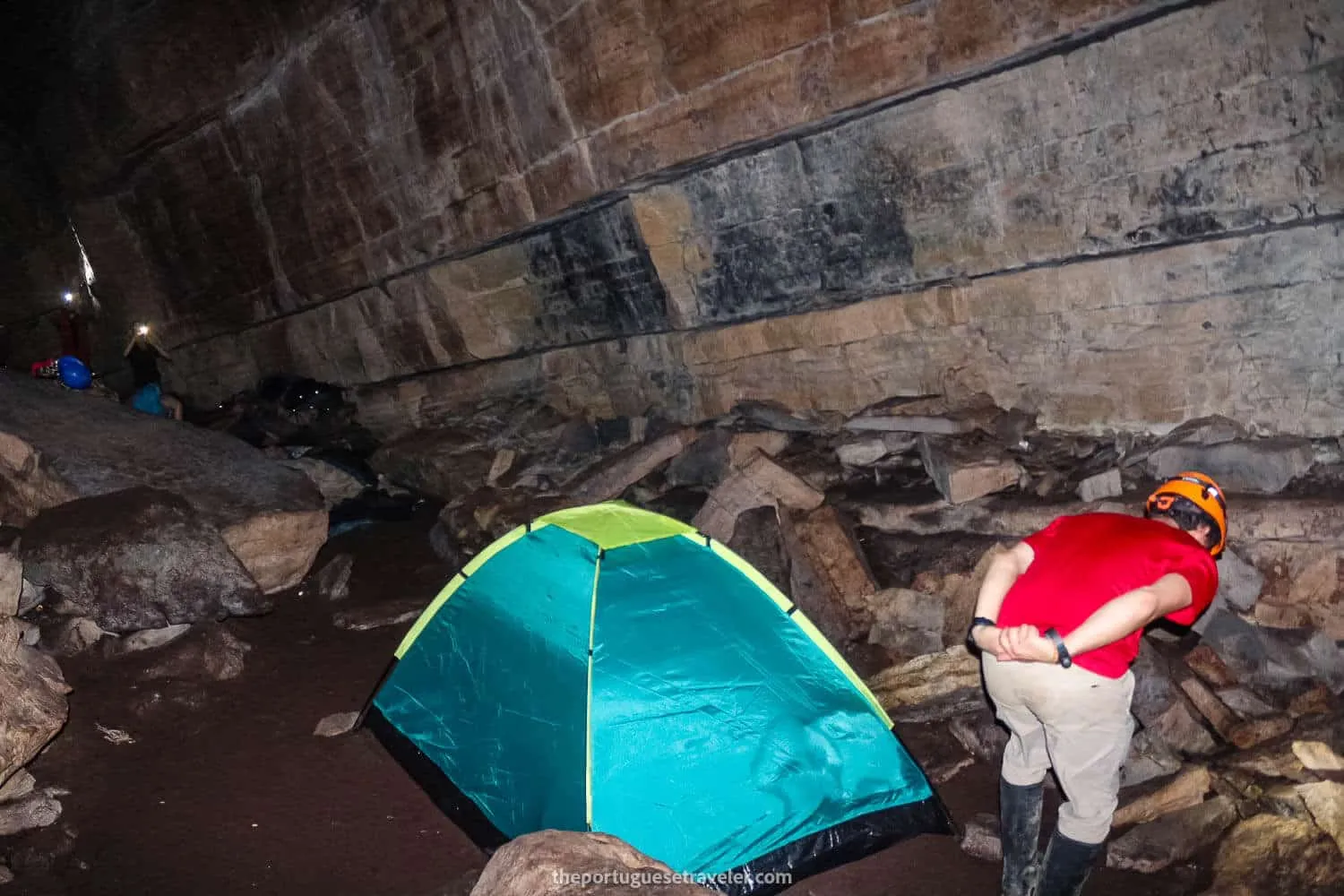
Me searching for cute animals inside the main vault, next to our tent
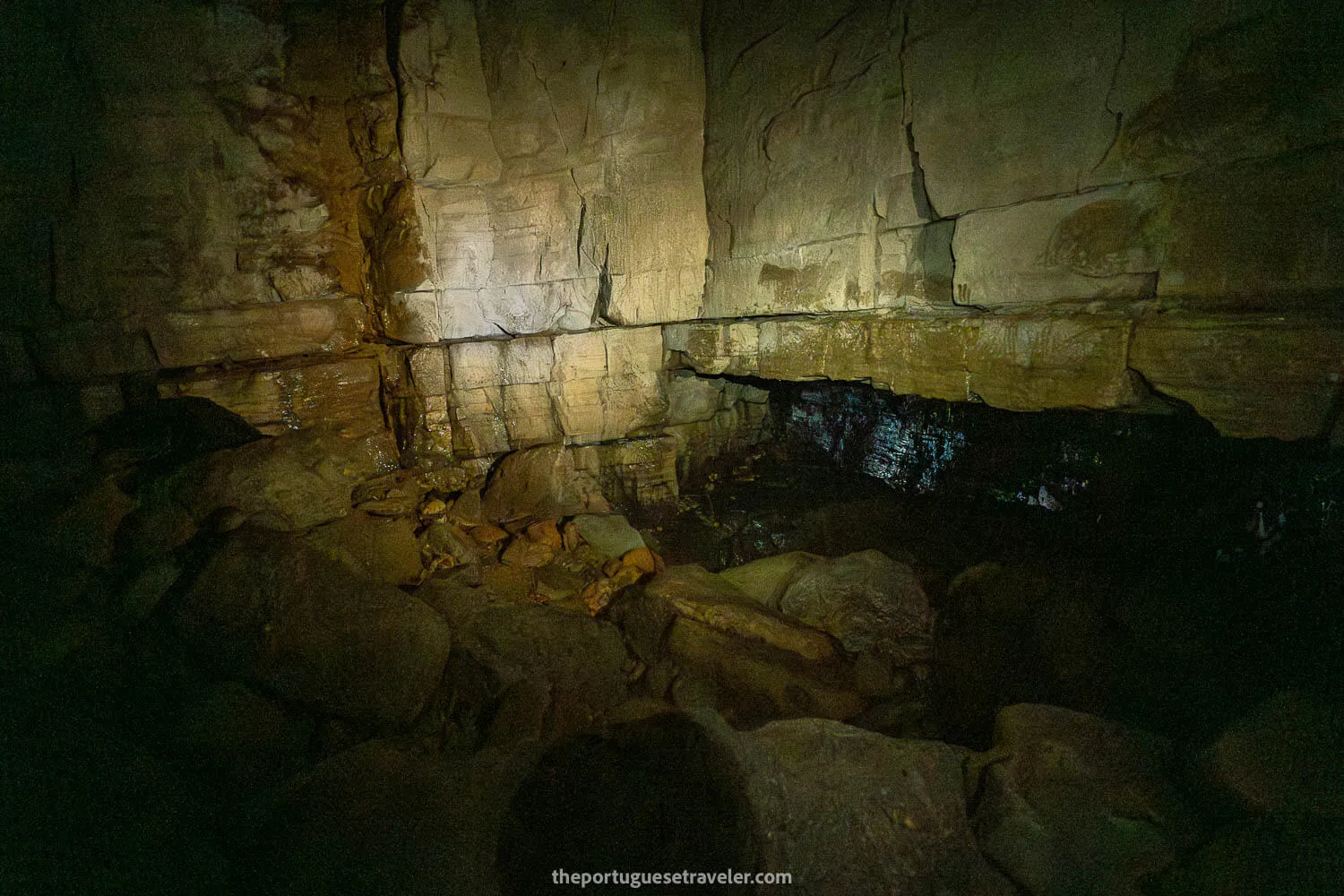
The famous Moricz Arch
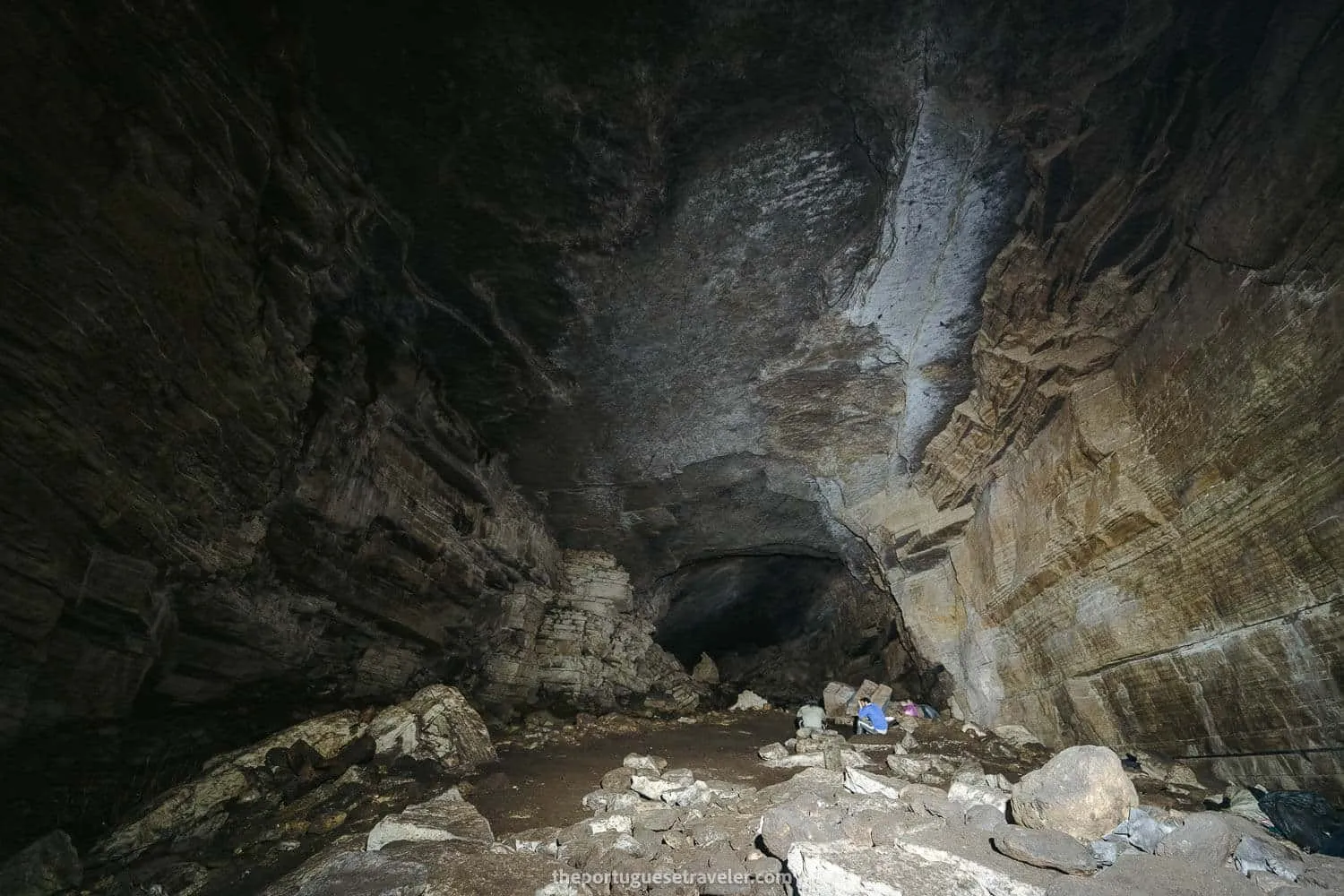
The view of the vault to the side we explored later one
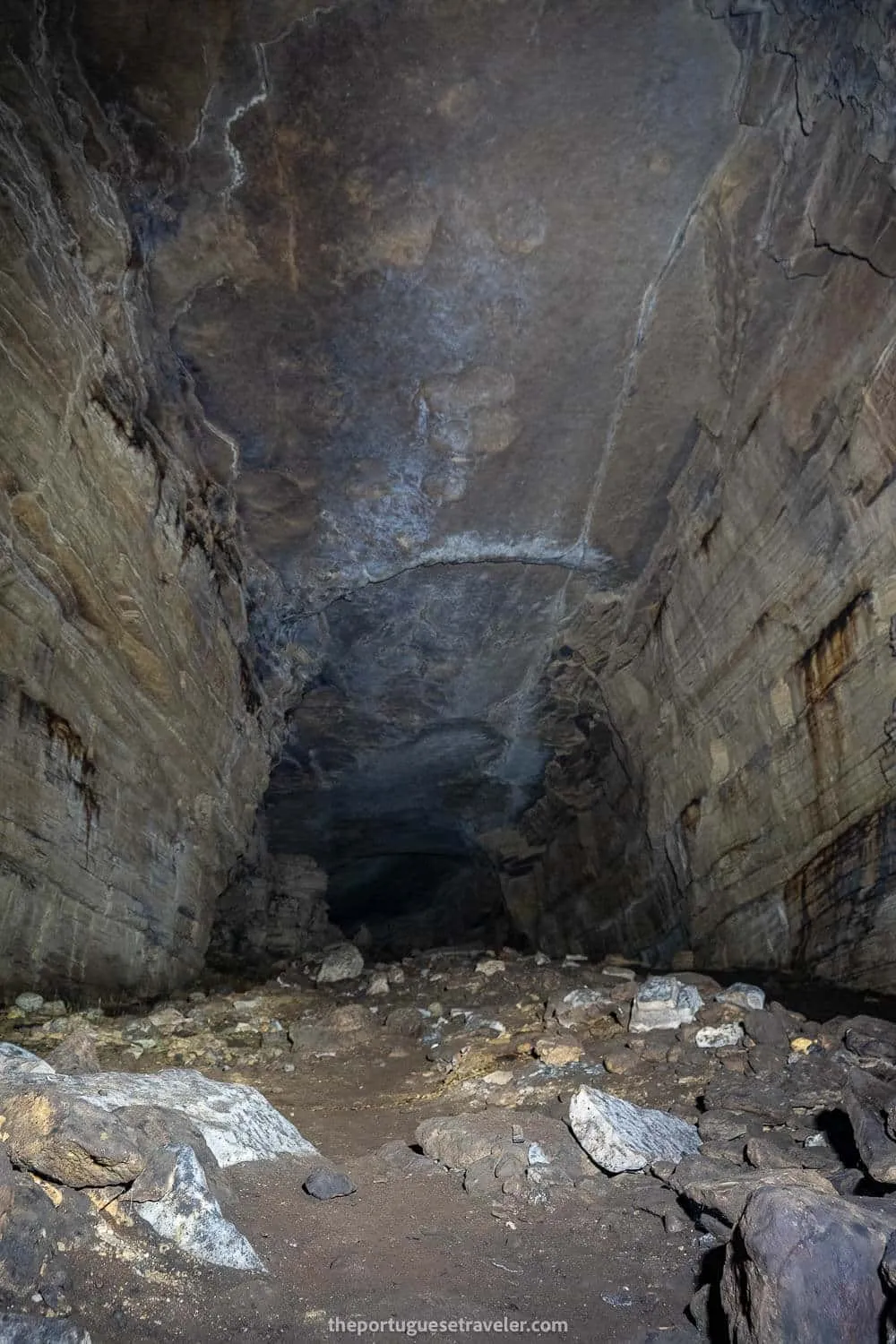
The magnificent height of the main vault
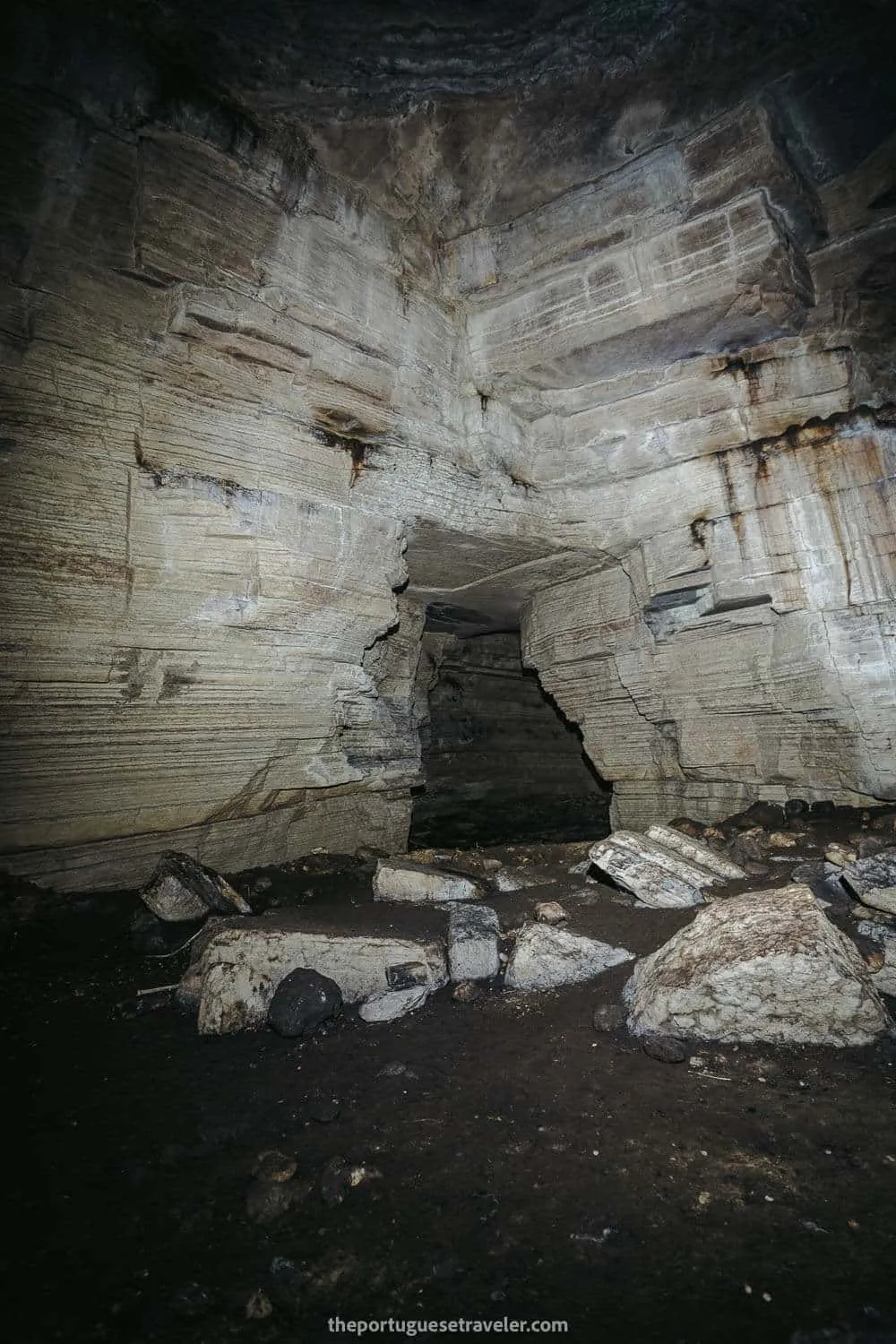
The “too perfect to be man-made doors” inside the main vault
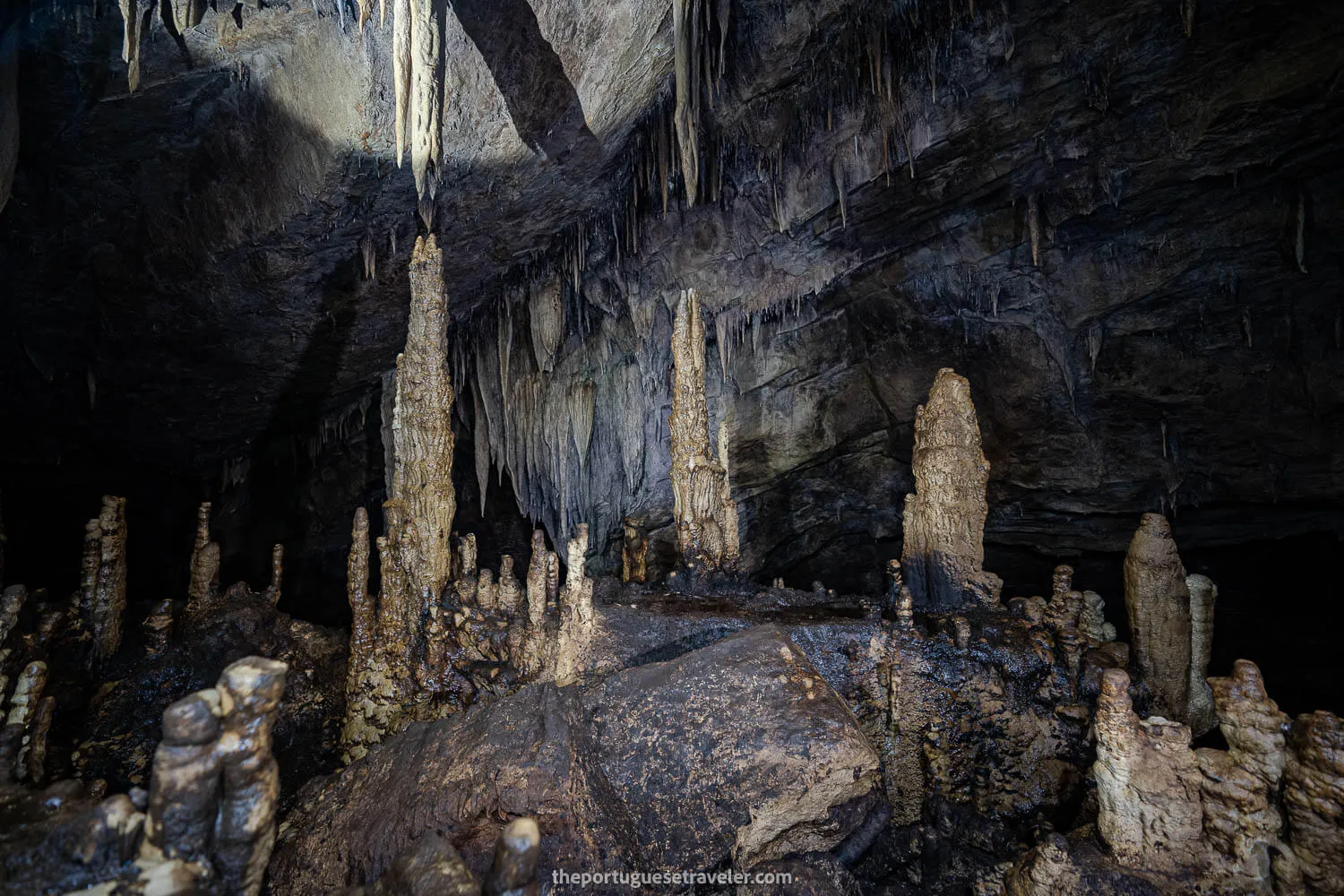
El Cementerio, the graveyard of the Tayos Caves
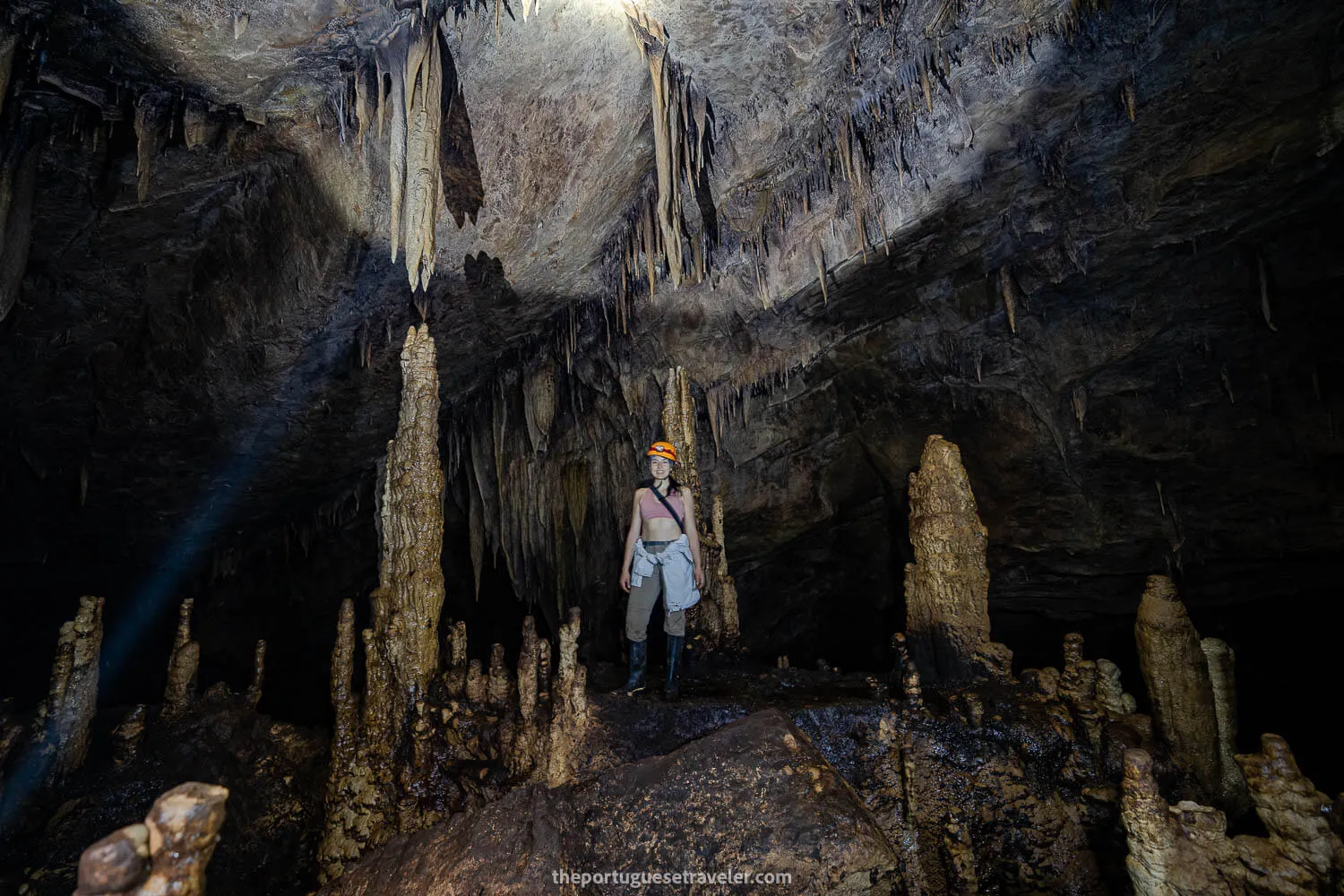
Jhos at the “Graveyard” of stalactites and stalagmites
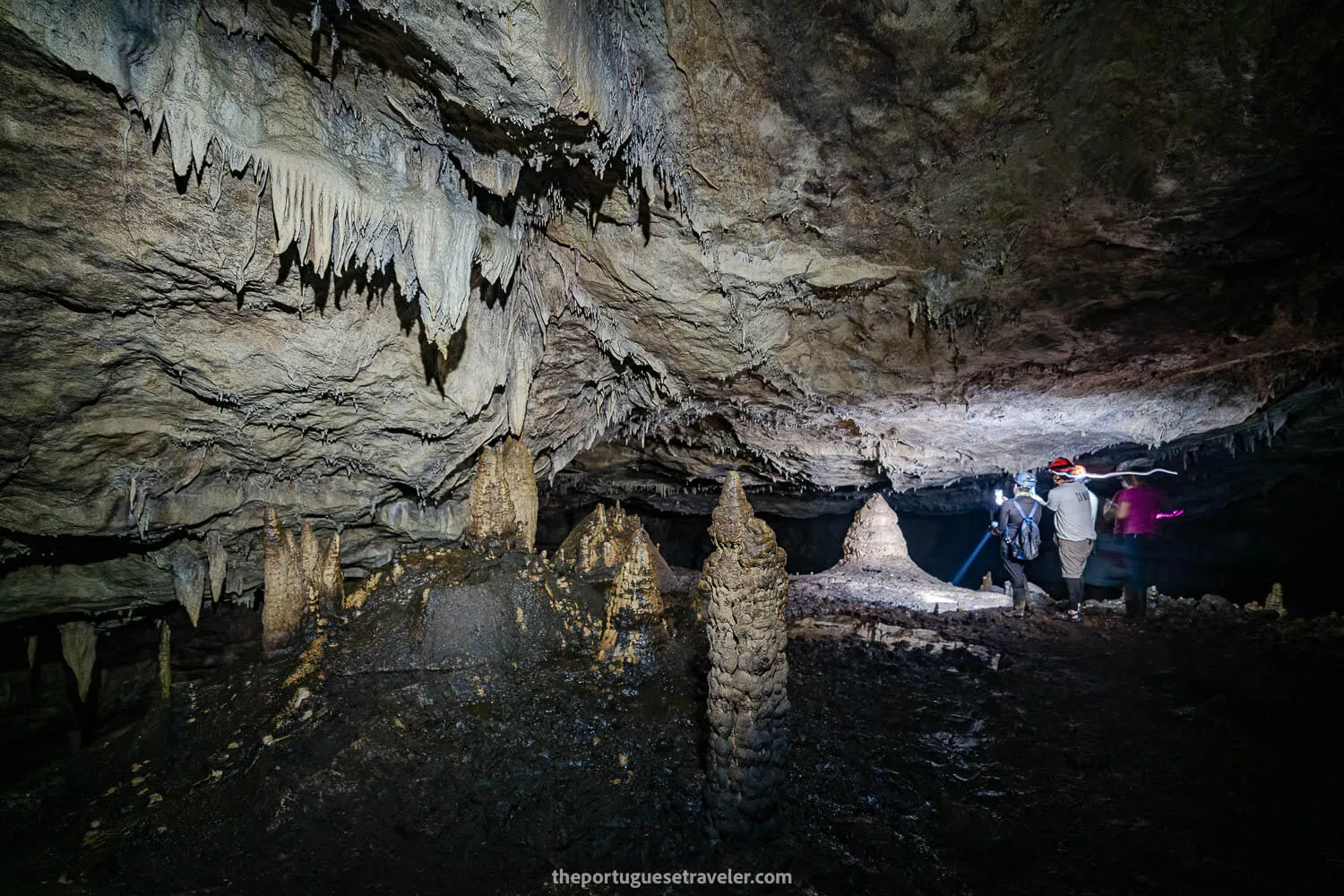
More stalactites and stalagmites
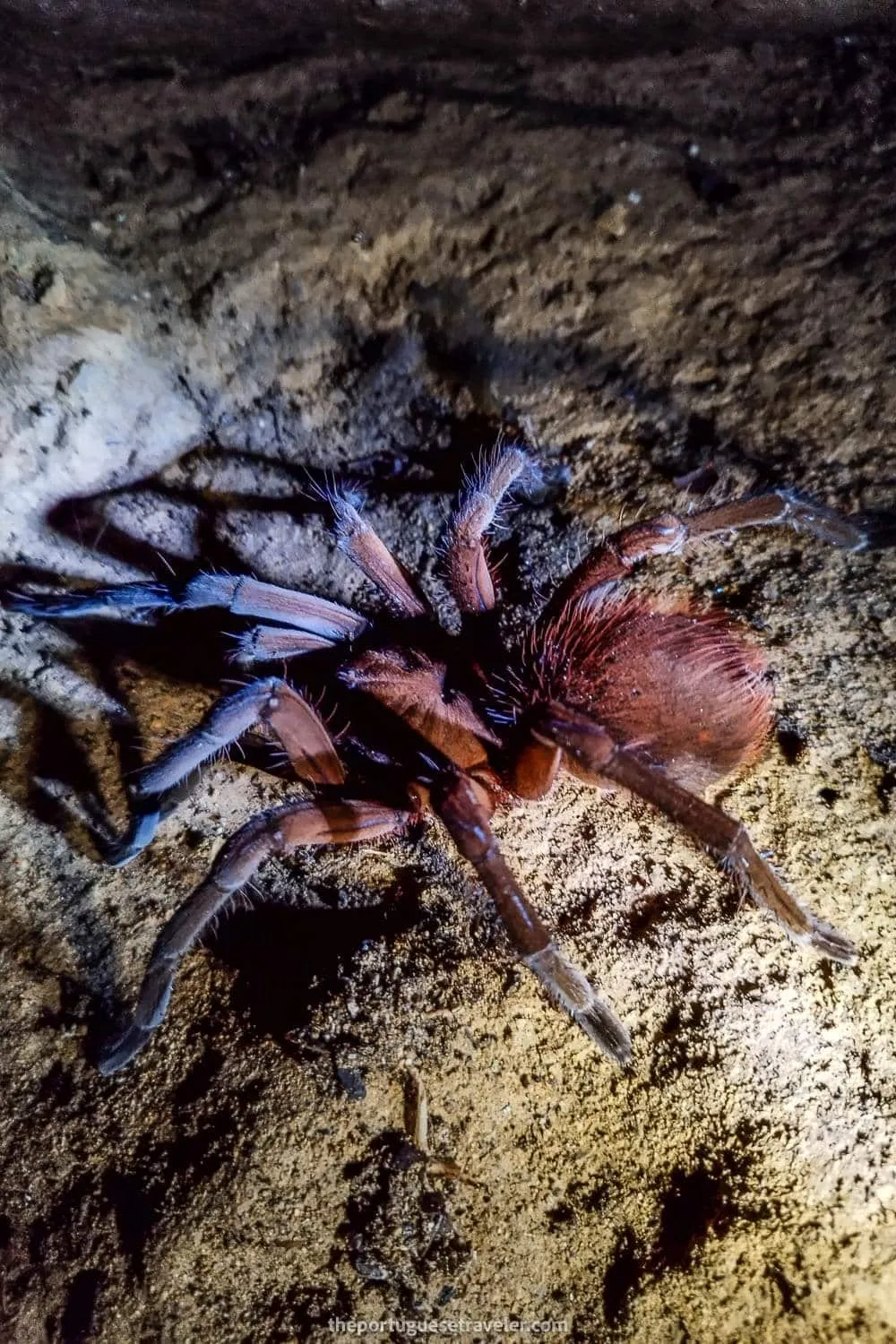
A cute tarantula inside the cave
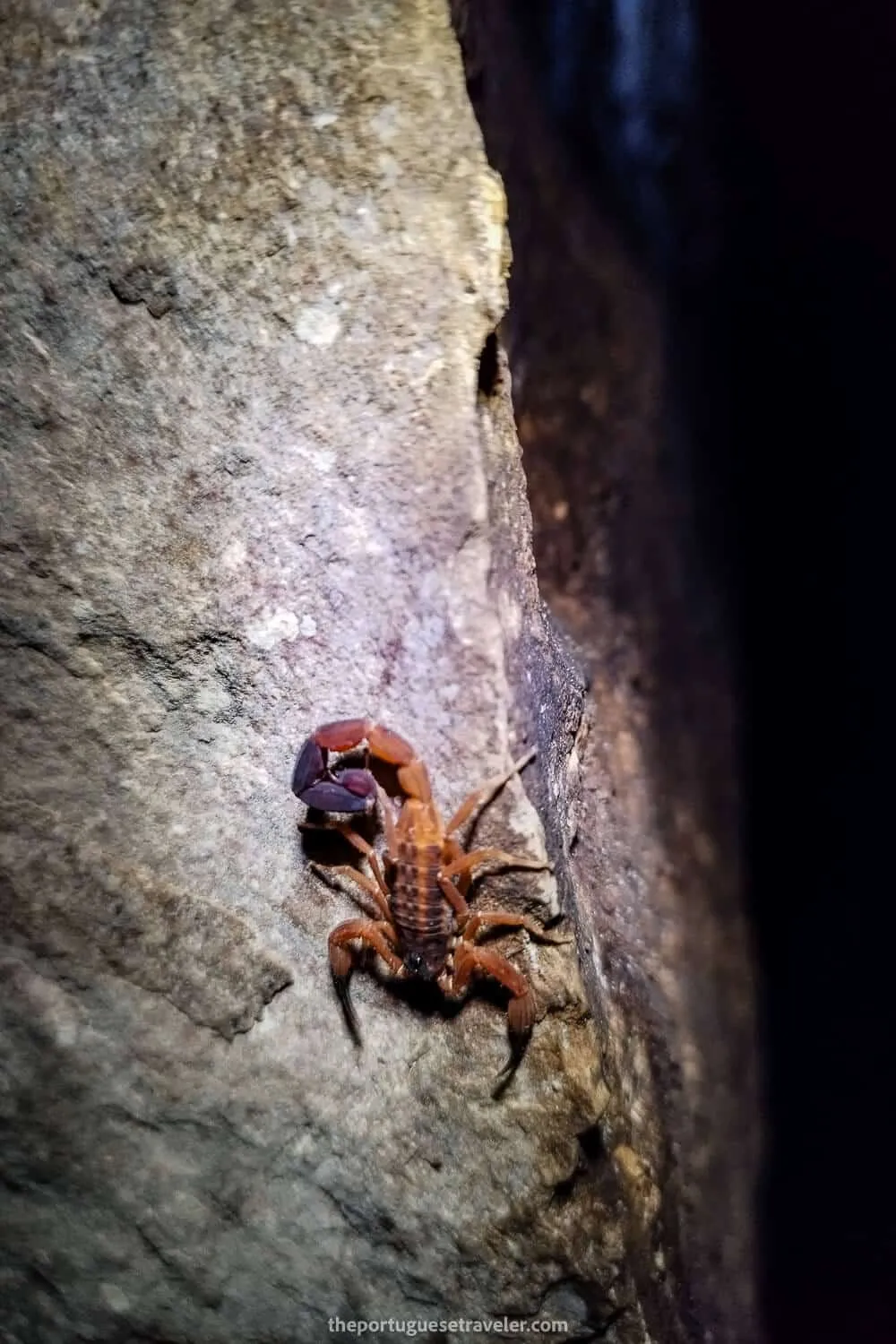
A scorpion inside the cave
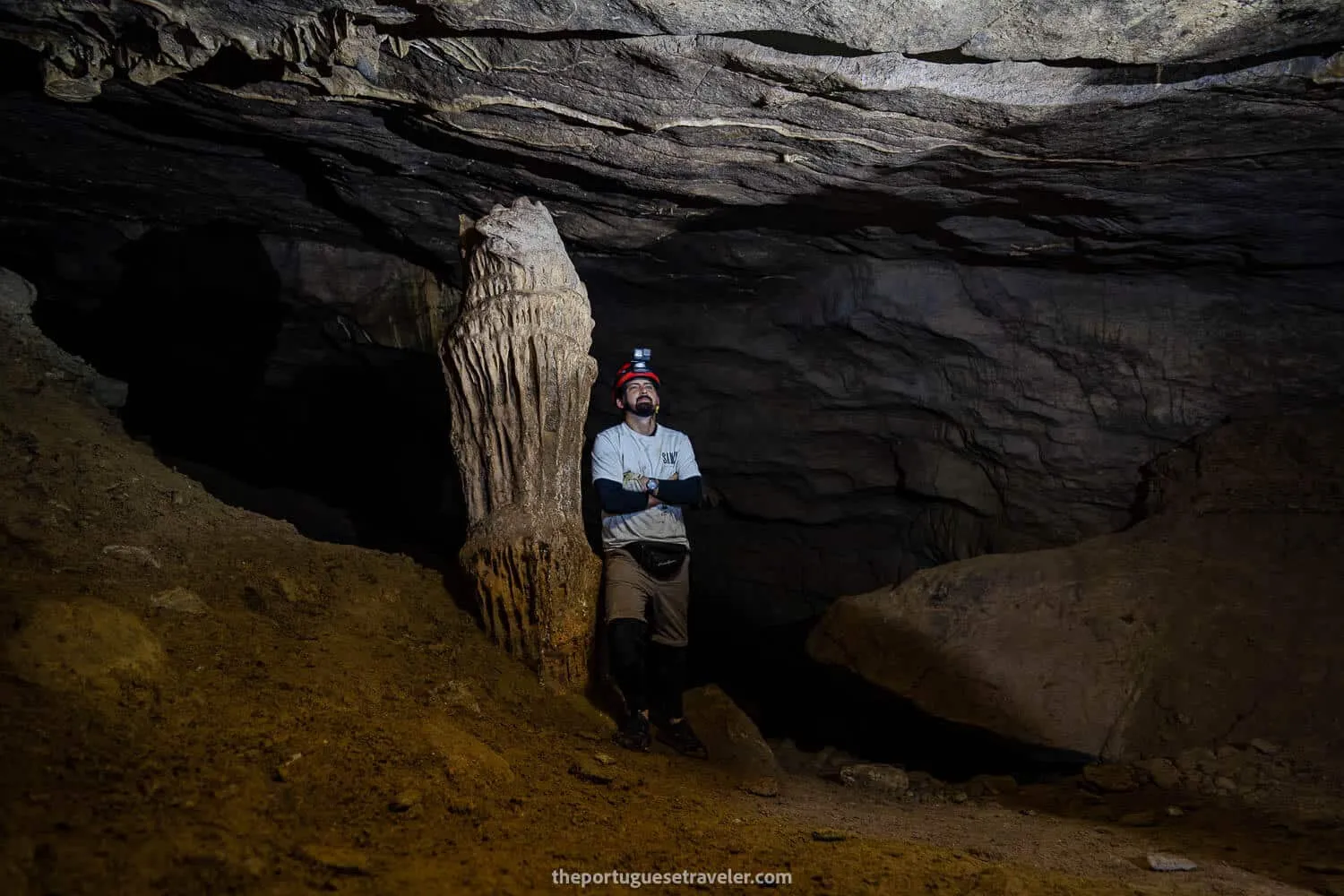
Leandro and Neil Armstrong’s stalagmite
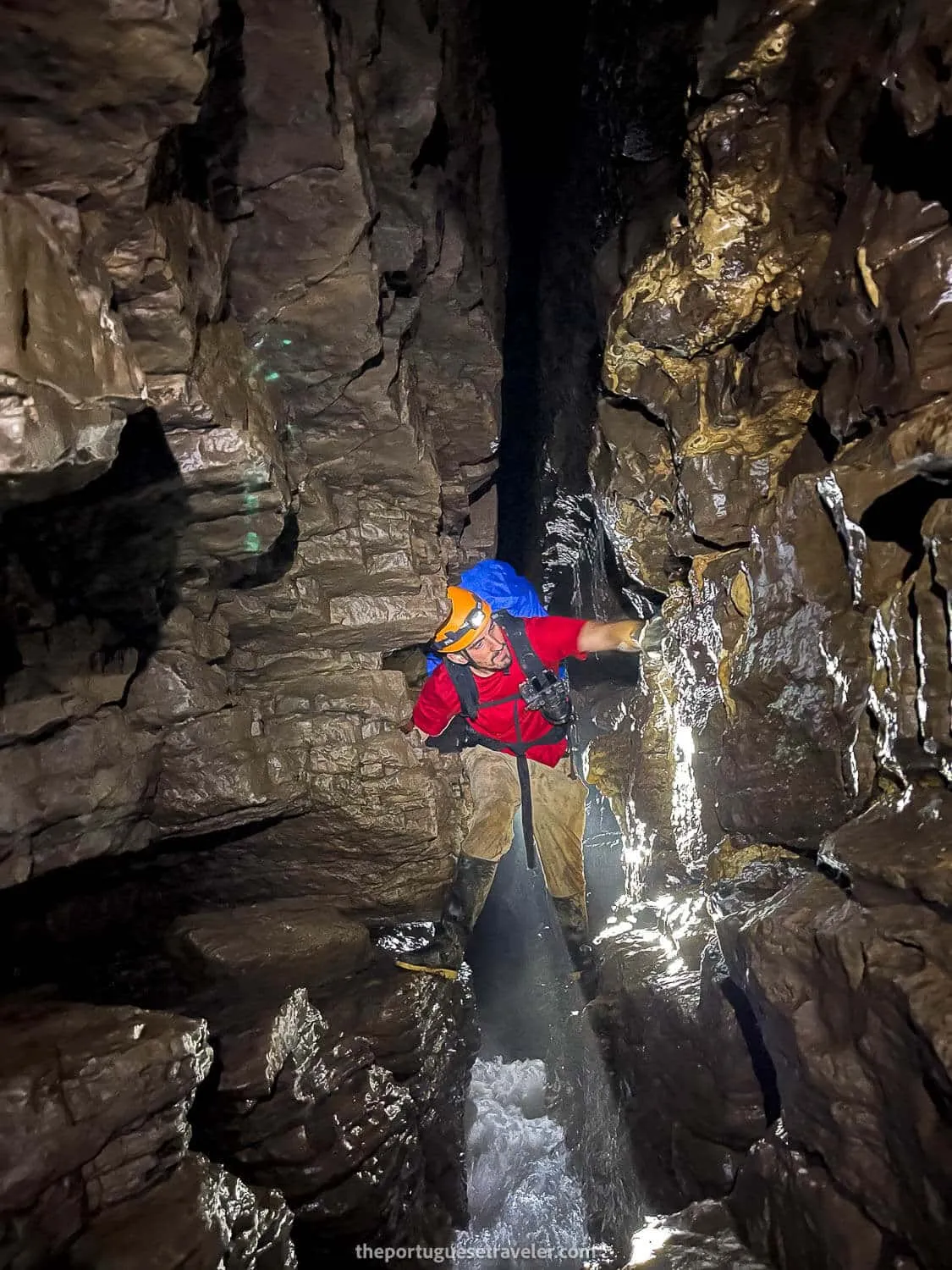
The tight spaces with rivers flowing inside the Cueva de Los Tayos
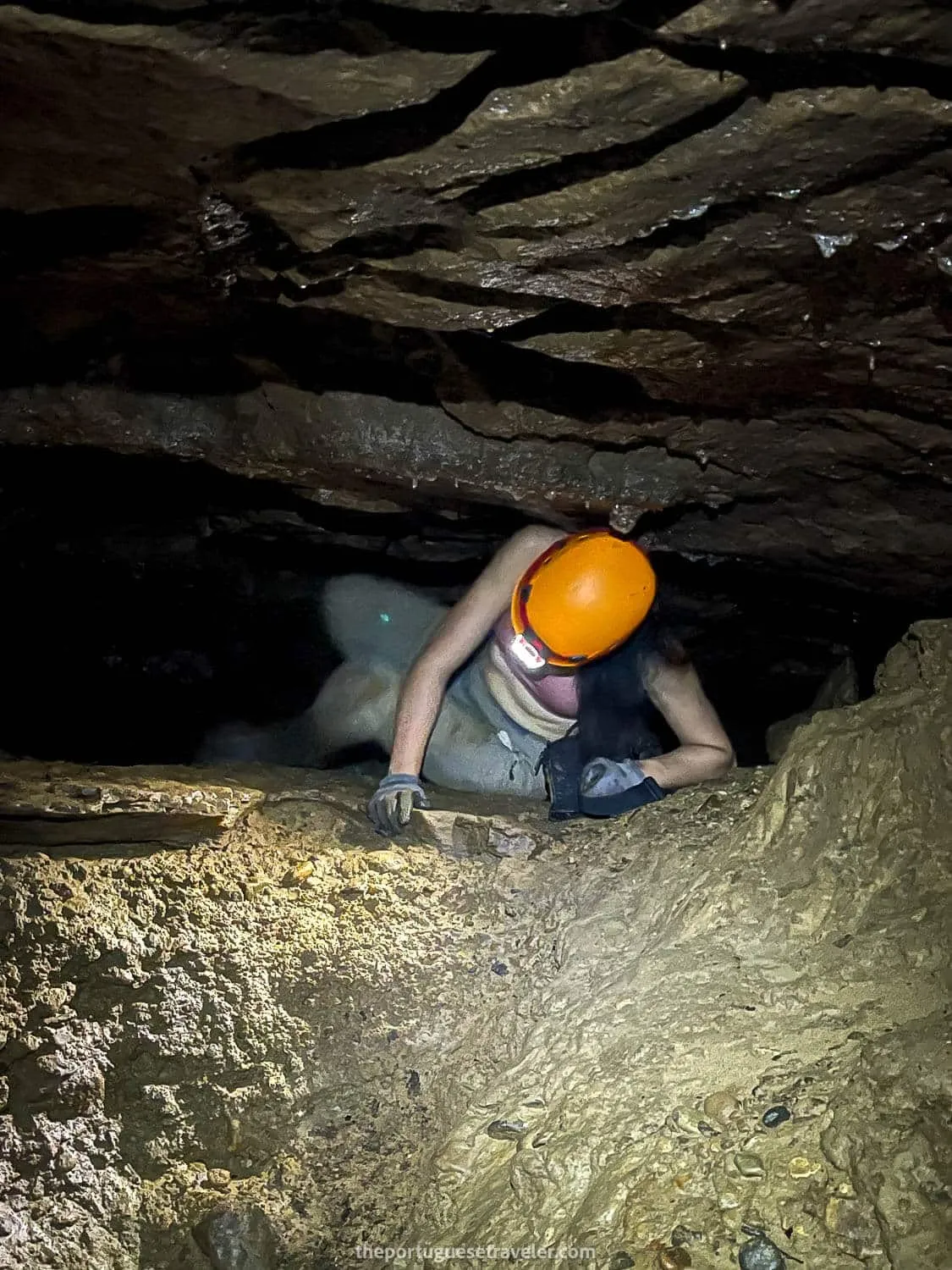
Jhos passing through a narrow passage in Cueva de Los Tayos
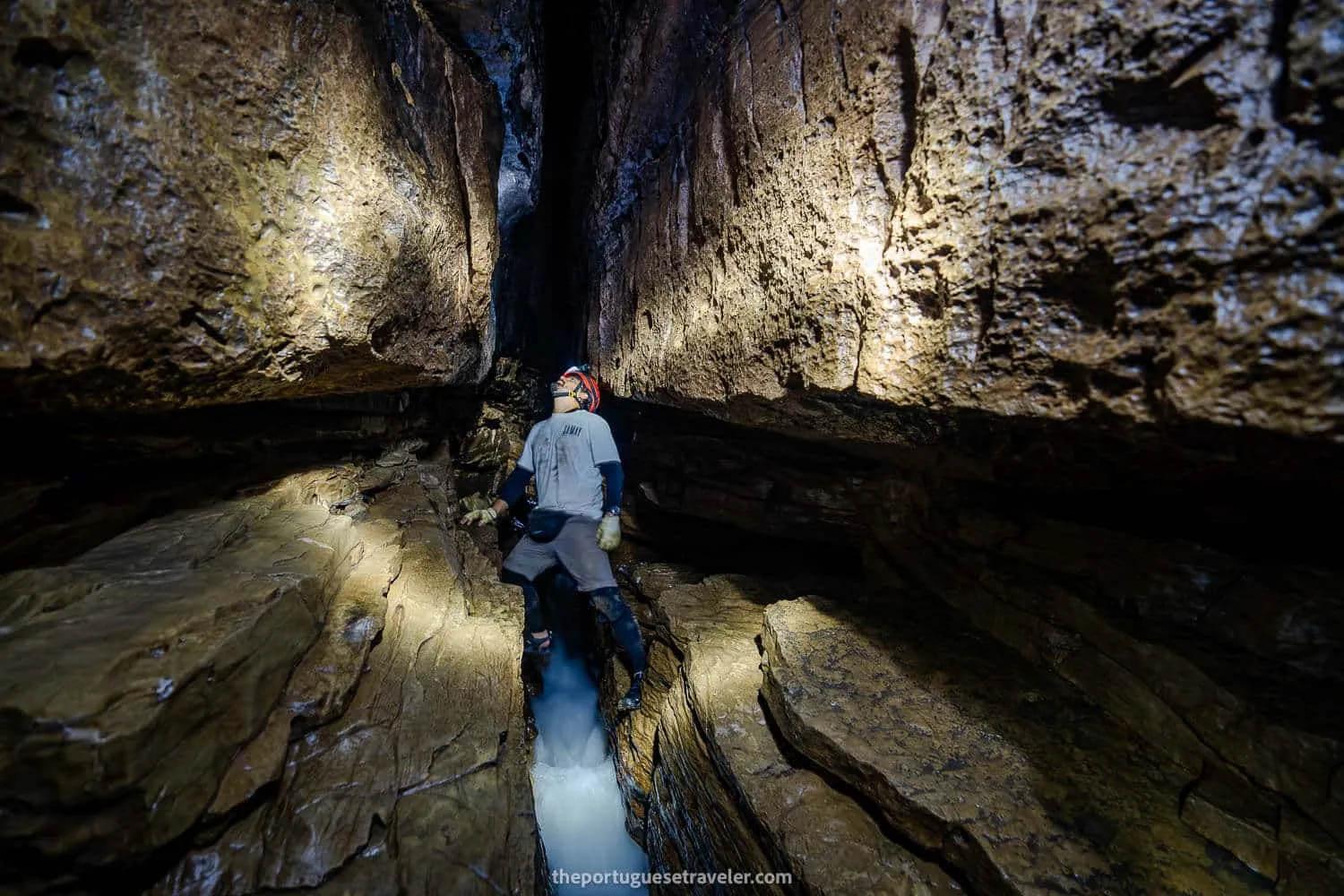
Leandro looking at how high this river fissure was
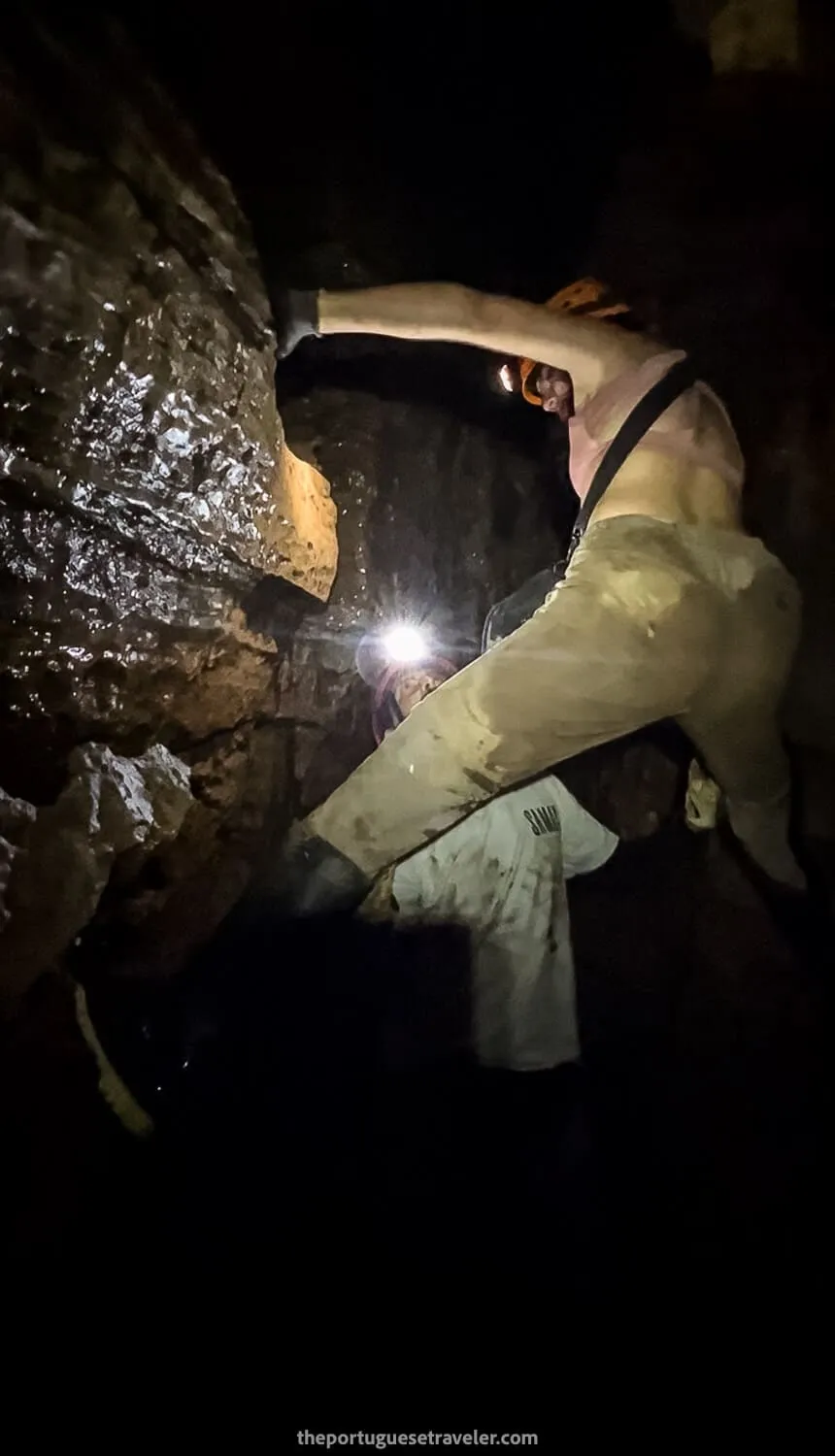
Lara Croft passing through the obstacles w/ Leandro’s help
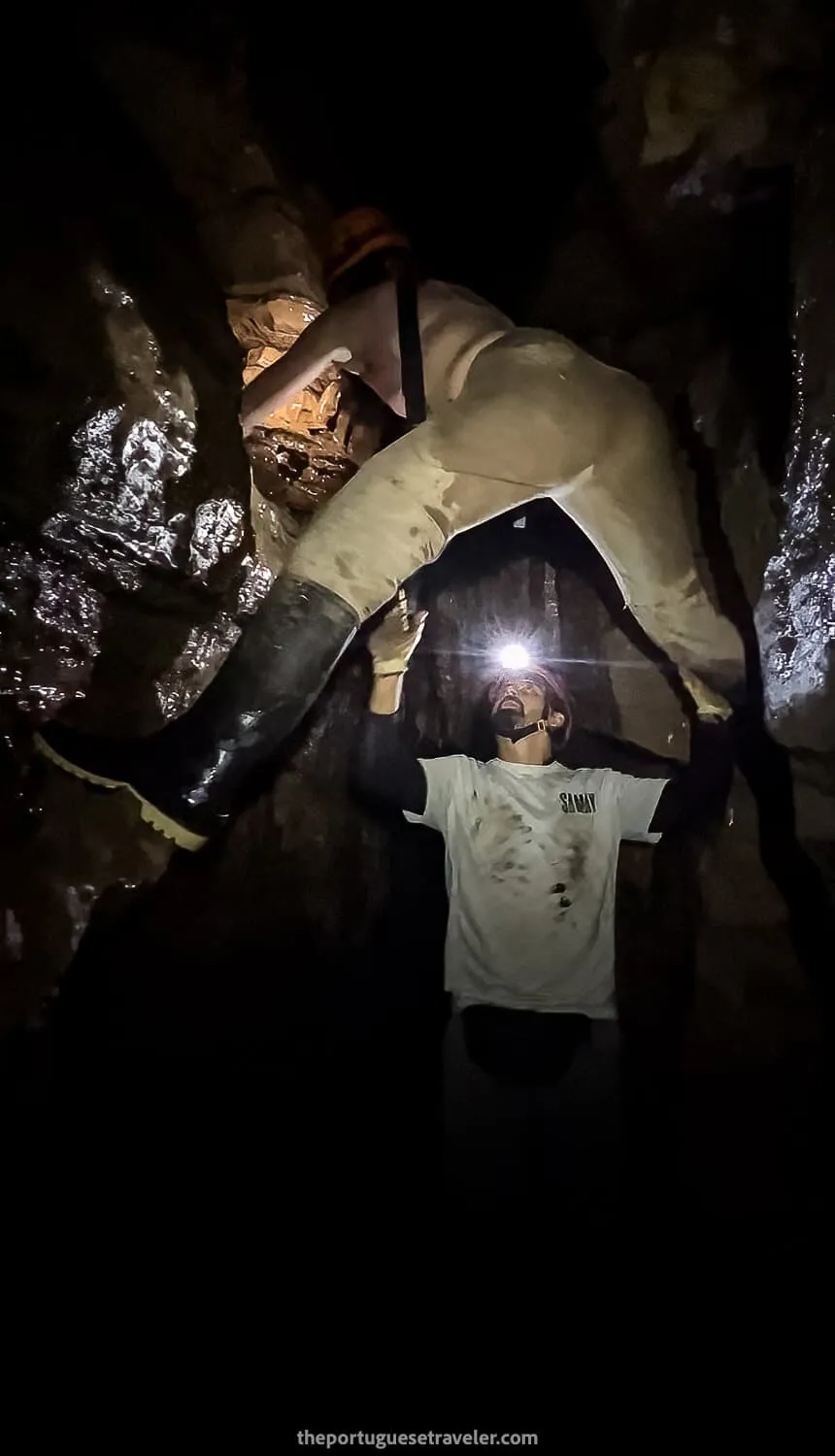
Jhos slowly almost reaching the exit passage
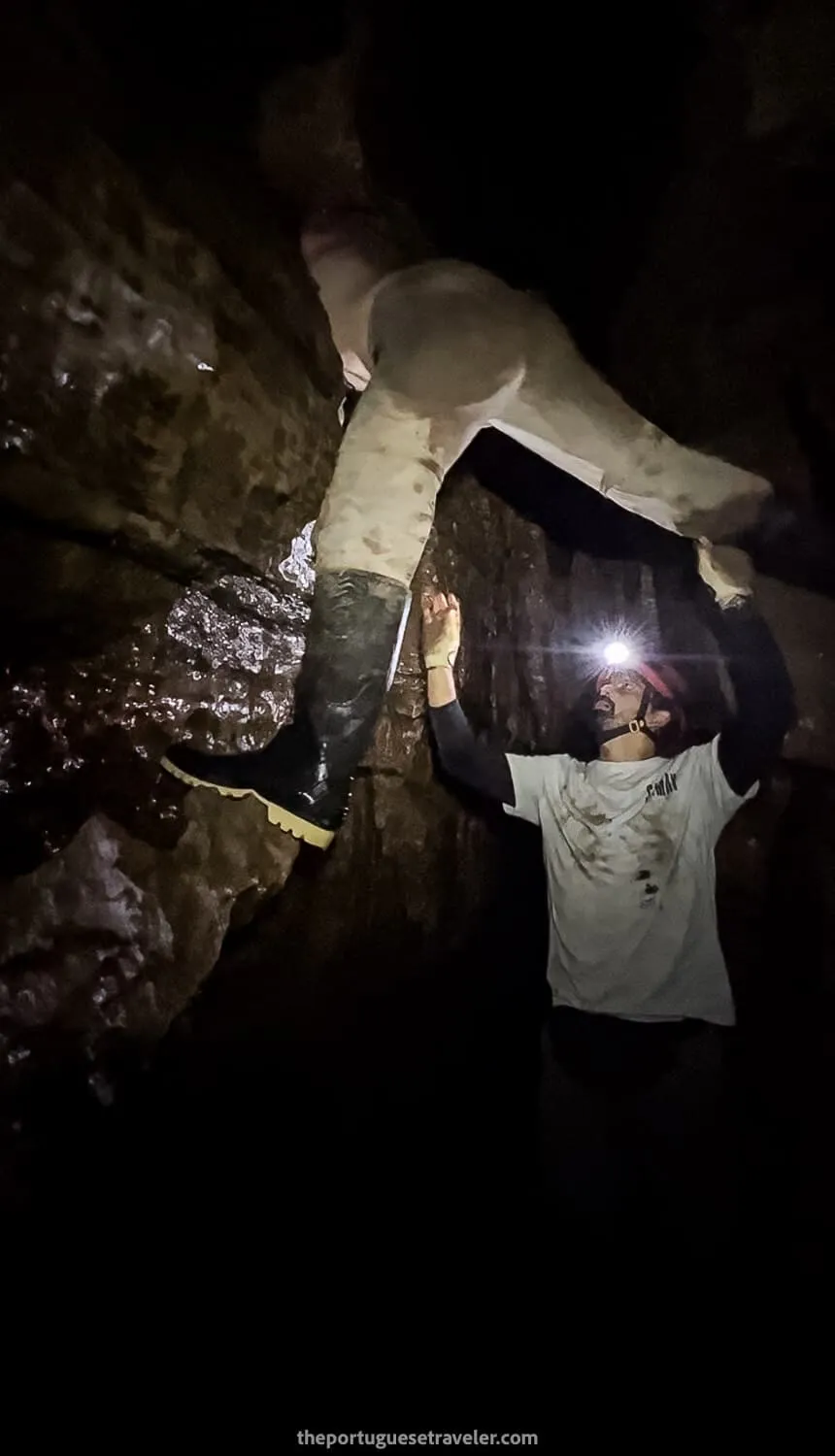
Reached it. Thats where we all had to pass
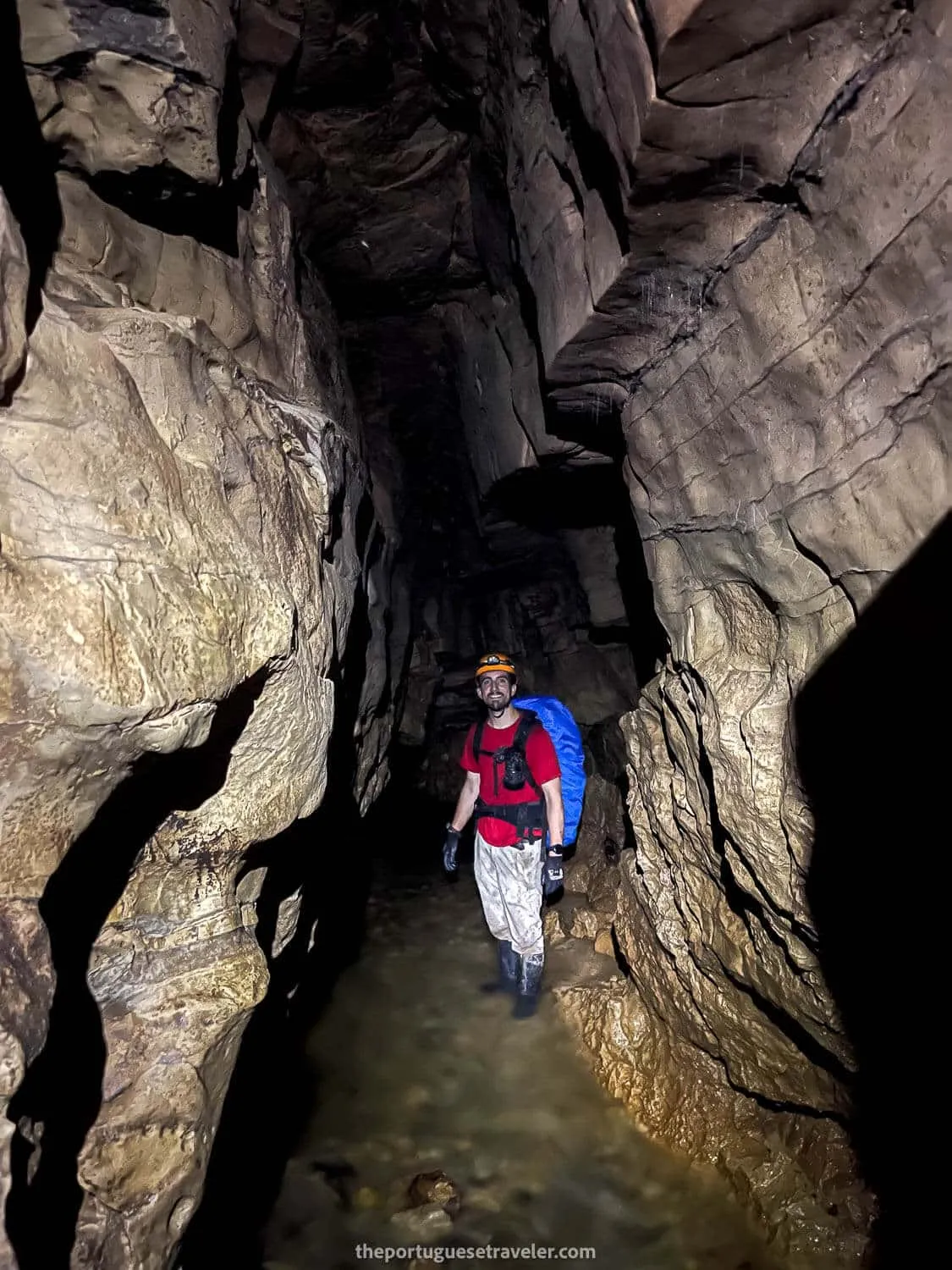
Me packed with my Adventure Atlas Pack completely oversized for this place
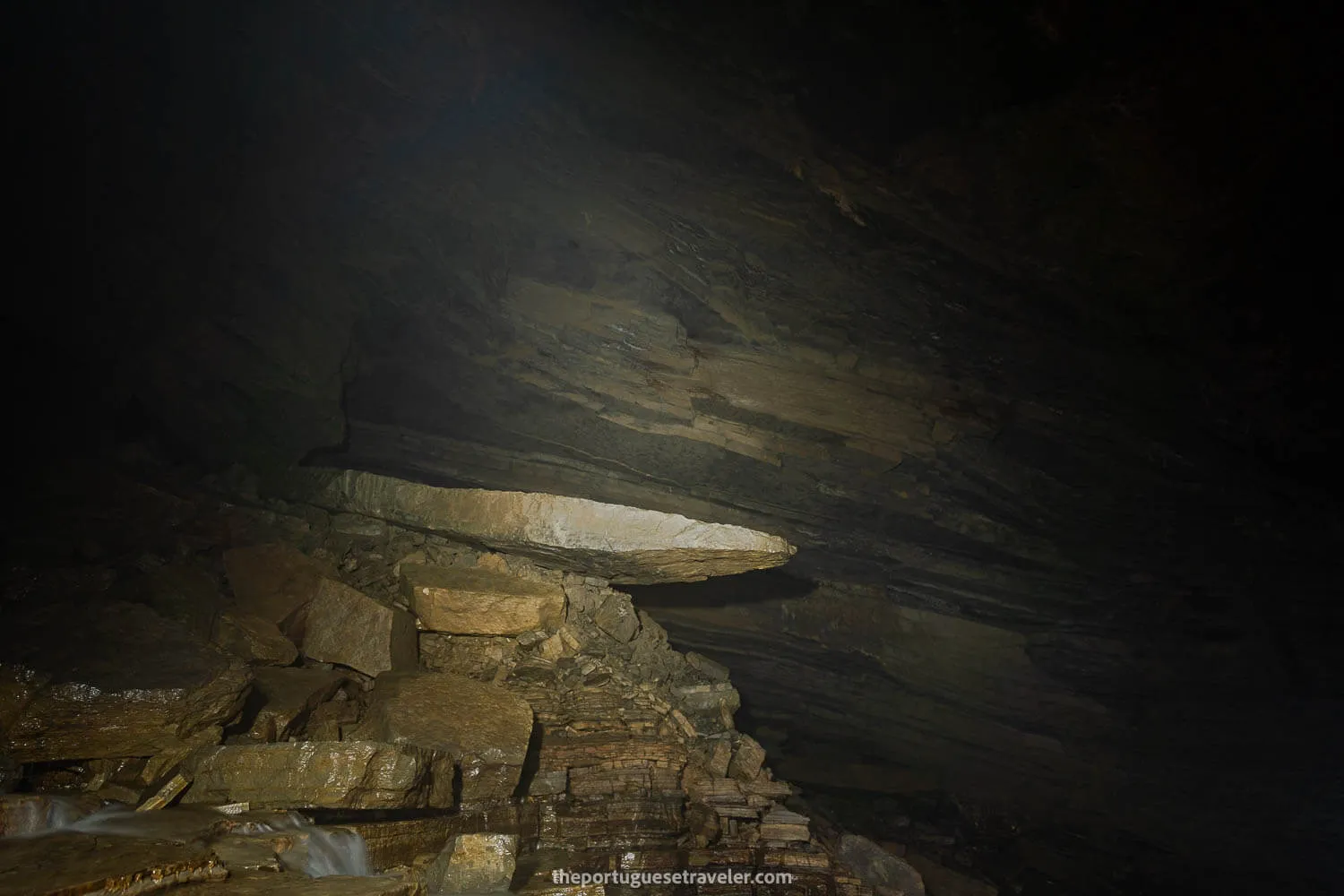
The Amphitheater’s famous rock
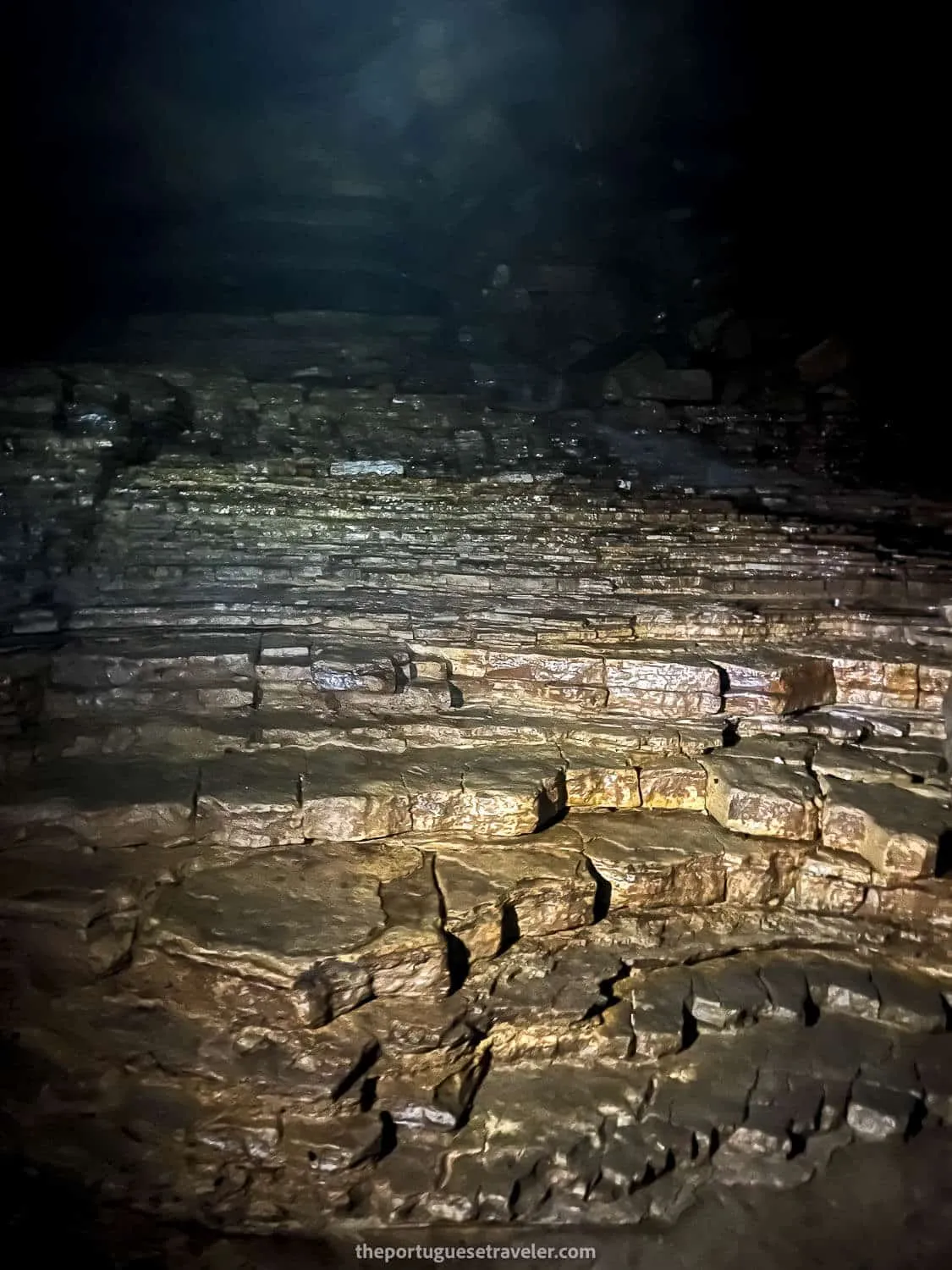
The Amphitheater’s rock seat formations
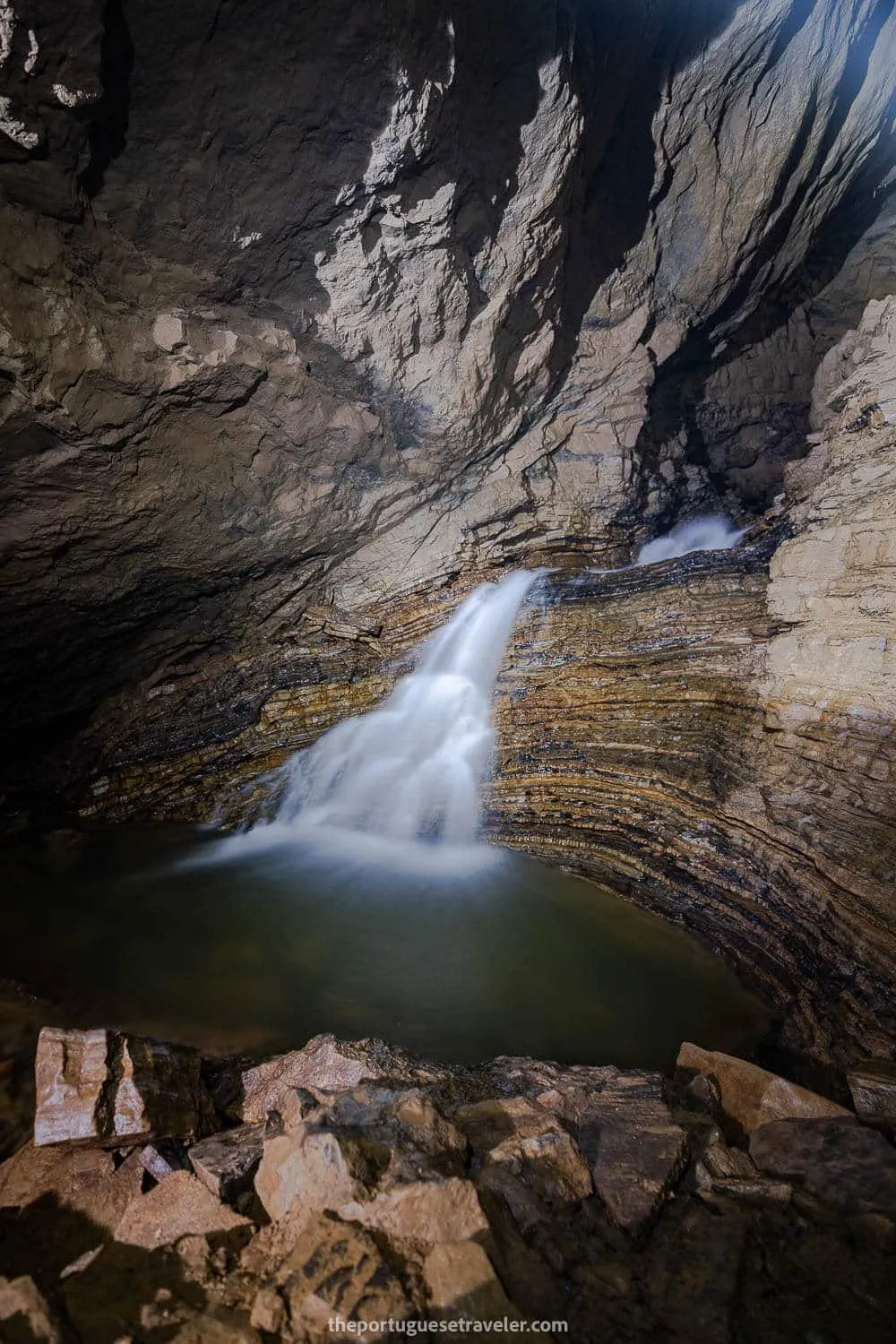
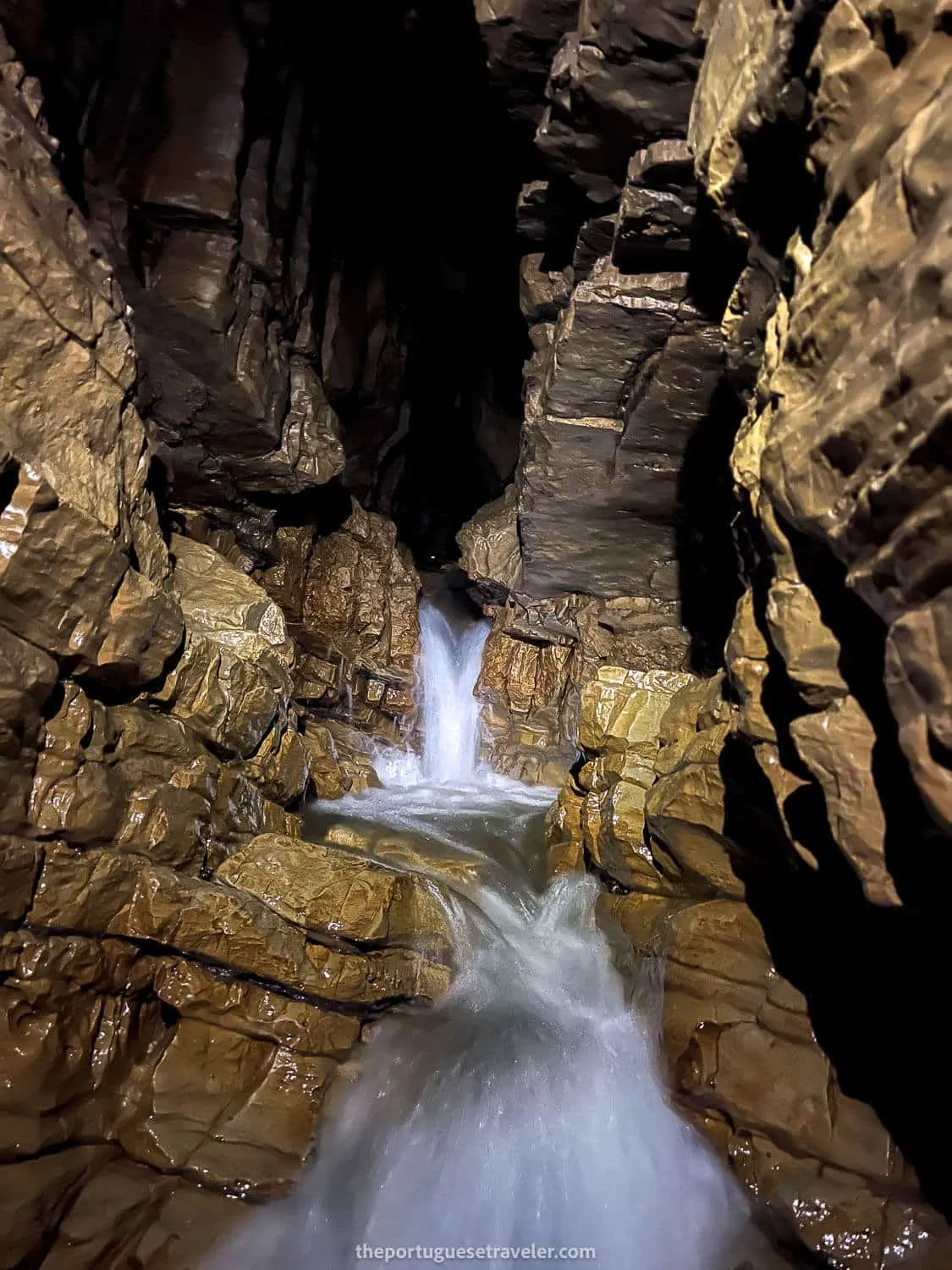
The main waterfall inside the cave
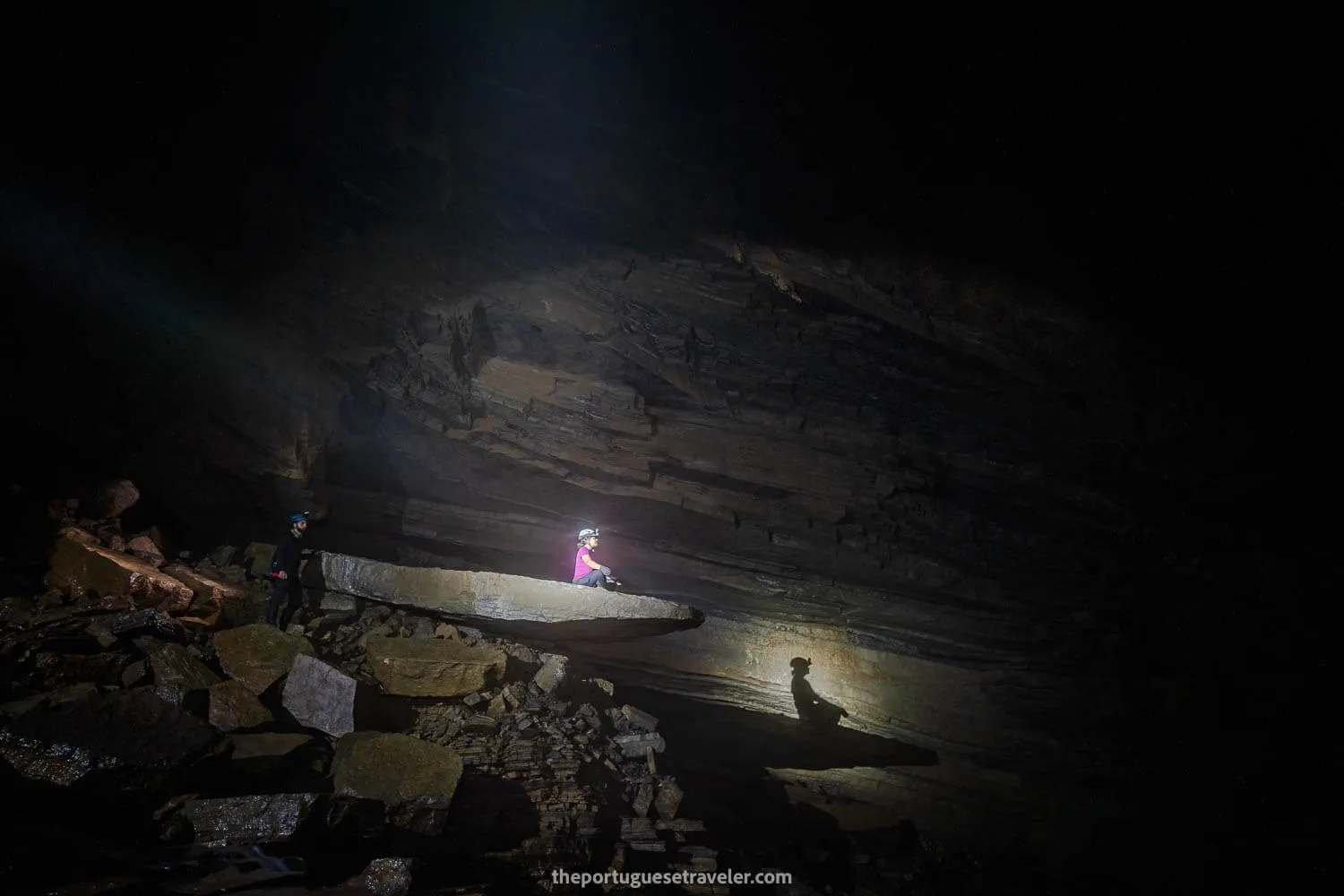
Stefany posing on the rock
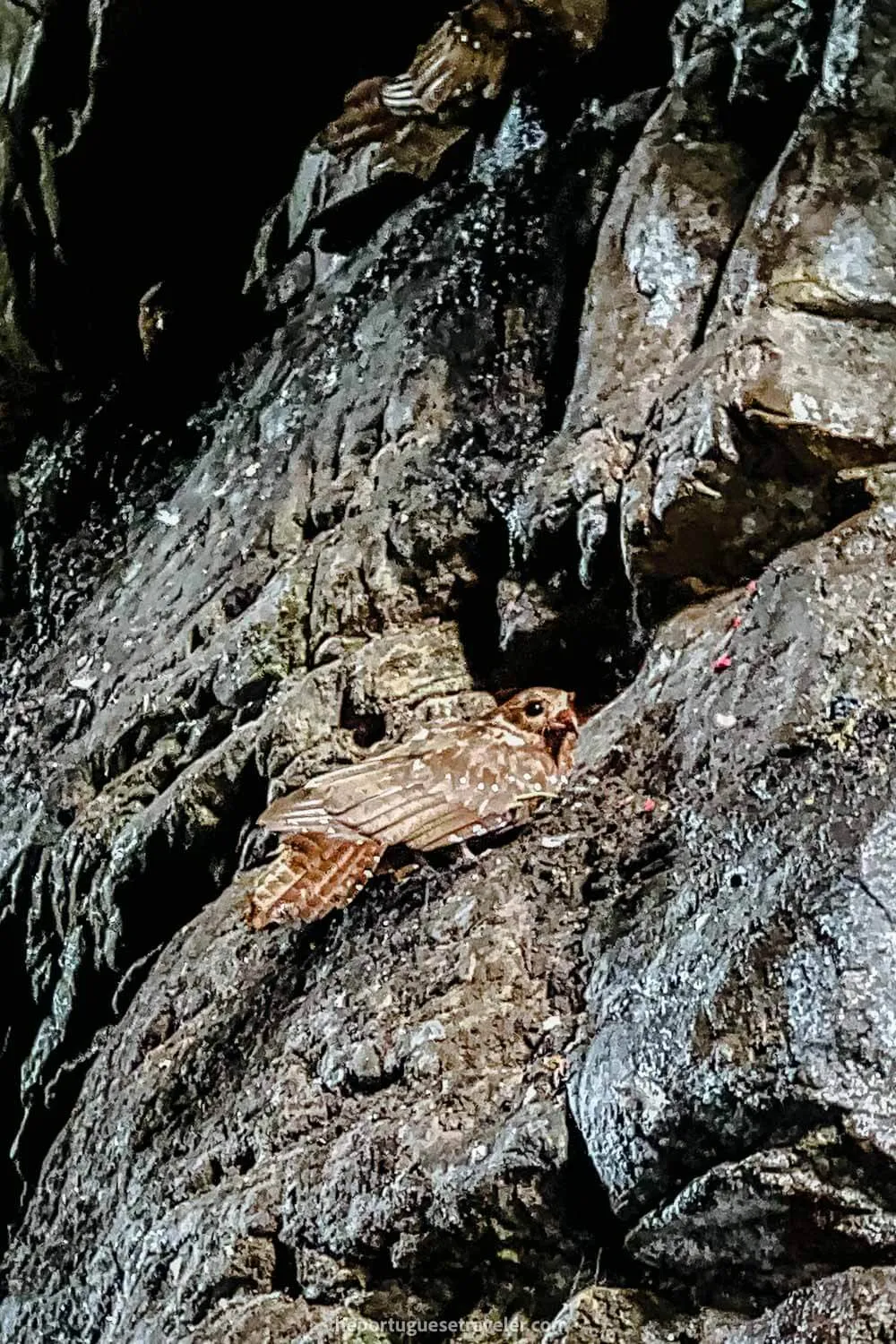
A Tayo bird (Oilbird) in Gruta de Los Tayos
Adventures in the Cave: Unexpected Discoveries and Challenges
To my surprise, the reason I had carried the backpack—my desire to photograph the famous Altar or Cathedral—turned out to be in vain. The renowned cathedral was situated right at the beginning of the cave, not requiring any extensive exploration to reach. Carrying the backpack turned out to be unnecessary, as we discovered the cathedral the following day, conveniently located adjacent to our campsite and just near the cave entrance.
One particular moment I remember vividly was when I had to climb up a hole that was 40 cm higher than my head, with a waterfall flowing through it. There was water everywhere, and there was no way my backpack and I could pass through together without getting soaked. The solution was for those who had already crossed to sit down in the little river leading to the waterfall and pull my backpack from above, hoping it wouldn’t get wet. Miraculously, it worked, and my gear remained dry. However, when they stood up, the waterfall started flowing again, and they insisted that I, too, endure the waterfall as they had. So, I got thoroughly wet, but it added to the adventure. Fortunately, I had spare clothes back at the tent.
Despite these challenges, we reached a section known as “The Amphitheater,” where nature had artistically carved out an amphitheater-like space. Here, we were greeted by a prominent rock formation jutting out, providing an ideal backdrop for photos. It was an intriguing and unique location within the cave.
After spending approximately 20 minutes in The Amphitheater, we retraced our steps through another parallel path, where we encountered yet another magnificent waterfall. Here, people typically took a brief shower or refreshed themselves in the cool waters. Following this refreshing stop, we returned safely to our base camp in the cave.
Our base camp was a remarkable place to spend the night, surrounded by the cave’s vastness. We had dinner, cooked some chicken, and enjoyed a much-needed break. We were well-hidden inside our tents, ensuring that no spiders, scorpions, or snakes could disrupt our rest. Interestingly, some individuals chose to sleep without tents, relying solely on their sleeping bags. It remained a mystery whether this was due to an oversight by their tour agency or a desire for the full adventure experience.
Notably, earlier in the year, until June, there was a higher chance of experiencing the deafening and mesmerizing sounds of the Tayos birds. However, by August, only a few birds remained from their mating season in March and April.
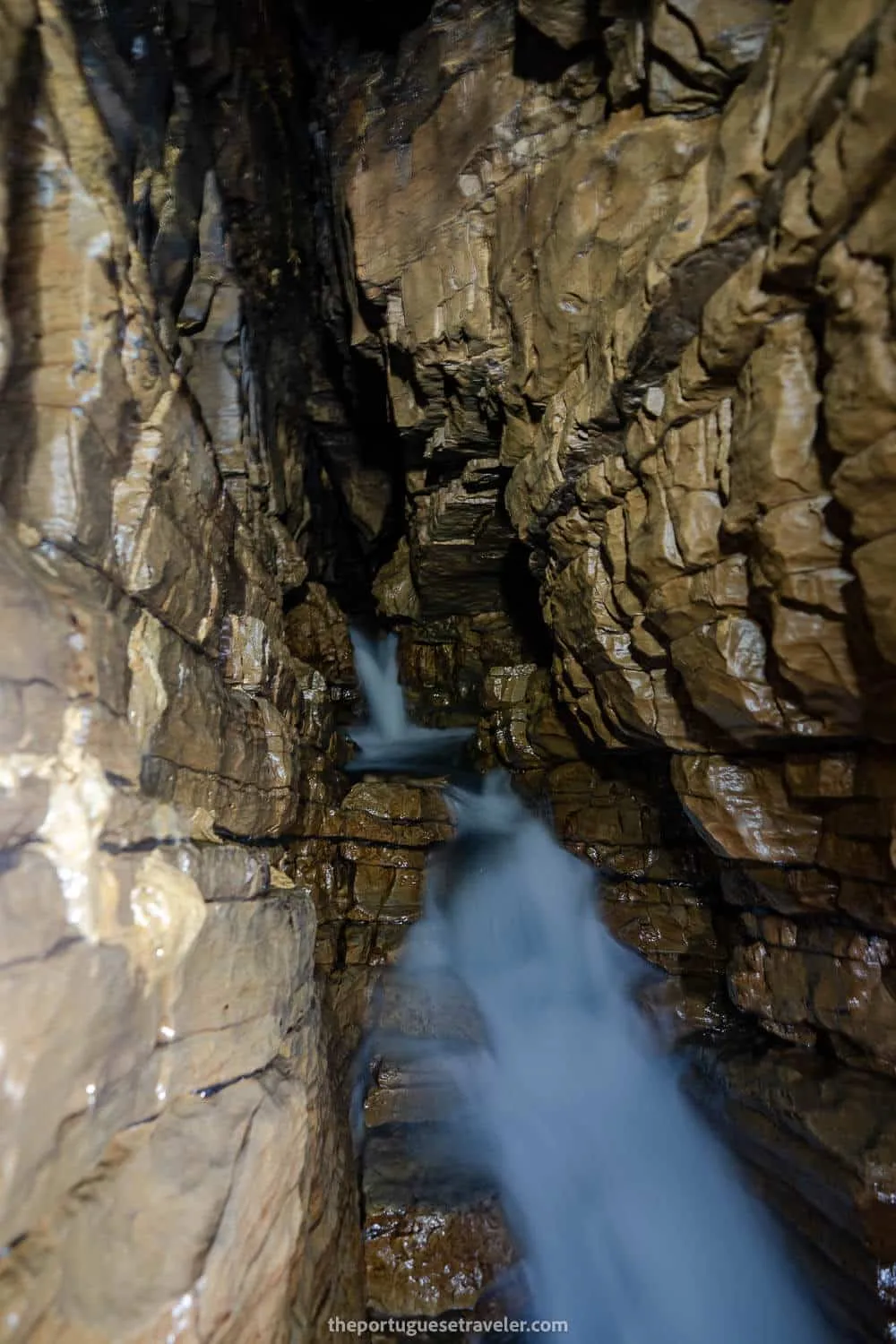
The River inside Cueva de Los Tayos
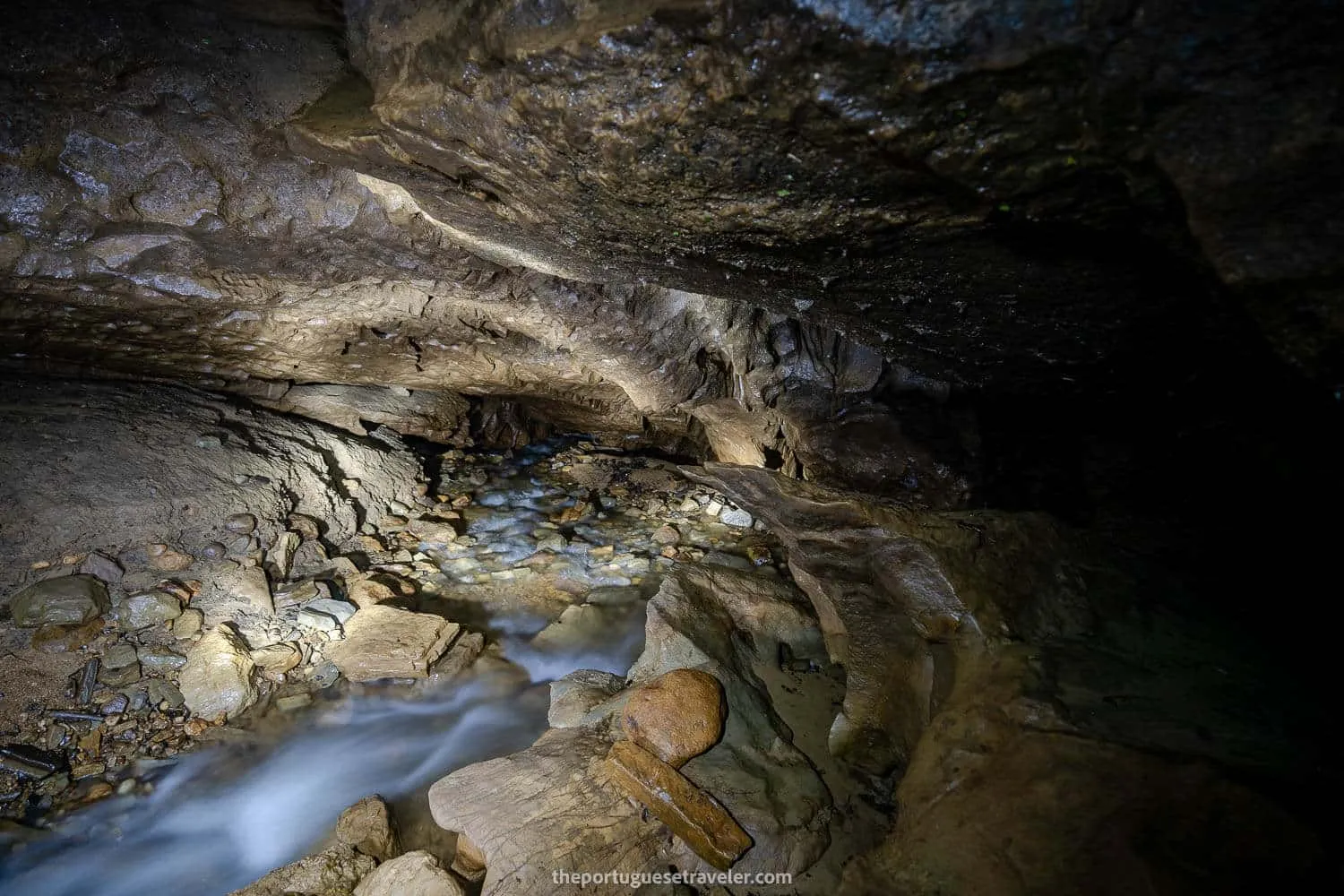
The river flowing inside the cave
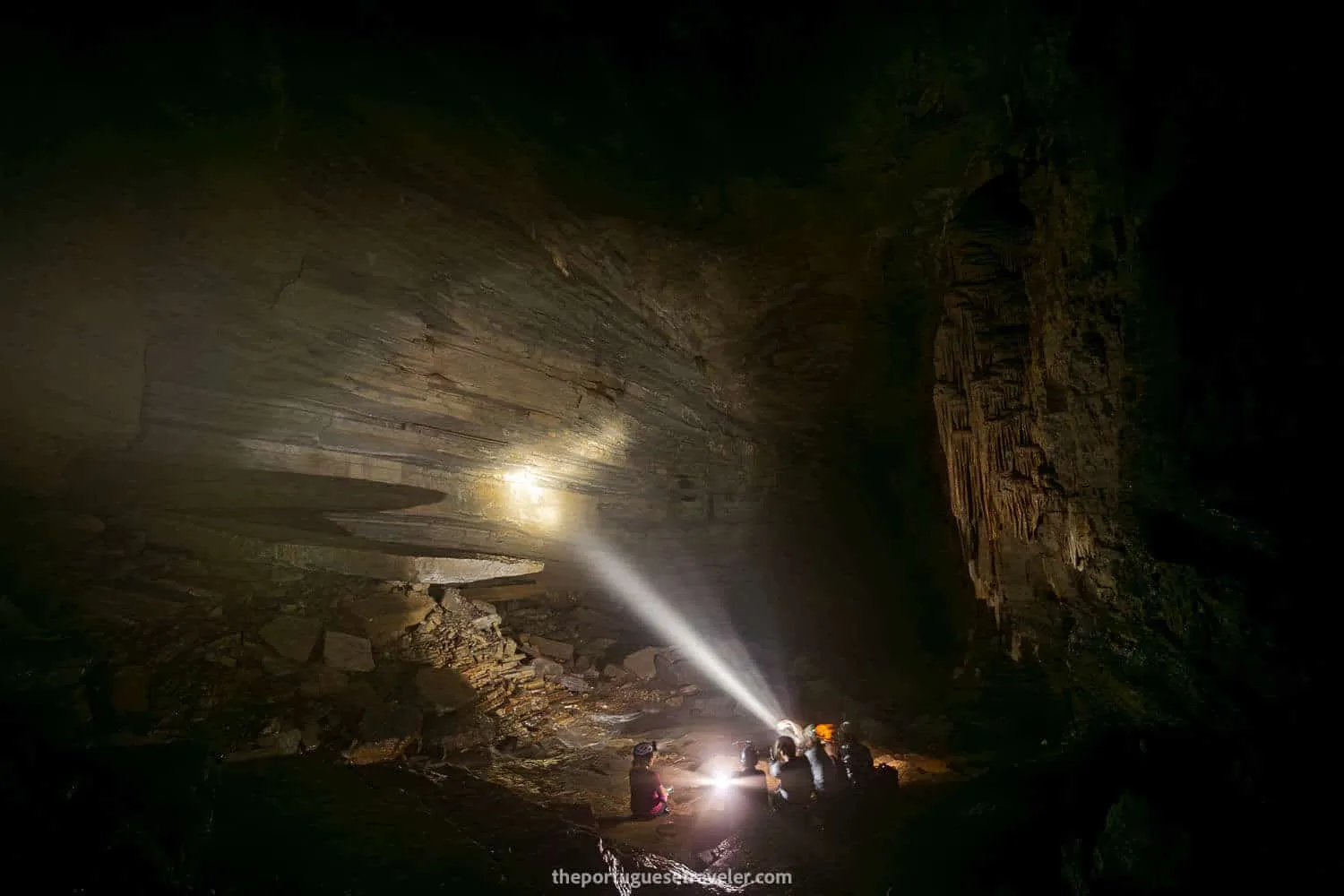
The Amphitheater at Cueva de Los Tayos
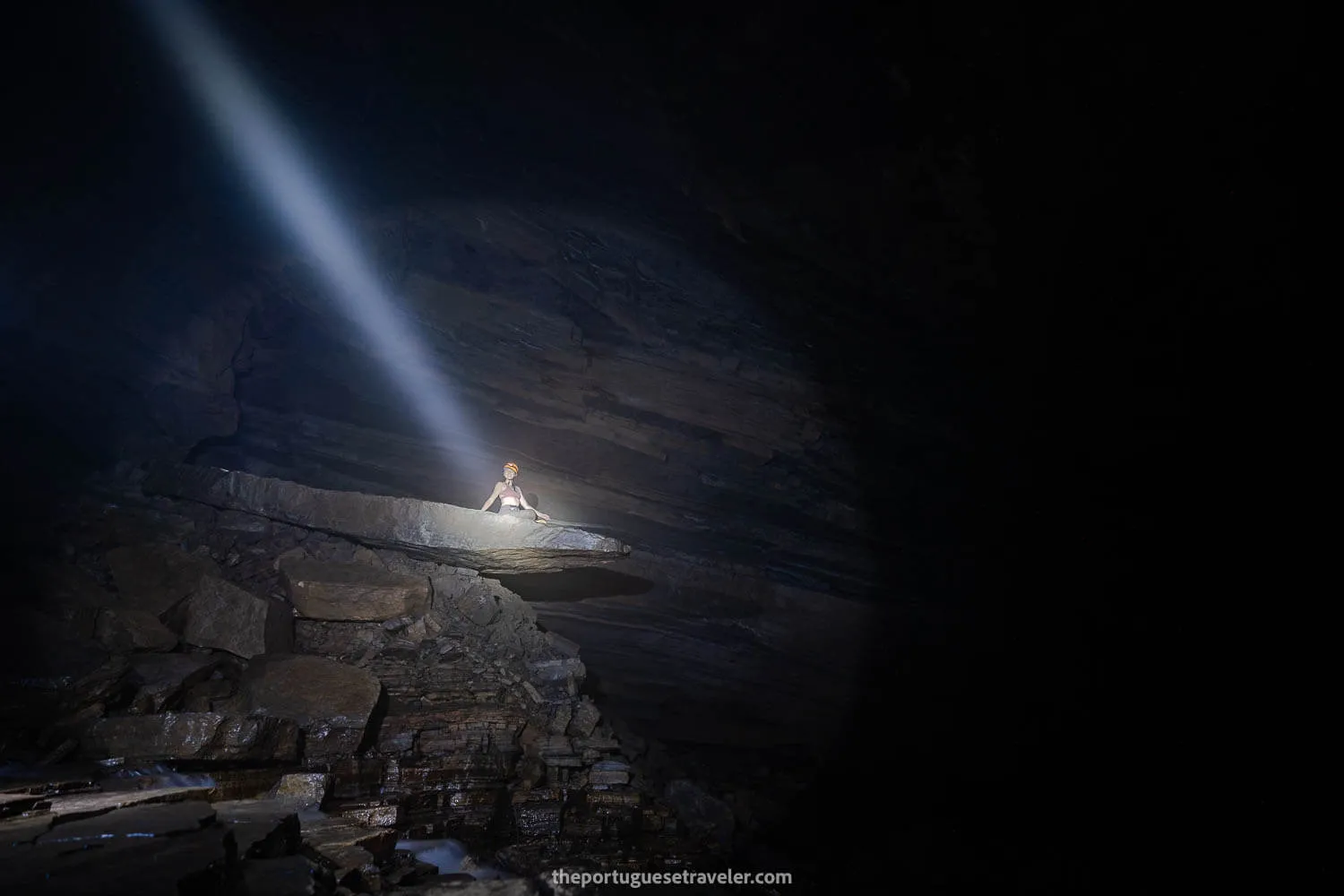
Jhos highlighted by a light beam in the Amphitheater
Lost Light - Journey to the Hidden Cathedral
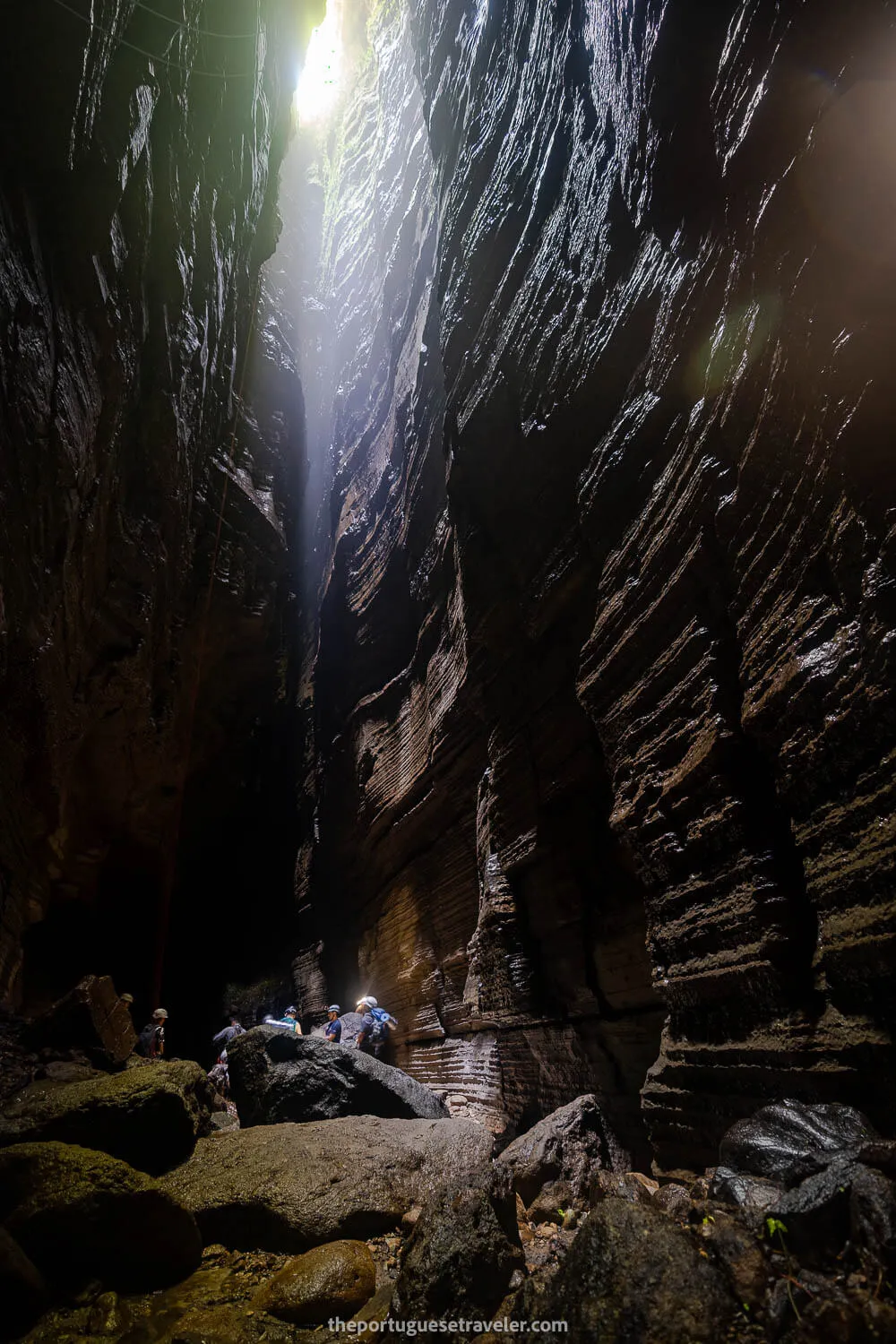
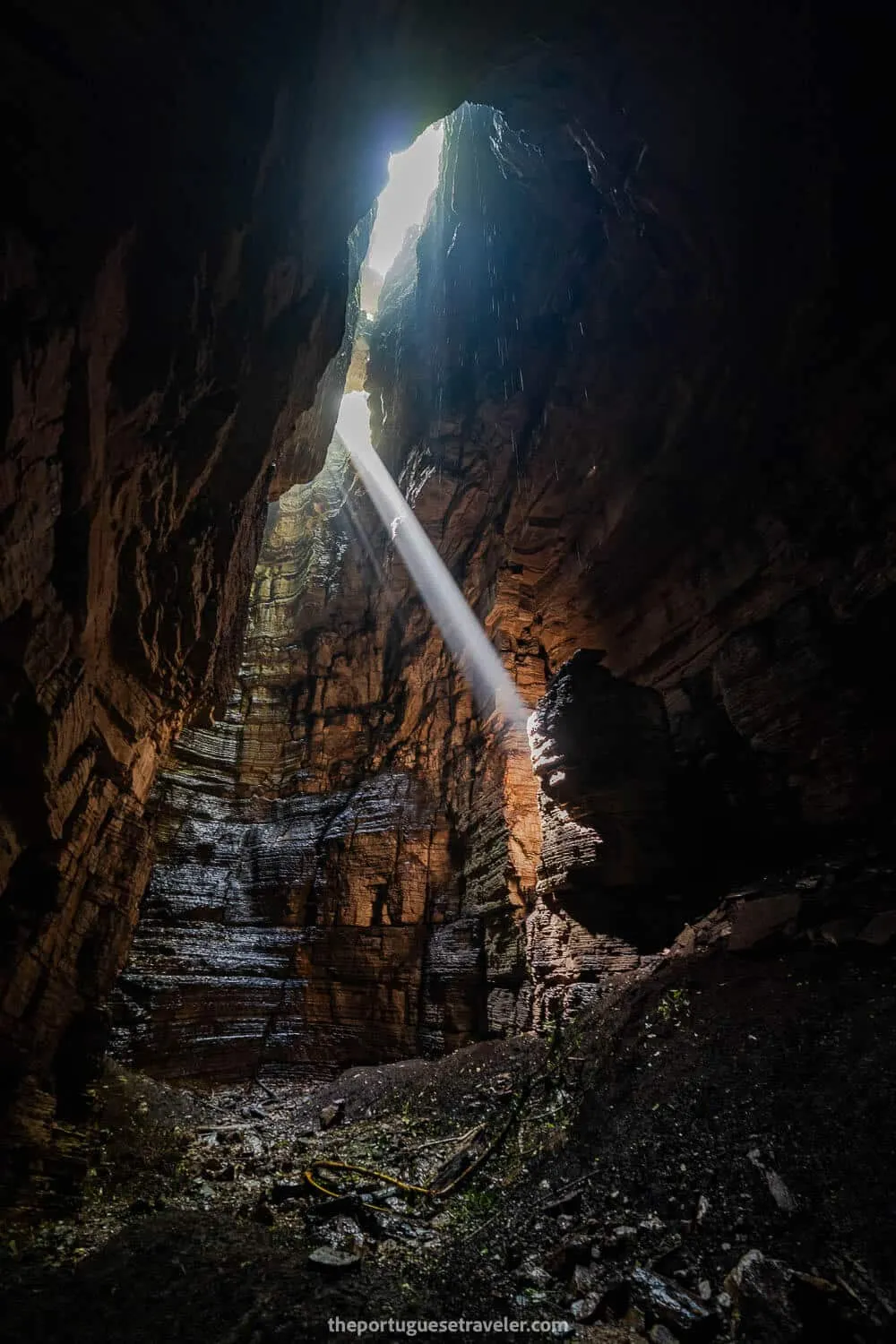
“In the morning,” though it remained dark inside the cave, we began packing our tents and belongings to prepare for our return journey. Instead of retracing our steps back the same way we had entered, we chose a different route, heading left. There, we encountered the famous vertical chimney, altar, and cathedral. As soon as we arrived, we were greeted by a stunning beam of light streaming down to the base, creating a breathtaking sight. It was indeed an awe-inspiring moment, just as an AI model would describe it.
We spent about an hour at this remarkable location, capturing photos and fully appreciating the spectacle. Our guide informed us that this entrance vault wasn’t typically taken because it was filled with Tayos (birds), making the descent difficult. Instead, the safer and easier way in and out was through the hole we went through.
As we marveled at the cathedral’s beam of light, a vivid notion swept over me, reminiscent of being in the heart of an epic video game. In this immersive moment, I envisioned a legendary quest unfolding before us. At the stroke of midday, a brilliant beam of light would converge upon the ancient door guarding the fabled treasure vault. It was as if we were protagonists in our own adventure, standing on the precipice of discovery, ready to embark on a thrilling journey through a hidden world, much like the exploits of Indiana Jones, Lara Croft, or Nathan Drake.
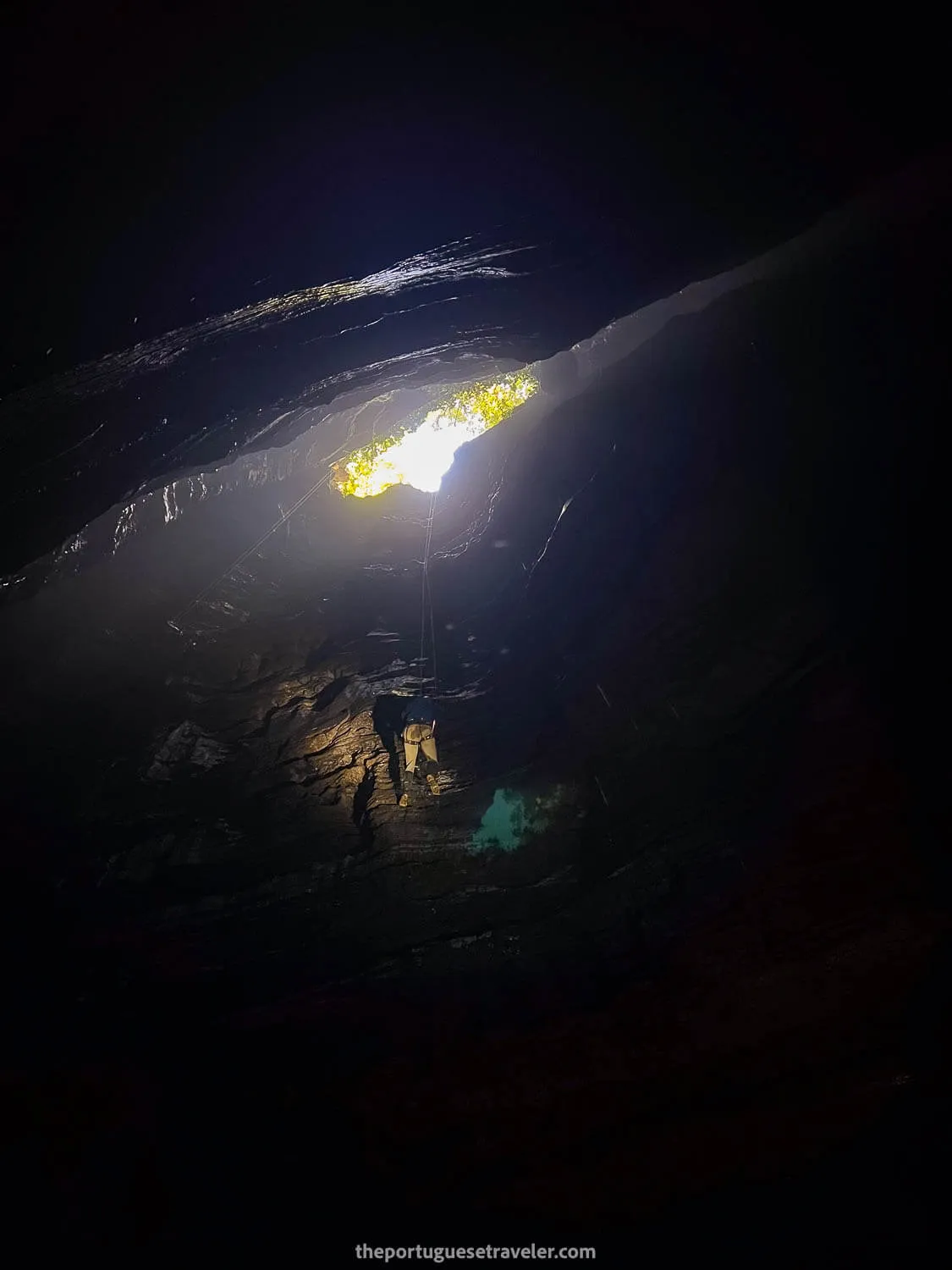
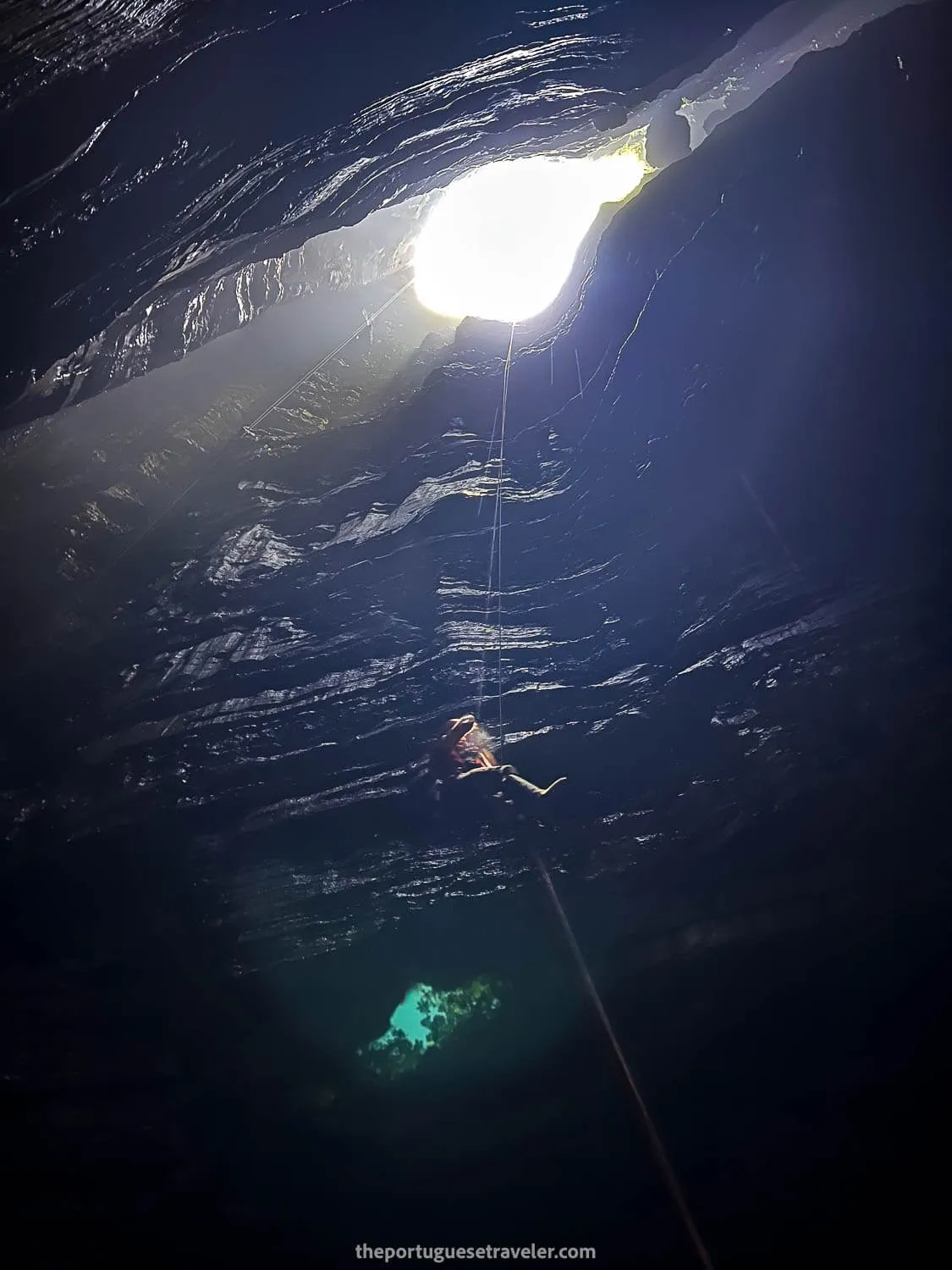
After completing our photography session at this incredible spot, we returned to the entrance chimney and began our ascent. Leandro used a self-technique to ascend without assistance, and then he helped push the rest of us upward, which was quite a daunting task given the weight of each person. It took all the strength we could muster to pull each other up the 60-meter climb. The more people who made it to the top, the easier it became to assist the others.
Once we were all safely back at the cave’s entrance, we embarked on the journey back to our campsite, where we would spend the night. We arrived at camp just as the sun was setting. After pitching our tents, we enjoyed a well-deserved and refreshing shower in the newly constructed showers. Thanks Will!
Following our showers, we gathered in the main Shuar house to witness a traditional dance performed by Jimmy and his father, who were dressed in traditional attire. They danced while speaking in a Shuar language dialect, providing us with a glimpse of the community’s culture and heritage.
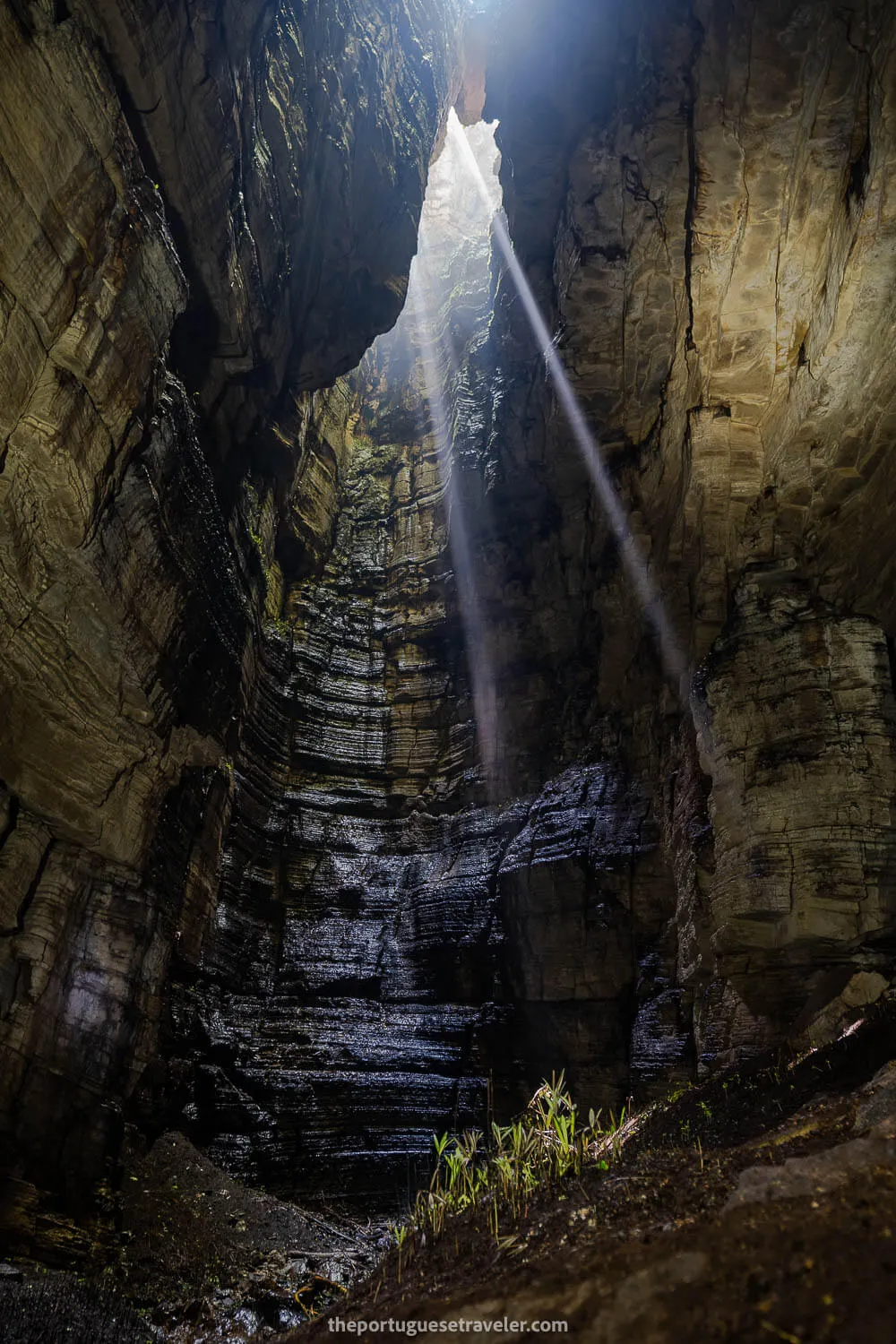
The first light rays entering through the top of the cathedral
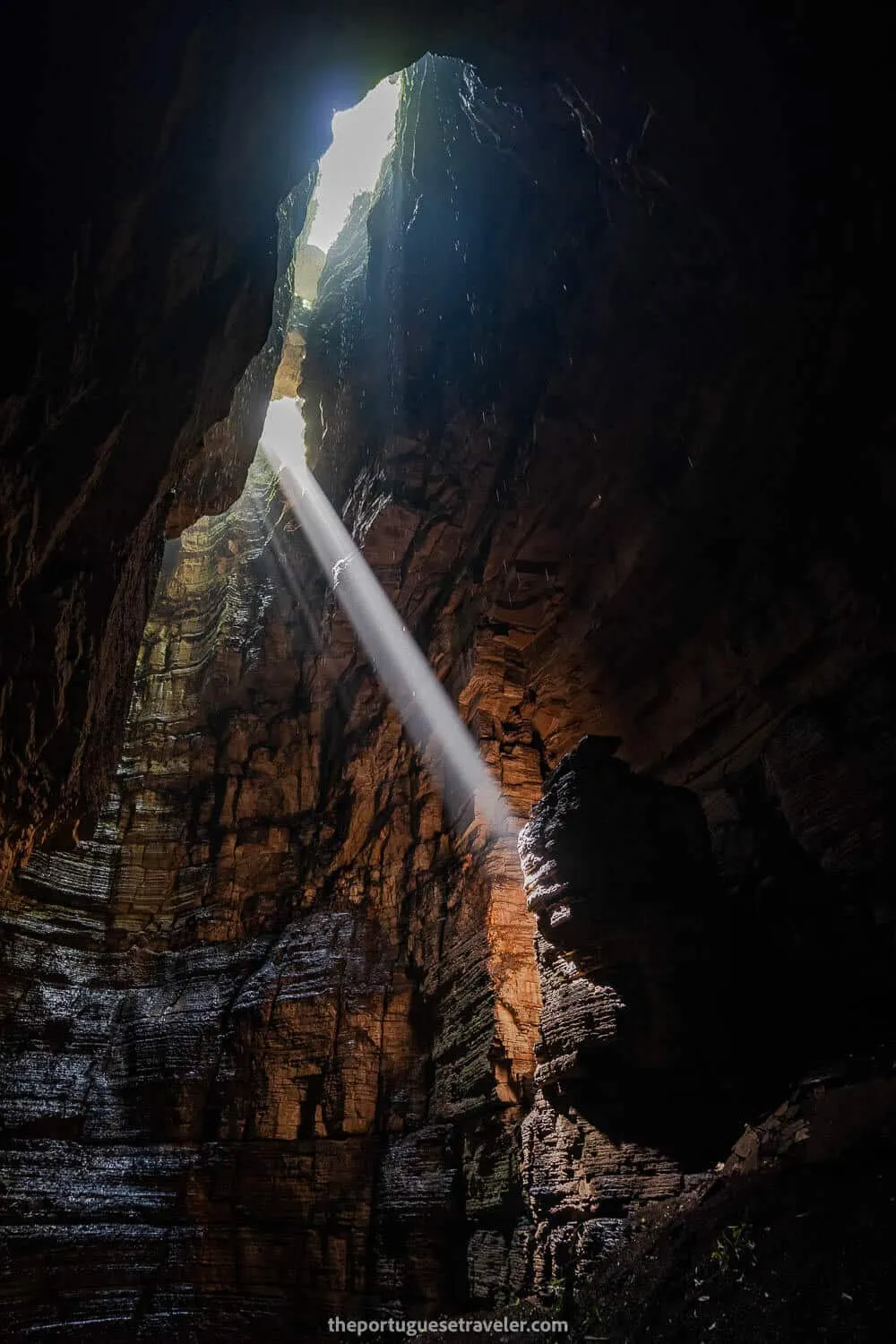
The ligh ray showing us the location of the secret chamber
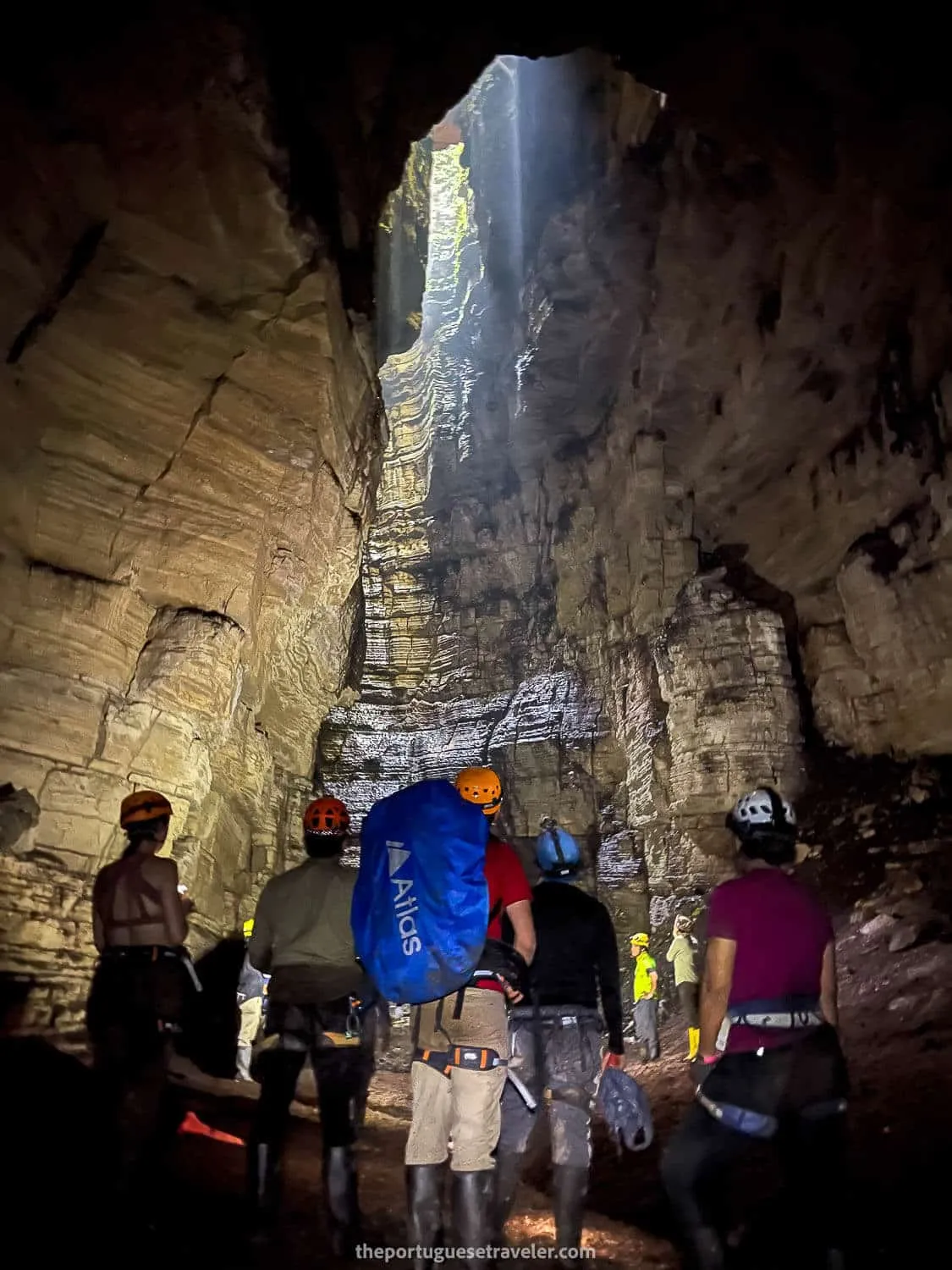
A group photo at the altar
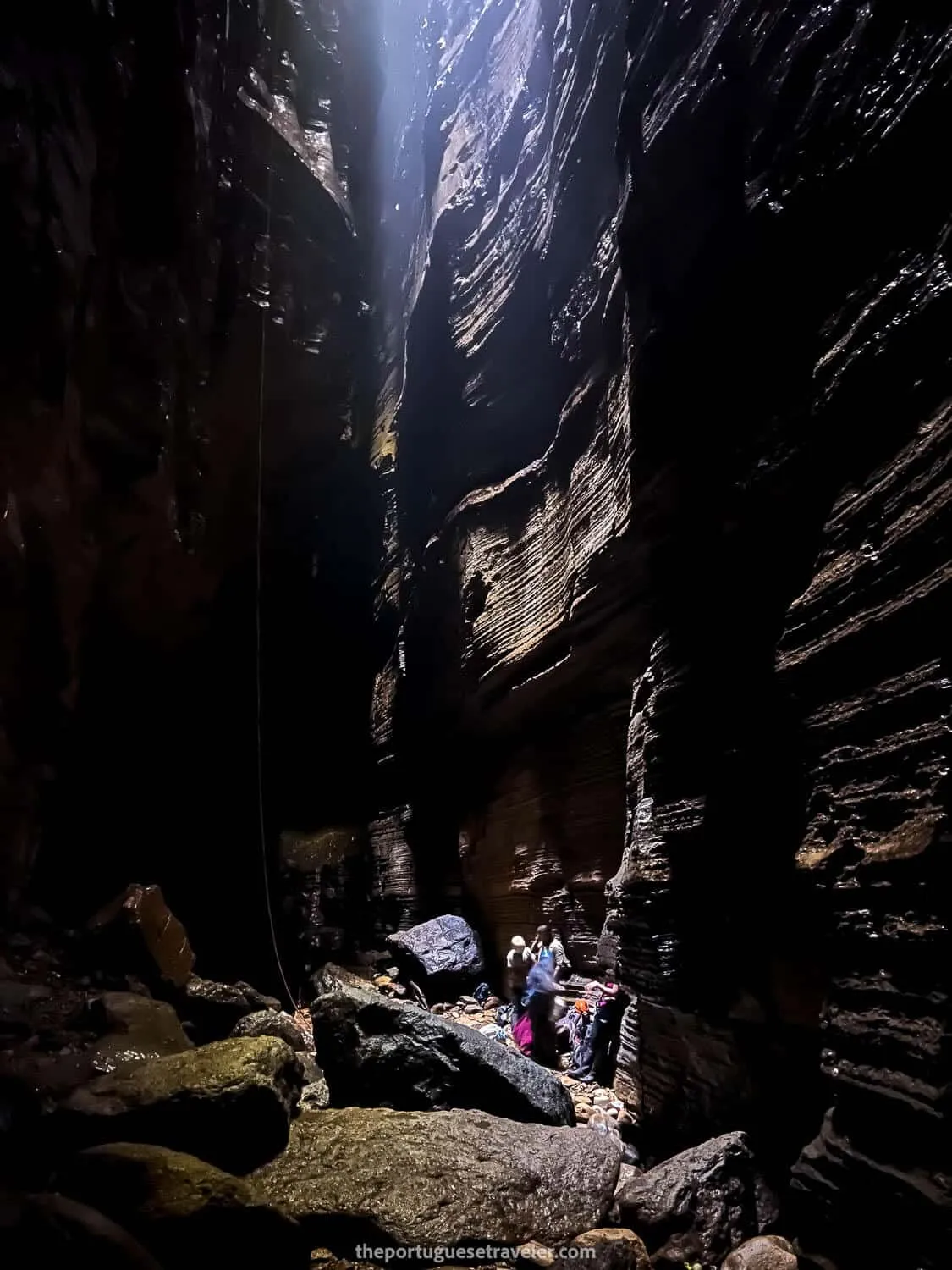
The entrance vault after the Cathedral
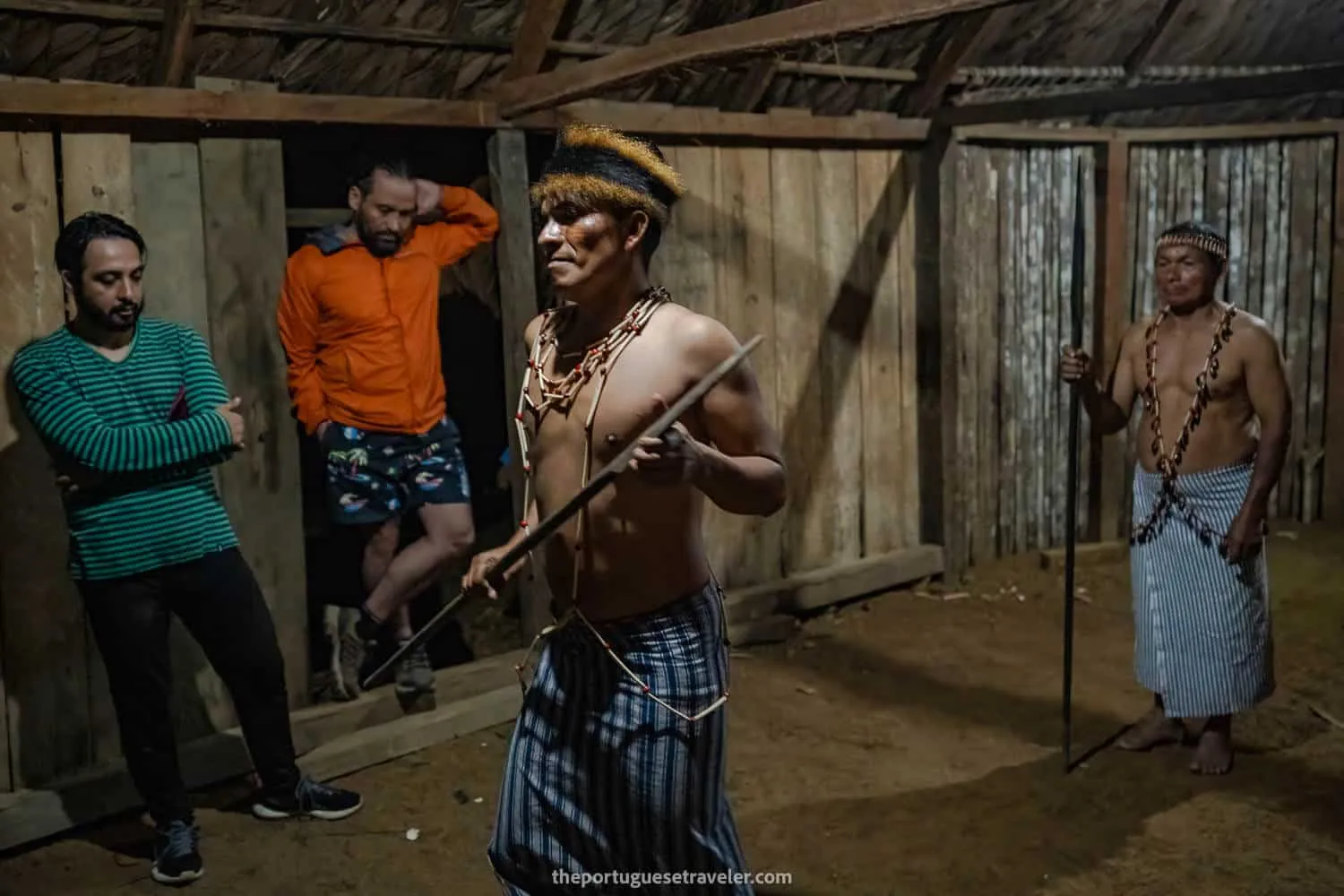
Jimmy and his father in full Shuar attire, dancing and speaking his language.
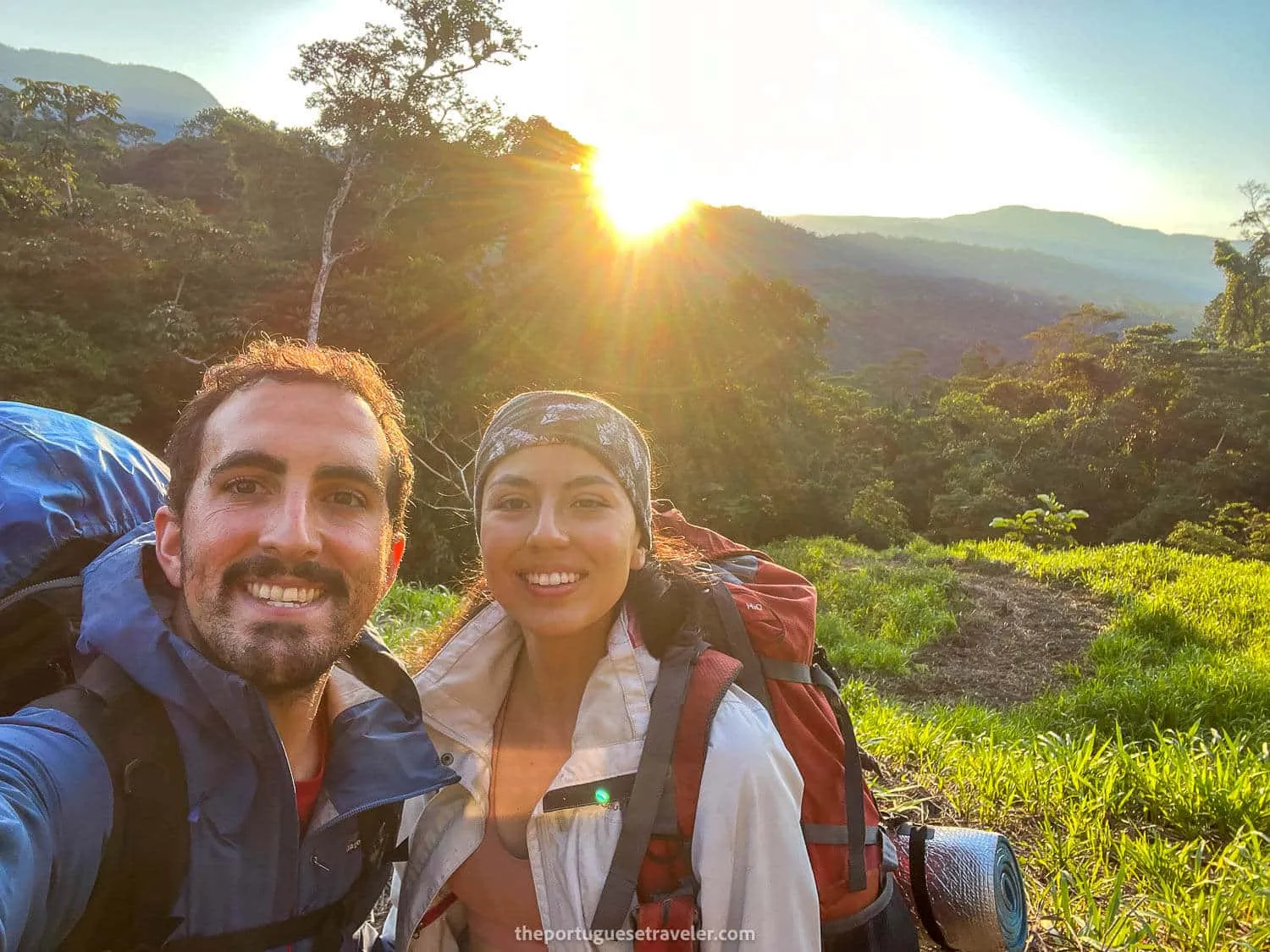
Happy faces after having an amazing adventure
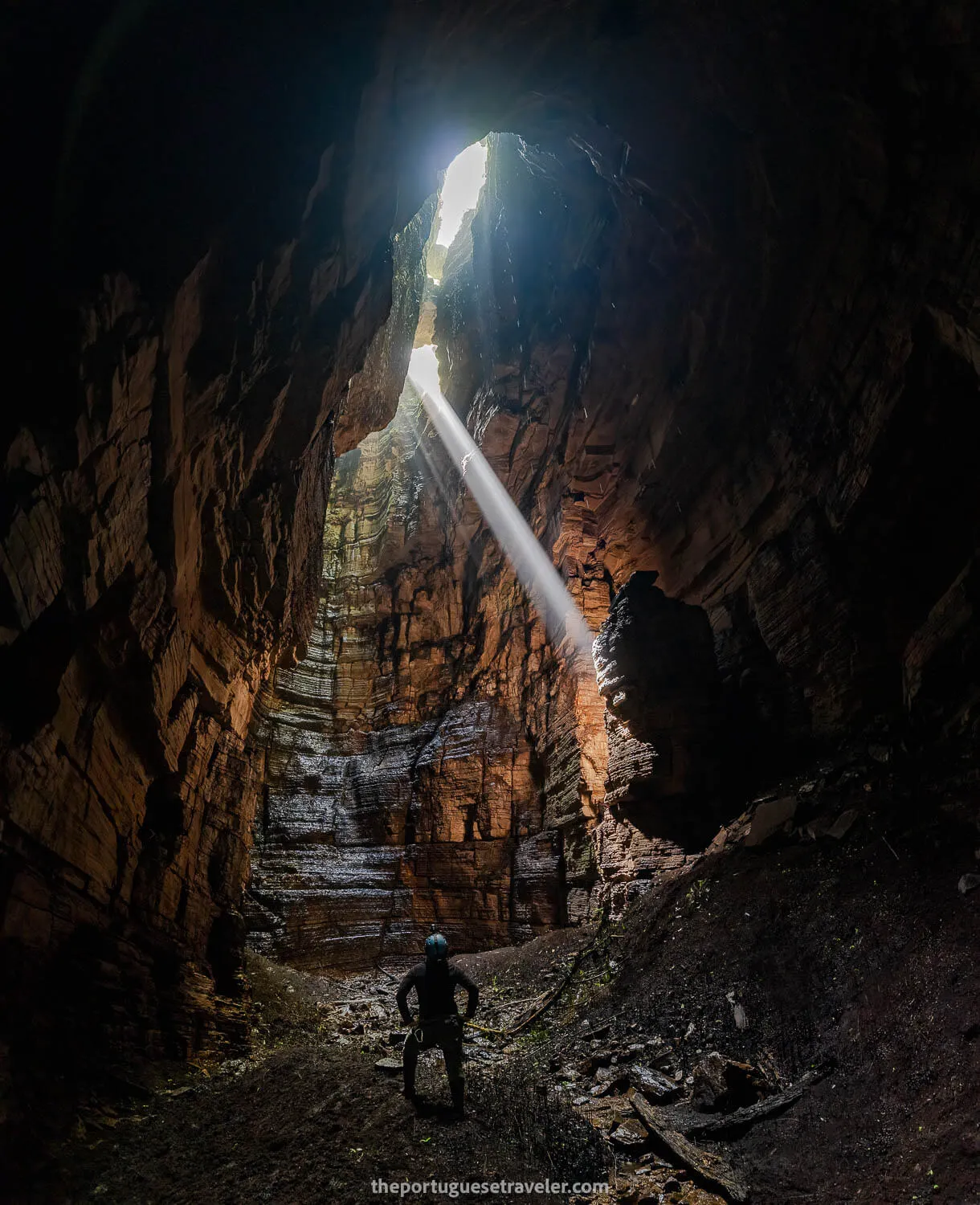
Alex observing the grandeur of the Altar aka. Cathedral
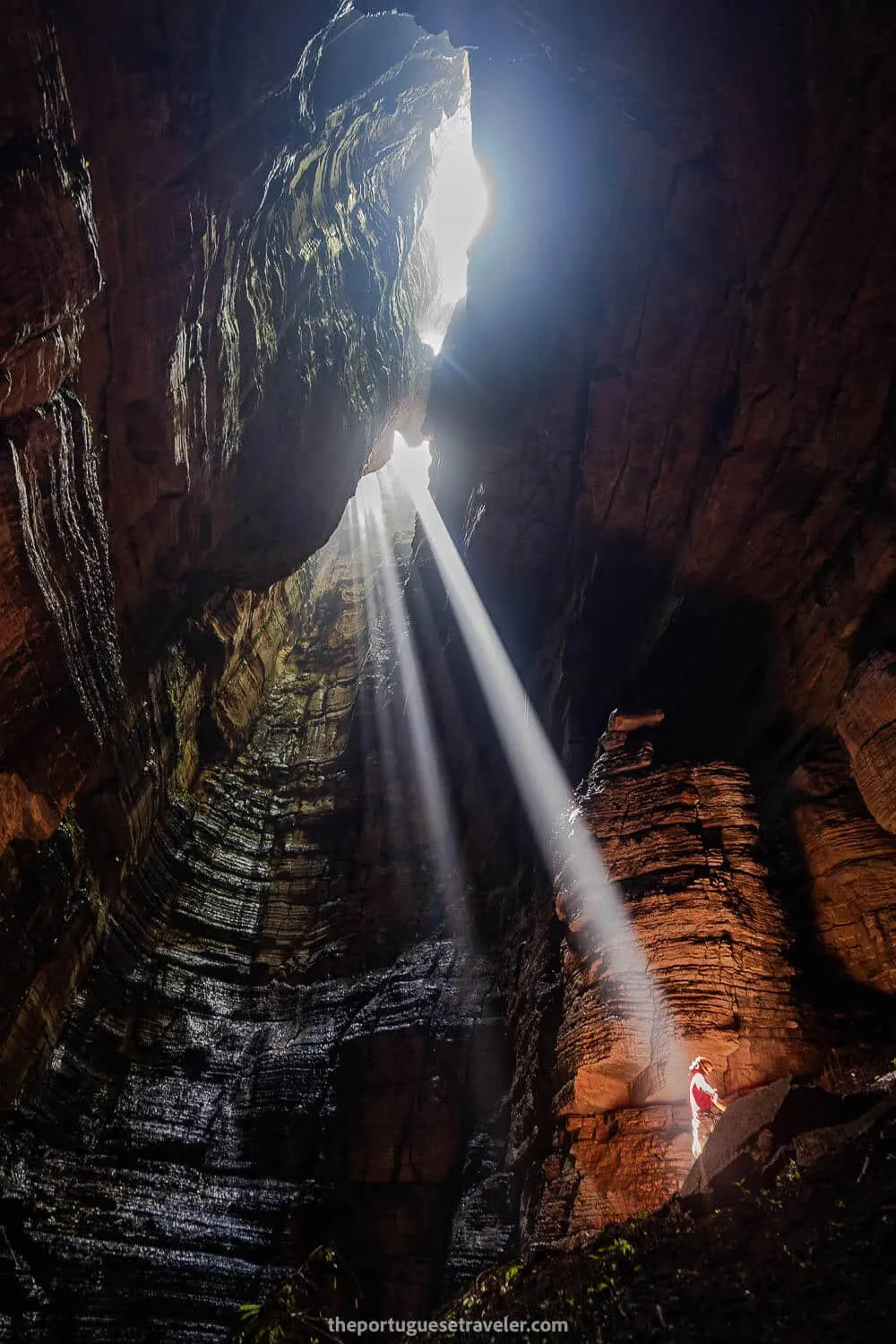
Me being kidnapped by aliens
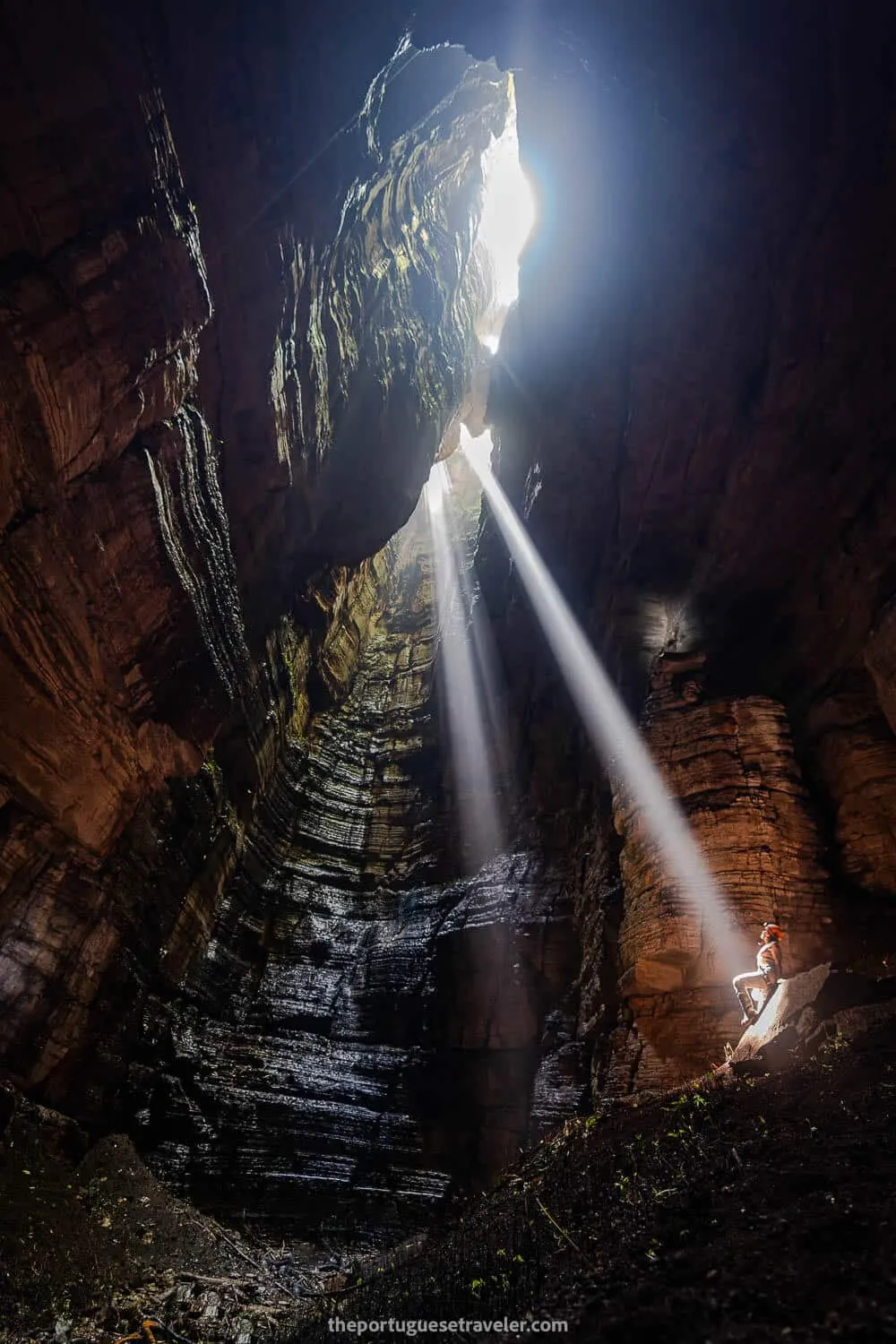
Jhos also being kidnapped by aliens
The entrance vault
Me being pulled by Leandro and Fabián
Leandro self-lifting himself up to the cave’s mouth
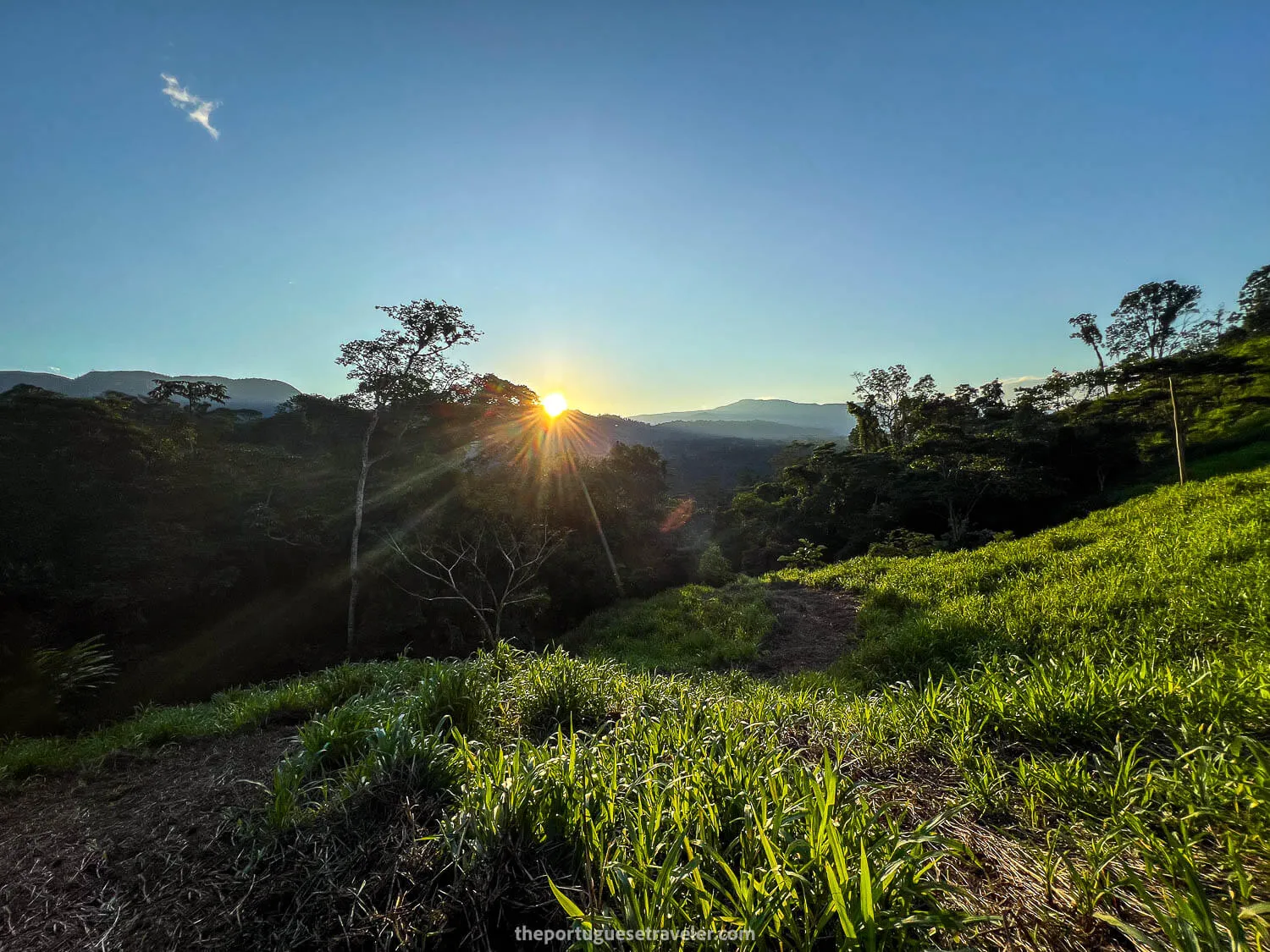
The amazing sunset after leaving the cave
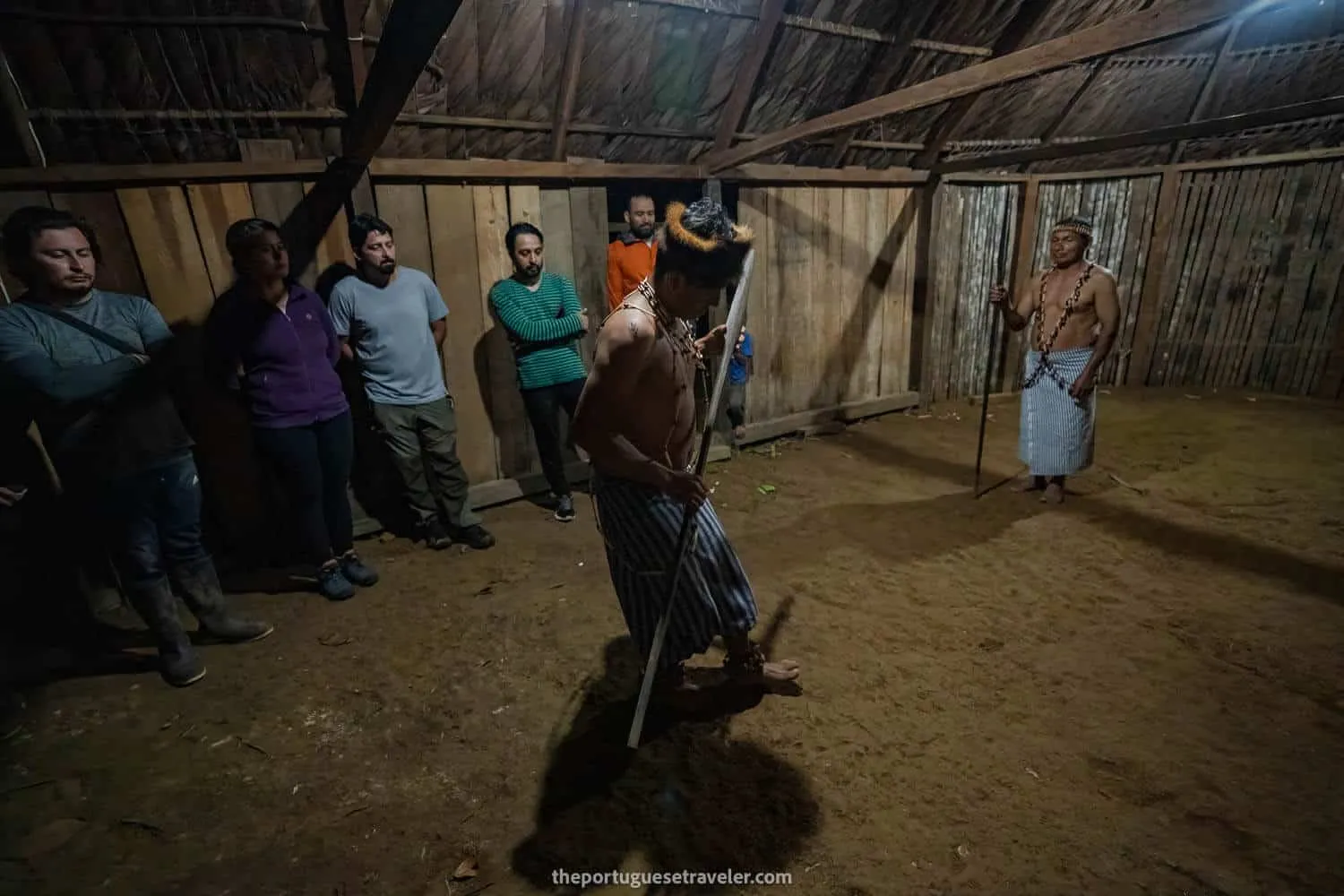
Jimmy dancing a tradicional Shuar dance and his father observing
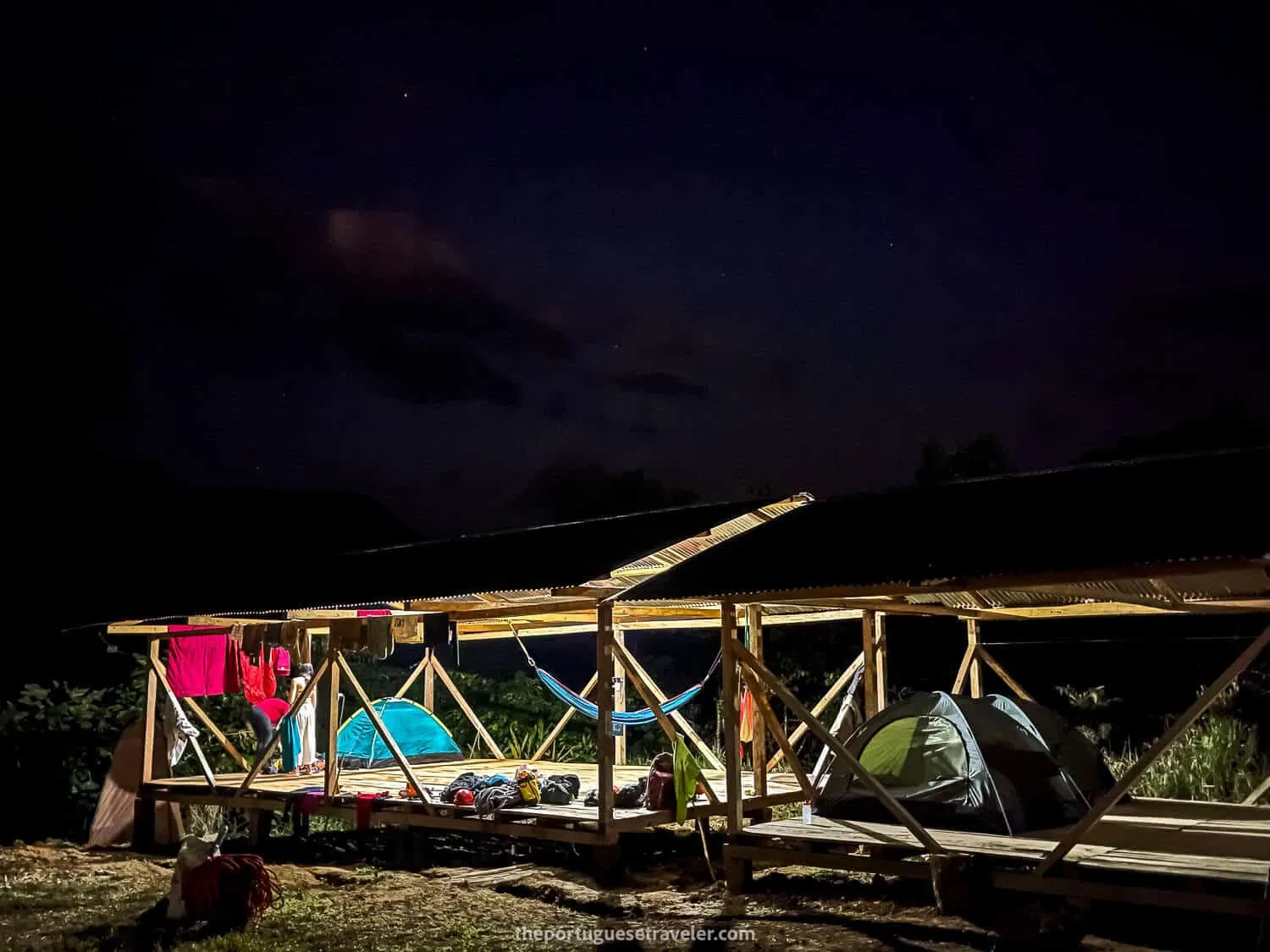
Our camping area at the community
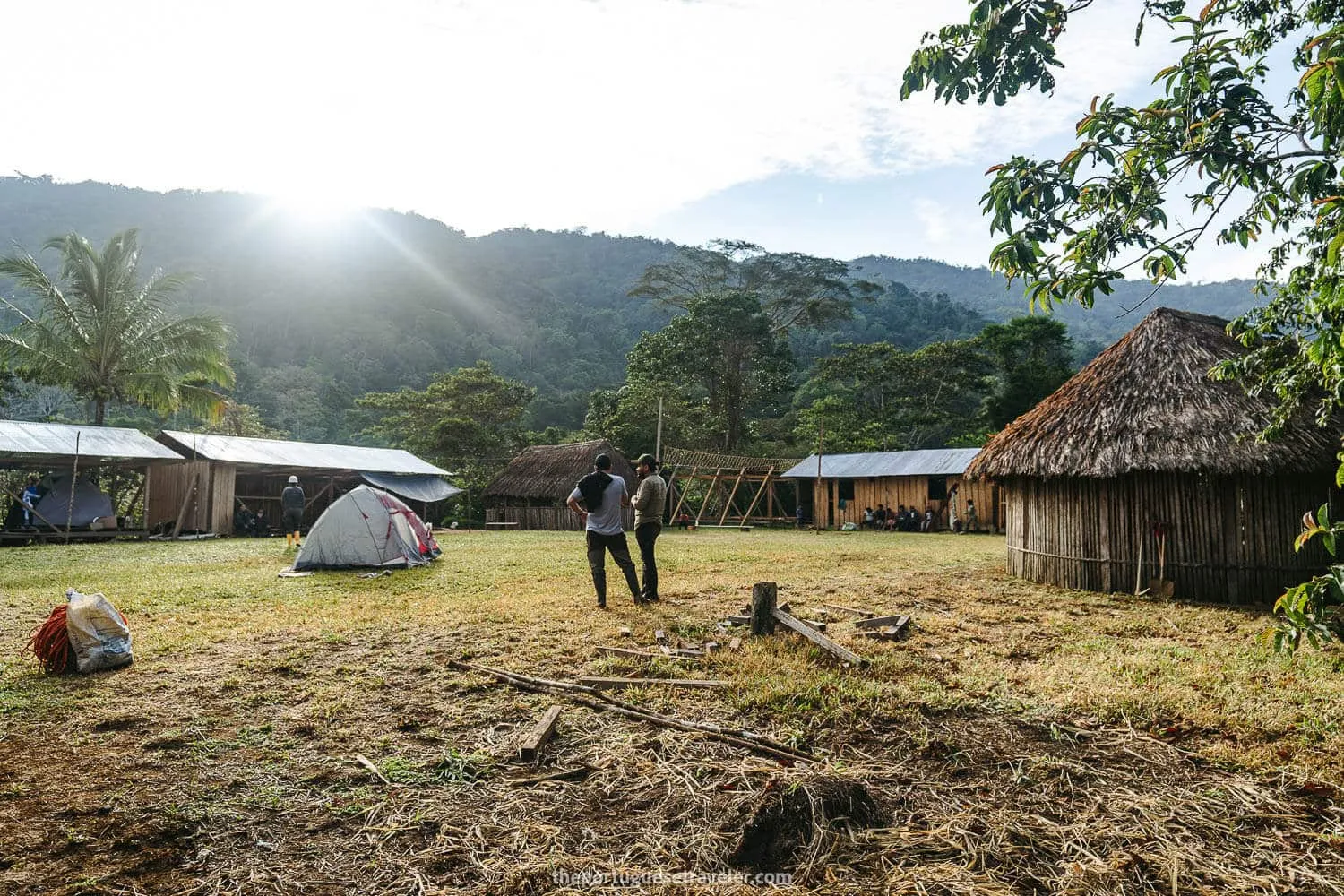
The last glimpse at the community before heading back to the boat
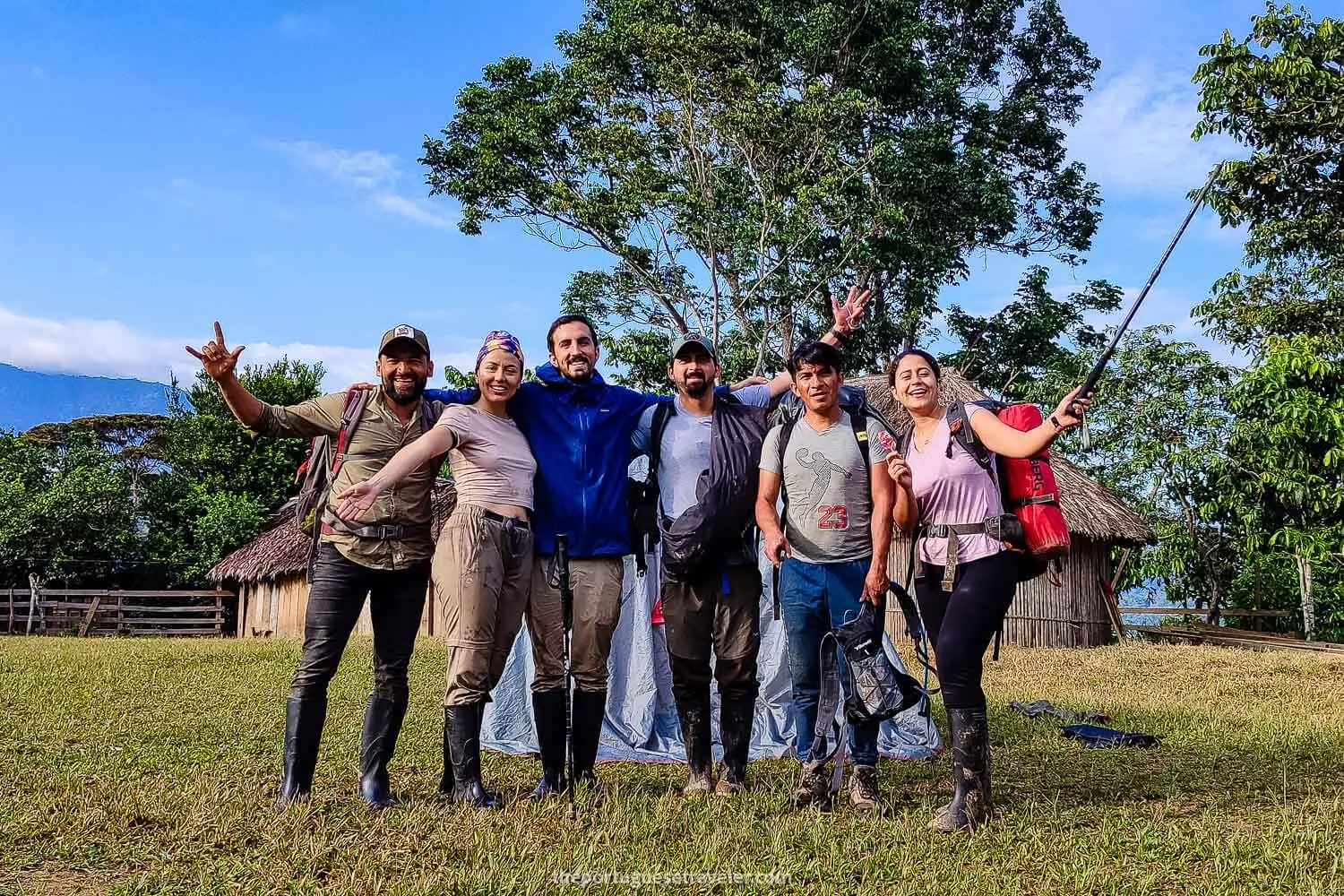
The group photo before leaving the Shuar community
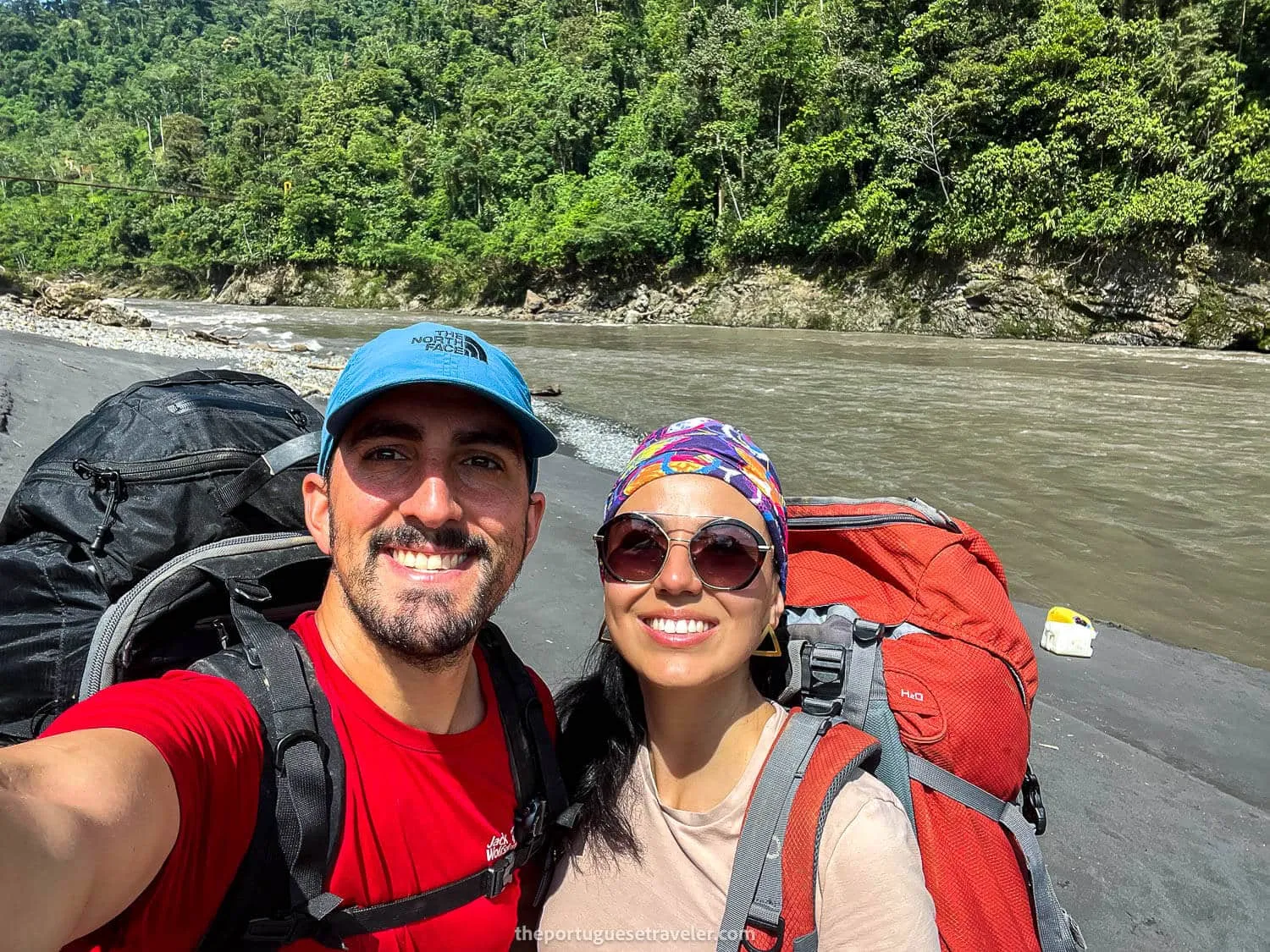
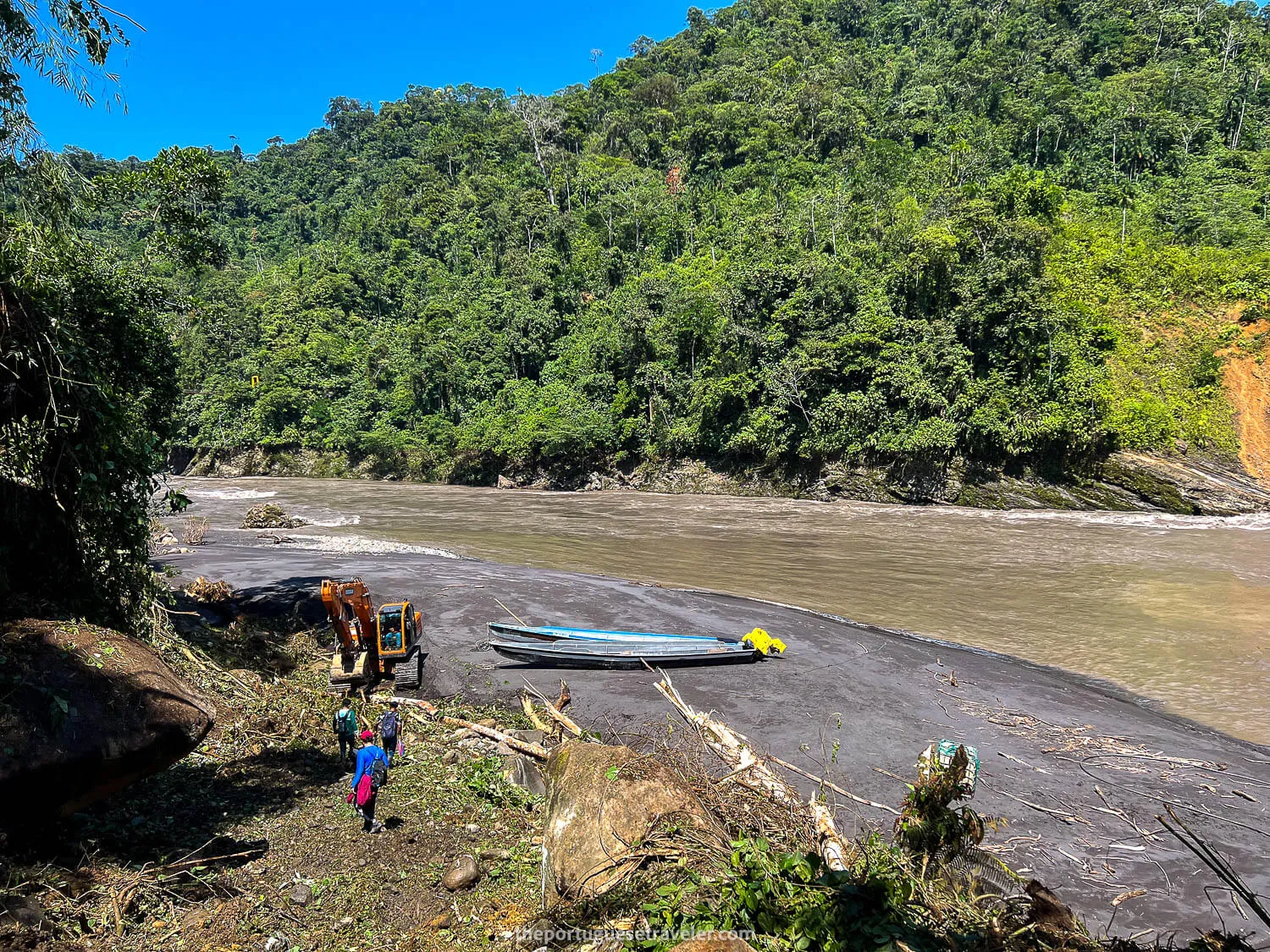
Back at the river, now in low tide, starting our walk back to the boat
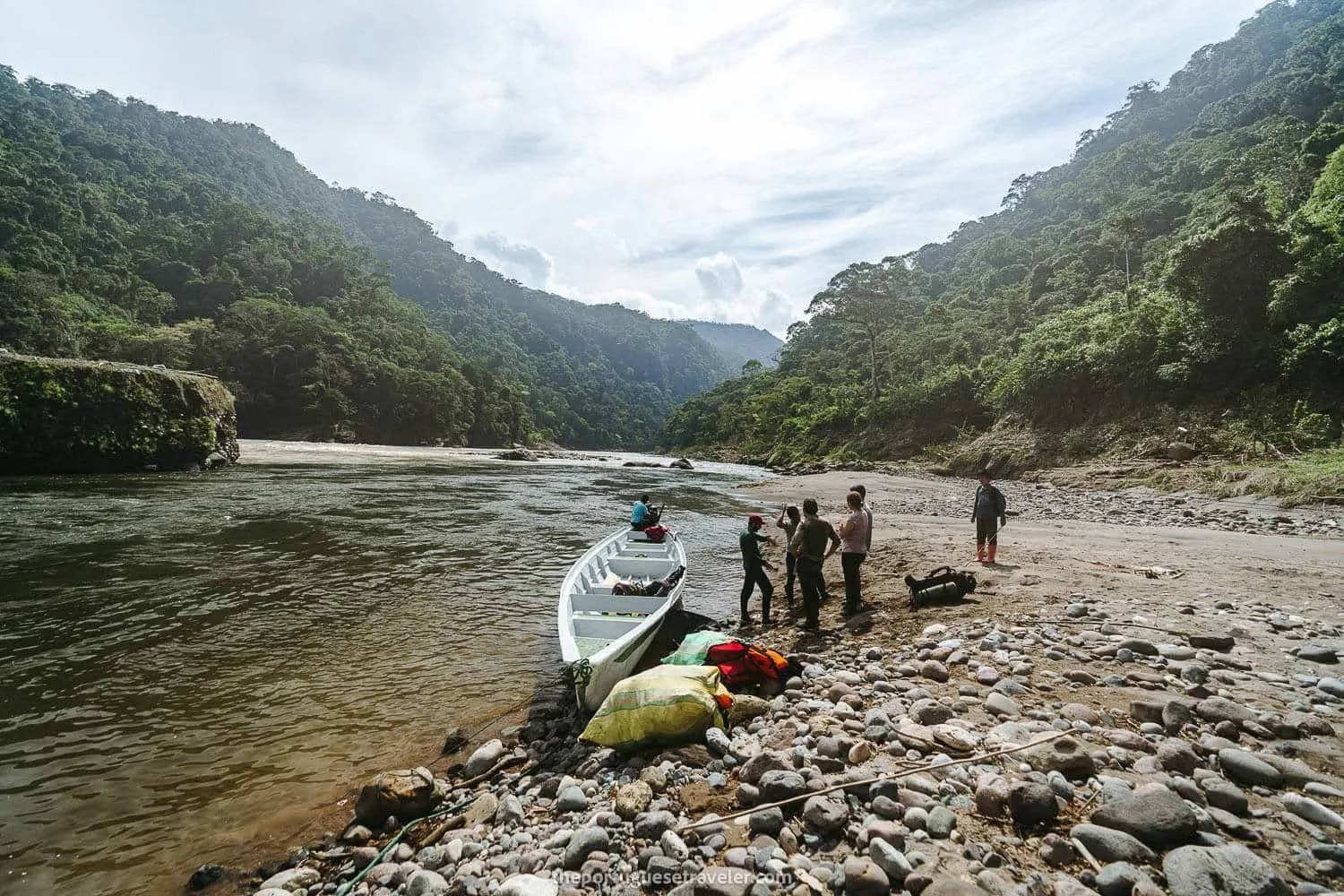
The boat and the group ready to depart (my lens already fogged up)
Ayahuasca Ritual - Dawn Departure from the Shuar Community
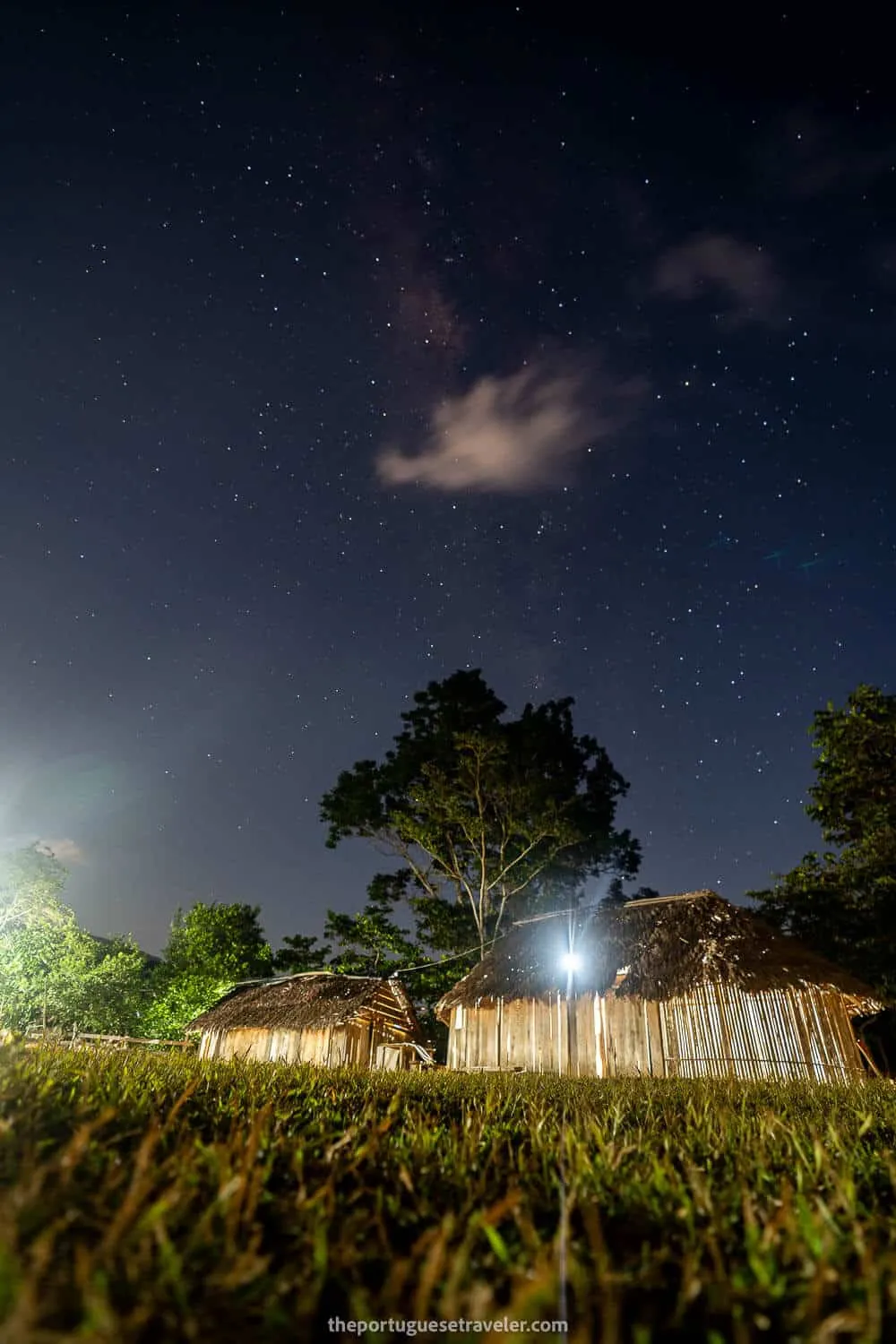
At night, some of the visitors participated in an Ayahuasca ritual. They had been given dietary guidelines in the preceding week to prepare their bodies for the experience. The ritual involved conversations with Jimmy’s father, the elder of the community, who explained its significance. Later, we observed a group forming a large circle in the village courtyard, under the light of a full moon. It was a special and unique moment to witness, although I personally wasn’t ready to partake in such an experience.
The following morning, those who had participated in the Ayahuasca ritual shared their transformative experiences. Some mentioned that they had purged as the drug is potent and sometimes requires the release of emotions and toxins for healing or reaching a special state of mind and spirit.
With our belongings packed, we began our descent down the jungle-covered hill, making our way back to the boat. We noticed that the river had significantly receded, with low tide compared to when we arrived. As a result, we had to walk a bit further to reach the boat at the crossroads with Rio Santiago. Fortunately, it was only a 10-15 minute walk. We boarded the boat, and as we set off, I noticed my camera’s lens fogging up, a result of the condensation from the cave’s interior meeting the warm exterior air. I was worried about it, but over time, it gradually cleared up on its own.
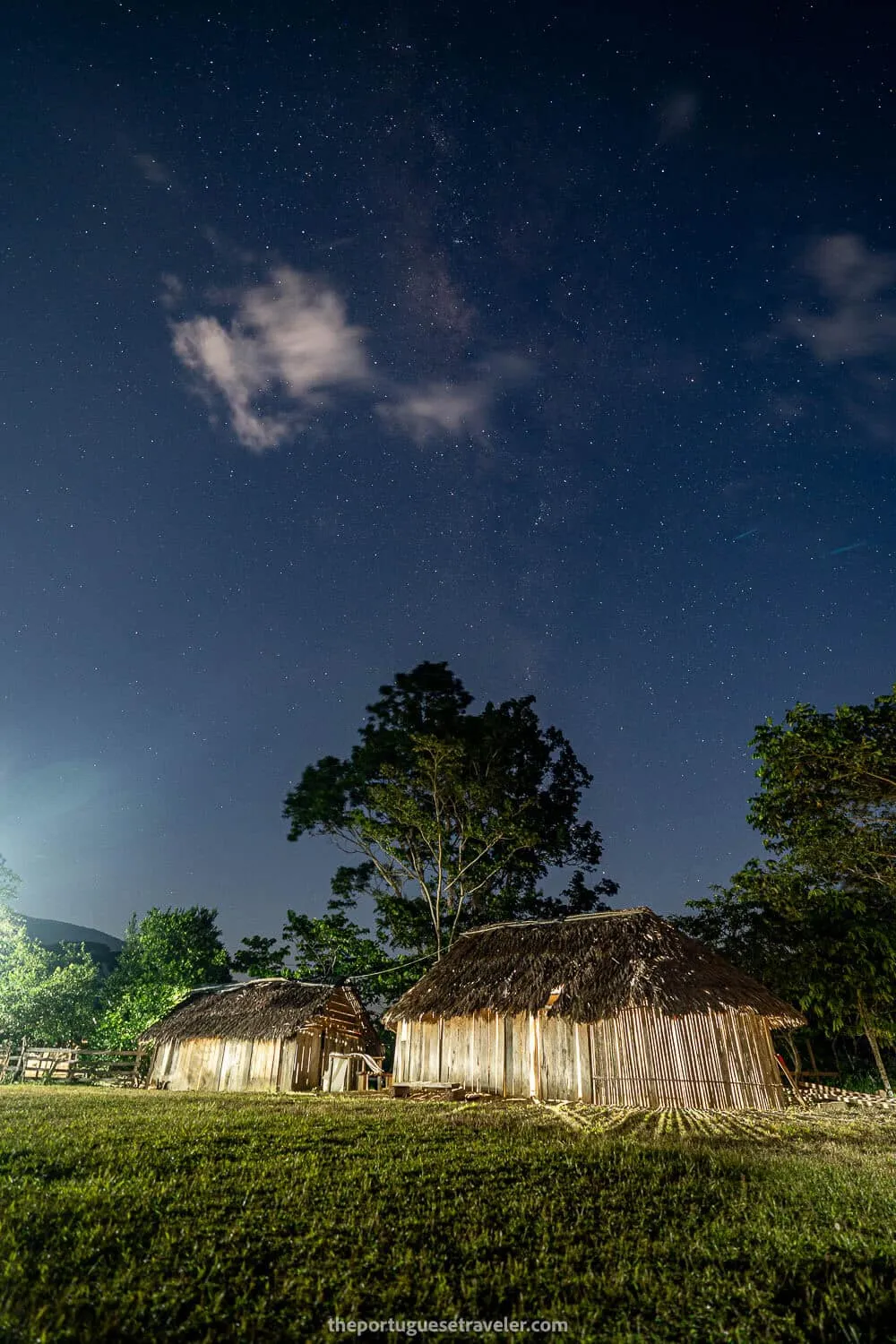
The chozas at night while the group was doing the Ayahuasca ritual
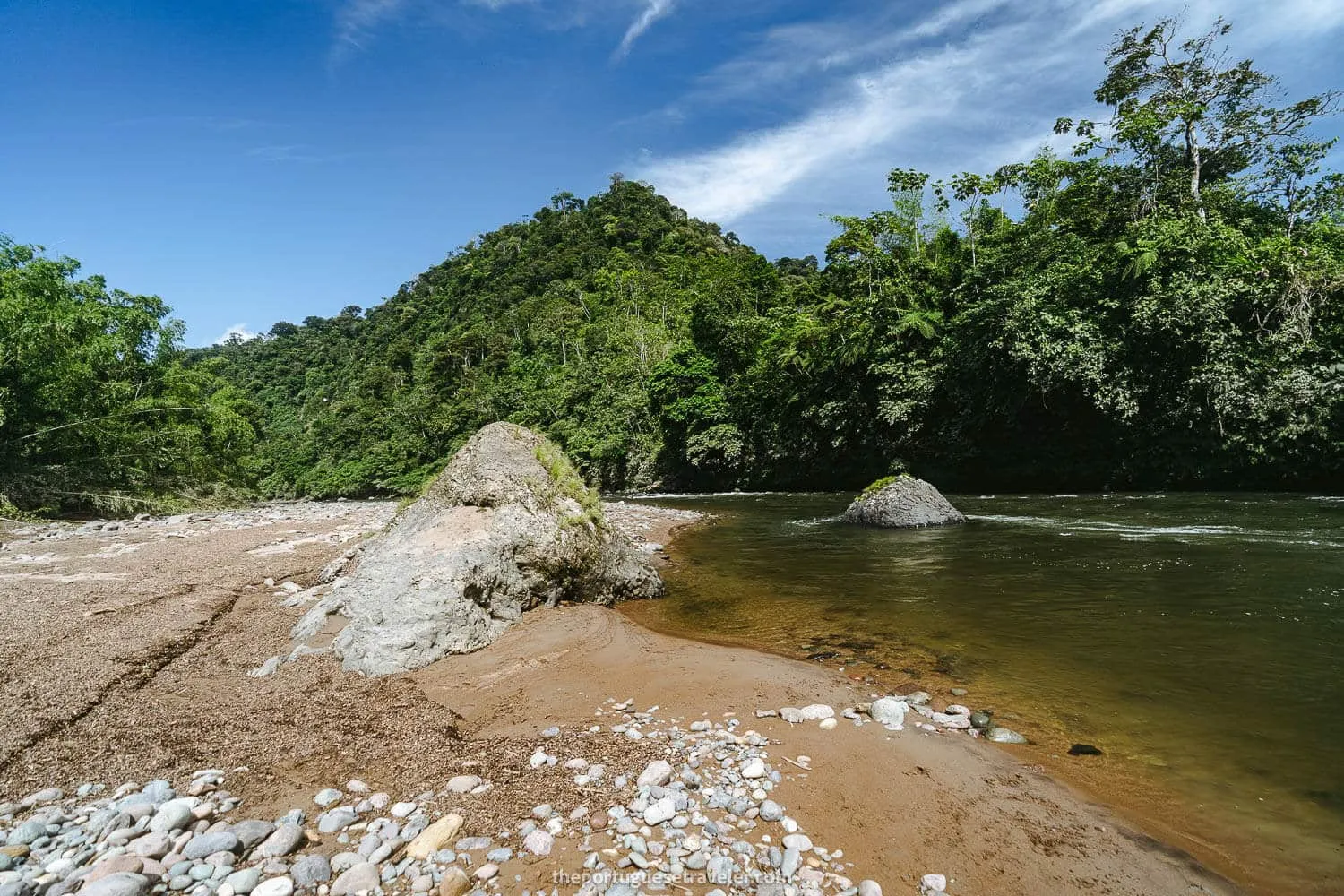
The Yuquianza River on low tide
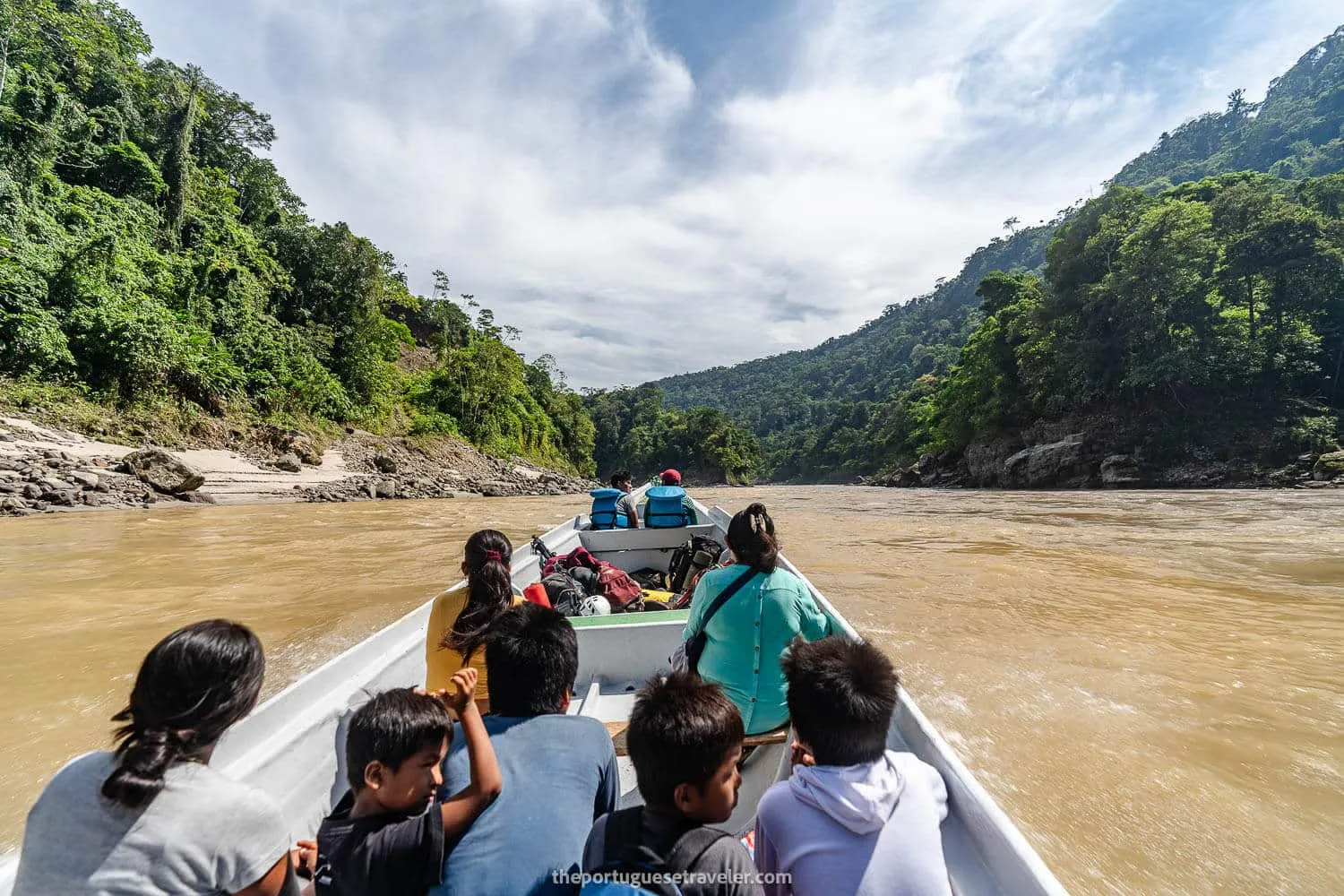
A Shuar family on our boat back to Yuquianza
Finally, we arrived back at the port of Yuquianza, where we enjoyed a meal at a local cafe-restaurant and made a pit stop at the bathroom. From there, we returned to Mendez, marking the end of our incredible adventure. It’s challenging to imagine a more captivating and adventurous experience, and I wholeheartedly recommend exploring the Cueva de Los Tayos aka. Tayos Caves, to anyone who shares a passion for this kind of adventure. Even if you don’t stumble upon the rumored metal library, you’re guaranteed to have the adventure of a lifetime.
Have you had the opportunity to visit the Tayos Caves? If yes, I would love to hear about your experience. Please share your thoughts and opinions in the comments below.
Thanks for reading through and I hope you have fun on this adventure. I will drop more of my favorite shots underneath, enjoy!
Photo Gallery
By river through the Amazon jungle to reach the Shuar community of Kuankus (Coangos).
Entering and Exploring the Enigmatic Cueva de Los Tayos
Following Neil Armstrong’s Path: A Tomb Raider-Style Cave Expedition
Adventures in the Cave: Unexpected Discoveries and Challenges
Lost Light - Journey to the Hidden Cathedral
Ayahuasca Ritual - Dawn Departure from the Shuar Community
All the articles about Ecuador
Galapagos Islands - Experience the wonders of nature and unique wildlife in this pristine archipelago.
Amazon Rainforest - Immerse yourself in the lush greenery and rich biodiversity of the world’s largest tropical rainforest.
The Andes – Embark on an adventure in the Ecuadorian Andes, a majestic mountain range with diverse landscapes, ancient sites, and captivating wildlife.
Pacific Coast - Discover Ecuador’s Pacific Coast, nestled between the majestic Andes Mountains and the vast Pacific Ocean.
Cloud Forest - Explore a Biodiverse Paradise of Flora and Fauna.