Draft — not yet translated.
Qué Ver en Ratnapura: La Ciudad de las Gemas
Ratnapura, “The City of Gems” - City Guide
All You Need to Know – From Stays to Attractions
Ratnapura, known as the “City of Gems,” offers a vibrant look into Sri Lanka’s gem mining culture. The streets are full of life, with people buying and selling gems at busy roadside stands, and many spots let you witness gem mining up close or even purchase stones directly. The city’s energy and deep connection to this trade make it a unique stop. Beyond gems, Ratnapura has historical sites like the remains of a Portuguese-Dutch fort, and it’s surrounded by natural beauty, including waterfalls, the Sinharaja Rainforest, and the nearby Adam’s Peak. It’s a great addition to a Sri Lanka itinerary focused on nature and culture, blending colorful markets, local traditions, and scenic escapes.
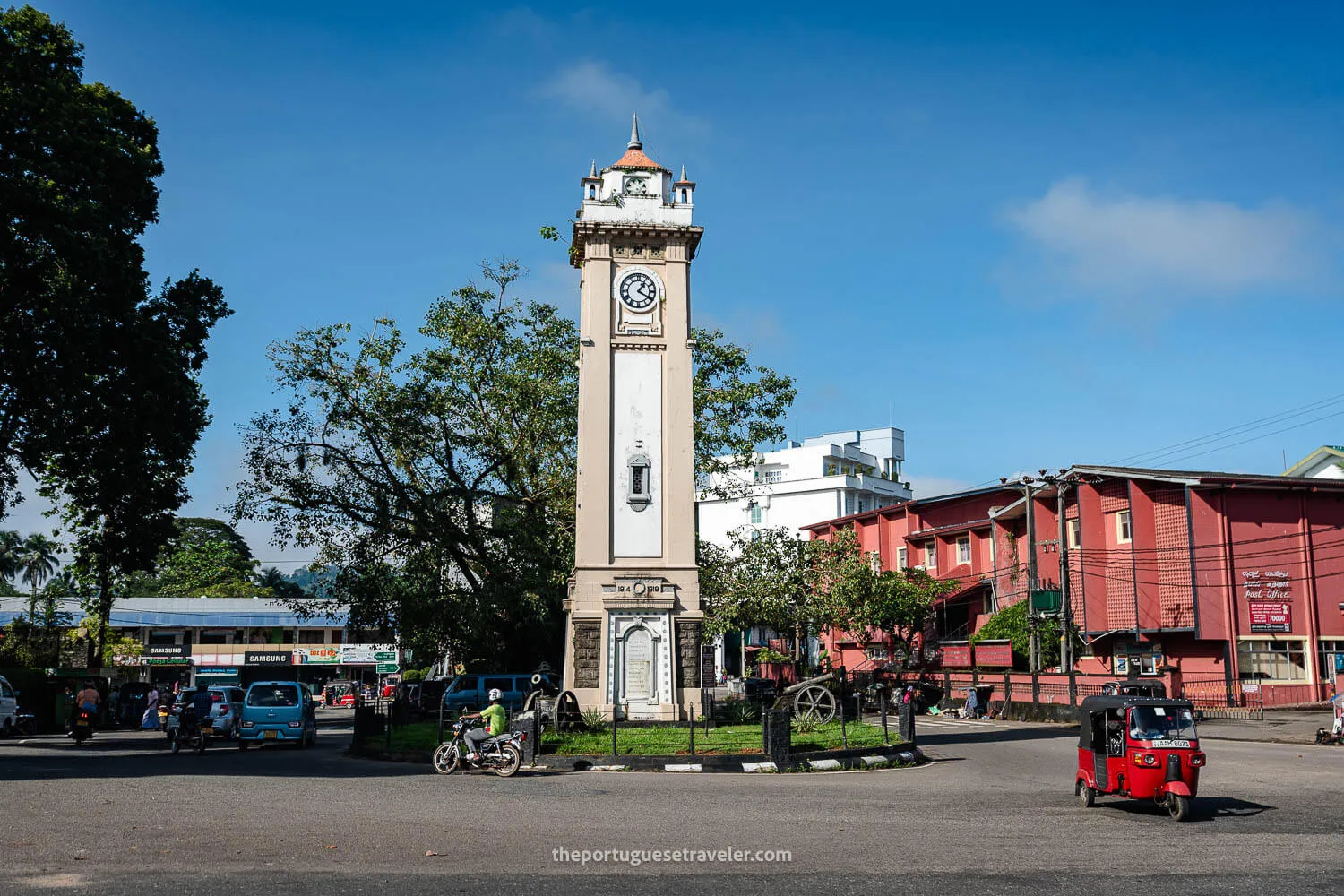
The Clock Tower in the center of Ratnapura
Table of Contents
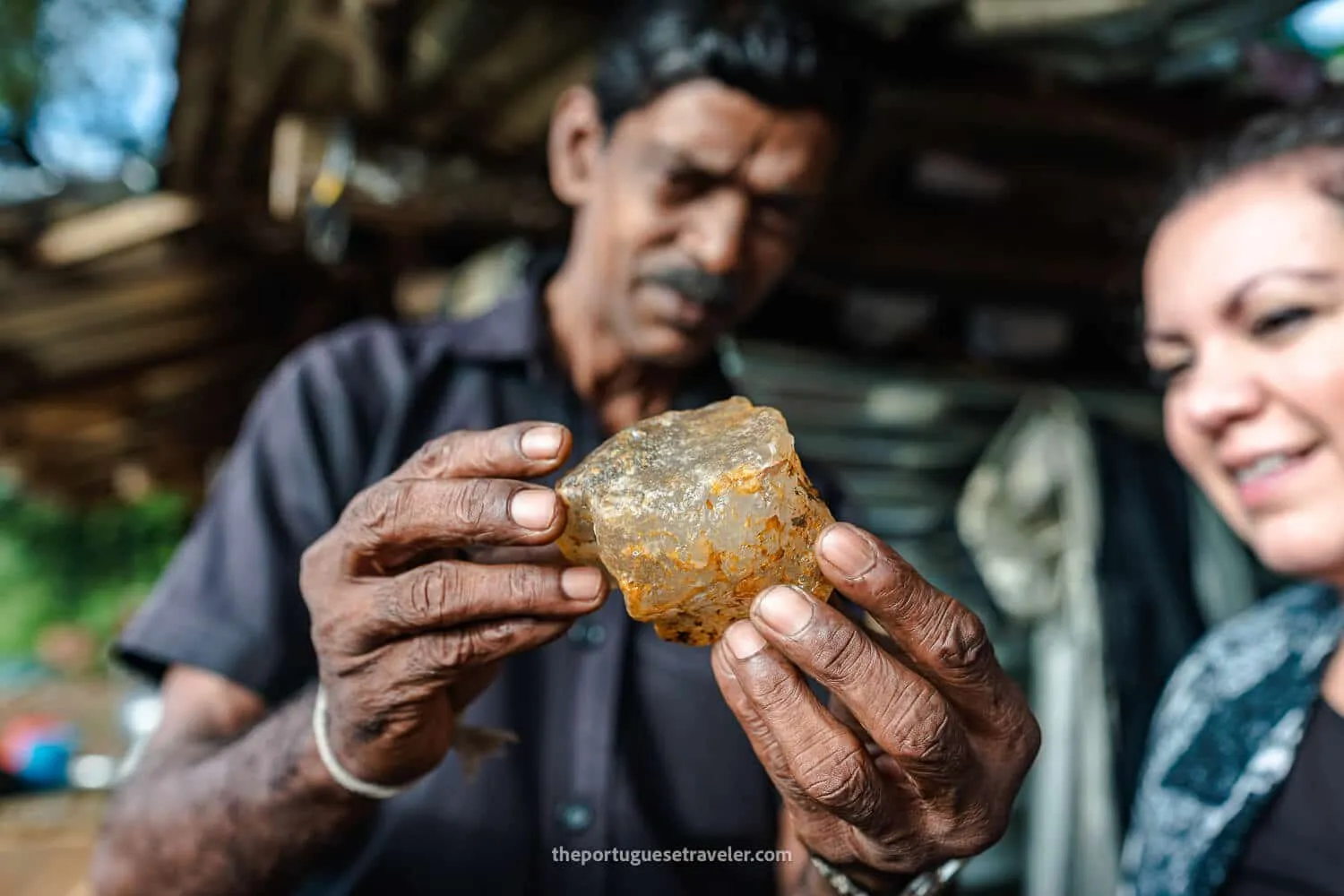
A Gem found in the Ratnapura mine we visited
Ratnapura: Essential Information
Known as the “City of Gems”, Ratnapura is Sri Lanka’s chief hub for precious and semi-precious stones, nestled in the lush southwestern part of the island. This historic town is famed for its gem mines, breathtaking landscapes, and cultural significance. From its bustling gem markets to its proximity to Adam’s Peak and the Sinharaja Rainforest, Ratnapura offers a rich blend of natural beauty and cultural heritage.
- Location: 101 km southeast of Colombo, on the Kalu River
- Elevation: 130 meters (430 ft)
- Province: Sabaragamuwa
- Area: 20 km² (8 sq mi)
- Population: 165,998 (2022)
- Famous for: Gem mining, including rubies, sapphires, cat’s eyes, and star sapphires
- Historic Sites: Portuguese Fort Ruins, Gem Museum
For more information please get in touch with the official tourism board at:
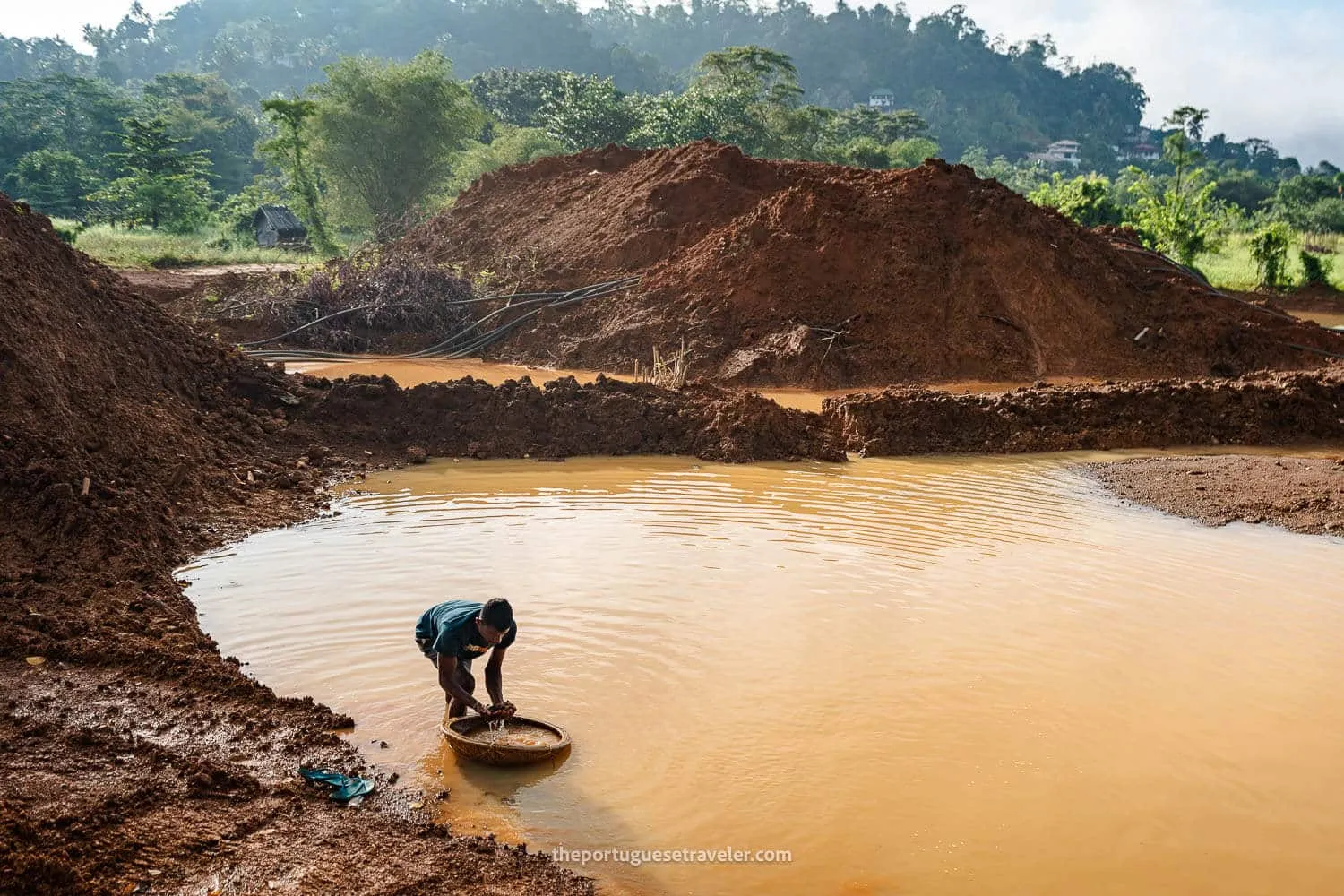
A miner in an open-cast mine searching for gems
Why Visit Ratnapura, Sri Lanka?
Ratnapura, known as the “City of Gems,” is one of those places that feels both vibrant and laid-back at the same time. It’s famous for its gem industry, and if you’re into unique souvenirs or jewelry, this is the spot to pick up some beautiful stones at much better prices than you’d find abroad – after all, they’re sourced and cut right here. Visiting the local gem markets or mines gives you a front-row seat to the process, and it’s fascinating to see the journey from raw stone to polished gem. Beyond the gems, Ratnapura is in a really convenient spot for exploring. It’s around 100 km from Colombo, making it an easy escape from the city, and it sits right at the base of Adam’s Peak. Whether you’re climbing for the spiritual significance or just to catch the sunrise, it’s an experience worth having. The Sinharaja Rainforest, a UNESCO site full of wildlife, is nearby, and if you’re into waterfalls, Bambarakanda Falls – the tallest in Sri Lanka – isn’t too far either. Udawalawe National Park is also close by if you want to go on safari and see elephants in the wild. Ratnapura kind of feels like a middle ground for everything – a bit of nature, a bit of history, and a lot of local life. It’s not as polished as some touristy areas, but that’s part of the charm. Whether you’re here to buy gems or just passing through on your way to another adventure, it’s a stop worth making.
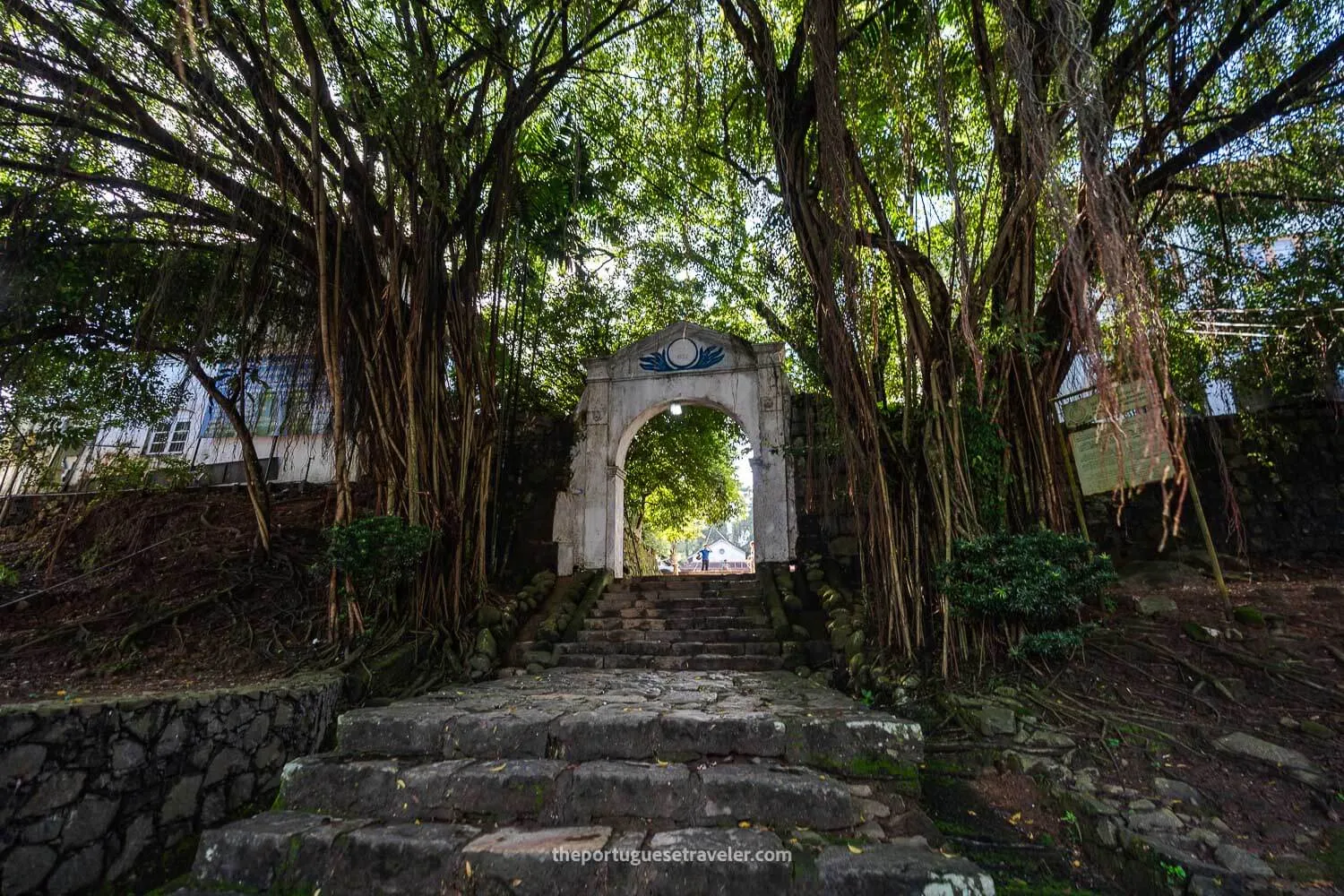
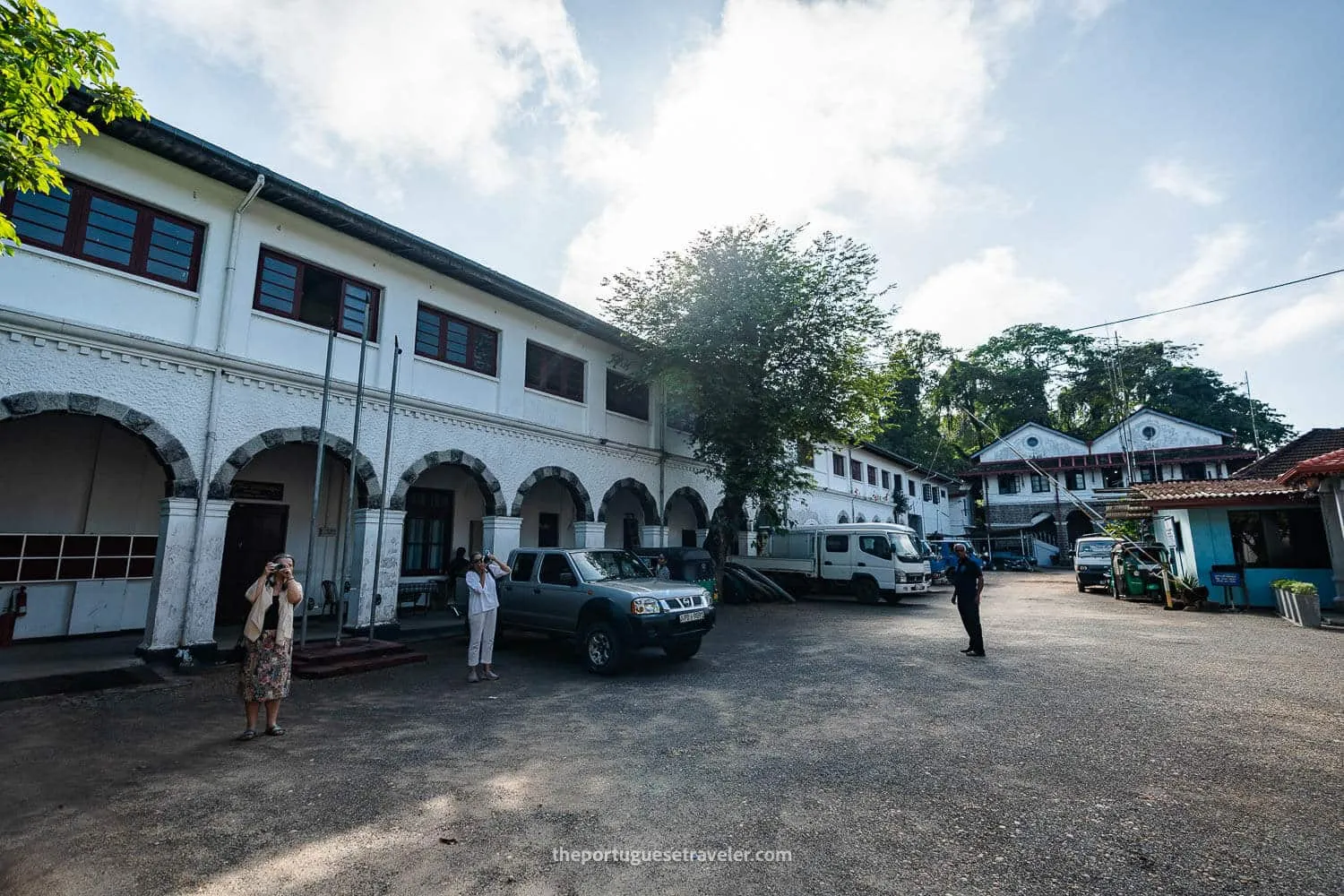
The Portuguese-Dutch Fort of Ratnapura
When is The Best Time to Visit Ratnapura?
Ratnapura receives rainfall almost throughout the year, so the best time to visit is from January to March, when the average rainfall is at its minimum. During this period, the weather is more predictable, and you can explore the city’s gem mines and nearby waterfalls without worrying about the rain. If you’re interested in experiencing a lively cultural scene, consider visiting in September when the city comes alive with a procession and various festivities. This time offers a unique opportunity to witness the local traditions while still enjoying manageable weather.
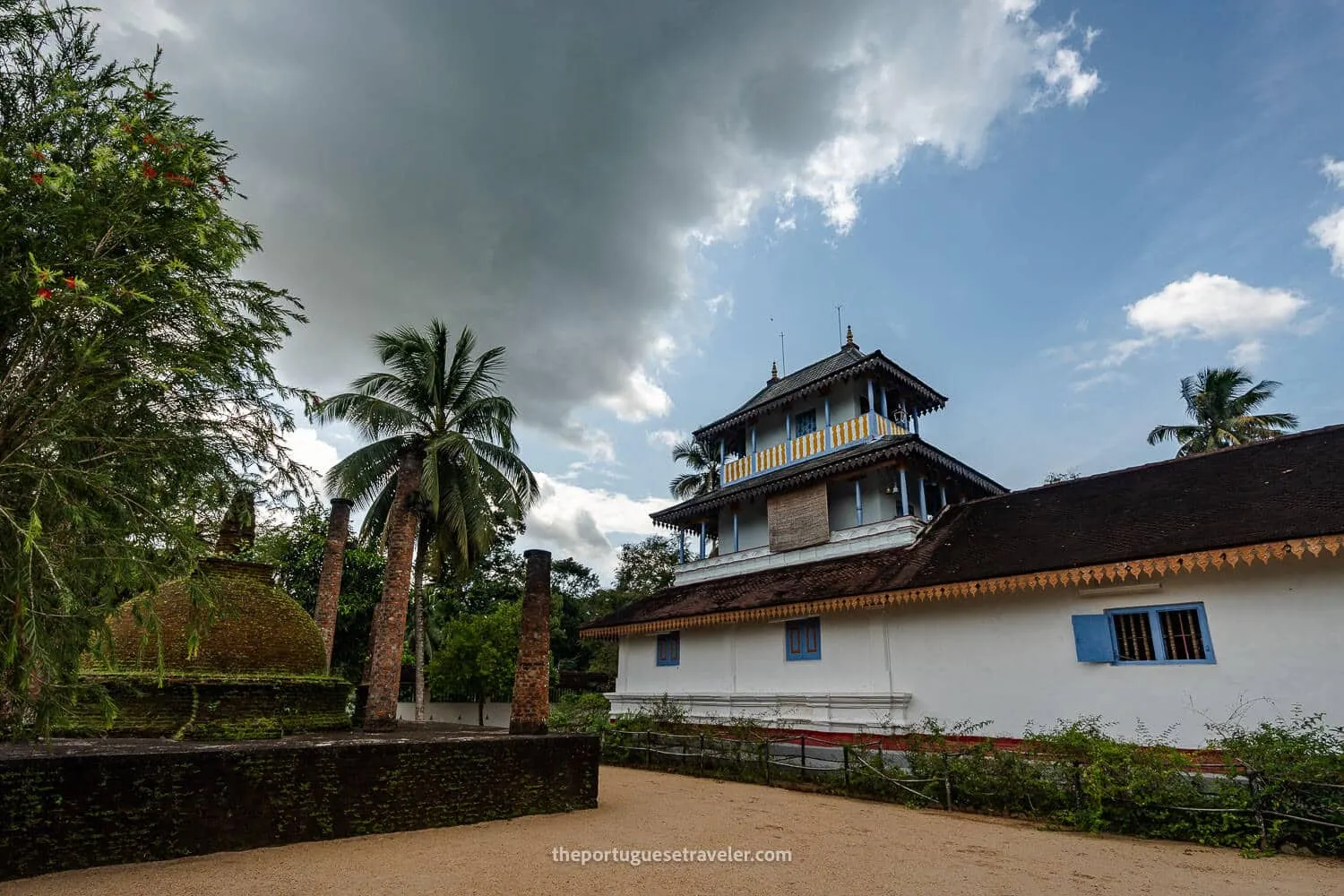
The Maha Saman Dewalaya Temple in Ratnapura
How to Get from Colombo to Ratnapura?
On our press trip, we traveled to Ratnapura with a private shuttle arranged by the Sri Lanka Tourism Board. However, if you’re traveling on your own, here are the available transportation options with their estimated travel times: Private Car/Taxi:
- Time: 2.5 to 3 hours
- Details: A comfortable and quick option. You can also travel by tuktuk for a more adventurous ride, although it might take a little longer and be less comfortable.
- Time: 3 to 4 hours
- Details: Direct buses from Pettah Bus Terminal to Ratnapura are an affordable choice, but expect possible delays and crowded conditions.
- Time: Approximately 3 to 4 hours, depending on connections.
- Details: Trains run from Colombo to Pelmadulla (about 15 km from Ratnapura). You would need to take a taxi or bus from there to the city center.
- Time: Varies (typically around 2.5 to 3 hours)
- Details: If you book a guided tour or excursion, transportation is often included, providing a hassle-free journey.
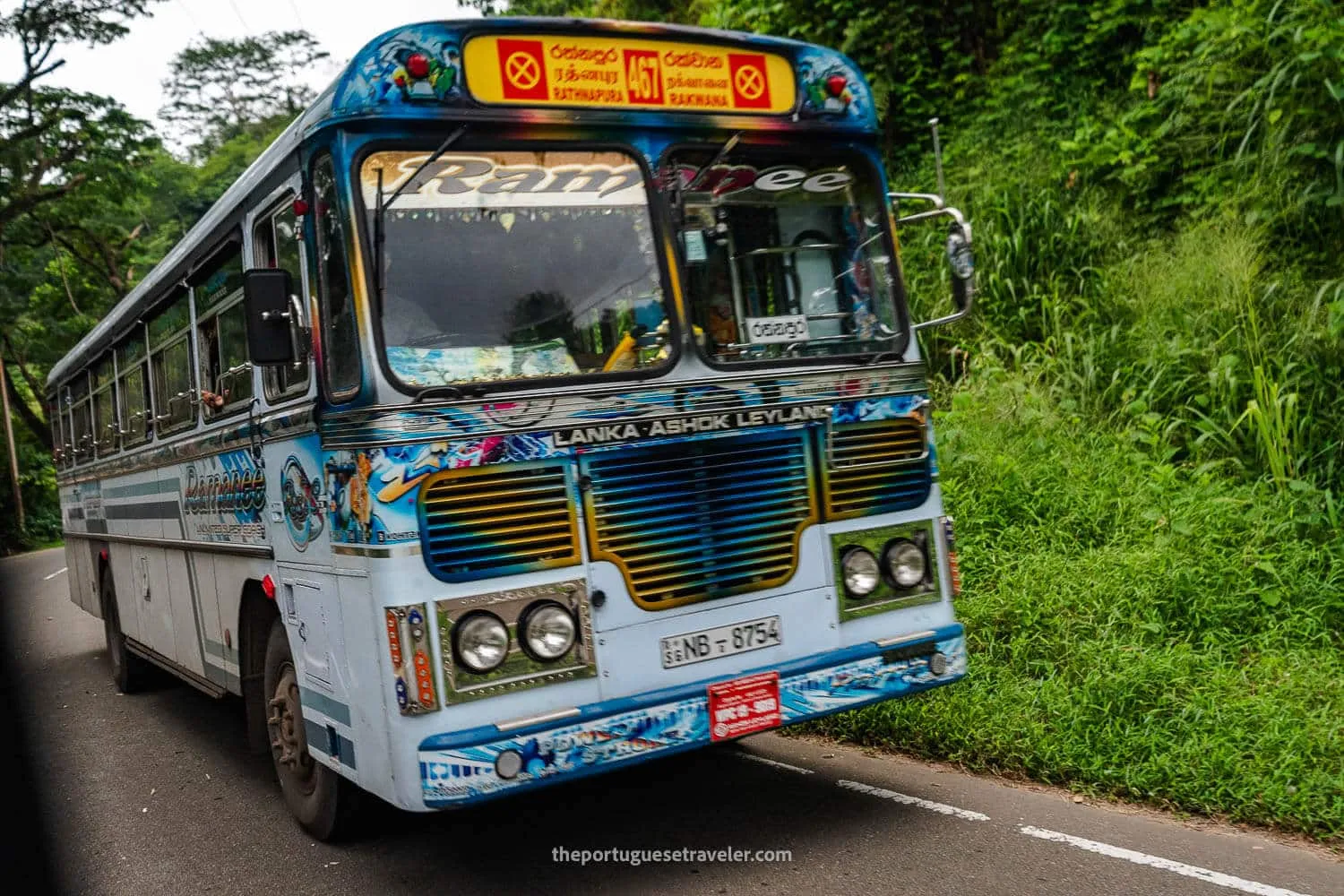
A local bus in Sri Lanka (There might be modern buses but that’s what i saw next to Ratnapura)
How to Get Around Ratnapura, Sri Lanka?
Getting around Ratnapura is pretty easy. Tuktuks are the most common and convenient way to get around the city, and they can take you to all the key attractions nearby, from gem mines to the gem markets. You’ll find them readily available, and they’re perfect for short trips around the town. If you’re planning to head a bit further out, you can also use a private vehicle or a local bus, which are affordable options. For those interested in exploring Sinharaja Rainforest or visiting a gem mine, I’d recommend negotiating a tuktuk fare for a day to explore at your own pace, as it’s a fun and easy way to experience the area!
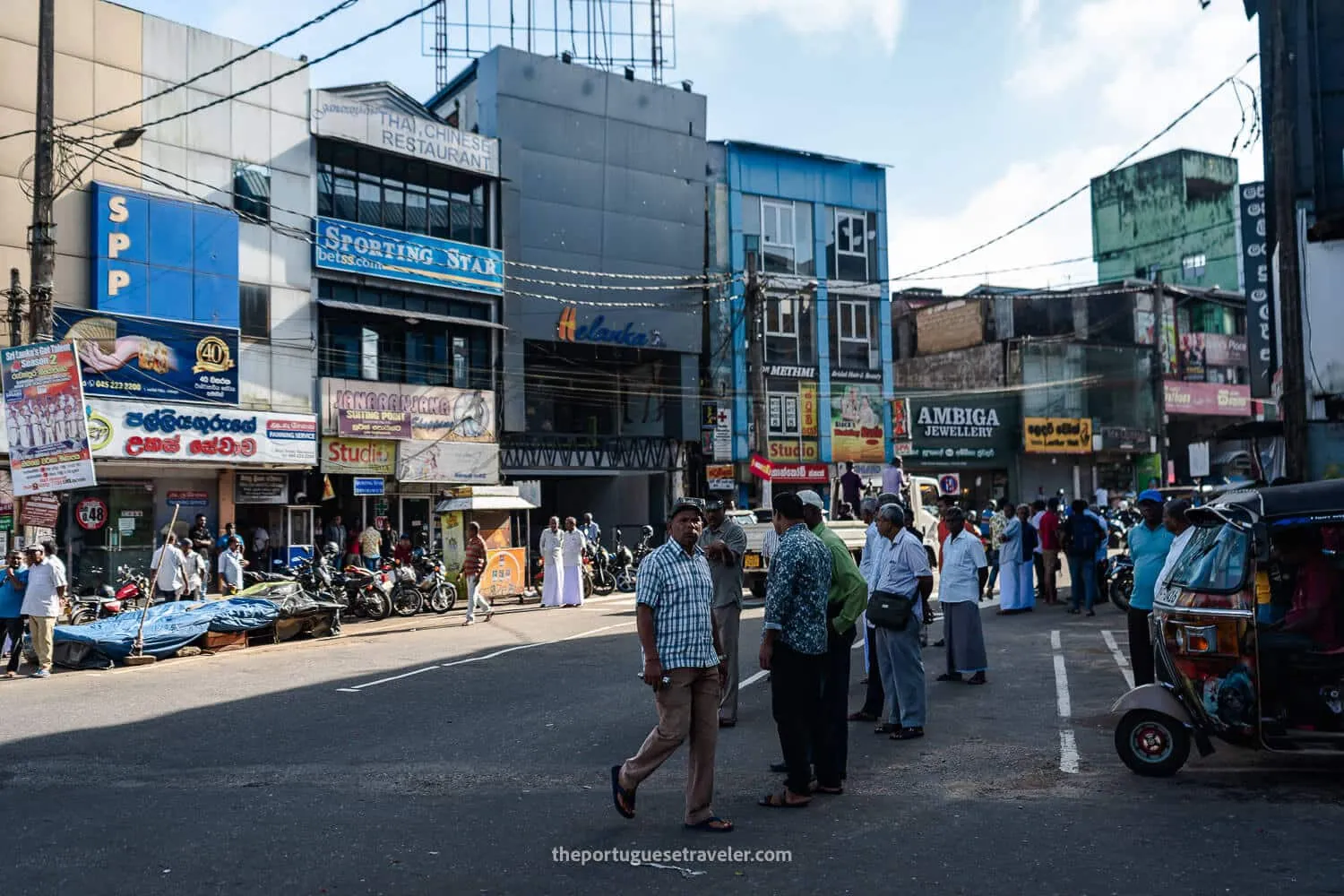
Ratnapura City
Is Ratnapura Safe for Tourists?
From my experience and everything I’ve heard, Ratnapura is generally a safe and welcoming place for tourists. When I arrived in Colombo, I kept hearing that Sri Lanka feels like a “safe and clean” version of India, with even friendlier people. I found that to be true across the country, and Ratnapura is no exception. Locals are warm and helpful, especially in the gem markets where they’re often happy to explain the mining process or show off their collections. Like in any city, it’s smart to take basic precautions – watch your belongings in crowded markets and avoid isolated areas at night. One thing I noticed in Ratnapura is that the vibe is laid-back, and people seem genuinely interested in sharing their gemstone trade and local history. It’s part of what makes exploring the gem mines, waterfalls, and fort so enjoyable. I felt comfortable throughout my visit, and as long as you stay aware of your surroundings and take the usual common-sense measures, I don’t think you’ll run into any issues. Also, if you plan on going off the beaten path, travel insurance (I recommend Heymondo) is always a good idea – better safe than sorry.
Best Things to See in Ratnapura
Ratnapura isn’t just Sri Lanka’s “City of Gems” – it’s a place full of history, nature, and culture. If you’re visiting, you’ll find plenty to explore beyond the famous gem markets and mines. Here are some of the best spots to check out:
Maha Saman Dewalaya Temple
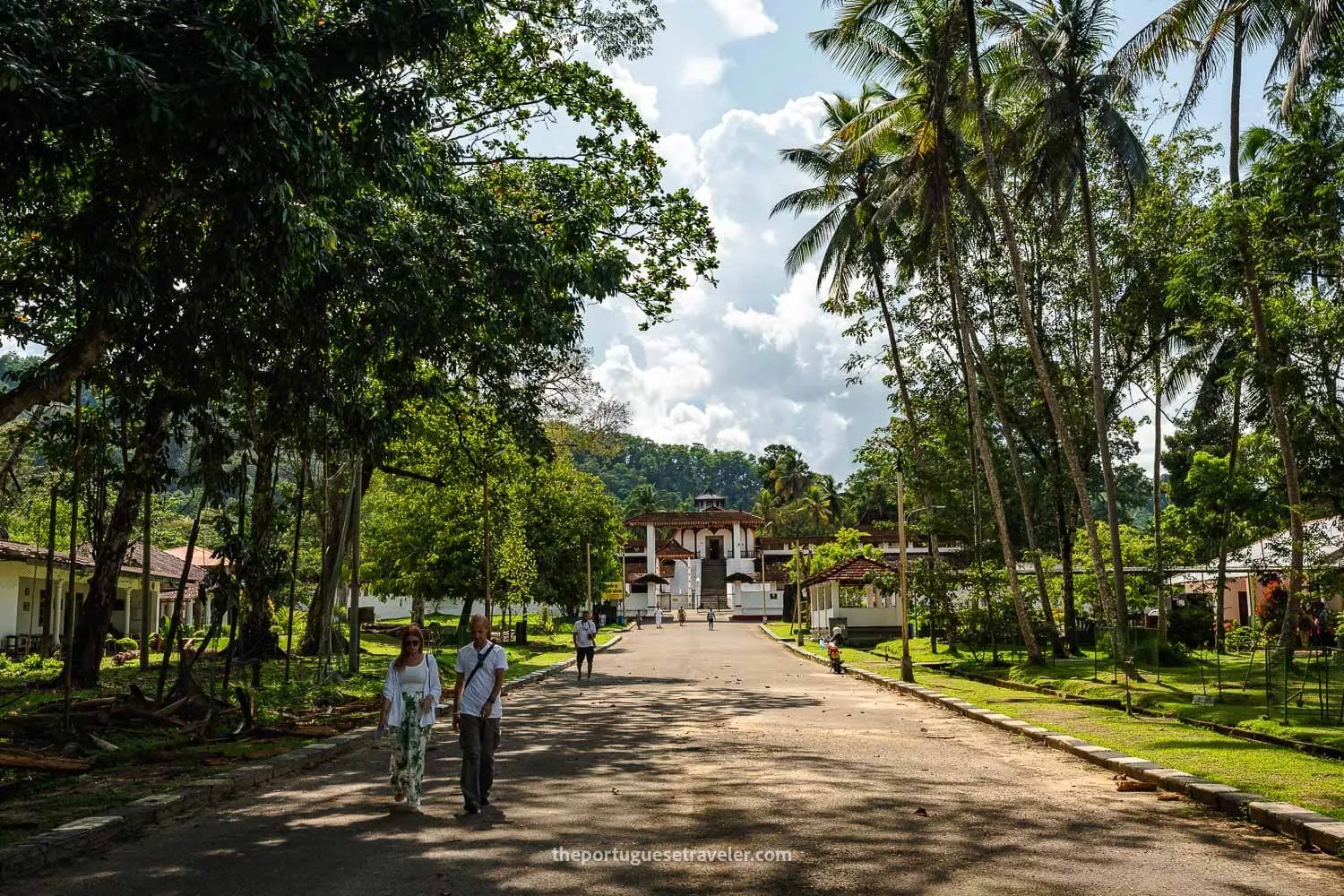
This ancient temple is dedicated to Saman, the guardian deity of Adam’s Peak and the protector of Ratnapura. It’s an important pilgrimage site with beautiful architecture and a rich spiritual history. The temple grounds are peaceful, making it a nice stop if you want to take in some local culture and traditions.
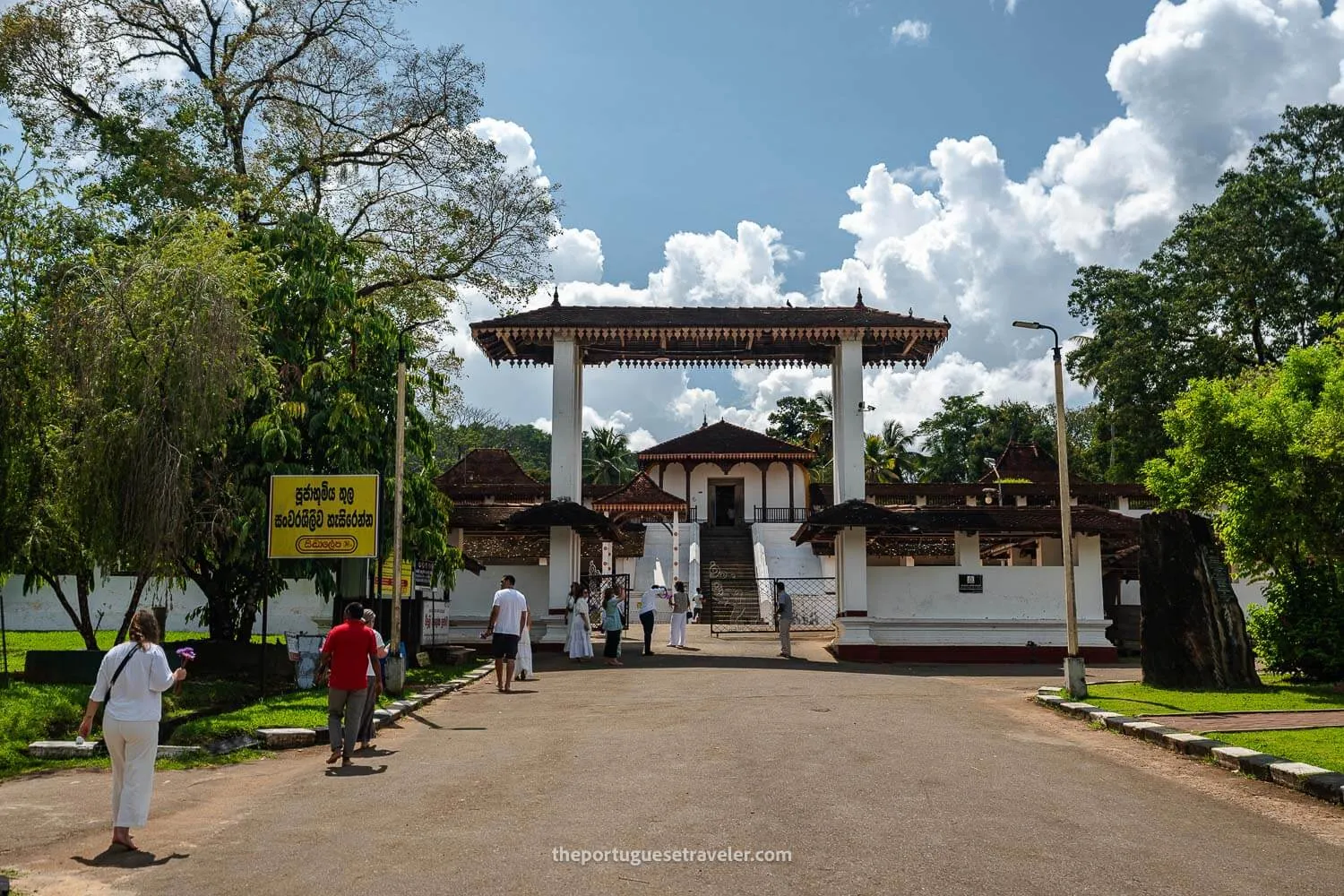
The Maha Saman Dewalaya Temple’s Entrance
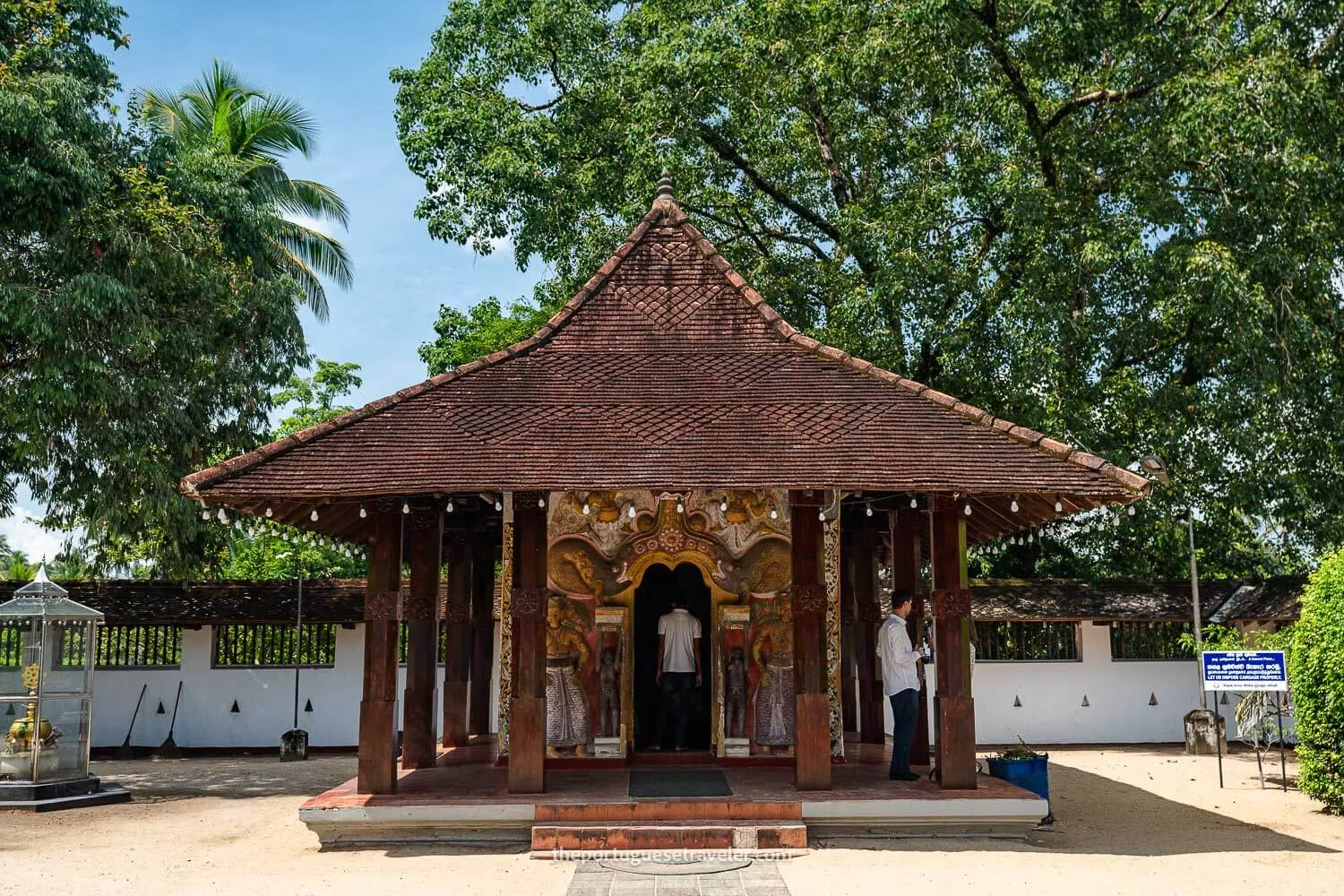
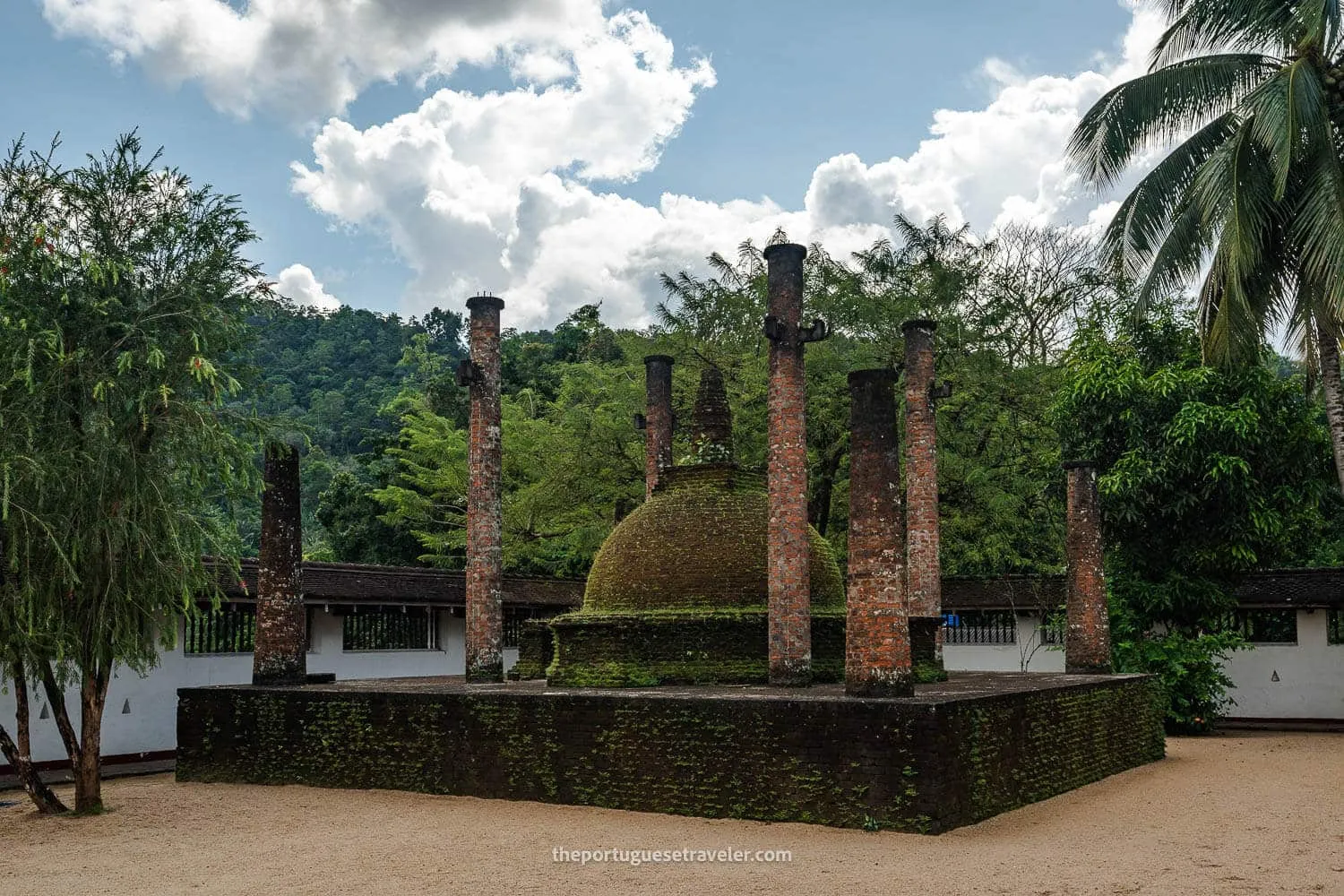
A smaller temple inside the Maha Saman Dewalaya
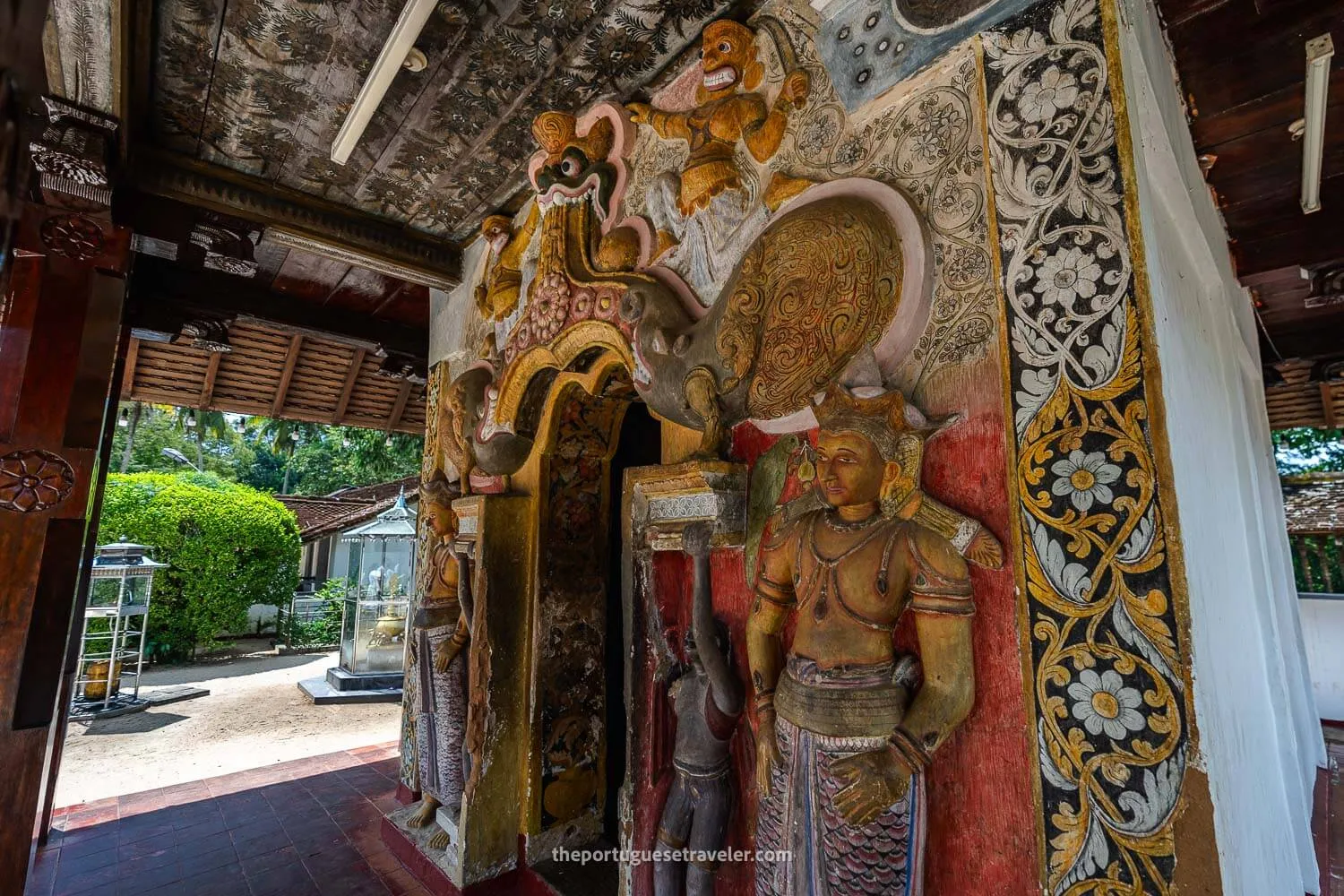
The minor temple inside the Maha Saman Dewalaya
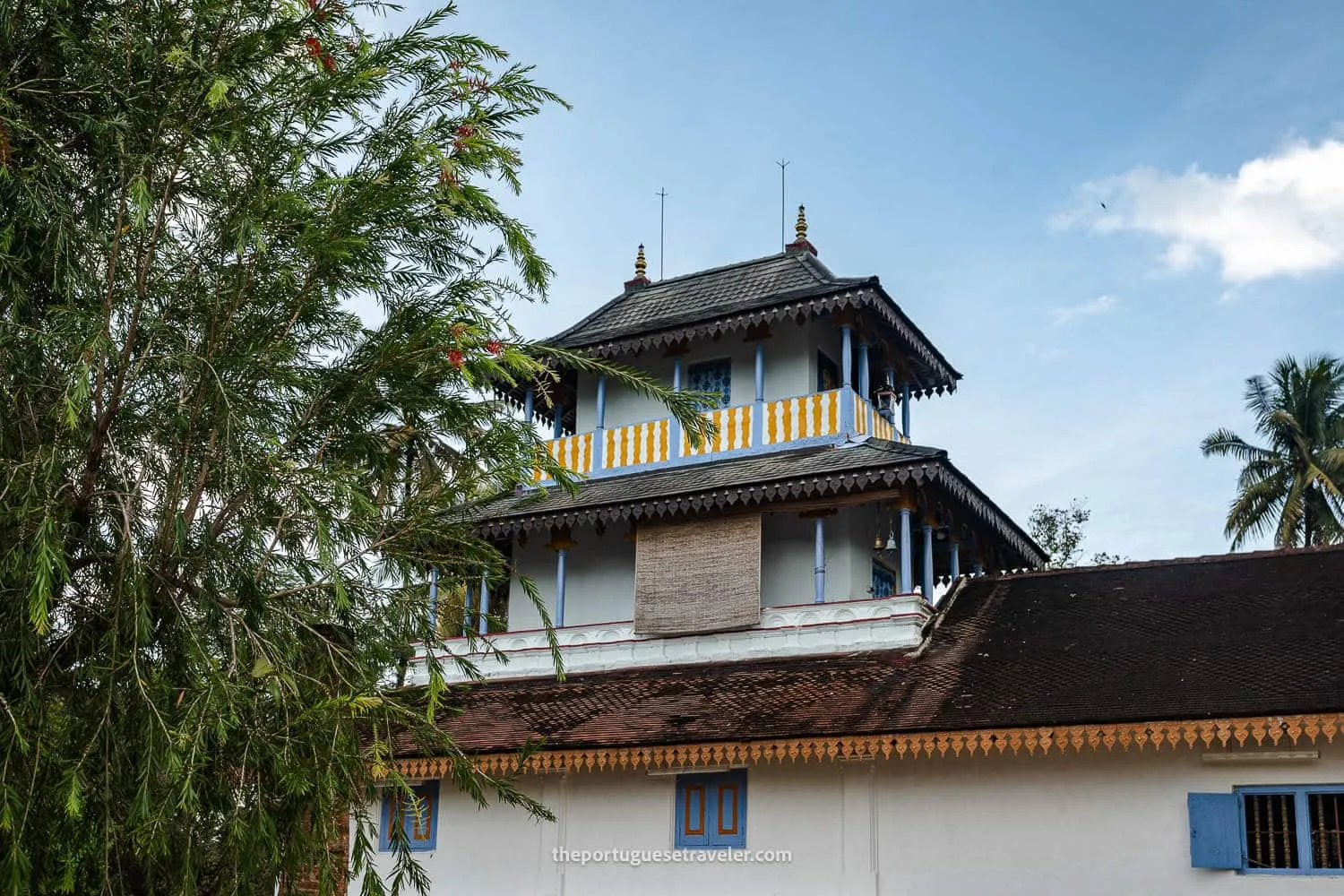
The main temple’s facade inside the Maha Saman Dewalaya Temple in Ratnapura
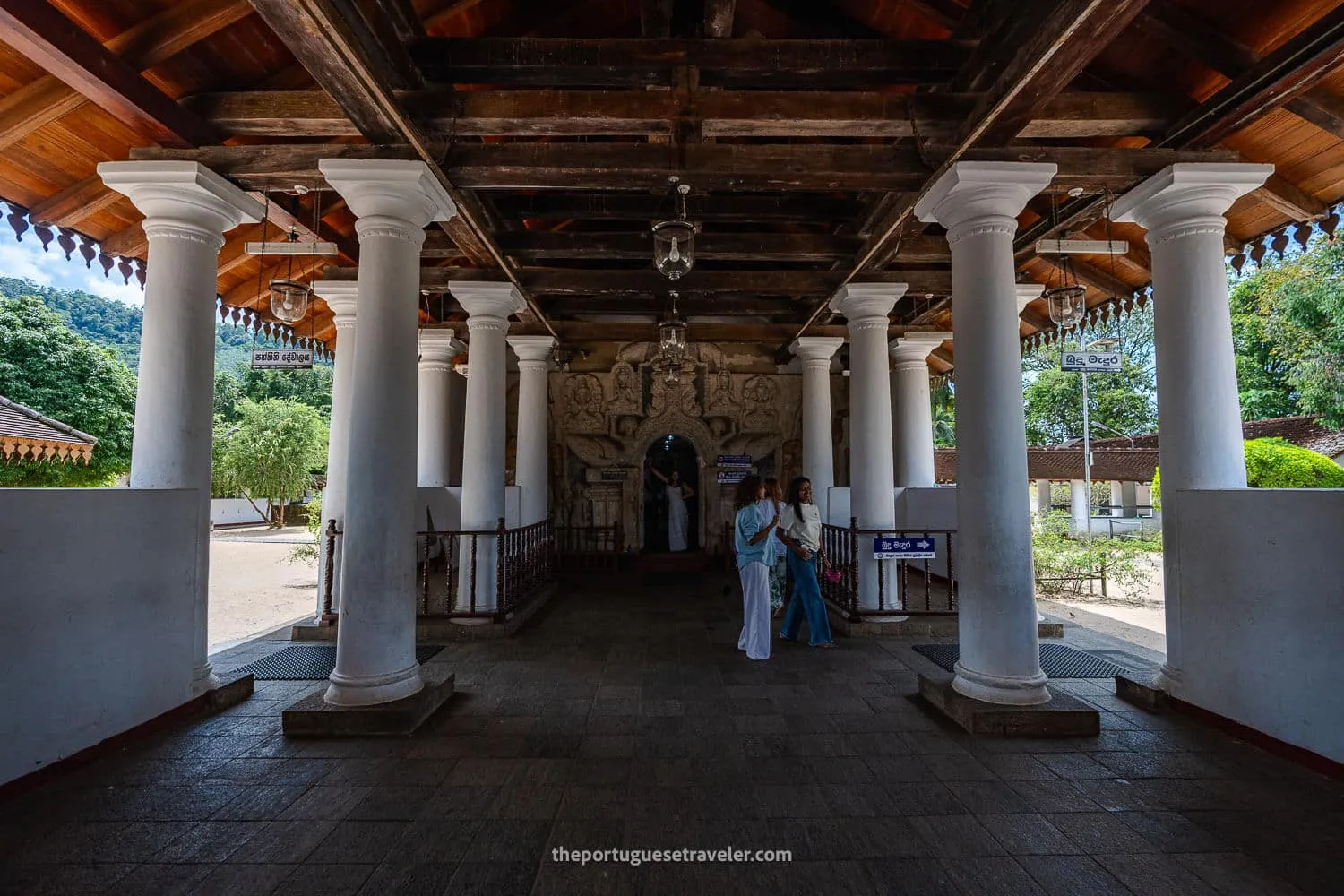
The covered area before the main temple
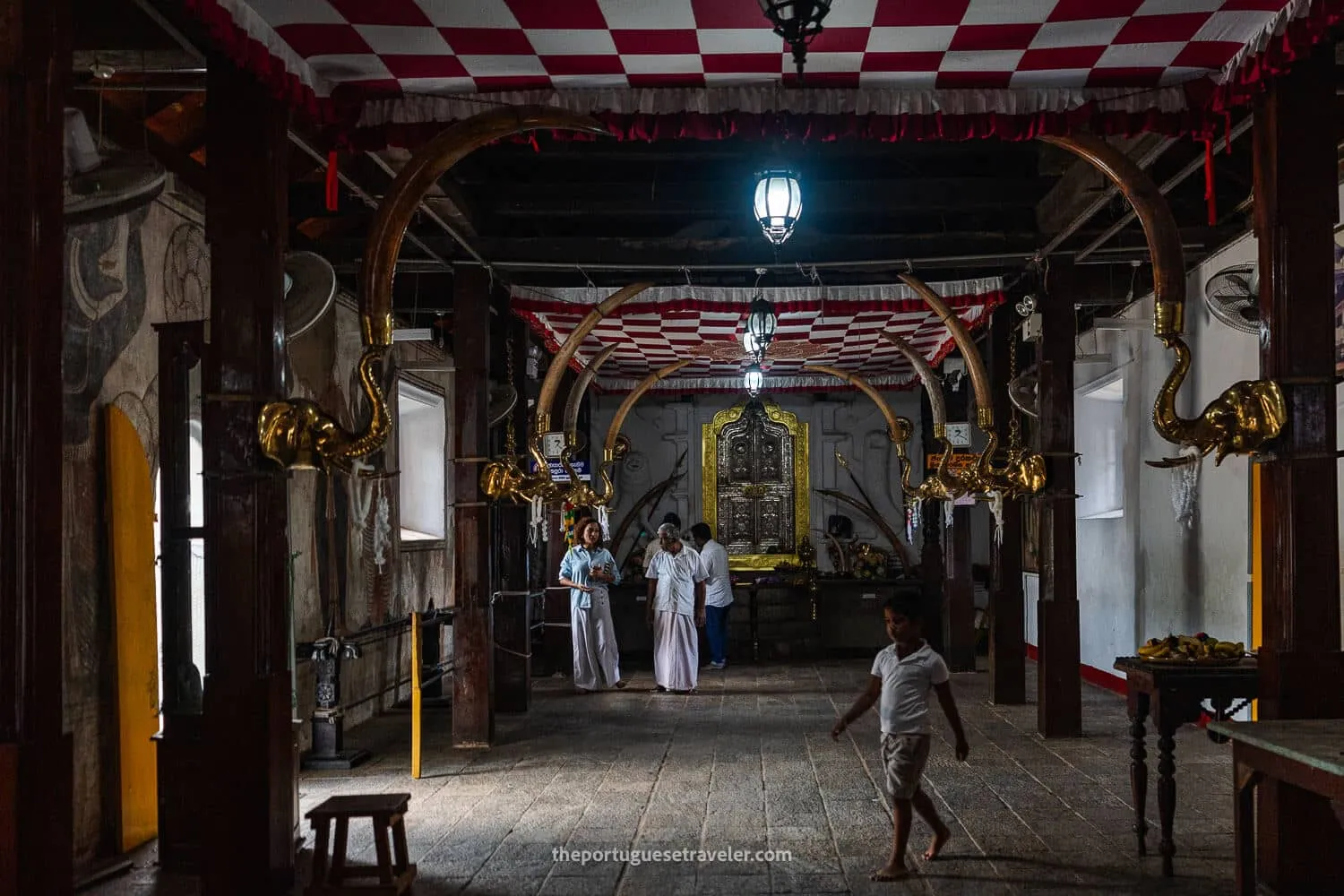
The interior of the main Maha Saman Dewalaya Temple (usually not allowed to take photos of)
Gem Mines
Visiting a gem mine is a must in Ratnapura. You can watch miners digging, washing, and sorting gravel in search of precious stones. Some of the world’s most famous gems, like the Blue Giant of the Orient or the Serendipity Sapphire, have been unearthed here. It’s a rare experience that gives you a true appreciation for the hard work behind these sparkling treasures.
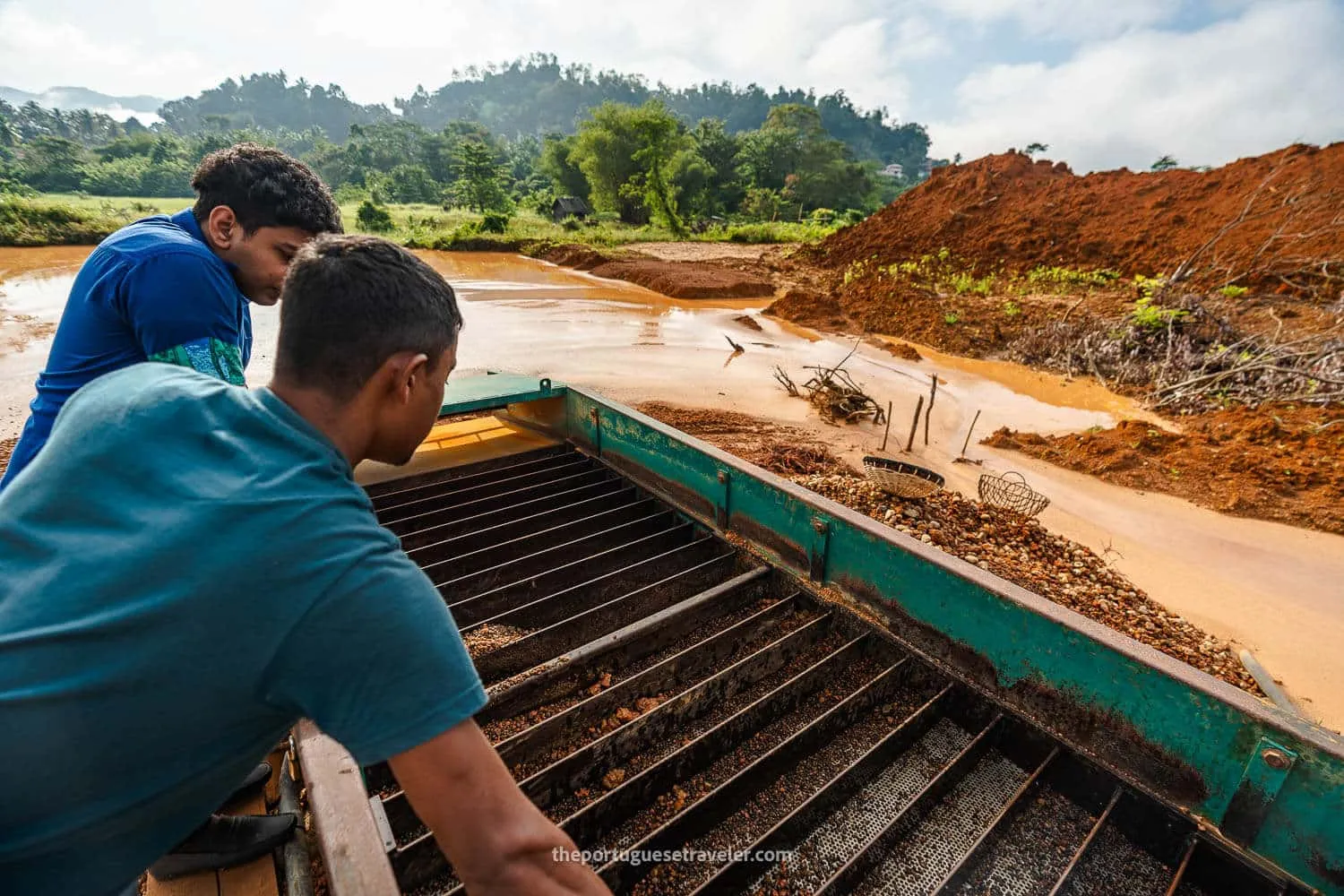
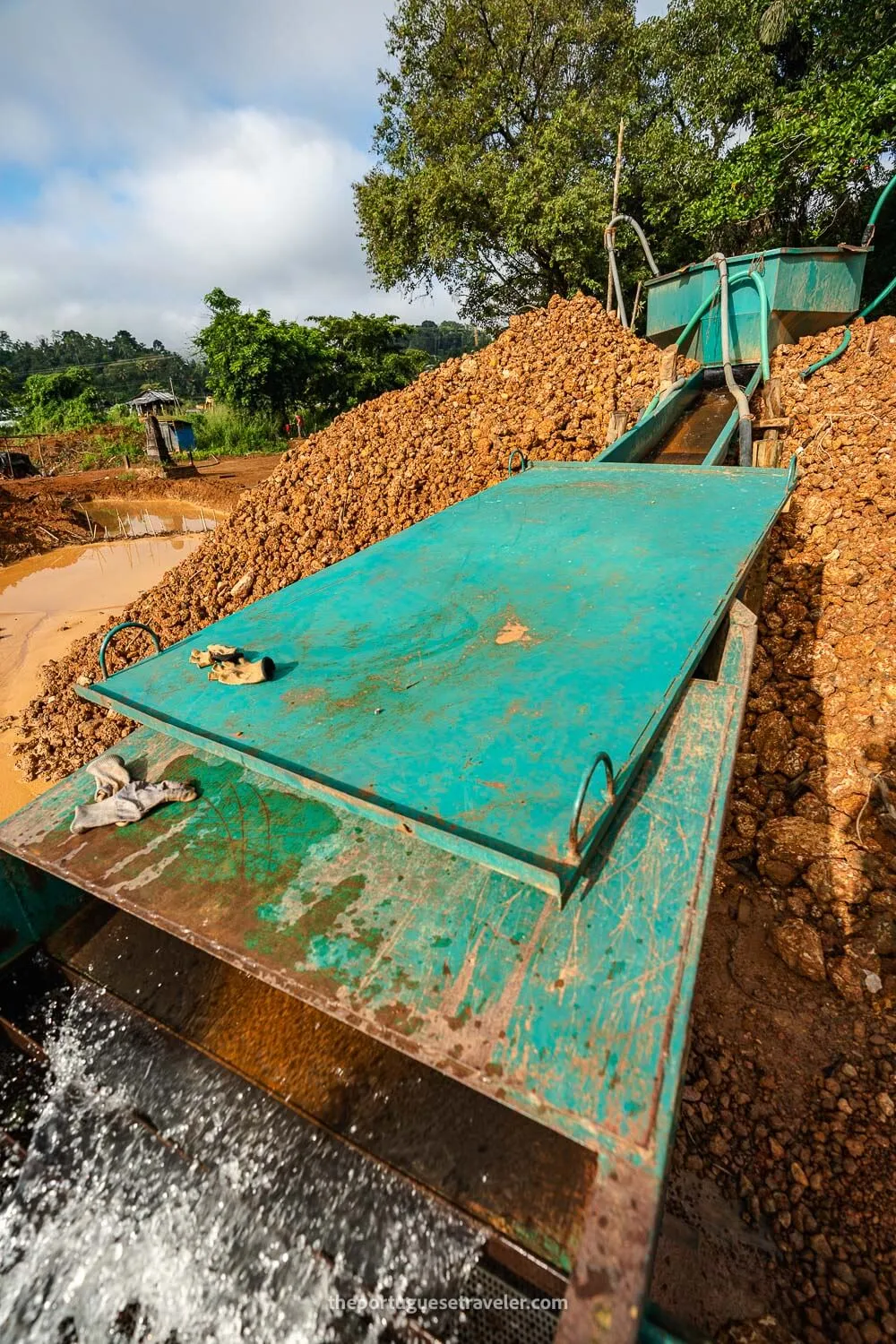
The water-filtering machine where firstly the earth goes through
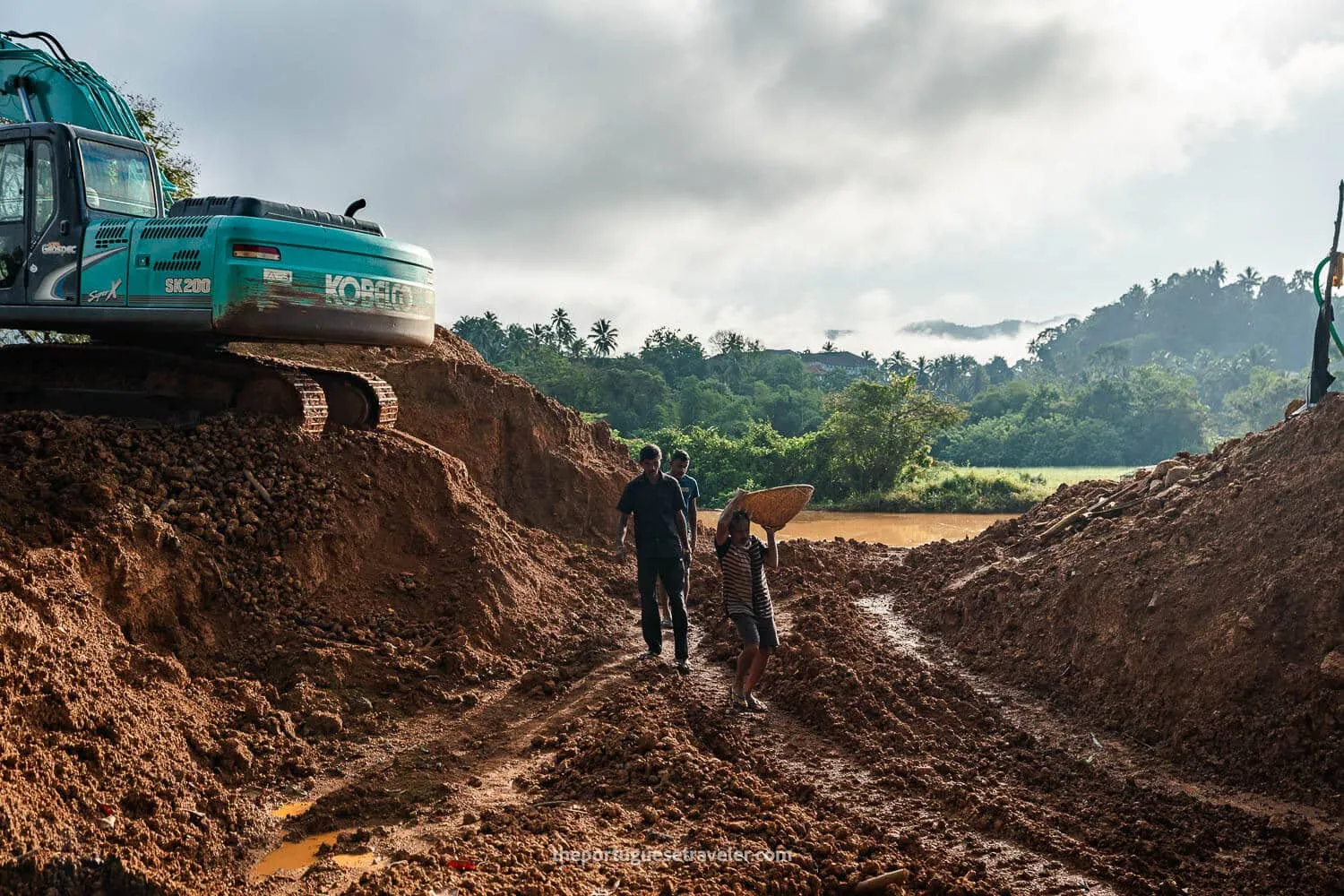
The miners transporting a basket full of gravel
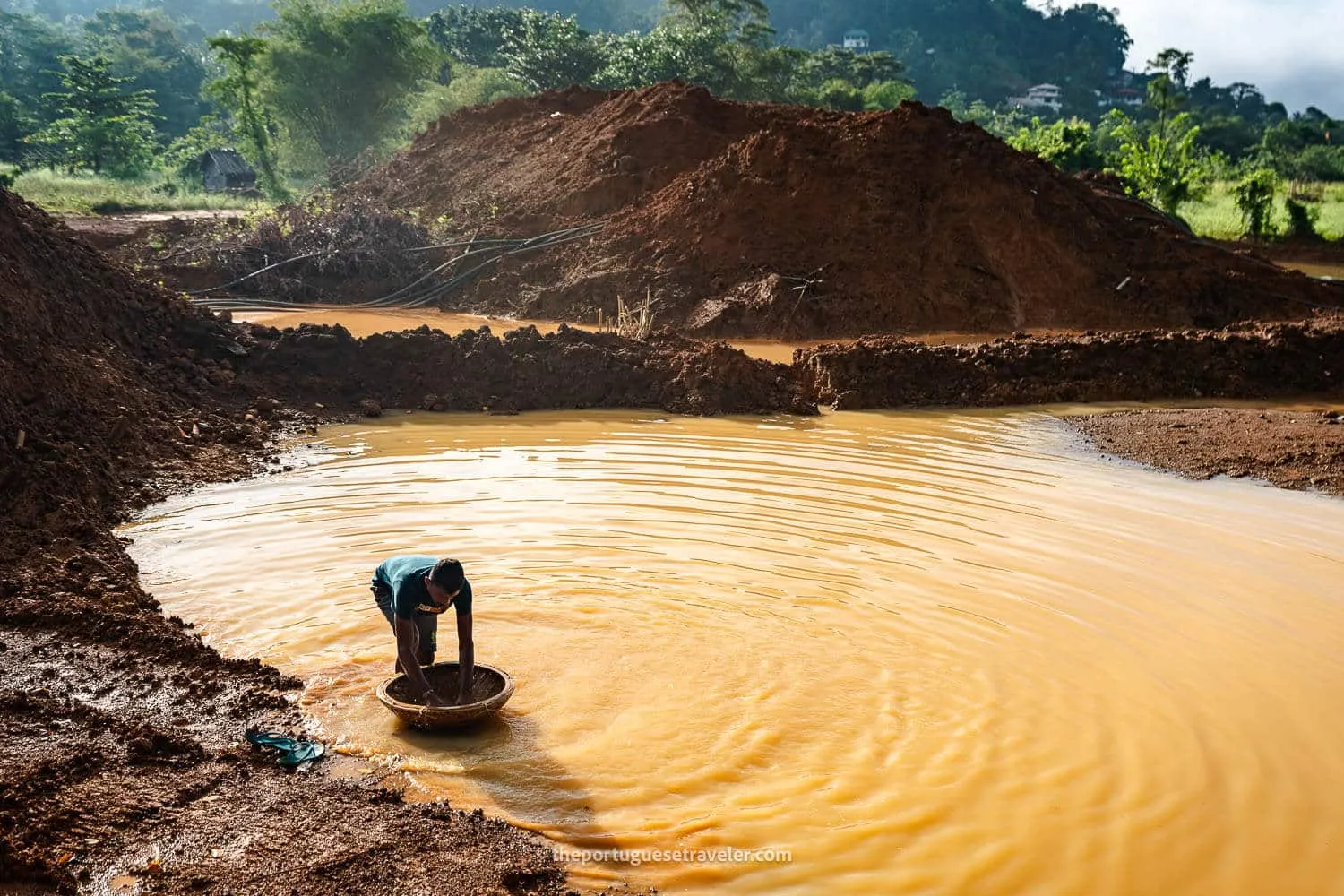
A miner in an open-cast mine searching for gems
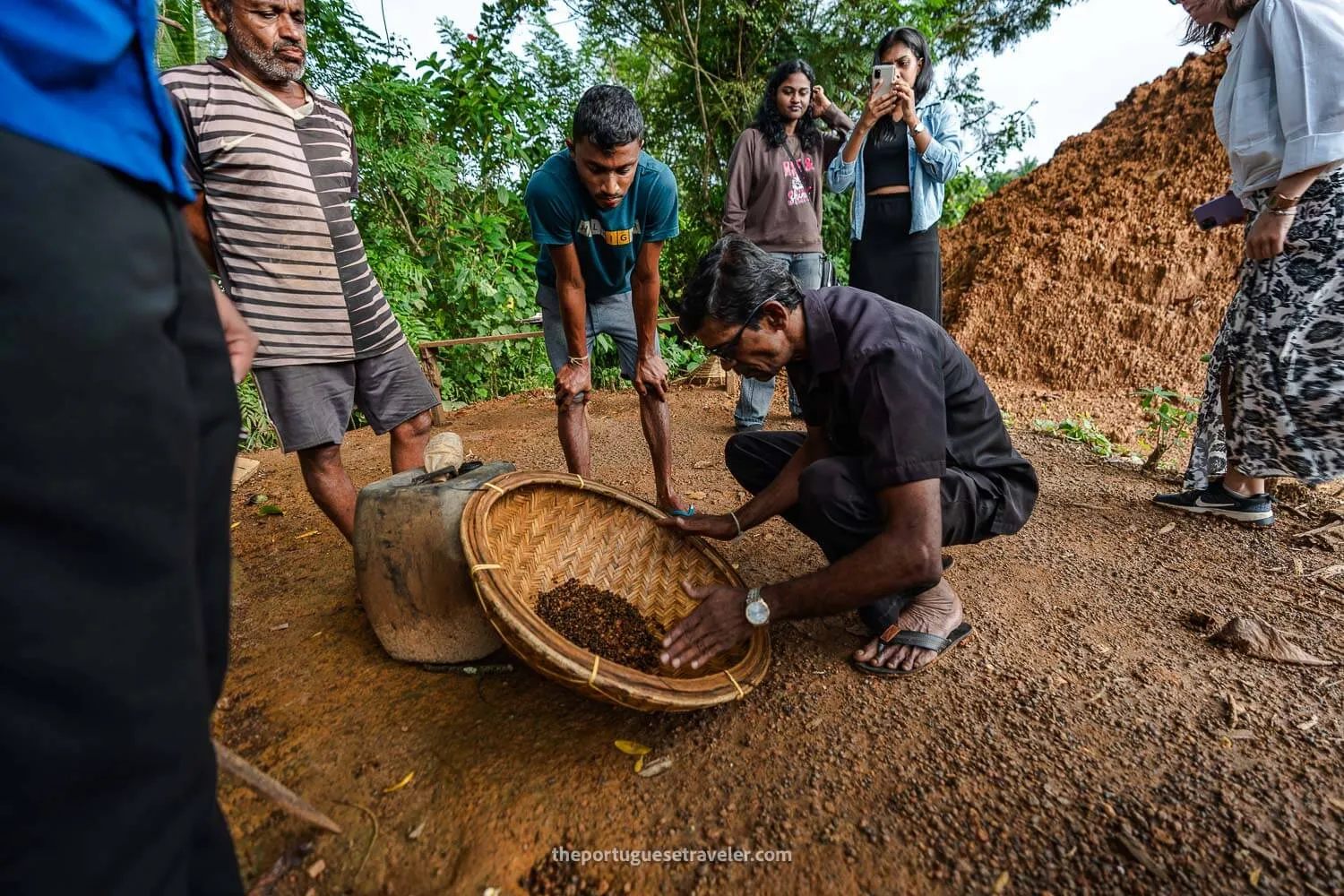
A miner checking if he got any gem
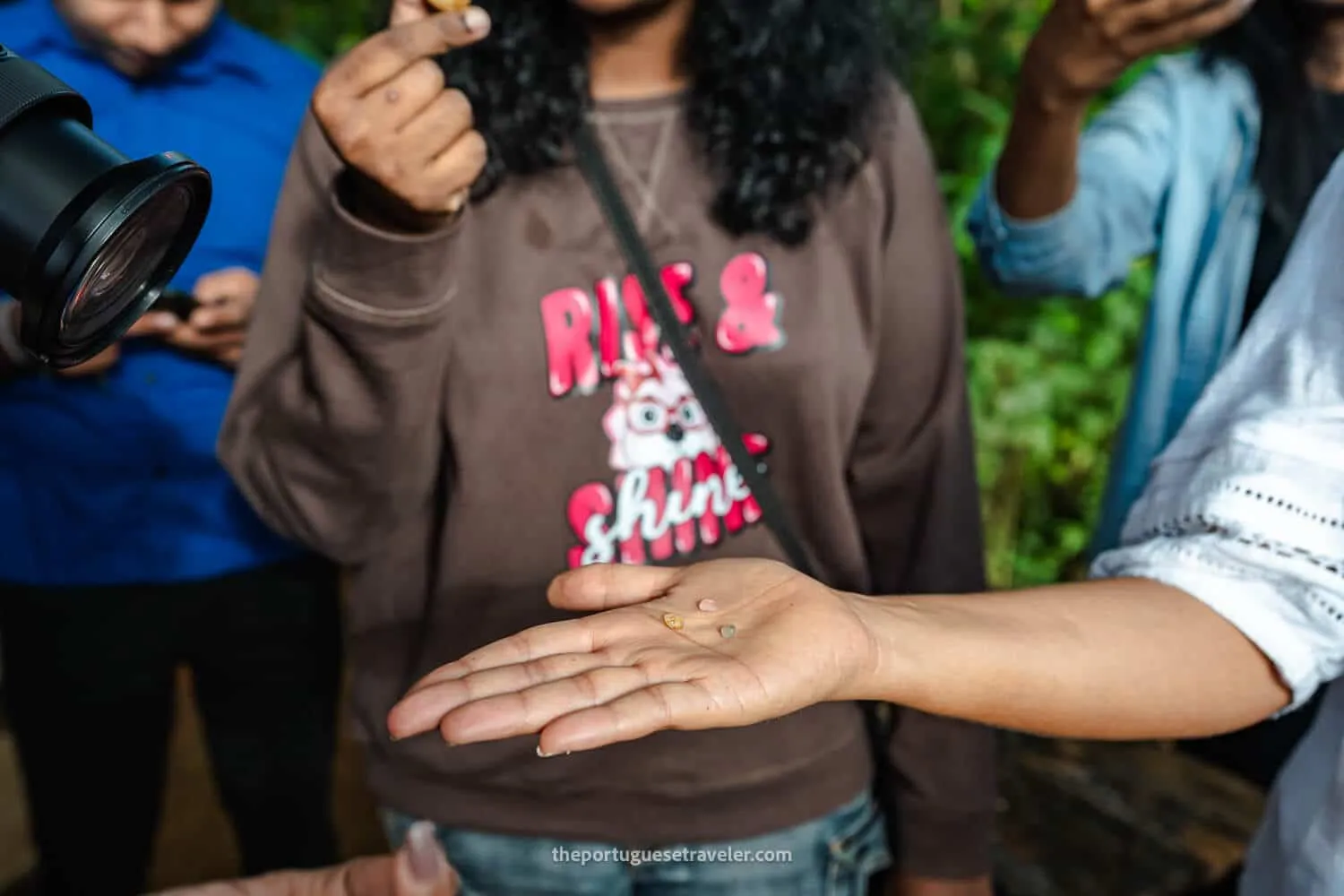
Some of the gems they found in this mine
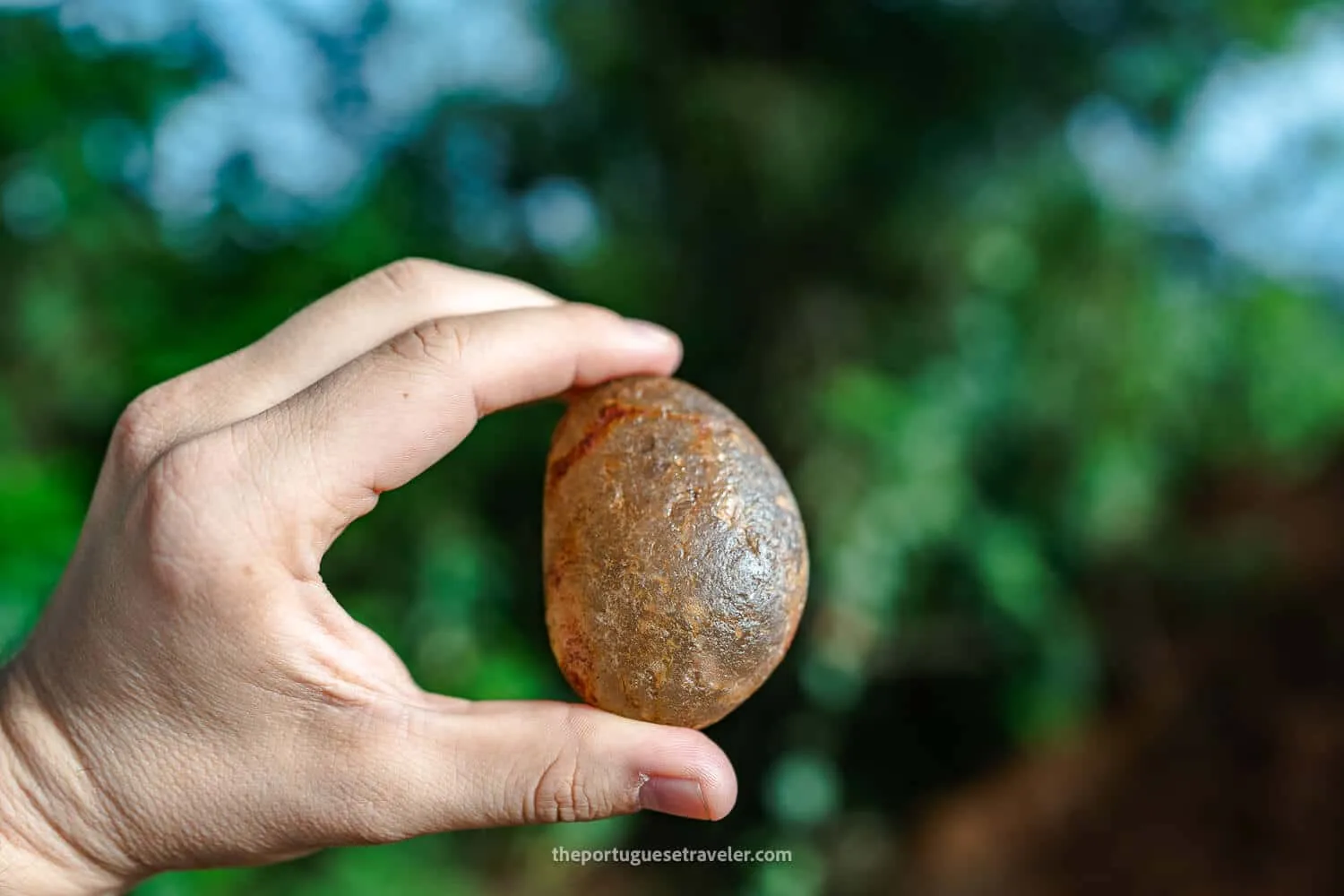
One of the biggest gems found in this mine
Gem Market
The Gem Market in Ratnapura is one of the most exciting spots to visit. The market is bustling with buyers, sellers, and traders, all dealing in various precious stones. It’s a lively, colorful place where you can see gems being bought and sold on the spot – and if you’re lucky, you might even find something rare at a better price than you would abroad.
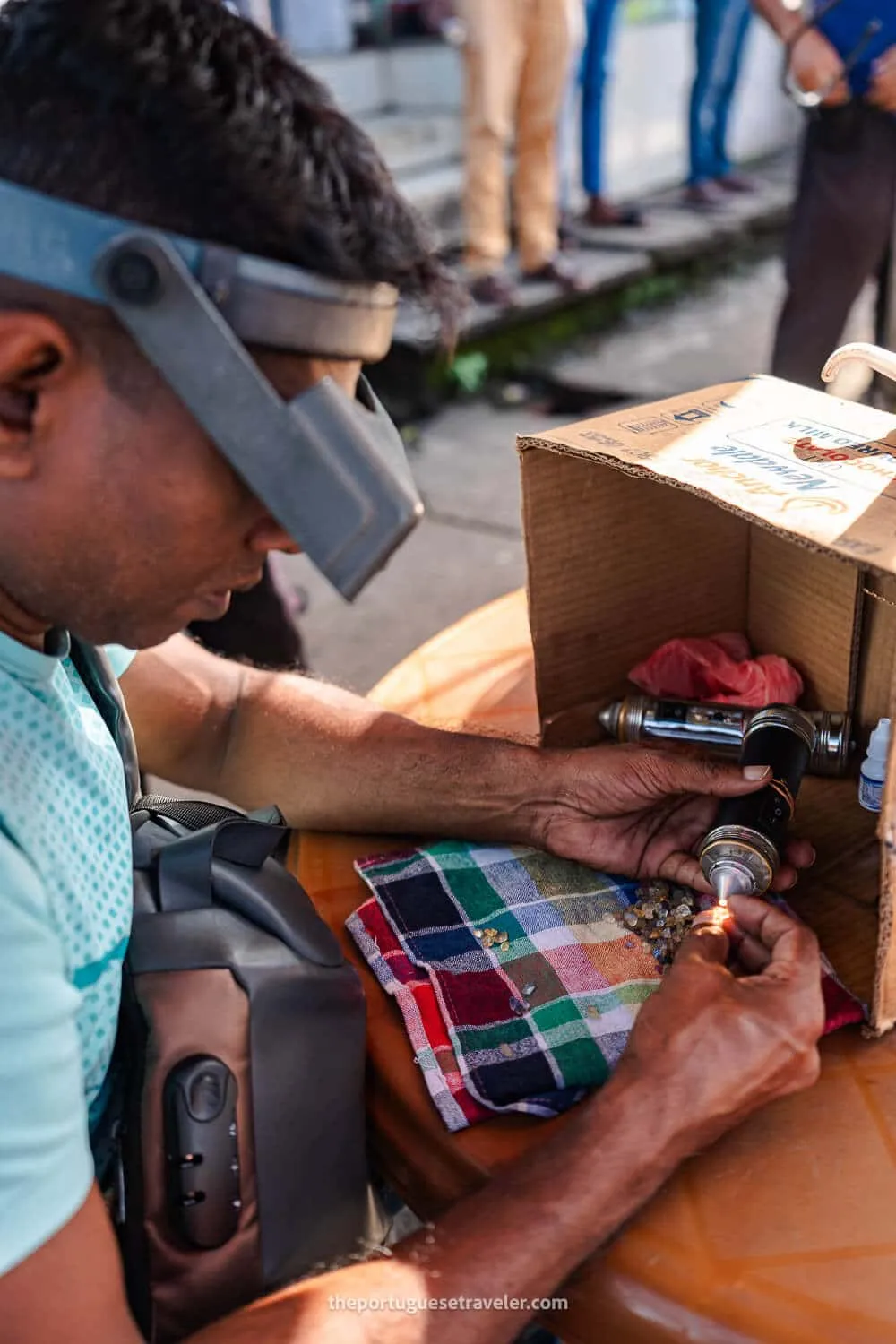
The Gem Market in the middle of Ratnapura City
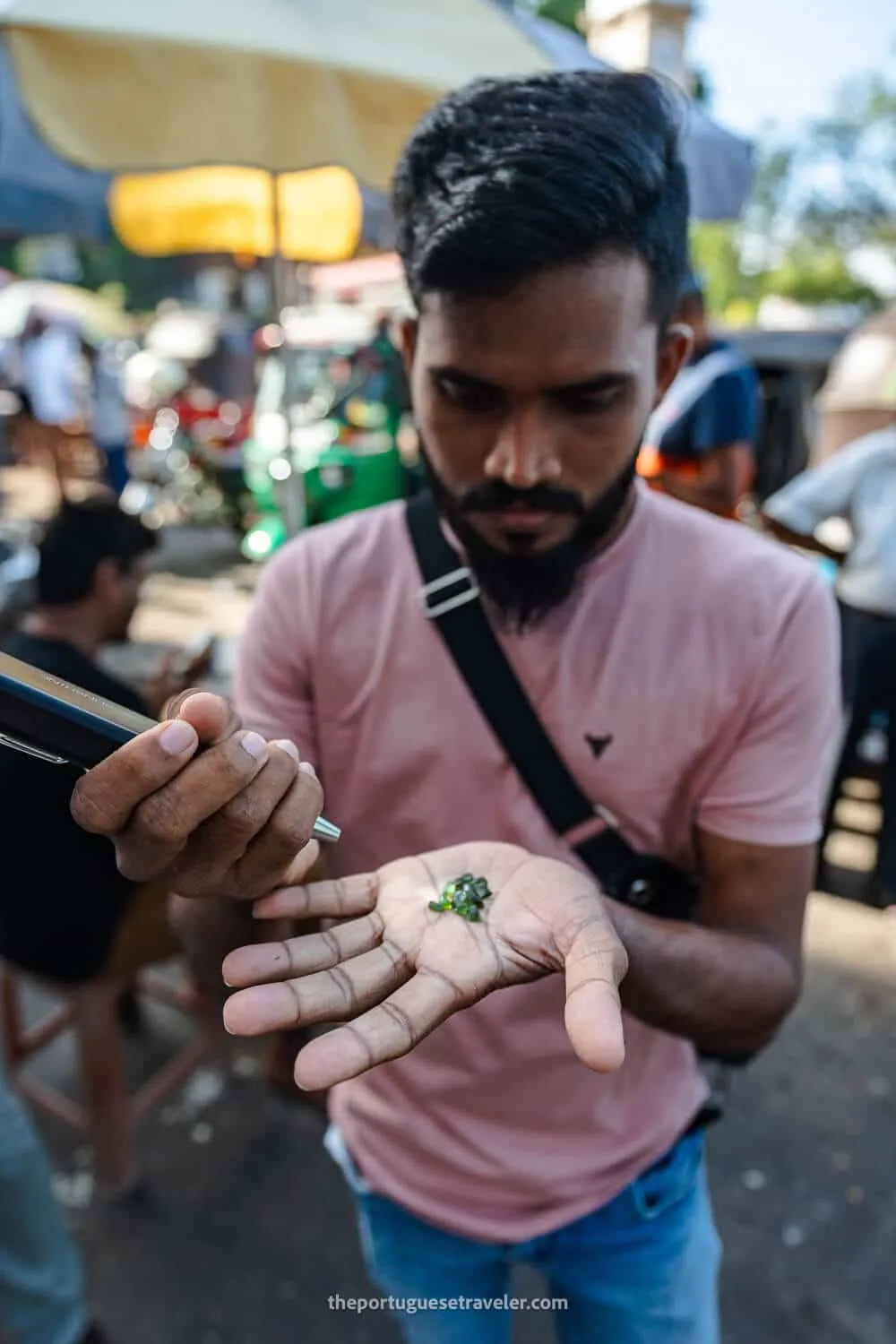
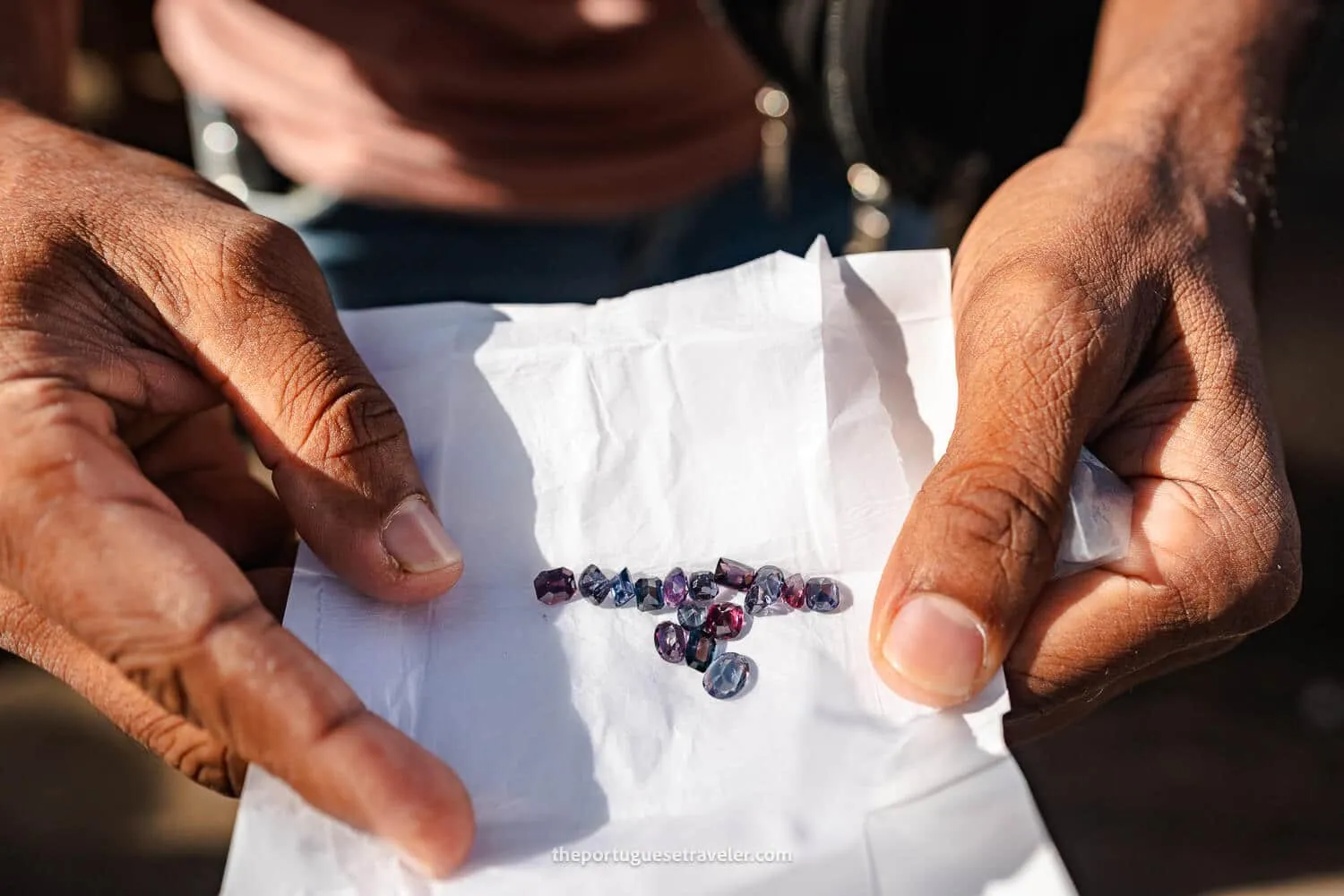
A gem vendor showing me his stones
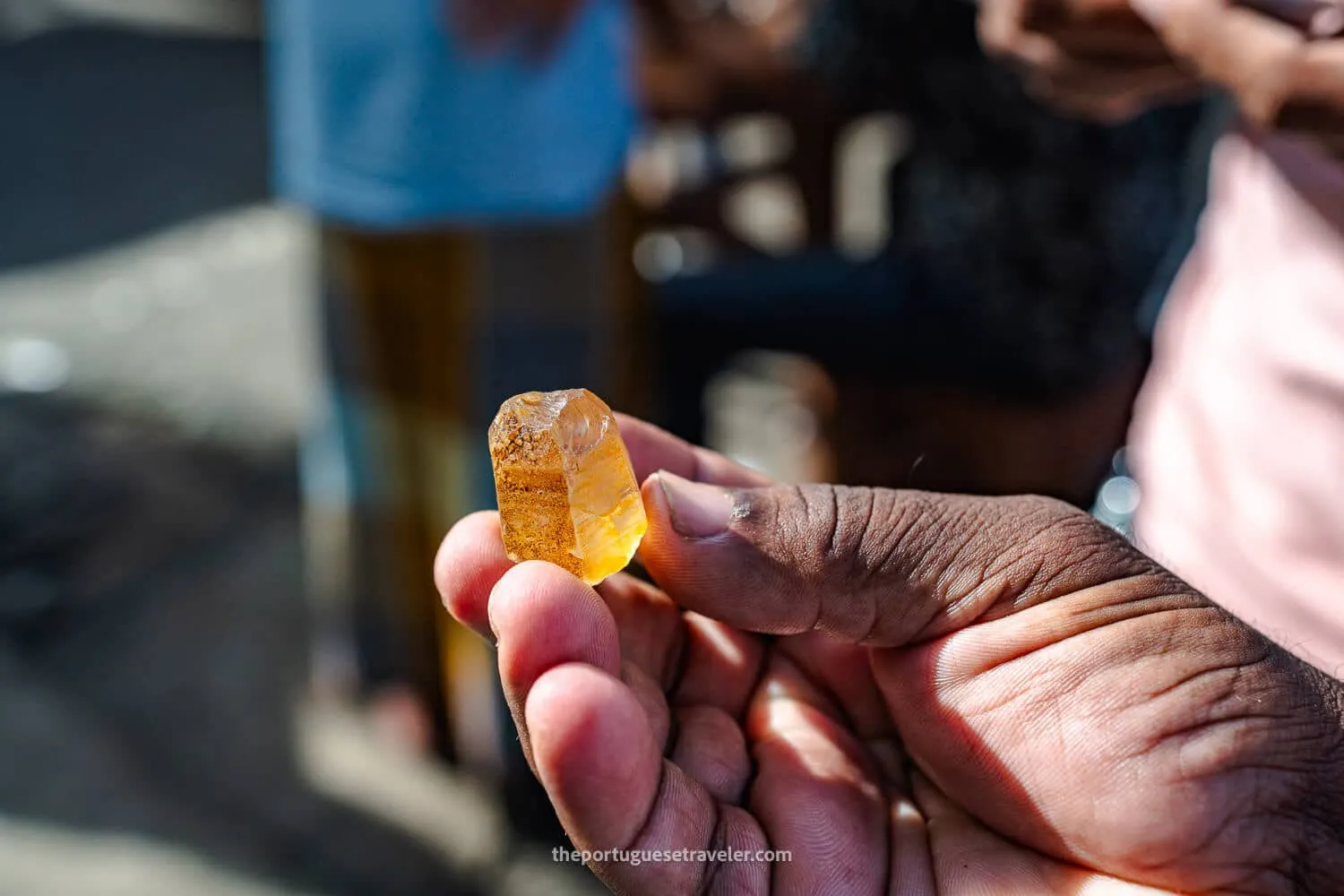
Another vendor’s gem in the Ratnapura Gem Market
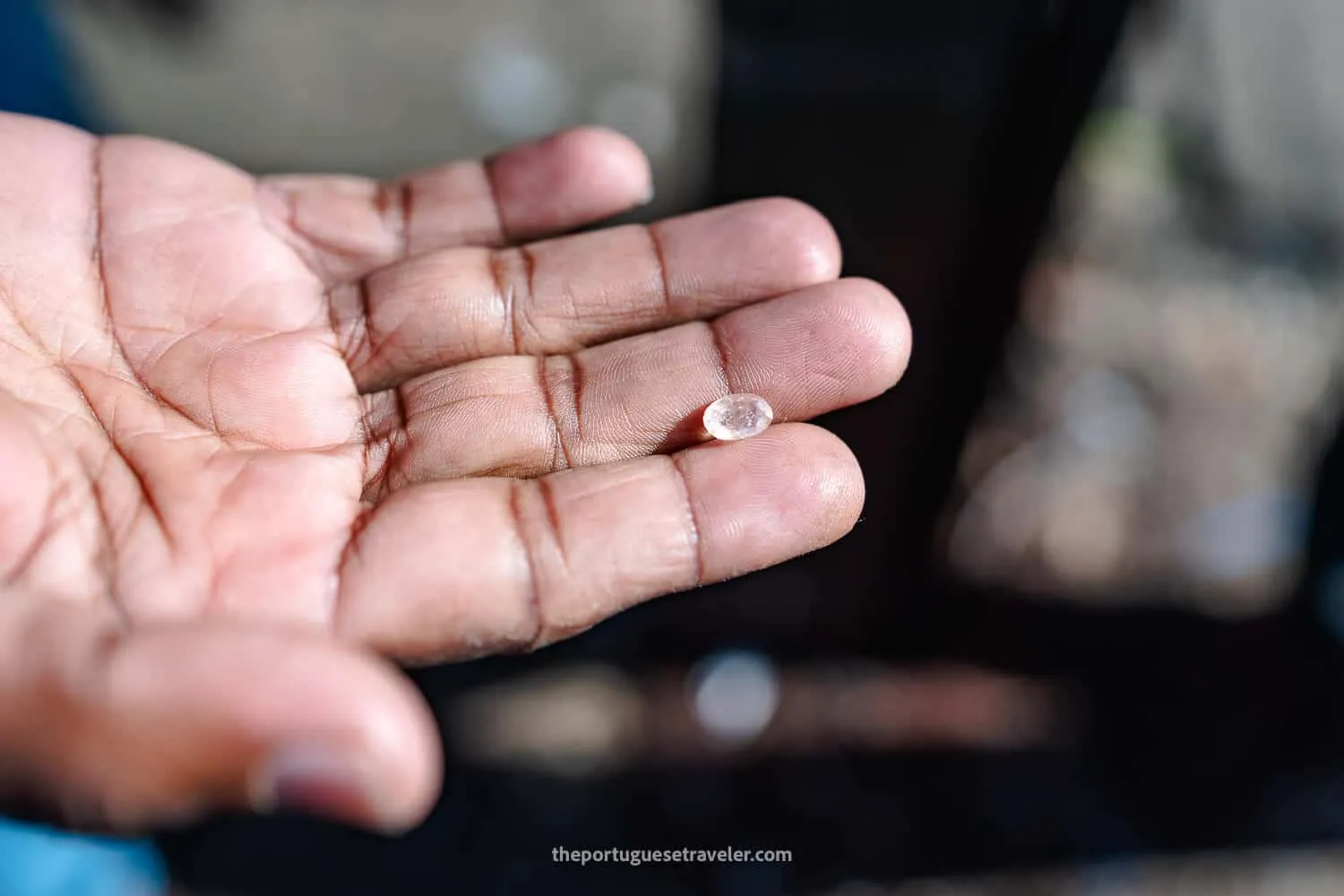
What could be a white sapphire
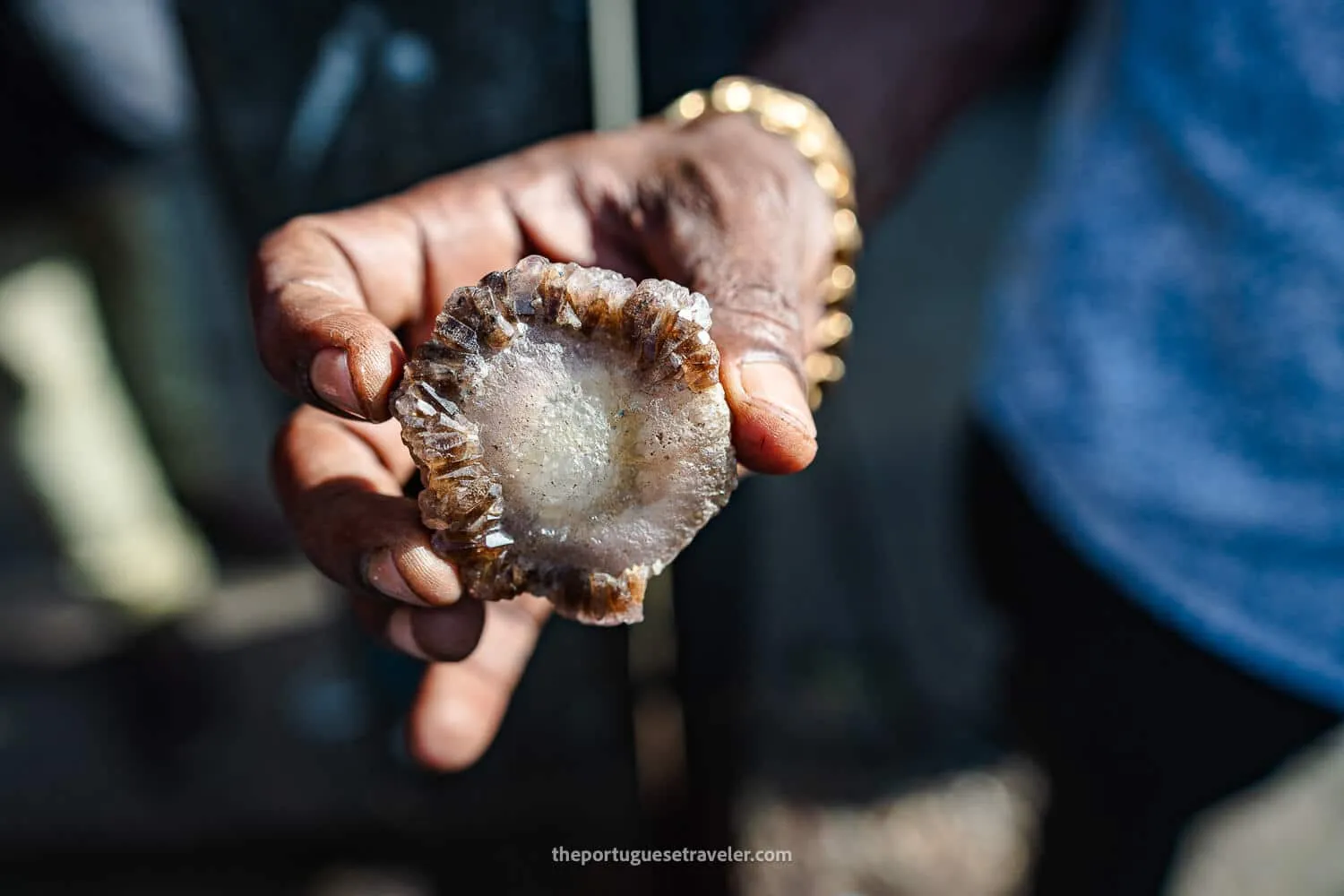
Another proud vendor showing me his findings in the market
Ratnapura Clock Tower
Situated in the heart of the city, the clock tower is an iconic landmark and a gathering point in Ratnapura. The area around the square is lively, with small shops, street vendors, and plenty of local character. It’s a great place to stop by while exploring the city’s sights.
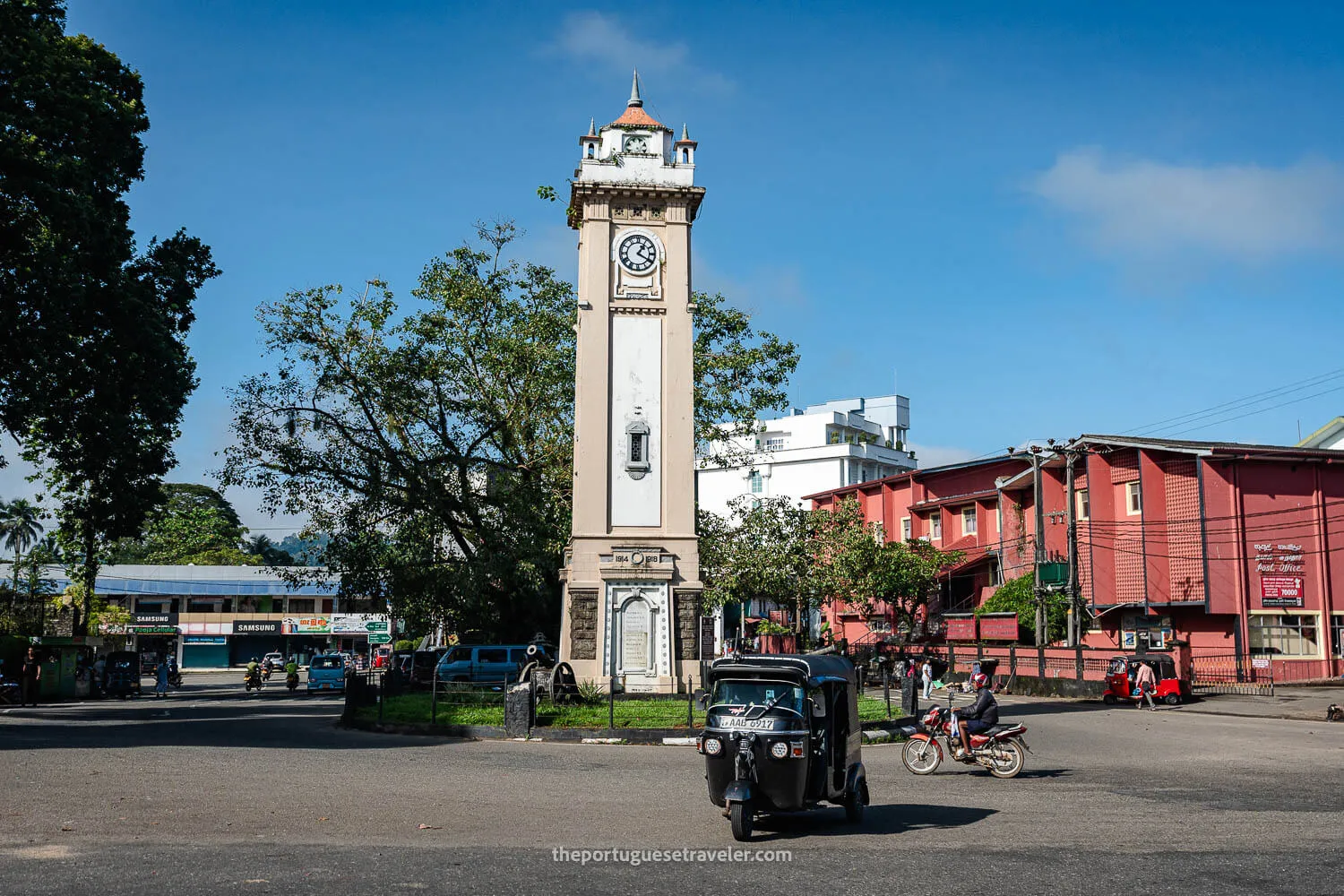
The Clock Tower in the center of Ratnapura
Portuguese-Dutch Fort w/ Gem Museum - National Gem and Jewellery Authority
If you’re keen to learn more about gems, this museum at the Portuguese-Dutch Fort is a great alternative (to the Gemological Museum that is apparently closed since Covid). Managed by the National Gem and Jewellery Authority, it holds an impressive collection of gems, tools, and artifacts that highlight the significance of Ratnapura’s gem industry. It’s also a cool way to explore the town’s colonial history.
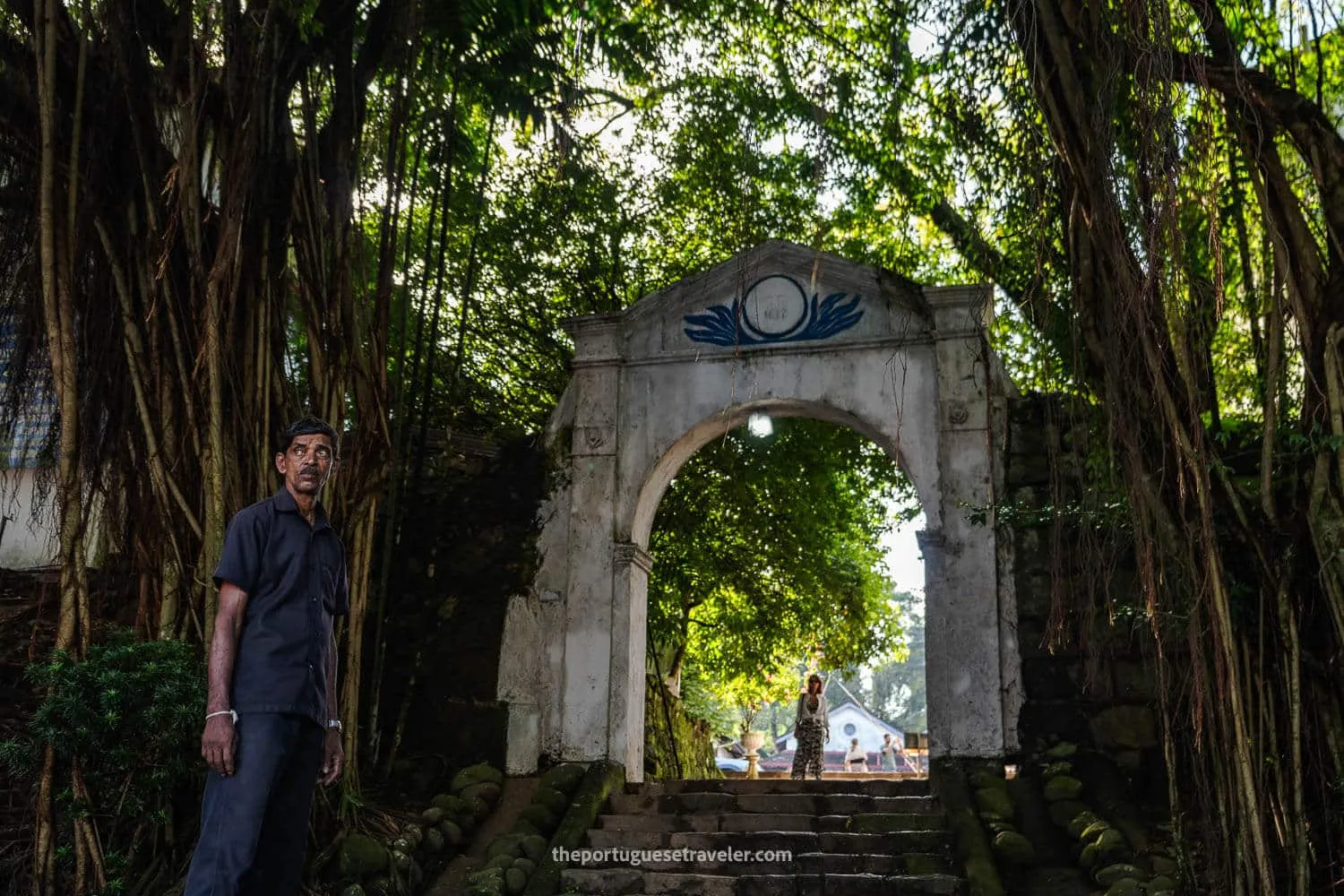
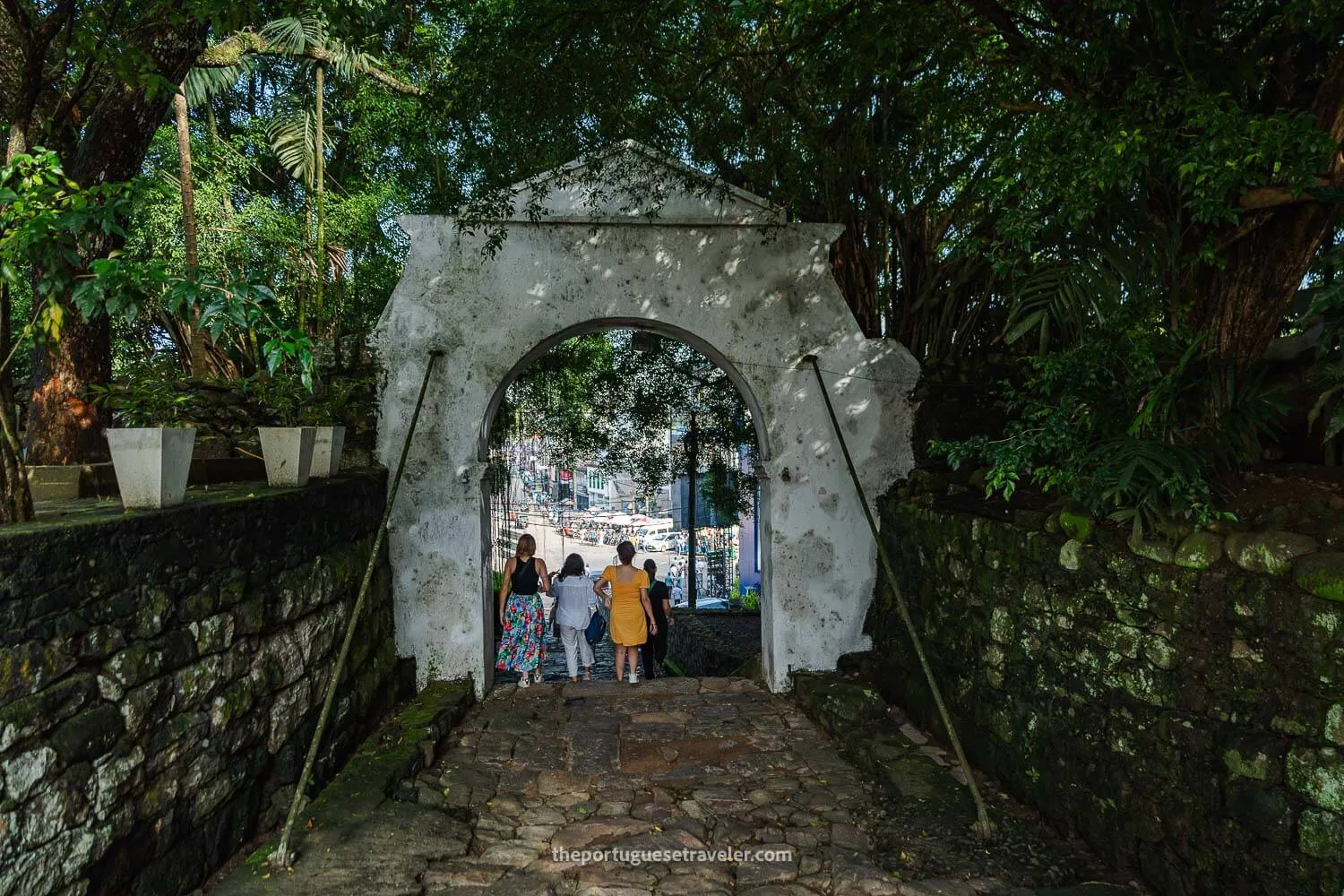
The Portuguese-Dutch Fort of Ratnapura
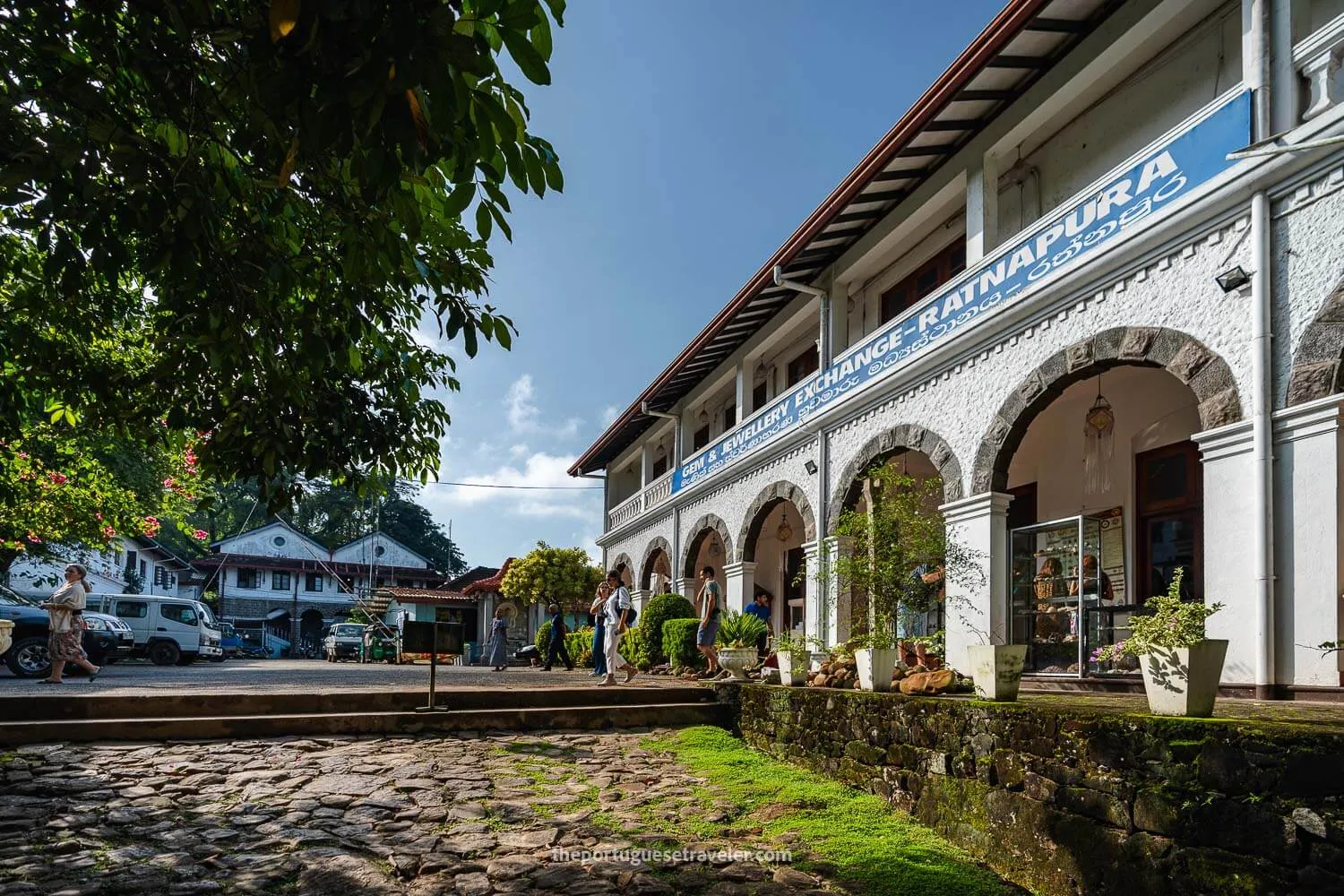
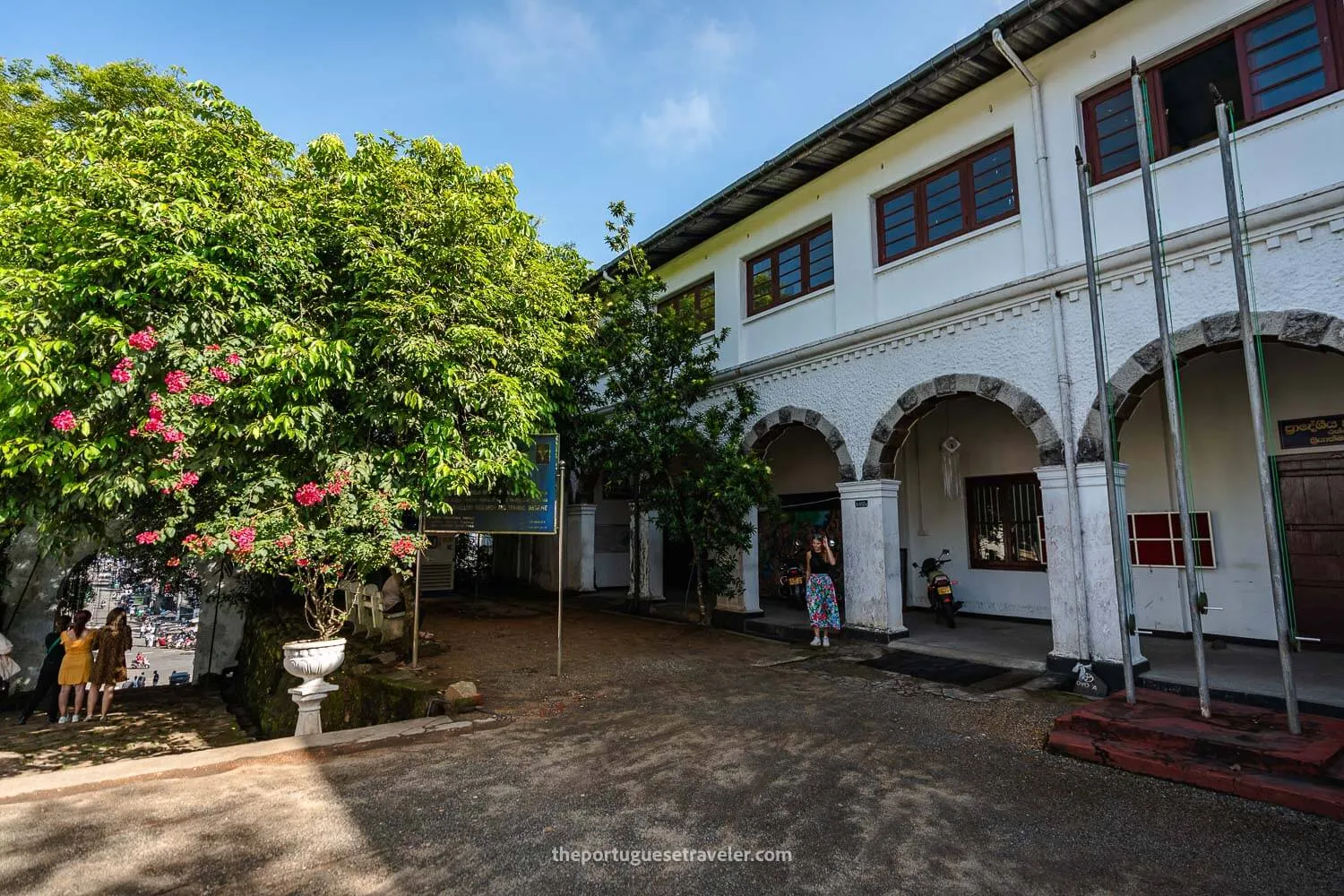
The National Gem and Jewellery Authority’s old building inside the fort
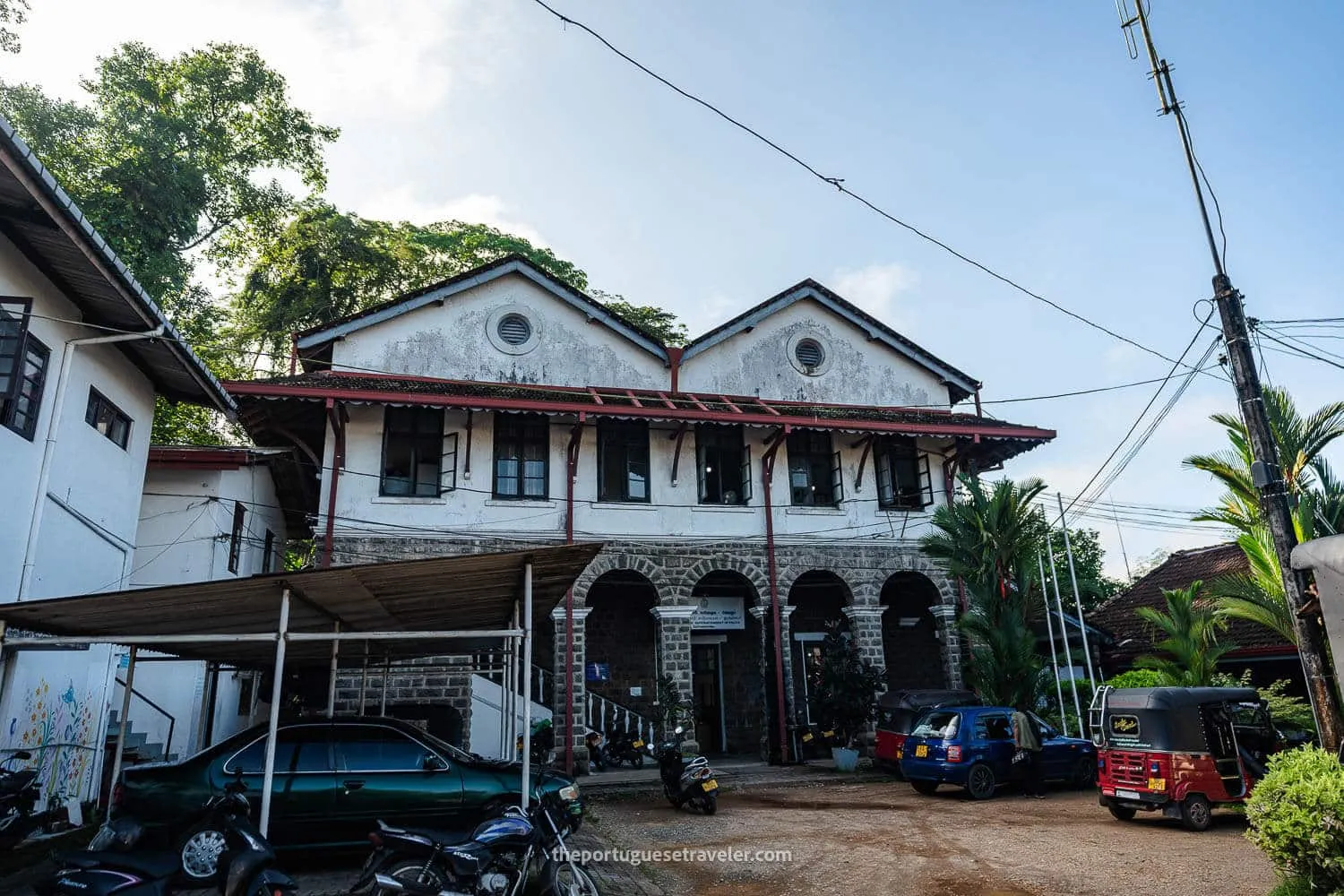
Another of the colonial buildings inside the fort in Ratnapura
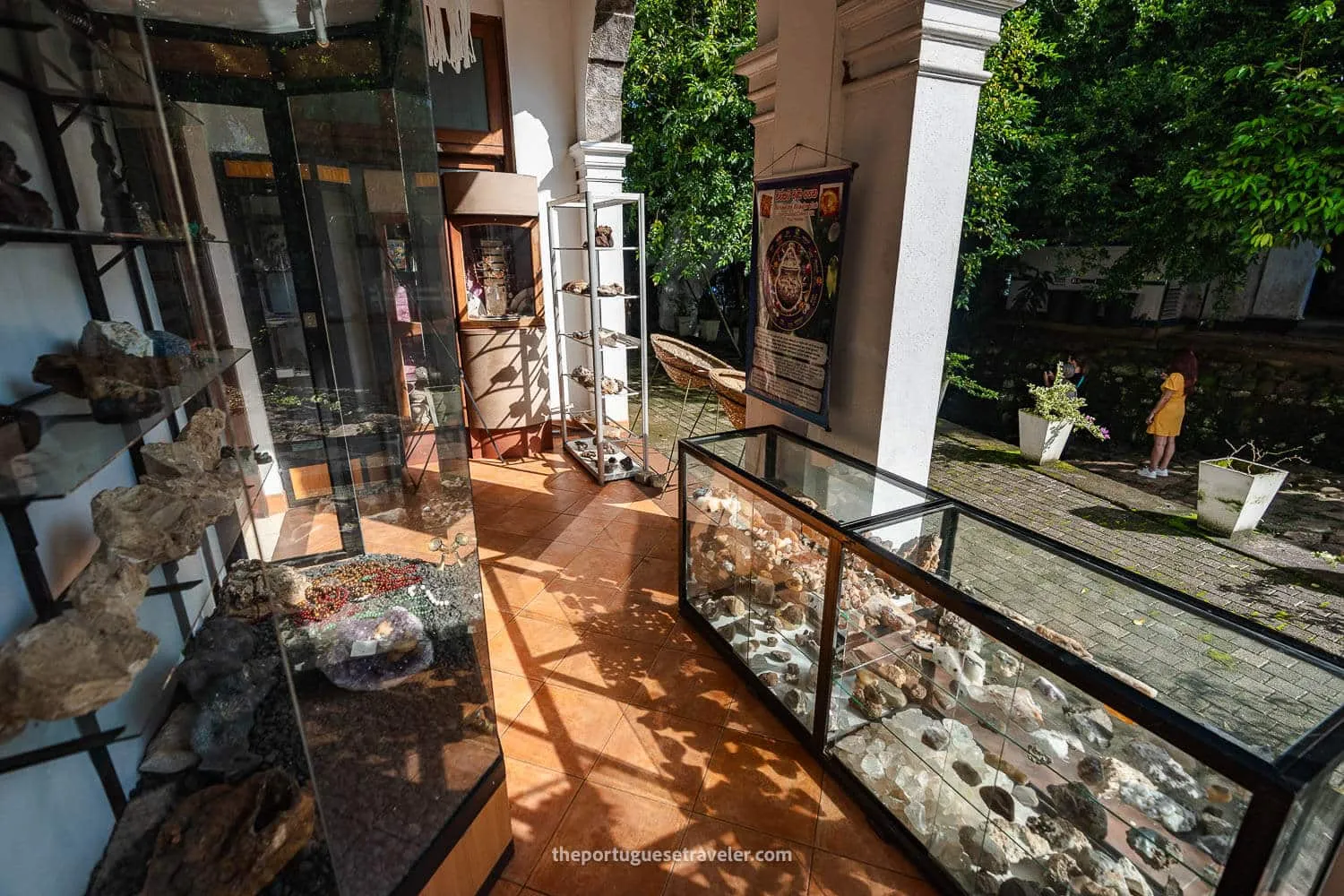
The gem museum inside the Portuguese-Dutch fort
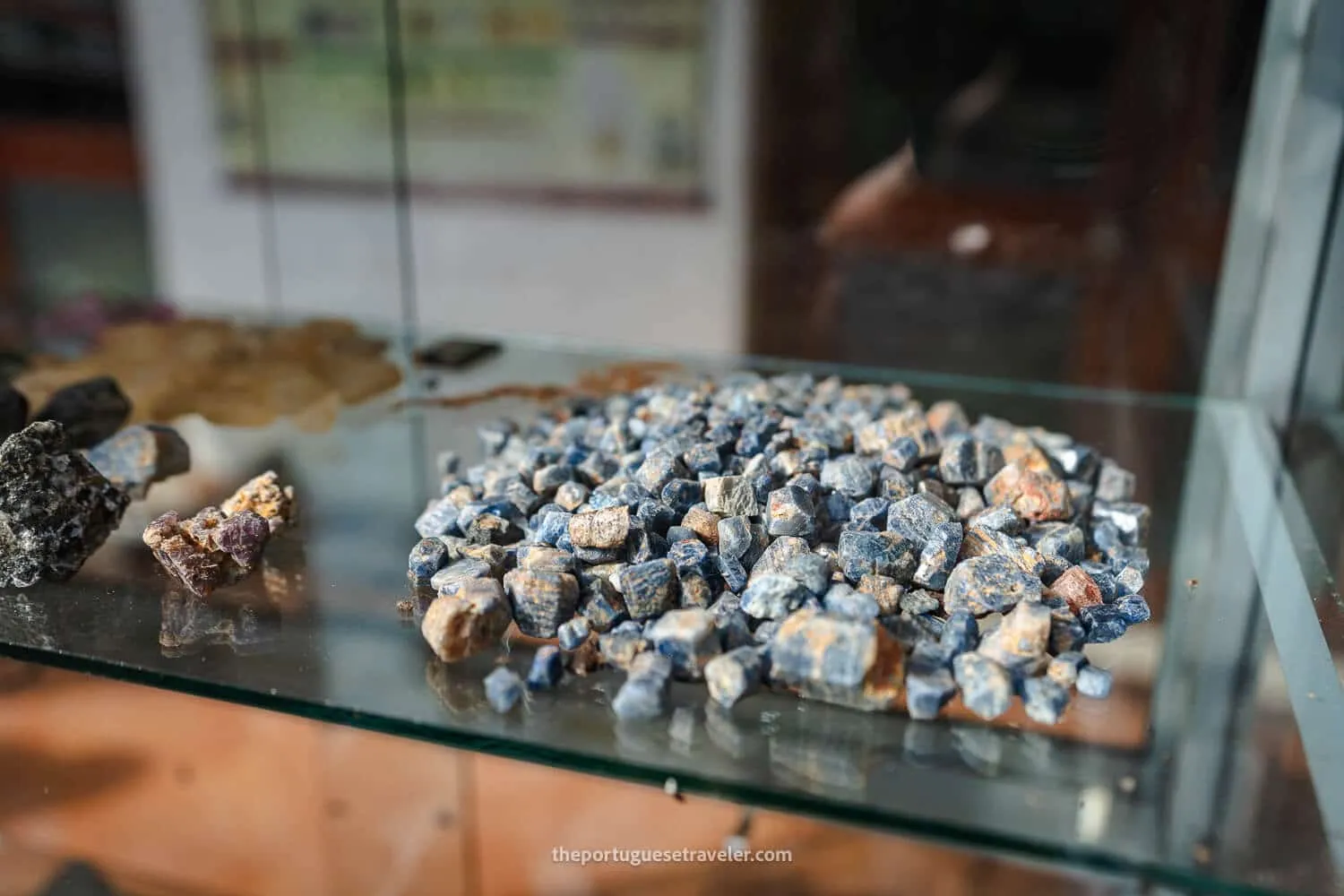
The gem exhibition in the museum
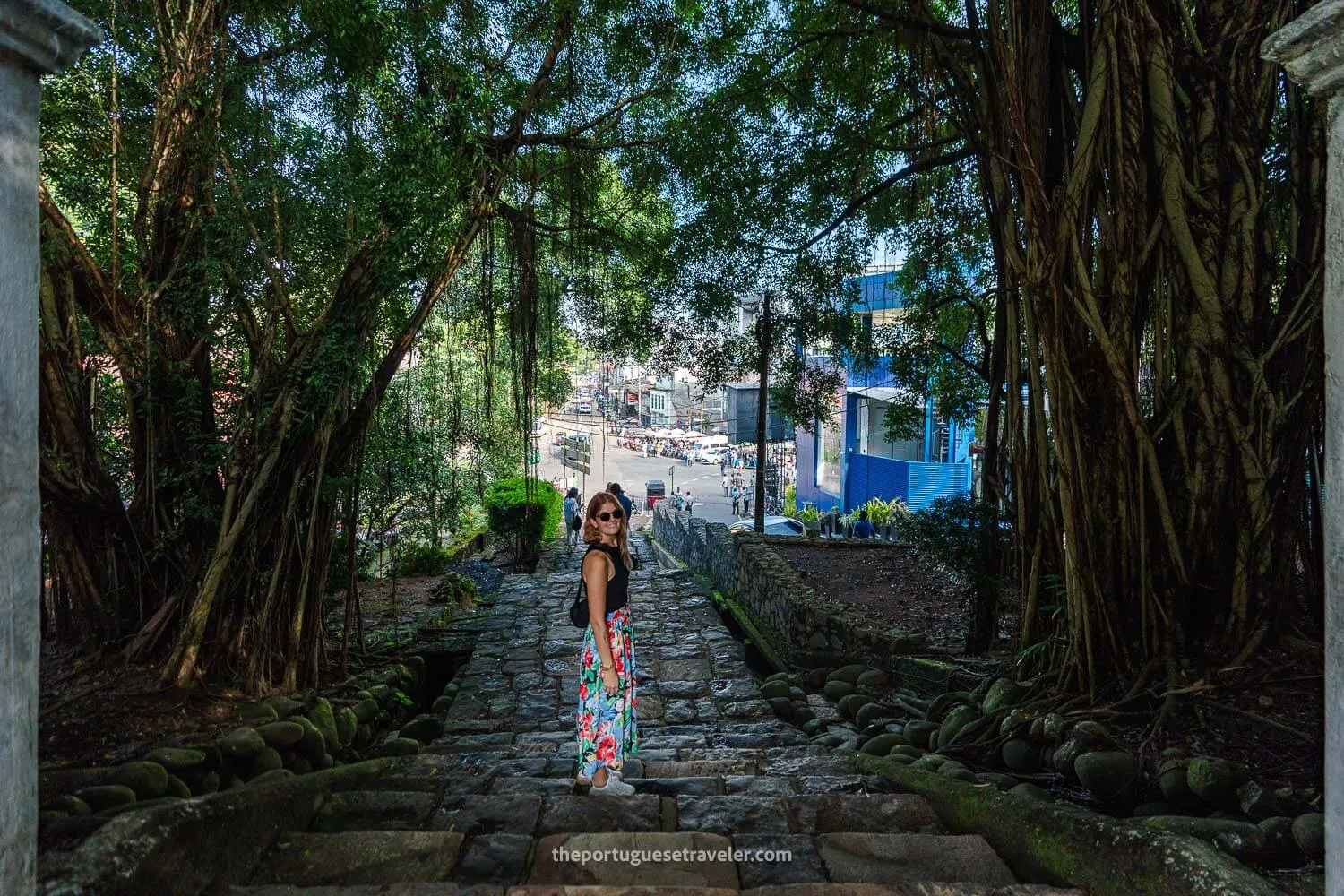
Ligia posing at the entrance of the fort.
Gemological Museum (Closed since Covid):
While currently closed, this museum was known for its detailed displays of precious and semi-precious stones, showcasing some of the best examples found in the region. It offered a fascinating look at gemology and the mining process.
Ratnapura National Museum
Located in the colonial-era Ehelepola Walauwa, the National Museum highlights the history, culture, and natural heritage of the Sabaragamuwa Province. Opened in 1988, the museum showcases prehistoric artifacts, traditional jewelry, ancient weapons, and WWI-era guns. Outside, the museum grounds include a palaeobiodiversity park with life-sized animal models from ancient times. This is a great spot for history buffs and anyone curious about the region’s past.
Kajugaswatta Temple
Another important Buddhist temple, Kajugaswatta is less crowded but rich in local history and spiritual significance. It’s known for its peaceful atmosphere and beautiful statues.
Katugas Ella Falls
This is another beautiful waterfall near Ratnapura, ideal for a short visit if you enjoy nature. It’s not as large as some other falls, but it’s picturesque and easy to reach.
Kalthota Doowili Ella Falls
A bit off the beaten path, these waterfalls are stunning, especially during the rainy season. The falls are surrounded by lush greenery, making it a great place for a quiet nature break.
Best Things To Do near Ratnapura
Sri Lanka is a relatively small island, which means you’re never too far from amazing attractions, no matter where you’re based. While Ratnapura, known as the “City of Gems,” offers plenty to explore with its gemstone mines and scenic hill views, you can easily venture to nearby destinations for a diverse mix of natural beauty and cultural landmarks. For a refreshing escape, head to Ella, a charming hill town known for its breathtaking waterfalls, including the famous Ravana Falls, and its impressive Nine Arches Bridge. If you’re a fan of hiking and nature, the Sinharaja Forest Reserve is a UNESCO-listed rainforest that’s home to diverse wildlife and lush greenery. Looking for more adventure? Yala National Park is perfect for a safari to see elephants, leopards, and other wildlife in their natural habitat. To the south, Galle and Galle Fort offer a blend of colonial architecture, stunning coastal views, and historical charm that shouldn’t be missed. If you’re craving some city life, Colombo is just a trip away, providing a vibrant mix of modern attractions, markets, restaurants, and historical sites that showcase Sri Lanka’s urban spirit. To the north, Sigiriya awaits with its iconic rock fortress, ancient ruins, and panoramic views that reflect Sri Lanka’s rich past. Whether you head east, west, or south from Ratnapura, the island’s compact size makes it easy to uncover incredible attractions, making Ratnapura the perfect base for exploring diverse landscapes and cultural gems.
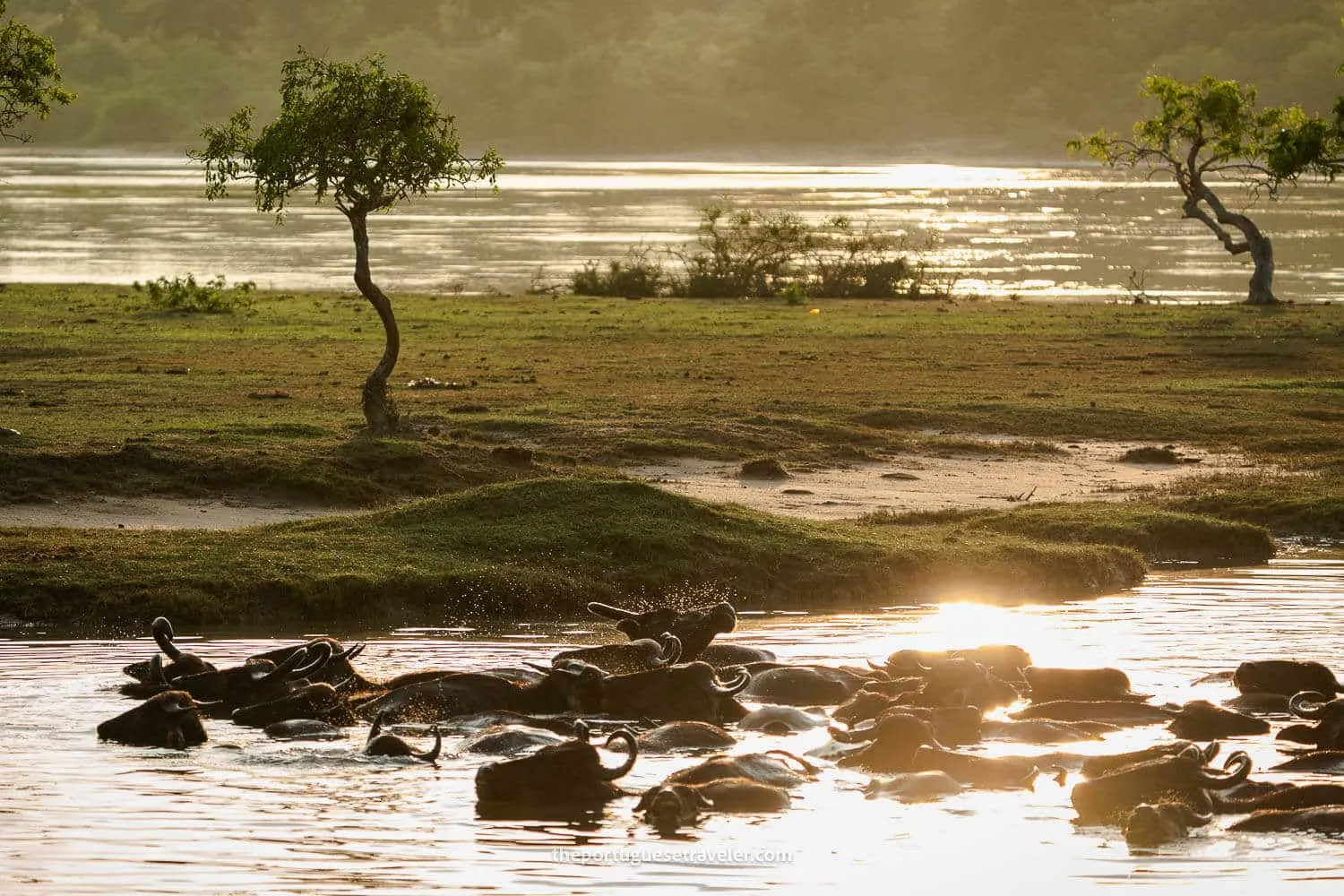
A herd of water buffalos at the Yala National Park
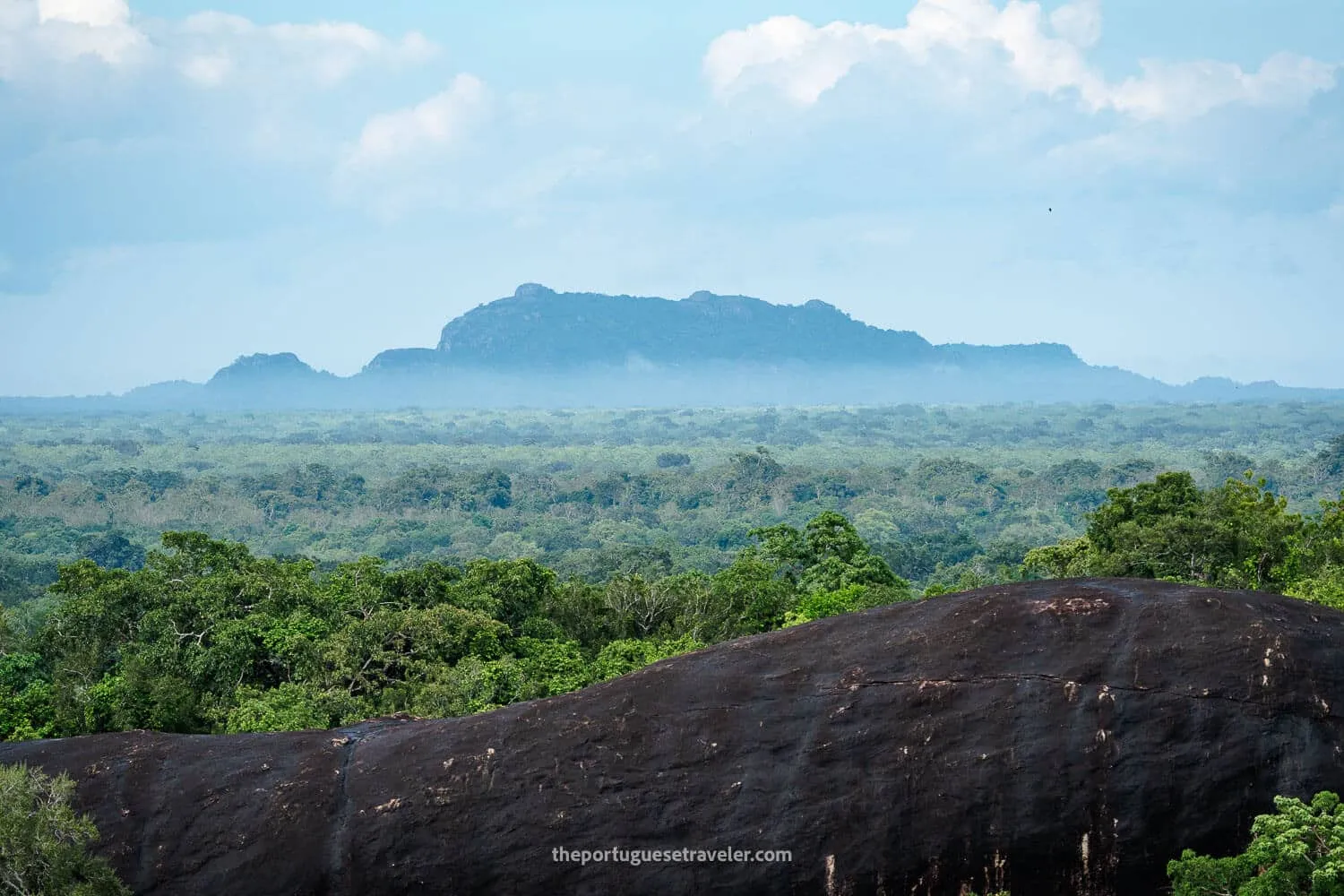
The Sithulpawwa Rock Temple at the Yala National Park
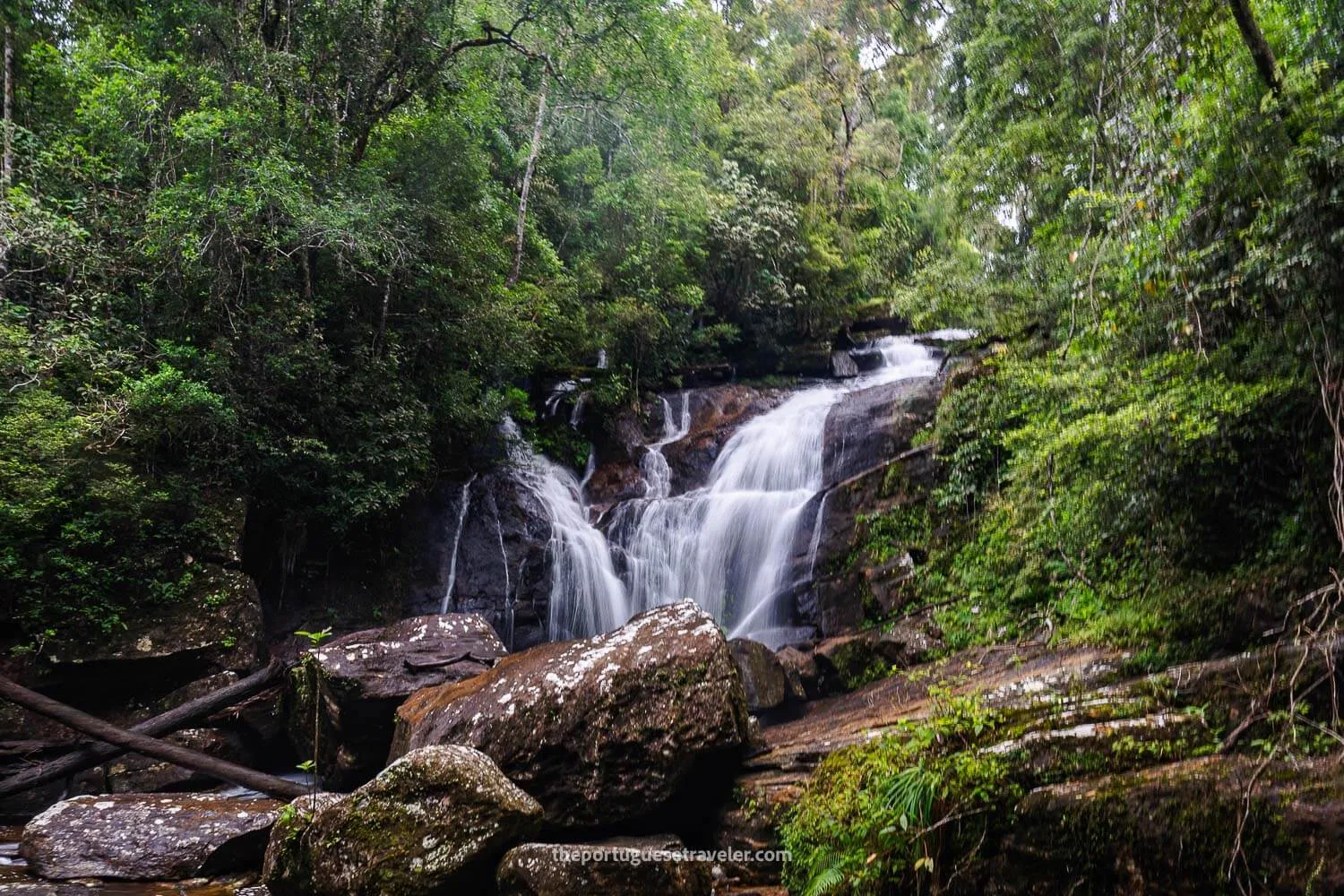
A Waterfall at the Sinharaja Forest Reserve
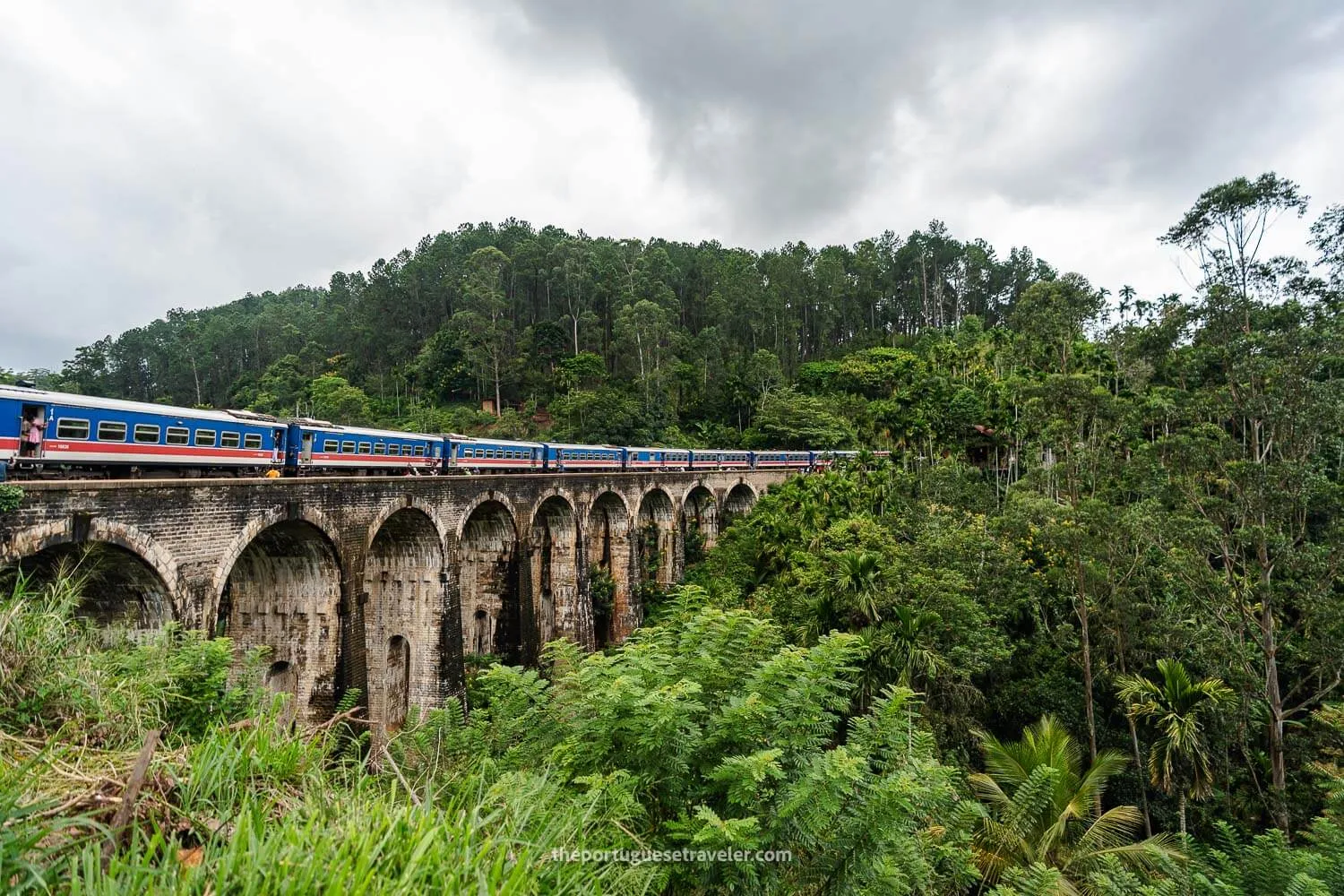
The Nine Arches Bridge in Ella
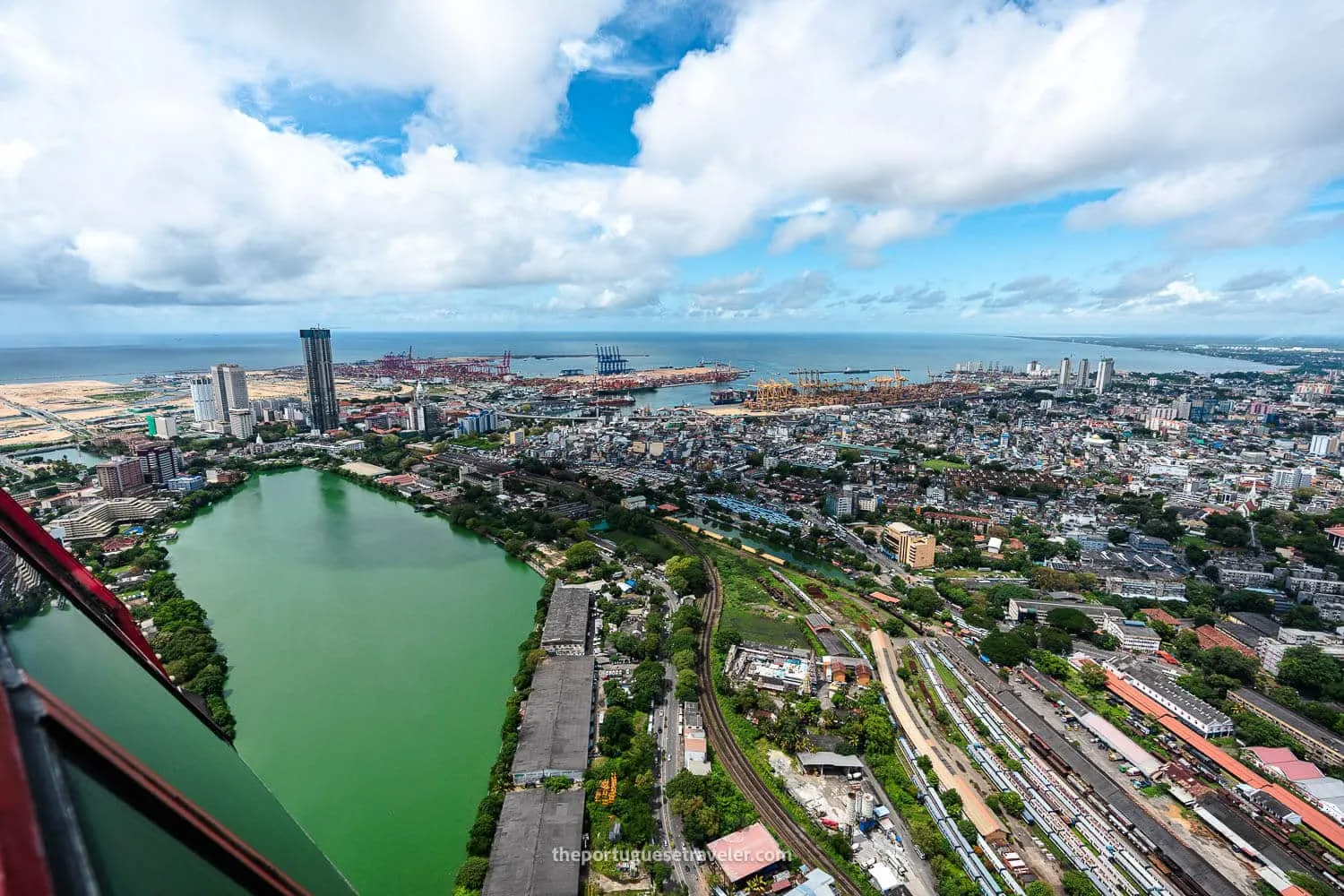
The view to the ocean from the top of the Lotus Tower in Colombo
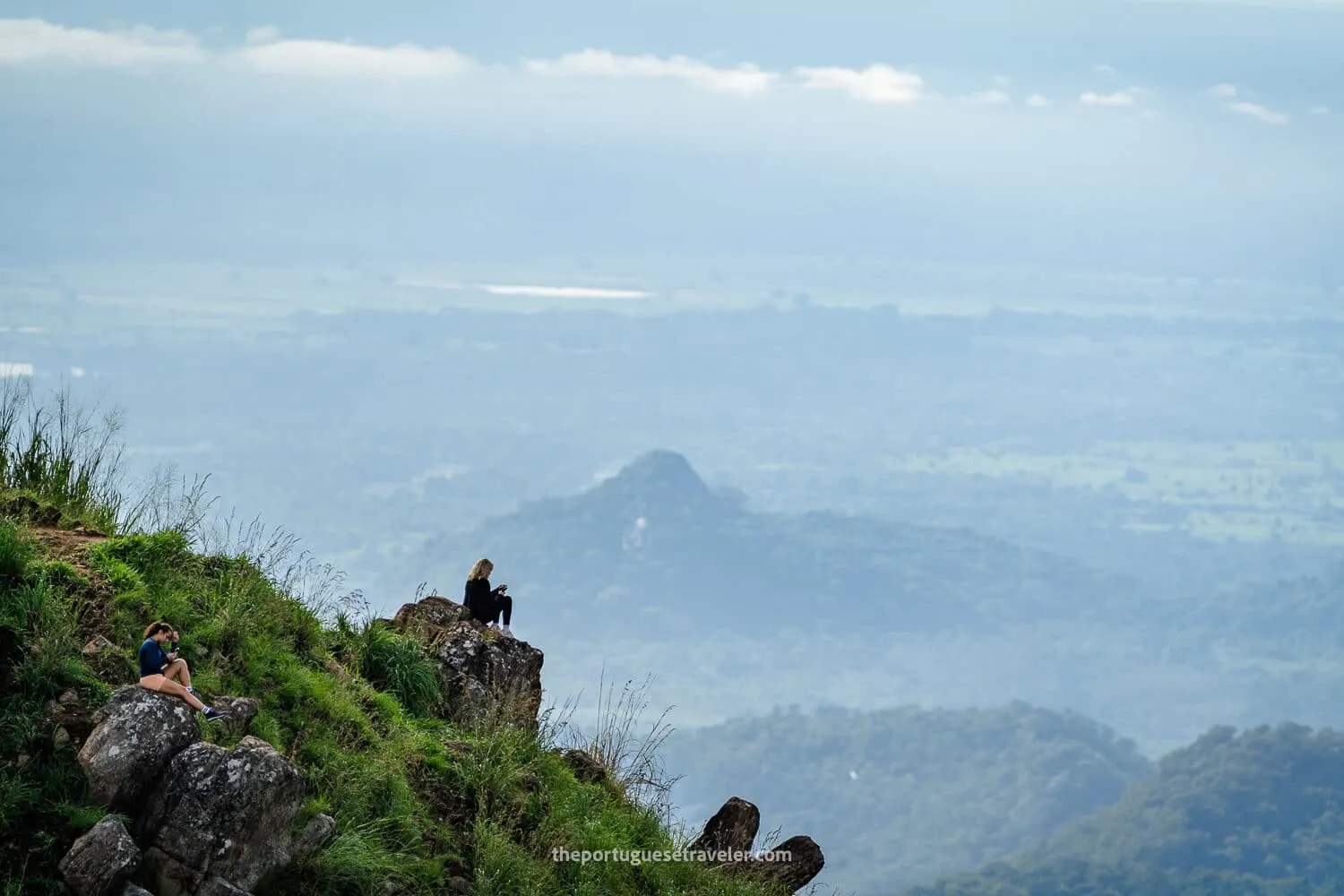
The views at the Little Adams Peak
Where to Eat and Drink in Ratnapura?
Ratnapura isn’t as touristy as places like Ella or Galle, so it might not be the easiest destination to find a wide variety of exceptional dining spots. However, the city does have its fair share of nice restaurants, mostly inside hotels, that offer a range of delicious meals. After a bit of research and personal experience, here’s a list of the best ones I could find: 1. LILY Restaurant Ratnapura Rated as the best restaurant in the city, LILY Restaurant is known for its fresh, authentic Sri Lankan flavors. The dishes are well-prepared, and the ambiance is inviting, making it a must-visit spot for anyone looking for a quality meal in Ratnapura. 2. Corundum Family Restaurant Another highly-rated option, Corundum Family Restaurant is popular for its cozy atmosphere and homestyle Sri Lankan meals. Portions are generous, and the staff is friendly, ensuring a pleasant dining experience. 3. Centauria Hill Resort (Where we stayed - Recommended) We stayed at Centauria Hill Resort, and the food there was excellent. The restaurant offers a wide variety of dishes, from traditional Sri Lankan curries to Western meals. There’s something for everyone, and the quality is consistently high. Plus, the resort has a swimming pool, which is a plus after an entire day of exploration. 4. Silver Ray Restaurant Located in Lellopitiya, Silver Ray Restaurant (at the Silver Ray Hotel) offers a mix of Asian, Sri Lankan, and Thai dishes. The chefs put effort into preparing each meal with care, and the restaurant has a laid-back vibe perfect for a casual lunch or dinner. 5. Volunteer Ceylon This restaurant, part of a hotel, serves a range of Asian and Sri Lankan dishes. It’s known for its continental breakfasts and traditional rice and curry. Guests can enjoy the garden surroundings while dining, making it a peaceful place to relax. 6. Roba Restaurant A simple yet charming spot, Roba Restaurant serves classic Sri Lankan dishes and is a favorite among locals and tourists alike. It’s affordable and the food is consistently delicious. If you’re visiting Ratnapura, these are some of the best spots to enjoy local and international cuisine.
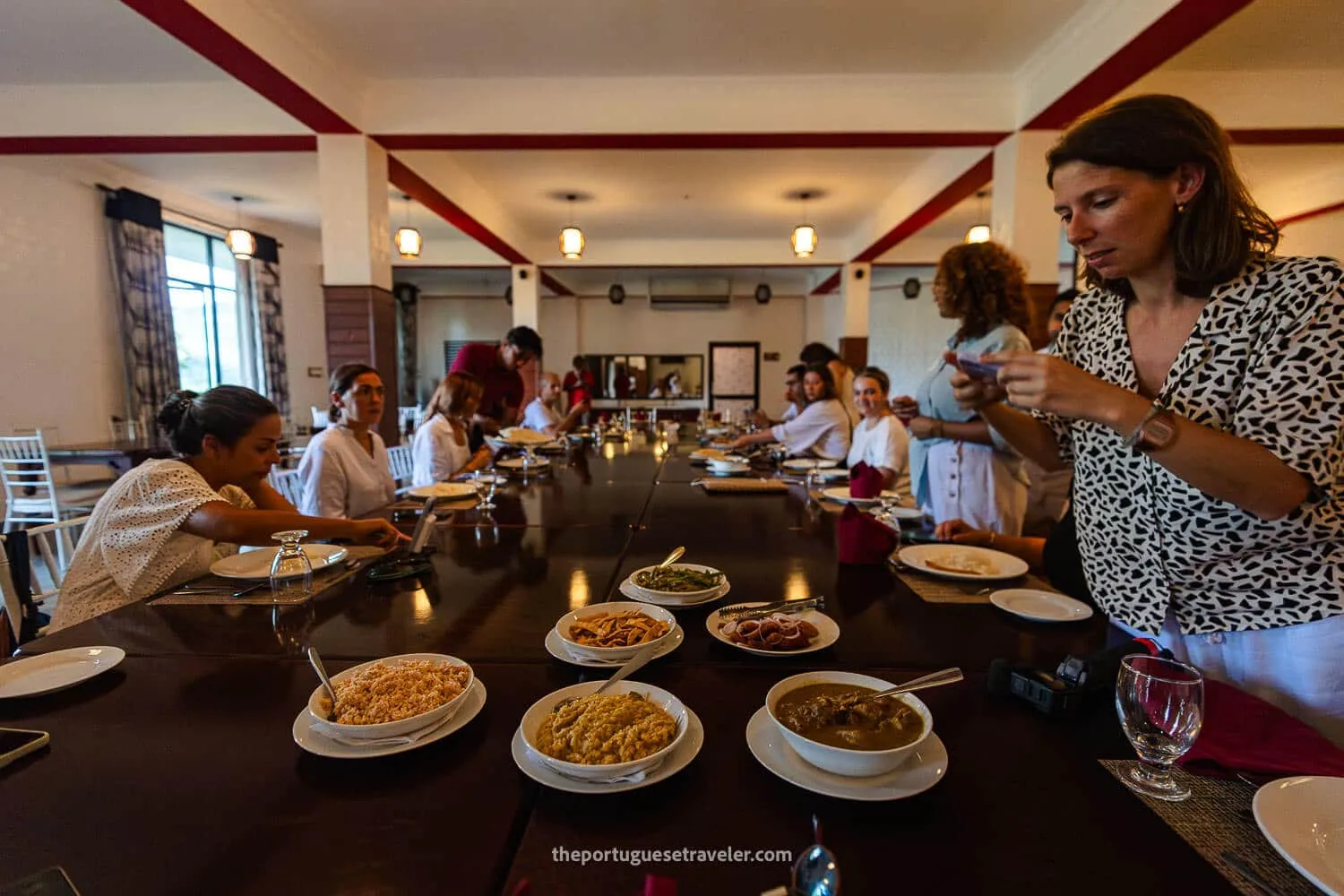
The delicious local meals we had inside the Centauria Hill Resort
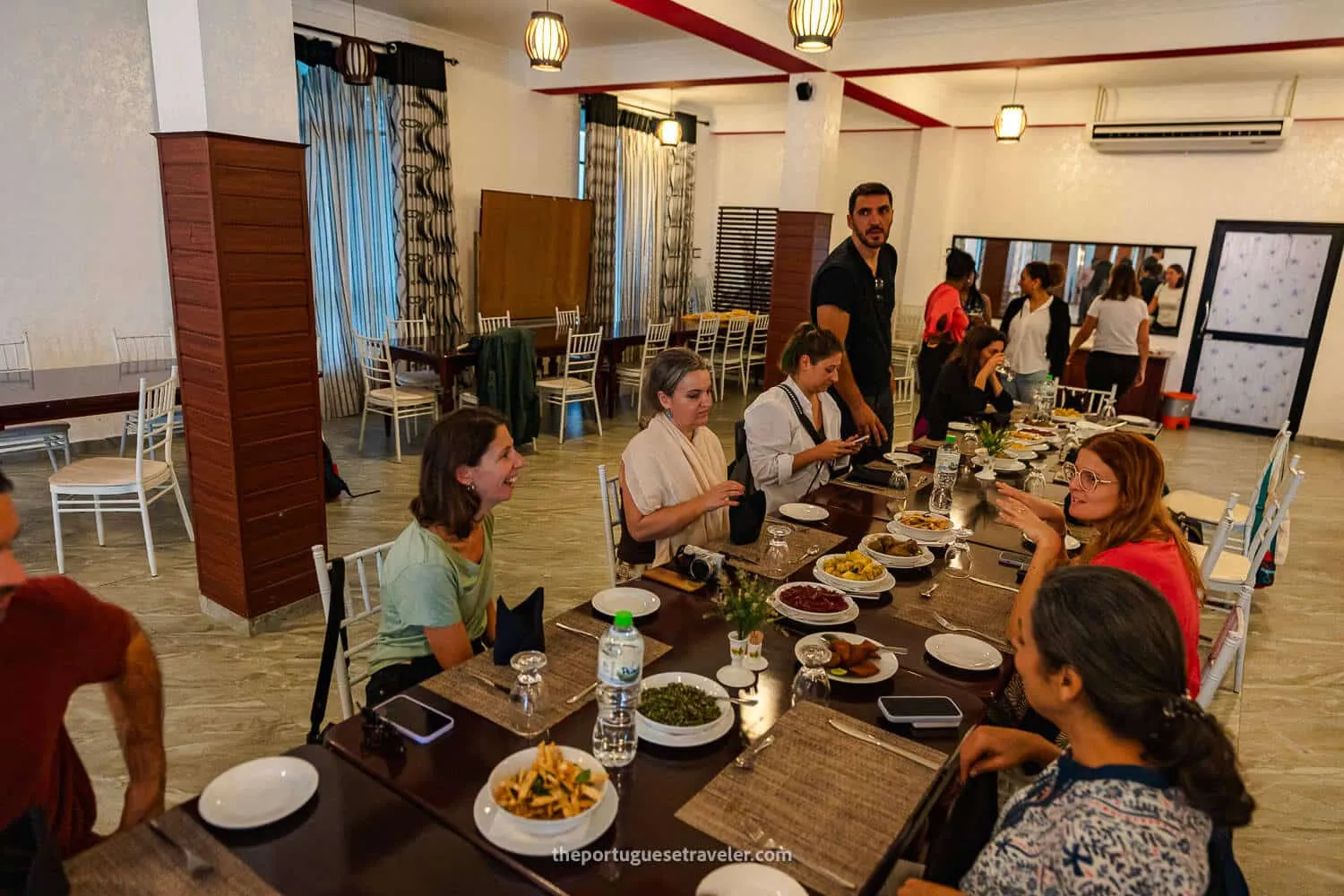
The group happy having lunch in Ratnapura
Where to Stay in Ratnapura?
If you’re visiting Ratnapura, here’s a list of the best hotels in Ratnapura I could find after some research. While they might not be 5-star properties, these are the most renovated and well-rated options in the area:
-
- Terrace Cinnamon View A 3-star hotel with an outdoor pool, mountain views, and a restaurant. Guests can enjoy a range of breakfast options and modern amenities, making it a great choice for a peaceful stay.
- Grand Silver Ray Hotel This hotel features air-conditioned rooms, a shared lounge, and a Chinese restaurant. It’s a solid option with free WiFi and private parking, making it convenient for travelers.
- Centauria Hill Resort Offering an outdoor pool, and comfortable rooms with mountain views, Centauria Hill Resort is where we stayed, and I highly recommend it for its great variety of meals and relaxing amenities.
- Kuru Ganga Villa A guest house with an infinity pool, sun terrace, and lake views in some rooms. It’s perfect for those seeking a more tranquil, nature-filled experience.
- Volunteer Ceylon A homestay that provides a cozy atmosphere with a garden, shared lounge, and bicycle rentals for exploring the area. It’s ideal for those looking for a homely and affordable option.
For more accommodation options across Sri Lanka, check out my articles on The 20 Best Hotels in Sri Lanka, The 10 Best Luxury Hotels in Sri Lanka, and The 10 Best Hostels in Sri Lanka.
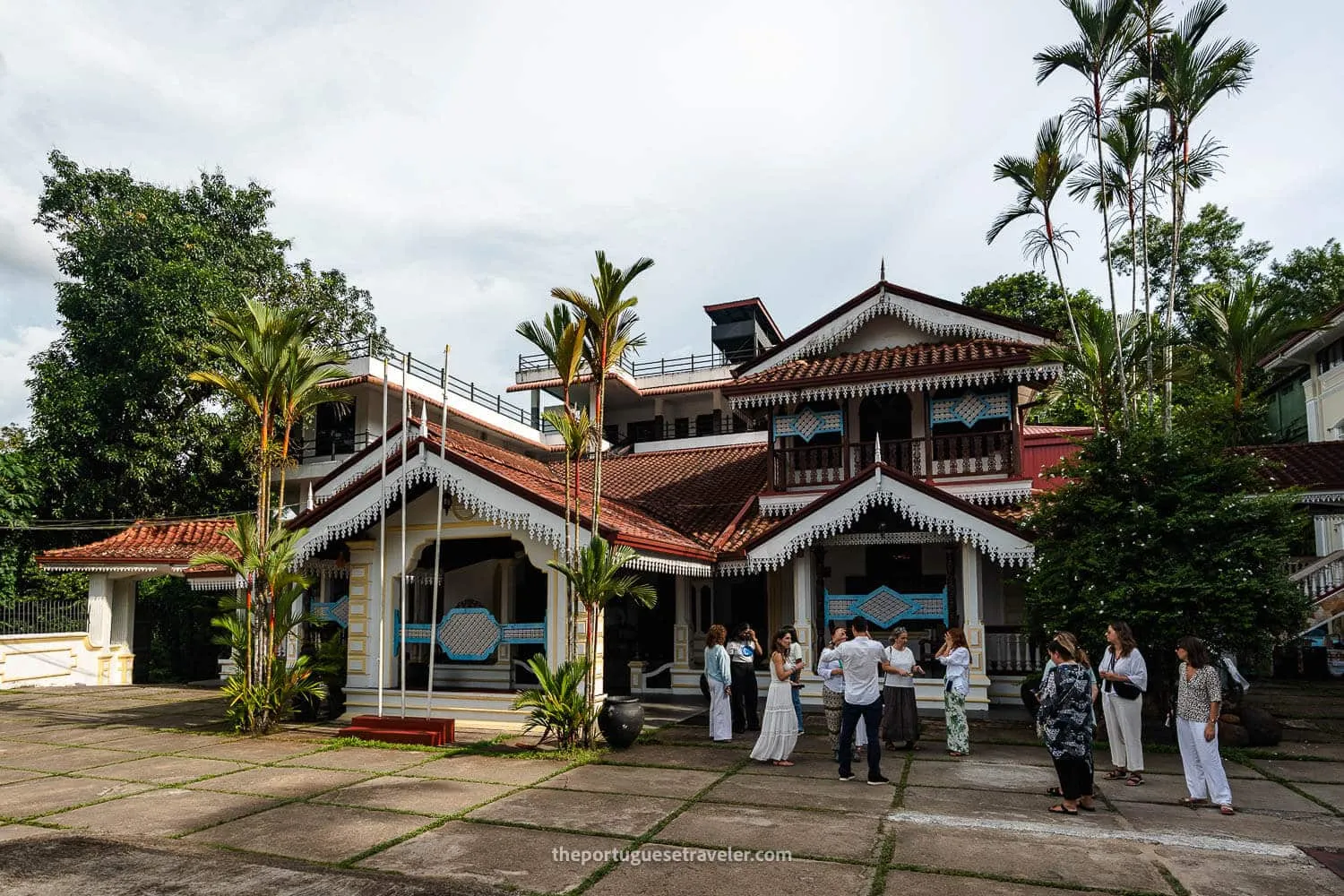
The Centauria Hill Resort where we stayed
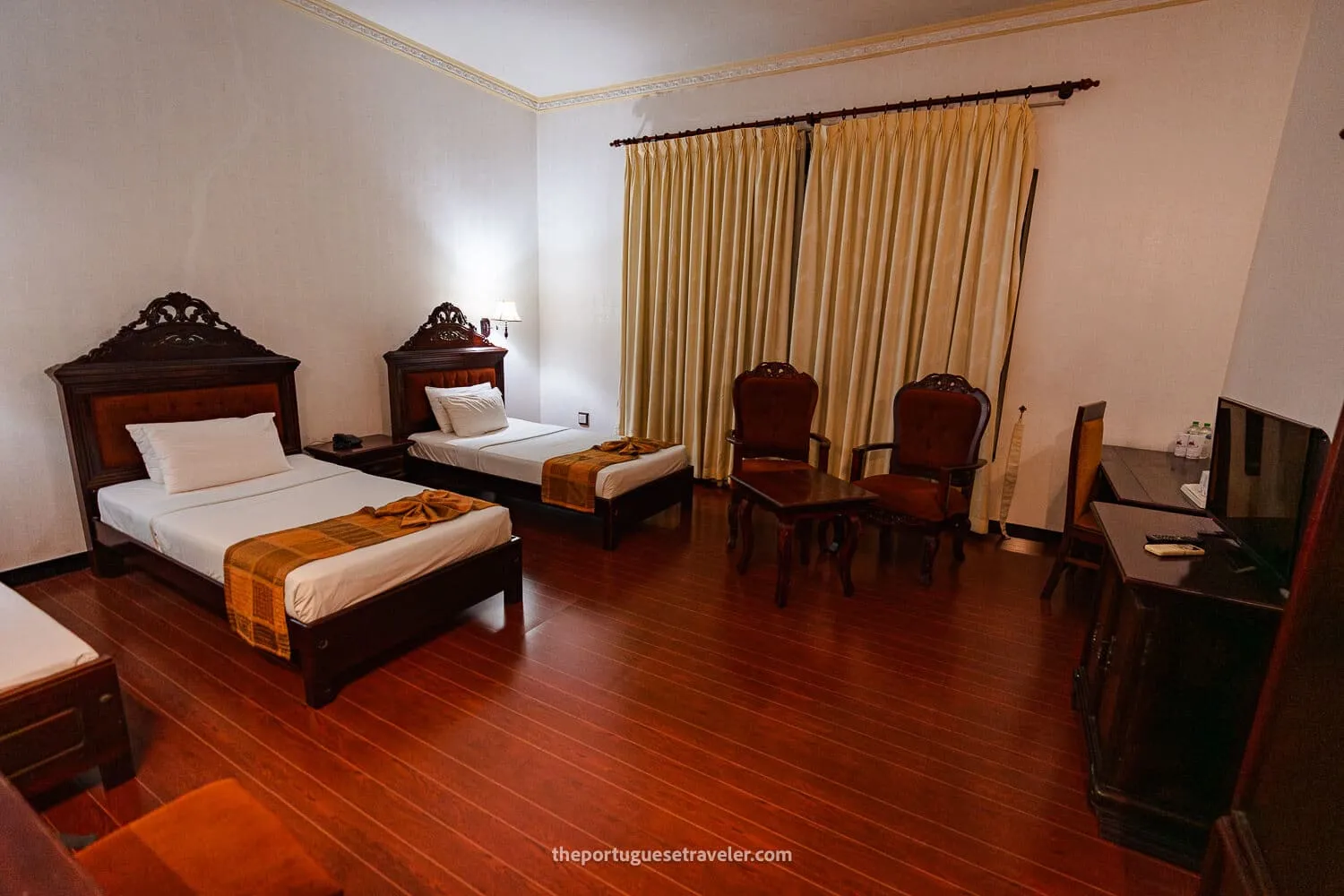
The room where i stayed in Centauria Hill Resort (It had 3 beds)
What’s the Difference Between a Gem and a Precious Stone
When it comes to gems and precious stones, the terms can be a bit confusing. Simply put, all precious stones are gems, but not all gems are considered precious. The main difference lies in the rarity and historical significance of the stone. Precious stones are typically the rarest and most valued, like diamonds, emeralds, rubies, and sapphires, while other gems, though still beautiful and valuable, may not fall under the “precious” category. Here’s a quick overview of what defines these stones:
- Gemstone: This term is an umbrella for any material used to make jewelry or decorative items. While most gemstones are minerals, some like amber, pearls, or even glass can also be classified as gemstones.
- Precious vs. Semi-Precious: Historically, gemstones were divided into “precious” (like diamonds, emeralds, rubies, and sapphires) and “semi-precious” categories. However, this classification no longer holds much value. Today, gemologists categorize gems based on their variety, rarity, and quality rather than labeling them as precious or semi-precious.
- Durability and Hardness: When selecting gemstones for jewelry, it’s crucial to consider durability and hardness. Some gems require treatments like heating to make them suitable for daily wear. For example, amethysts are sometimes heat-treated to become citrines, giving them a new look.
- Investment-Grade Gemstones: Some gemstones, particularly rare ones, are considered investment-grade due to their rarity and high quality. These pieces are often referred to as high jewelry and can be worn, though many are kept in a safe.
- Value: The value of gemstones is determined by various factors, such as clarity, color, and rarity. Even stones traditionally labeled semi-precious can be very valuable, depending on their characteristics.
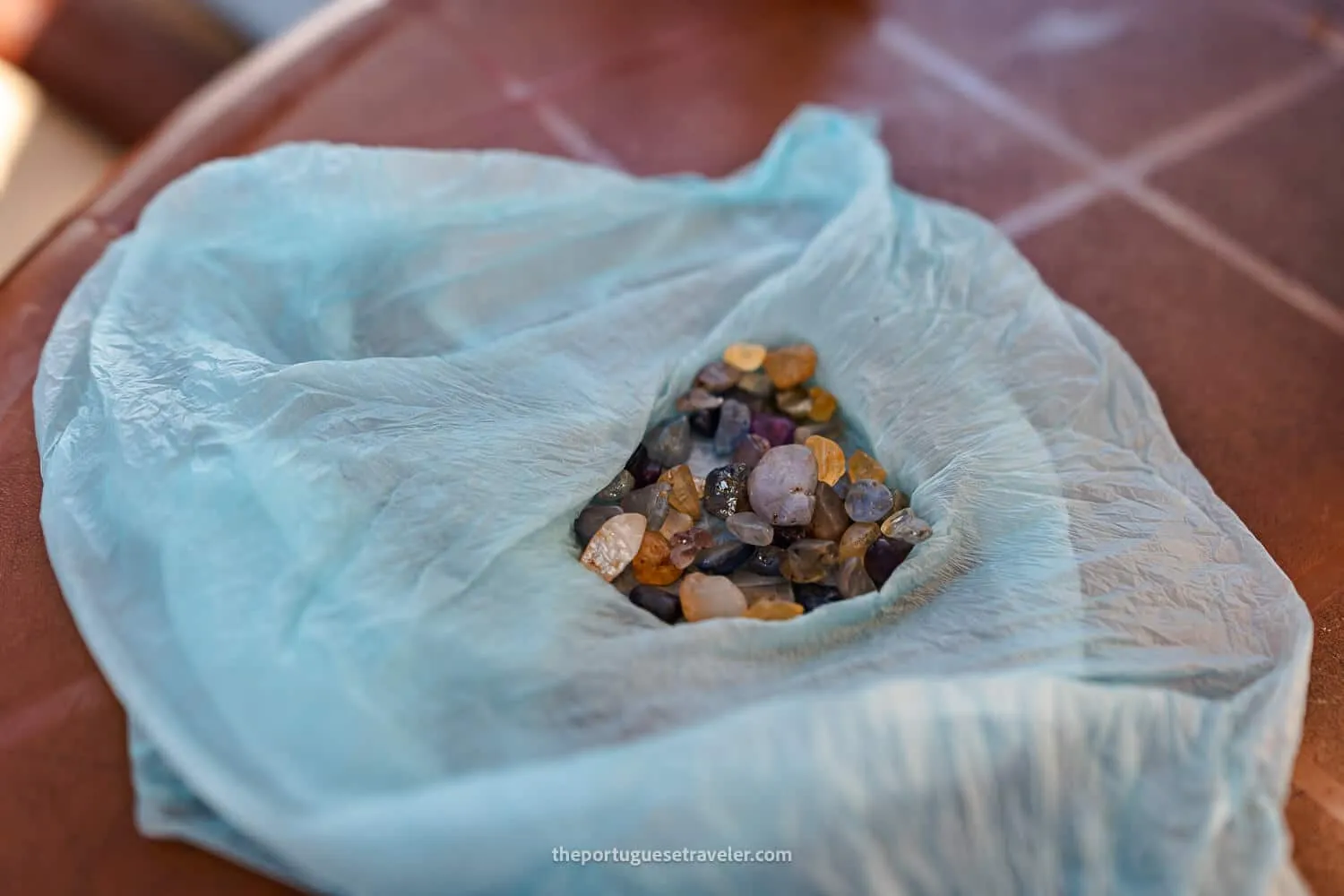
Some of the gems a vendor had in the market in Ratnapura
Where to buy Gems in Ratnapura?
If you’re looking to buy gems in Ratnapura, there are several options depending on the type of shopping experience you’re after. For a more reliable purchase, consider visiting any big jewelry store with high ratings on Google Maps. While these stores typically offer more trustworthy gems, they are also usually more expensive. If you’re exploring the street markets, make sure to stop by the National Gem and Jewellery Authority (NGJA) building, located inside the fort near the market. It’s a good idea to double-check your purchase with the authorities to ensure authenticity. Bring the vendor to the building with you so they can prove he’s selling you an authentic gem.
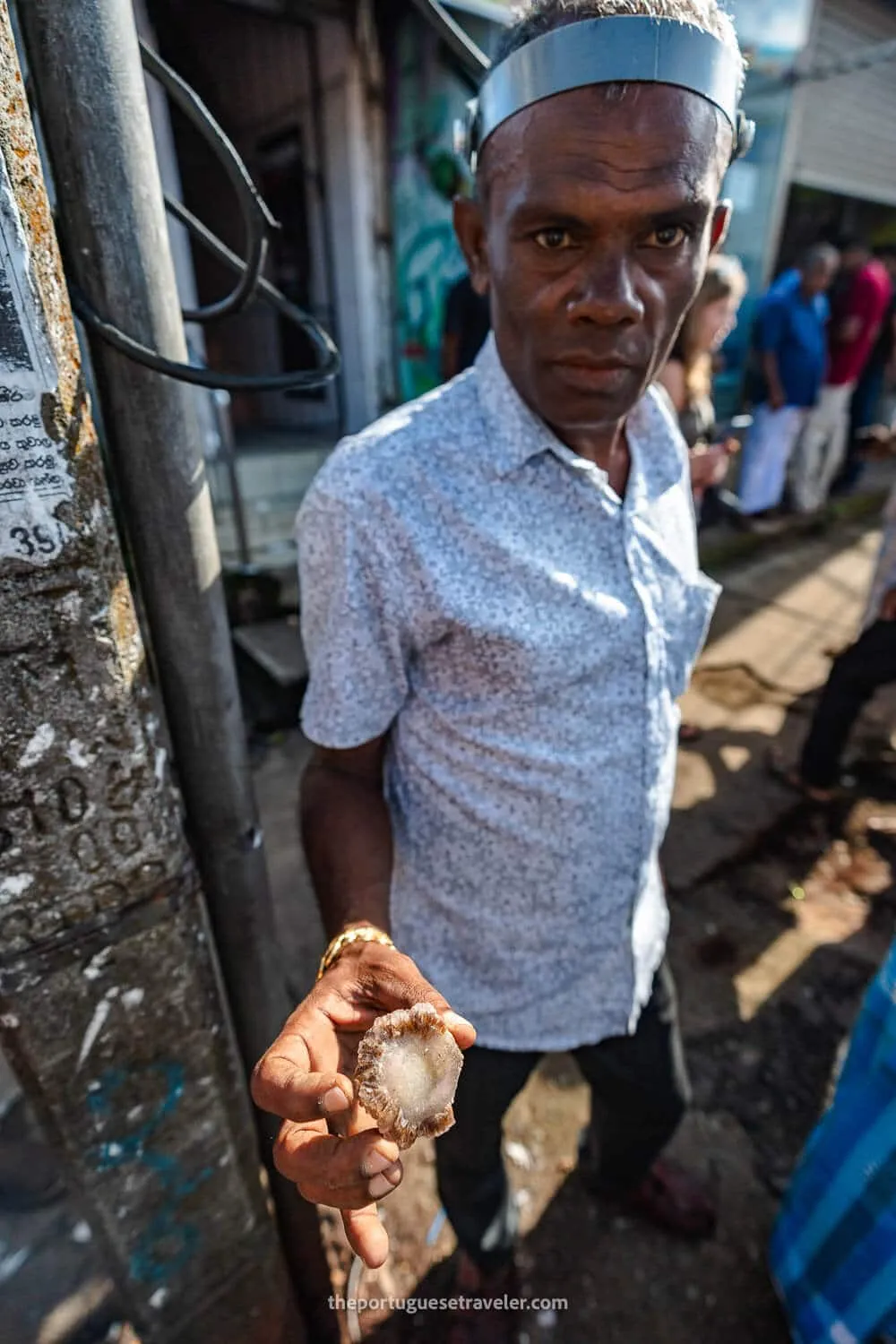
A Gem vendor in the Ratnapura Market
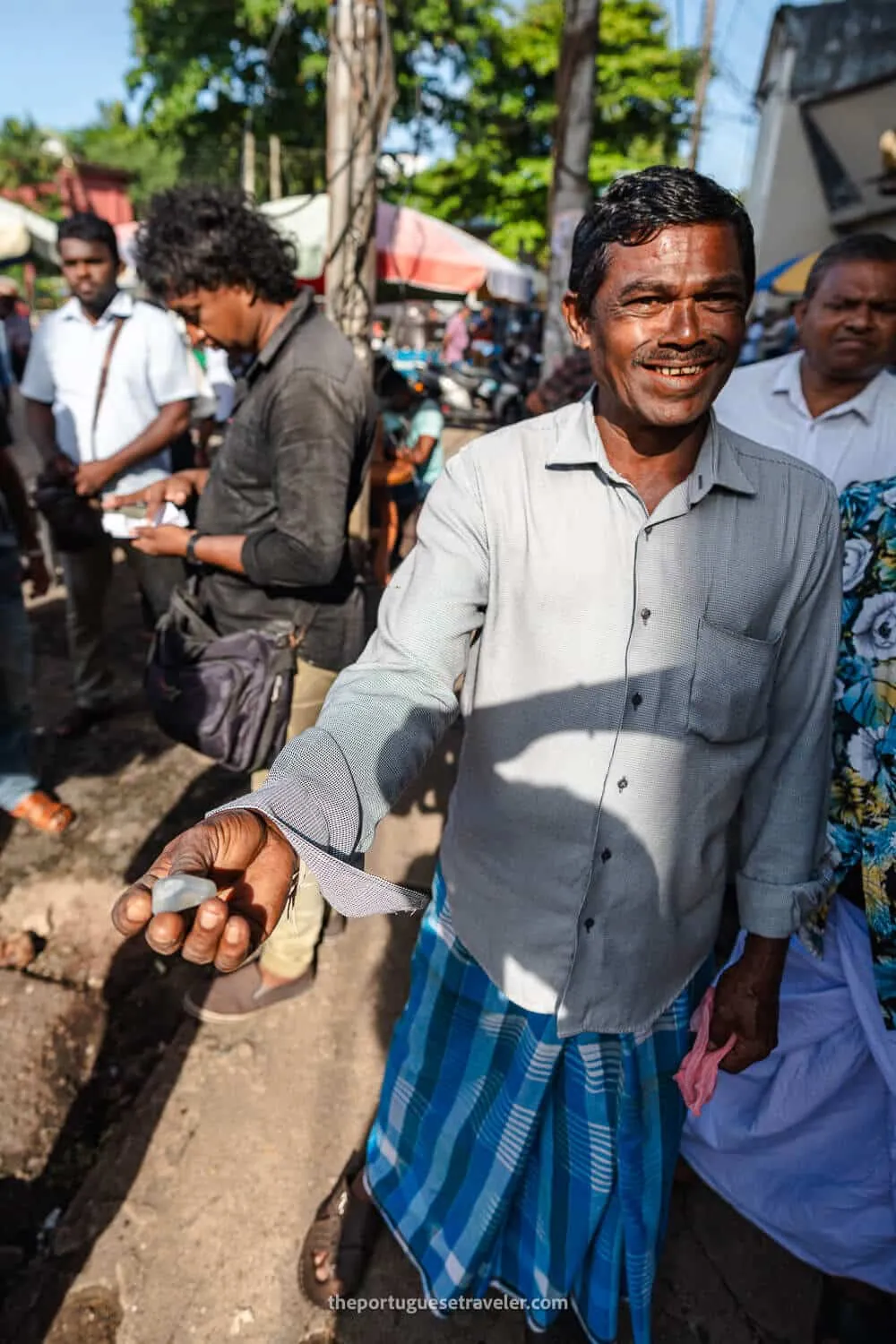
Another gem vendor at the Ratnapura Market
Are Ratnapura Gems Authentic?
When it comes to the authenticity of gems in Ratnapura, most of the gems sold in the area are indeed authentic, but it’s always wise to double-check with the authorities. The National Gem and Jewellery Authority (NGJA) is a great place to ensure you’re buying genuine stones. It’s also worth noting that many shops in Ratnapura are reliable, as selling fake gems could lead to the shop’s reputation being damaged, which would harm their business. Because of this, most vendors are highly motivated to sell genuine stones. Nonetheless, it’s always a good practice to take extra precautions and have your gem authenticated, especially if you’re not familiar with gem grading.
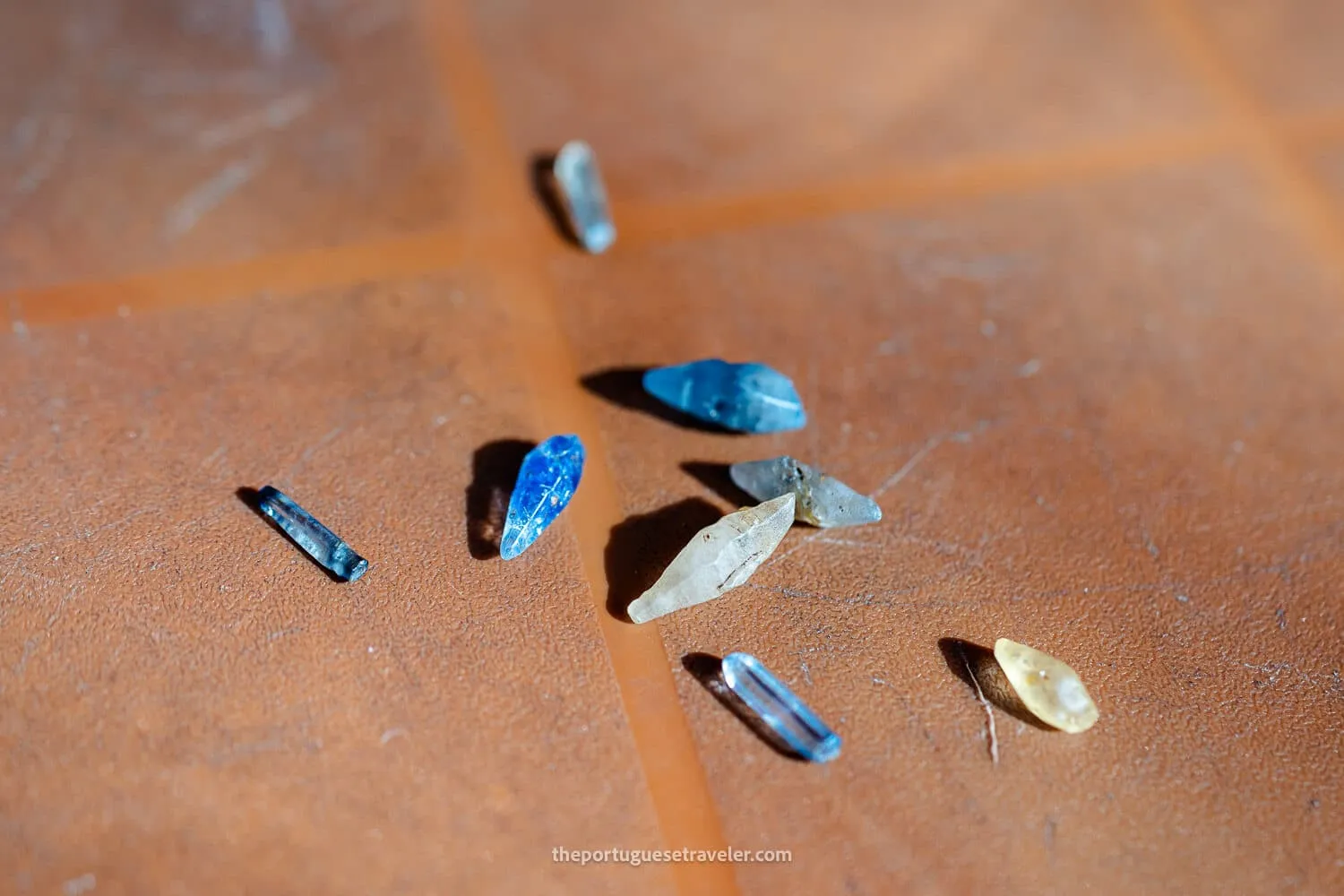
Gems at the Ratnapura Gem Market
How Much does a Sapphire Cost in Ratnapura?
Sri Lanka is renowned for its sapphires, especially the prized cornflower blue and royal blue varieties, which are the most valuable. Other well-known precious stones include Padparadscha sapphires, with their rare orange-pink hues, as well as pink, yellow, and purple sapphires. Sapphire Price Range:
- Cornflower Blue & Royal Blue: $1,000 to $2,000 per carat (higher for larger or high-quality stones).
- Padparadscha Sapphires: $5,000 to $30,000 per carat.
- Intense Pink Sapphires: $1,500 to $5,000 per carat.
- Yellow and Brighter Pink: $100 to $500 per carat.
- White & Purple: $50 to $200 per carat.
The value of sapphires is influenced by factors such as color, size, clarity, and treatments. While most sapphires are heat-treated to improve their appearance, untreated sapphires are rarer and much more valuable. The price can vary widely based on these characteristics, but Sri Lanka’s sapphires remain among the most sought-after in the world. I gathered this information from a variety of sources, including insights on gem prices, types, and treatments specific to Sri Lanka’s renowned sapphires. You can double-check the details through these references: Ceylons Munich - Value of Sapphires, Ceylons Munich - Gemstone Pricing, Pilotguides - Shopping Ratnapura Gems.
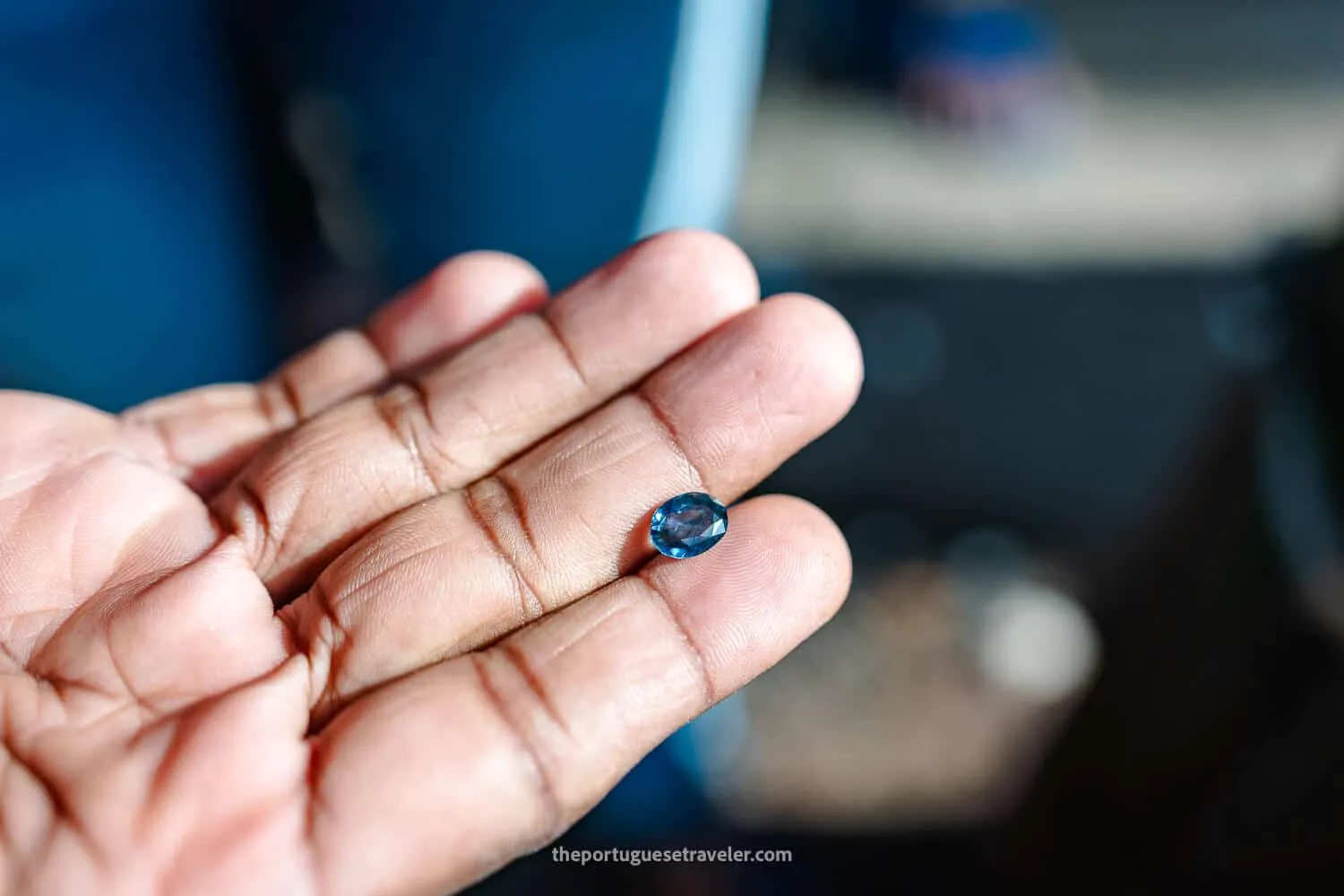
A gem vendor showing me supposedly a Sapphire
What Gems Can be Found in Sri Lanka?
Sri Lanka, often referred to as the “Island of Gems,” is home to a variety of precious and semi-precious stones. The most common gems found in Sri Lanka include:
-
- Sapphires (especially blue, but also pink, yellow, and green sapphires)
- Rubies (known for their vivid red color, often referred to as “Raven’s blood rubies”)
- Spinels (found in a variety of colors, from red to blue)
- Garnets (often found in deep red shades, but also in other colors like green and orange)
- Tourmaline (found in multiple colors, including green, pink, and blue)
- Amethyst (a popular purple gemstone)
- Topaz (often found in yellow and blue varieties)
- Moonstones (famous for their shimmering effect, called adularescence)
- Zircons (commonly found in blue, but can also appear in colorless, green, and red)
- Alexandrite (a rare gemstone known for changing color under different light conditions)
- Cat’s Eyes (a variety of Chrysoberyl with a distinctive “cat’s eye” effect)
Most Wanted Gems:
- Sapphires: The blue sapphire, especially the cornflower blue, is the most desired due to its deep color and high value. Sri Lanka is globally recognized for its production of these gems.
- Rubies: The deep red sapphires (rubies) from Sri Lanka are also highly sought after.
- Padparadscha Sapphires: These rare, orange-pink sapphires, considered one of the most expensive, are highly coveted in the market.
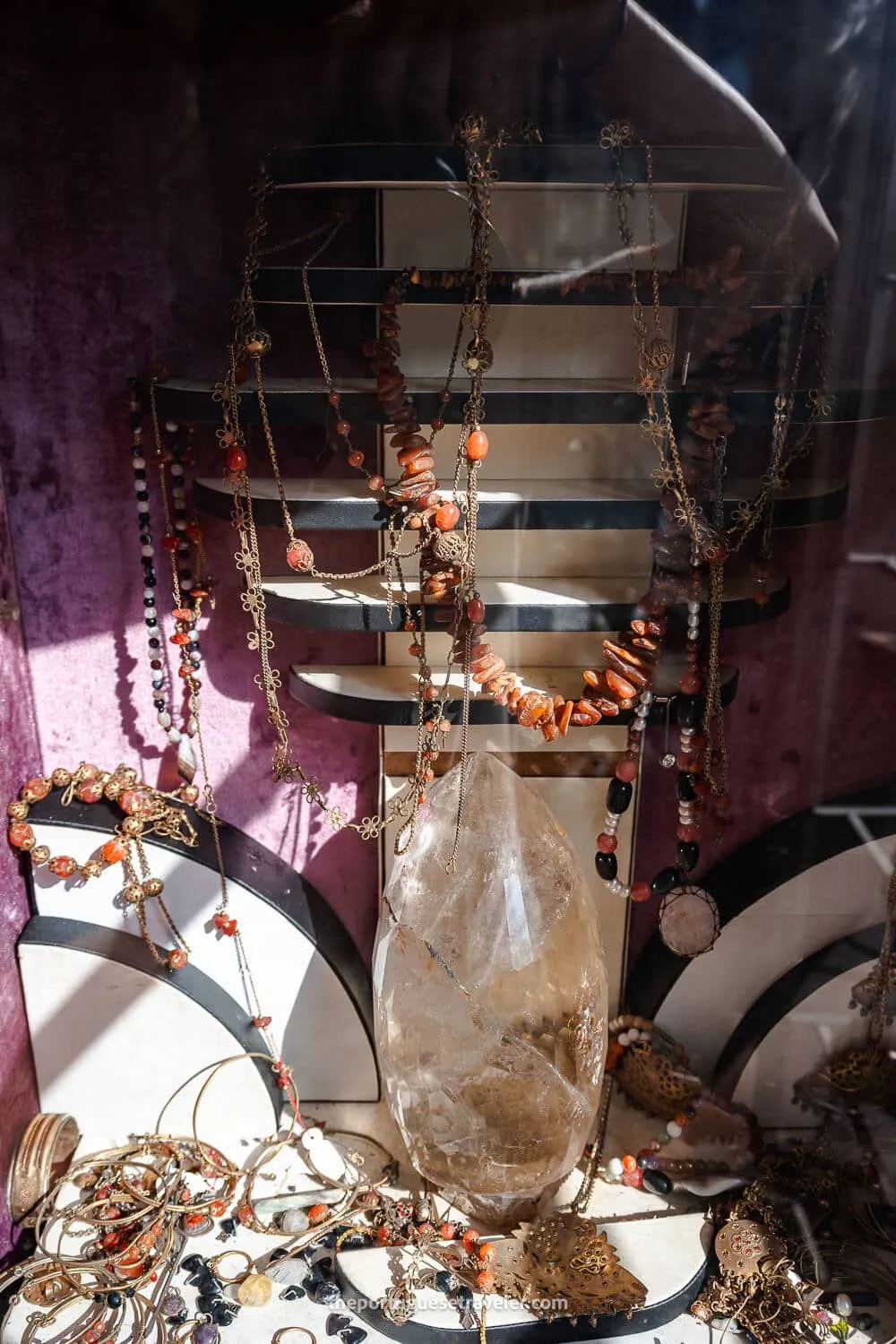
The Gem Exhibition at the Portuguese-Dutch Fort
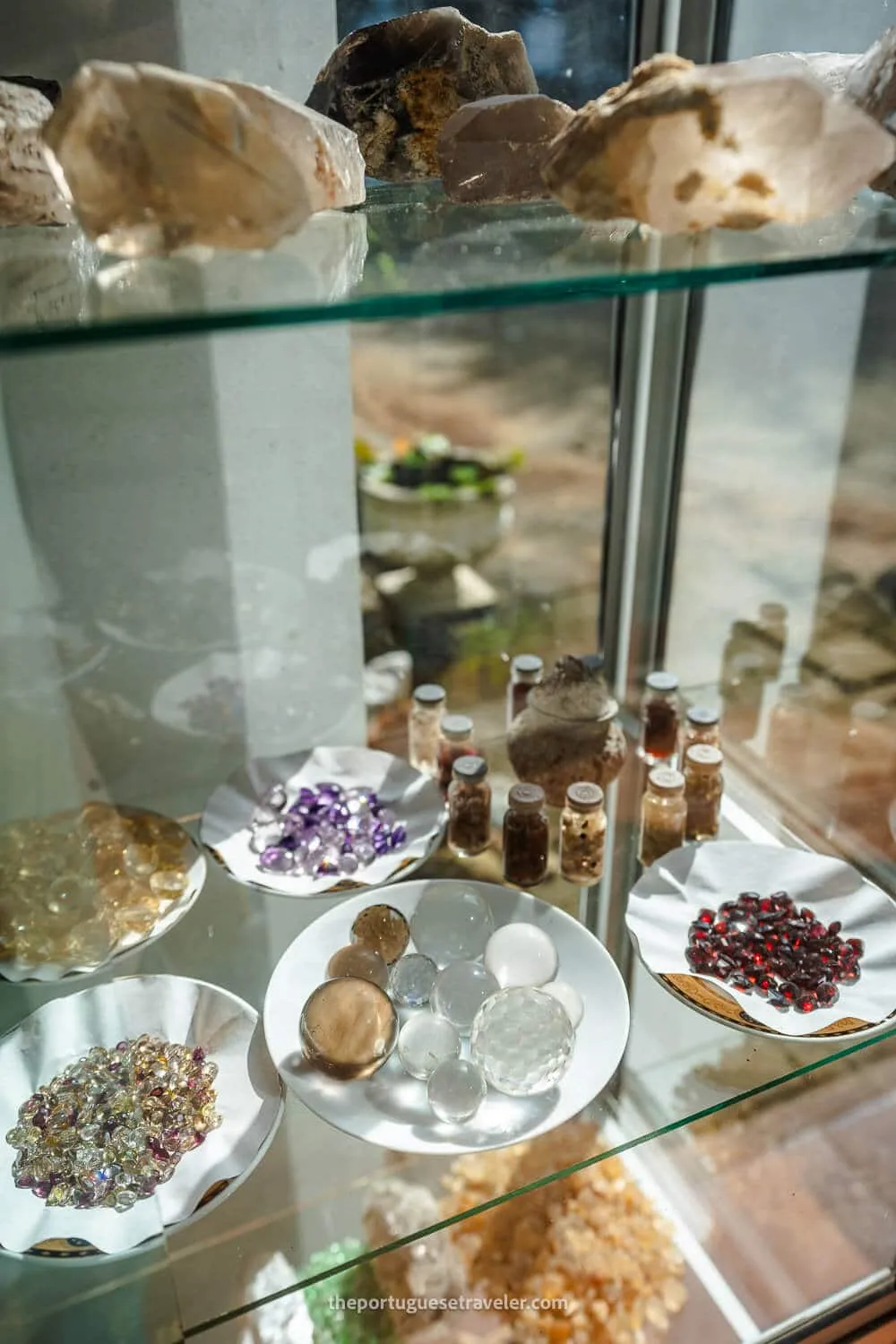
Gems at the Portuguese-Dutch Fort
What Famous Large Gems Were Found in Sri Lanka?
Sri Lanka has produced some of the most remarkable and largest sapphires in the world, with many of them being discovered in the gem-rich town of Ratnapura. Here are some of the most famous and extraordinary sapphire finds from the island:
- The 466-carat “Blue Giant of the Orient” Sapphire: Discovered in Ratnapura, this sapphire is one of the largest and most famous sapphires ever found. Known for its rich blue hue, it was cut down from its original size to the remarkable 466-carat gem (the photo below says it weighs 487 carats).
- The 199-carat “Queen of Asia” Sapphire: Found in Ratnapura, this extraordinary sapphire is known for its striking blue color and immense size, making it one of the most sought-after gemstones.
- The 95-carat “Star Sapphire”: This gemstone, discovered in Sri Lanka, is renowned for its star-like pattern created by rutile inclusions, which enhance its value and beauty.
- The “Serendipity Sapphire”: Discovered in 2002, this 100-carat sapphire is known for its exceptional color and was sold at auction for a significant price. The name “Serendipity” refers to the fortunate and unexpected nature of its discovery in Sri Lanka, historically known as Serendip.
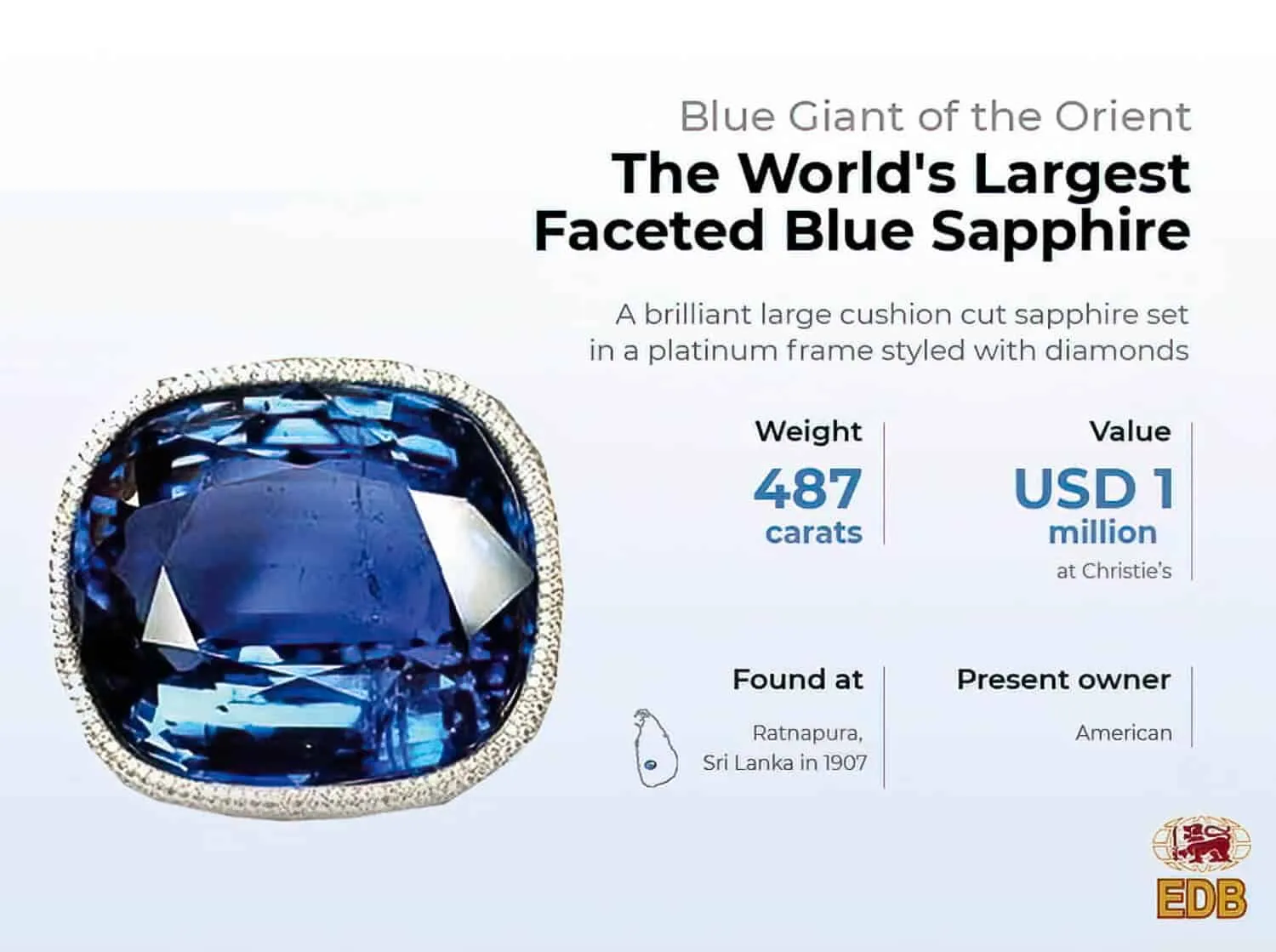
The Blue Giant of the Orient Sapphire (Image Soure: https://www.srilankabusiness.com/blog/ceylon-blue-sapphire-around-the-world.html)
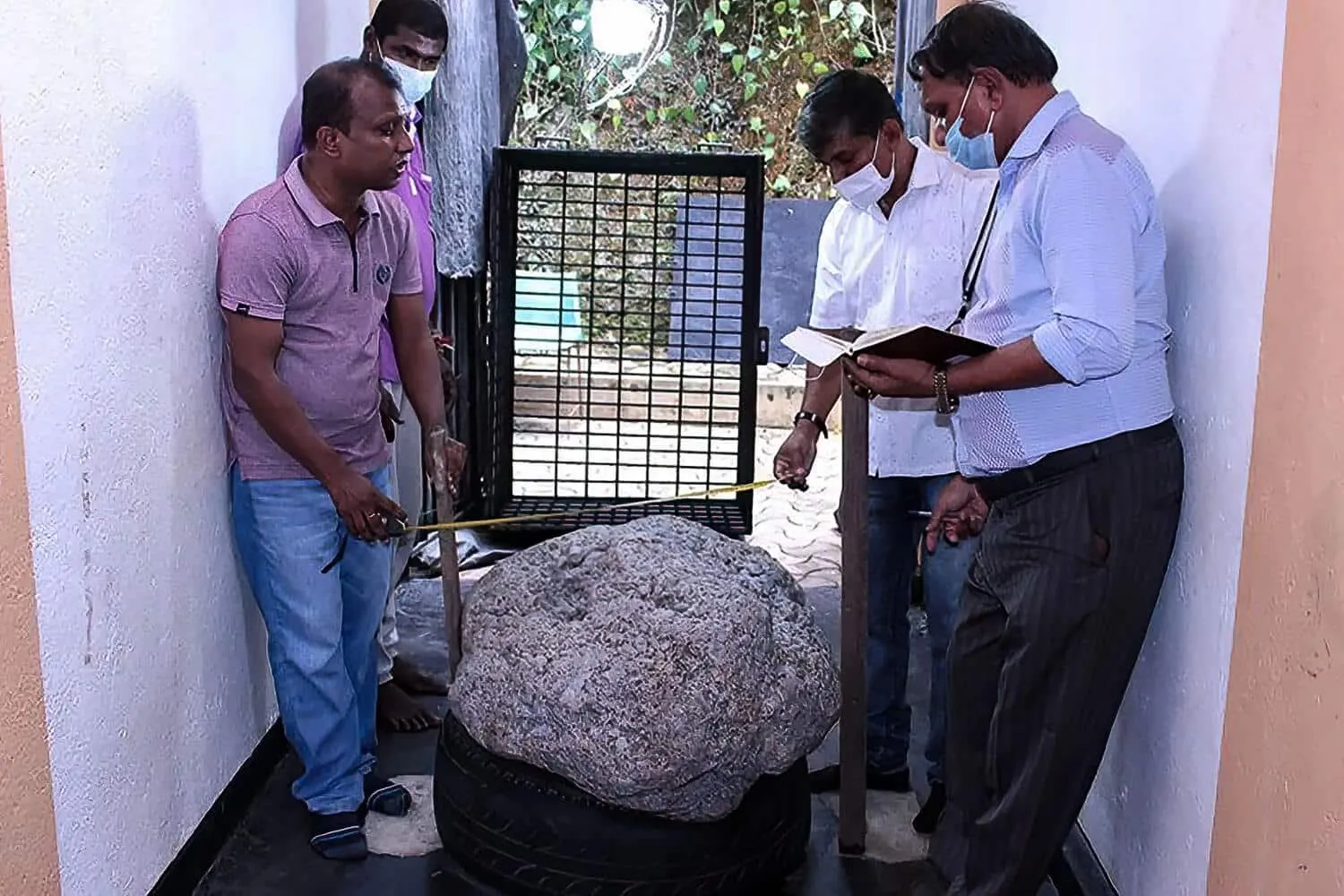
The Serendipity Star Sapphire Cluster found in Sri Lanka in 2021 (Image Source: https://nypost.com/2021/07/27/worlds-largest-sapphire-cluster-found-in-sri-lankan-yard/ - Mr. Gamage/ BBC)
Best Tours in Ratnapura
I’ve checked all the available options for Gem Tours in Ratnapura, and this one has the best rating. If you’re interested in exploring more, I also looked into other great experiences nearby, like a Safari in Udawalawe National Park(where you have a high chance of seeing Elephants in their natural habitat)
My Experience in Ratnapura
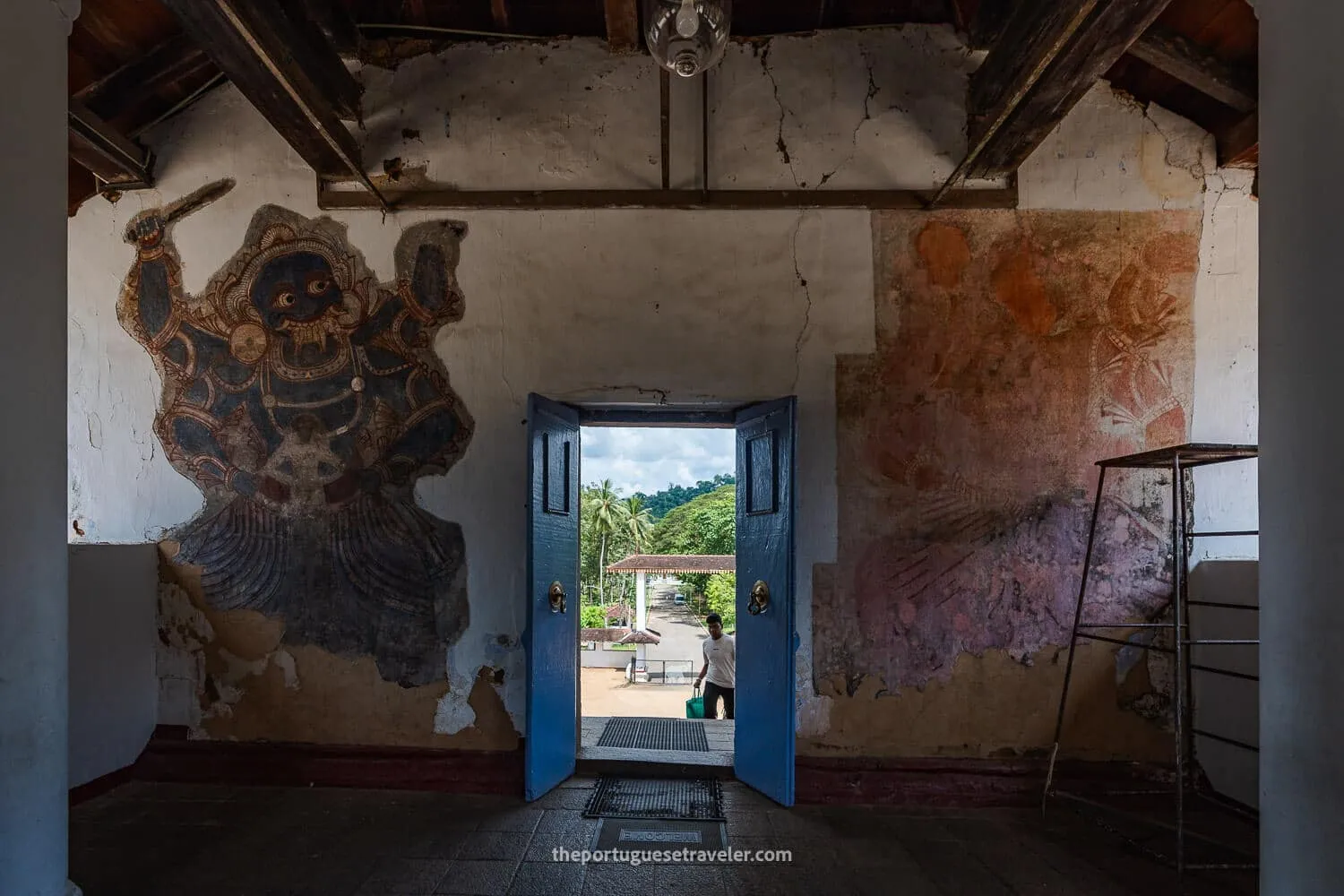
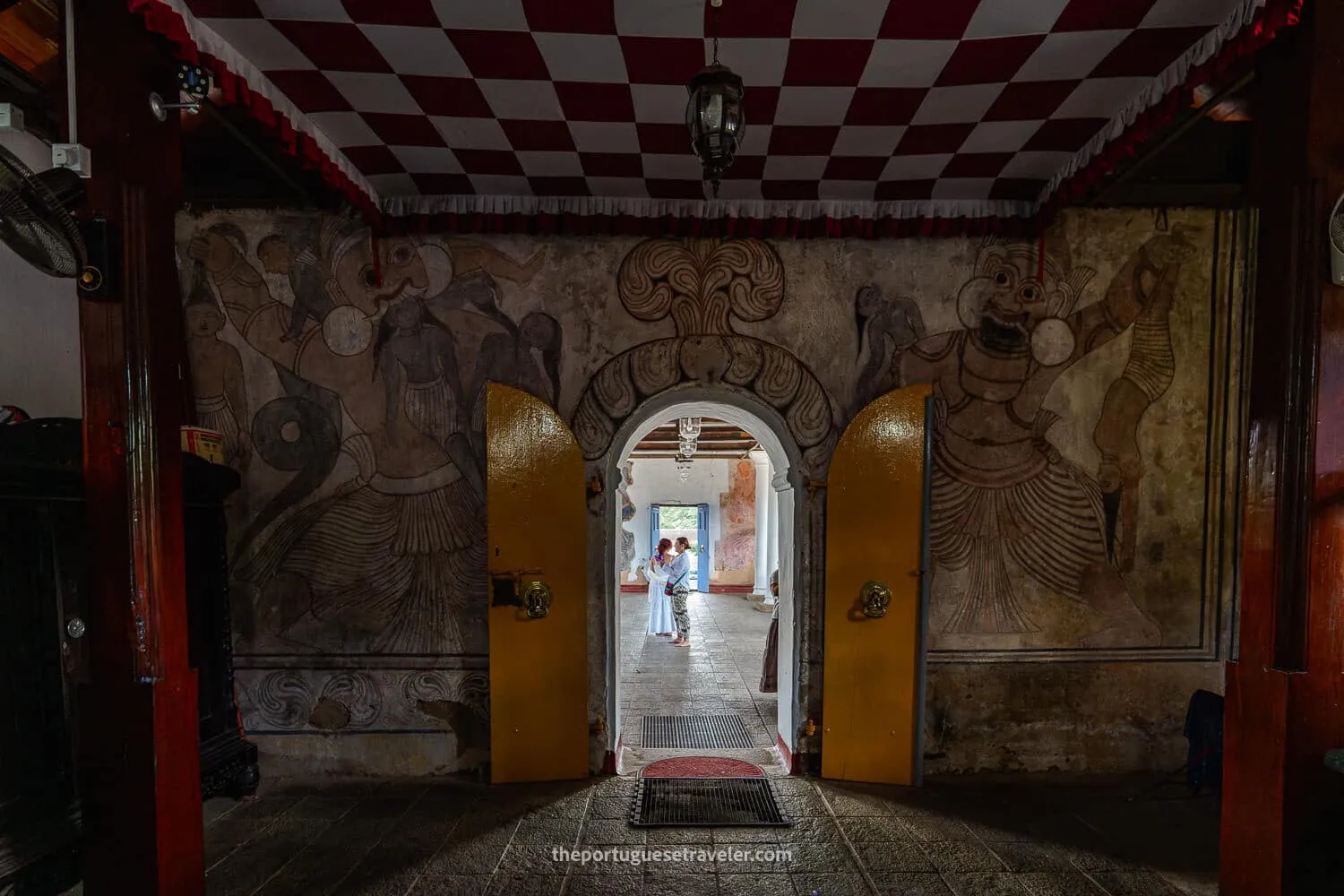
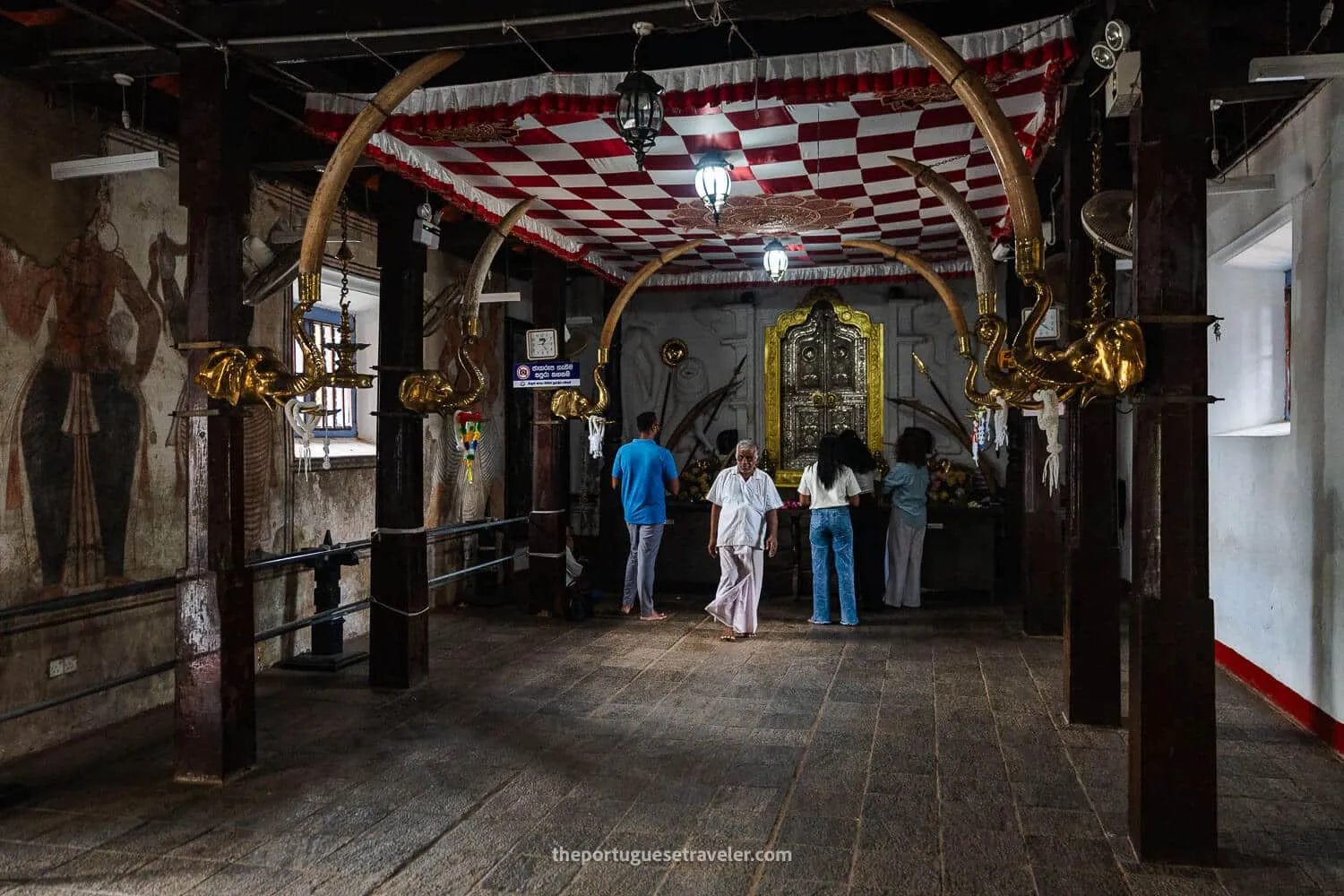
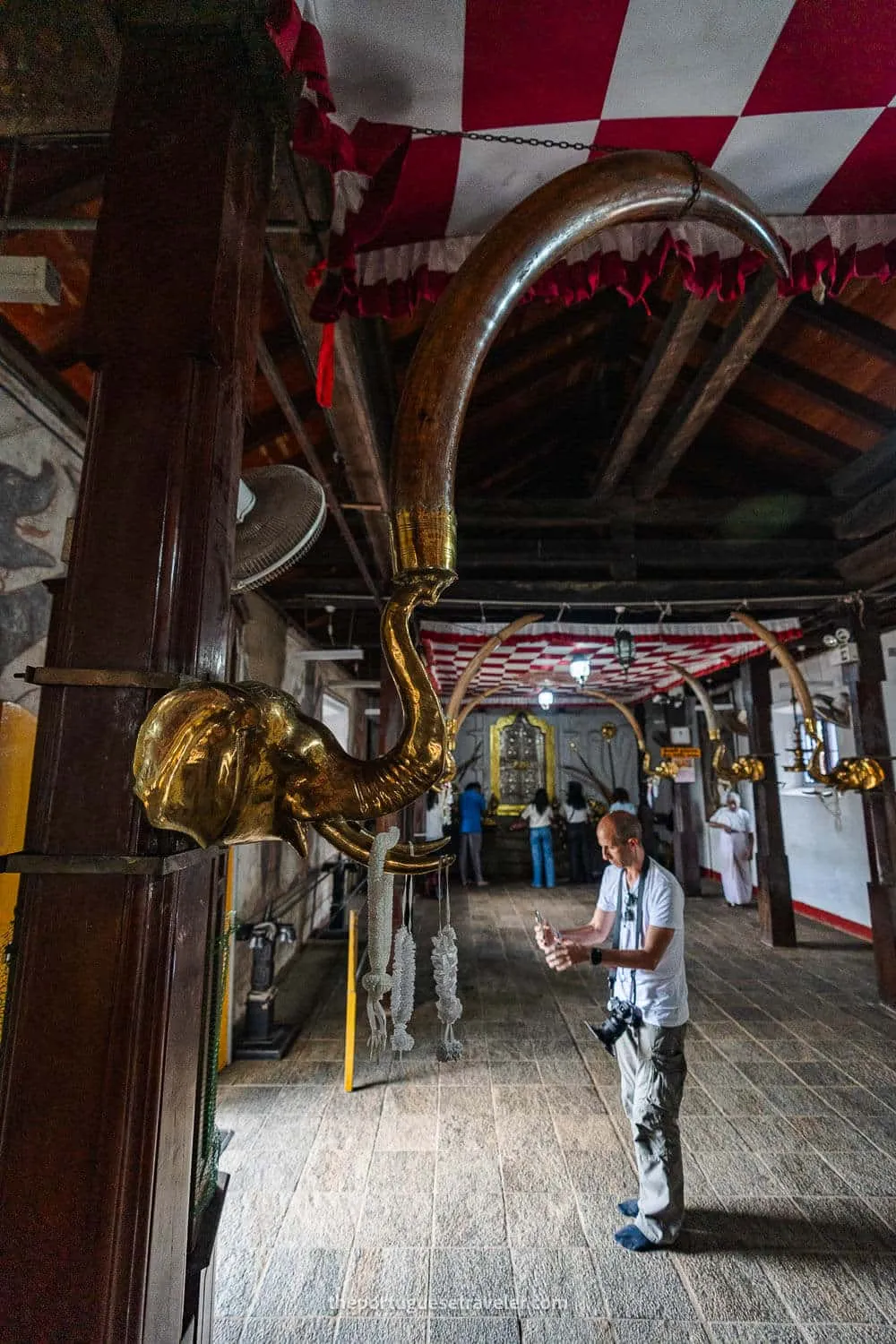
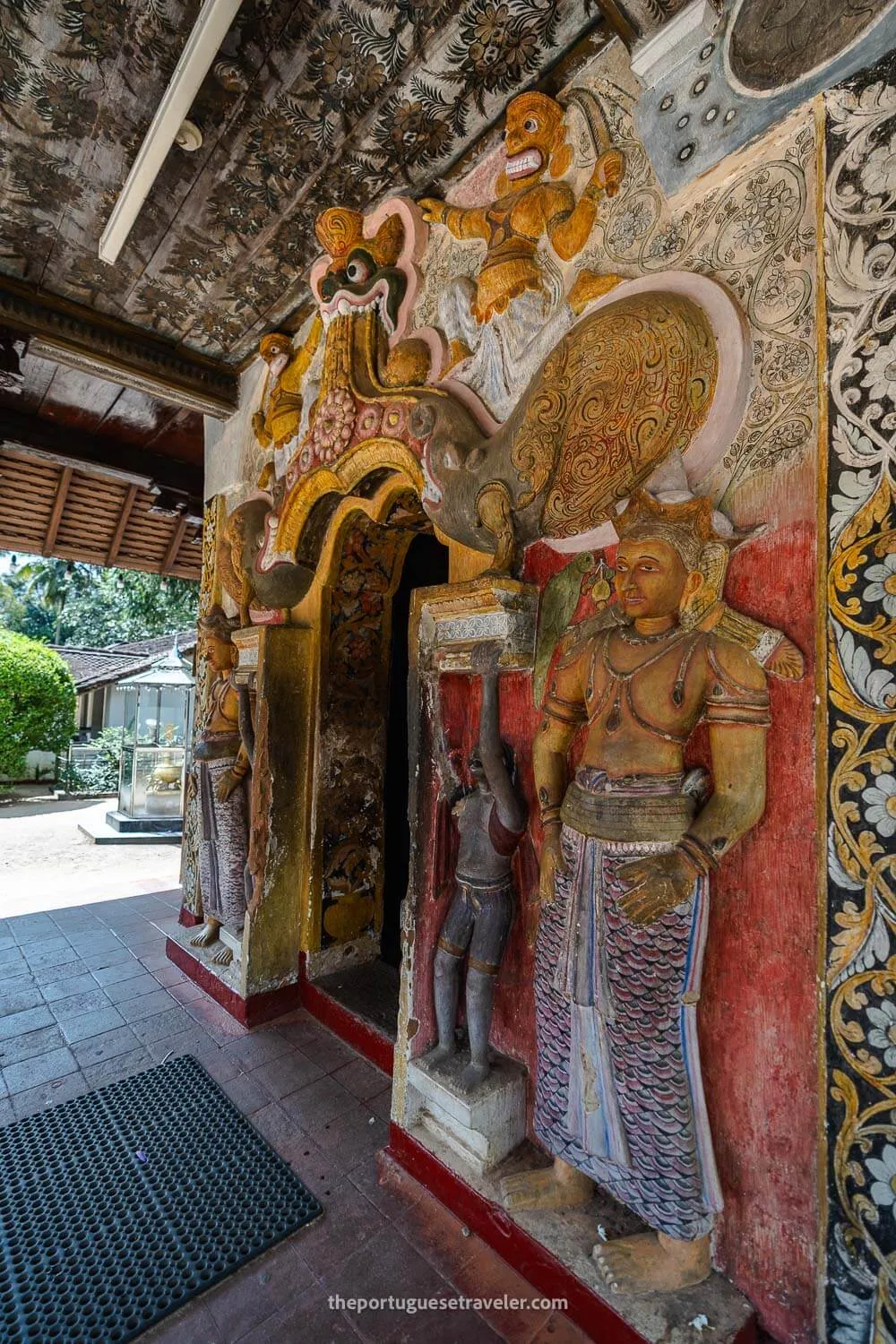
Ratnapura was our third destination on this trip. We passed by on our way to Sinharaja Rainforest and made a stop at the Maha Saman Dewalaya Temple. It was the first Buddhist temple we visited, and its magnificence was impressive. Initially, photos weren’t allowed, but since we were with the tourism board, we received permission. The temple is deeply revered, with multiple smaller temples surrounding the main one, adorned with ancient paintings and various Buddhist statues.
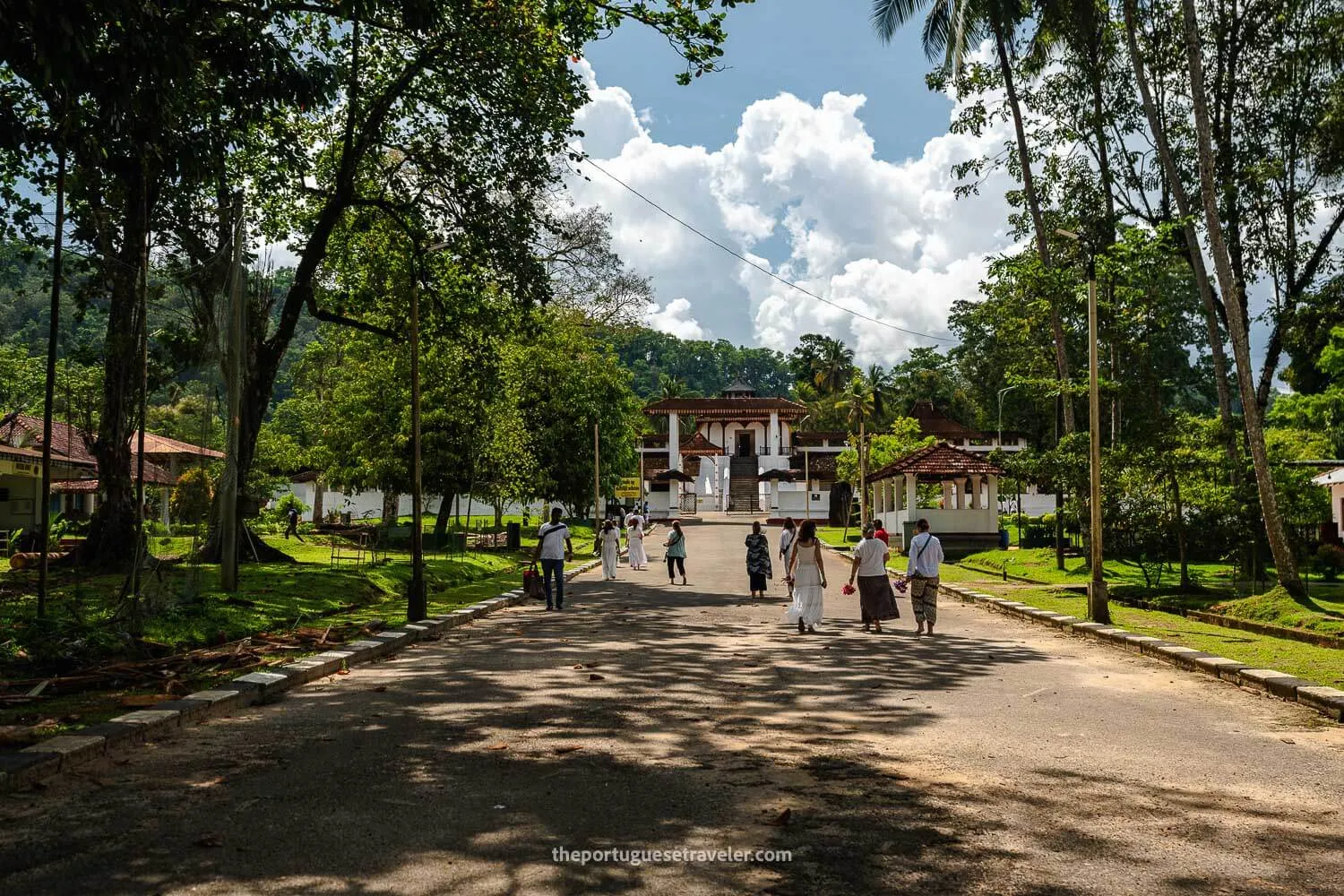
The Maha Saman Dewalaya Temple’s Entrance
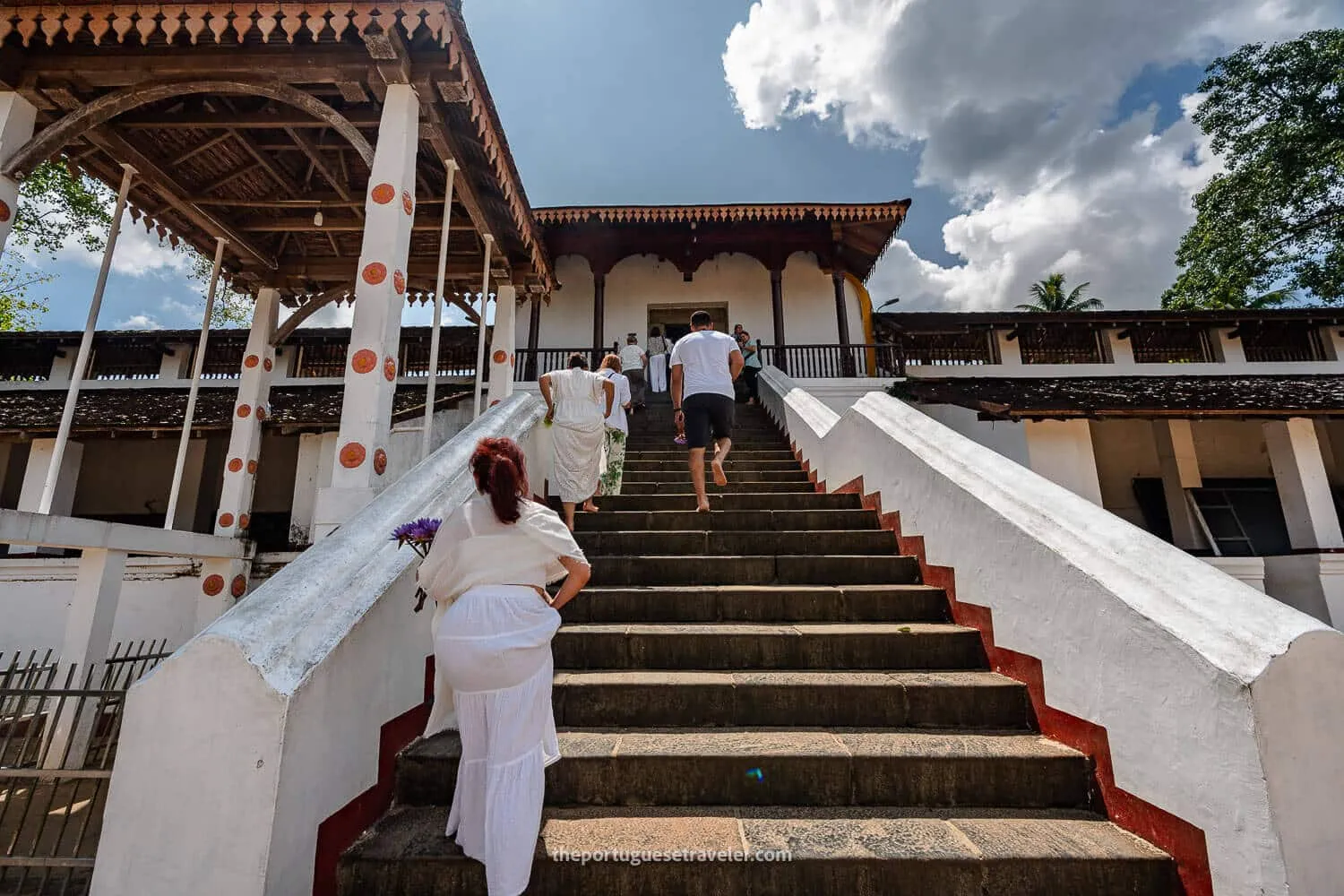
The Maha Saman Dewalaya Temple’s Entrance
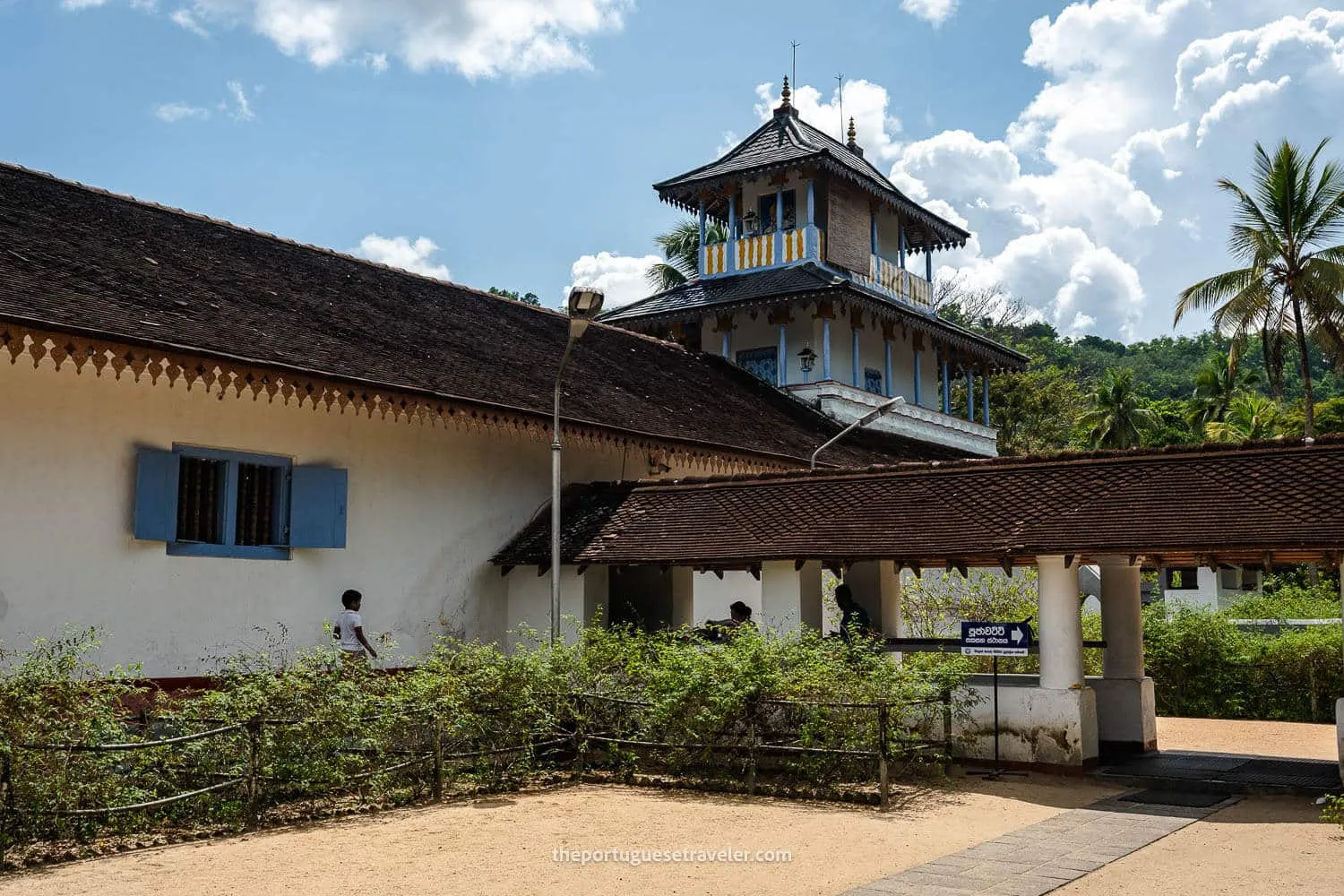
The main building of the temple
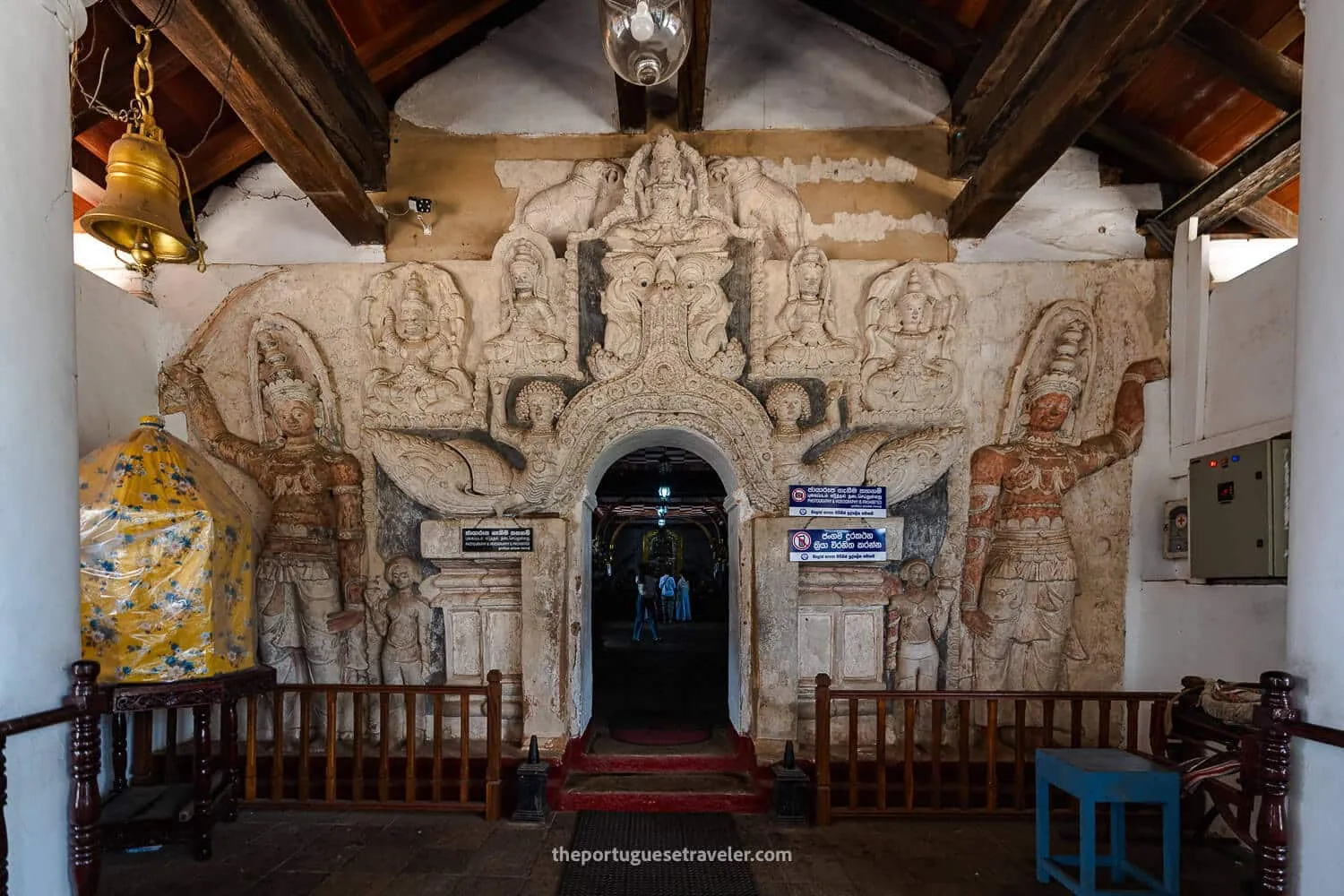
The decorated wall before the main hall of the Maha Saman Dewalaya Temple
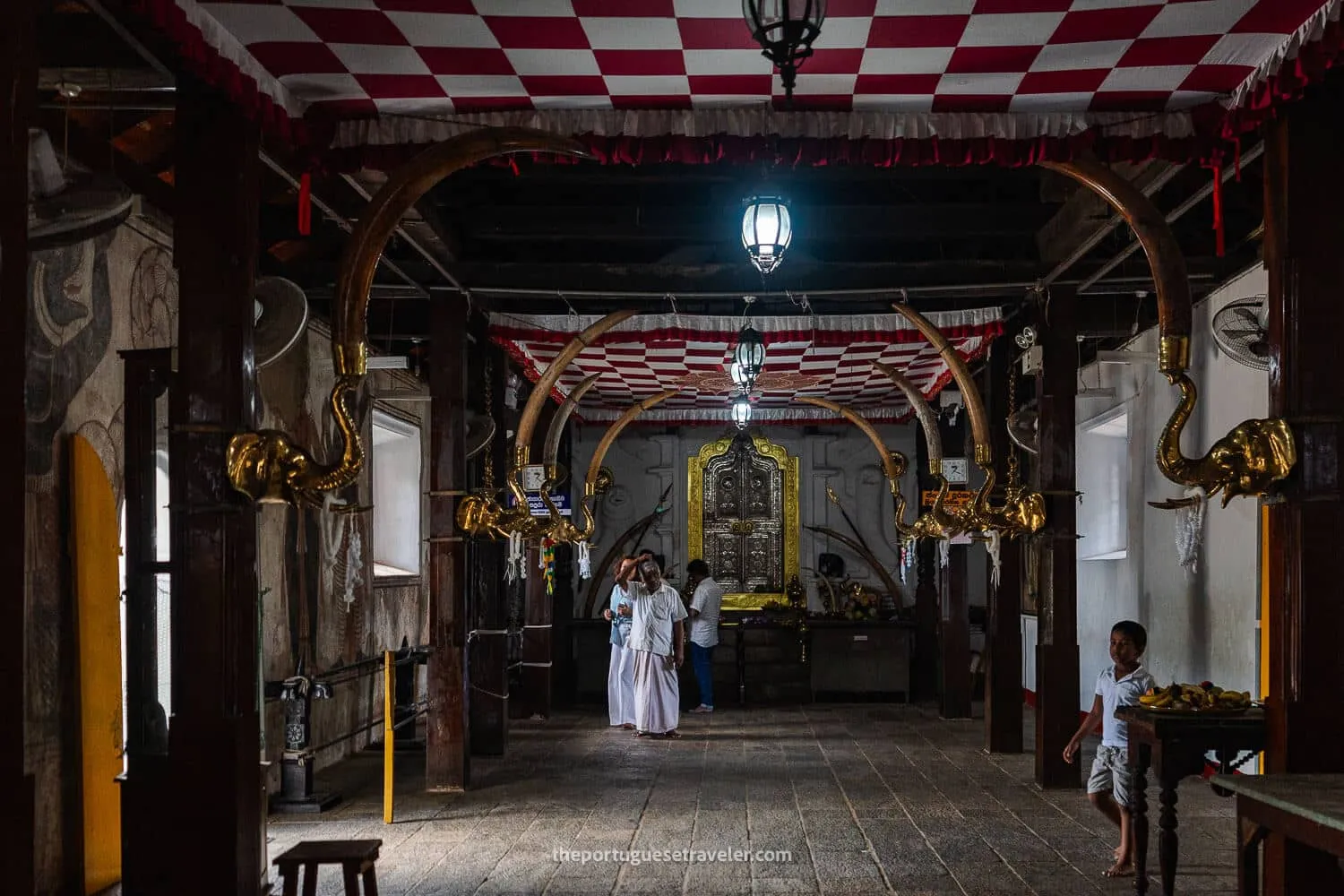
The main hall of the temple
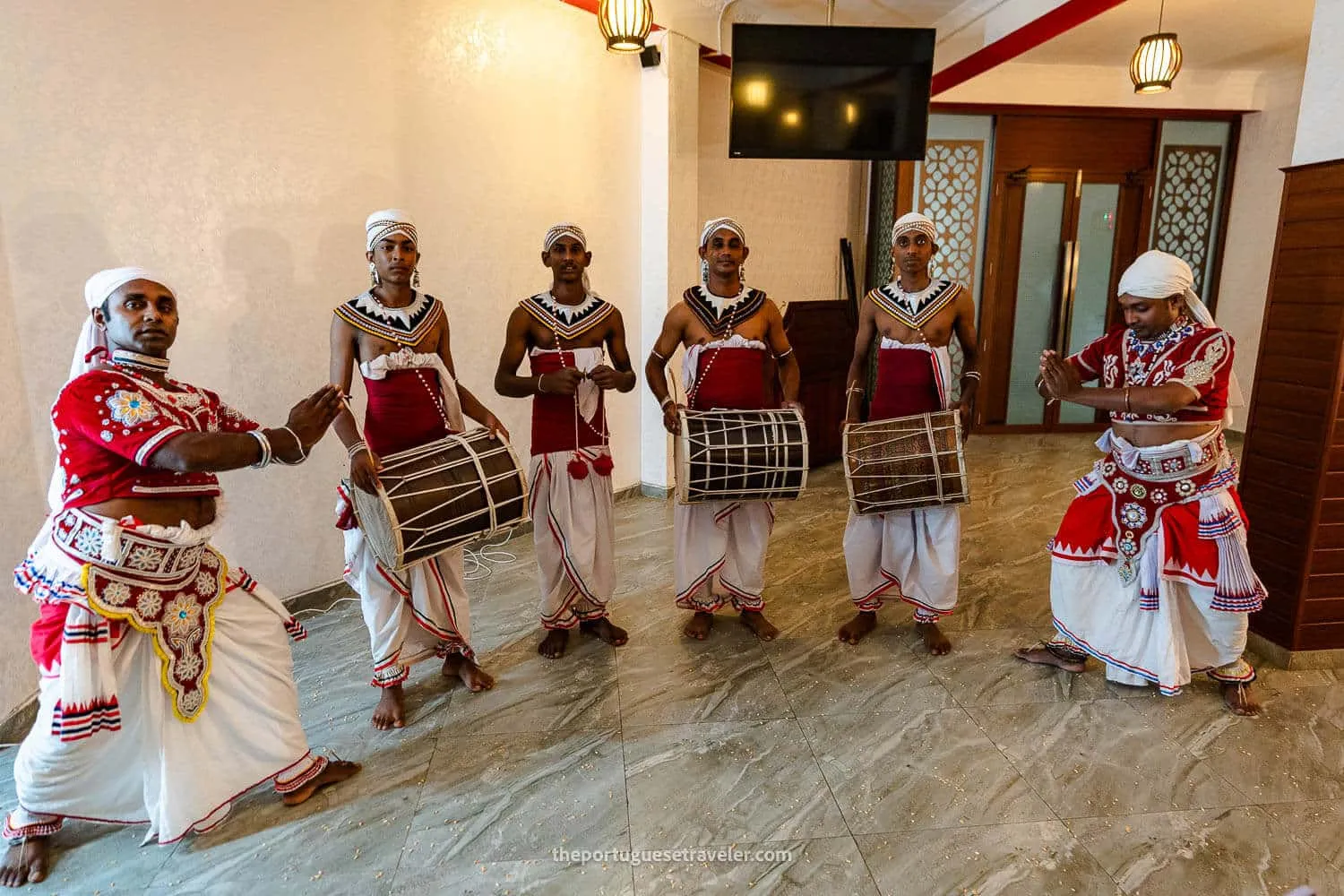
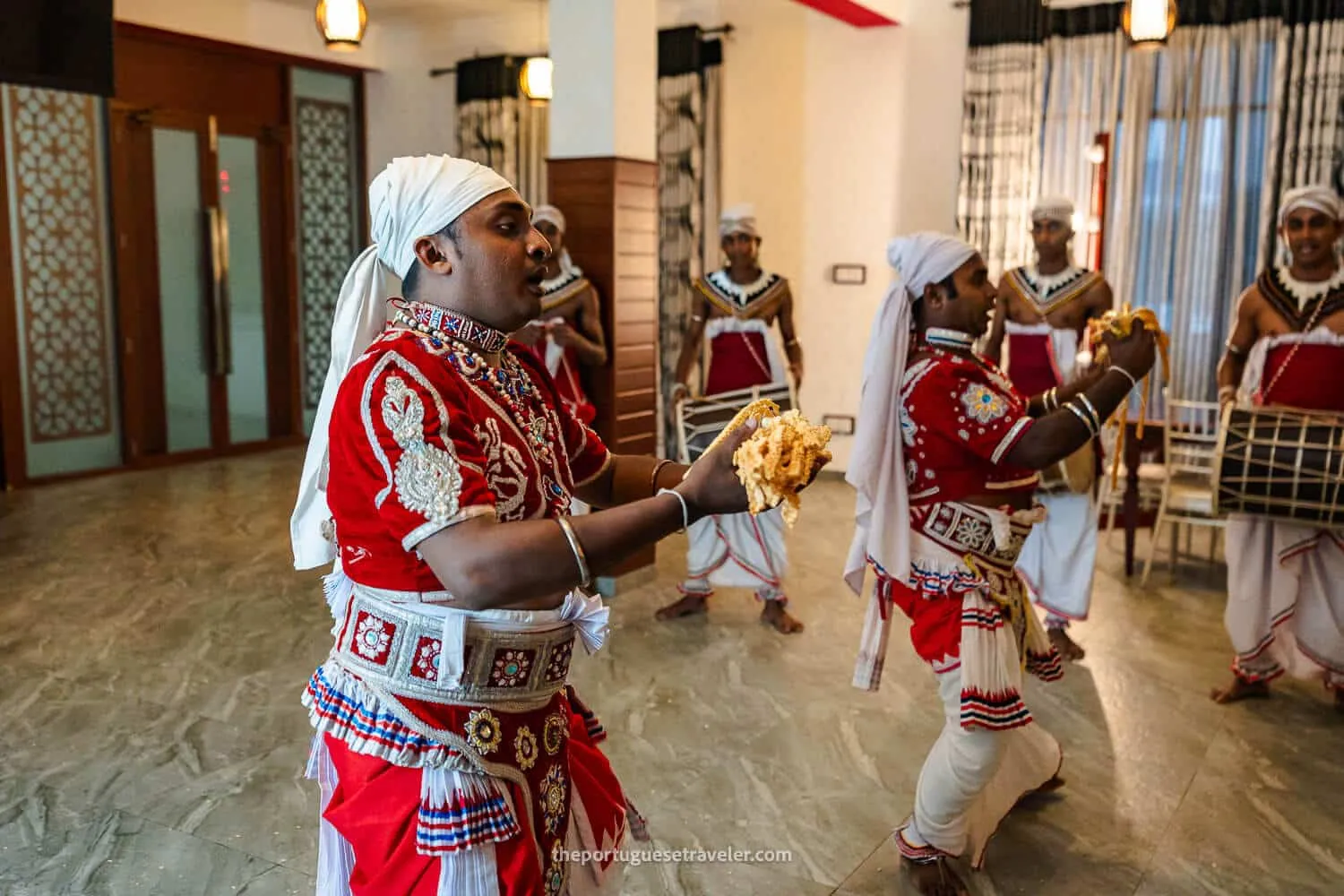
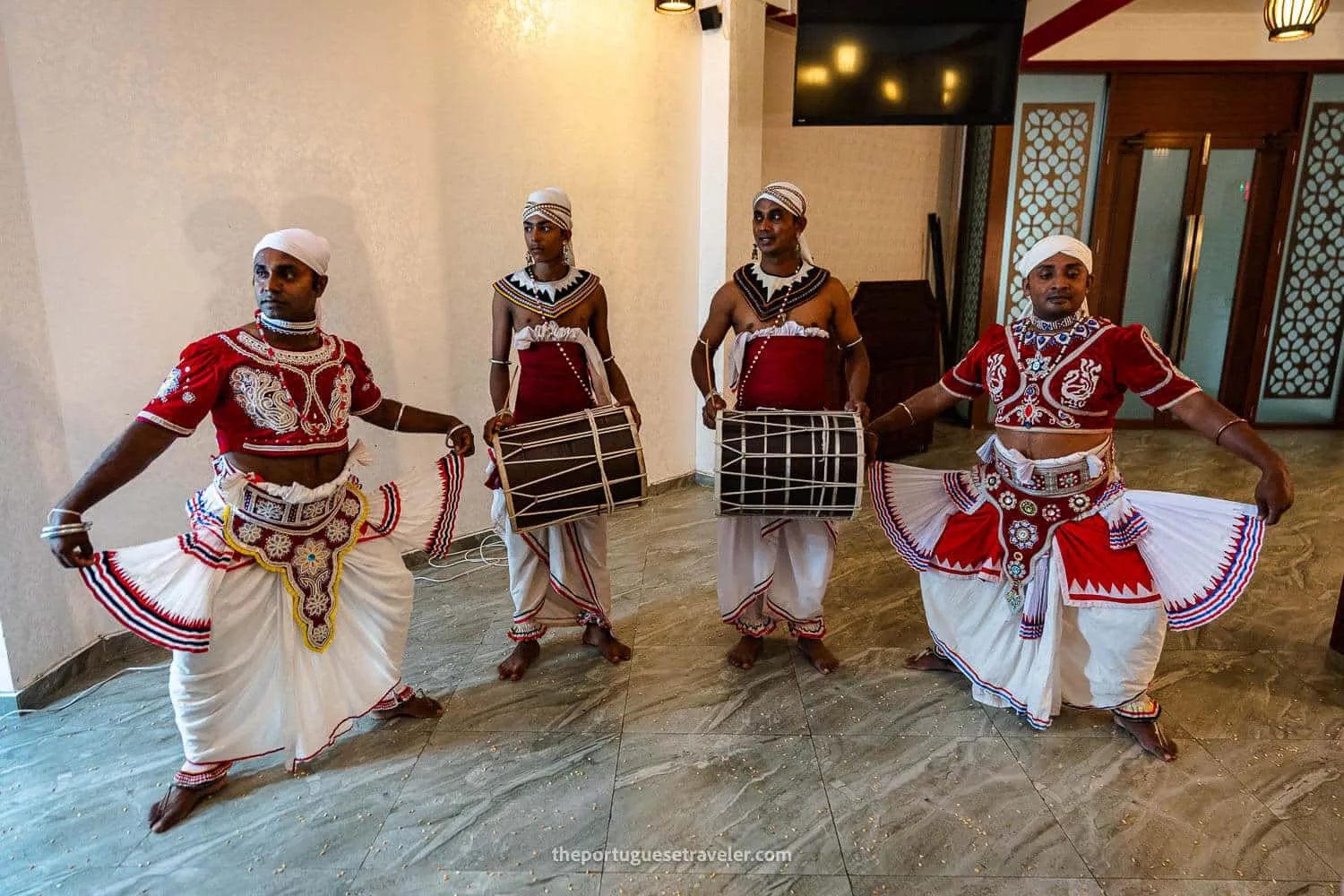
On the way to the temple, we spotted an elephant, unfortunately chained, but still a magnificent sight. After taking in the intricate details of the temple, we continued to the rainforest. On our way back, we stopped at a traditional market bustling with vendors selling various products. We also visited TeaJar, a fancy tea and jewelry shop. Later, we returned to our hotel, Centauria Hill Resort, where we were greeted by performers showcasing the Sabaragamuwa Dance. The performance, complete with full costumes and drumming, was mesmerizing and accompanied our delicious dinner filled with a variety of dishes.
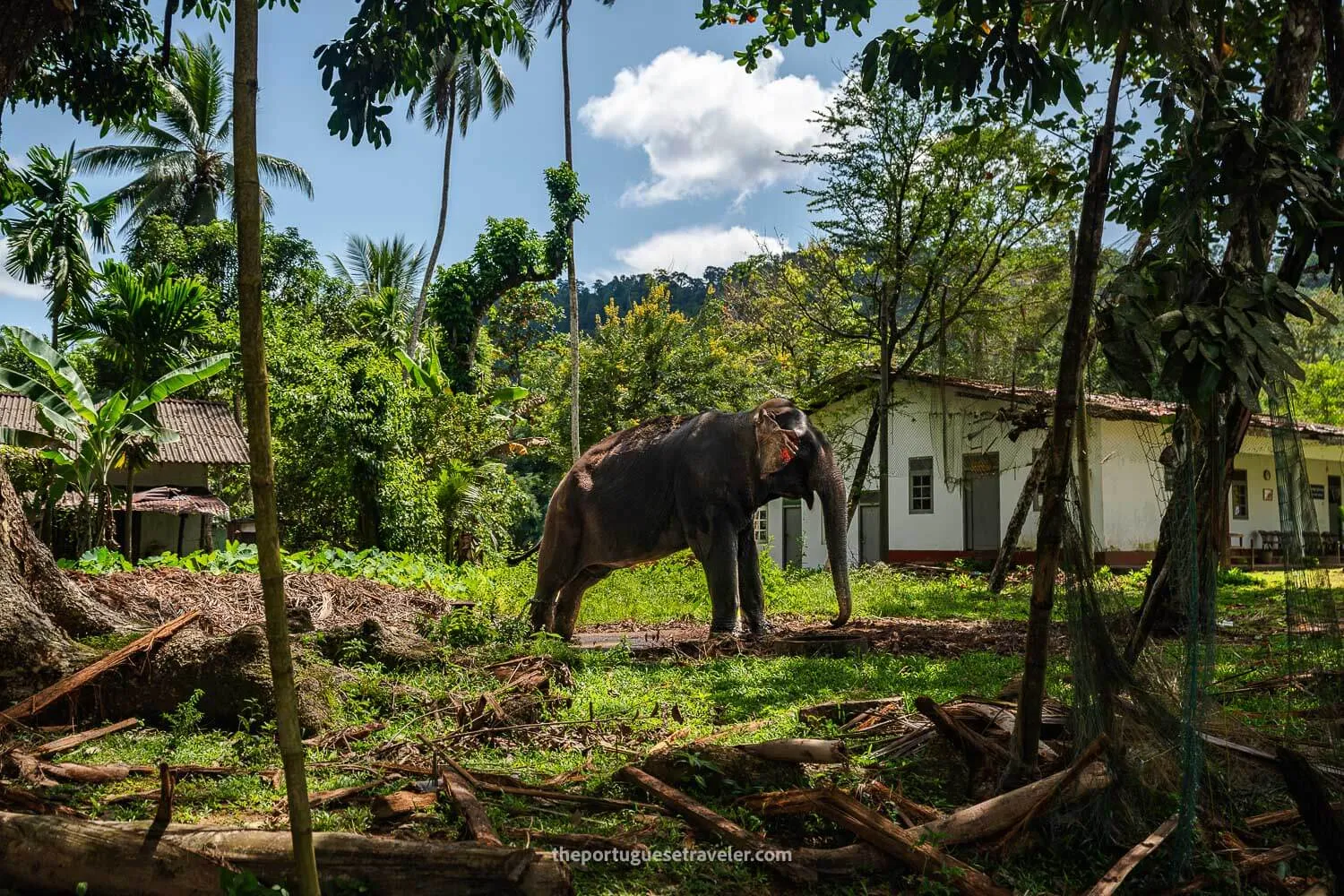
The elephant at the entrance of the temple
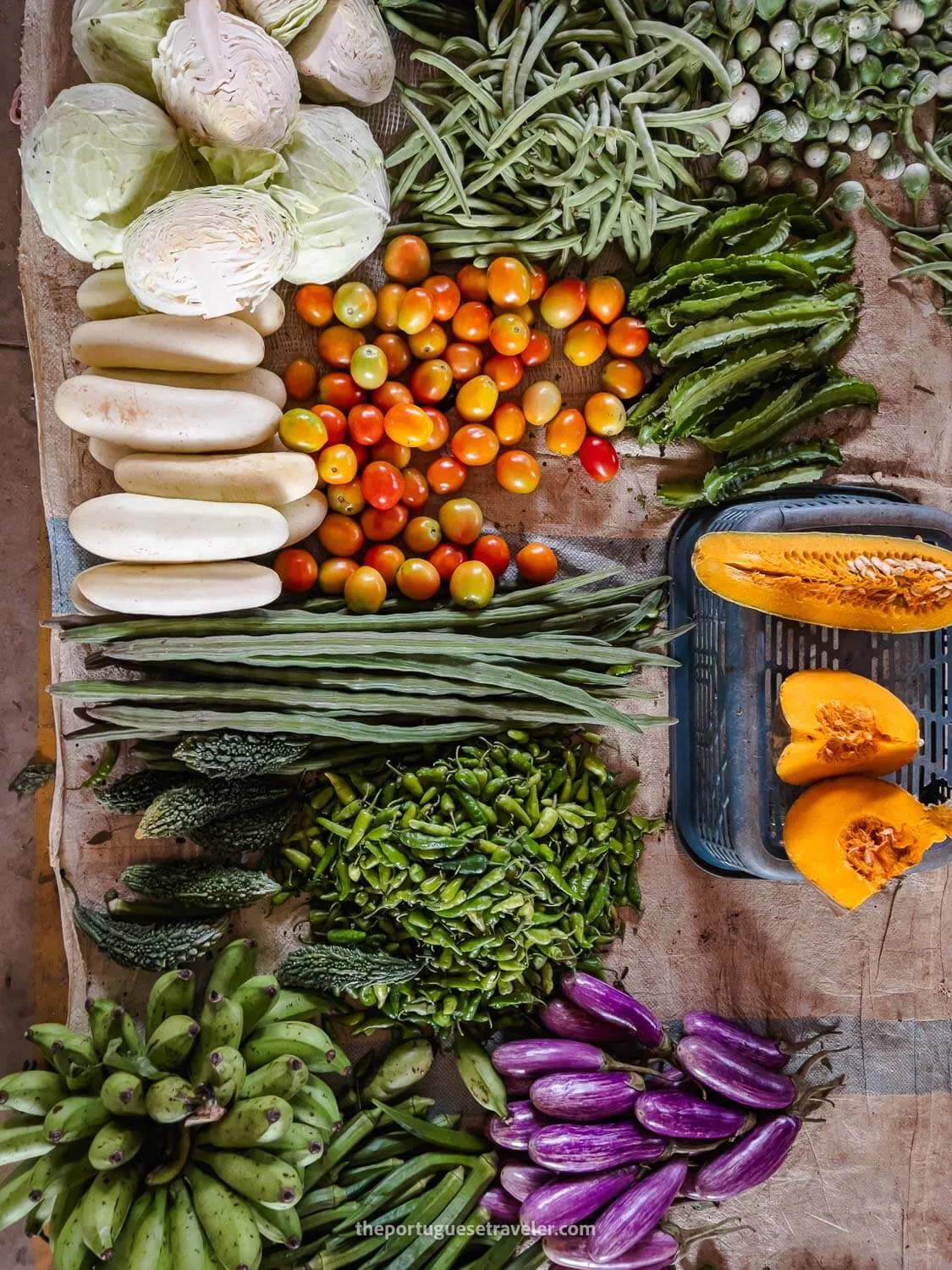
The products at the local market
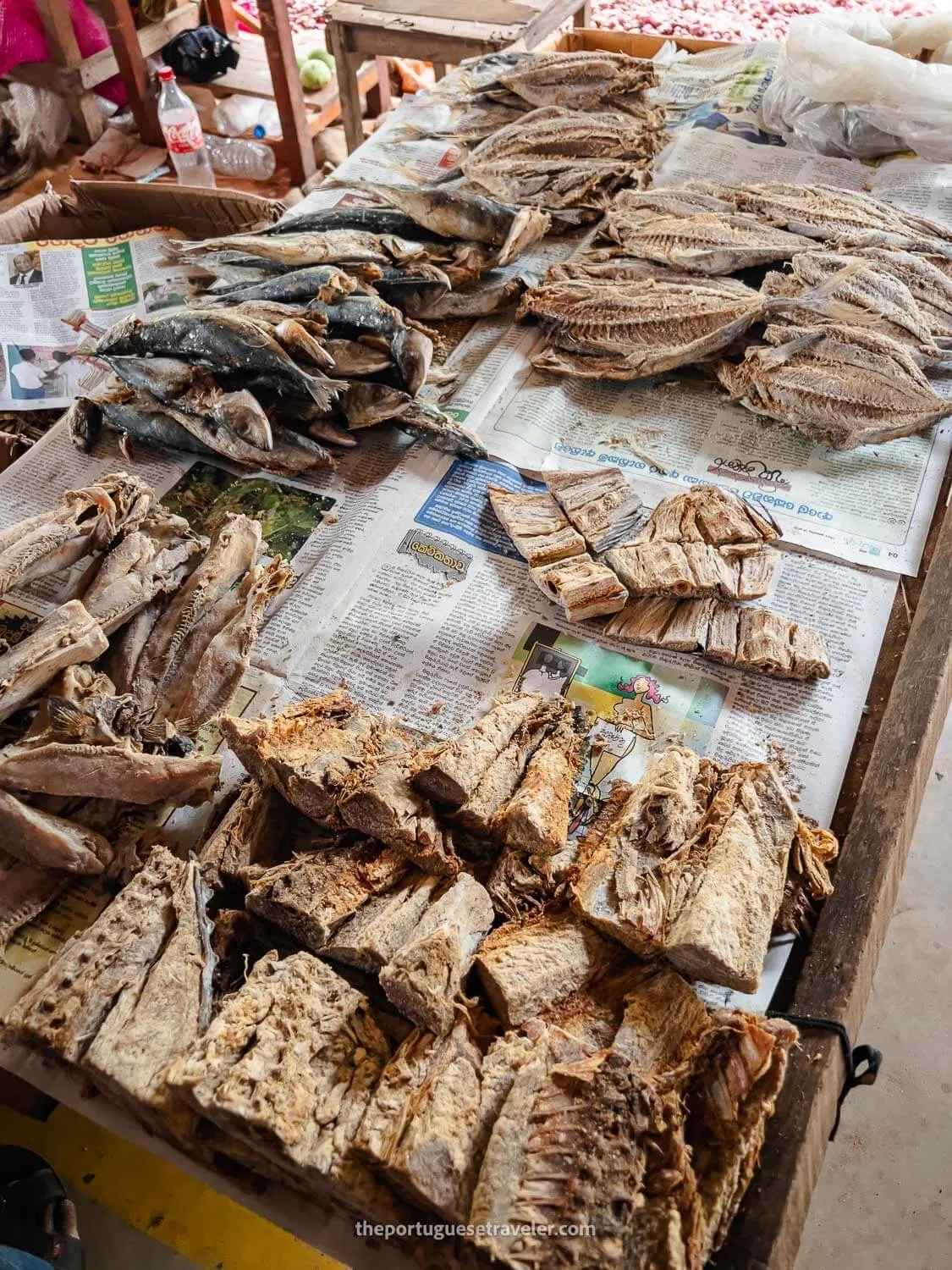
The fish section in the market
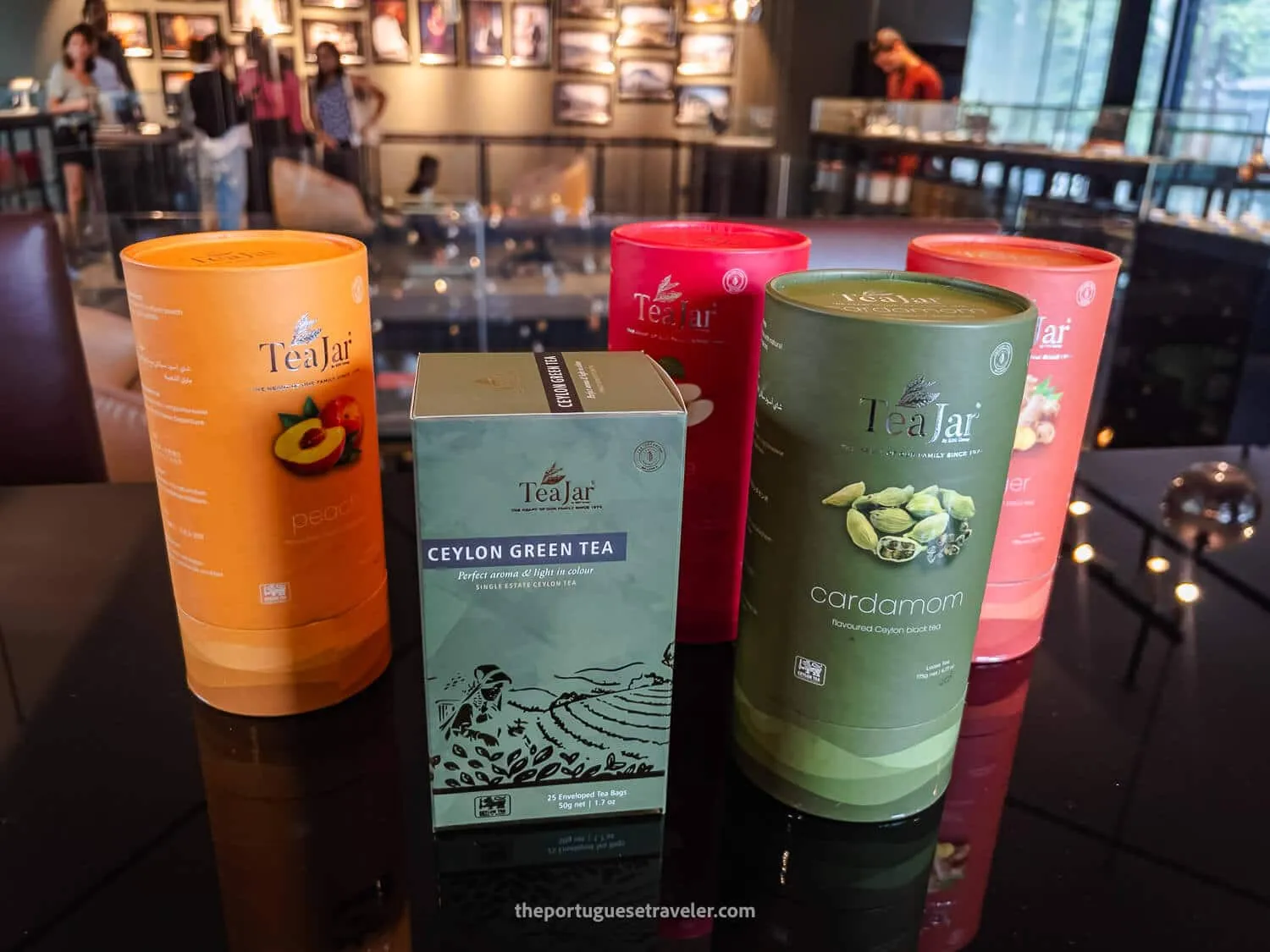
The Teajar tea and jewellery shop
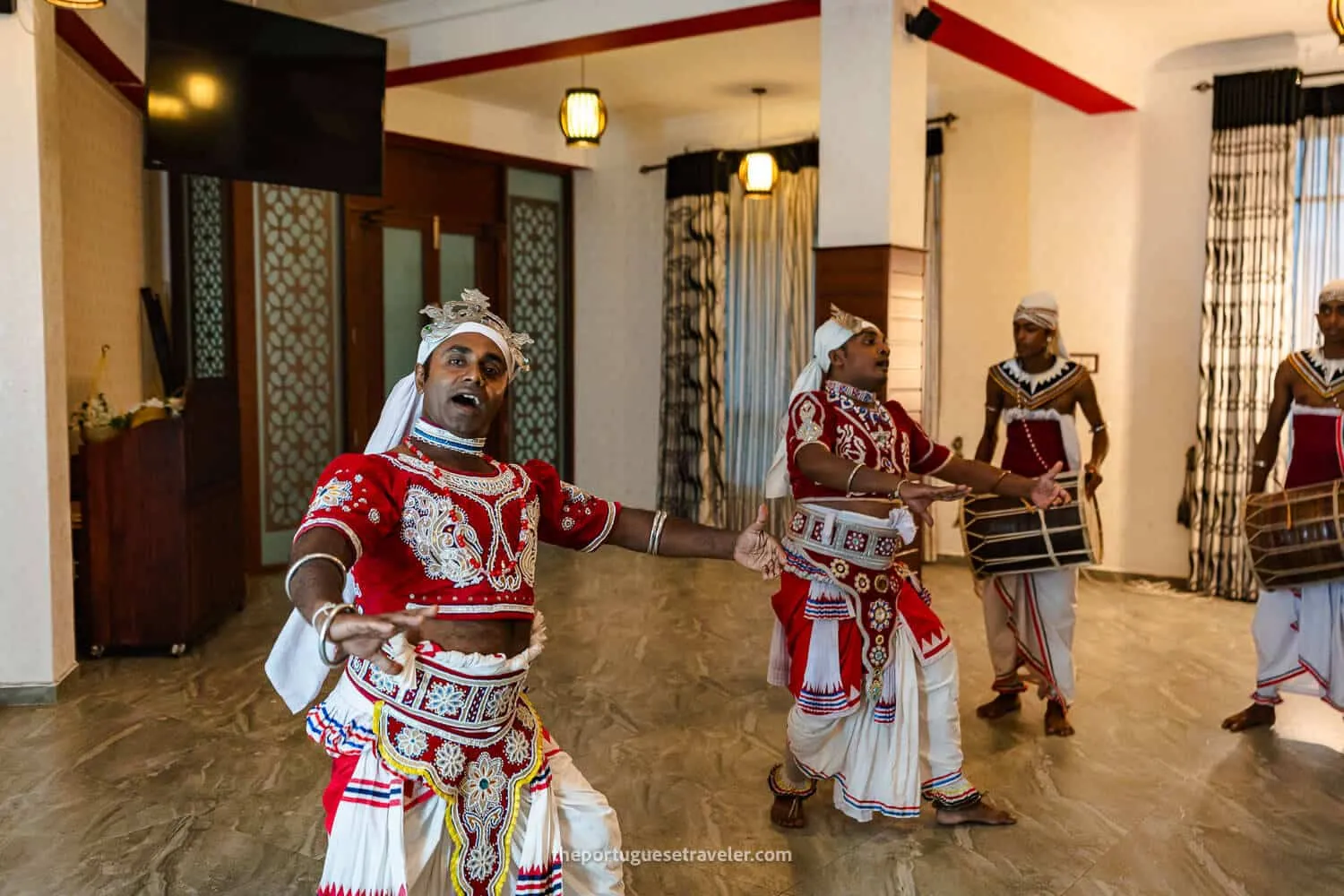
The performance of tradicional dances - Sabaragamuwa/Kandy
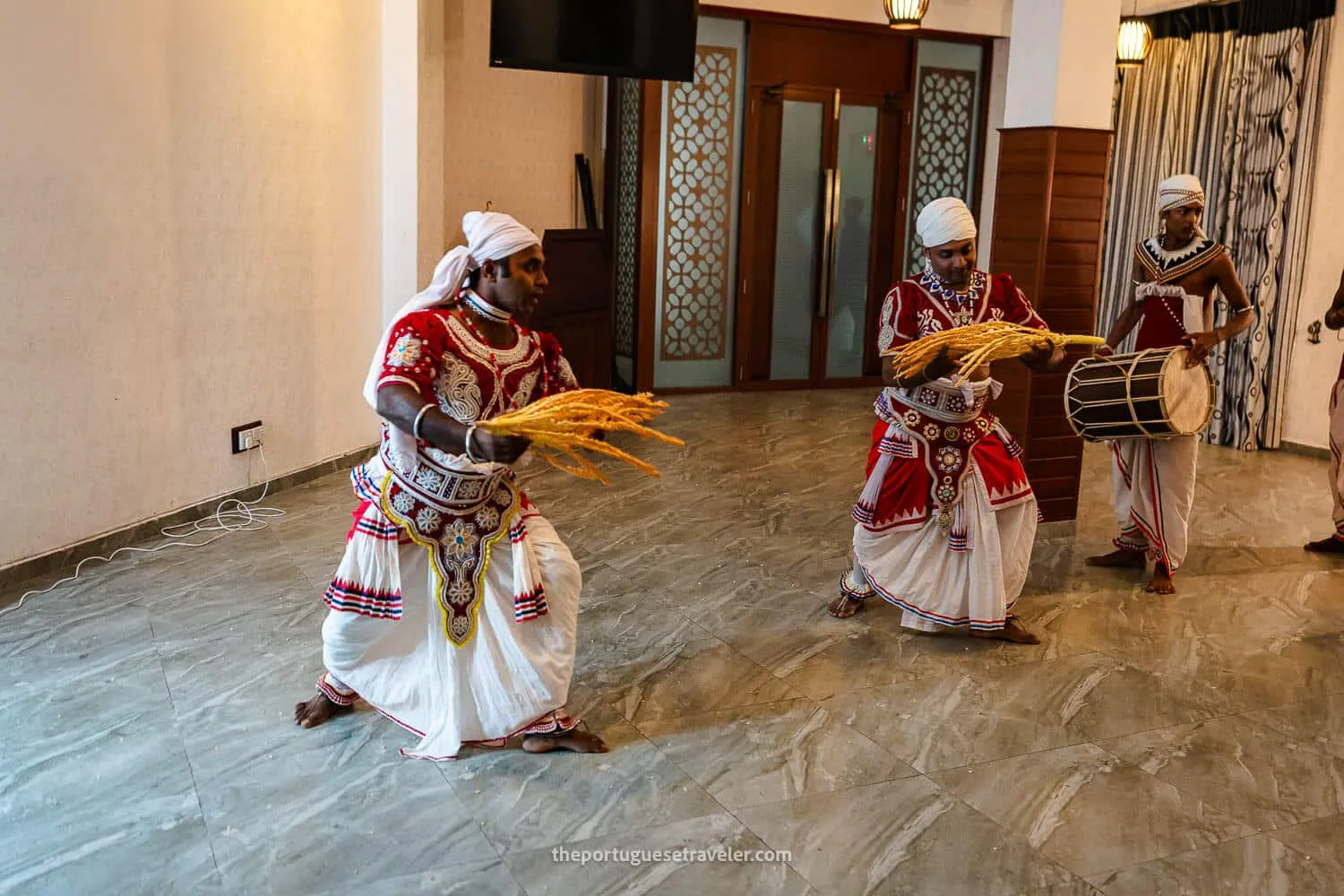
The corn dance
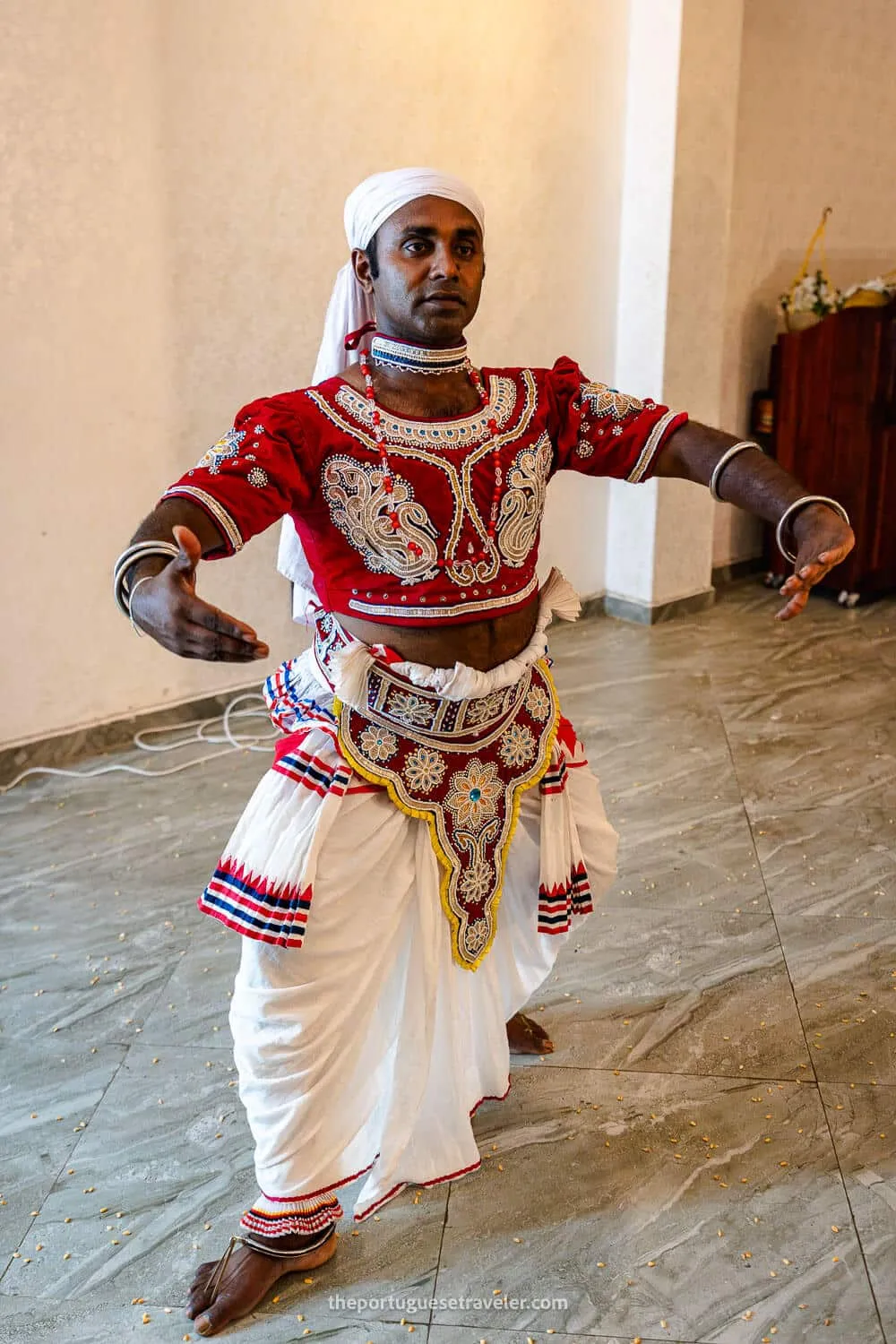
The second dancer
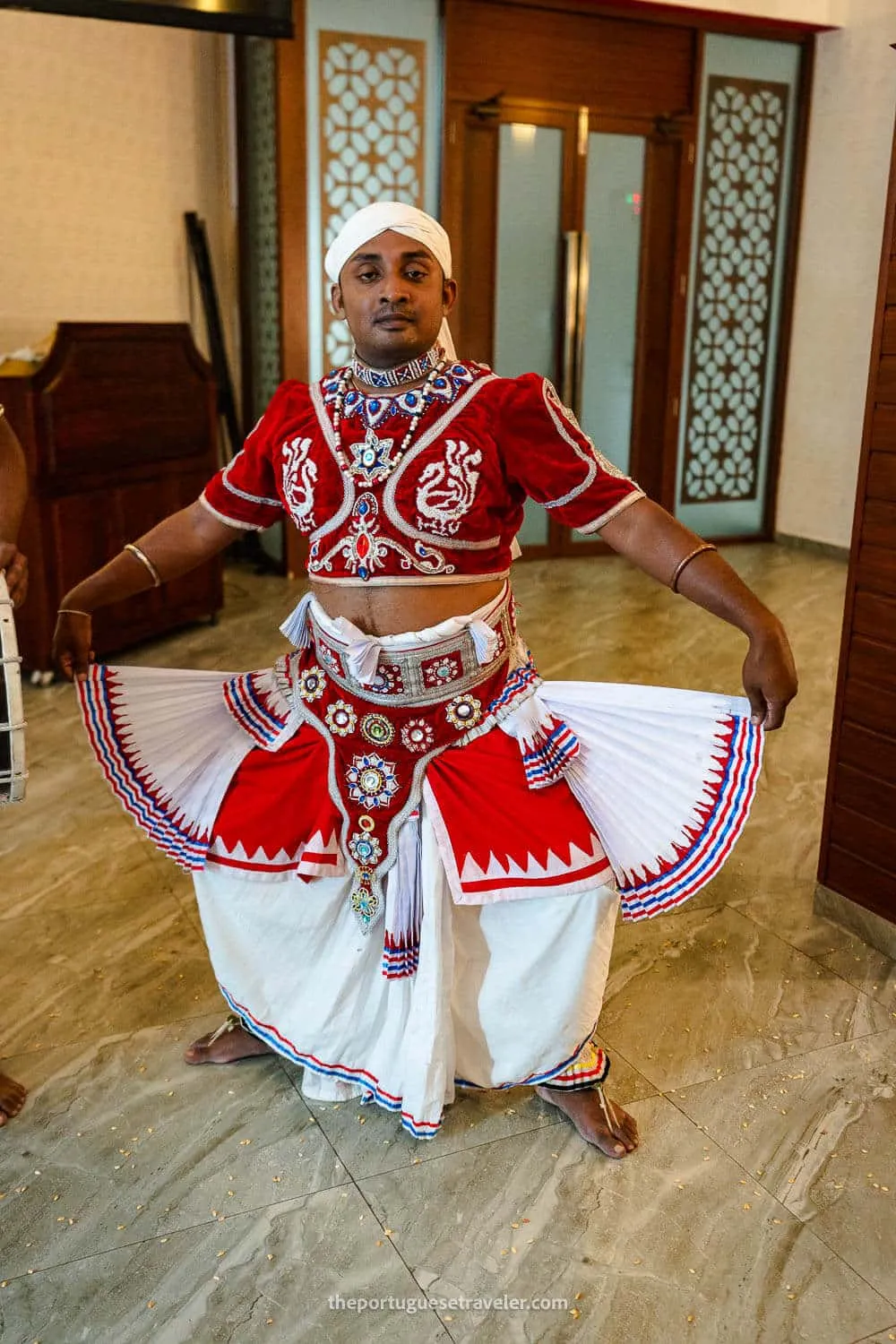
One of the main dancers showing his attire
Gem Mining in Sri Lanka
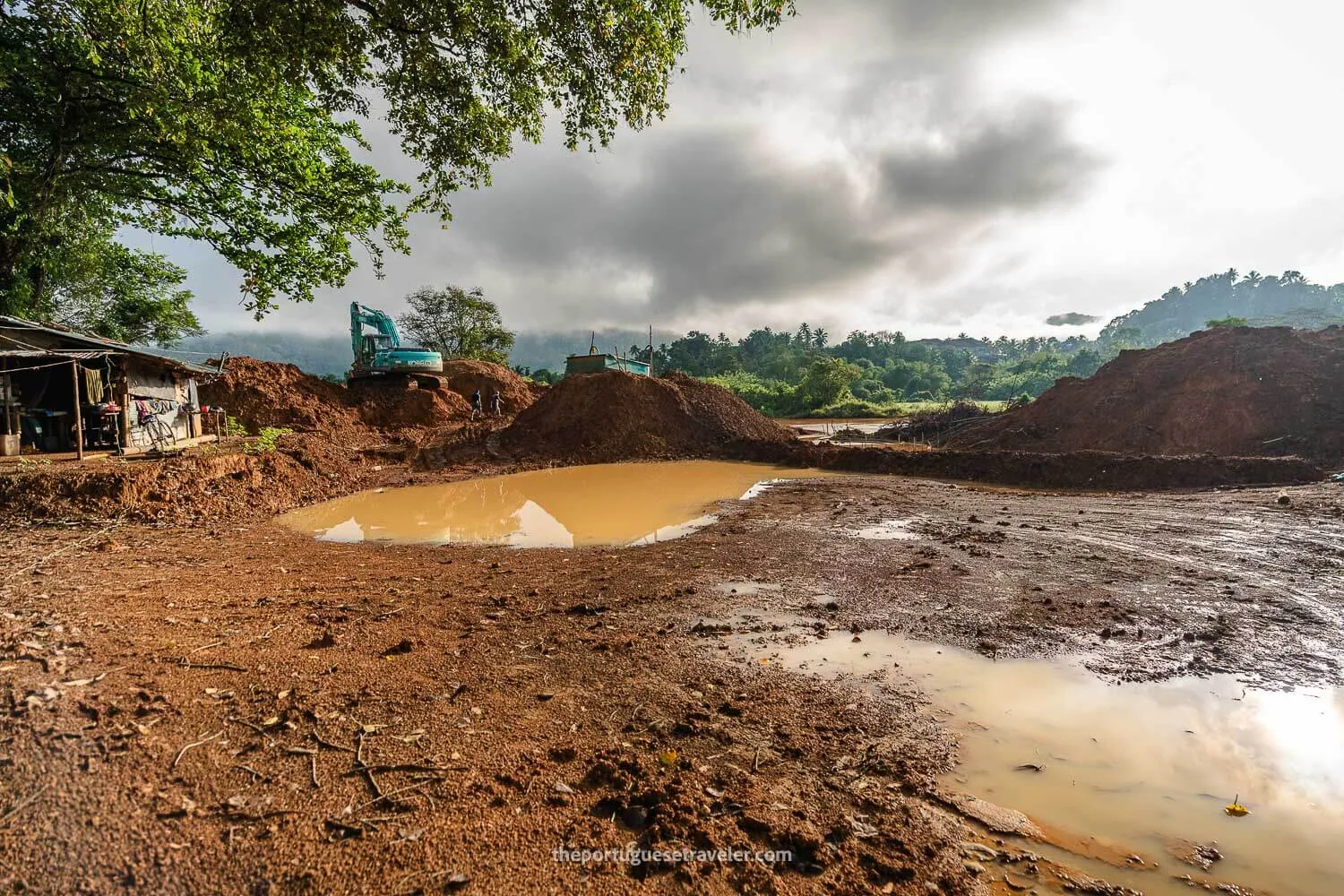
The next day, we explored an active gem mine. The mining process we witnessed was an open-field operation, without protective walls or heavy machinery, but they did use water-filtering machines. Gem mining in Sri Lanka is typically small-scale and artisanal. Miners remove surface gem gravel, known as “goda illama,” using basic tools. When gravel is deeper, they engage in open-cast mining by removing layers of soil to expose gem-bearing materials. Shaft mining is another common method, involving vertical tunnels reinforced with wooden supports, though we didn’t witness this firsthand (as it had been raining). In theory, the mines in Sri Lanka are well-regulated and constructed in such a way that they leave no lasting scars on the countryside. The restoration of mining plots is monitored by the National Gem and Jewellery Authority (NGJA). The miners themselves are typically very respectful of the environment, and their techniques reflect that. By conducting mining with these small-scale methods, the industry in Sri Lanka sustains employment for tens of thousands of people in a responsible and controlled way.
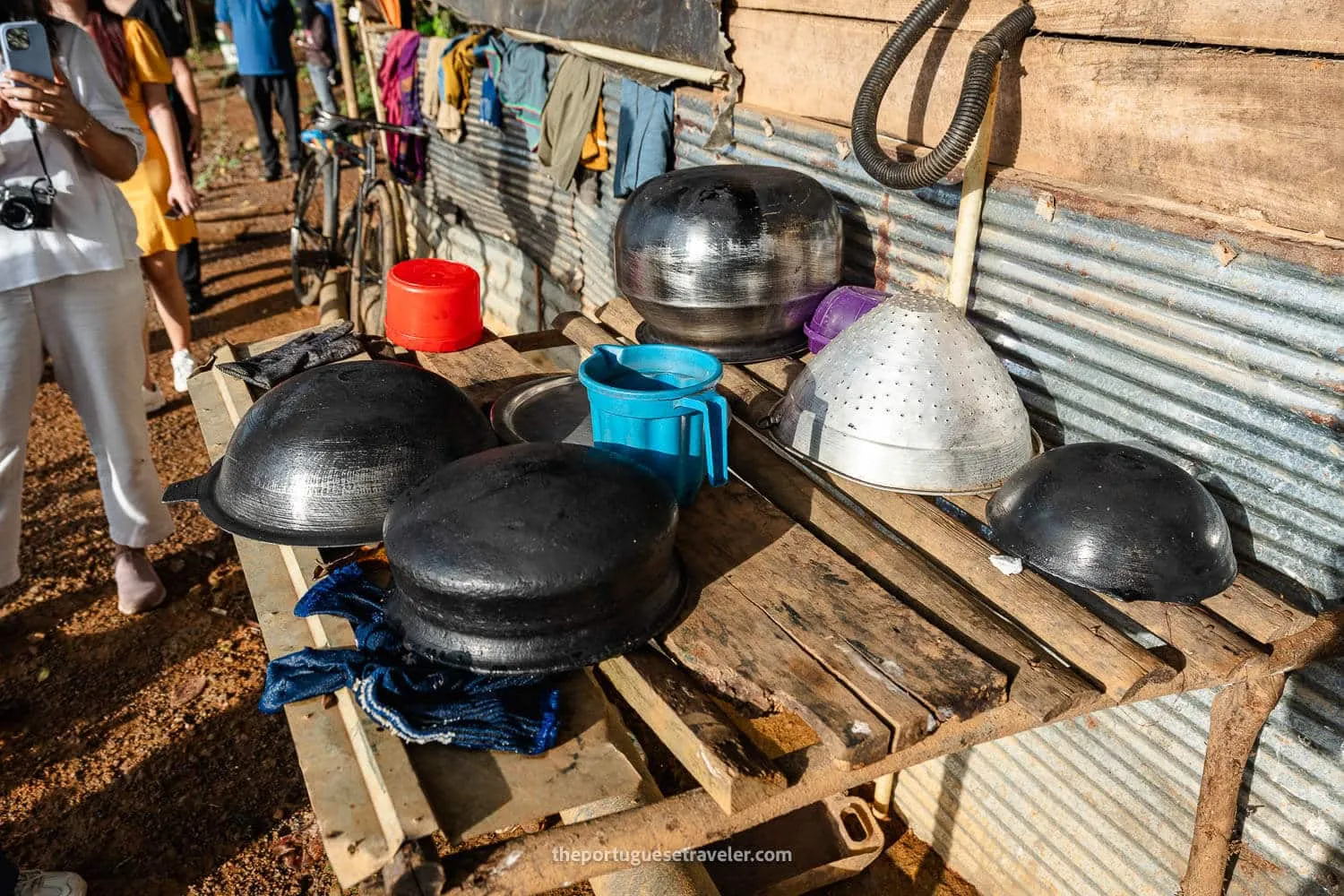
The mining tools at the open-cast mine
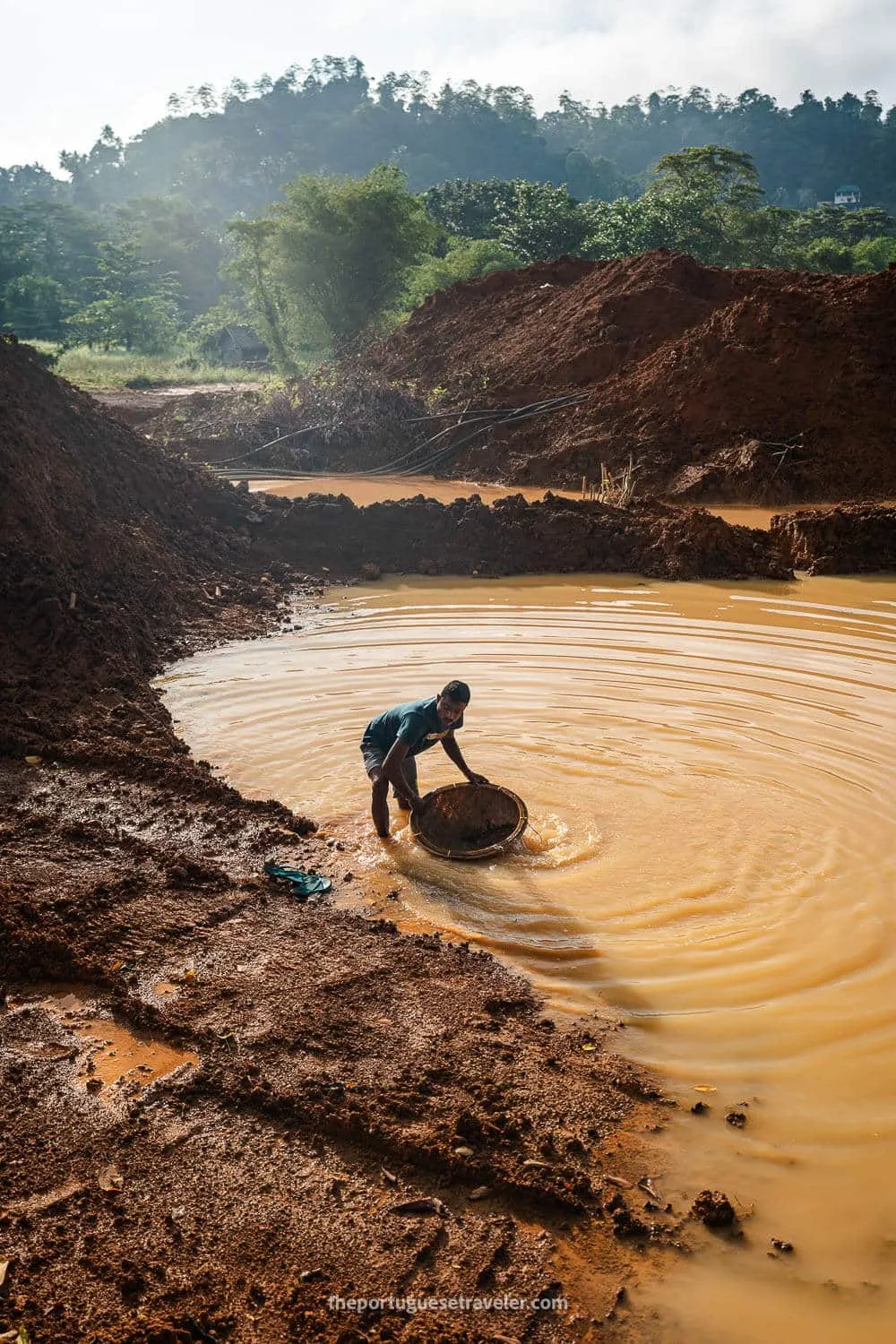
One of the miners filtering the gravel on the pond’s bed
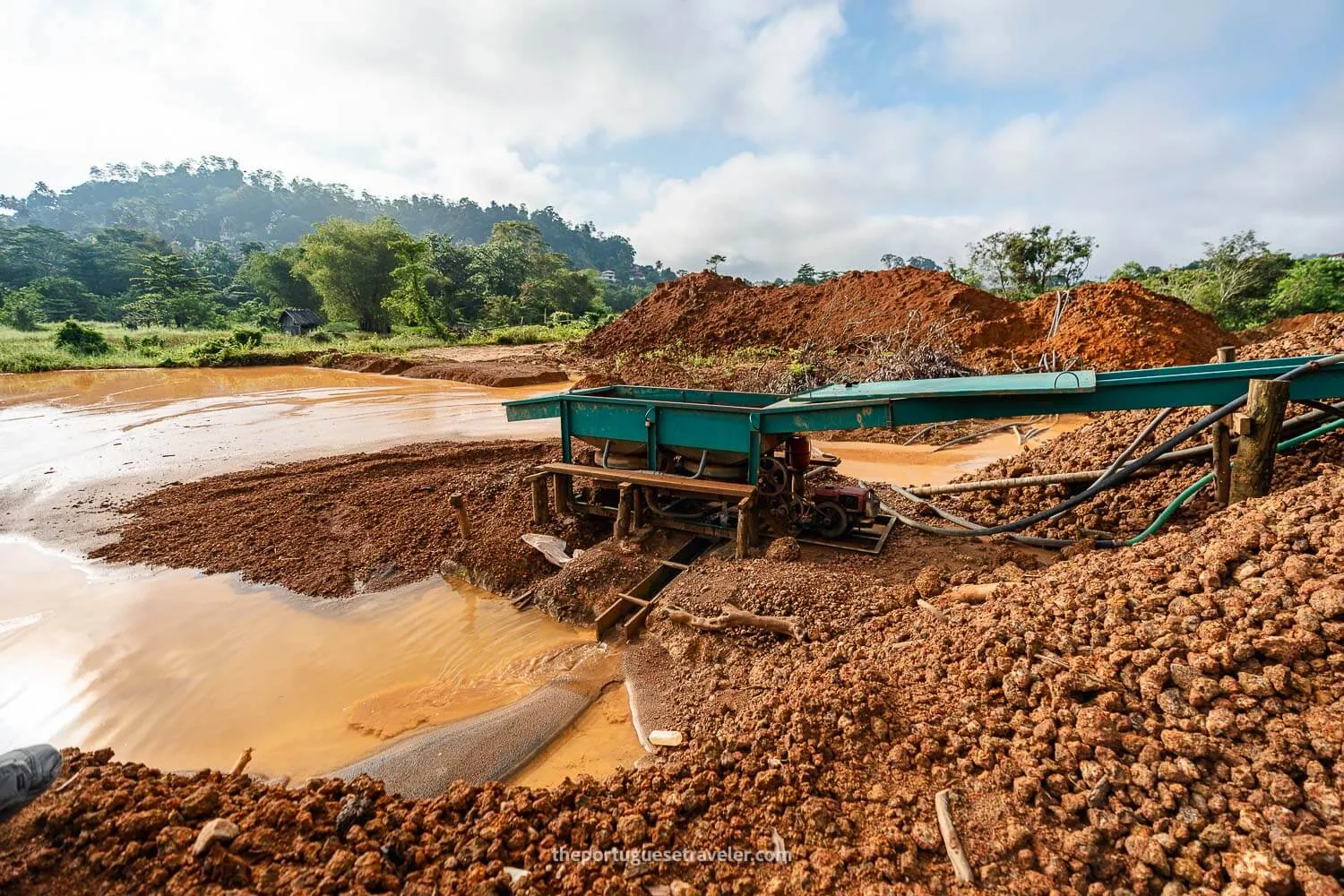
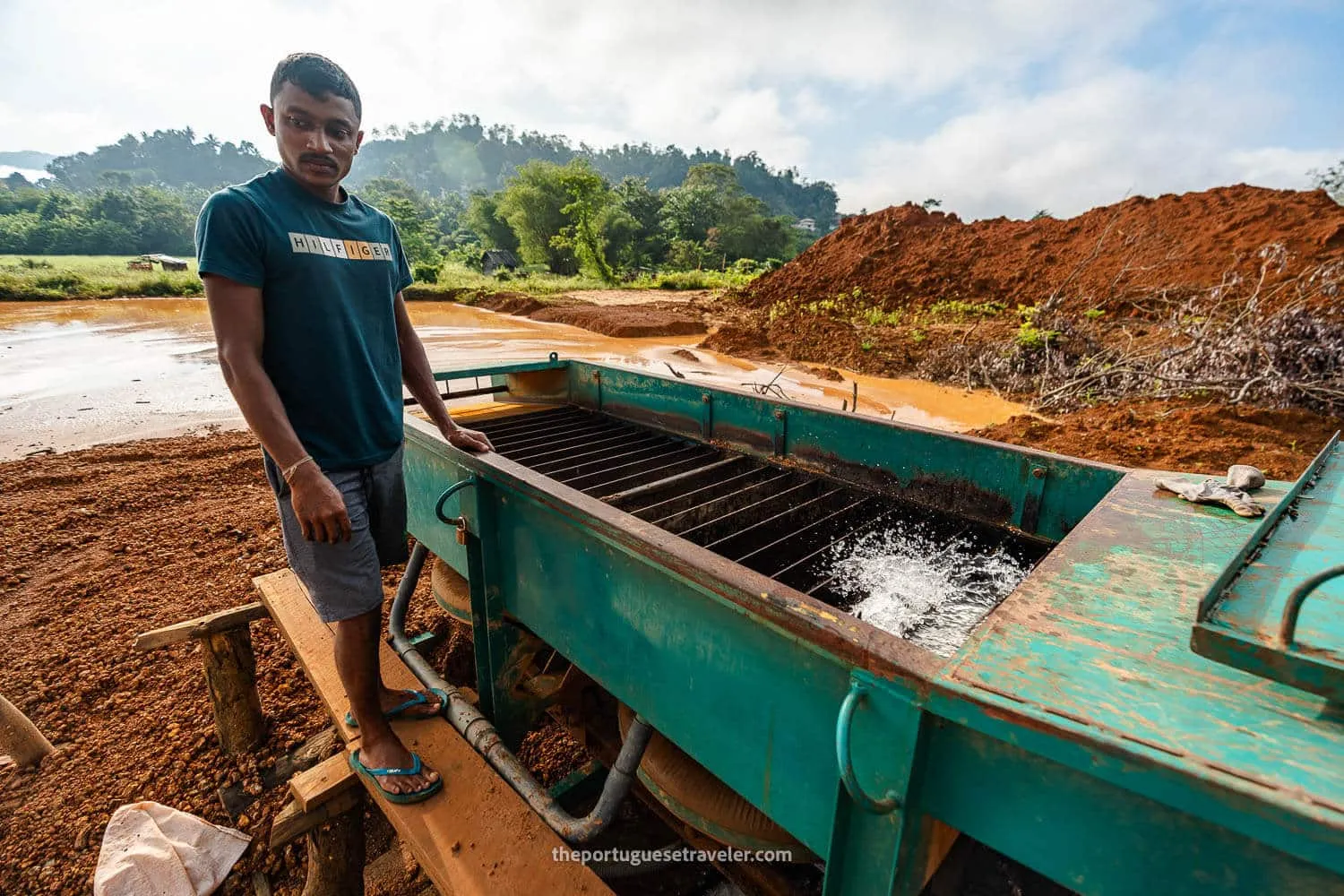
The walter-filtering machine at the open-cast mine in Ratnapura
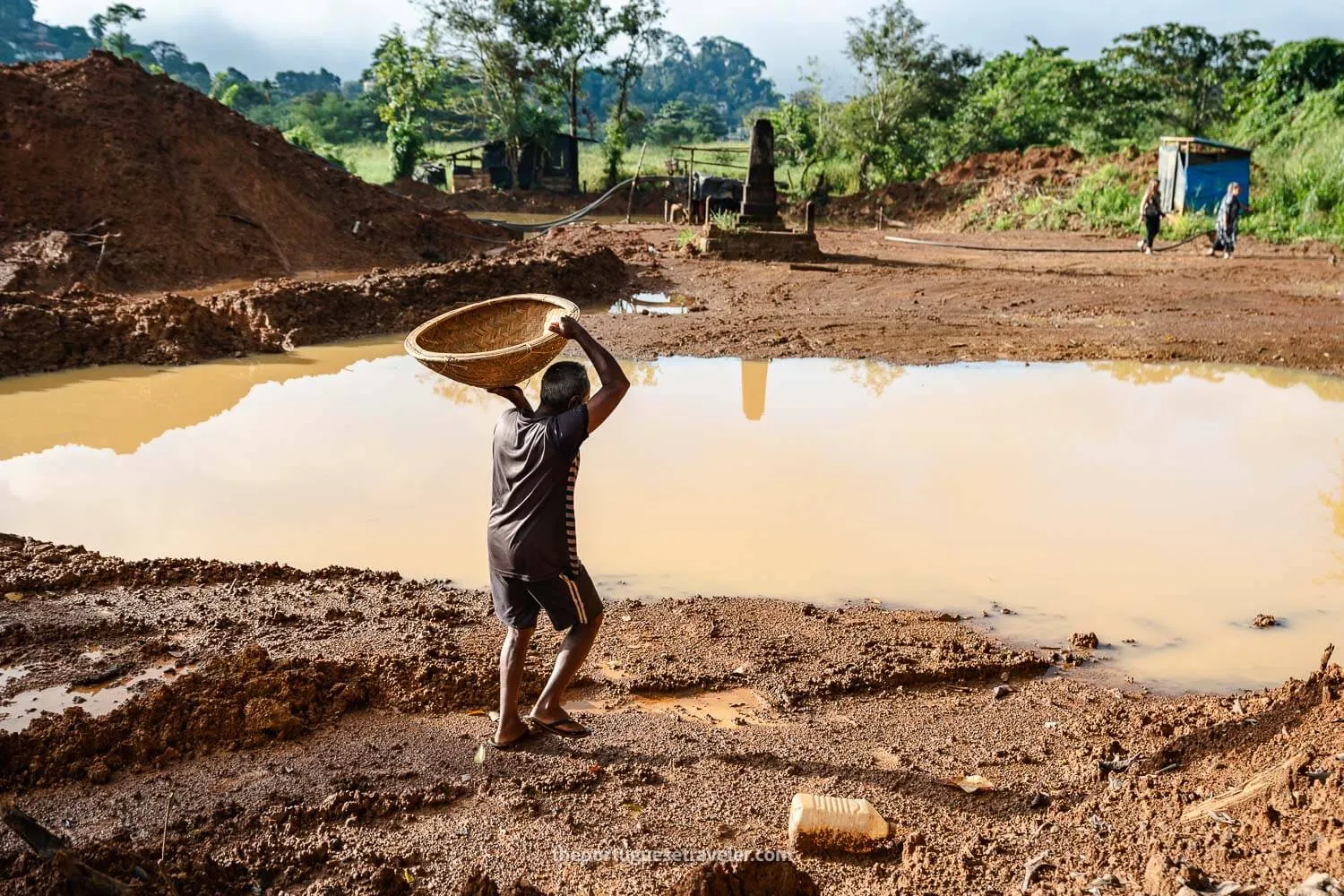
The transport of gravel from one side to the other of the mine
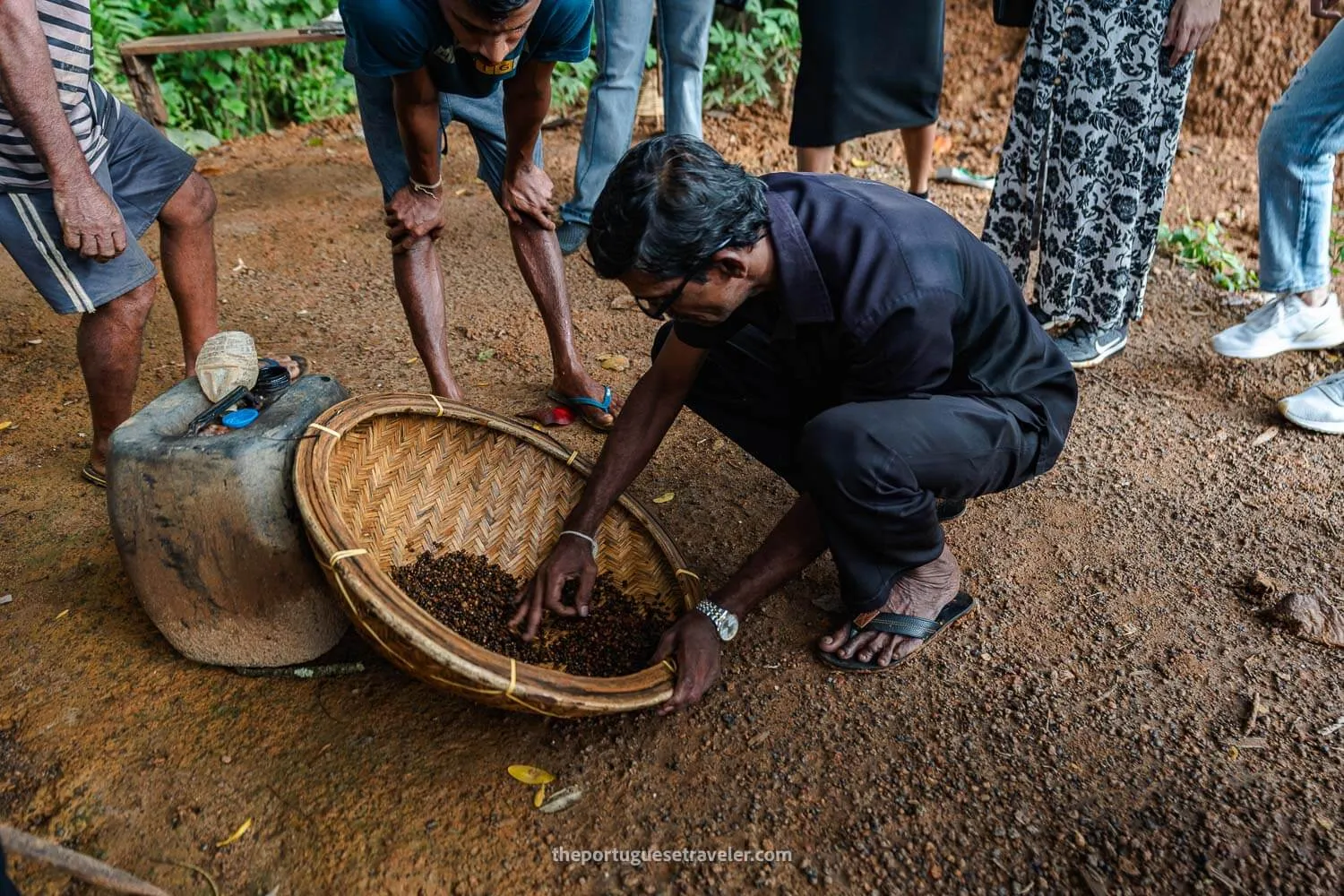
Trying to find gems in the basket
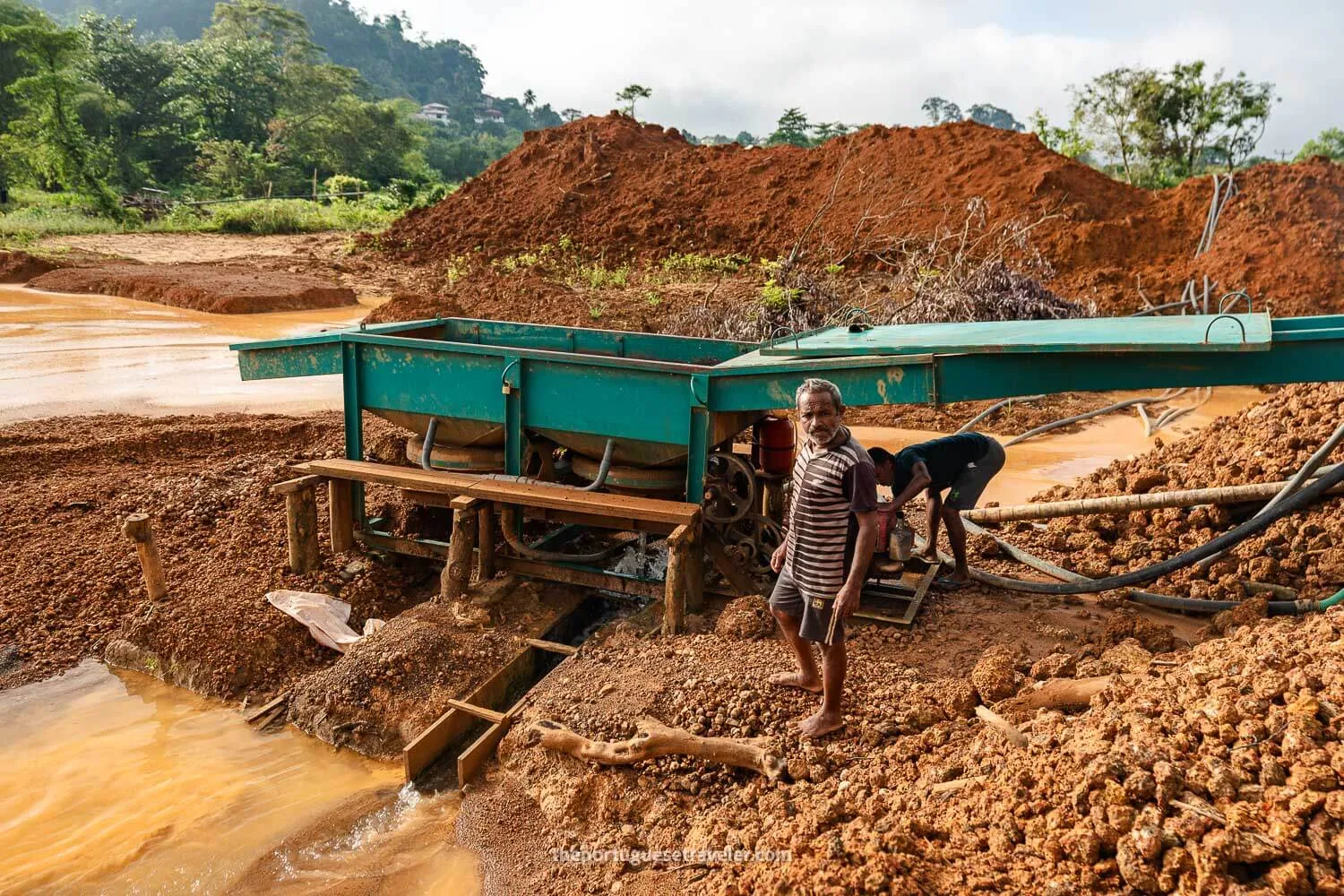
The miners working at the water-filtering station
How to Find a Gemstone
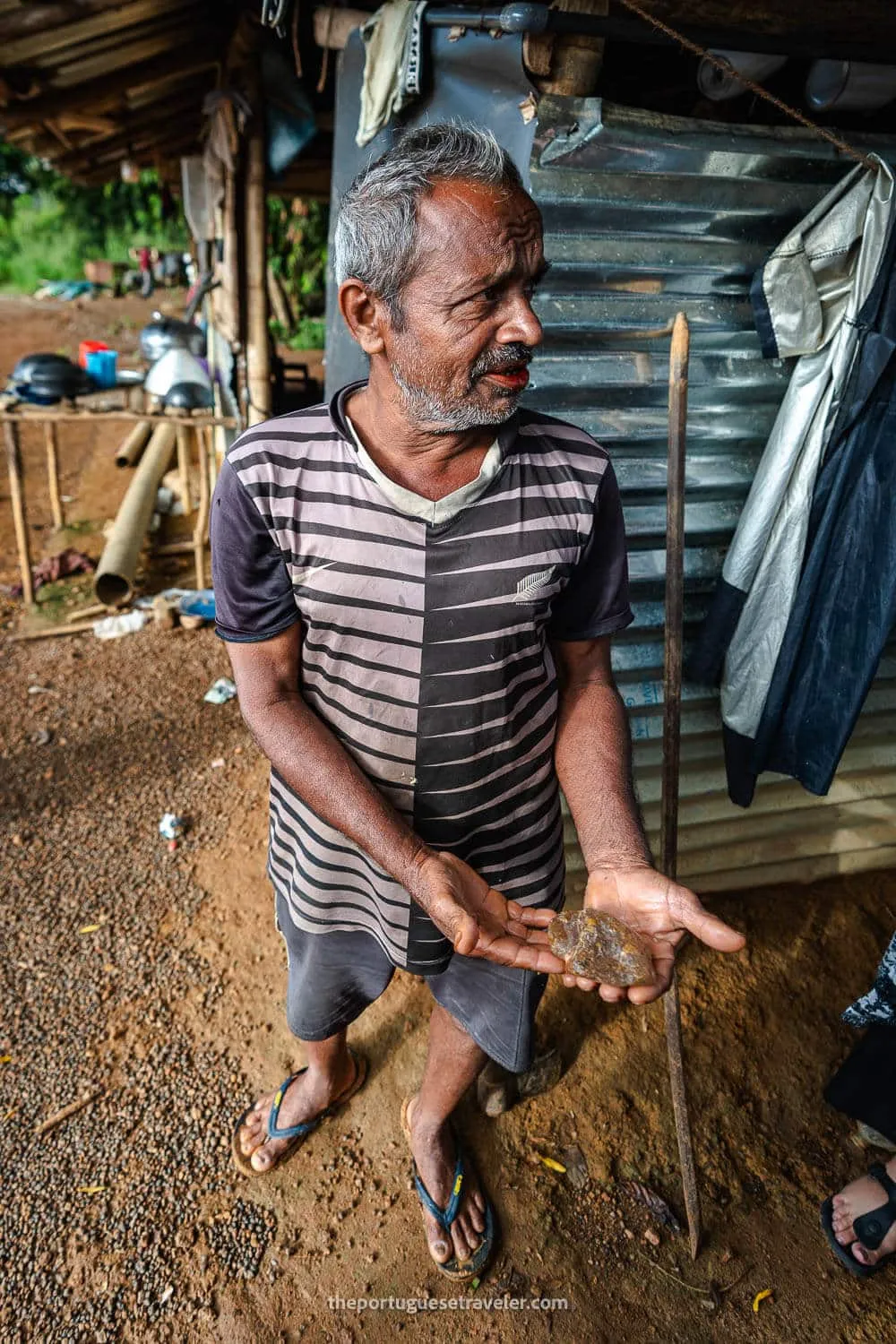
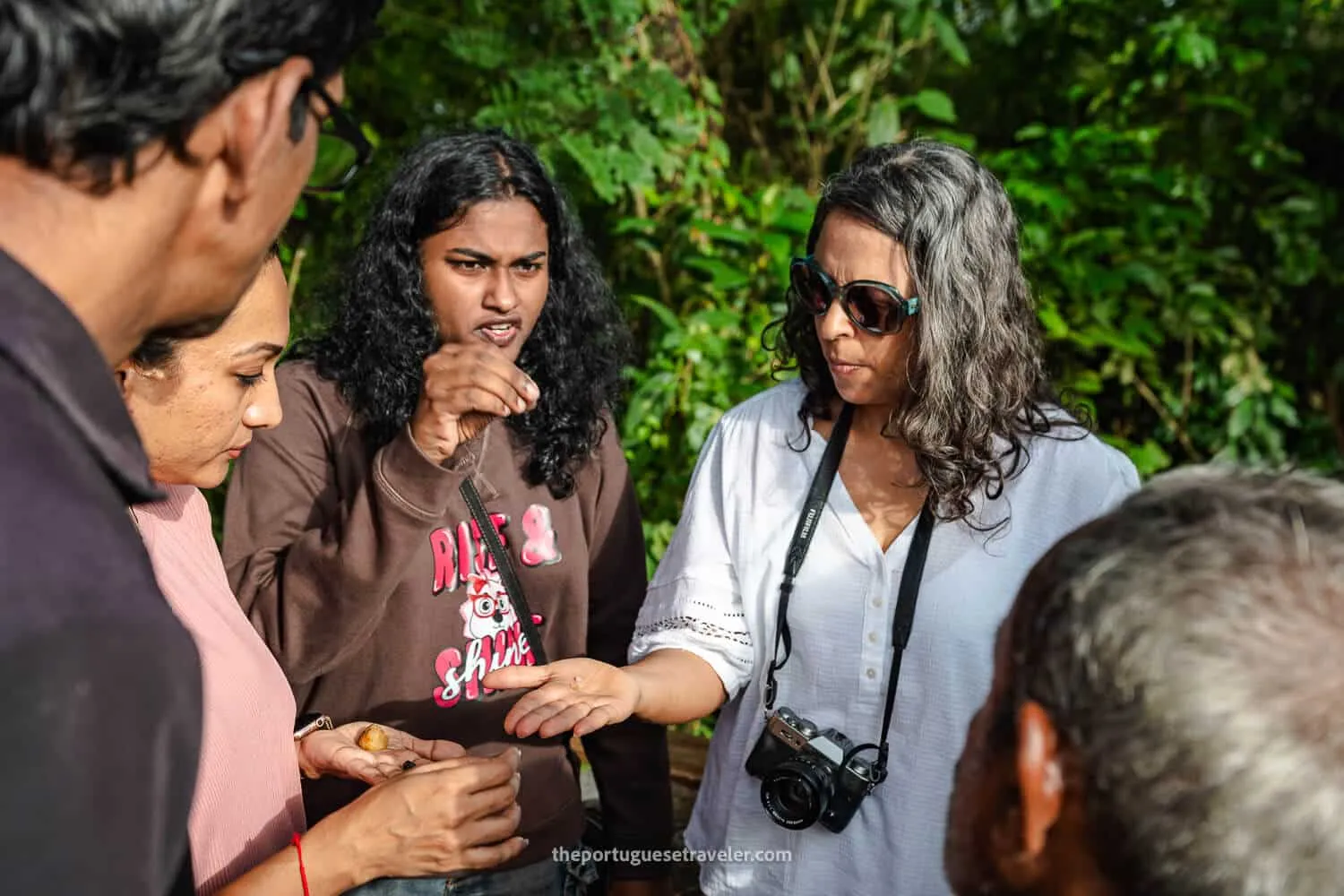
After extraction, the illama is washed in the river. We then went next to some pale, milky pool and watched as a worker skillfully panned and sifted through the gravel, searching for gems. This part of the process was captivating, and I managed to capture some great photos of the workers at their craft. One miner carefully placed handfuls of illama into a round, shallow wicker basket, then submerged it in the river. With a practiced motion, the basket was spun and shaken to let the lighter debris wash away, leaving behind the heavier stones. Once the contents of the basket had been thoroughly sifted, what remained – known as nambuva – was closely examined. The miner angled the basket to let the sunlight reveal any glimmers, hoping to spot a gem nestled among the stones. After the mine visit, we examined some of the gems found there, some of which are used to decorate pagodas.
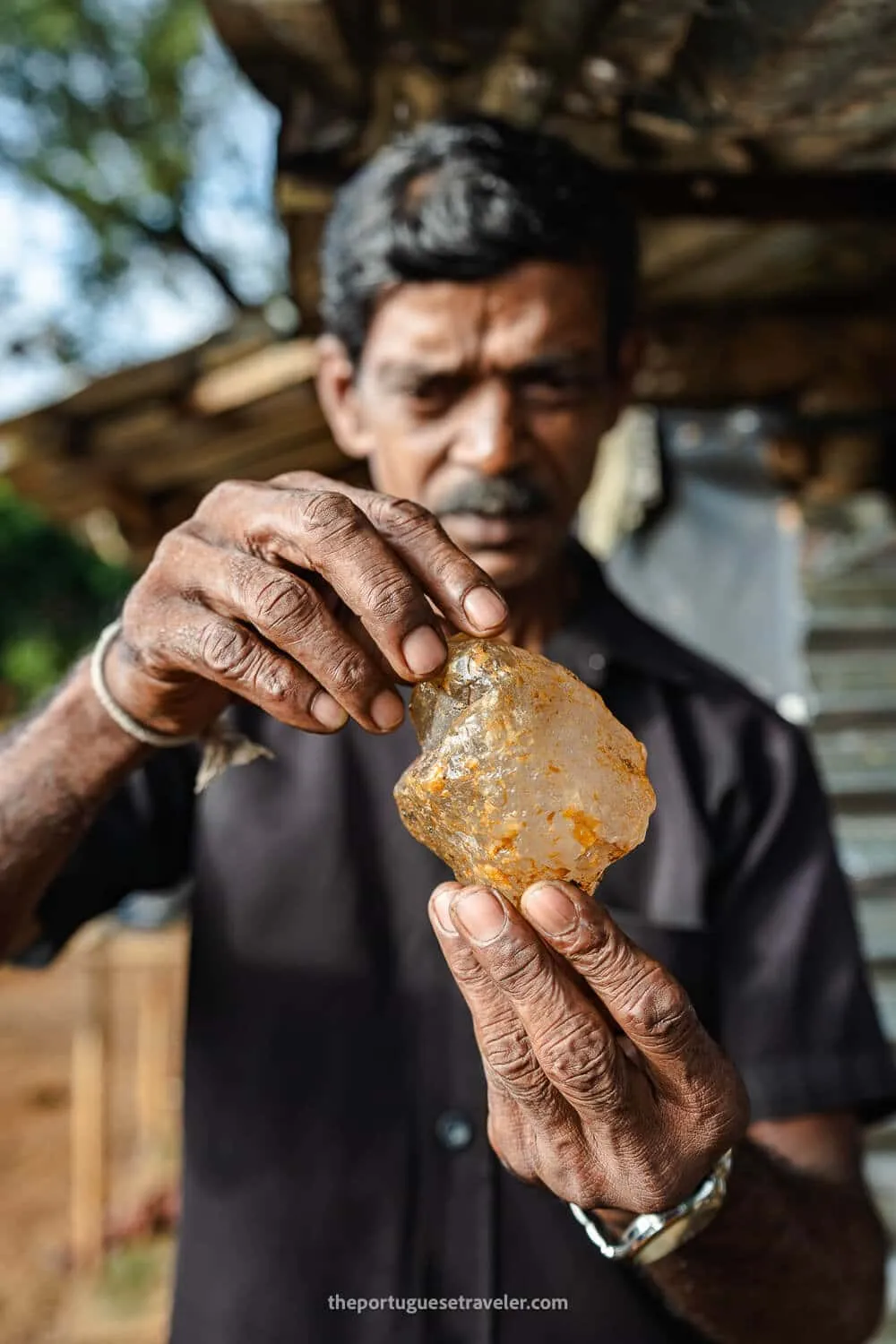
One of the biggest gems they found at the mine in Ratnapura
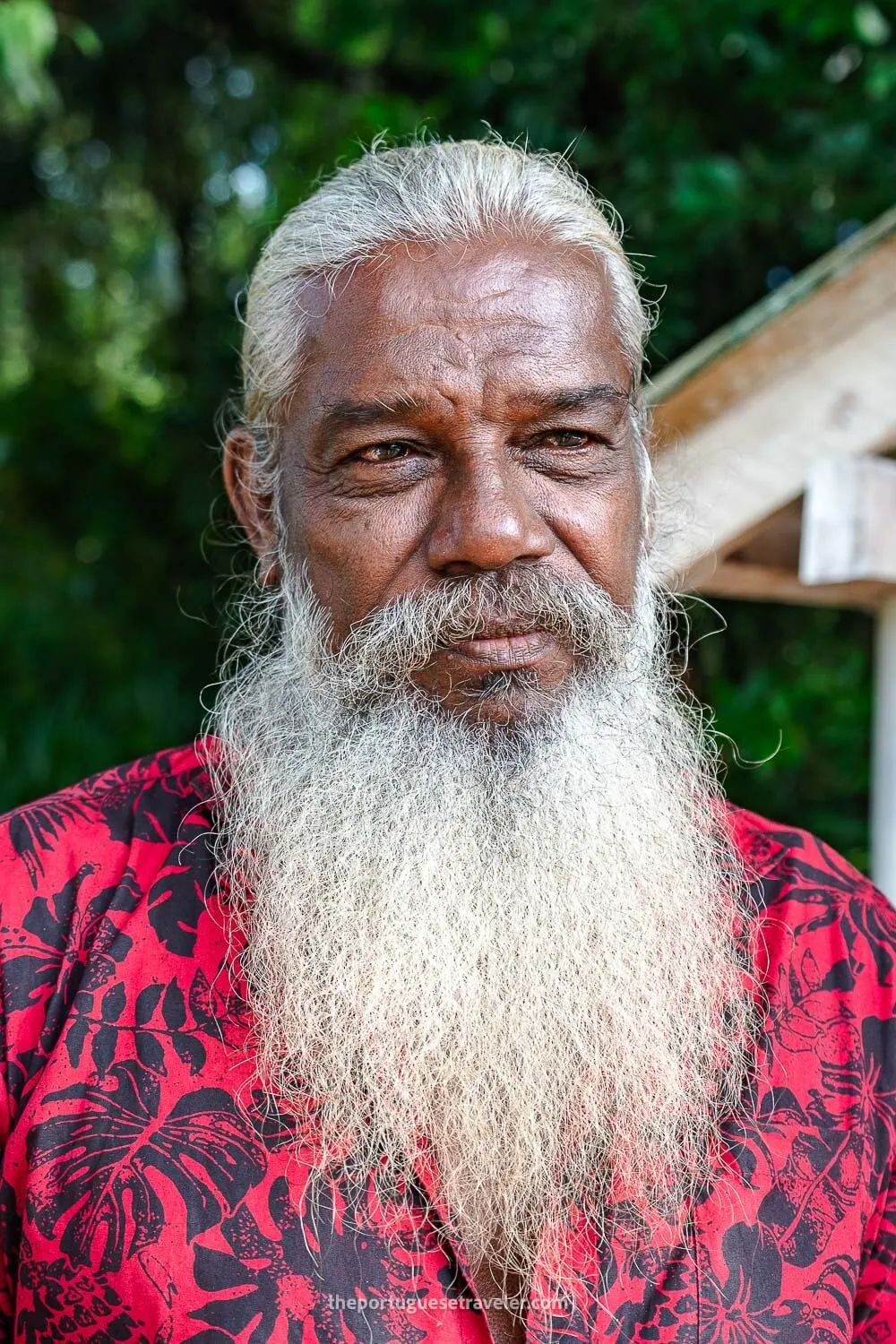
A beardy friendly miner from a nearby mine
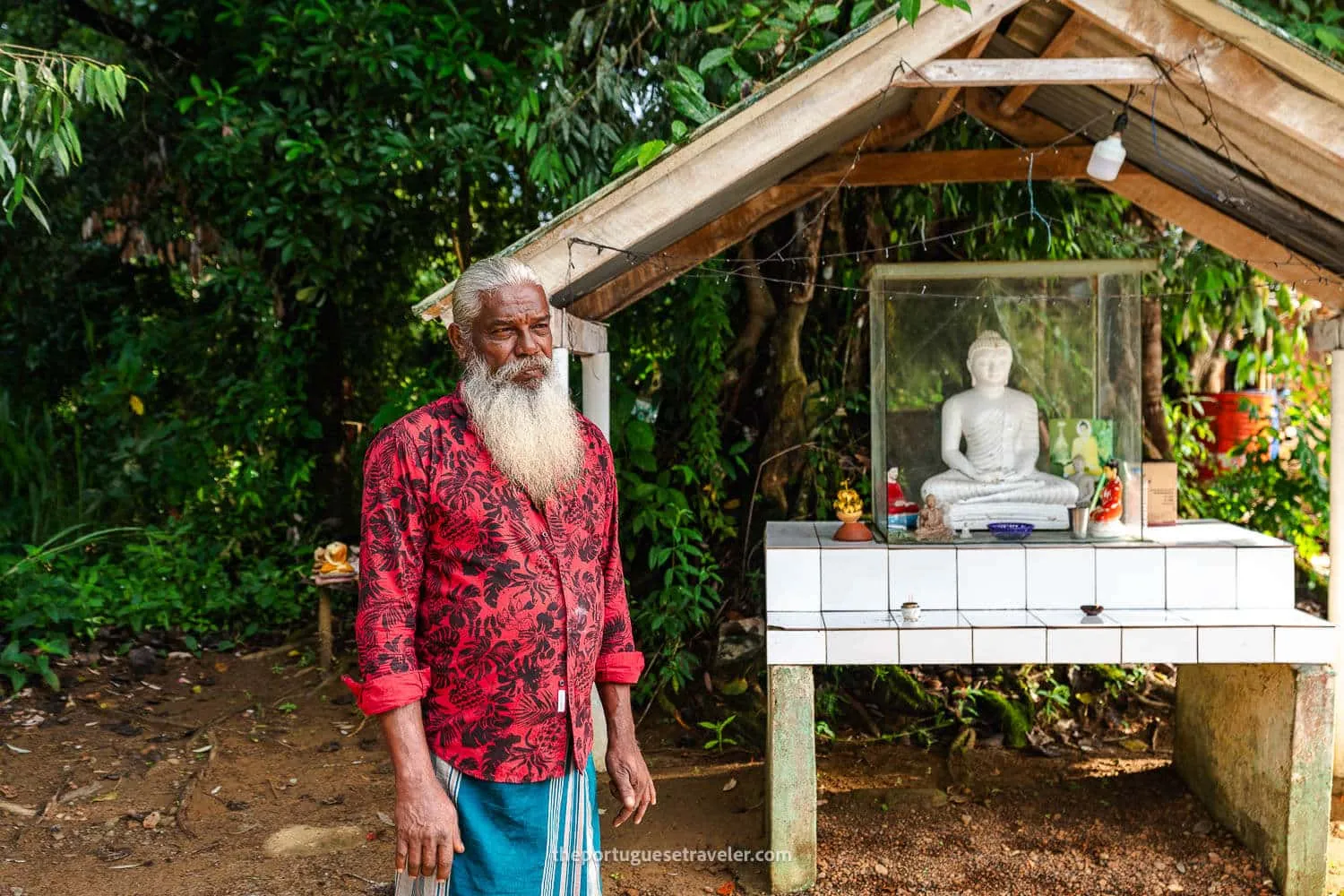
The beardy friendly miner from a nearby mine posing for us with a small shrine in the back
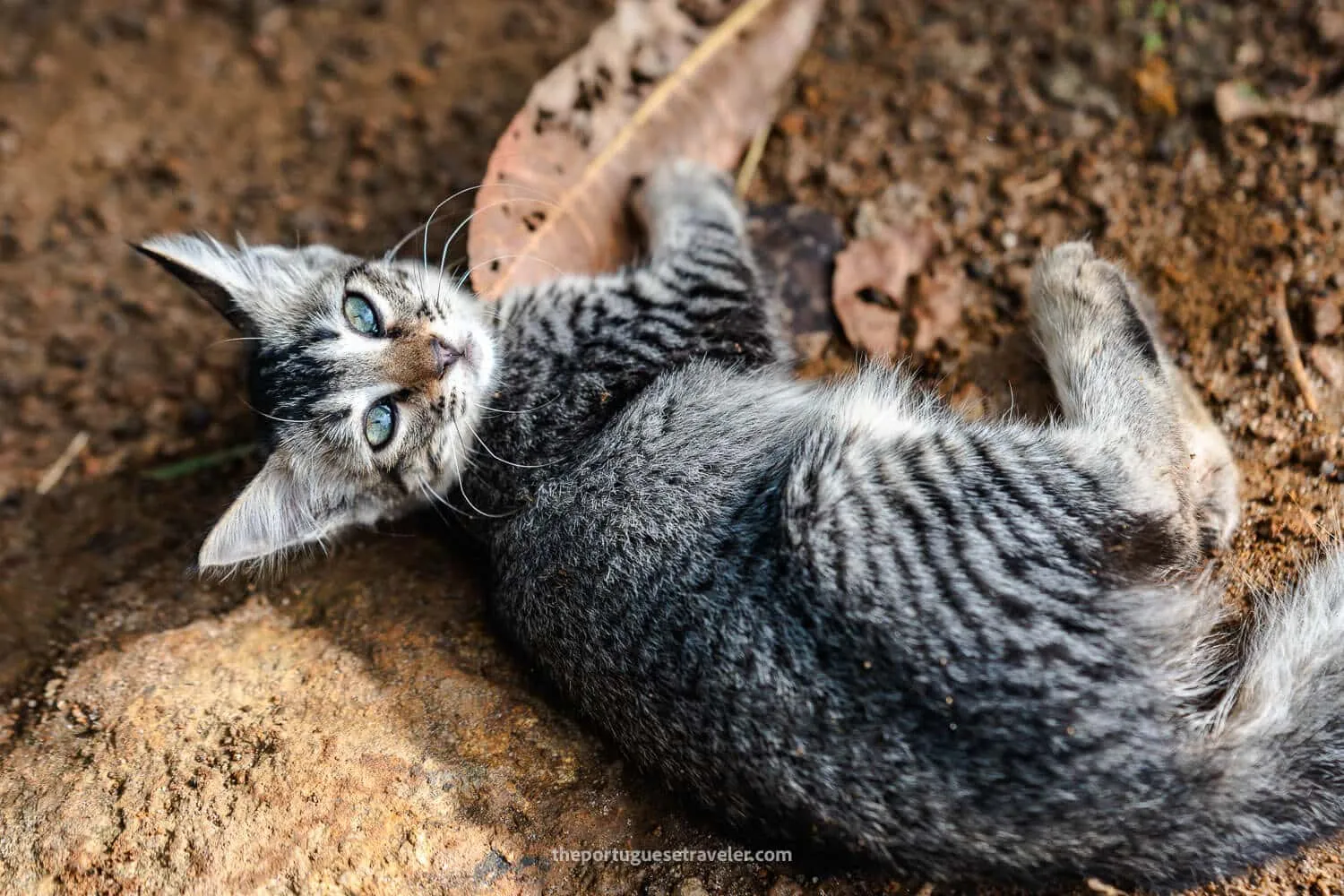
A cute kitten posing for the photo
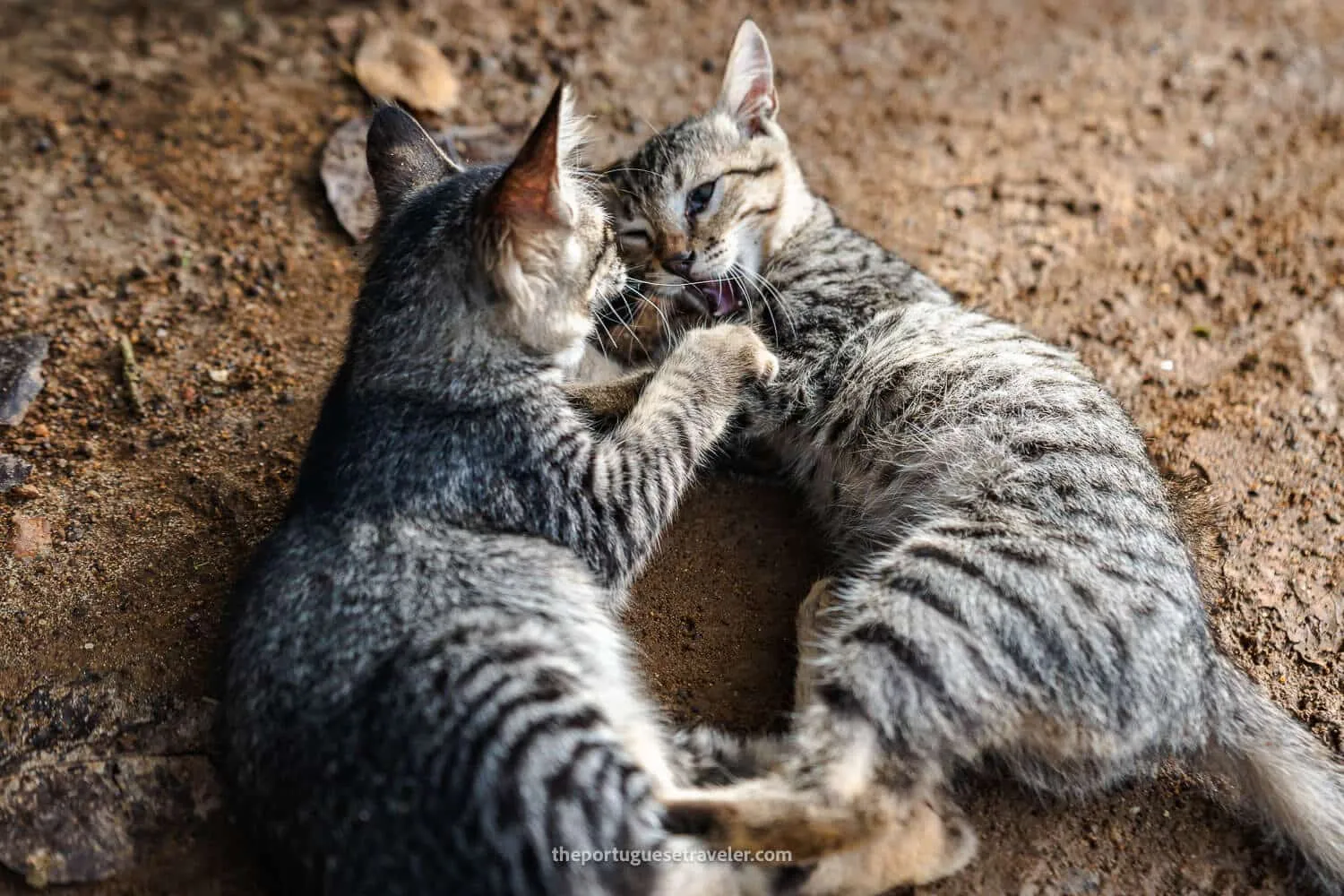
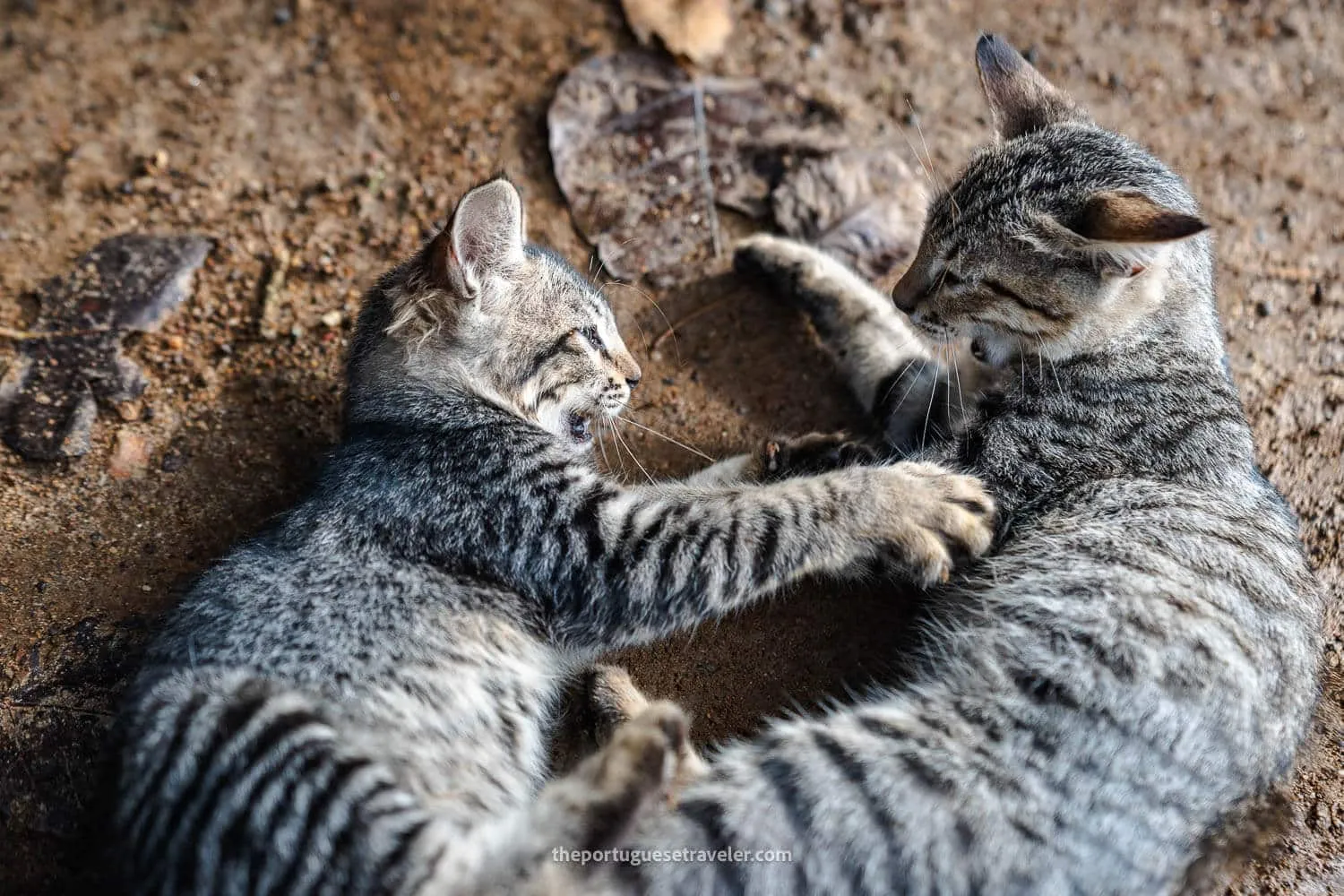
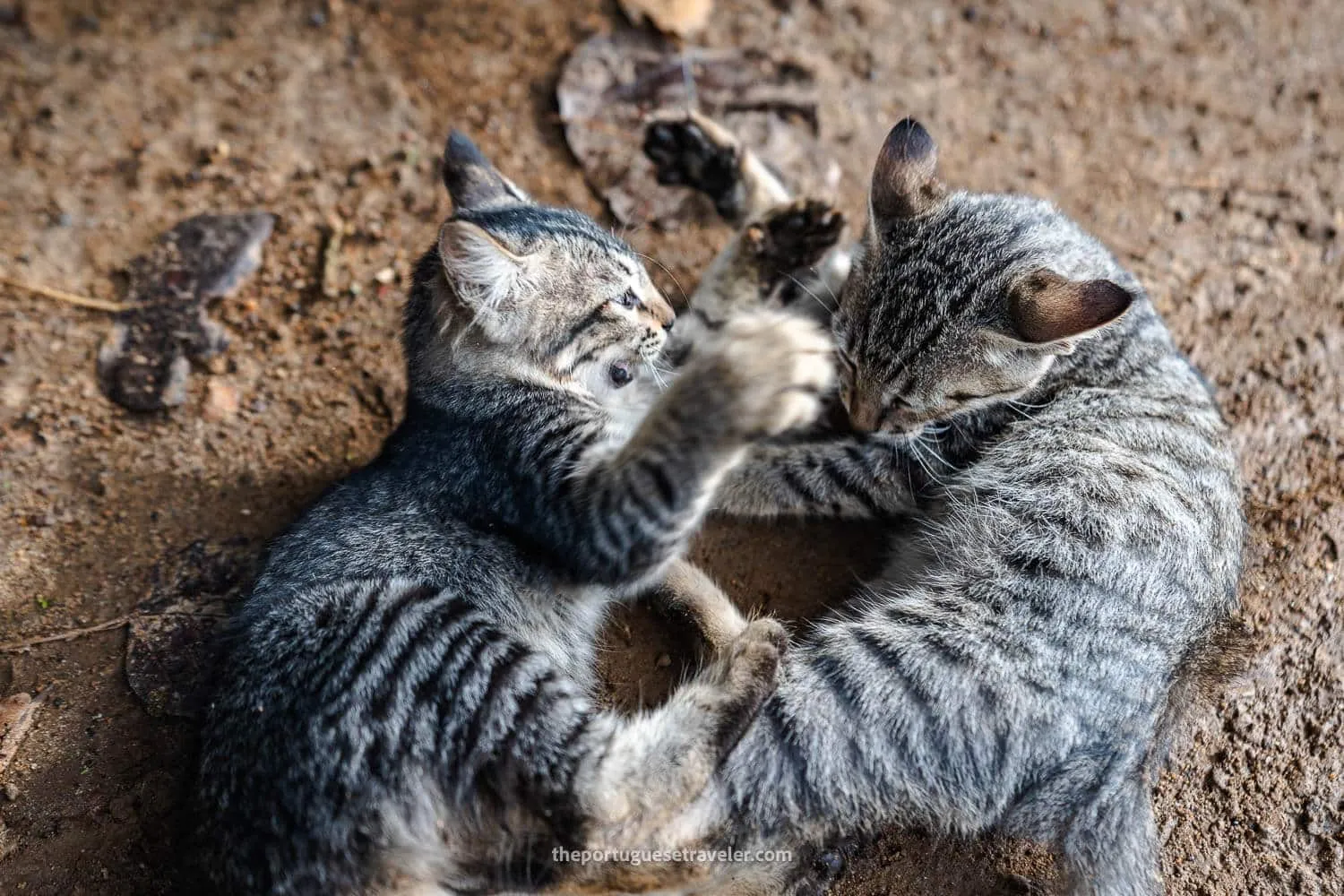
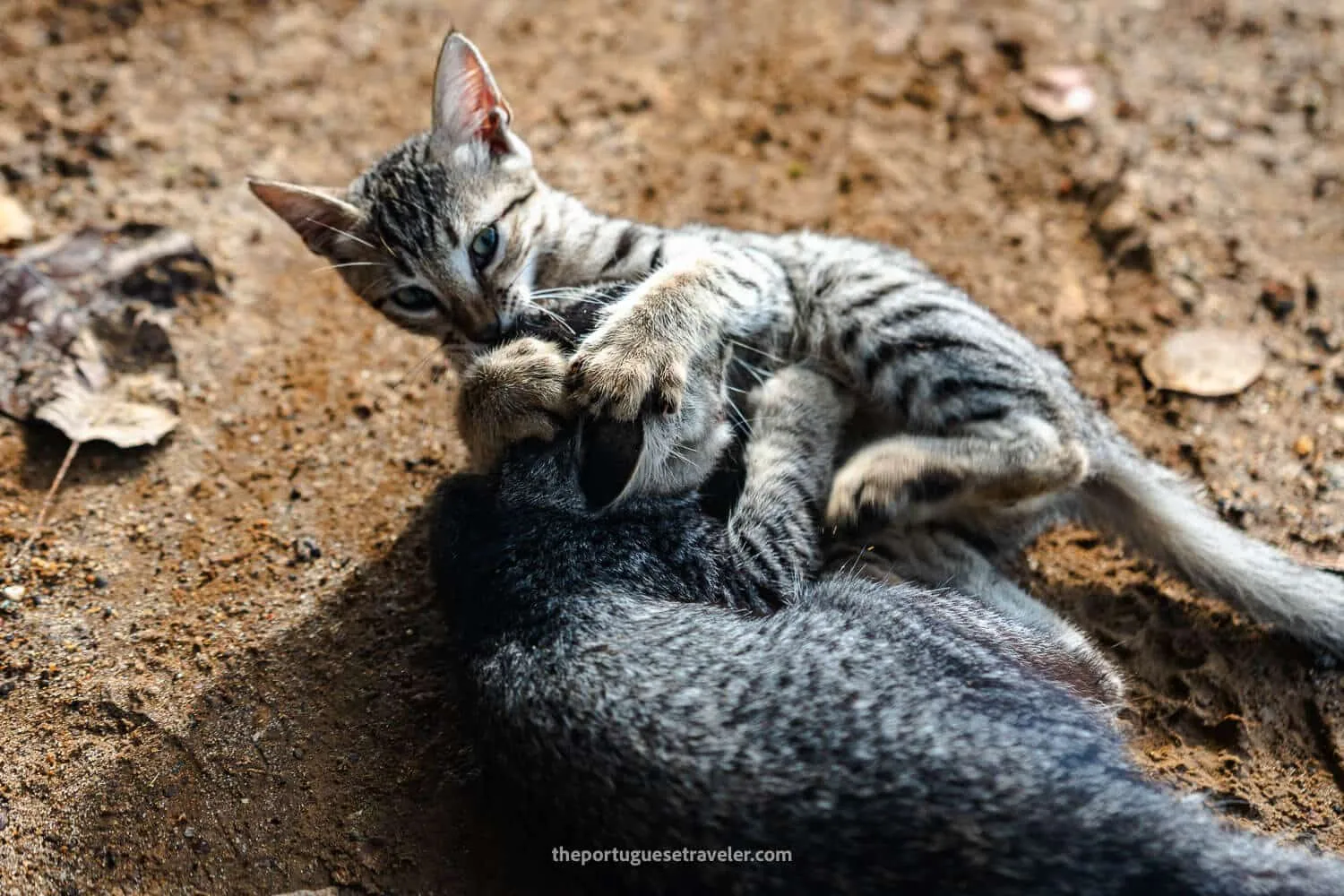
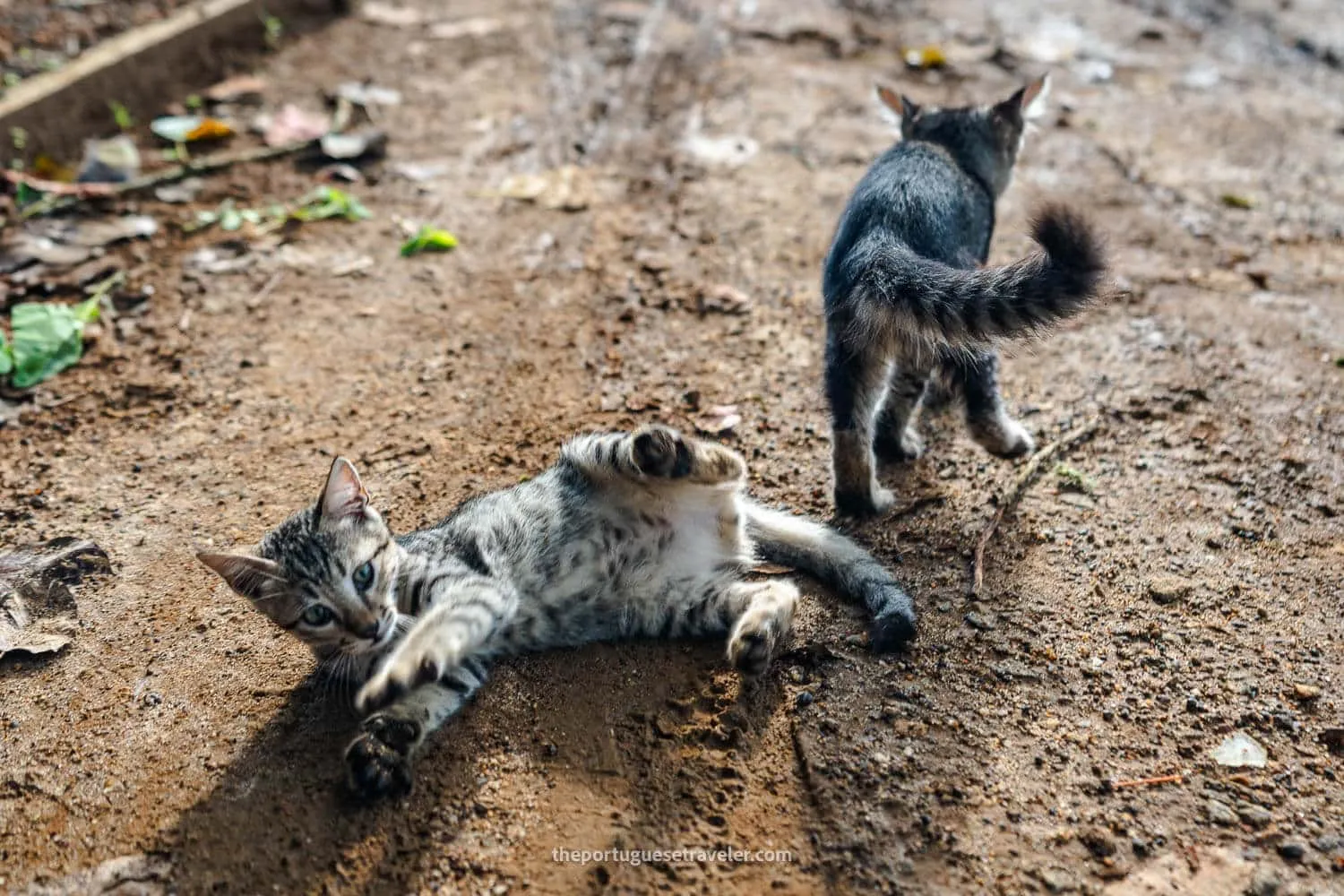
Cute kittens playing near the beardy miner
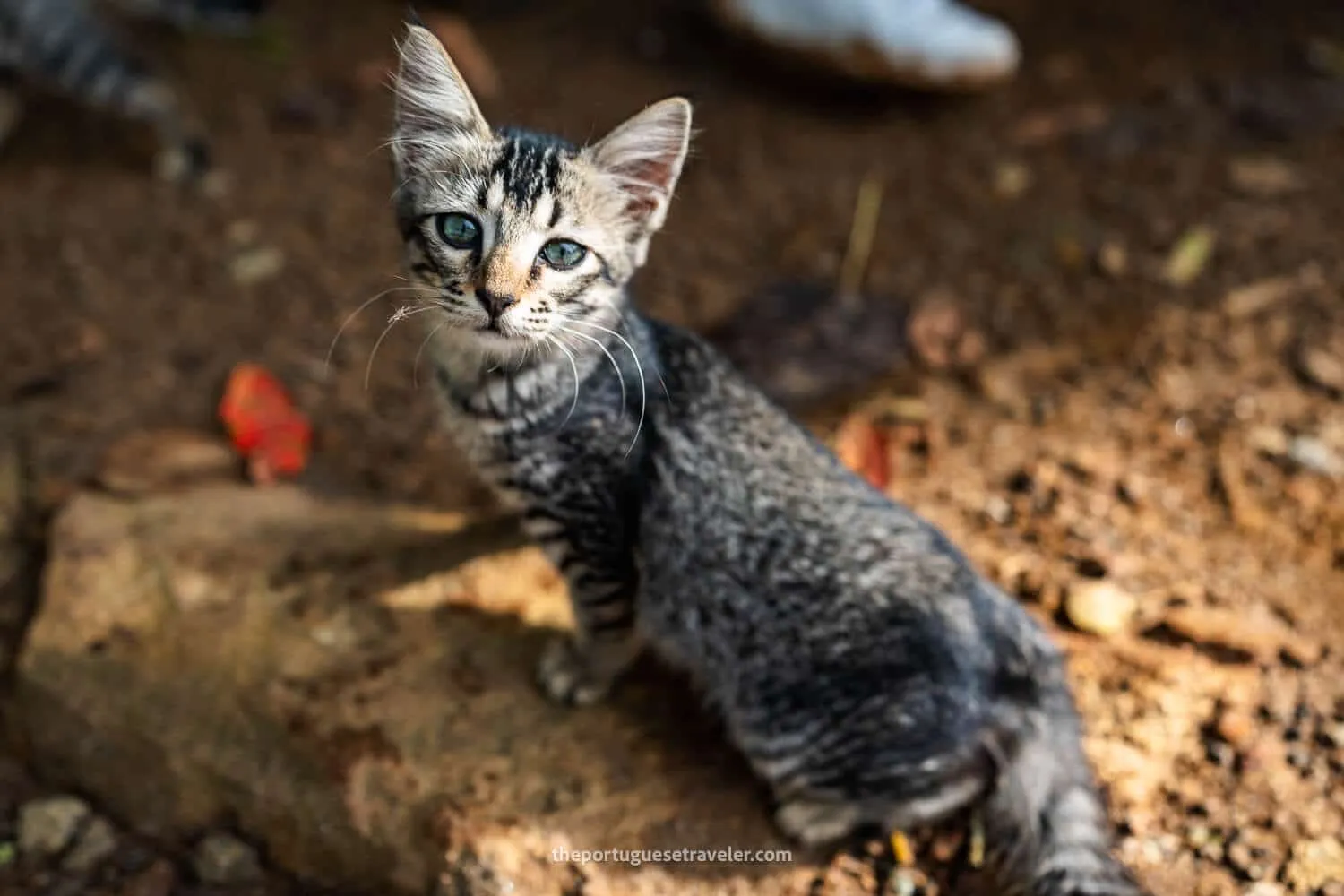
Can’t have enough of this cuteness (glad this is my blog and i can post wherever i want eheh)
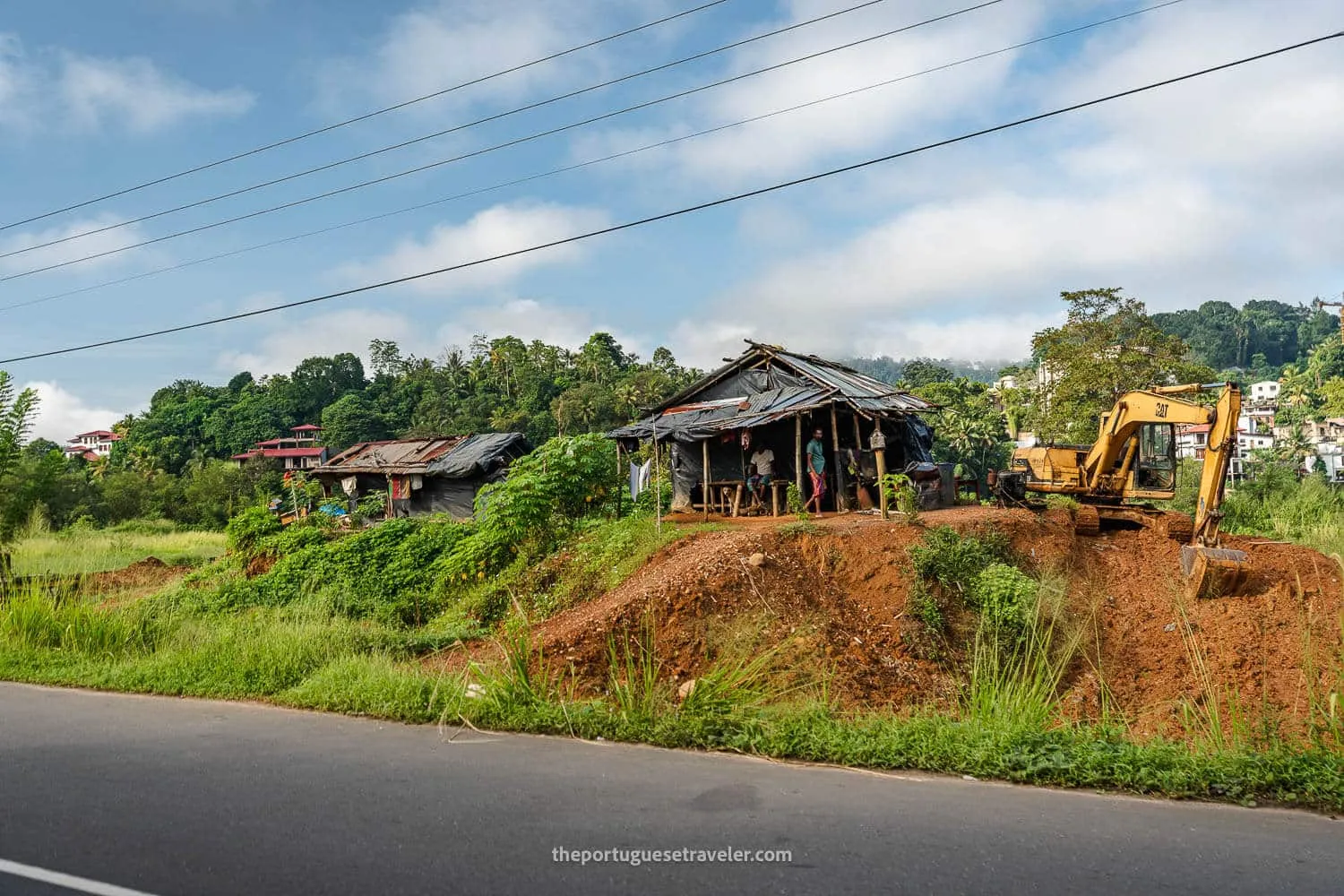
The mine from across the street
The Gem Market and Portuguese Fort
We then headed to the center of Ratnapura to explore the gem market. The market was bustling, with vendors eagerly showing their stones to our group. Despite the tourism board informing them we weren’t buying, the vendors proudly displayed their finds. It was a fascinating experience, and we could have spent the entire day there. Before leaving Ratnapura, we visited the NGJA, housed in an ancient Portuguese fort later converted by the Dutch. The fort is now home to a gem museum and the local police. The combination of history and gem culture made Ratnapura an unforgettable stop. From there, we continued our journey to Ravana Falls, the caves, and Ella. Ratnapura truly lives up to its name as the “City of Gems.” It’s a must-visit for anyone interested in the rich traditions and culture behind Sri Lanka’s gem industry.
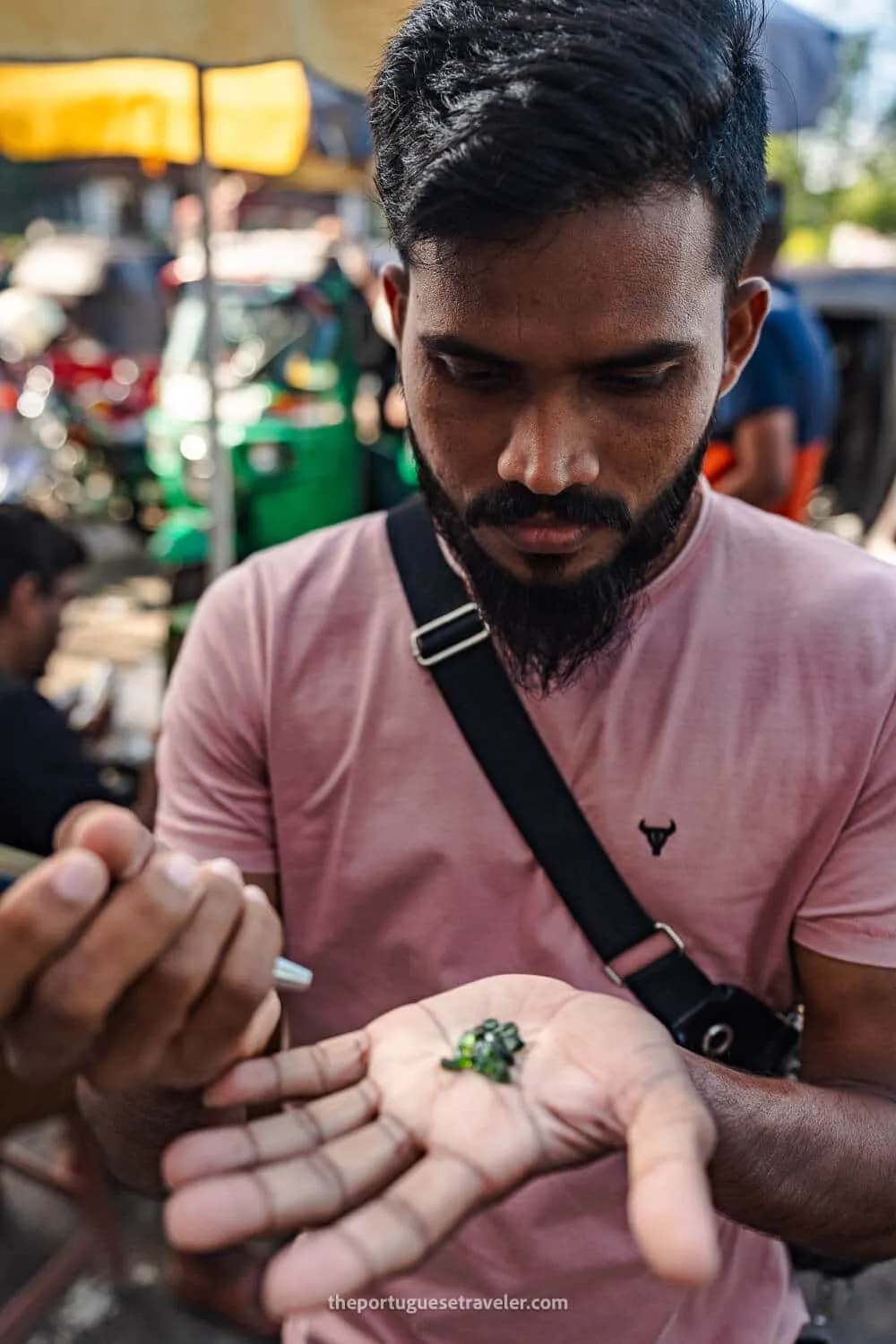
A gem vendor at the market in Ratnapura
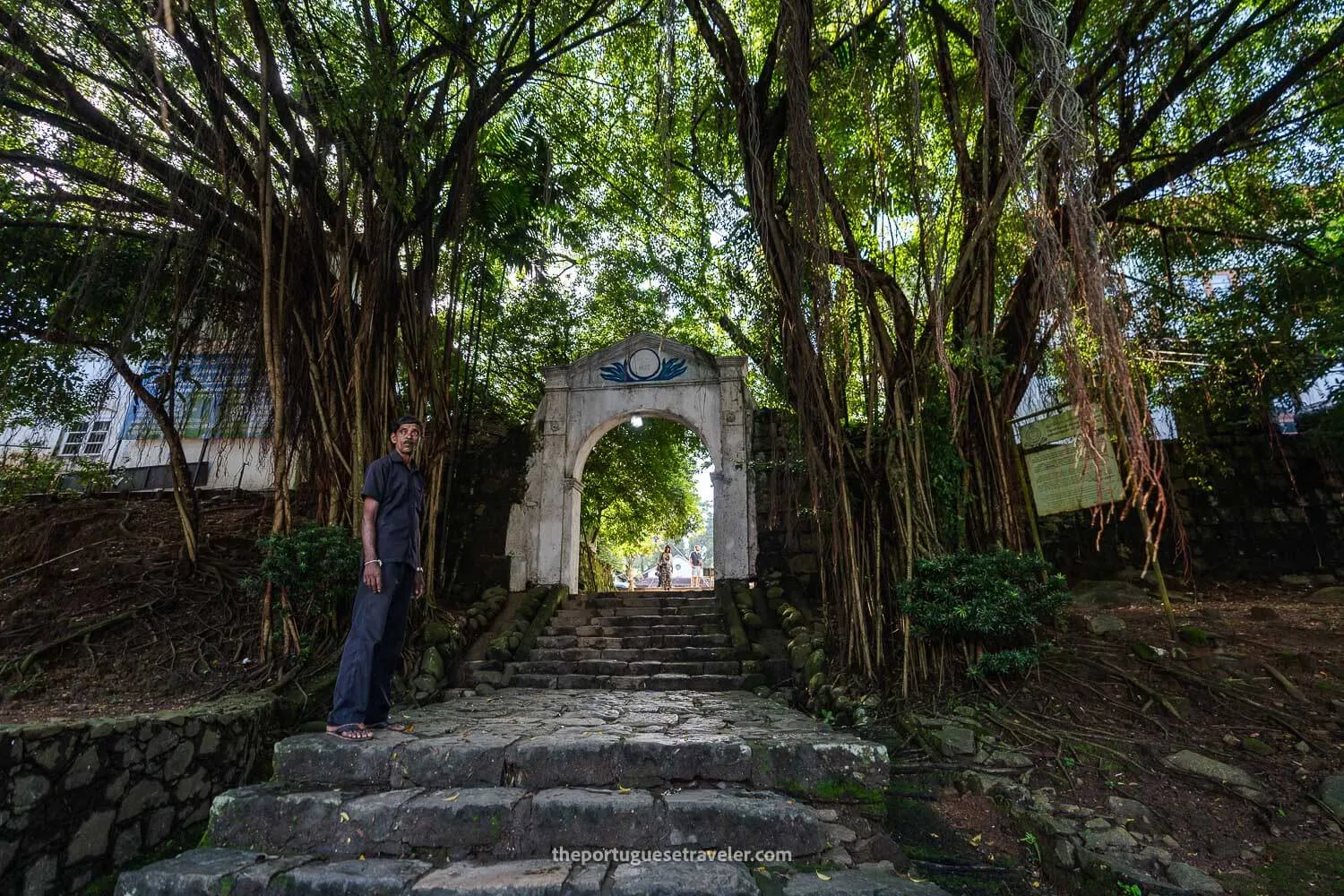
The Portuguese Fort in Ratnapura
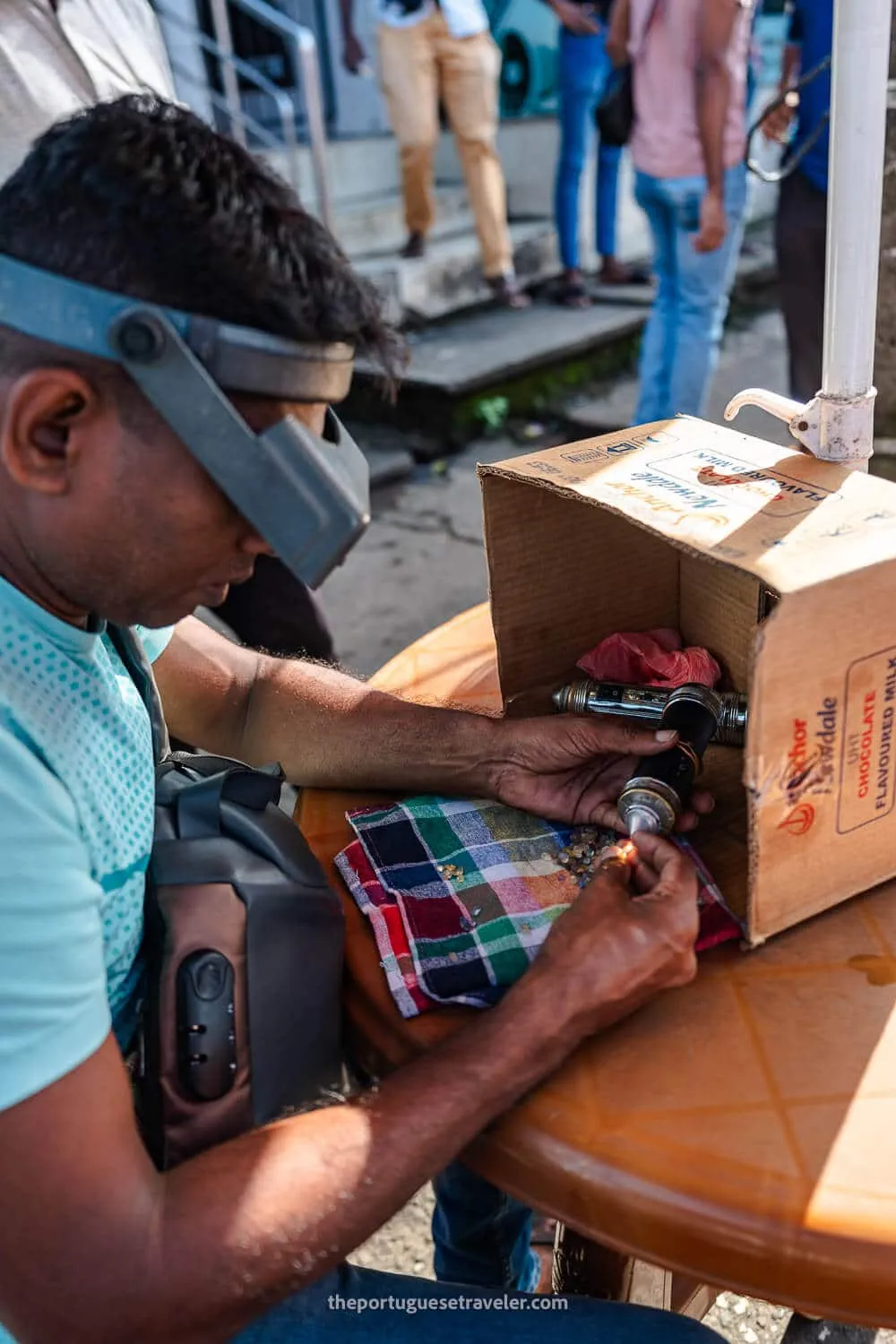
A gem vendor inspecting a gem at the Ratnapura Gem Market
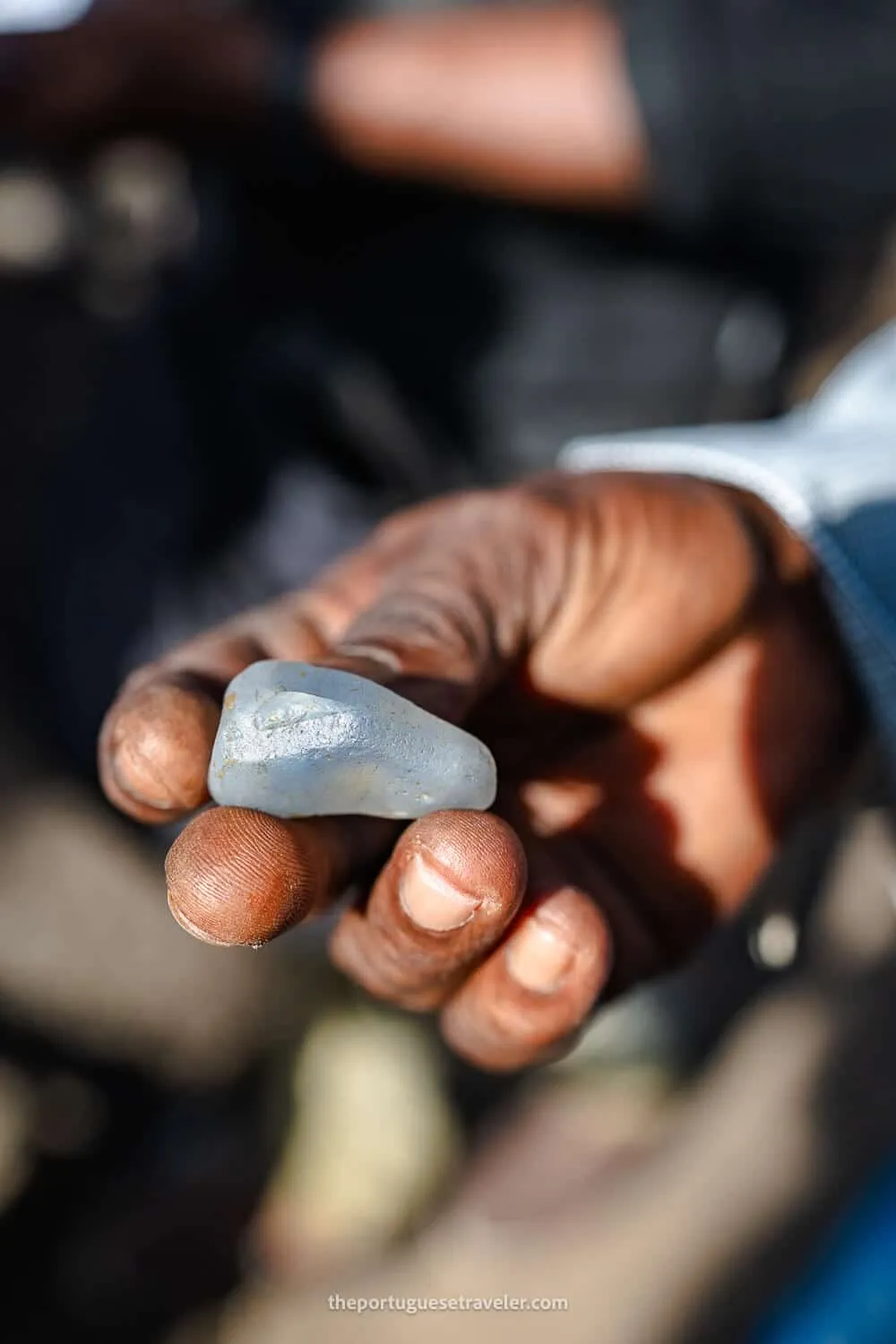
A gem from a vendor in the Ratnapura Gem Market
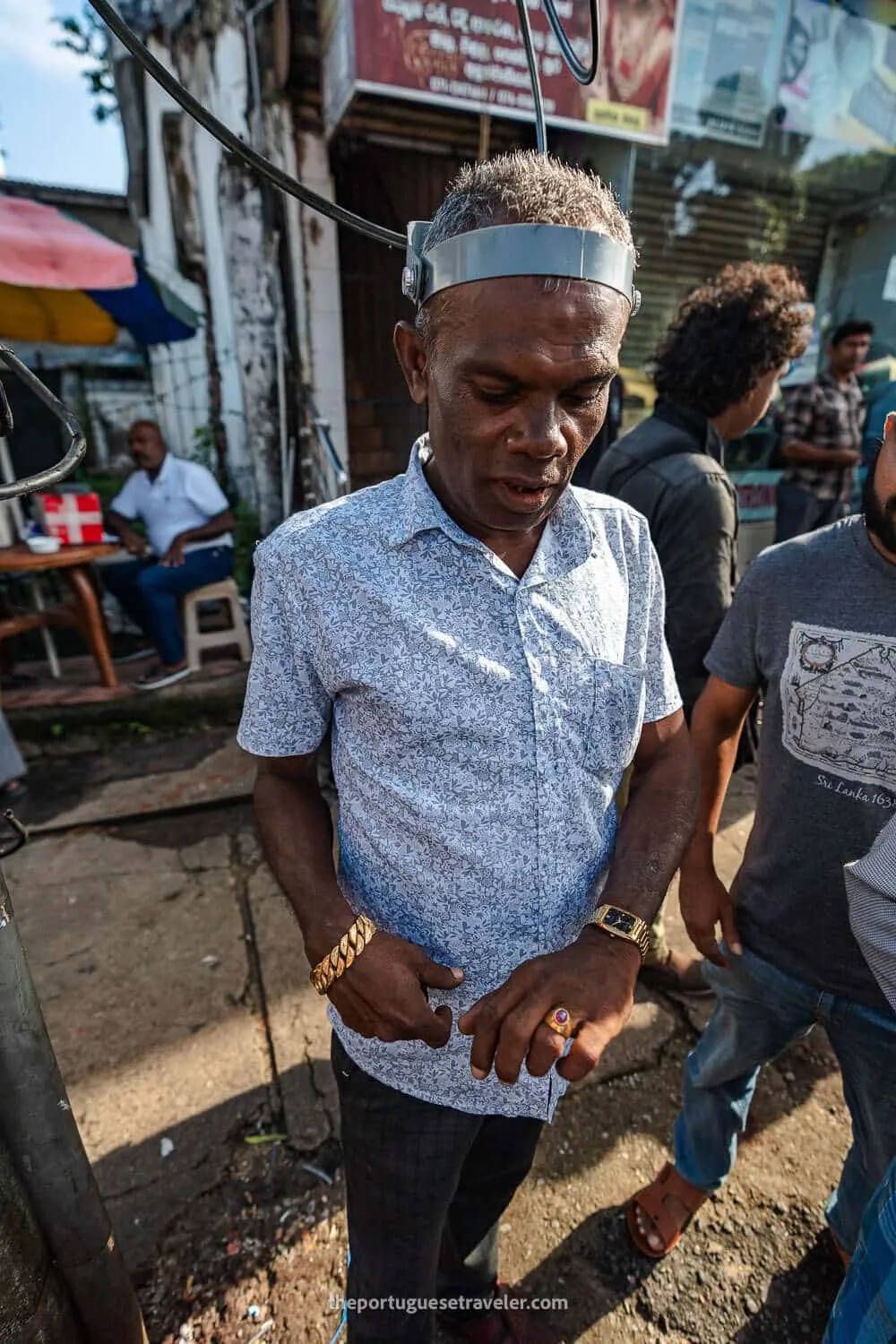
Another gem vendor in the market
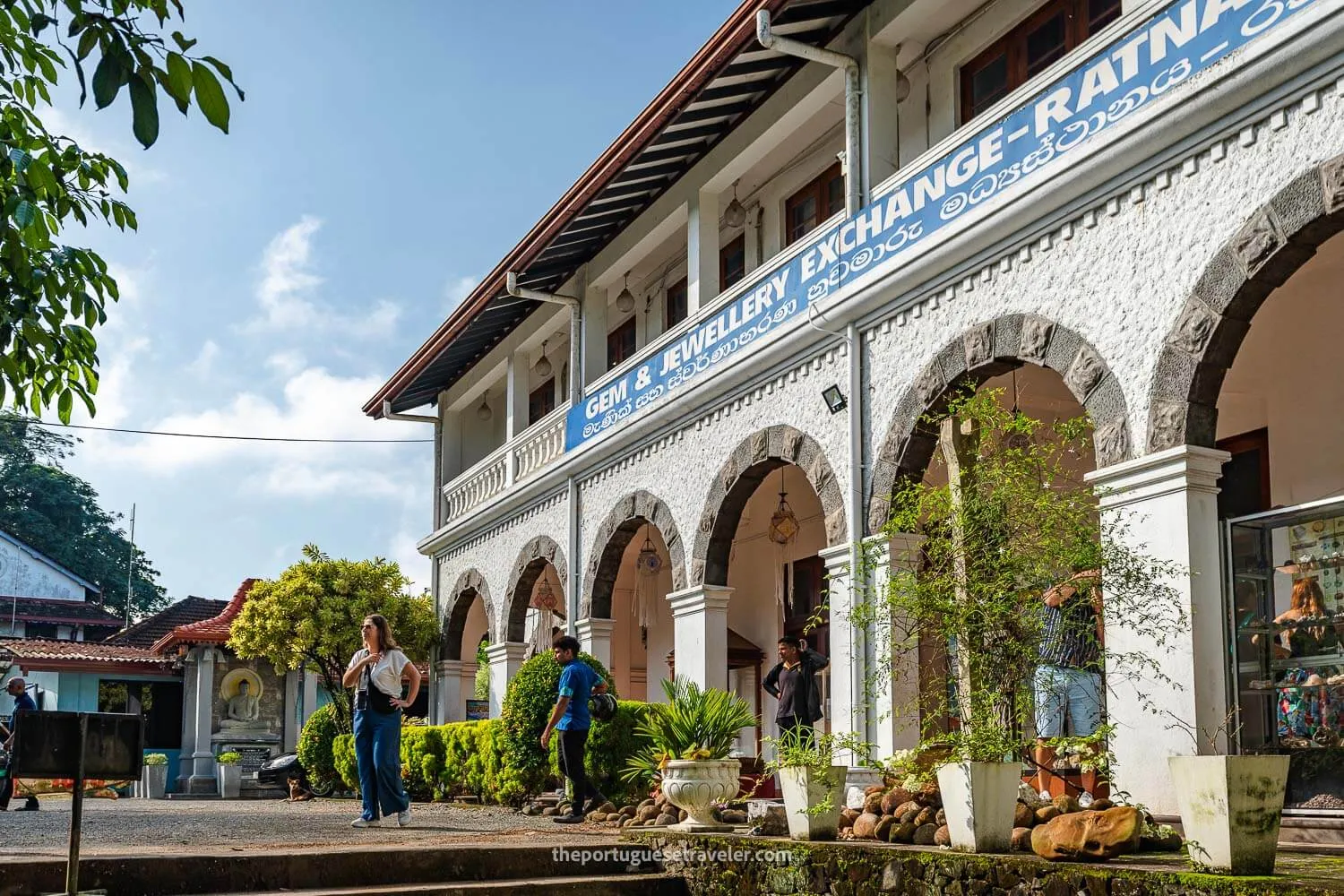
The interior of the fort
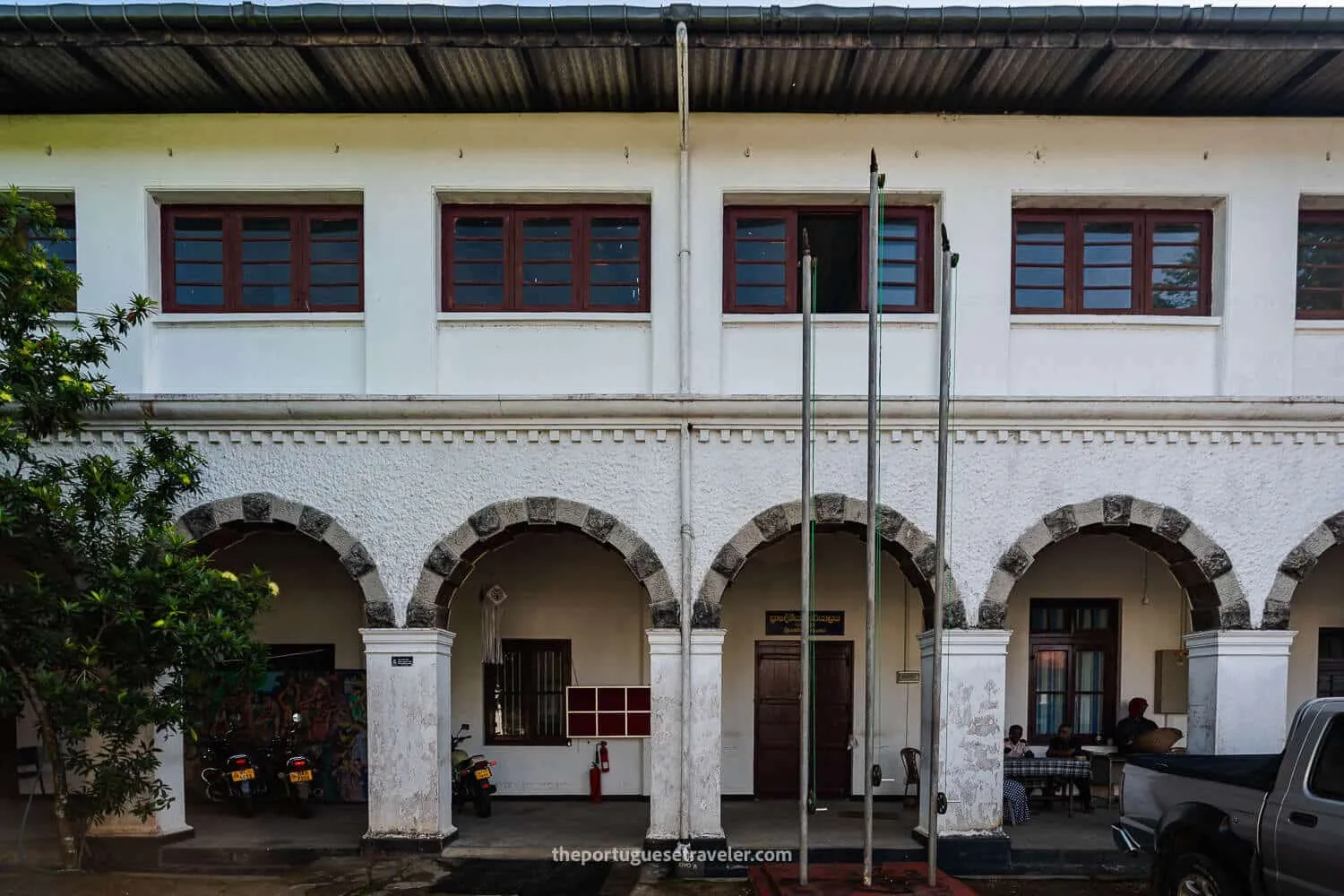
The colonial building inside the fort (probably the upper part was added after)
Photo Gallery
Maha Saman Dewalaya Temple & Tradicional Dances
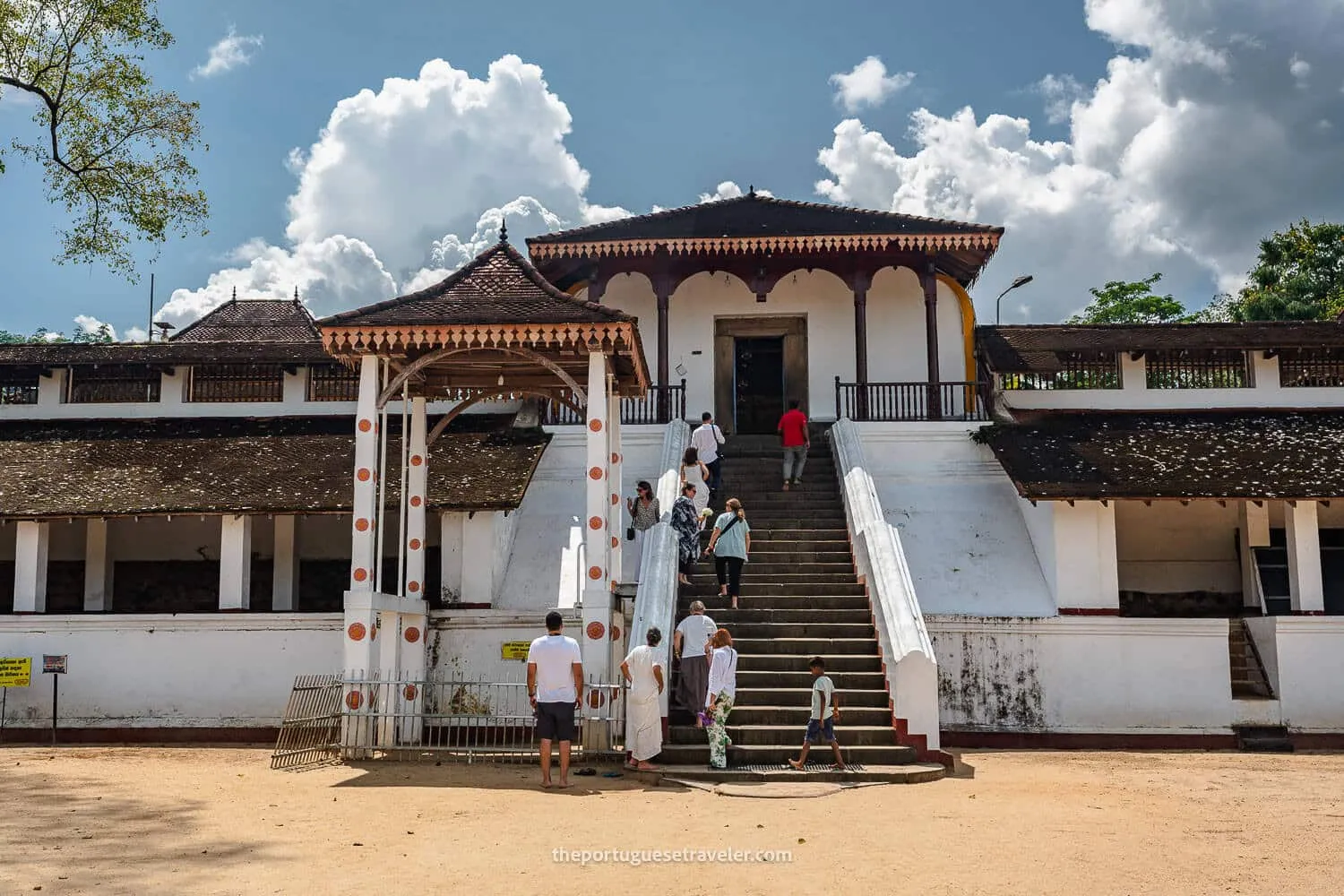
Gem Mining in Sri Lanka
The Gem Market and Portuguese Fort