
Draft — not yet translated.
Cómo Moverse por Galápagos: Ferris y Vuelos
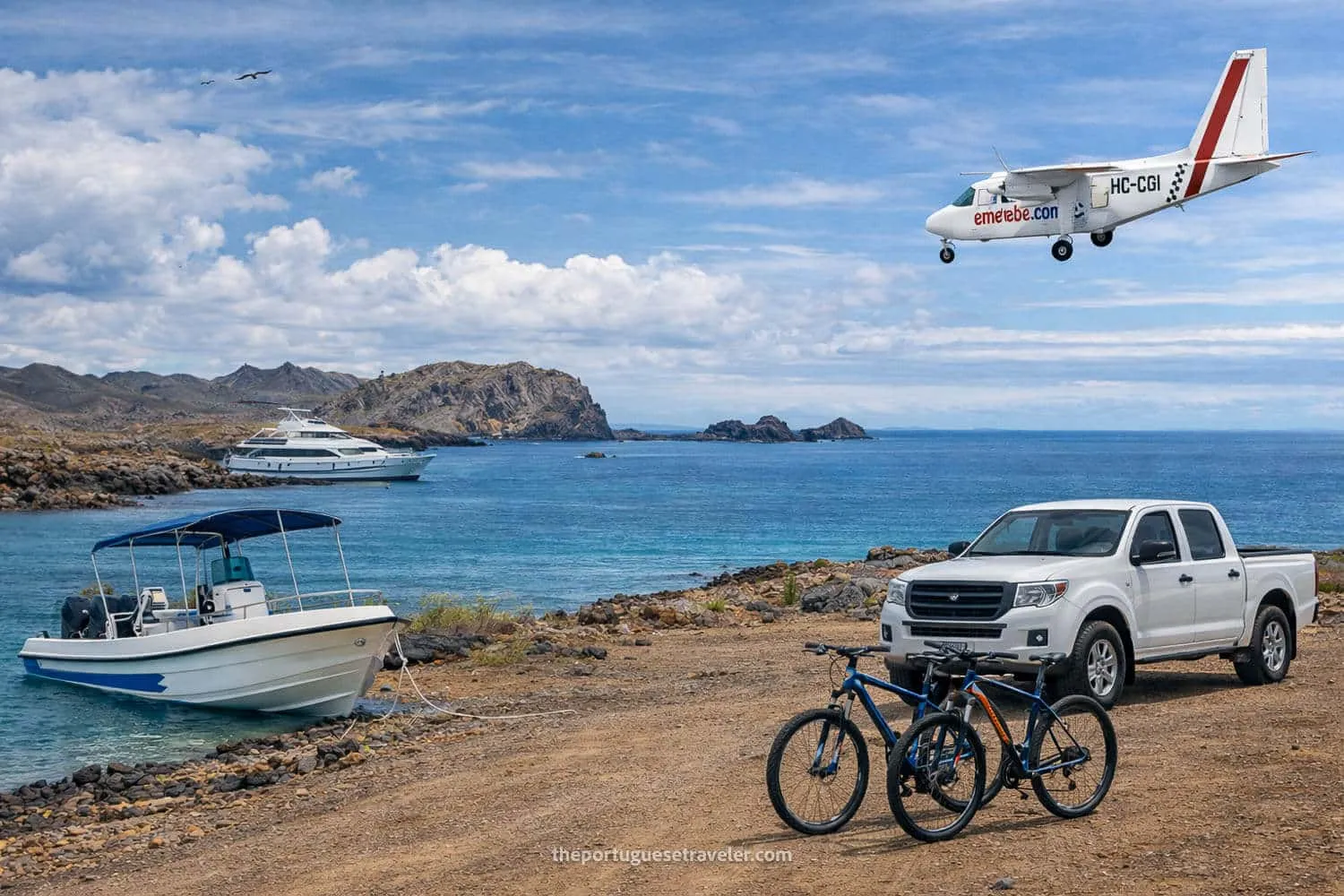
Galapagos Islands Transportation Guide (2026)
From flights and ferries to taxis and local transport
Transportation in the Galapagos is simple once you understand how it works, but it’s very different from getting around on the mainland. Due to strict regulations, limited infrastructure, and the islands’ unique geography, planning your Galapagos Islands transportation will save you time, money, and unnecessary stress during your trip.
This guide breaks down the main ways to reach the Galapagos, travel between islands, and move around locally, whether you’re visiting on a cruise or staying on land.
Table of Contents
Your Galapagos Islands Essentials - Quick Guide
Short on time? This quick Galapagos guide will help you plan!
Where to Stay: - Finch Bay Hotel (Santa Cruz Island) - Hotel Indigo by IHG (San Cristobal Island) - Hotel Iguana Crossing (Isabela Island)
Must-Do Experiences: - 360 Tour (San Cristobal highlights by boat) - Kicker Rock Tour (Top snorkeling with big wildlife) - Bartolome Island Tour (Iconic views & marine life) - Floreana Island Tour (Snorkel, fishing & history) - Sierra Negra Volcano Tour (Epic volcano hike) - Los Tuneles Tour (Galapagos’ best snorkeling)
Extras you’ll Need: - Travel Insurance with Heymondo (5% discount). - Mobile eSim with Holafly (5% discount) or Airalo
Important: Tours sell out fast - book early and plan a backup day.
Getting to the Galapagos Islands
Reaching the Galapagos always involves a domestic flight from mainland Ecuador. There are no international flights directly to the islands, and all passengers go through additional controls before departure.
Flights from Mainland Ecuador
Flights to the Galapagos depart from Quito and Guayaquil, with several daily connections. Guayaquil is closer and often offers slightly shorter flight times, while Quito is more convenient for travelers already exploring mainland Ecuador.
Before boarding, passengers must pass through document checks and luggage inspections, which are part of the Galapagos National Park’s biosecurity system.
Galapagos Airports
There are two main airports connecting the Galapagos Islands with mainland Ecuador, and which one you arrive at will influence your onward transportation.
- Baltra Airport (GPS): Main gateway for Santa Cruz Island and the primary entry point for flights from mainland Ecuador
- San Cristobal Airport (SCY): Direct access to San Cristobal Island, also with flights from mainland Ecuador
From Baltra Airport, travelers continue by bus, ferry, and taxi to reach Puerto Ayora on Santa Cruz Island.
In addition, Isabela Island has a small airport, but it is used only for inter-island flights, not for flights to or from the mainland.
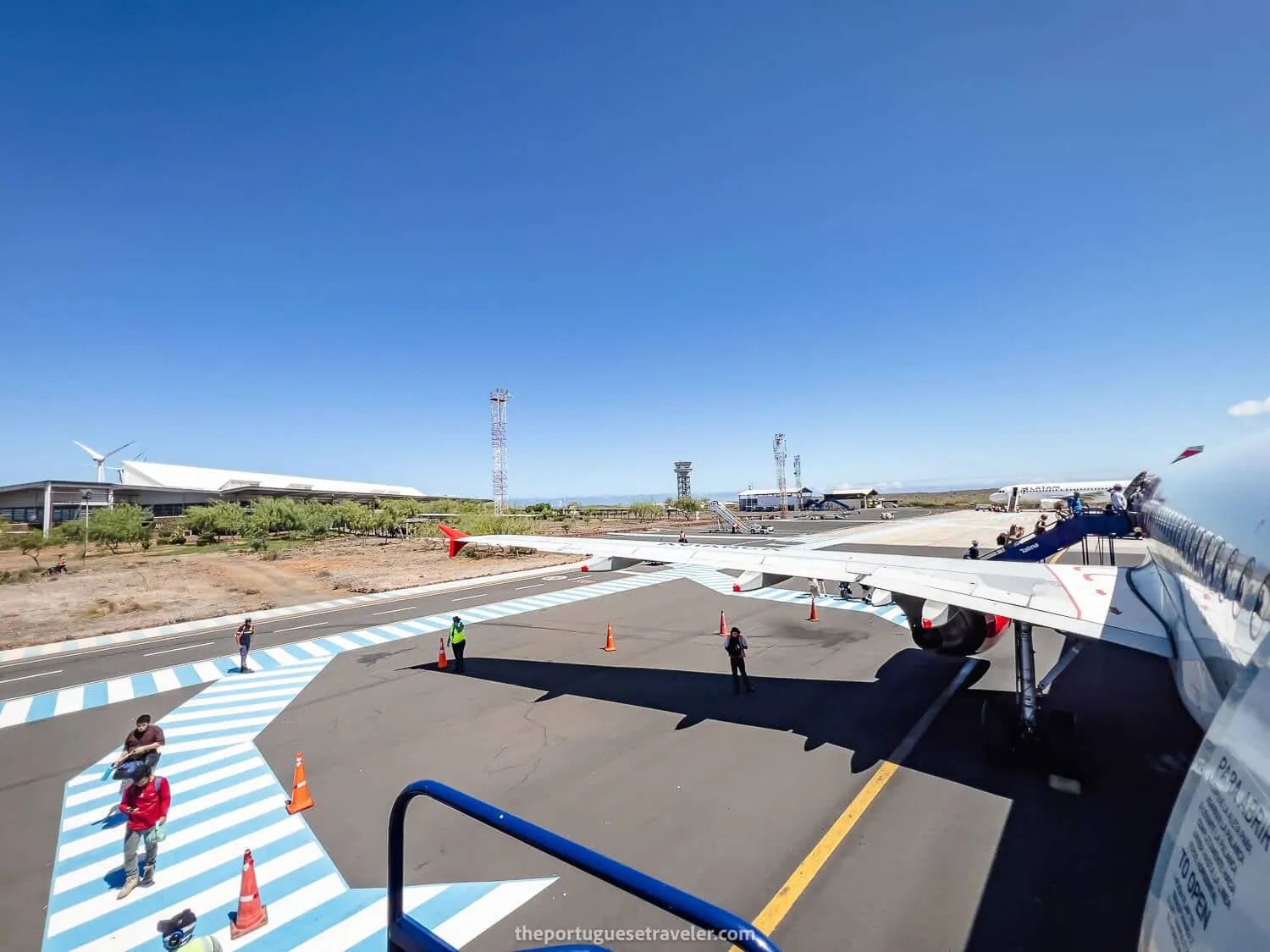
Baltra Airport in the Galapagos
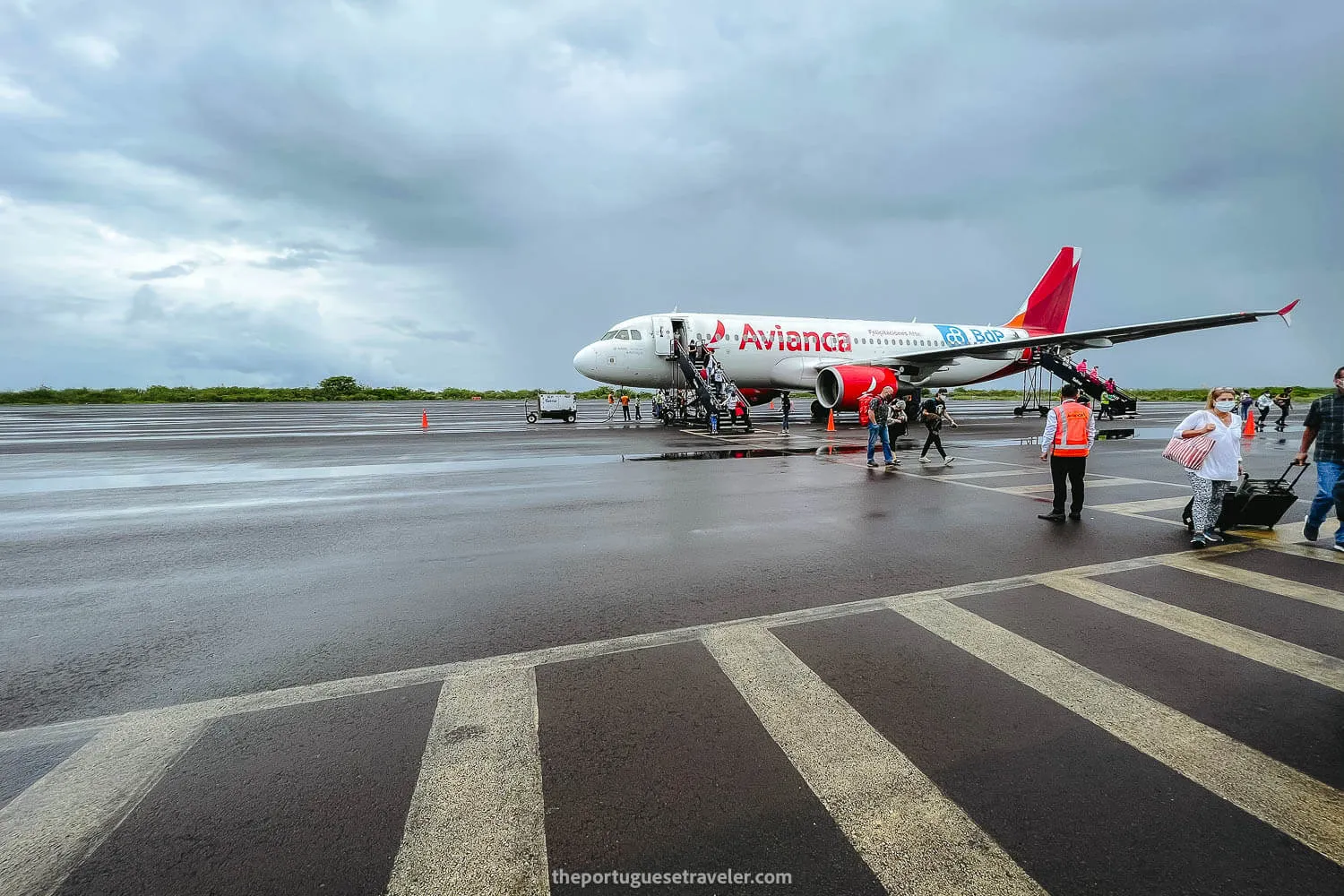
Moments after arriving by plane to San Cristobal Island
Galapagos Islands Transportation - Between Islands
Island hopping in the Galapagos is possible, but options are limited and schedules can change due to weather and sea conditions. Understanding inter-island transport is a key part of planning Galapagos Islands transportation.
Inter-Island Flights
Small planes from Emetebe operate between some of the main islands, offering a faster and more comfortable alternative to ferries. These flights are more expensive but ideal for travelers short on time or sensitive to rough seas.
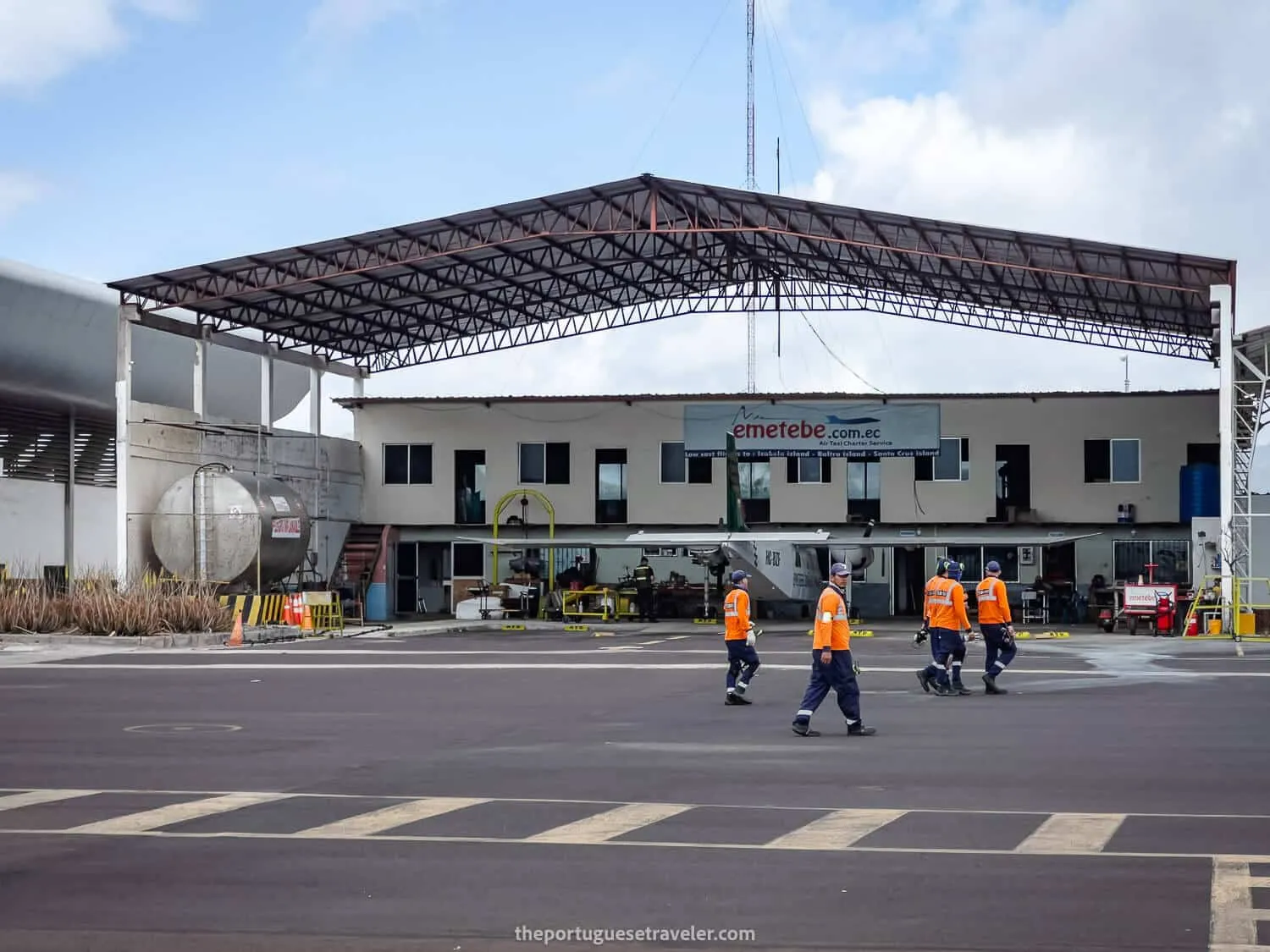
An airplane from Emetebe, the Galapagos inter-island airline
Inter-Island Ferries
Ferries are the most common way to travel between islands such as Santa Cruz, Isabela, and San Cristobal. While affordable, ferry rides can be bumpy, especially during rough seas, and usually take around two to three hours.
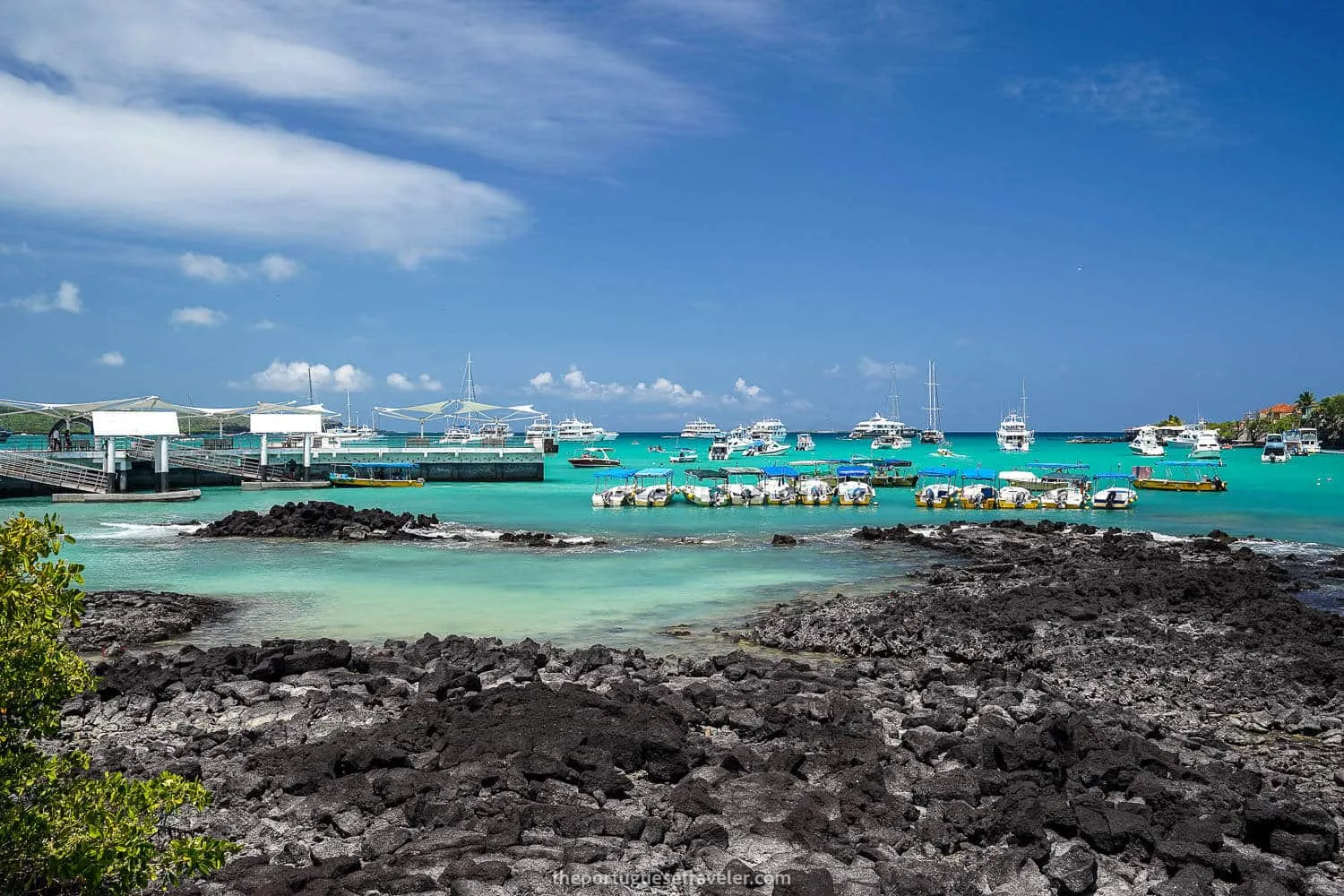
Puerto Ayora’s dock in Santa Cruz island, Galapagos
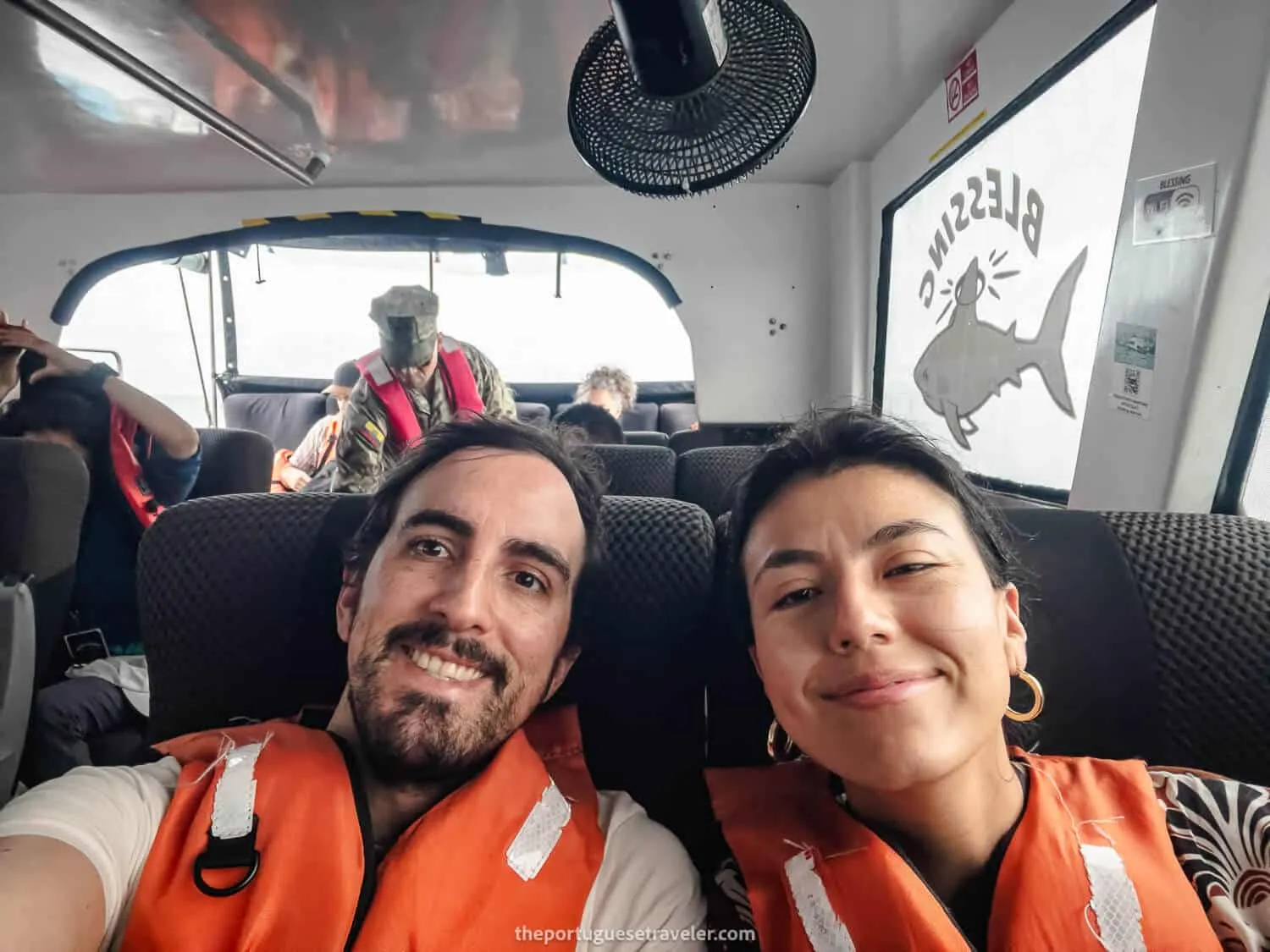
An inter-island ferry between San Cristobal and Santa Cruz
Galapagos Islands Transportation - On Each Island
Once on an island, transportation is relatively simple and depends largely on where you’re staying and which activities you have planned.
Taxis & Local Transport
Taxis in the Galapagos are mostly white pickup trucks and operate on fixed routes rather than meters. Prices are usually standardized, but it’s always good to confirm before getting in.
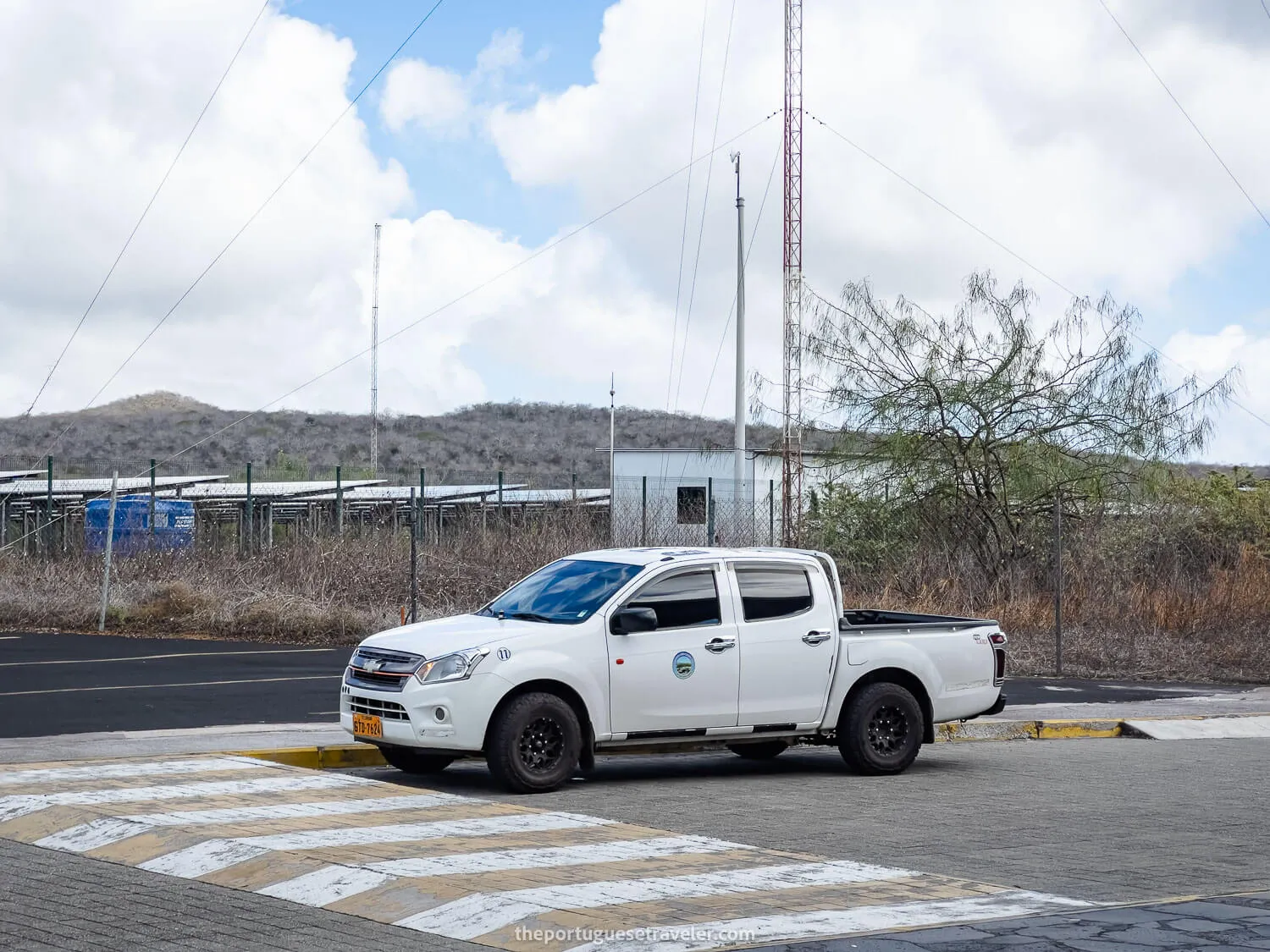
A pickup van taxi outside of the San Cristobal airport
Car Rental
Car rental is essentially not an option in the Galapagos Islands. The importation of vehicles is strictly regulated, and there are no traditional car rental agencies available to visitors. While you’ll see plenty of vehicles on the islands — especially in Puerto Ayora — a large proportion of them operate as taxis or are used for official and local purposes.
Walking & Biking
In towns like Puerto Ayora and Puerto Baquerizo Moreno, many attractions, restaurants, and beaches are within walking distance. On Isabela Island, biking is a popular and practical way to get around due to flat terrain and limited traffic.
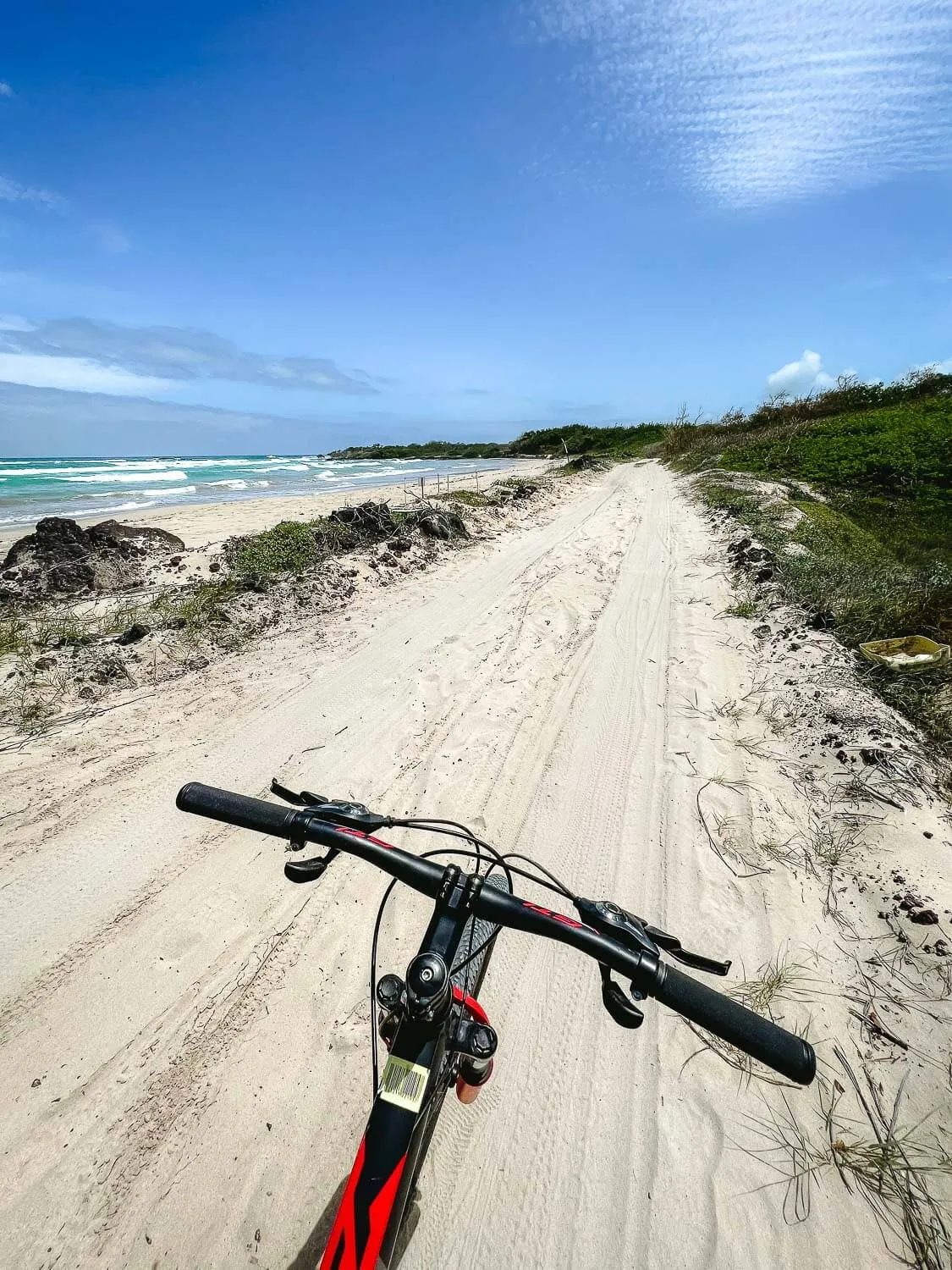
Biking to the Wall of Tears - The beach section of the route
Galapagos Islands Transportation - Tours & Excursions
Most visitors explore the islands through organized activities, which simplifies local transportation considerably.
Day Tours & Boat Trips
Transportation is typically included in guided tours, whether it’s a snorkeling trip, wildlife excursion, or boat tour. Pickups are usually arranged directly from your hotel or a nearby meeting point.
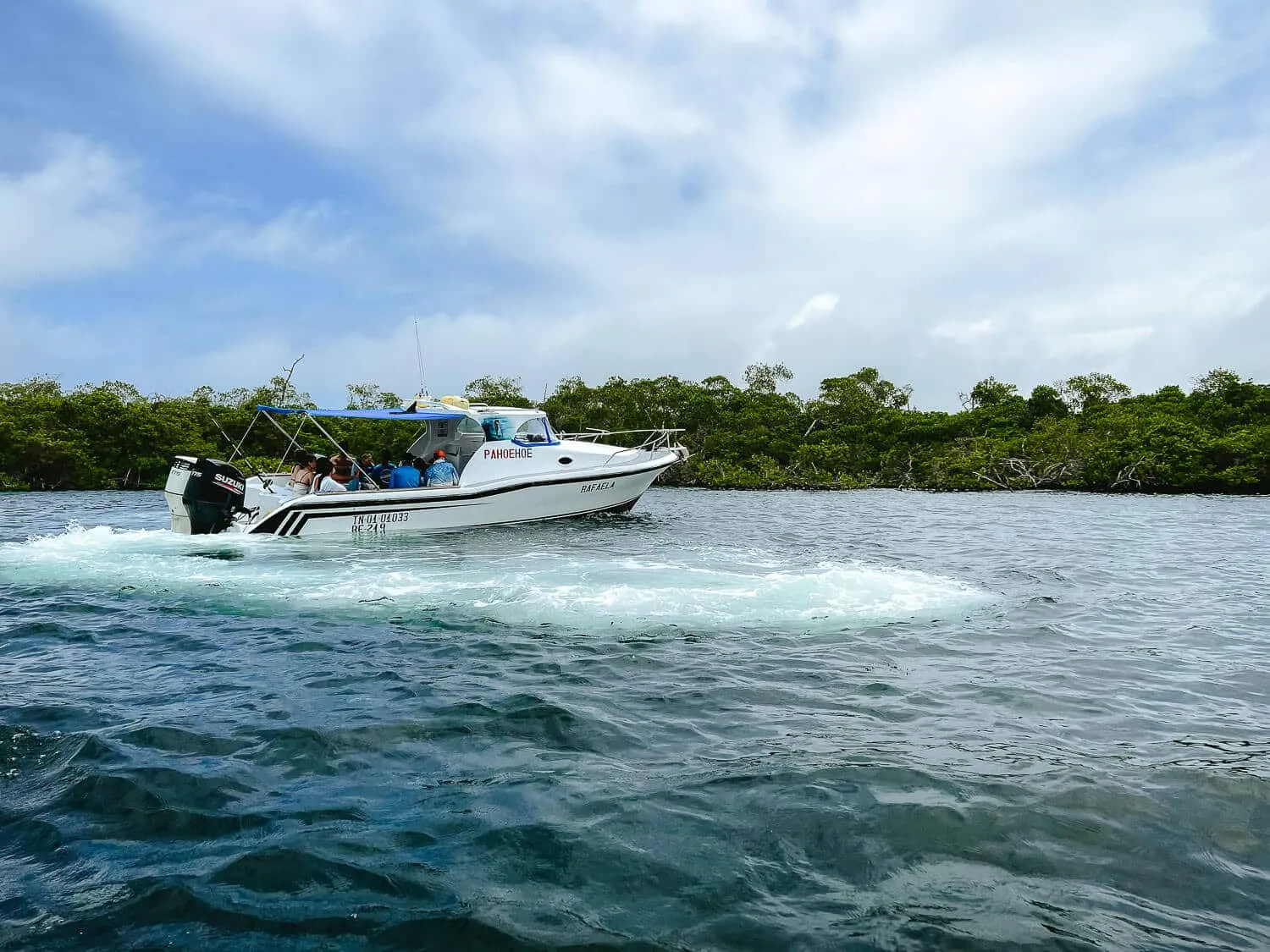
The speedboat that takes you on the Los Tuneles tour
Organized Transfers
For convenience, many hotels and tour operators offer organized transfers between airports, ferry terminals, and accommodations. These are especially helpful for first-time visitors navigating the Galapagos Islands transportation for the first time.
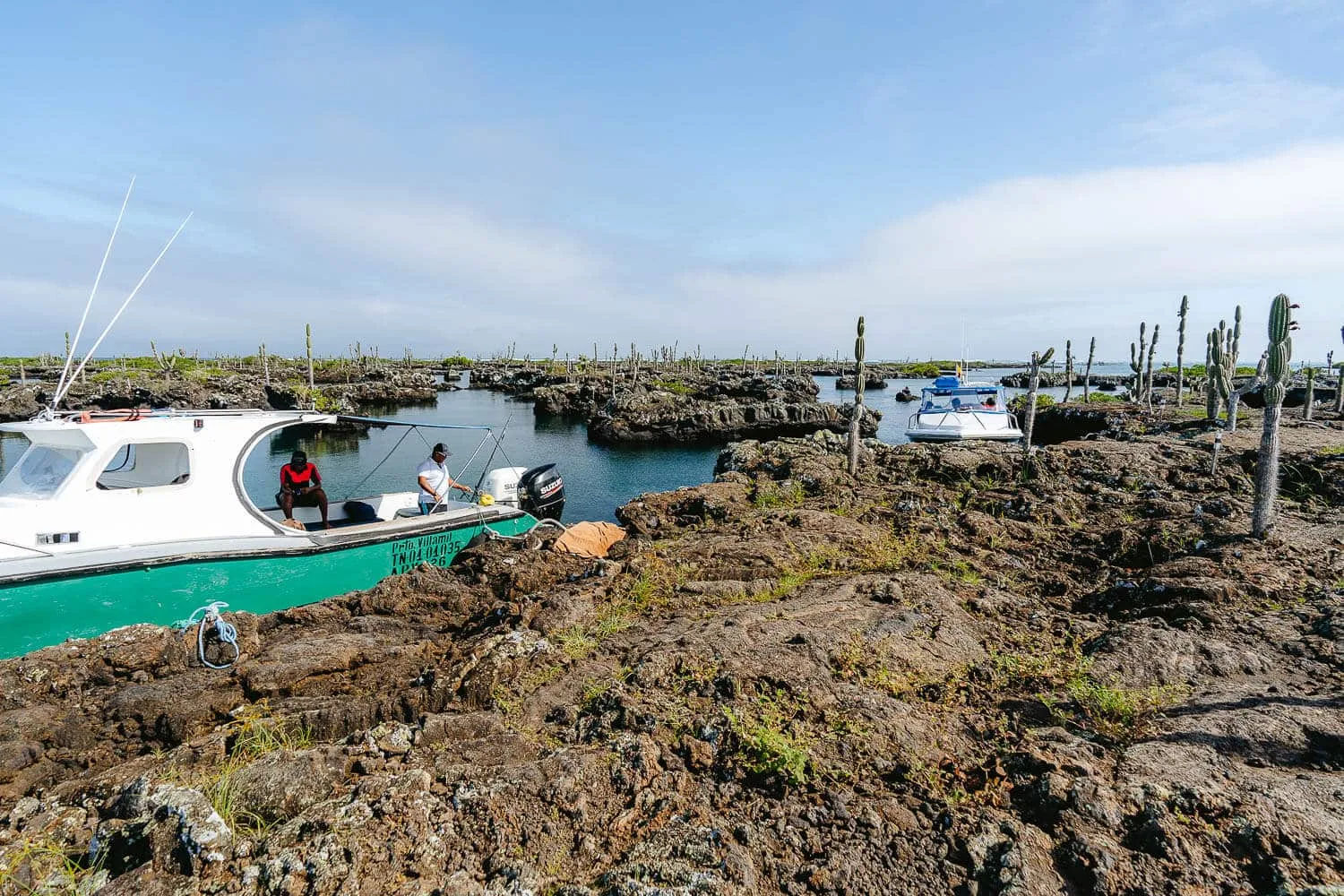
The boats parked next to the lava formations on the Los Tuneles tour
Galapagos Islands Transportation Tips
Transportation in the Galapagos runs on a flexible schedule, so a little patience goes a long way.
- Book inter-island transport in advance
- Expect delays due to weather or sea conditions
- Travel light, especially for flights and ferries
- Carry cash for taxis and smaller transfers
 Read More: These three articles might help you plan your Galapagos trip: Best Time to Visit the Galapagos Islands - Galapagos Packing List - Things To Know Before Visiting the Galapagos Islands
Cruise vs Land-Based Galapagos Islands Transportation
Transportation logistics differ depending on how you visit the islands.
- Cruise travelers have most transportation organized in advance
- Land-based travelers rely more on ferries, taxis, and local transfers
Both options work well, but understanding how Galapagos Islands transportation operates helps you choose the right travel style.
 Read More: Check out our articles on how to choose your Galapagos Cruise and the Best Things To Do in the Galapagos Islands while on land.
Where to Stay in the Galapagos Islands
Where you stay in the Galapagos can really shape your experience. You can choose a cruise, which doubles as your floating hotel, or land-based stays on islands like Santa Cruz, San Cristobal, and Isabela, ranging from cozy guesthouses to luxury hotels with ocean views.
Personally, I love staying on the islands—it’s magical to wake up to the sound of waves and explore nearby beaches or towns before heading out on day tours. No matter what you choose, booking early is key, especially in high season, to get the best spots and make the most of your trip.
 Accommodation: Where to stay and the best hotels and hostels on the three main islands (Santa Cruz, San Cristobal, and Isabela)
My Experience Visiting the Galapagos Islands
I’ve been to the Galapagos several times, and by coincidence, always around April. The first time, I explored all three main islands, did almost every daily tour to the neighboring islands, and went on several dives. The second time, I stayed with Ecuadorian friends in San Cristobal—the coziest of the islands, like a small fishermen’s village full of sea lions. Honestly, I could have stayed there for a month; it was so calm and relaxed.
During that second trip, I finally saw hammerheads at Kicker Rock and enjoyed some stunning sunsets and clear skies on the beaches of San Cristobal, perfect for capturing the most beautiful turquoise water photos. I also loved soaking in the local vibe and simply relaxing on the island. I’ll be coming back in January 2026 with my mother, and I’m looking forward to experiencing the same wonderful climate as before, enjoying the islands at a slower pace, and truly appreciating the uniqueness and tranquility of this enchanted archipelago.
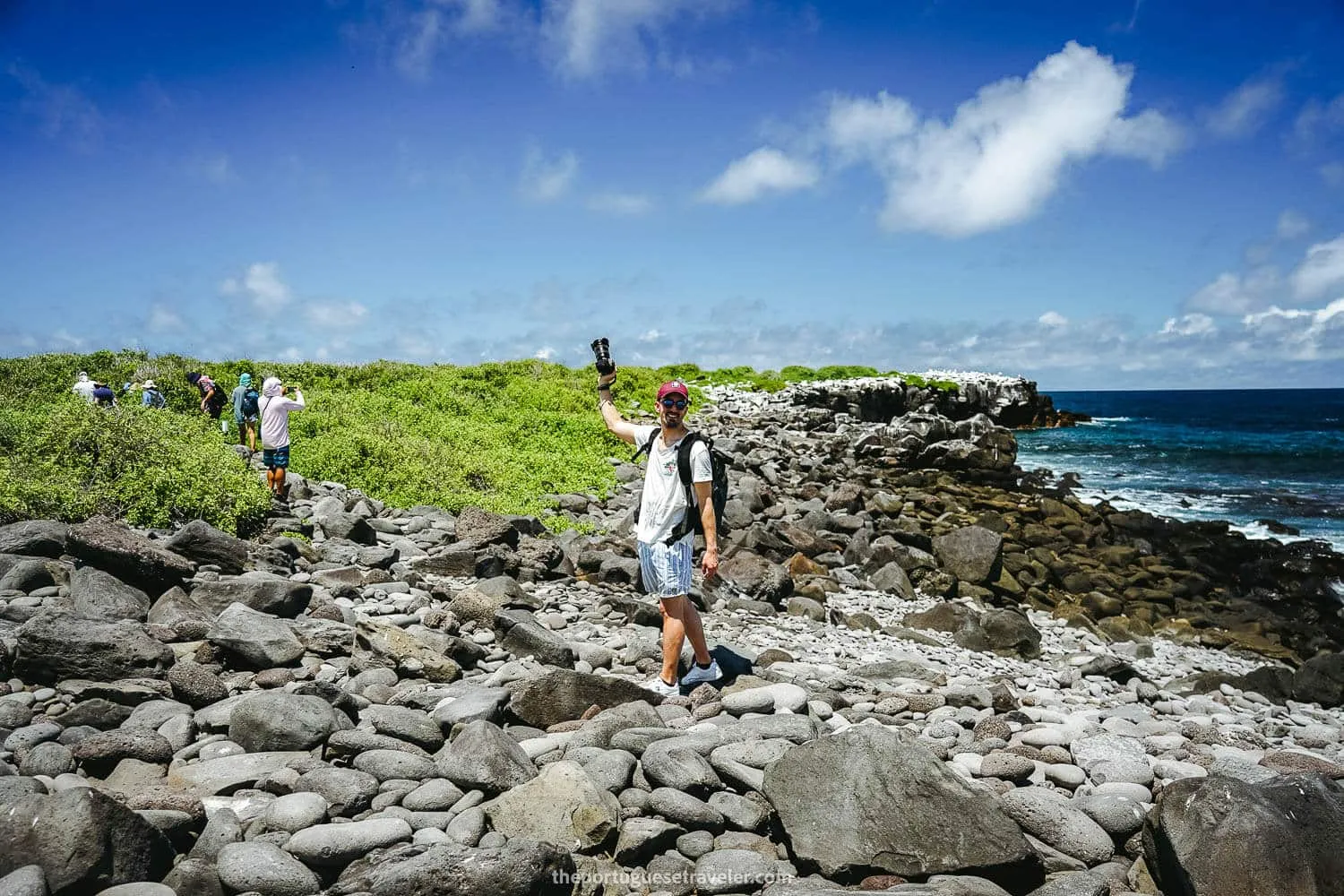
Me at The Cliffs of Punta Suarez in Española Island

Me and Jhos at the viewpoint in Puerto Chino Beach
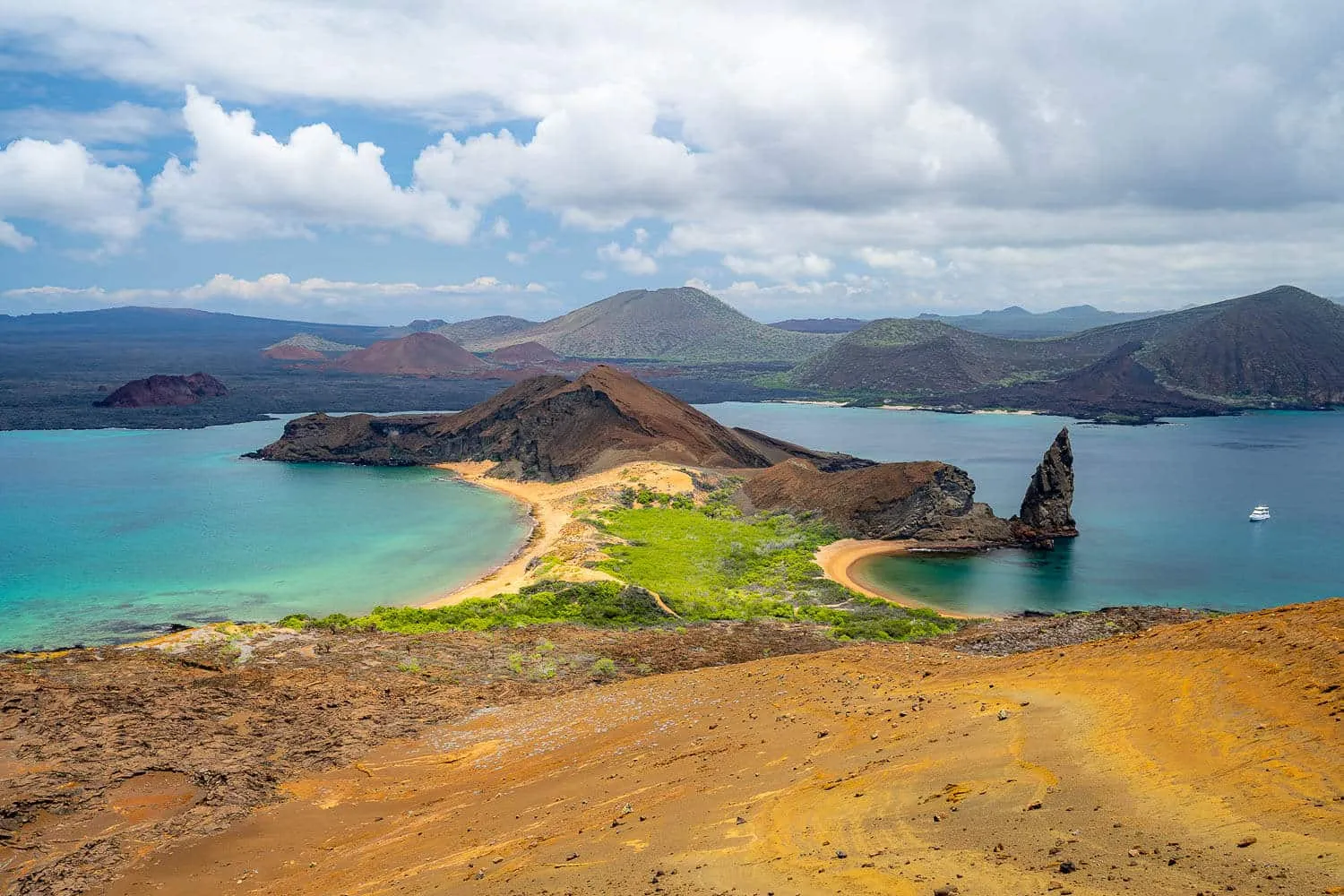
The viewpoint at Bartolomé Island